Top 5 Natural Monuments around Leżajsk
Natural monuments around Leżajsk offer a diverse landscape characterized by extensive forests, river valleys, and unique ecological sites in southeastern Poland. The region features significant natural landmarks, including ancient trees and protected reserves. These areas provide opportunities to observe varied ecosystems and explore the natural heritage of the Leżajsk Forest District.
Best natural monuments around Leżajsk
- The most popular natural monuments is Pontic Azalea Nature Reserve Kołacznia, a natural monument that is home to the only natural stand of…
Last updated: June 29, 2026
Pontic Azalea Nature Reserve Kołacznia
Highlight • Natural Monument
Translated by Google •
Tip by

Area Destroyed by Tornado near Leżajsk
Highlight • Natural
Translated by Google •
Tip by
Sign up now to discover places like this
Get recommendations on the best single tracks, peaks, & plenty of other exciting outdoor places.
Sign up for free
Memory Oak for Major Józef Czajka
Highlight • Monument
Translated by Google •
Tip by

Independence Monument with Statue of the Virgin Mary
Highlight • Monument
Translated by Google •
Tip by
Pontic Azalea Reserve in Wola Zarczycka
Highlight • Natural Monument
Translated by Google •
Tip by
Start today with a free account
Your next adventure awaits.
Login or Signup
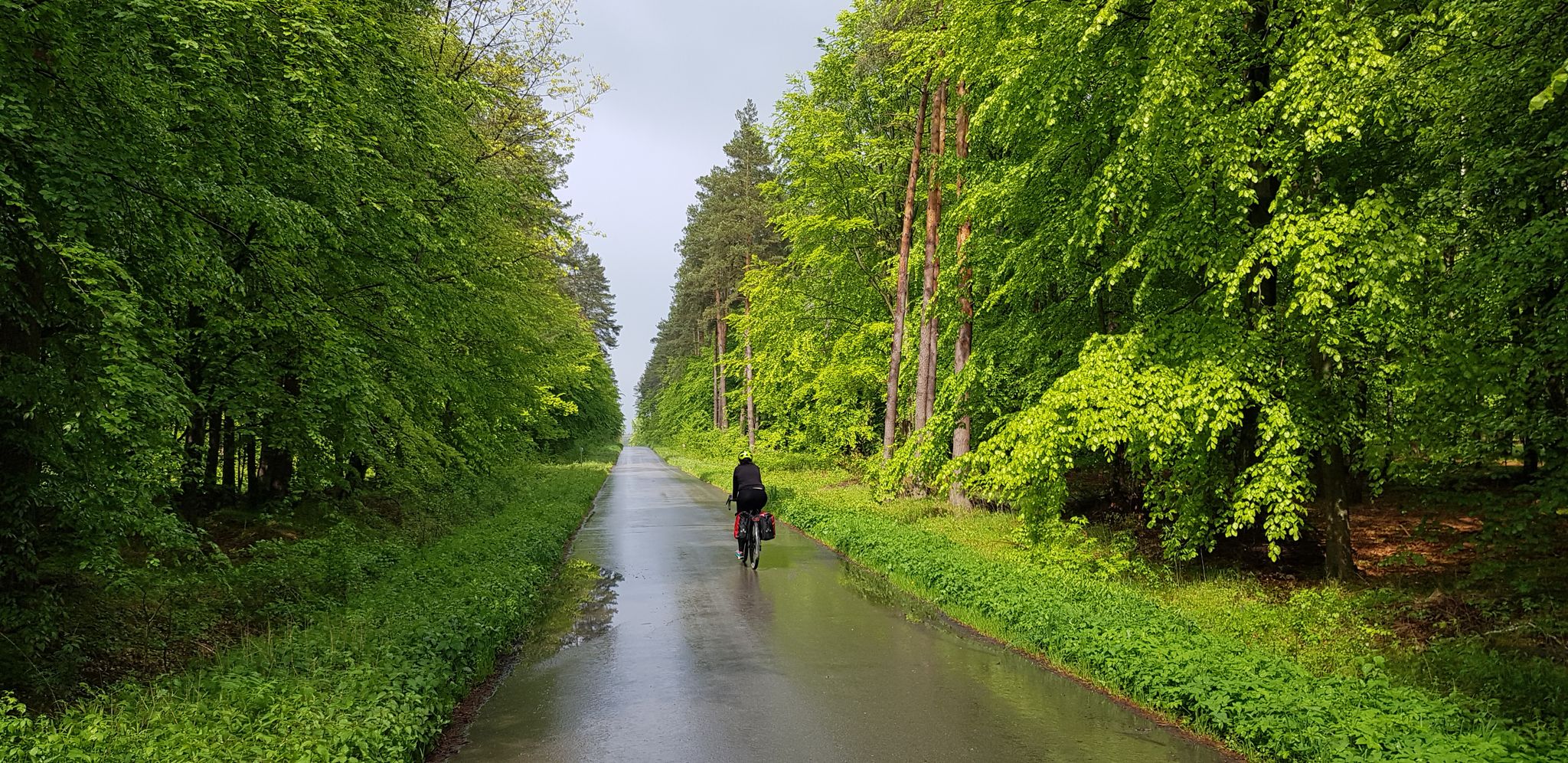
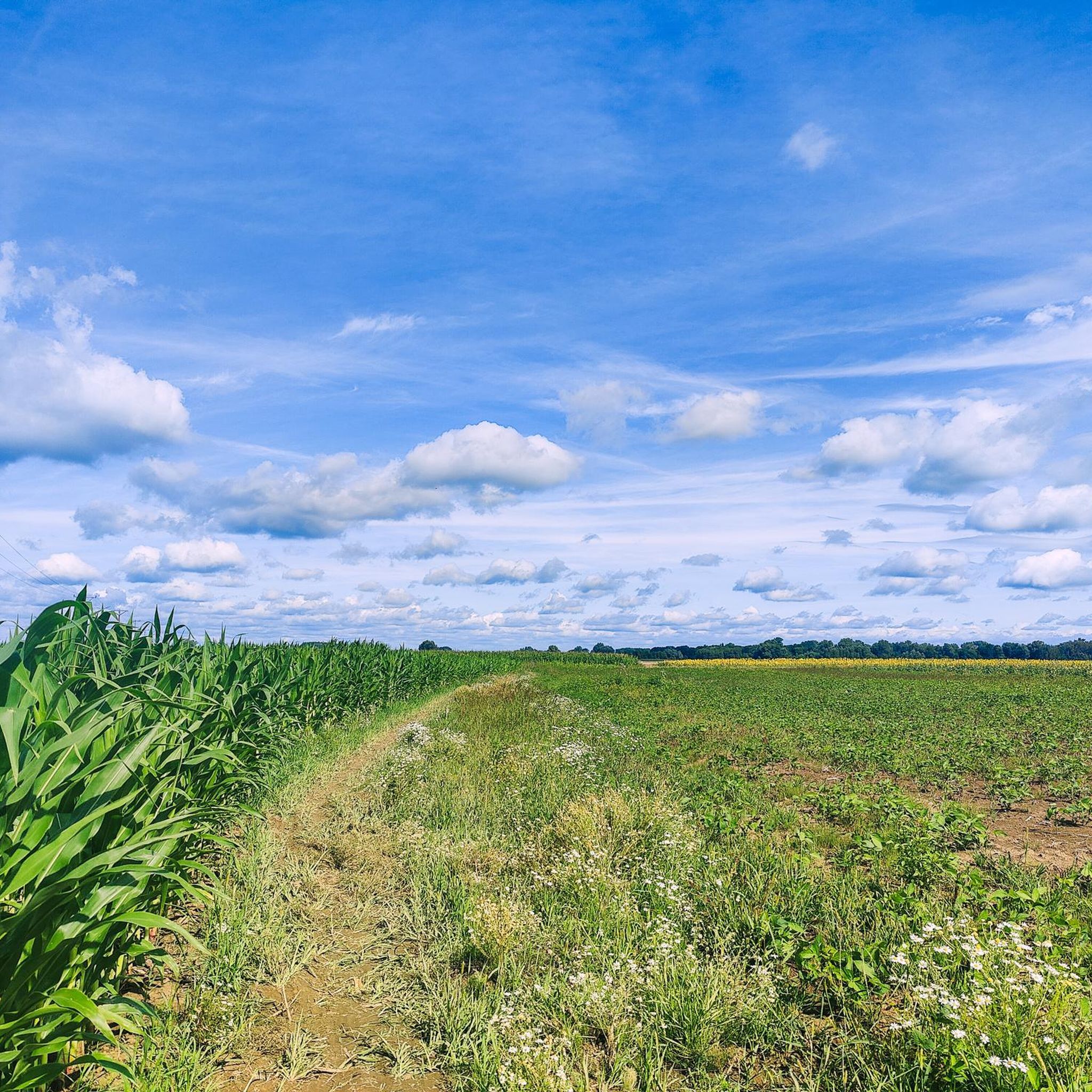
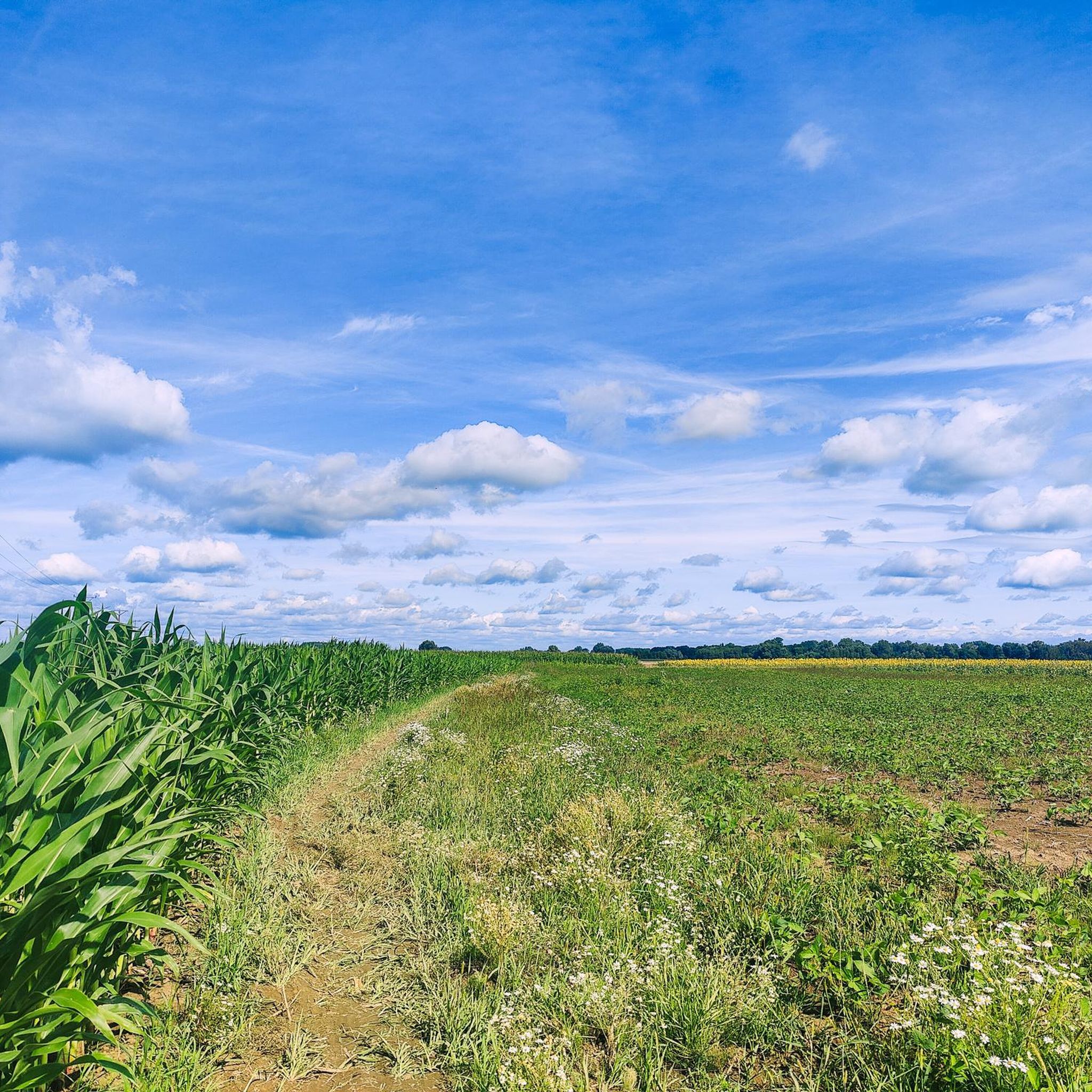

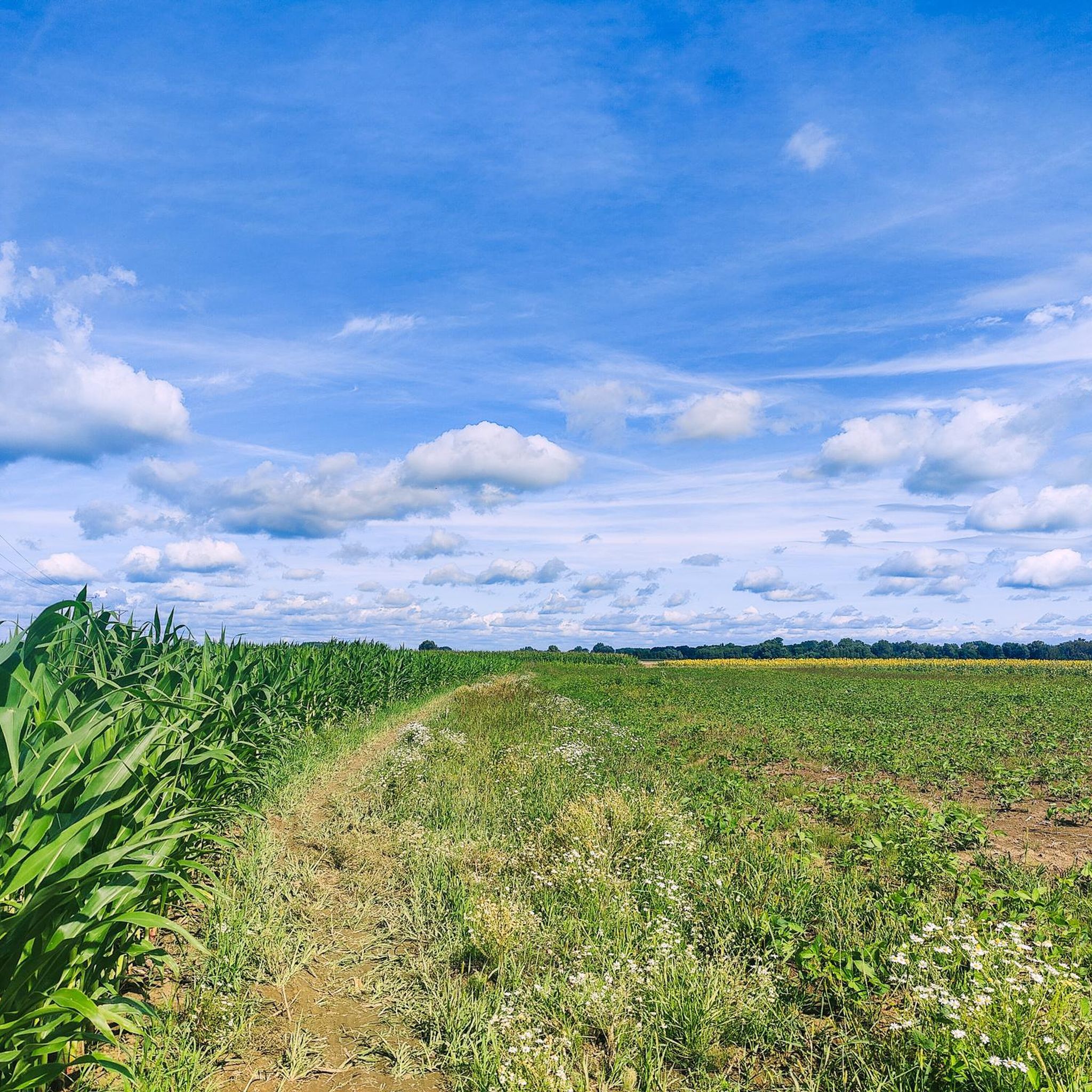


Other adventures around Leżajsk

Tips from the Community

A very beautiful monument. The base is in the form of a cross with the Virgin Mary inside. Only the arms of the cross are adorned with the inscription "God, Honor, Fatherland."
1
0

Józef Czajka (1885–1940) – major of infantry of the Polish Army, surveying engineer, awarded the Cross of Valour (twice), murdered in Katyn.
0
0
In the Nowa Sarzyna commune, a curiosity on a European scale is the natural site of the Pontic azalea, also known as the yellow rhododendron, located in the hamlet of Kołacznia near Wola Zarczycka - the only one in Europe, outside of Volhynia and Polesie. The golden color of the flowers gives its surroundings an incomparable charm and exotic beauty in May.
1
0
In the Nowa Sarzyna commune, a curiosity on a European scale is the natural site of the Pontic azalea, also known as the yellow rhododendron, located in the hamlet of Kołacznia near Wola Zarczycka - the only one in Europe, outside of Volhynia and Polesie. The golden color of the flowers gives its surroundings an incomparable charm and exotic beauty in May.
0
0
Link to article. https://www.lasy.gov.pl/pl/informacje/aktualnosci/traba-powietrzna-w-lasach-pod-lezajskiem
1
0
Frequently Asked Questions
What unique natural features can I explore around Leżajsk?
The Leżajsk area is rich in diverse natural features. You can visit the Pontic Azalea Nature Reserve Kołacznia, which is home to the only natural stand of yellow rhododendron in Europe outside of Volhynia and Polesie. Another significant site is the **Dolina Dolnego Sanu (Lower San Valley)**, a Natura 2000 area known for its valuable river ecosystems, oxbow lakes, and diverse wildlife including otters and beavers.
Are there any natural monuments with historical significance in the Leżajsk area?
Yes, several natural monuments in the region also carry historical weight. The **Sosna Sobieskiego (Sobieski's Pine) in Żołynia** is a Scots pine estimated to be around 250 years old, with a local legend suggesting King Jan III Sobieski rested beneath it. Additionally, the Memory Oak for Major Józef Czajka combines natural beauty with a tribute to a historical figure.
Which natural monuments are suitable for families with children?
The Pontic Azalea Reserve in Wola Zarczycka is considered family-friendly, offering a pleasant natural setting. Exploring the broader **Lasy Leżajskie (Leżajsk Forests)** can also be a great family activity, with diverse forest habitats to discover.
Can I find any natural monuments that are wheelchair accessible?
The Independence Monument with Statue of the Virgin Mary is listed as wheelchair accessible, offering a natural monument experience that is easier to access.
When is the best time of year to visit the natural monuments near Leżajsk?
The best time to visit depends on what you wish to see. For instance, the Pontic Azalea Nature Reserve Kołacznia is particularly stunning in May when its golden flowers are in full bloom. Generally, spring and early autumn offer pleasant weather for exploring the forest areas and enjoying the natural beauty.
What kind of outdoor activities can I do near the natural monuments?
The Leżajsk region offers various outdoor activities. You can enjoy road cycling on routes like the 'Julin Hunting Palace – Czyste Reservoir loop' or gravel biking with options such as the 'St. Anthony's Chapel – Julin Hunting Palace loop'. For more details on cycling routes, you can check the Road Cycling Routes around Leżajsk guide or the Gravel biking around Leżajsk guide.
Are there specific hiking trails associated with the natural monuments?
Yes, there are hiking opportunities. For example, you can find trails near the **Julin Hunting Palace**, which is connected to a scenic avenue of trees listed as a natural monument. Routes like the 'Julin Hunting Lodge loop' are available. You can explore more hiking options in the Hiking around Leżajsk guide.
Where can I find information about the broader protected areas in the Leżajsk region?
Beyond individual monuments, the Leżajsk area includes significant Natura 2000 sites like **Kołacznia** (for its unique azalea stand) and the **Dolina Dolnego Sanu (Lower San Valley)**. These broader areas are crucial for biodiversity. For more detailed information on natural monuments and protected areas in the local forest district, you can visit the official Lasy Państwowe website for the Leżajsk Forest District: lasy.gov.pl.
Are there any particularly impressive or ancient trees to see?
Absolutely. The **Sosna Sobieskiego (Sobieski's Pine) in Żołynia** is a remarkable Scots pine, noted as the thickest single-trunk Scots pine in Poland. Additionally, the **avenue of trees leading to the palace in Julin** features 115 trees, primarily European Larches and Common Beeches, with the thickest tree measuring 338 cm in circumference, offering a grand natural spectacle.
What natural monuments showcase the power of nature?
The Area Destroyed by Tornado near Leżajsk offers a unique perspective on the impact of natural forces on the local forest landscape. It allows visitors to observe the effects of a tornado on the environment.
Are there cafes or amenities near the natural monuments?
While specific cafes directly adjacent to every natural monument are not detailed, popular natural attractions like the **Ożanna Reservoir** and **Brzóza Stadnicka Pond** are known to offer recreational opportunities and attract tourists with their facilities and surrounding forest trails, suggesting amenities might be found in their vicinity.
How can I get to the natural monuments, and is parking available?
Access to natural monuments like the **Sosna Sobieskiego in Żołynia** or the **avenue of trees in Julin** typically involves local roads. Parking availability can vary; for specific sites, it's advisable to check local signage or information. Public transport options to reach more remote natural monuments might be limited, so personal vehicle travel is often the most convenient.
Most popular attractions around Leżajsk

Get inspired with the komoot mobile app


Explore more
Extend your search for the best caves by checking out these guides of the top ones around Leżajsk:
