Top 17 Natural Monuments around Krempna
Best natural monuments around Krempna are found within a tranquil village nestled in the Low Beskids, serving as a gateway to the Magura National Park. This region is characterized by its natural beauty, with the park itself being a significant protected landscape. The area features diverse forests, rich wildlife, and picturesque landscapes, making it a notable destination for nature exploration.
Best natural monuments around Krempna
- The most popular natural monuments is Ciechania Viewpoint, a viewpoint that offers a view…
Last updated: June 29, 2026
Golden Spring (Holy Spring of St. John of Dukla)
Highlight • Religious Site
Translated by Google •
Tip by

Diabli Kamień Rock Formation
Highlight • Natural Monument
Translated by Google •
Tip by
Sign up now to discover places like this
Get recommendations on the best single tracks, peaks, & plenty of other exciting outdoor places.
Sign up for free
Ferdel
Highlight • Summit
Translated by Google •
Tip by
Magurski Waterfall
Highlight • Waterfall
Translated by Google •
Tip by
Magura Summit
Highlight • Summit
Translated by Google •
Tip by
Sign up for free to discover even more natural monuments around Krempna.
Sign up for free
Already have an account?
Start today with a free account
Your next adventure awaits.
Login or Signup


Other adventures around Krempna

Tips from the Community

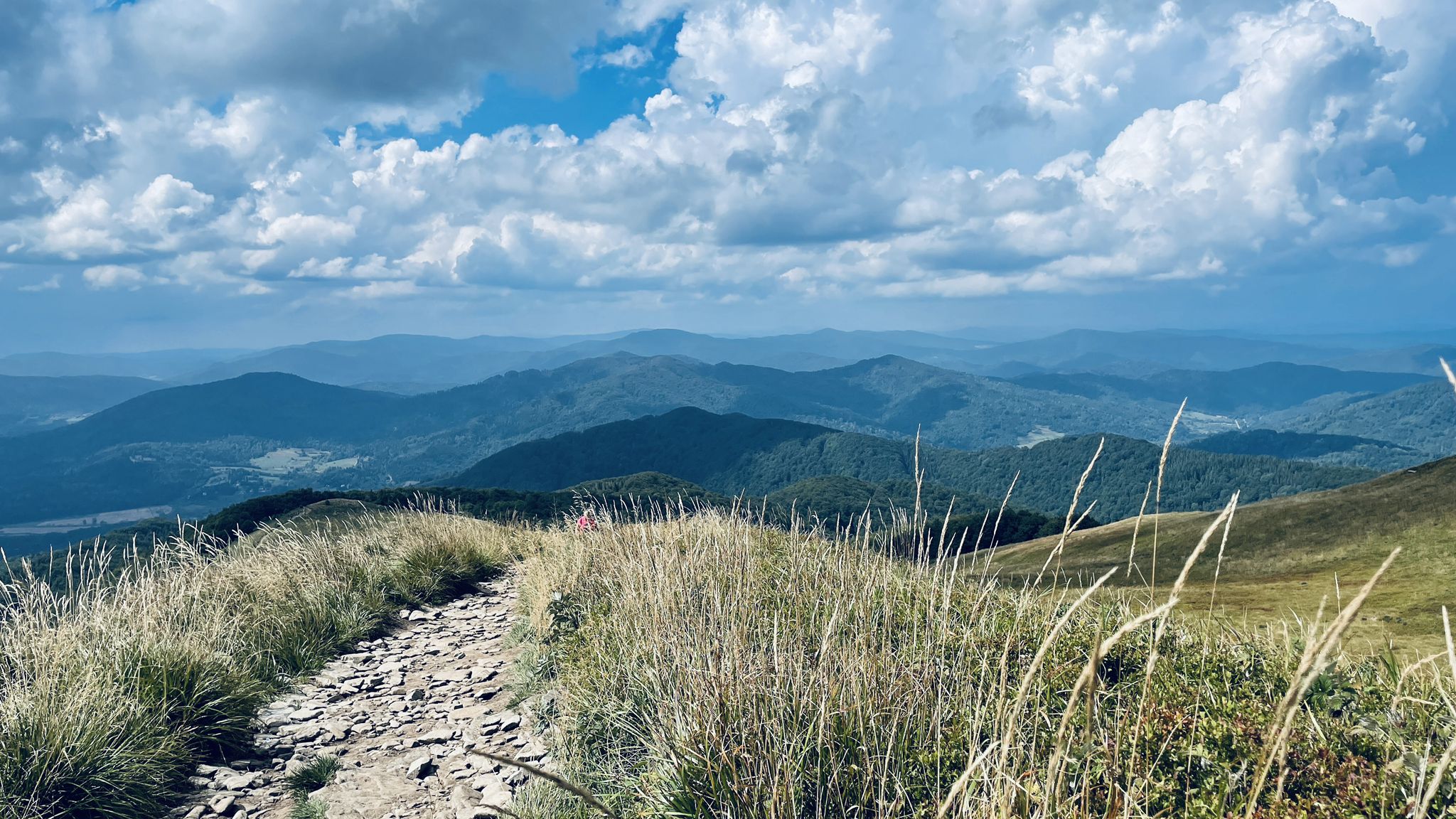
From the Wapienne side, there's a fairly long ascent, while from the other side, from Niżne, there's a much shorter but steeper ascent. Currently, in winter, there's knee-deep snow in places, so hiking poles are recommended. Despite the good markings, a GPS or a map on your phone is recommended.
0
0

a route for everyone, at any time of the year
0
0

The Magura Waterfall is undoubtedly the greatest attraction of the Folusz nature trail in the Magura National Park. It is worth coming after the rain to see it in its full glory.
1
0
Magura (829 m above sea level) is a peak on the Main Beskid Trail. Below there is a place with a shelter and benches.
2
0
Diabli Kamień is a rock group constituting a natural monument on the edge of the Magurski National Park in the Low Beskids. It is located in the town of Folusz, it is one of the stops on the nature trail. It consists of numerous large boulders of coarse-grained Magura sandstone, with the highest rising to over 10 meters. The rocks are originally shaped and divided by numerous crevices. This place owes its name to a local legend. According to her, devils wanted to destroy the church in Cieklin by moving a huge boulder from Magura Wątkowska. However, when the rooster crowed over Mount Cosmas, the devils lost their power and the boulder fell from their clutches, breaking into smaller rocks and saving the church. Apparently there are traces of devil's claws on the rock...
2
0
The Magura Waterfall is undoubtedly the greatest attraction of the Folusz nature trail in the Magura National Park. It's about a 20-minute walk from the parking lot to the waterfall. It is worth coming after the rain to see it in its full glory.
2
0
Ferdel (648 m above sea level) is a peak in the Low Beskids, in the Magura National Park. You must pay the entrance ticket. Fees are collected from May 1 to October 31. Please remember that you can only travel on designated trails in the national park. At the top there is a wooden observation tower.
4
0
The "Golden Well" is the name given to the site with the chapel of St. John of Dukla above a spring on the trail from Dukla to Cergowa. This site, also accessible via the nature trail from Cergowa, is, according to local tradition, associated with the hermit's life of St. John of Dukla, born around 1414. He founded a well here, dubbed the "Golden Well." The Golden Well remains a pilgrimage site, and indulgence masses are held there on the third Sunday of July.
2
0
Frequently Asked Questions
What kind of natural landscapes can I expect to see around Krempna?
The area around Krempna is dominated by the Magura National Park, offering a rich tapestry of natural landscapes. You'll find extensive beech and fir forests, picturesque river valleys carved by the Wisłoka River, and unique rock formations. The park's gentle mountain slopes and wide valley basins create a serene and scenic environment.
What wildlife can be observed in the natural monuments near Krempna?
The Magura National Park is a haven for diverse wildlife. Visitors might spot endangered mammals such as brown bears, lynx, wildcats, wolves, and otters. The park is also known for its high density of birds, including the lesser spotted eagle, which is the park's symbol. Deer are often seen, especially during the autumn rut.
Are there any notable rock formations to visit near Krempna?
Yes, one of the most prominent rock formations is Diabli Kamień Rock Formation, also known as Devil's Rock. Located in Folusz, about 20 km from Krempna, it's a natural monument consisting of large, coarse-grained Magura sandstone boulders, some over 10 meters high. Its unusual shapes are a result of erosion, and local legends add to its mystique.
Where can I find a waterfall in the Krempna area?
The Magurski Waterfall is a significant natural attraction located in the same vicinity as Diabli Kamień in Folusz. It's easily accessible via the Folusz nature trail within the Magura National Park, typically a 20-minute walk from the parking lot. It's particularly impressive after rainfall.
Are there any viewpoints offering panoramic views of the region?
Absolutely. The Ciechania Viewpoint provides a beautiful vista of the Ciechania Valley. It's situated on the road leading from Krempna through the Magura National Park. Another excellent spot is the summit of Ferdel, which features a wooden observation tower offering expansive views of the Low Beskids.
What is the best time of year to visit the natural monuments around Krempna?
The period from May 1 to October 31 is generally considered ideal for visiting, as this is when entrance fees are collected for areas like Ferdel, indicating optimal conditions for exploration. During this time, the forests are lush, and trails are most accessible. Autumn offers spectacular foliage, while spring brings blooming flora.
Are there family-friendly natural monuments or trails in Krempna?
Yes, several natural monuments are suitable for families. The Diabli Kamień Rock Formation and the Ciechania Viewpoint are both considered family-friendly. The nature trails around Folusz, leading to the Magurski Waterfall and Diabli Kamień, are also generally accessible for families looking for a pleasant walk.
What outdoor activities can I do near these natural monuments?
The region around Krempna, particularly within the Magura National Park, is excellent for various outdoor activities. You can enjoy extensive hiking on trails like the easy 'Professor Jan Rafiński Kiczera Nature Path' or the moderate 'Pętla Krempna - Kamień - Przełęcz Hałbowska'. For cycling enthusiasts, there are numerous road cycling routes, such as the 'Viewpoint of Ciechania loop from Kąty'. You can find more details on these activities in the hiking guide and road cycling guide for Krempna.
Are there any cultural or historical sites among the natural monuments?
Yes, the Golden Spring (Holy Spring of St. John of Dukla) is a site that combines natural beauty with significant cultural and religious history. It features a chapel above a spring and is a pilgrimage site, with indulgence masses held annually on the third Sunday of July. Local tradition associates it with the hermit's life of St. John of Dukla.
What should I know about visiting Magura National Park?
The Magura National Park is a protected area, and visitors should adhere to park regulations. This includes staying on designated trails. If you plan to visit peaks like Ferdel, be aware that entrance tickets are required from May 1 to October 31. The park headquarters in Krempna also house an educational center and museum, offering valuable insights into its ecology.
Are there any challenging hiking trails near Krempna's natural monuments?
For those seeking a more challenging experience, the 'Świerzowa Ruska and Magura Wątkowska Loop' is a difficult hiking route that allows you to explore the rugged terrain around Krempna. You can find more details on this and other mountain hikes in the mountain hikes guide for the area.
What do visitors enjoy most about the natural monuments around Krempna?
Visitors frequently appreciate the serene and secluded natural environment offered by the Magura National Park. The diverse forests, picturesque landscapes, and opportunities for hiking and biking are highly valued. Specific highlights like the unique rock formations at Diabli Kamień and the scenic views from Ciechania Viewpoint are also popular among the komoot community.
Most popular routes around Krempna
Most popular attractions around Krempna

Get inspired with the komoot mobile app


Explore more
Extend your search for the best caves by checking out these guides of the top ones around Krempna:
