Top 20 Natural Monuments around Marki
Natural monuments around Marki primarily consist of significant trees and tree groupings, contributing to the town's natural heritage. These sites are recognized for their natural, scientific, cultural, historical, or landscape value, often distinguished by unique features or impressive size. Marki's natural landscape offers opportunities to explore protected areas and appreciate the longevity of ancient trees.
Best natural monuments around Marki
- The most popular natural monument is Mosty Kalińskie Nature Reserve, a landscape reserve preserving a fragment of the Długa…
Last updated: June 29, 2026
Mosty Kalińskie Nature Reserve
Highlight • Natural Monument
Translated by Google •
Tip by

Marconiego Fountain, Saxon Garden
Highlight • Monument
Translated by Google •
Tip by

Sign up now to discover places like this
Get recommendations on the best single tracks, peaks, & plenty of other exciting outdoor places.
Sign up for free
Entry to Rezerwat Kawęczyn
Highlight • Forest
Kawęczyn Nature Reserve - a forest nature reserve located in the Rembertów district in Warsaw. It was established by the regulation of the Minister of Environmental Protection, Natural Resources …
Translated by Google •
Tip by

Memorial to the Scouts and Civilians Executed in Zielonka
Highlight • Monument
dzieje.pl/wiadomosci/w-odwecie-za-plakaty-na-swieto-niepodleglosci-11-listopada-1939-r-w-zielonce-niemcy
Translated by Google •
Tip by
Horowe Bagno
Highlight • Natural
Translated by Google •
Tip by

Sign up for free to discover even more natural monuments around Marki.
Sign up for free
Already have an account?
Start today with a free account
Your next adventure awaits.
Login or Signup

Tips from the Community

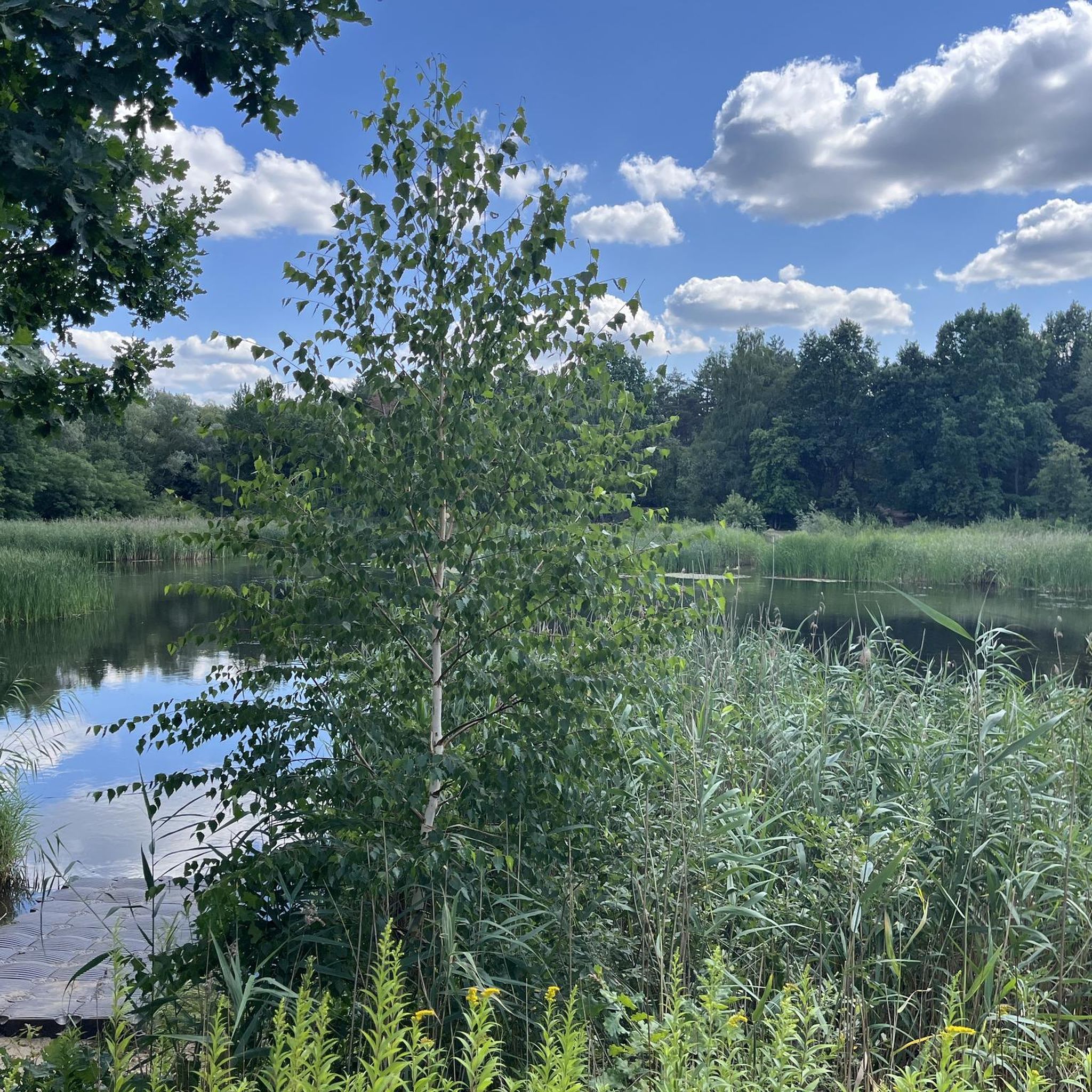
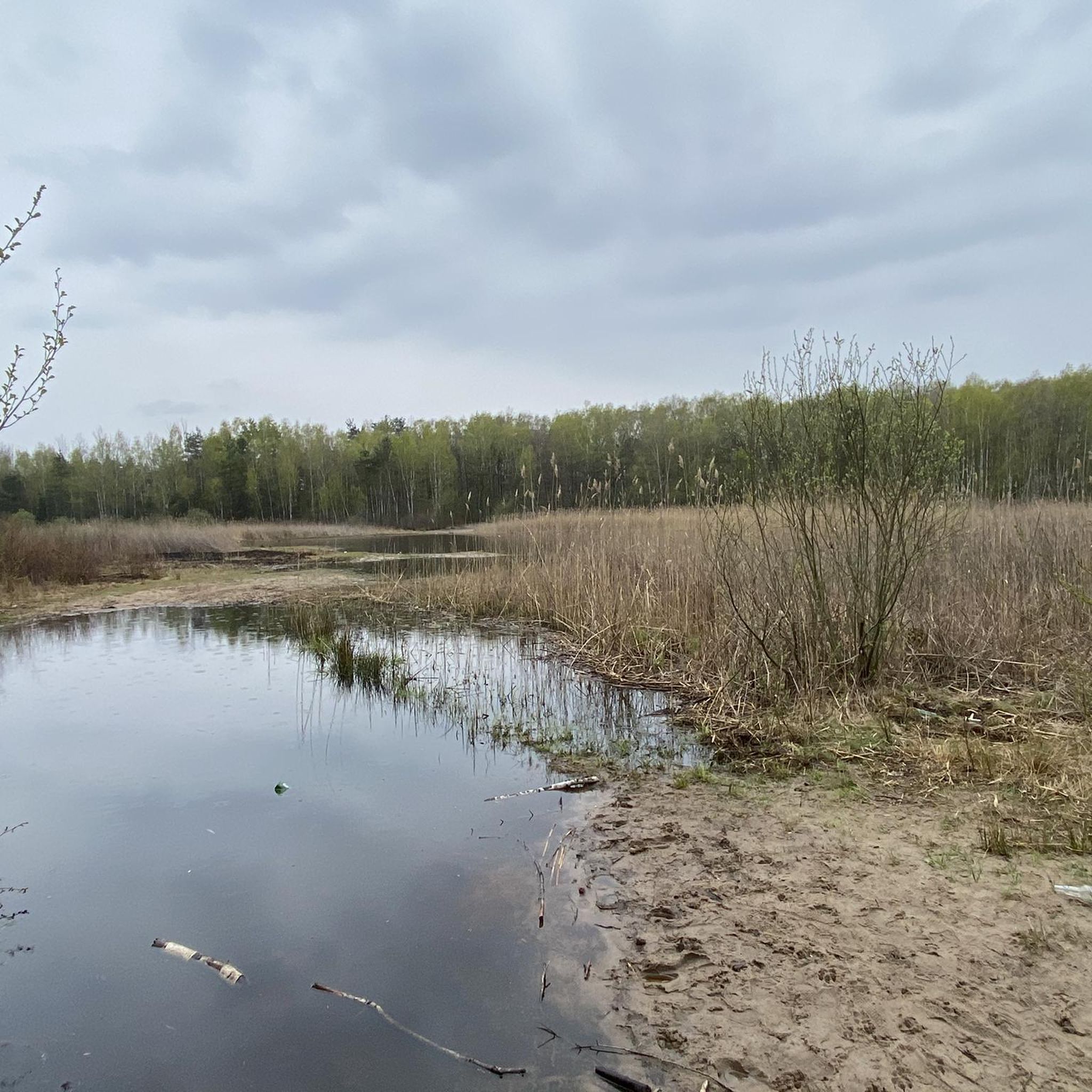
The Horowe Bagno Nature Reserve, established in 1988, covers approximately 44 hectares and protects peat bogs, marsh forests, and habitats of rare plant and animal species. It is divided by a highway, with the S8 expressway nearby.
0
0

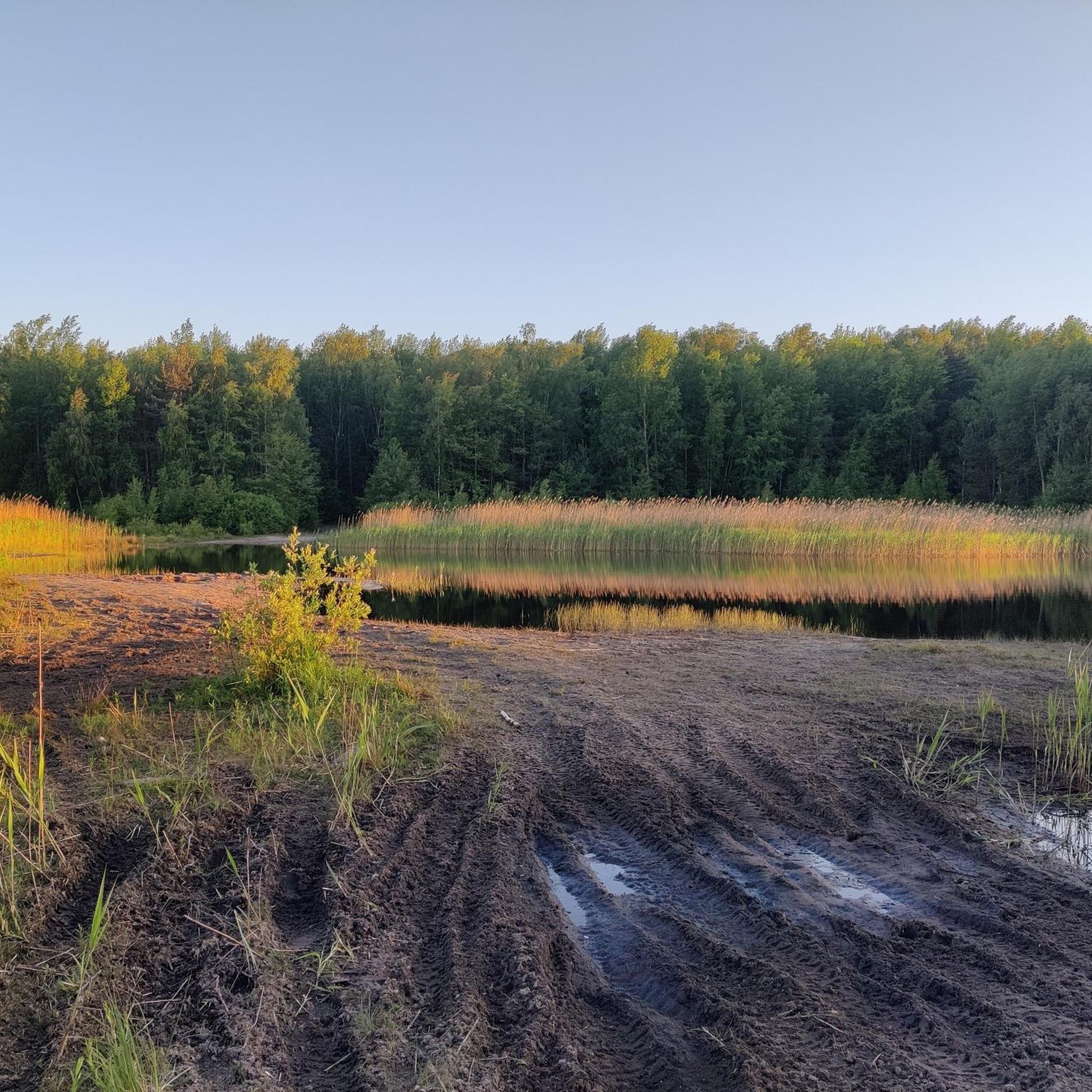
Horowe Bagno – a peat bog nature reserve near Warsaw. Its administrative area is located within the town of Marki. The conservation goal is to preserve a diverse area of moist forests, peat bogs, and waters with numerous rare and protected plant species, serving as a refuge and breeding ground for numerous animal species. The shore is accessible by car, and many beautiful animal species, primarily birds, can be found there. https://pl.wikipedia.org/wiki/Rezerwat_przyrody_Horowe_Bagno
1
0

Beautiful fountain in the park, inviting you to relax and linger
0
0

A good place to rest.
0
0

The bridge is in a slightly better condition, a charming place, clean and rushing water. It is worth going along the path a bit to the side to find 3 footbridges that will lead us across the branches of the Długa river
3
0

The Saxon Garden is one of the oldest city parks in Warsaw, located in the city center. Founded in the early 18th century as a palace garden, in 1727 it became the first public park in Poland. Initially maintained in the French style, in the 19th century it was transformed into a landscape park. For years it was a place of recreation, concerts and cultural events. Partially destroyed during World War II, it was restored after 1945. The park includes, among others, the Tomb of the Unknown Soldier, the Marconi Fountain and numerous historic sculptures.
4
0

The garden was laid out in the Baroque style between 1713 and 1733 at the instigation of the Saxon-Polish King Augustus II the Strong from the House of Wettin. In 1727, the king opened the garden for use by the public, which was the first time this had happened in Poland.[1] In the mid-19th century, the planner Enrico Marconi created a pond, a water reservoir in the shape of the Temple of Vesta from Tivoli and a large fountain (1855). The 21 allegorical sandstone sculptures in the park were mostly created in the workshop of Johann Georg Plersch. They show the four seasons, the sciences and the arts.
7
2
The Great Fountain in the Saxon Garden. It was launched almost 160 years ago, during the ceremonial opening of the municipal waterworks in Warsaw. It is one of four designed by Henryk Marconi and the only surviving fountain located at Teatralny Square, by Zygmunt's Column and on the Old Town Market Square.
4
0
Frequently Asked Questions
What are some of the most significant natural monuments in Marki?
Marki is home to several impressive natural monuments, primarily ancient trees and tree groupings. Among the most significant are the Dąb Gajos (Gajos Oak), an estimated 350-year-old English oak, and another notable English oak at ul. Legionowej 100. The town also features the scenic Aleja Kasztanowa (Chestnut Avenue) and various tree groupings, including those at ul. Spokojna and within the Briggs Palace and Park complex. For a broader natural experience, the Mosty Kalińskie Nature Reserve offers a landscape reserve preserving a fragment of the Długa river valley.
Are there any natural monuments in Marki with historical significance?
Yes, several natural monuments in Marki carry historical weight. The Dąb Gajos (Gajos Oak) is particularly poignant, having provided refuge to several local Jewish individuals during World War II. The English oak at ul. Legionowej 100 is also considered a "witness to many events and facts related to the history of Marki." Additionally, My Mother's Forest, while a natural area, has a past as an Evangelical Cemetery and a fort, with its name referring to an intriguing, not fully explained, tribute.
What kind of natural features can I expect to see at these monuments?
The natural monuments around Marki primarily showcase the grandeur of ancient trees, including impressive English oaks and common horse chestnuts. You'll find individual specimens of significant age and size, as well as beautiful tree avenues and groupings. Reserves like Mosty Kalińskie Nature Reserve offer a mosaic of open forest, wetlands, and the Długa river valley, while Entry to Rezerwat Kawęczyn is a forest nature reserve focused on preserving thermophilic vascular plant species.
Are there family-friendly natural monuments or areas suitable for children?
Many of Marki's natural monuments are suitable for families, offering open spaces and natural beauty. Areas like the Aleja Kasztanowa (Chestnut Avenue) provide a tranquil setting for a stroll. Forest reserves such as My Mother's Forest even feature a "health path" with wooden gym stations, which can be fun for children. The general appeal of large, ancient trees can also be captivating for younger visitors.
What outdoor activities can I do near the natural monuments in Marki?
The natural monuments in Marki are often situated within or near areas perfect for outdoor activities. You can enjoy various routes for hiking, gravel biking, and cycling. For example, there are easy hikes around Marki, including loops through the Puszcza Słupecka Nature Reserve. Gravel biking enthusiasts can explore routes like the "Kalińskie Bridges Nature Reserve – Gravel Forest Road loop" found in the gravel biking guide around Marki, and cyclists have options like the "Bicycle Path Along the Zoo loop" from the cycling guide around Marki.
Are there specific hiking trails near these natural monuments?
Yes, there are several hiking opportunities. The Easy hikes around Marki guide features trails such as the "Puszcza Słupecka Nature Reserve loop from Czarna Struga" and the "Forest Gravel Path – Regelbau 514 Bunker Ruins loop from Nadma." These routes allow you to explore the natural surroundings and potentially encounter some of the region's protected trees and forest areas.
What is the best time of year to visit the natural monuments in Marki?
The natural monuments in Marki, primarily consisting of trees and forest reserves, can be enjoyed throughout the year. Spring brings fresh greenery and blossoms, while summer offers lush shade. Autumn provides vibrant foliage, and even winter walks can be beautiful, especially in areas like the Aleja Kasztanowa or within the forest reserves, offering a different, serene perspective on the ancient trees.
What do visitors enjoy most about the natural monuments around Marki?
Visitors often appreciate the tranquility and natural beauty of these sites. The longevity and impressive size of the ancient oaks, such as the Dąb Gajos, are frequently highlighted. The historical context associated with some sites, like the Gajos Oak's wartime refuge or the past of My Mother's Forest, adds a deeper layer of appreciation. The komoot community has shown significant engagement, with over 250 upvotes and 120 photos shared, indicating a strong appreciation for Marki's natural heritage.
How are the natural monuments in Marki protected and maintained?
Natural monuments in Marki are recognized under Polish law for their natural, scientific, cultural, historical, or landscape value. This designation ensures their protection. For instance, the English oak at ul. Legionowej 100 benefits from the municipality's commitment to its ongoing preservation, including covering maintenance costs. Similarly, the group of five trees at ul. Spokojna and the thirteen trees in the Briggs Palace and Park complex receive regular care to maintain their health and visual appeal.
Are there any other notable tree groupings or individual trees designated as natural monuments in Marki?
Beyond the prominent oaks and the Chestnut Avenue, Marki features several other individual trees and groupings recognized as natural monuments. These include 10 common horse chestnuts and 37 Norway maples spread across the area. There's also a specific group of five trees at ul. Spokojna and thirteen trees located within the historic Briggs Palace and Park complex, all contributing to the town's rich natural heritage.
Can I find any viewpoints or scenic spots among Marki's natural monuments?
While specific designated viewpoints are not highlighted, the natural monuments themselves offer scenic beauty. Walking along the Aleja Kasztanowa (Chestnut Avenue) provides an aesthetically pleasing experience. Within reserves like Mosty Kalińskie Nature Reserve, the landscape of the Długa river valley with its mosaic of open forest and wetlands offers picturesque views, especially where low dunes are covered with pine forests.
Most popular routes around Marki
Most popular attractions around Marki

Get inspired with the komoot mobile app


Explore more
Extend your search for the best caves by checking out these guides of the top ones around Marki:
