Top 20 Natural Monuments around Piastów
Natural monuments around Piastów offer diverse natural landscapes for exploration. The region features several water bodies, including reservoirs and ponds, alongside forested areas. These sites contribute to the local ecosystem, providing habitats for various bird species and offering recreational opportunities. The area's natural features are often integrated with historical elements, reflecting its past and present uses.
Best natural monuments around Piastów
- The most popular natural monuments is Komorowski Reservoir, a lake that serves as a 6-hectare retention reservoir. Its…
Last updated: June 29, 2026
Komorowski Reservoir
Highlight • Lake
Translated by Google •
Tip by

Raszyn Ponds Nature Reserve
Highlight • Natural Monument
Translated by Google •
Tip by

Sign up now to discover places like this
Get recommendations on the best single tracks, peaks, & plenty of other exciting outdoor places.
Sign up for free
Szczęśliwickie Ponds
Highlight • Lake
Translated by Google •
Tip by
Bemowski Forest
Highlight • Forest
Translated by Google •
Tip by
Bolesław Hryniewiecki Nature Reserve
Highlight • Forest
Translated by Google •
Tip by

Sign up for free to discover even more natural monuments around Piastów.
Sign up for free
Already have an account?
Start today with a free account
Your next adventure awaits.
Login or Signup

Tips from the Community


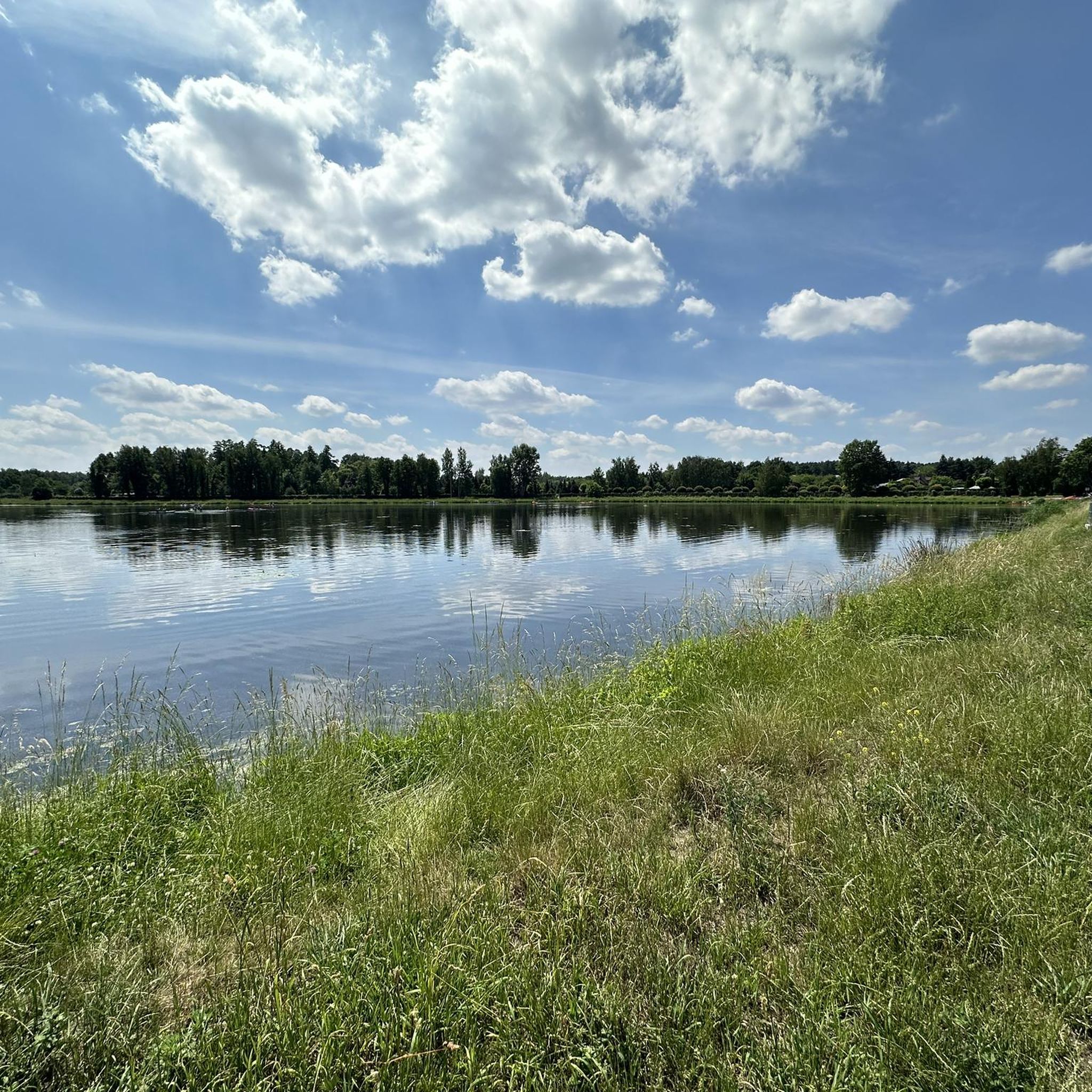
Szczęśliwicki Park is a city park in Warsaw's Ochota district, between Włodarzewska and Drawska streets. It was created in the 1960s on land that had been used for clay quarries and landfills, which had not been previously built on due to the proximity of the Warsaw Fortress forts. The reclaimed areas were developed socially - water reservoirs and a ski slope were created, and most of the area was wooded. The park has a sports and recreational character - it includes Glinianki Szczęśliwickie (approx. 7 ha), a year-round ski slope (Górka Szczęśliwicka, 138-152 m above sea level), an open swimming pool, playing fields and OSiR facilities. The water reservoirs are stocked and supervised by angling (PZW Circle No. 7). In 2020, the wooden pier was renovated. The park has natural significance - there are many species of birds here (approx. 70), as well as amphibians and fish. The flora includes poplars, maples, limes and other pioneer species. Despite the anthropogenic origin of the substrate and degraded soil, the area is an important haven of biodiversity in Warsaw.
2
0
The Bemowski Forest is a forest complex located in the western part of Warsaw, covering the areas of Bemowo and part of the Stare Babice commune. It is characterized by partially marshy areas, with numerous regulated watercourses and canals. There are two nature reserves on its territory: Łosiowe Błota and Kalinowa Łąka, as well as numerous recreational areas, including health trails, the "moose trail", a playground and tourist shelters. In the spring, some of the trails are flooded by water. The Bemowski Forest is also a place with a rich history. In the 16th century, Wojciech Oczko, the court physician and secretary of Stefan Batory, lived here. The forest also contains historical monuments, including Fort II A (Fort Radiowo) from the 19th century, which was part of the defensive line of Warsaw. In the interwar period, the Transatlantic Central Radiotelegraph Station was located in this area, and during World War II the area was used by the Germans. The Bemowski Forest also witnessed the events of the Warsaw Uprising, when the insurgents were shot down during their march to the Kampinos Forest. After the war, a military radar station and a landfill, the so-called Garbage Mountain, were built on its territory.
2
0
Raszyn Ponds is a faunal nature reserve in the Raszyn commune, protecting a rich ecosystem of water and marsh birds. It includes several ponds that were created in the 18th century and today serve both a protective and economic function. The reserve has an area of over 155 ha and is under active protection. It is an important place for ornithologists - about 100 species of birds nest here, including grebes, swans, herons, cormorants and black-headed gulls. The ponds are surrounded by floodplain forests and reed beds, and valuable plant species grow on their areas, including orchids. The reserve is open to tourists - there are observation towers here, as well as monuments such as the Baroque statue of God the Father and the Tchorek plaque commemorating the victims of executions from World War II.
2
0


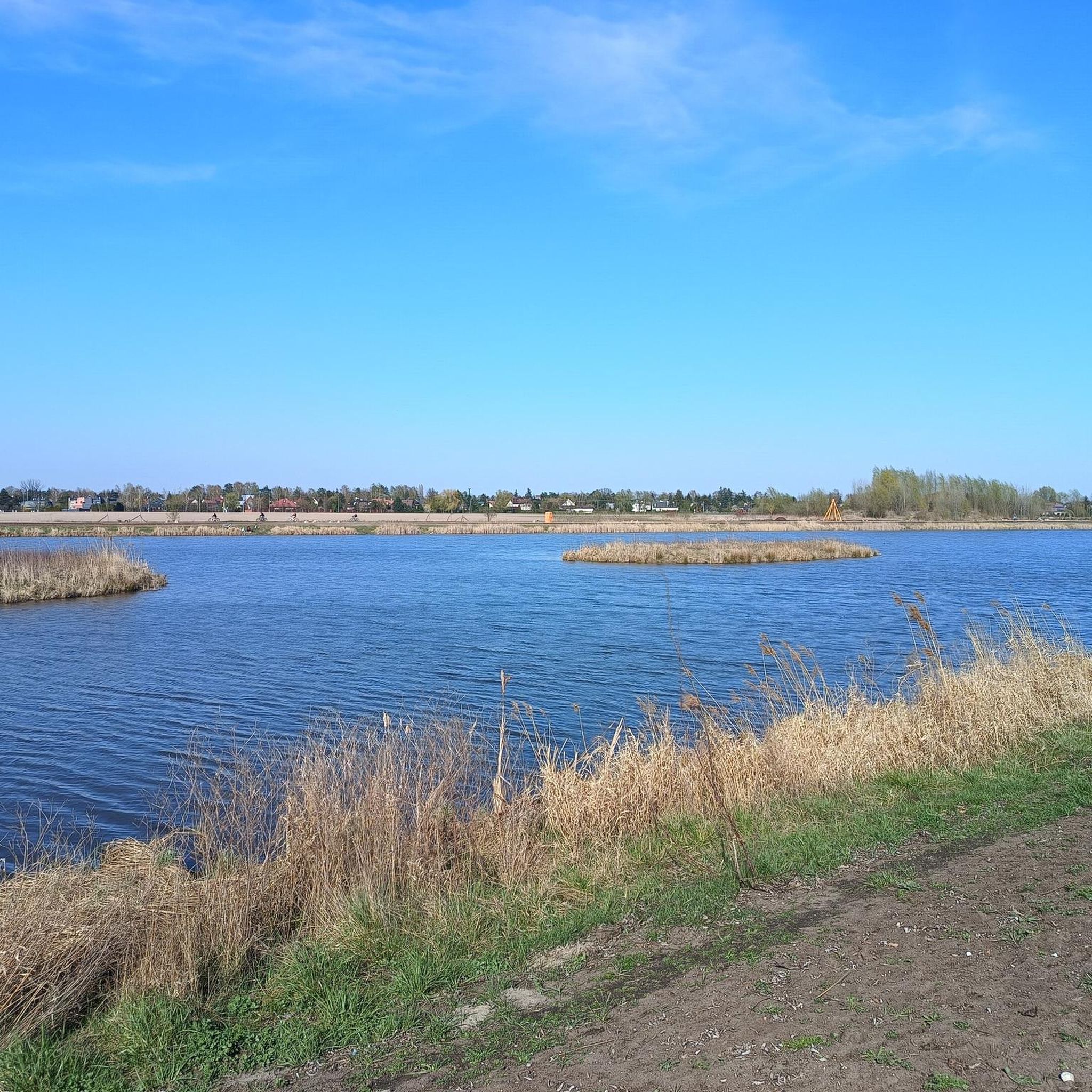
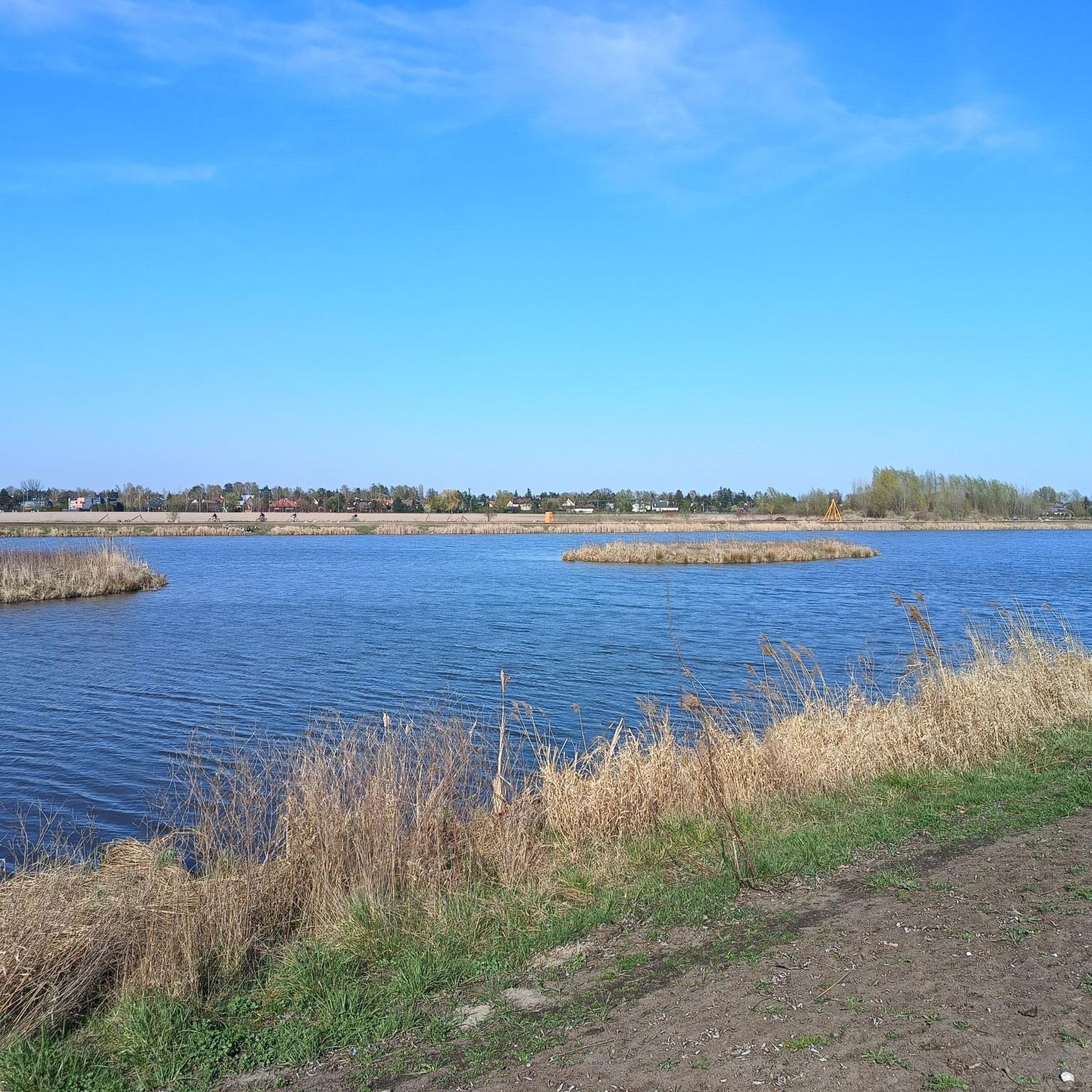
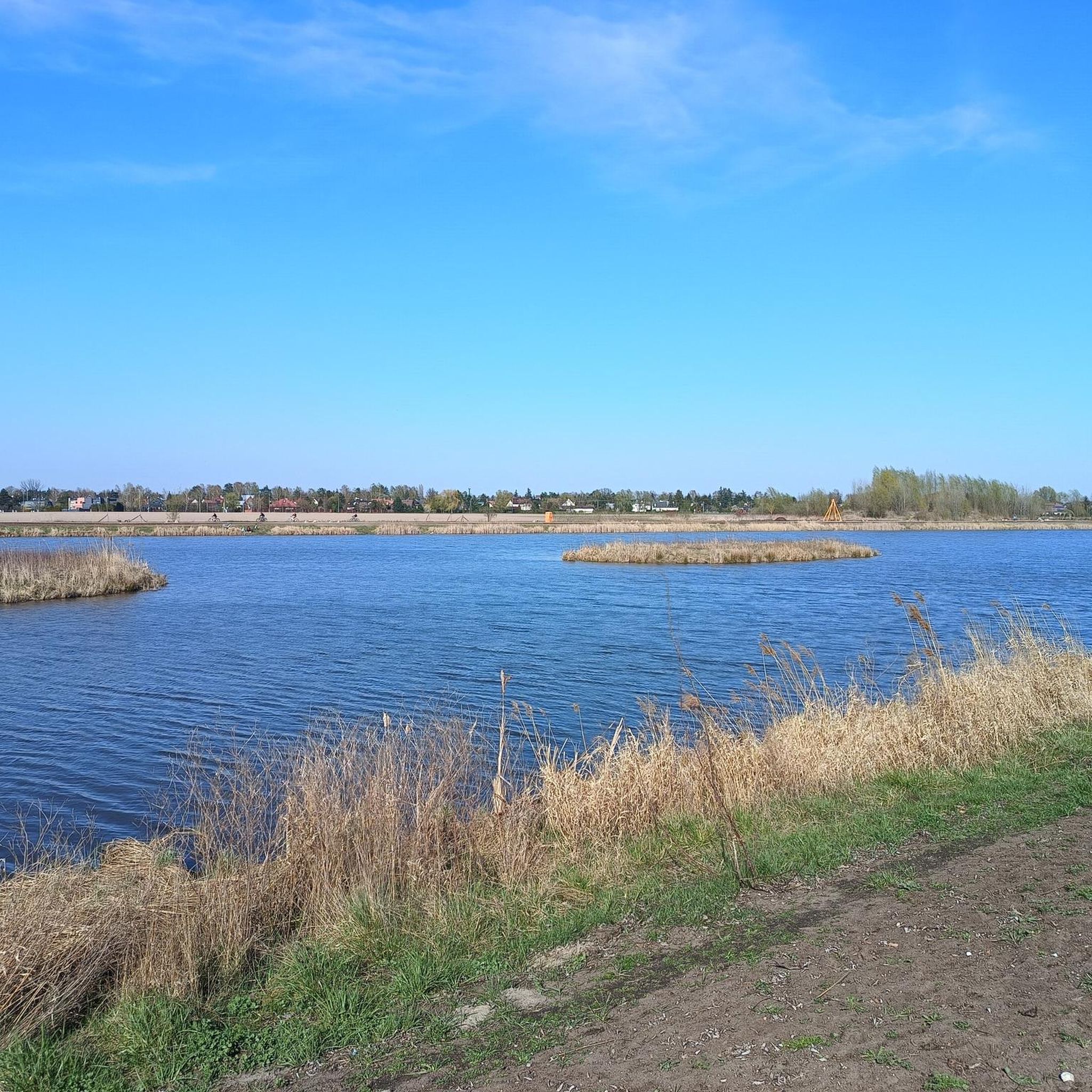
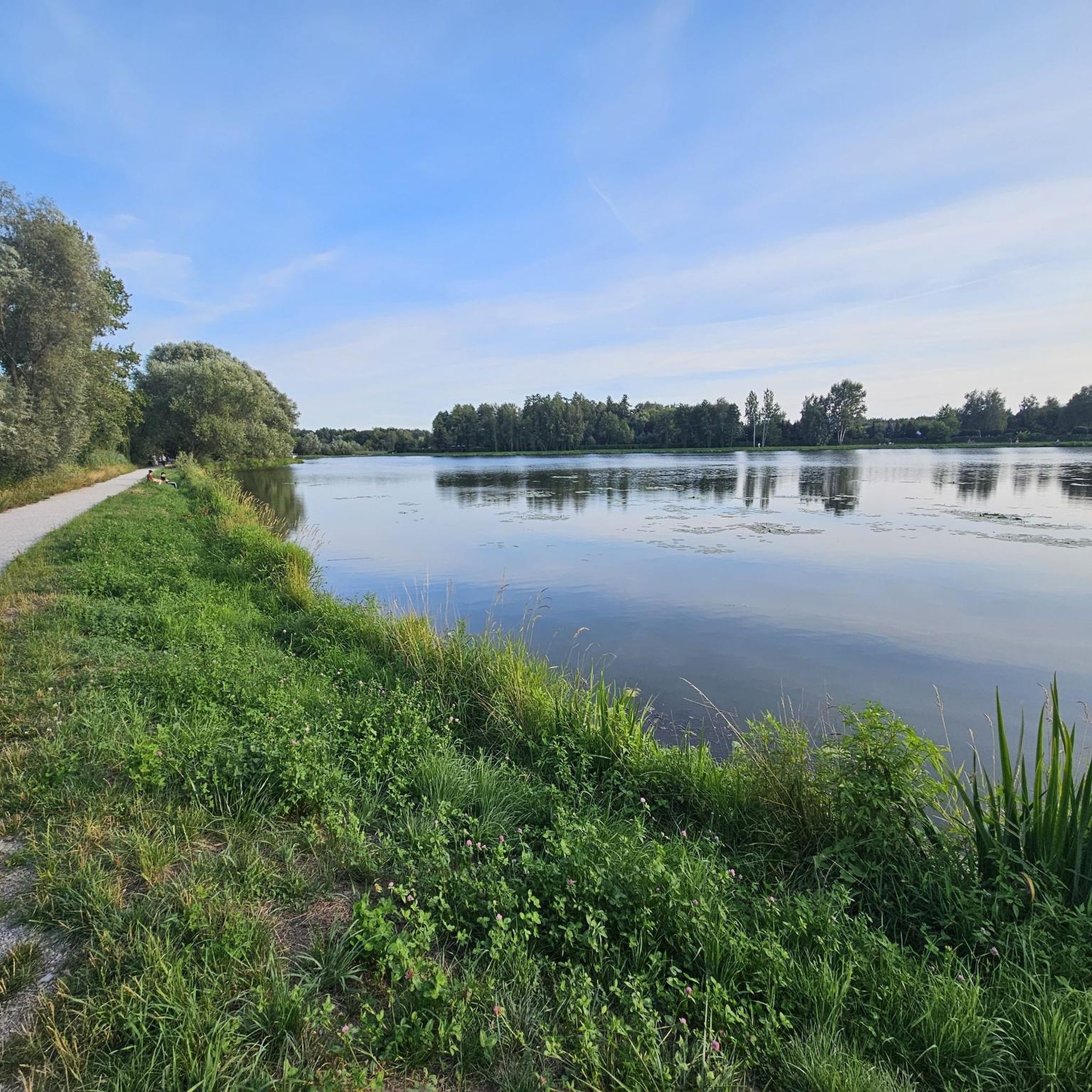
The 6-hectare reservoir serves as a retention reservoir. Its main purpose is flood protection, but it is also an ideal place for residents and tourists to relax. At its shore, there is a square with a playground, picnic tables and a gazebo. Bathing is prohibited in the reservoir, but it is still a great place for a family picnic, a bike trip or a walk. In autumn and spring, the area changes into a kingdom of birds. Here you can see herons, swans and several species of ducks, including teals, mallards and pochards. It is worth taking a closer look at the latter - these seasoned divers can dive to a depth of 2.5 meters!
1
0
A very nice reserve, it's worth going and visiting Karolin and the Palace right away :-)
0
0
A forest nature reserve located on the western edge of the "Zaborów" forest area. It was established in 1977 on the initiative of Witold Tyrakowski. It covers an area of 24.17 ha (the founding act stated 24.02 ha). It includes one of the oldest oak and pine stands in Masovia. The old trees growing there are about 200 years old. Foxes, deer, hares, bats, squirrels, moles live here, and jays, cuckoos, woodpeckers and thrushes nest here. In addition, nuthatches, bullfinches, finches, and buzzards were also seen. The undergrowth includes species typical of luminous oak forests - white cinquefoil, narrow-leaved lungwort, gorse and lily of the valley. https://pl.wikipedia.org/wiki/Rezerwat_im._Boles%C5%82awa_Hryniewieckiego
0
0
Frequently Asked Questions
What are some popular natural monuments to visit around Piastów?
Beyond the well-known spots, visitors frequently enjoy the tranquility of Komorowski Reservoir, which is not only a flood protection area but also a great place for birdwatching, especially in autumn and spring. Another favorite is Szczęśliwickie Ponds, located within a city park, offering a habitat for around 70 bird species.
Are there family-friendly natural monuments around Piastów?
Yes, several natural monuments are suitable for families. The Komorowski Reservoir features a playground, picnic tables, and a gazebo, making it ideal for a family outing. Szczęśliwickie Ponds, within a city park, also offers recreational space. Additionally, the Raszyn Ponds Nature Reserve is open to tourists and has observation towers, which can be engaging for children interested in nature.
What kind of wildlife can I expect to see at the natural monuments?
The natural monuments around Piastów are rich in birdlife. At Komorowski Reservoir, you can spot herons, swans, and various duck species like teals and mallards. The Raszyn Ponds Nature Reserve is particularly important for ornithologists, with about 100 bird species nesting there, including grebes, cormorants, and black-headed gulls. Szczęśliwickie Ponds also hosts approximately 70 bird species, along with amphibians and fish.
Do any natural monuments around Piastów have historical significance?
Yes, some natural monuments are intertwined with history. The Raszyn Ponds Nature Reserve includes ponds created in the 18th century and features monuments like a Baroque statue and a plaque commemorating WWII victims. The Bemowski Forest contains historical monuments such as Fort II A (Fort Radiowo) from the 19th century and was a site for events during the Warsaw Uprising.
What outdoor activities can I enjoy near the natural monuments around Piastów?
The region offers various outdoor activities. You can find numerous routes for easy hikes, mountain biking, and running. For example, there are several easy hiking trails like the 'Gardener Bear Statue – Skatepark loop' or the 'Ruins in the Snowy Forest – Fort V "Włochy" loop'. Mountain bikers can explore routes such as the 'Forest Gravel Path – Forest Path loop' or the 'Komorowski Reservoir – Forest Gravel Path loop'. Runners have options like the 'Potulicki Park – Pathway in Pruszków Park loop'. You can find more details on these activities in the nearby routes guides.
Are there hiking trails suitable for different skill levels near Piastów's natural monuments?
Yes, the area around Piastów offers hiking trails ranging from easy to moderate difficulty. For easy walks, consider routes like the 'Bronze Bear Statue in Ursus – Gardener Bear Statue loop' or the 'Water Wall – Gardener Bear Statue loop'. These trails are generally well-suited for beginners or those looking for a relaxed stroll. More options are available in the Easy hikes around Piastów guide.
Can I bring my dog to the natural monuments?
While specific regulations for each monument vary, many natural areas and parks around Piastów, including parts of the Bemowski Forest, are generally dog-friendly, especially for walks on designated paths. Always ensure your dog is on a leash and that you clean up after them to respect the natural environment and other visitors.
When is the best time to visit the natural monuments around Piastów?
The best time to visit depends on your interests. For birdwatching, autumn and spring are particularly rewarding at sites like the Komorowski Reservoir and Raszyn Ponds Nature Reserve due to migratory birds. Summer offers pleasant weather for general exploration and picnics, while the changing foliage in autumn can be beautiful in forested areas like the Bemowski Forest.
What natural features are prominent among the monuments?
The natural monuments around Piastów are characterized by a mix of water bodies and forested areas. You'll find expansive lakes and ponds, such as the Komorowski Reservoir and Szczęśliwickie Ponds, which are crucial for local ecosystems. There are also significant forest complexes like the Bemowski Forest and the Bolesław Hryniewiecki Nature Reserve, featuring old-growth trees and diverse flora.
Are there mountain biking opportunities near the natural monuments?
Yes, the area provides several mountain biking trails. You can explore routes like the 'Forest Gravel Path – Forest Path loop' or the 'Komorowski Reservoir – Forest Gravel Path loop' which are rated as moderate difficulty. The MTB Trails around Piastów guide offers more detailed information on these and other routes.
What do visitors particularly enjoy about the natural monuments in this region?
Visitors appreciate the diverse natural landscapes, from tranquil reservoirs perfect for relaxation and birdwatching to extensive forests ideal for cycling and walking. The presence of rich wildlife, especially various bird species, is a significant draw. Many also enjoy the integration of natural beauty with historical elements, offering a blend of outdoor activity and cultural insight.
Are there any lesser-known natural gems worth exploring near Piastów?
While not directly in Piastów, the Bolesław Hryniewiecki Nature Reserve is a hidden gem worth visiting. It's a forest reserve known for some of the oldest oak and pine stands in Masovia, with trees up to 200 years old. It's a peaceful spot to observe local wildlife like foxes, deer, and various bird species.
Most popular attractions around Piastów

Get inspired with the komoot mobile app


Explore more
Extend your search for the best caves by checking out these guides of the top ones around Piastów:
