Top 6 Natural Monuments around Pniewy
Best natural monuments around Pniewy are primarily found within the Puszcza Zielonka Landscape Park, an area known for its extensive forest cover and ecological value. This region, situated near the town of Pniewy, features a landscape rich in natural beauty and protected sites. The natural monuments here largely consist of impressive individual trees and significant forest reserves. These locations offer opportunities for exploring diverse natural features and notable landmarks.
Best natural monuments around Pniewy
- The most popular natural monuments is…
Last updated: May 17, 2026
Młochowski Grąd Nature Reserve
Highlight • Forest
Translated by Google •
Tip by

Trail Through Modrzewina Nature Reserve
Highlight (Segment) • Trail
Translated by Google •
Tip by

Sign up now to discover places like this
Get recommendations on the best single tracks, peaks, & plenty of other exciting outdoor places.
Sign up for free
Historic Lime Tree Avenue, Młochów
Highlight (Segment) • Natural Monument
Translated by Google •
Tip by

Modrzewina Nature Reserve
Highlight • Forest
Translated by Google •
Tip by

Monument to the Executed Hostages of 1944 in Radziejowice
Highlight • Monument
Translated by Google •
Tip by

Sign up for free to discover even more natural monuments around Pniewy.
Sign up for free
Already have an account?
Start today with a free account
Your next adventure awaits.
Login or Signup

Tips from the Community

The historic alley is a row of 218 small-leaved lime trees. The alley was given the status of a natural monument in 1980.
0
0

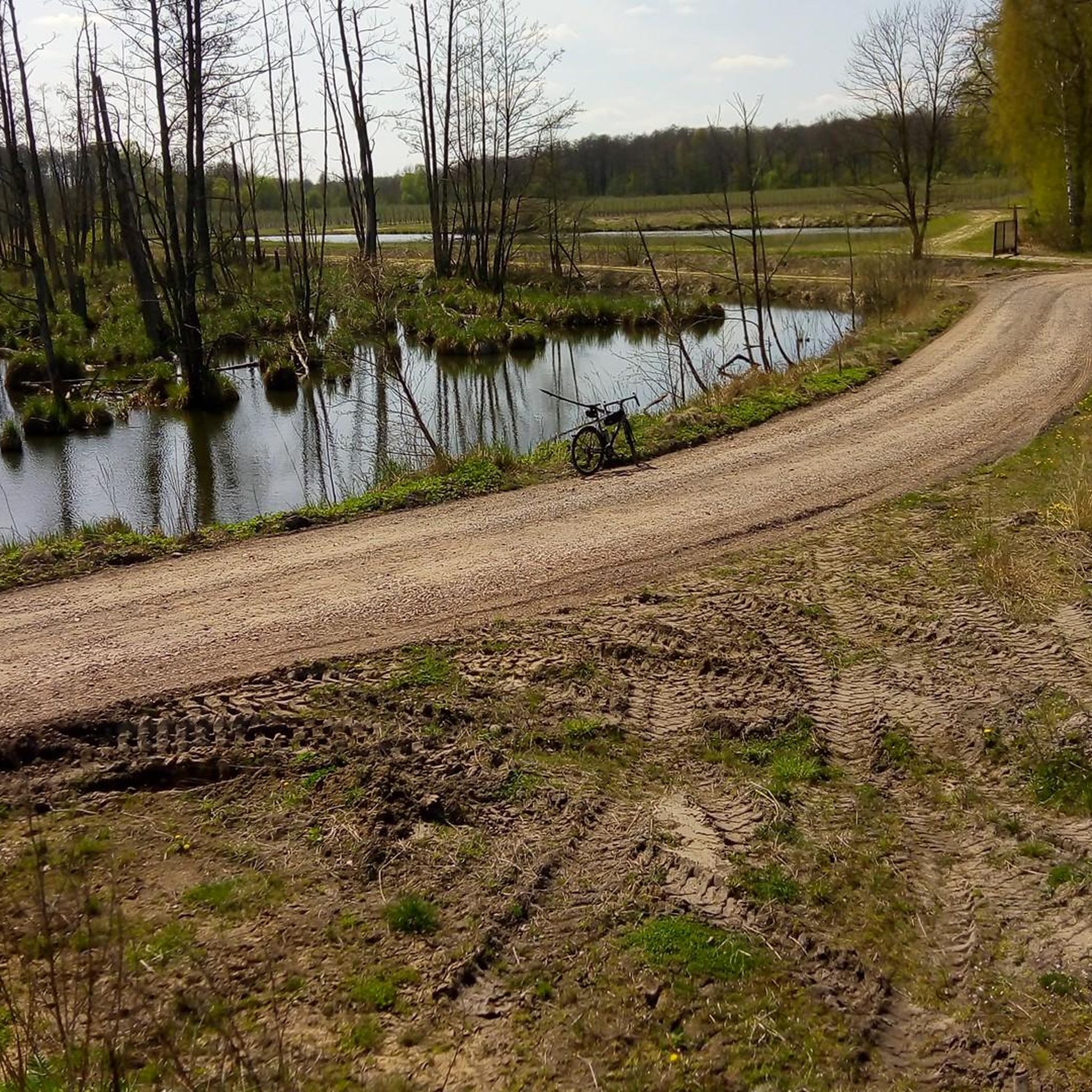
Feel the nature, it's worth taking your time there.
0
0

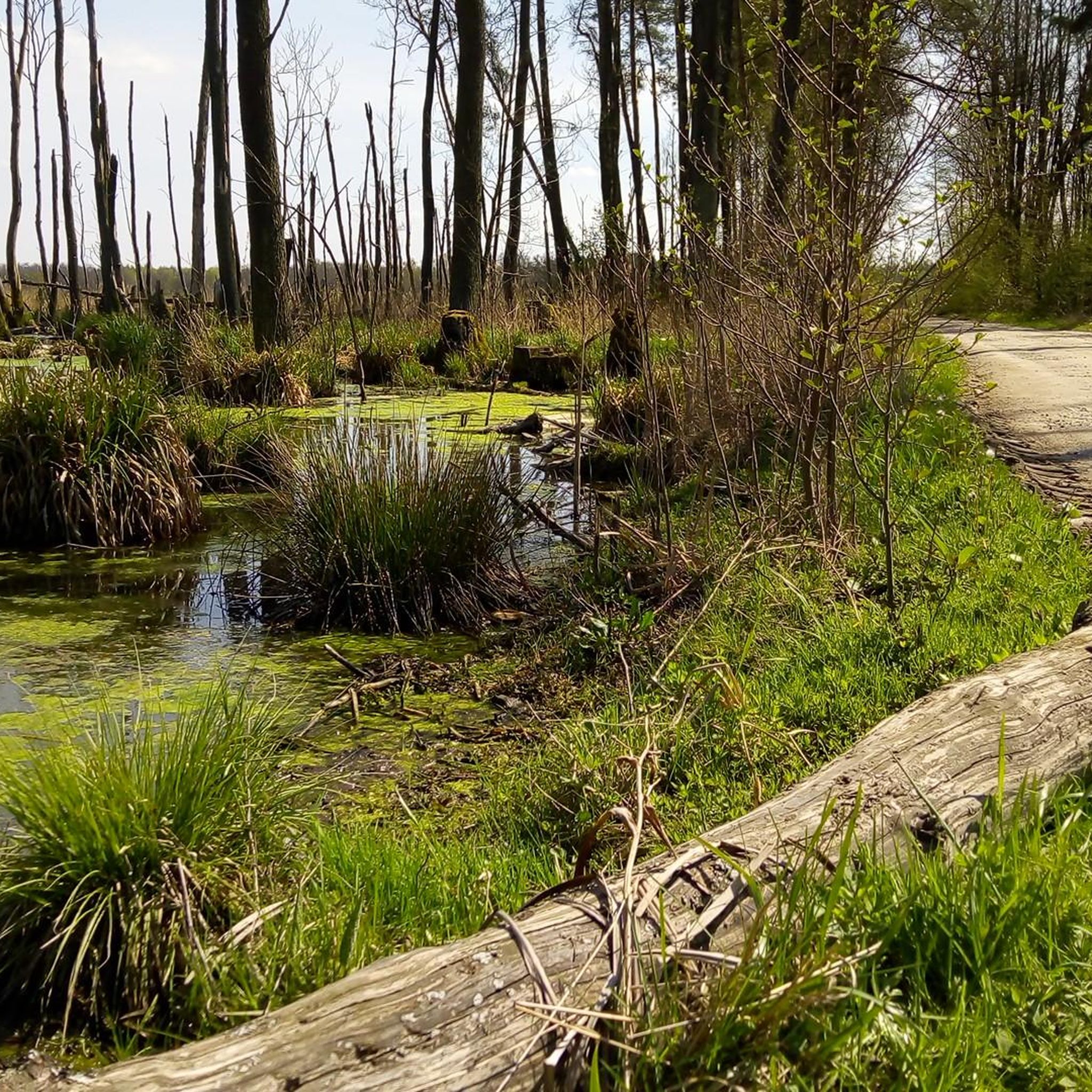
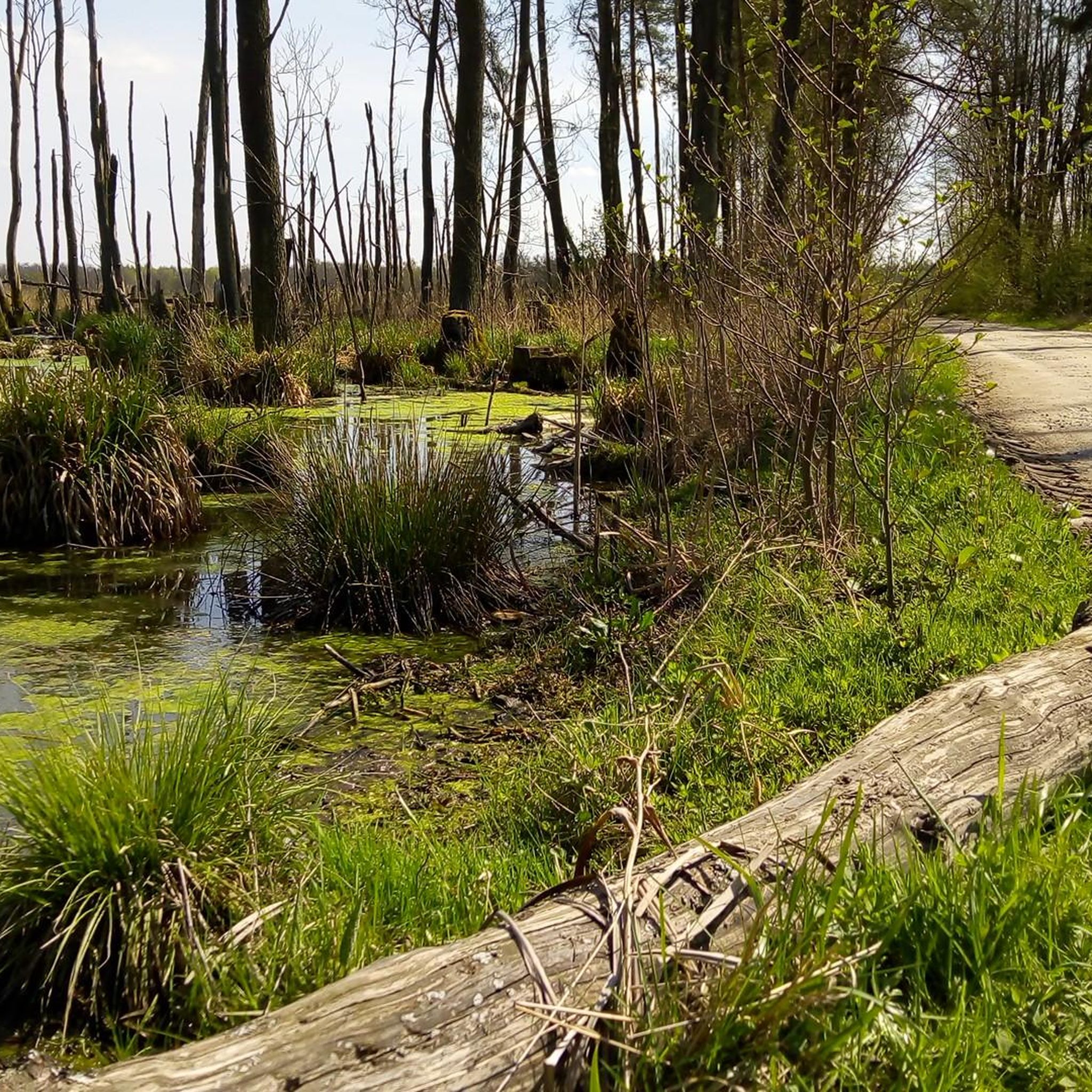
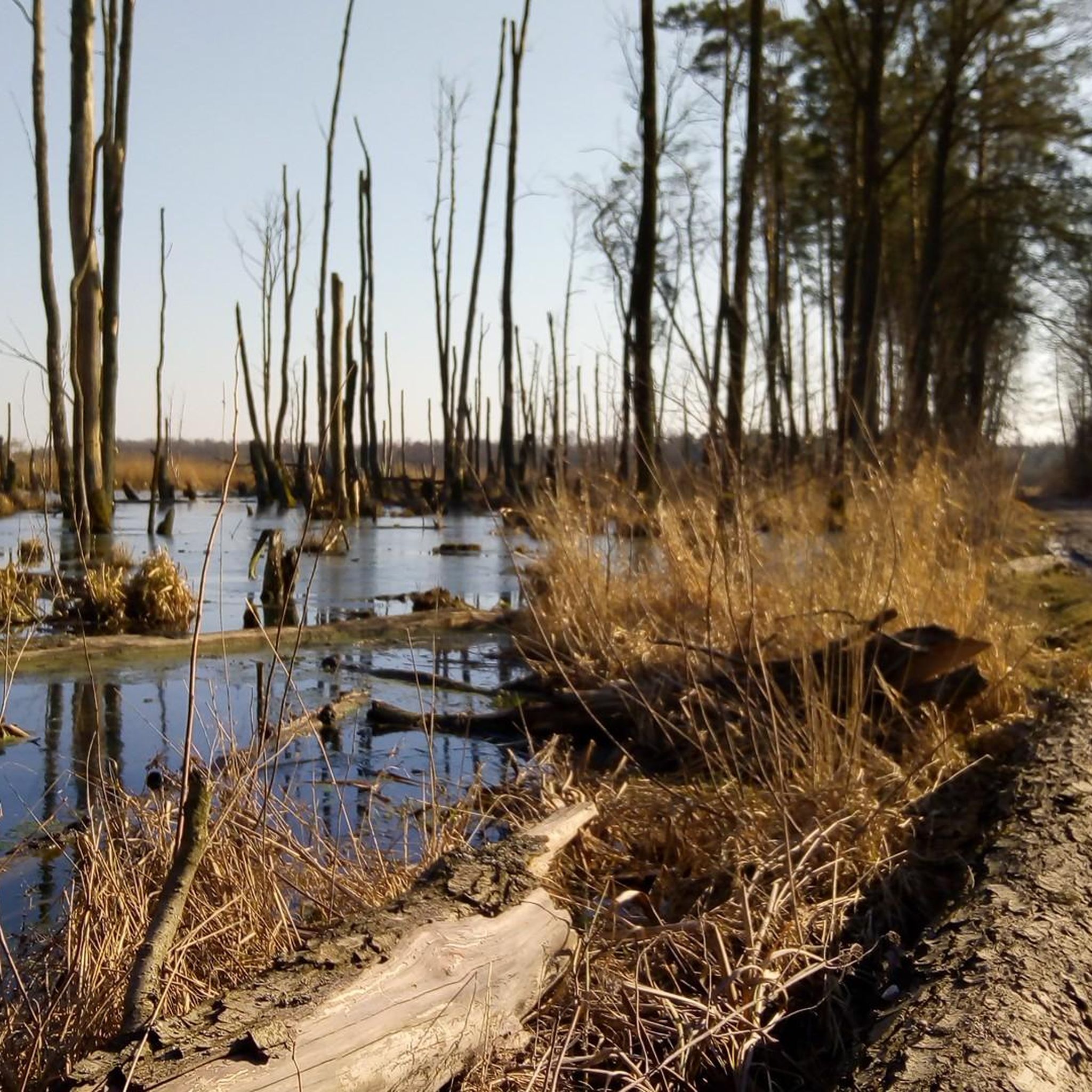
Unique climate, Cosmic number of trees uprooted by storms/from old age on both sides of the path. Beautiful smell of the forest.
1
0
A forest nature reserve established in 1959 on the land of the village of Mała Wieś in the commune of Belsk Duży. The forest area in which the reserve is located is associated with the nearby estate of Mała Wieś. Historical sources indicate that the local larches were admired by King Stanisław August Poniatowski on July 21, 1787. The reserve, still on private land, was established in 1927 with the consent of the owners on an area of 7.44 ha in sections: 15a, b, c. During World War II, the complex was saved from devastation and cutting down, and even later the protected area was increased to 67 hectares (the Germans considered the local larches to be important for the Third Reich). After the war, a nature reserve was established on an area of 336.15 ha (Order No. 157 of the Minister of Forestry and Timber Industry of 5 May 1959), and eventually protected on an area of 332.15 ha.
0
0
A forest nature reserve located in the Nadarzyn commune in the Mazovian province. In 2003, a group of fallow deer was acclimatized here.
1
0
It was established in 1983 on an area of 23.73 ha. The purpose of protection is to preserve fragments of natural forest communities with associations of tall oak-hornbeam forest and mixed continental coniferous forest. It has high natural values. The oak-pine and oak stands occurring here are up to 180 years old. In the lower layer there is hornbeam and oak, while the undergrowth is dominated by buckthorn. The oak forests occurring in the reserve are among the oldest in Mazovia. Thanks to the large number of old, often hollow trees, the reserve is a breeding ground for numerous bird species.
0
0

Monument dedicated to the German crime
0
0
On the left side of the entrance to the park of the palace in Radziejowice (Masovian Voivodeship) stands an extraordinary monument. It is the work of Gustaw Zemła, dedicated to the German crime, the shooting of hostages of Sonderkommando 7a Waffen SS in this place in 1944.
0
0
Frequently Asked Questions
What types of natural monuments can I expect to see around Pniewy?
The natural monuments around Pniewy primarily consist of impressive individual trees, such as Ash, Scots Pine, Pedunculate Oak, Maples, and Elms, many of which are found within the Puszcza Zielonka Landscape Park. You'll also find significant forest reserves like the Młochowski Grąd Nature Reserve and the Modrzewina Nature Reserve, which protect unique forest communities.
What makes the natural monuments in this region significant?
These natural monuments are significant for their ecological value, often representing rare species, impressive age, or substantial size. Many ancient trees have historical and cultural importance, while the forest reserves contribute to local biodiversity and offer scenic beauty for nature enthusiasts.
Are there any specific ancient trees designated as natural monuments near Pniewy?
Yes, the region is home to several ancient trees designated as natural monuments. These include an Ash tree designated in 1997, a Scots Pine from 1959, and a Pedunculate Oak from 1987. Additionally, maples and elms near the Forest and Nature Education Center in Dąbrowa also hold this protected status.
What can I expect when visiting the <a href="https://www.komoot.com/highlight/2849534" target="_blank" rel="noopener">Trail Through Modrzewina Nature Reserve</a>?
The Trail Through Modrzewina Nature Reserve offers a unique forest atmosphere, often described as the 'Białowieża of the Grójec Region.' Visitors frequently note the cosmic number of trees uprooted by storms or old age, creating a distinct and natural forest environment. You can expect a beautiful smell of the forest and a unique climate.
Is the <a href="https://www.komoot.com/highlight/3100952" target="_blank" rel="noopener">Historic Lime Tree Avenue, Młochów</a> suitable for all visitors?
The Historic Lime Tree Avenue, Młochów is a beautiful row of 218 small-leaved lime trees. While a significant natural monument, some sections of the path can be narrow with obstacles like fallen trees and holes hidden by leaves. The fragment closer to the park in Młochów is generally more accessible and highly recommended.
What outdoor activities can I do near these natural monuments?
The area around Pniewy offers various outdoor activities. You can explore numerous cycling routes, including those around St. Anne's Ponds, or enjoy MTB trails like the 'Leśny Gorge loop from Ojrzanów.' There are also several running trails available. For more details, you can check the Cycling around Pniewy, MTB Trails around Pniewy, and Running Trails around Pniewy guides.
Are there family-friendly natural monuments around Pniewy?
Yes, several natural monuments are considered family-friendly. The Młochowski Grąd Nature Reserve and the Trail Through Modrzewina Nature Reserve are both suitable for families, offering relatively smooth paths and quiet forest environments. The Modrzewina Nature Reserve also features a nature trail that can be enjoyed by families.
What is the best time to visit the natural monuments around Pniewy?
The Puszcza Zielonka Landscape Park, where many of these monuments are located, is beautiful throughout the year. Spring offers lush greenery and blooming flora, while autumn provides vibrant foliage. Summer is ideal for longer walks, and even winter can be picturesque, though some paths might be more challenging due to snow or ice.
Are there any historical sites near the natural monuments?
Yes, the region combines natural beauty with historical significance. For instance, the Monument to the Executed Hostages of 1944 in Radziejowice is a notable historical site located near the palace park in Radziejowice, offering a poignant reflection on the area's past.
What do visitors enjoy most about the natural monuments near Pniewy?
Visitors particularly appreciate the tranquility and natural beauty of the area. The quiet forests, impressive ancient trees, and the unique atmosphere of reserves like the Trail Through Modrzewina Nature Reserve are frequently highlighted. The opportunity to explore well-preserved natural communities, some with trees up to 180 years old, is also a major draw.
Is Jezioro Pniewskie (Pniewskie Lake) considered a natural monument?
While Jezioro Pniewskie is a significant natural attraction offering opportunities for fishing and enjoying a tranquil environment, it is not officially listed as a 'natural monument' in the same category as the protected trees and forest reserves in the region. Its primary appeal lies in its recreational value.
Are there any nature trails within the Modrzewina Nature Reserve?
Yes, the Modrzewina Nature Reserve, established to protect European larch, features an approximately 5-kilometer nature trail. While the path's condition can vary, it offers a great opportunity to explore the reserve's valuable ecosystem.
Most popular attractions around Pniewy

Get inspired with the komoot mobile app


