Top 19 Natural Monuments around Klucze
Best natural monuments around Klucze offer diverse landscapes and unique geological features. The region is characterized by significant natural sites, including Central Europe's largest inland shifting sands and ancient forest ecosystems. These areas provide opportunities to explore distinct natural environments and geological formations. Klucze's surroundings present a variety of natural attractions for outdoor enthusiasts.
Best natural monuments around Klucze
- The most popular natural monuments is Róża Wiatrów viewpoint over the Błędowska Desert, a viewpoint that offers panoramic views of…
Last updated: June 29, 2026
Wind Rose
Highlight • Viewpoint
Translated by Google •
Tip by

Ogrodzieniec Castle
Highlight • Castle
Translated by Google •
Tip by

Sign up now to discover places like this
Get recommendations on the best single tracks, peaks, & plenty of other exciting outdoor places.
Sign up for free
Błędów Desert
Highlight • Natural
Translated by Google •
Tip by
Green Pond
Highlight • Lake
Translated by Google •
Tip by
Pustynia Błędowska - Training Ground
Highlight • Natural
It stretches from Błędów (a …
Translated by Google •
Tip by

Sign up for free to discover even more natural monuments around Klucze.
Sign up for free
Already have an account?
Start today with a free account
Your next adventure awaits.
Login or Signup
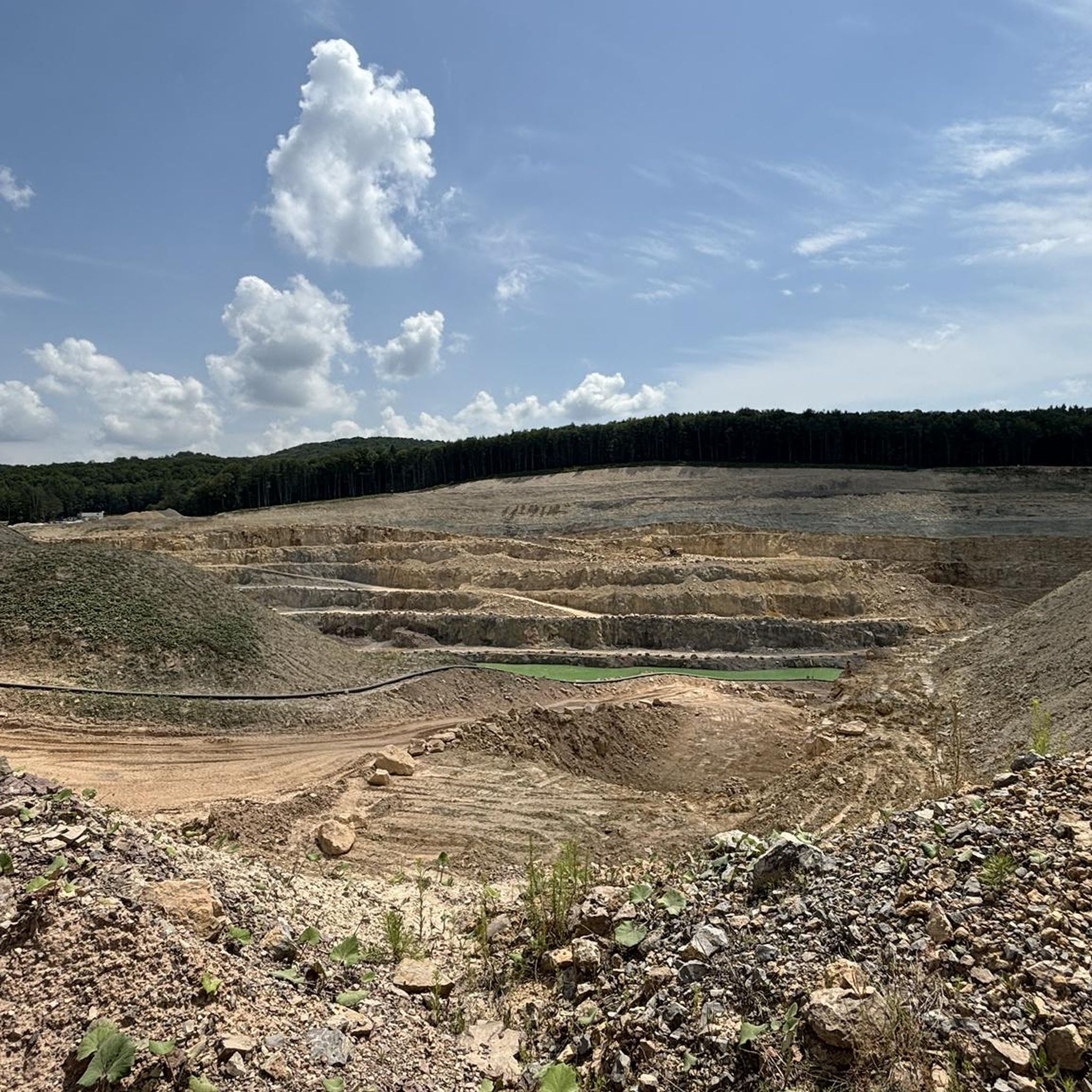
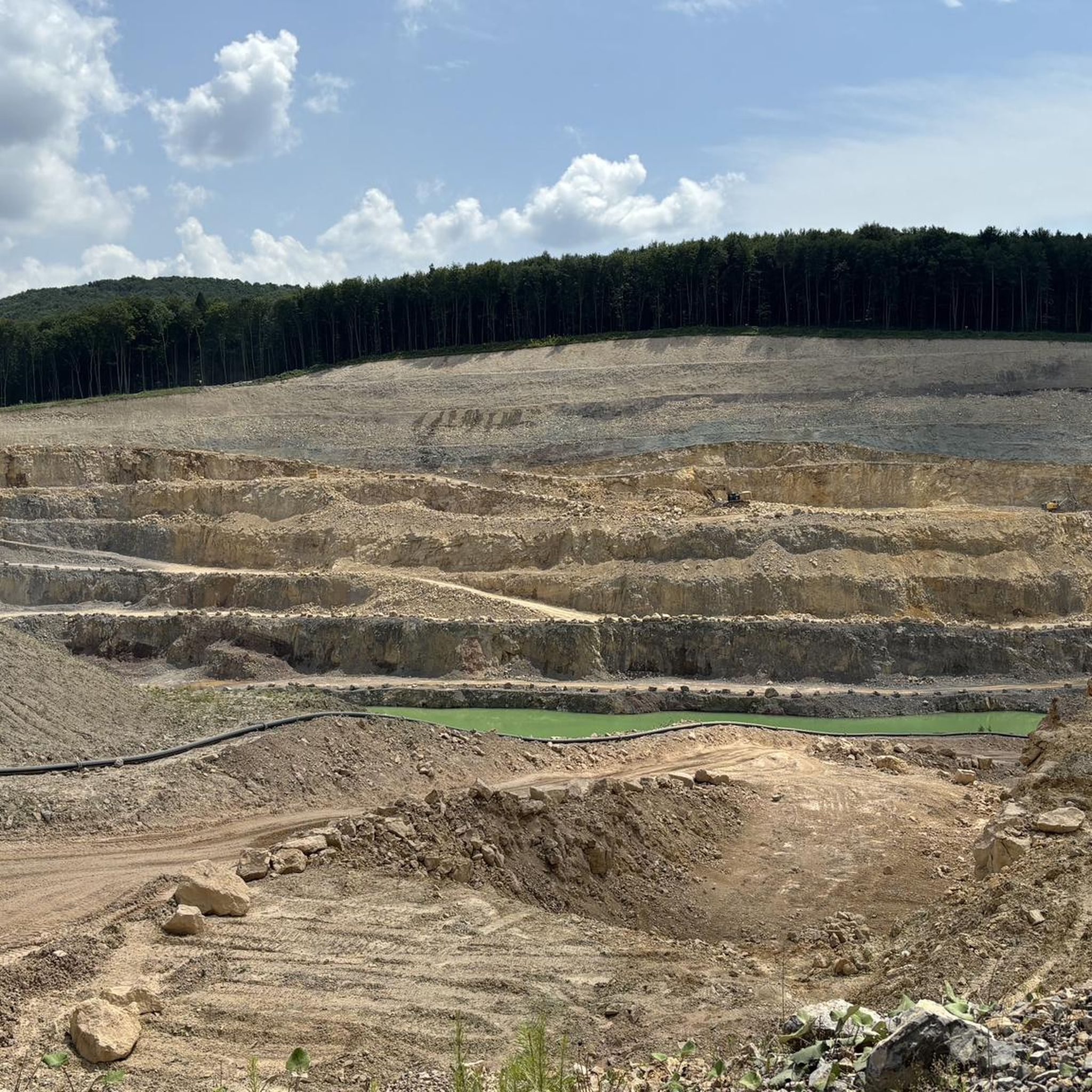
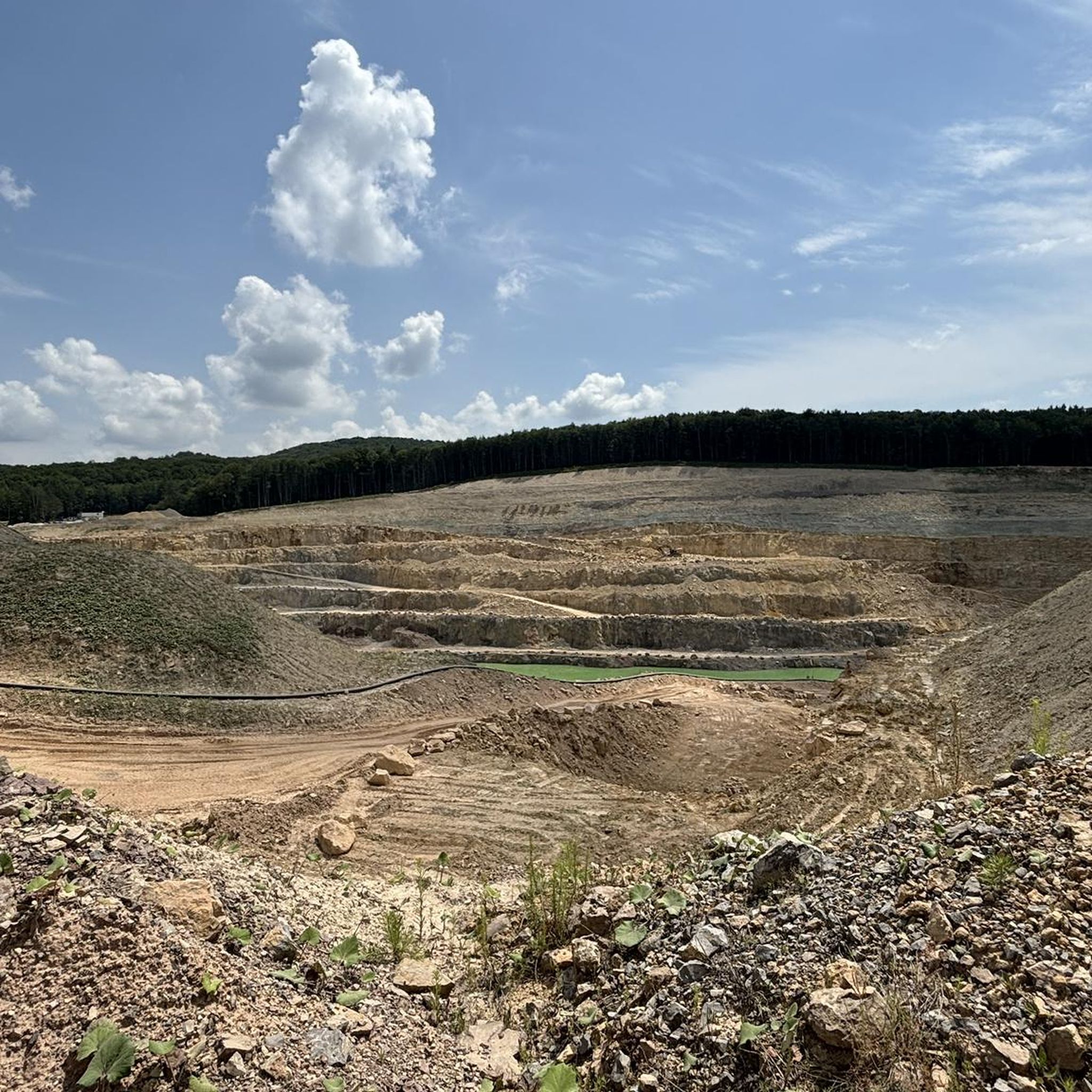
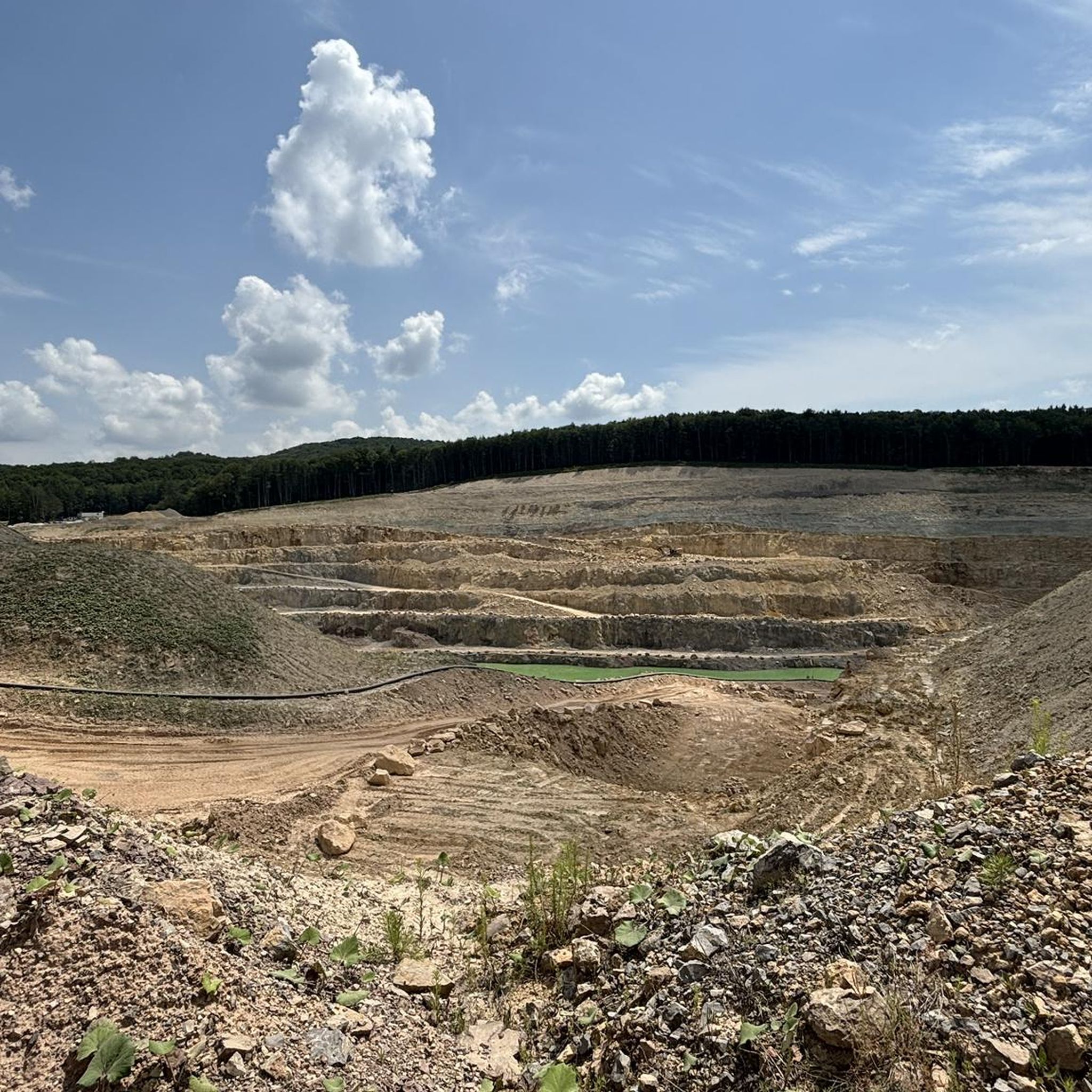

Tips from the Community

If you want to ride fast, go very early in the morning. Afterwards, there are very many people.
0
0

The view is absolutely stunning, it'll knock your socks off.
0
0

It's beautiful and has its own atmosphere.
3
0

A nice place with an interesting history. There used to be a swimming pool here, you can see the posts and the beach. The pool is a relic of the military.
3
0

There is everything you need: food (fries, sandwiches, hamburgers), beer (non-alcoholic and alcoholic), ice cream (scoops and Italian), water.
1
0


Frequently Asked Questions
What unique natural features can I explore around Klucze?
The Klucze area offers diverse natural features. You can experience the unique desert landscape of the Błędowska Desert, often called the 'Polish Sahara,' with its vast shifting sands. Another highlight is the Pazurek Nature Reserve, known for its ancient forests and impressive limestone rock formations like the Zubowe Rocks. The Prądnik Valley, part of Ojców National Park, features stunning karst landscapes with high limestone cliffs, dramatic rock formations such as Maczuga Herkulesa, and numerous caves.
Are there good viewpoints to observe the natural monuments?
Yes, several excellent viewpoints offer panoramic views. For the Błędowska Desert, visit Róża Wiatrów viewpoint over the Błędowska Desert in Klucze or Czubatka Hill. These spots provide extensive views of Central Europe's largest inland shifting sands. The Pazurek Nature Reserve also has trails that lead to impressive rock formations.
What kind of outdoor activities can I do near these natural monuments?
The region around Klucze is excellent for various outdoor activities. You can enjoy hiking on marked trails in the Błędowska Desert and Pazurek Nature Reserve. Cycling is popular, with dedicated paths in the desert and a wide asphalt path along the Prądnik Valley. Horse riding is also possible on the Transjurassic Trail of Horse Tourism. For more specific routes, you can explore options for gravel biking, cycling, and road cycling in the area.
Are there family-friendly natural monuments or activities suitable for children?
Absolutely. Many natural monuments around Klucze are family-friendly. The Róża Wiatrów viewpoint over the Błędowska Desert is easily accessible. The Pazurek Nature Reserve features a five-kilometer-long red nature trail with information boards, perfect for family outings. The Prądnik Valley, within Ojców National Park, has a wide, car-free pedestrian and cycling path, ideal for walks, bikes, or even rollerblading with children. Additionally, Green Pond offers a relaxing spot for families.
What historical or cultural sites are integrated with the natural landscape?
The region beautifully blends natural beauty with historical significance. Ogrodzieniec Castle is a prime example, with its ruins dramatically integrated into bizarre rock formations. The Prądnik Valley also hosts historical landmarks like the ruins of Ojców Castle and Pieskowa Skała Castle. Furthermore, the Błędowska Desert served as a training ground for the German Afrika Korps during World War II, adding a unique historical layer to its natural setting.
Can I visit any caves in the natural monument areas?
Yes, the Prądnik Valley, which is part of Ojców National Park, is home to over a hundred caves. Some of these are open for exploration, such as Łokietek's Cave (Grota Łokietka), which is steeped in legend and has revealed archaeological findings of prehistoric animals and early human traces.
What is the best time of year to visit the natural monuments around Klucze?
The natural monuments around Klucze can be enjoyed throughout the year, but spring and autumn offer particularly pleasant conditions for hiking and cycling, with milder temperatures and beautiful foliage. Summer is also popular, especially for activities in the shaded areas of the Pazurek Nature Reserve and Prądnik Valley. Winter can offer a unique, serene experience, especially in the Błędowska Desert, though some trails might be more challenging.
Are there any unique plant or animal species to look out for?
Yes, the region is rich in biodiversity. The Błędowska Desert, despite its arid appearance, is part of the Natura 2000 protection program and hosts rare plant species adapted to sandy conditions, such as the stemless carline thistle and Iceland moss. The Pazurek Nature Reserve is a refuge for numerous protected and endangered plant species, including wild garlic and various rare orchids. The Prądnik Valley is home to the endemic Ojców birch and various bat species in its caves, alongside deer, foxes, and badgers in its woods.
Are permits required for hiking or visiting the natural monuments?
Generally, permits are not required for visiting the main natural monuments and using marked trails in the Klucze area, including the Błędowska Desert and Pazurek Nature Reserve. However, always respect local regulations, especially within protected areas like Ojców National Park, and stick to designated paths to preserve the natural environment.
What do visitors enjoy most about the natural monuments in Klucze?
Visitors frequently highlight the unexpected and unique landscapes, especially the 'Polish Sahara' feel of the Błędowska Desert. The dramatic rock formations at places like Ogrodzieniec Castle and the Zubowe Rocks in Pazurek Nature Reserve are also highly appreciated. Many enjoy the tranquility and opportunities for relaxation, particularly at spots like Green Pond, and the well-maintained trails for hiking and cycling.
How can I get to the natural monuments near Klucze?
Access to the natural monuments around Klucze is primarily by car, with parking available at key locations such as viewpoints and trailheads. Public transport options might be limited, so checking local bus schedules for specific destinations is advisable. For example, the Błędowska Desert has observation points like Róża Wiatrów in Klucze, which are accessible by road.
Is the Błędowska Desert truly a desert, and what is its origin?
The Błędowska Desert is Central Europe's largest area of inland shifting sands, earning it the nickname 'Polish Sahara.' While not a true desert in the climatic sense, its formation is linked to extensive deforestation for mining and metallurgy from the Middle Ages, which exposed post-glacial sands. Wind then shaped this unique landscape, creating a desert-like environment with sand layers up to 70 meters deep.
Most popular routes around Klucze
Most popular attractions around Klucze

Get inspired with the komoot mobile app


Explore more
Extend your search for the best caves by checking out these guides of the top ones around Klucze:
