Top 20 Natural Monuments around Kraków
Best natural monuments around Kraków offer diverse natural landscapes and historical sites within and near the city. The region features vast woodlands, limestone cliffs, and riverfront areas, providing varied terrain for outdoor activities. Kraków's unique artificial mounds also serve as prominent natural features, offering panoramic views. These areas provide opportunities for recreation and showcase diverse ecosystems close to an urban environment.
Best natural monuments around Kraków
- The most popular natural monuments is Rękawica (The Glove) Rock Formation, a natural monument that features Jurassic rocks resembling an outstretched hand. It is accessible via a green marked hiking trail and offers multiple viewpoints.
- Another must-see spot is Piłsudski Mound, the highest burial mound in Kraków. Visitors can expect panoramic views of the city and surrounding mountain ranges from its summit, accessible via forest paths suitable for hiking and cycling.
- Visitors also love Planty Park in Kraków, a city park surrounding the Old Town. This 21-hectare park, established on former fortifications, offers a green space for leisurely walks and connects various historical sites.
- Kraków is known for its rock formations, historical mounds, and extensive city parks. These natural monuments offer a variety of experiences, from geological wonders to historical viewpoints and urban green spaces.
- The natural monuments around Kraków are appreciated by the komoot community, with more than 150 upvotes and 70 photos shared across 20 highlights.
Last updated: August 23, 2026
Rękawica (The Glove) Rock Formation
Highlight • Natural Monument
The short climb is worth it because you pass a whole series of viewpoints.
Translated by Google •
Tip by

Piłsudski Mound
Highlight • Monument
Translated by Google •
Tip by
Sign up now to discover places like this
Get recommendations on the best single tracks, peaks, & plenty of other exciting outdoor places.
Sign up for free
Planty Park in Kraków
Highlight • Forest
The Planty Park was built on the site of the fortifications surrounding the city: the defensive walls (demolished at the beginning of the 19th century) and the moat and earth embankments on their foreground. It was a boggy and neglected area, serving as a garbage dump and sewage outlet. In 1820, a decision was made to create "city gardens" in this area, i.e. a plant - hence the name Planty (from splintering, that is, leveling the rubble). However, the inhabitants of Kraków used the name Plantacye or Plantacje [2] for a very long time; the park was also called "city walks". The main initiator of this idea and the creator of the measurements and plans was Feliks Radwański. After his death in 1826, Florian Straszewski took over the management of the works, who in 1830 established a foundation intended for the maintenance of the Planty.
The initial works consisted in leveling the area and filling the moat with fertilized soil. The Barbican remained within the park that was being created. In the next stage, the area was planted with trees.
pl.wikipedia.org/wiki/Planty_(Krak%C3%B3w)
Translated by Google •
Tip by

Krakus Mound
Highlight • Viewpoint
In any case, it is a fact that you have a wonderful panoramic view of Kraków and the surrounding area.
Translated by Google •
Tip by
Limestone Cliffs Along the Road in Ojcowski National Park
Highlight • Natural Monument
Translated by Google •
Tip by

Sign up for free to discover even more natural monuments around Kraków.
Sign up for free
Already have an account?
Start today with a free account
Your next adventure awaits.
Login or Signup
Popular around Kraków
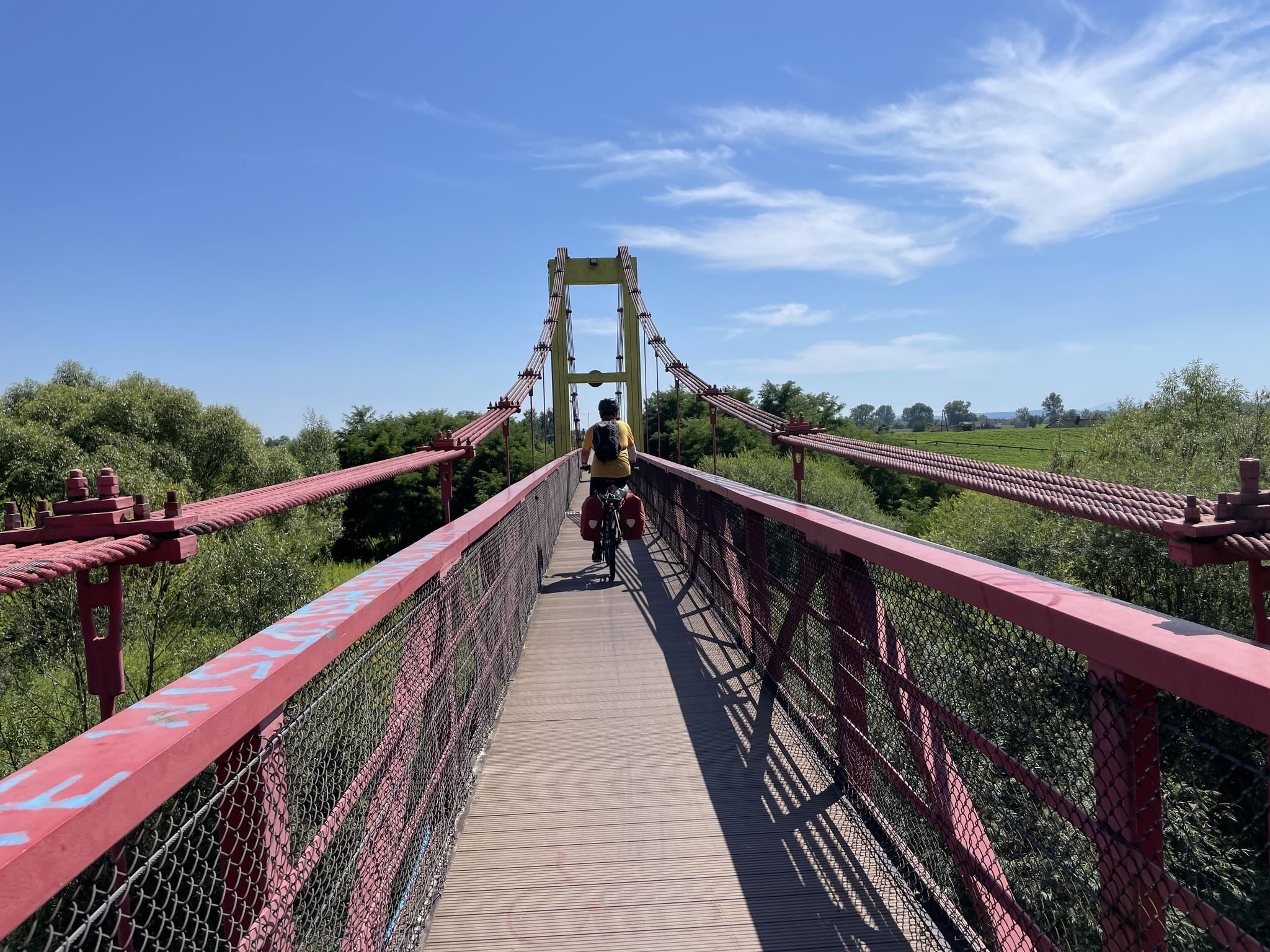
EuroVelo 4 (section in Poland) – Wonderful Vistula river vibes and historic Polish cities
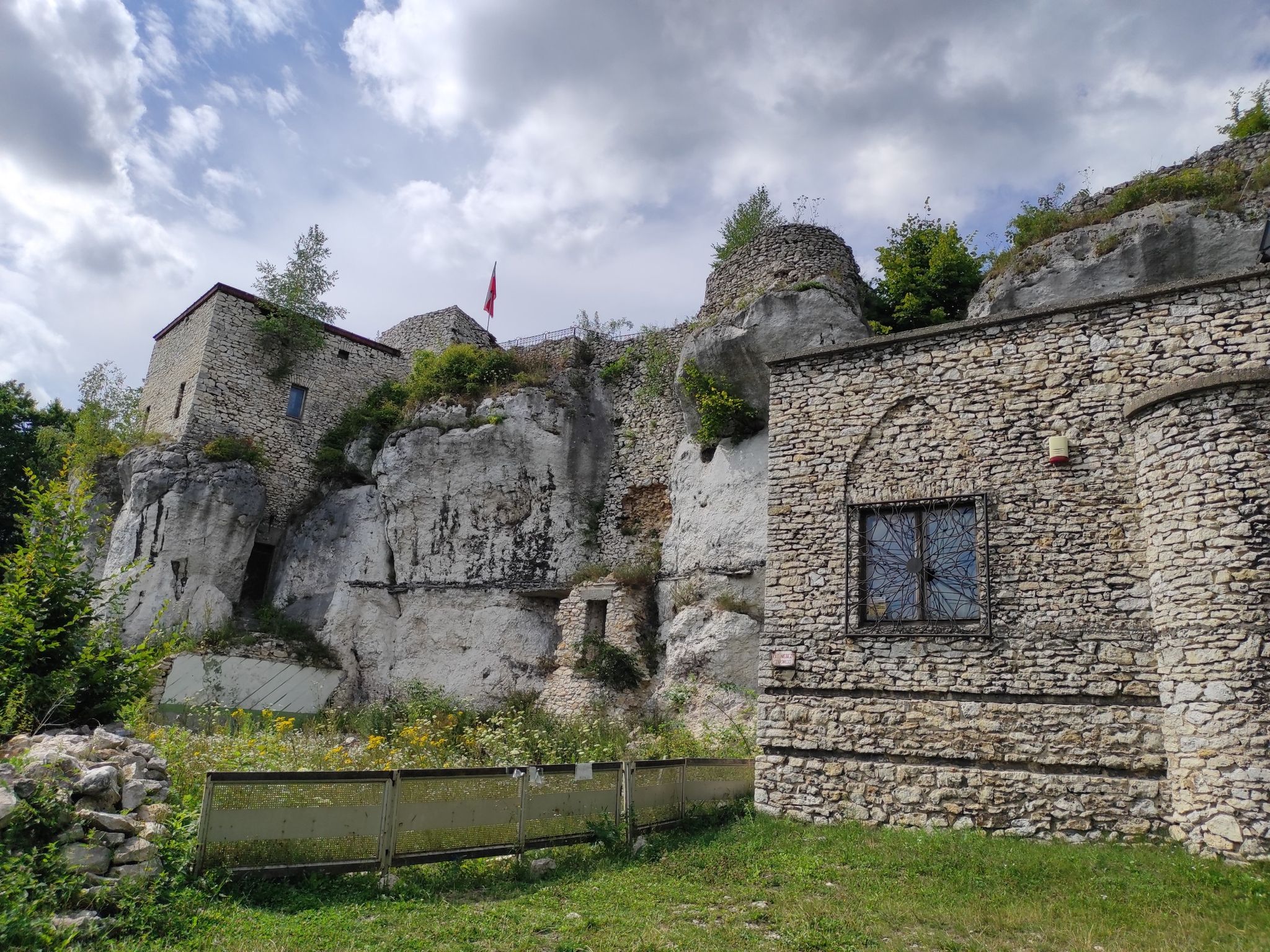
Trail of the Eagle's Nests — Magnificent Castles of Kazimierz Wielki and beautiful Grottos and Rocks
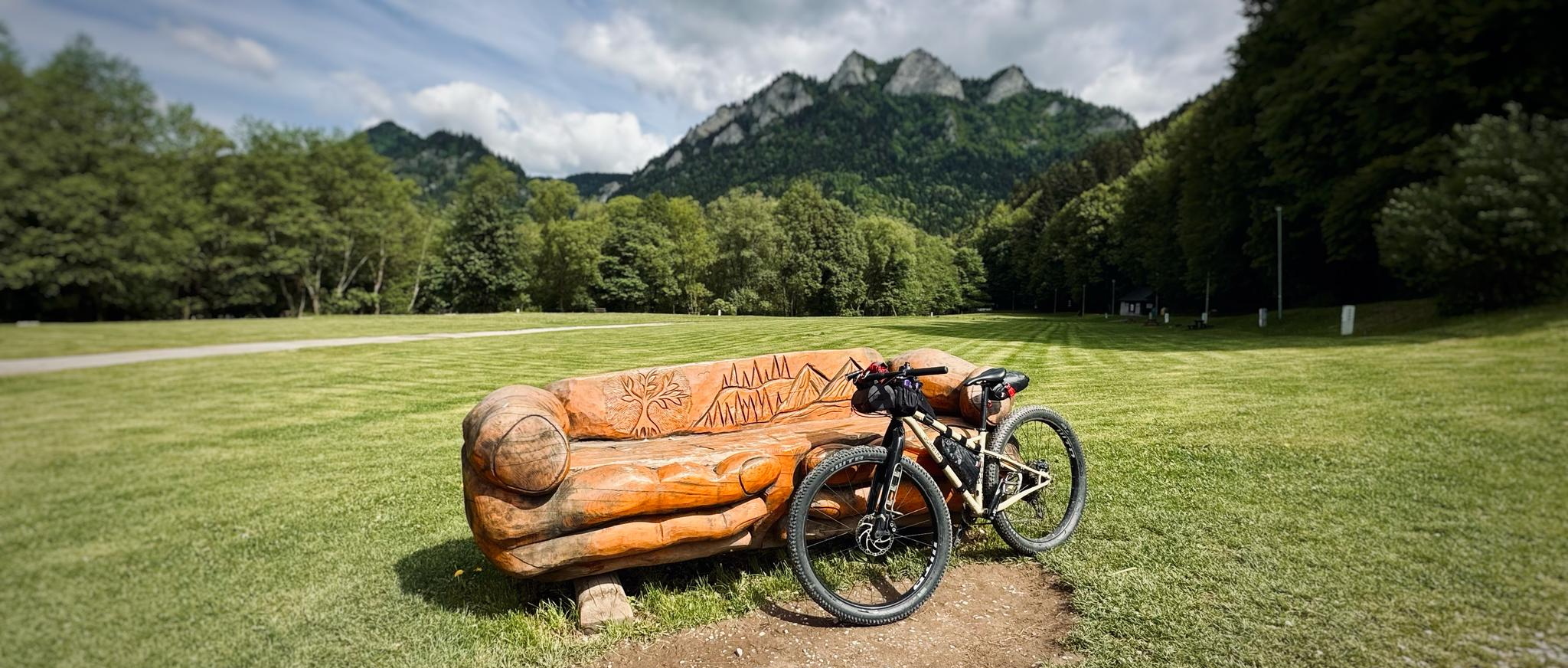
Between the Vistula & the High Tatras – bikepacking through Małopolska
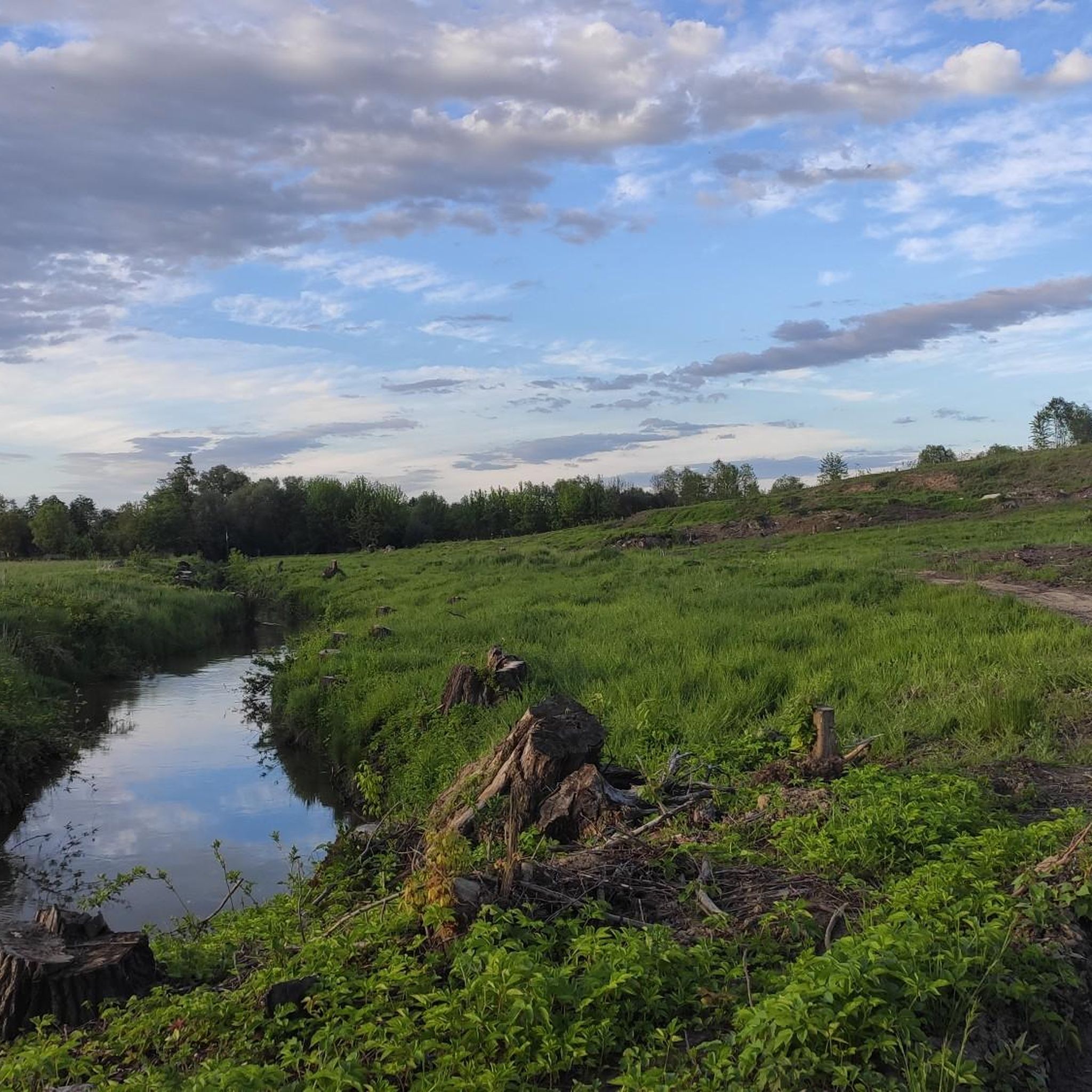
Running Trails around Kraków
Cycling around Kraków
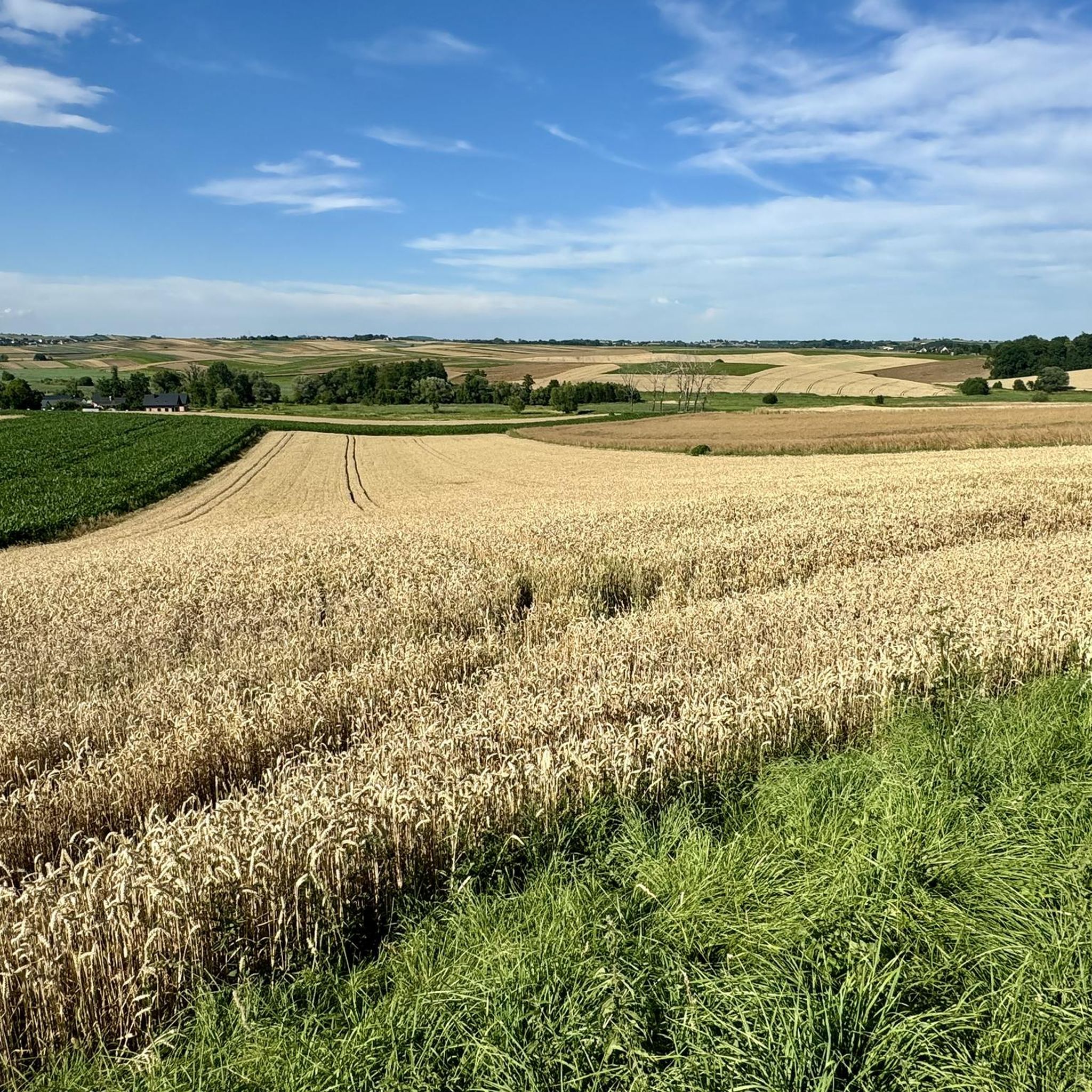
Hiking around Kraków
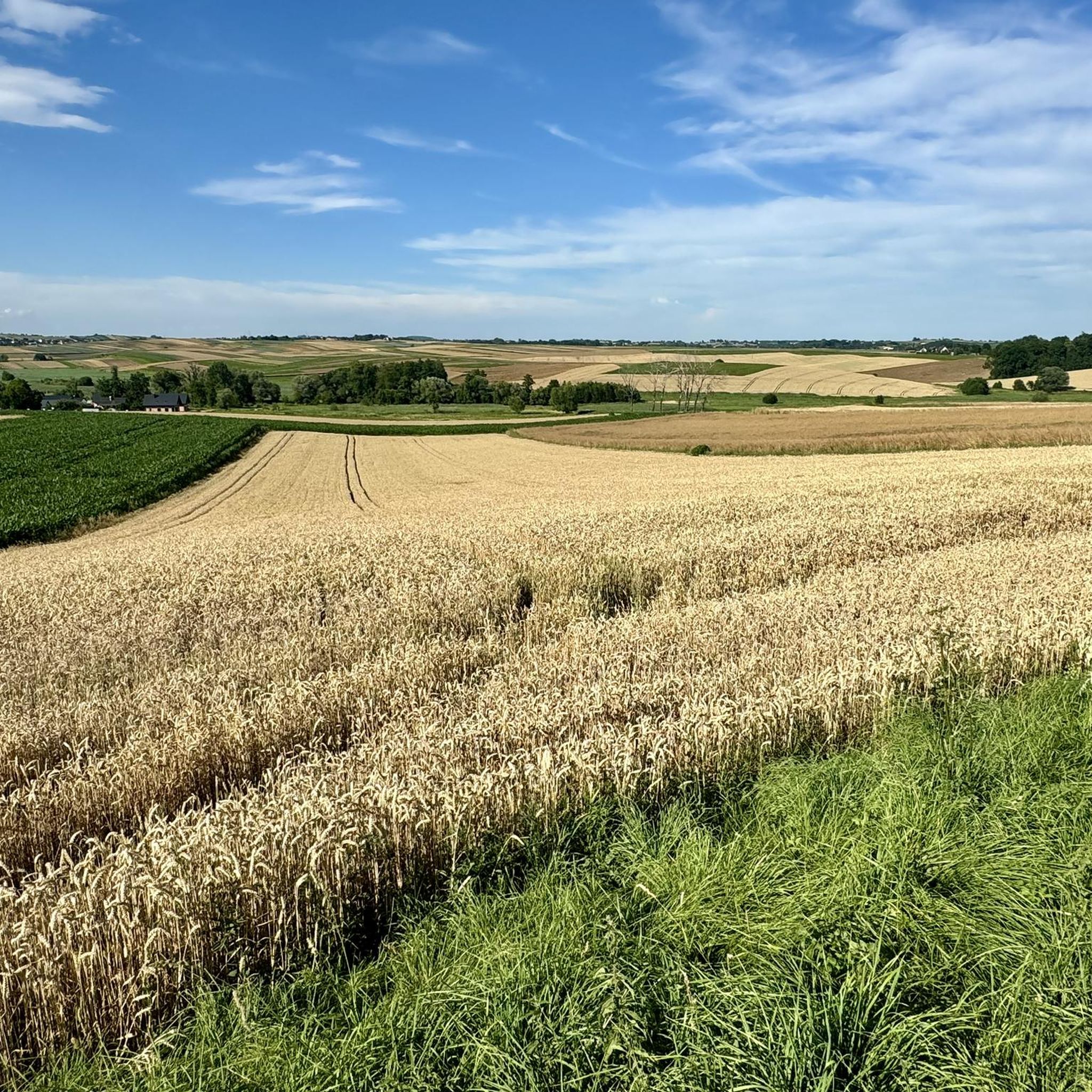
Road Cycling Routes around Kraków
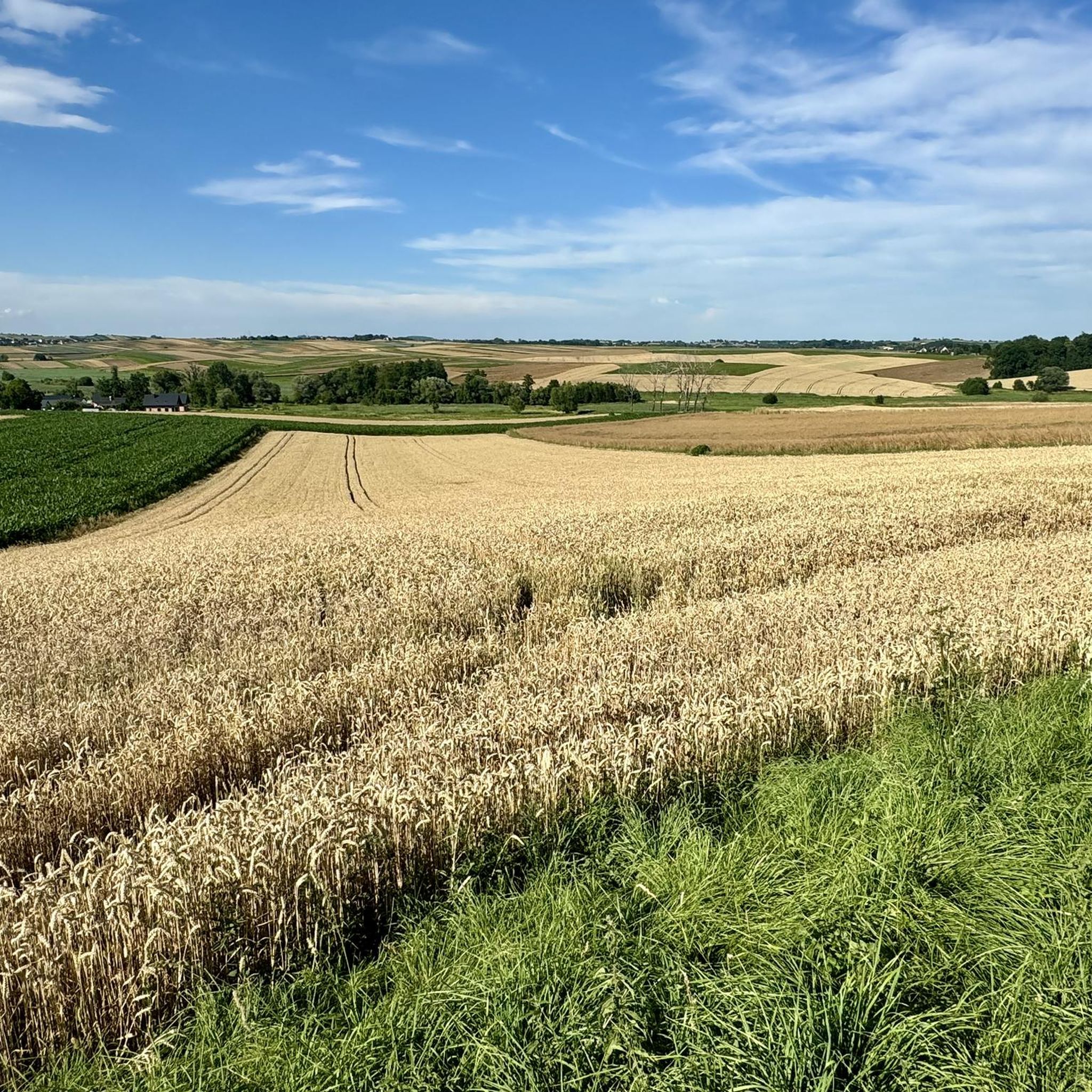
MTB Trails around Kraków

Gravel biking around Kraków
Other adventures around Kraków


Tips from the Community

Calmly, even on hot days, many trails in the forest are in the shade.
0
0

Now part of the Collection https://www.komoot.com/de-de/collection/3600632/-naturdenkmaeler-besondere-baeume-und-weitere-schaetze-der-natur
1
0
Now part of the Collection https://www.komoot.com/de-de/collection/3600632/-naturdenkmaeler-besondere-baeume-und-weitere-schaetze-der-natur
1
0

You can also start from Wawel or Salwator.
0
0
Historic Mounds. Kościuszko Mound is right next to the route. Piłsudski Mound, which is accessible only by bike. Along the way, there's the Zoo and Sikornik Mountain with a beautiful view. You can also start from Wawel Castle or Salwator.
0
0

The Piłsudski Mound in Krakow is the largest of the Krakow mounds, located on Sowiniec Hill in the Wolski Forest. From its peak there is a wide panorama of the city and the surrounding mountain ranges, making it a great place for a walk and outdoor relaxation. Forest paths lead to the mound, which are suitable for both hiking and cycling. The ascent to the mound is gentle, but due to the length of the route from the parking lot, it is worth taking comfortable shoes. It is good to have water with you, because there is no shop or catering on site.
1
0

Great view of the Prądnik Valley, the Krakow Gate and the handle :-)
1
0
Frequently Asked Questions
What are some of the most popular natural monuments to visit around Kraków?
Among the most popular natural monuments around Kraków, visitors frequently enjoy the unique Rękawica (The Glove) Rock Formation, known for its Jurassic rocks resembling an outstretched hand and multiple viewpoints. Another highly regarded spot is Piłsudski Mound, which offers expansive panoramic views of the city and surrounding mountain ranges. For a more urban green space, Planty Park in Kraków, encircling the Old Town, is also a community favorite.
What kind of natural features can I expect to see among Kraków's natural monuments?
Kraków's natural monuments offer a diverse range of features. You can explore vast woodlands and limestone cliffs in areas like Las Wolski and the Bielańsko-Tyniecki Landscape Park. There are also unique geological formations such as the deep ravines of Panieńskie Skały and the distinctive Rękawica (The Glove) Rock Formation. Additionally, the city boasts artificial mounds like Piłsudski Mound and Krakus Mound, which provide elevated viewpoints.
Are there any natural monuments in Kraków with historical significance?
Yes, Kraków's natural monuments often blend natural beauty with rich history. The city's unique mounds, such as Piłsudski Mound and Krakus Mound, are artificial hills with deep historical roots, offering panoramic views. Planty Park, which encircles the Old Town, was established on the site of former medieval fortifications. The Bielańsko-Tyniecki Landscape Park also encompasses historical sites like the ancient Tyniec Abbey.
What outdoor activities can I do near Kraków's natural monuments?
The areas around Kraków's natural monuments are excellent for various outdoor activities. You can enjoy extensive hiking, cycling, and mountain biking. For example, the Wolski Forest, home to Piłsudski Mound, offers numerous forest paths. The nearby routes include options for hiking, gravel biking, and MTB trails, providing diverse terrain for all skill levels.
Are there good hiking trails among Kraków's natural monuments?
Absolutely. Many natural monuments in Kraków are perfect for hiking. The Las Wolski and Bielańsko-Tyniecki Landscape Park feature well-signposted hiking trails, including paths leading to geological formations like Panieńskie Skały. You can also hike to Rękawica (The Glove) Rock Formation via a green-marked trail or ascend Piłsudski Mound via forest paths. For more options, explore the hiking guide around Kraków.
Can I go cycling or mountain biking near these natural monuments?
Yes, the areas surrounding Kraków's natural monuments are suitable for cycling and mountain biking. The forest paths around Piłsudski Mound in Wolski Forest are popular for both. Zakrzówek Park also has trails for cycling. You can find detailed routes in the gravel biking guide and MTB trails guide around Kraków.
Are there family-friendly natural monuments in Kraków?
Many of Kraków's natural monuments are family-friendly. The mounds, such as Piłsudski Mound and Krakus Mound, are popular for family outings, offering gentle ascents and open spaces. Planty Park, with its continuous green circuit around the Old Town, is ideal for leisurely family strolls. The Botanical Garden of the Jagiellonian University also provides an engaging and educational experience for all ages.
Are any of Kraków's natural monuments wheelchair accessible?
Yes, Planty Park in Kraków is noted for its accessibility, offering a smooth, continuous path around the Old Town suitable for wheelchairs. While many natural areas involve uneven terrain, Planty provides an excellent option for those seeking an accessible green space within the city.
Where can I find the best panoramic views of Kraków from a natural monument?
For the best panoramic views of Kraków, head to the city's mounds. Piłsudski Mound, the highest, offers a wide panorama of the city and surrounding mountain ranges, including the Tatra Mountains on clear days. Krakus Mound also provides a wonderful vantage point over Kraków and its surroundings. Additionally, the Rękawica (The Glove) Rock Formation area features multiple viewpoints.
Are there any unique geological formations to explore?
Kraków's natural monuments include several unique geological formations. The Rękawica (The Glove) Rock Formation is a prime example, featuring Jurassic rocks that strikingly resemble an outstretched hand. The Bielańsko-Tyniecki Landscape Park also boasts notable limestone cliffs and the deep ravines of Panieńskie Skały, with their surreal rock formations. Another interesting spot is Kmita Rock, known for its distinctive shape and local legend.
What is the best time of year to visit Kraków's natural monuments?
The best time to visit Kraków's natural monuments largely depends on your preferred activities. Spring and summer (April to September) are ideal for lush greenery, vibrant flora in the Botanical Garden, and outdoor activities like hiking and swimming at Zakrzówek Park. Autumn (October to November) offers stunning fall foliage, particularly in areas like Las Wolski. While some areas are accessible year-round, winter can provide a unique, serene experience, though some trails might be challenging due to snow or ice.
Are there any lesser-known or unique natural monuments worth exploring in Kraków?
Beyond the most popular sites, Zakrzówek Park & Lake is a unique natural monument, a former limestone quarry transformed into a stunning blue lagoon with clear waters and cliffs, popular for swimming and hiking. The Botanical Garden of the Jagiellonian University, Poland's oldest, offers a vast collection of plant species in a peaceful setting. Kmita Rock, with its intriguing legend and historical inscriptions, also offers a unique experience.
How can I reach Kraków's natural monuments using public transport?
Many of Kraków's natural monuments are accessible via public transport. Planty Park is right in the city center, easily reached by tram or bus. Areas like Las Wolski and the mounds are typically served by local bus lines from central Kraków, often requiring a short walk from the bus stop. For specific routes and schedules, it's best to check local public transport information.
Are there cafes or amenities near Kraków's natural monuments?
Yes, amenities vary by location. Planty Park, being in the city center, is surrounded by numerous cafes, restaurants, and shops. Near Las Wolski and Piłsudski Mound, you might find small kiosks or cafes, especially near the zoo. Zakrzówek Park has recently developed facilities, including swimming pools and wooden docks, and there are often food vendors during warmer months. For other, more remote natural monuments, it's advisable to bring your own refreshments.
Most popular routes around Kraków
Most popular attractions around Kraków

Get inspired with the komoot mobile app


Explore more
Extend your search for the best caves by checking out these guides of the top ones around Kraków:
