Top 4 Natural Monuments around Hańsk
Natural monuments around Hańsk, situated in Poland's Lublin Voivodeship, showcase a landscape characterized by wetlands, forests, and lakes. This region is part of the West Polesie ecoregion, recognized for its significant biodiversity and natural values. It provides opportunities to explore protected areas and individual natural monuments. The area offers a natural setting for outdoor activities and ecological observation.
Best natural monuments around Hańsk
- The most popular natural monuments is Czahary Educational Trail, a trail that allows exploration of the…
Last updated: October 15, 2026
Czahary Educational Trail
Highlight • Trail
Translated by Google •
Tip by

Żółwiowe Błota Nature Reserve
Highlight • Natural Monument
Translated by Google •
Tip by

Sign up now to discover places like this
Get recommendations on the best single tracks, peaks, & plenty of other exciting outdoor places.
Lake Wytyckie
Highlight • Lake
Translated by Google •
Tip by

View of Lake Perespa in the Żółwiowe Błota Reserve
Highlight • Viewpoint
Translated by Google •
Tip by
Bachus Nature Reserve
Highlight • Forest
Translated by Google •
Tip by
Start today with a free account
Your next adventure awaits.
Tips from the Community

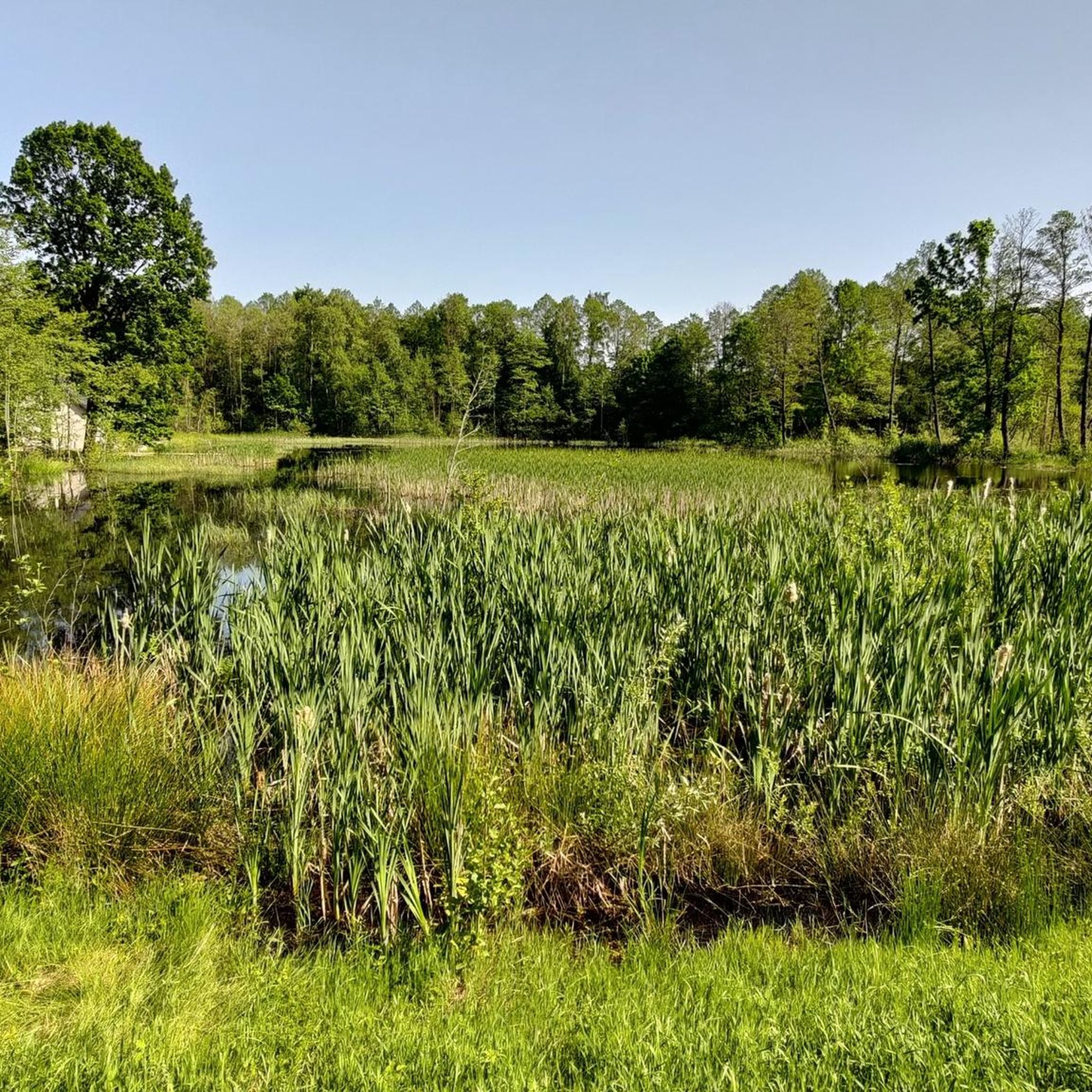
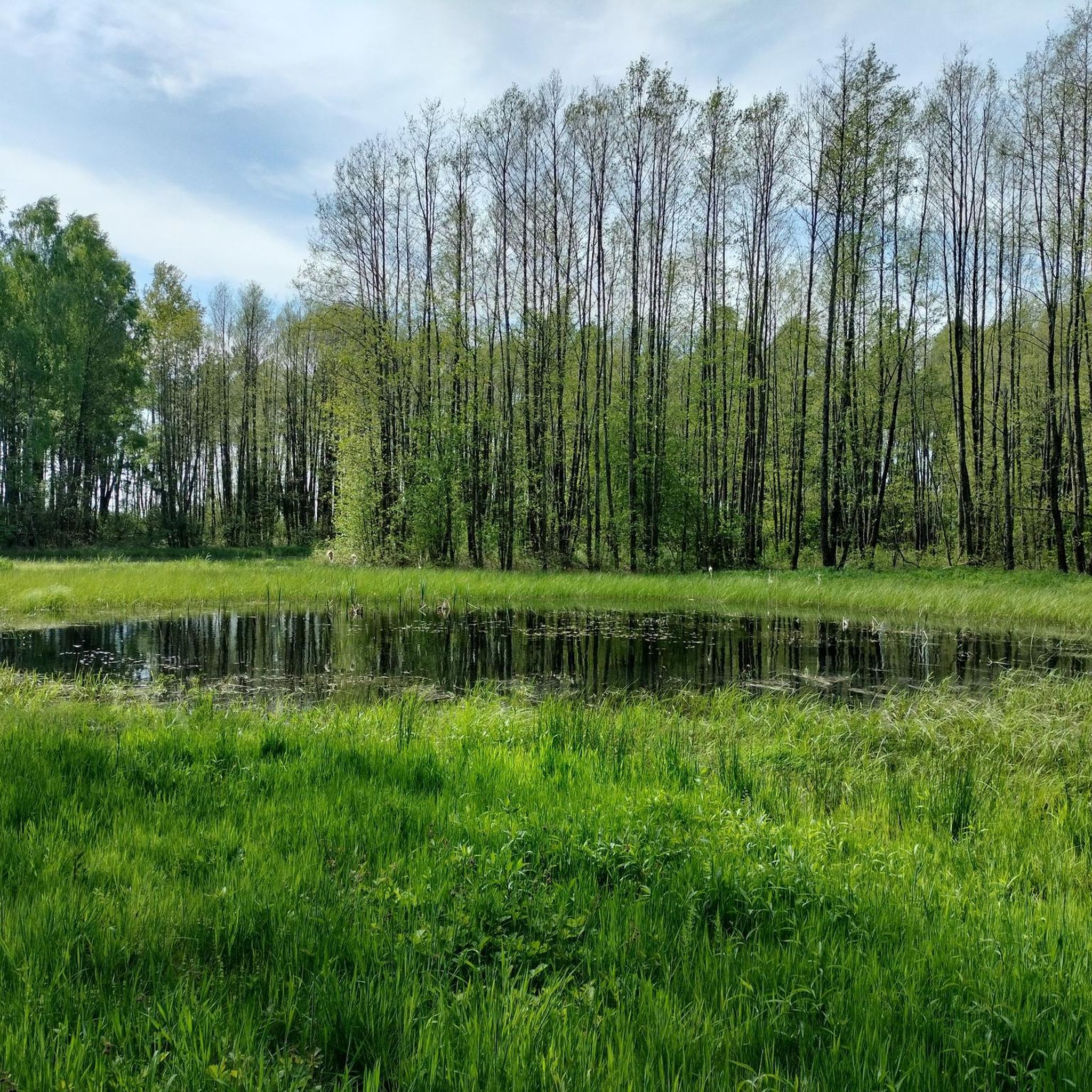
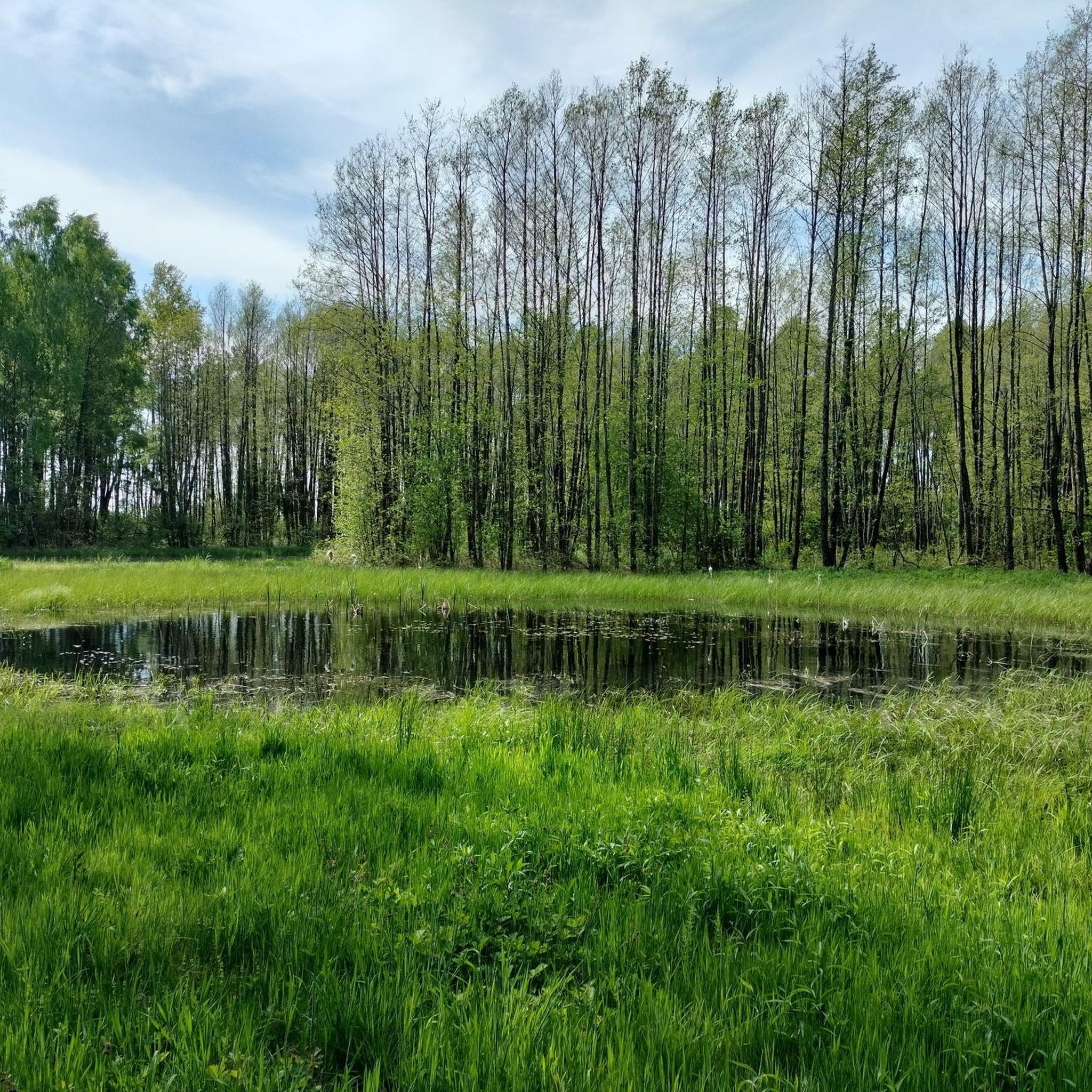
The habitat and breeding site of the only native species of turtle, covered here, as in the nearby Poleski National Park, by the breeding site protection program. Thanks to this, the Polesie pond turtle population is not decreasing, and in the Sobibór Forests it has been the largest in the country for years - about 500 adult turtles.
0
0

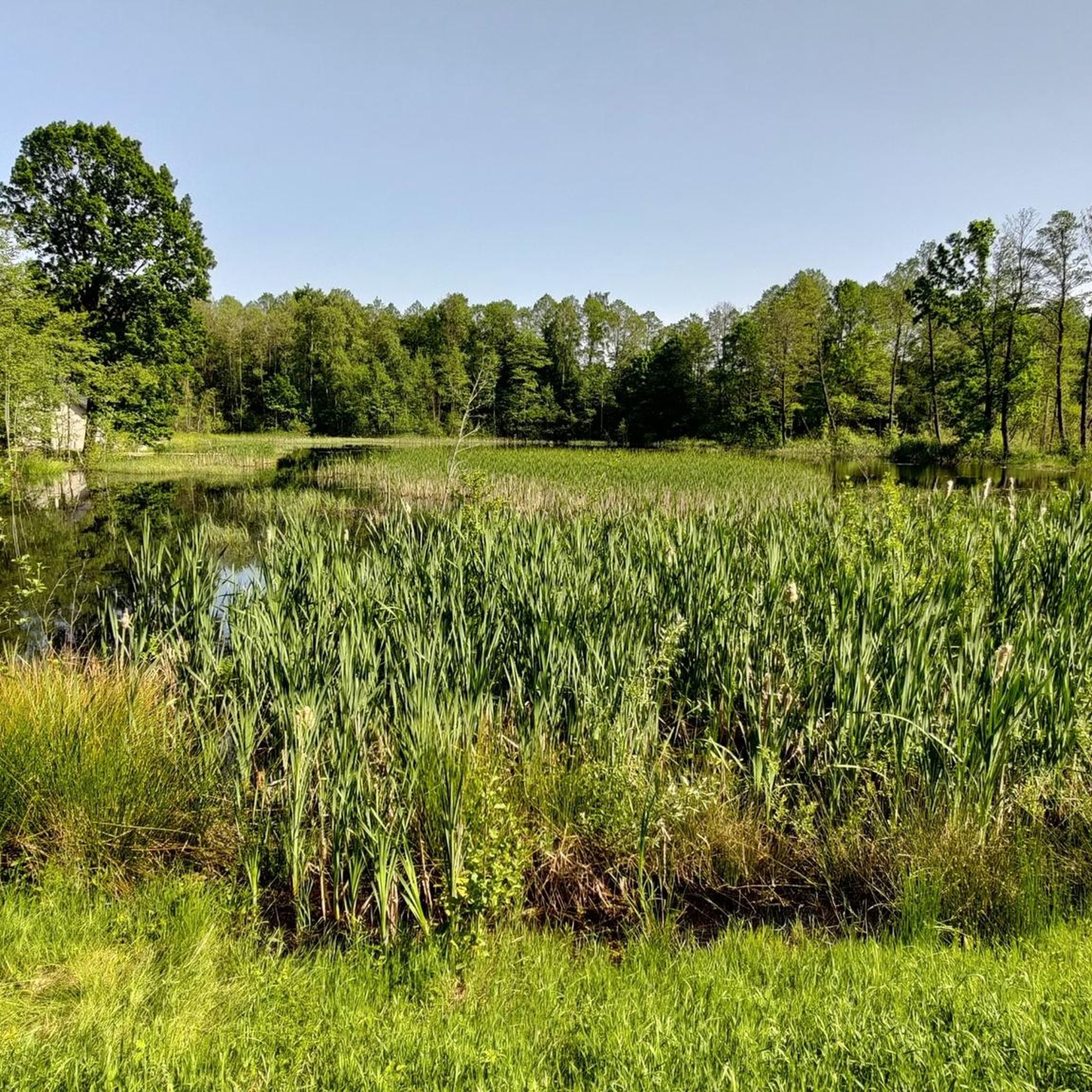
Such a "hidden" viewpoint on Lake Perespa. All in the "Turtle Mud" reserve, which was created to protect the most numerous breeding site of the European pond turtle in the country. Access was not particularly difficult. If I remember correctly, I managed to drive the whole way. Although you must bear in mind that this is a reserve and "road" conditions may change at any time.
0
0
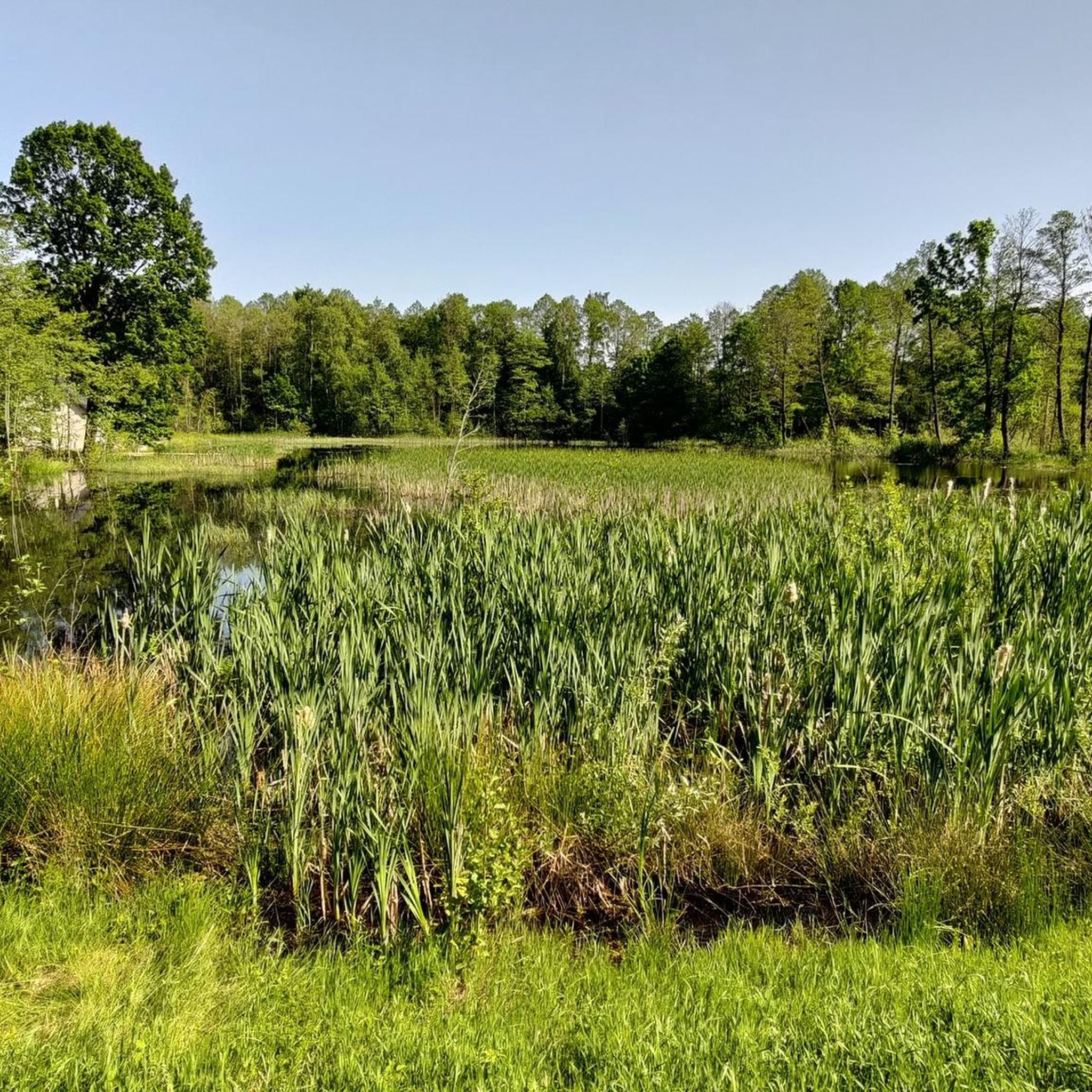
The reserve itself is worth visiting, but there is nothing interesting in this place. It is a crossroads and a sign. I recommend visiting a point in the north, between the lakes, or venturing to the eastern shore of the lake.
0
0

The Bachus Nature Reserve was established in 1958 to protect the deciduous forest with sessile oak at the edge of its range. The path leads to an old pine-oak forest of natural origin, we can also see rare forms of Cretaceous karst - karst vertebes. A perfect place for a Sunday walk in the bosom of nature. The reserve is located in the Sawin commune, within the Chełm Landscape Park.
4
0
The "Czahary" educational trail is a great proposition of the Poleski National Park to learn the secrets of the tracks and visit the largest peat bog of the Park: Bagno Bubnów. The route is approximately 6.5 kilometers long and starts in the town of Zastawie at the observation tower. You can leave your car there, but if you are traveling with a disabled person, there is also another parking lot available, right next to the place where the footbridges begin. The paths are adapted for wheelchairs and strollers. If you don't feel up to it, the route can be shortened by about 1.5 kilometers (alternative route), but I sincerely recommend walking the entire route, bird watching (cranes, birds with the coat of arms of the Polesie National Park love this place) and relaxing in this charming environment . Maybe you'll also see a moose if you're lucky? Remember that admission to the path is subject to a fee, you can buy a ticket at the Educational and Administrative Center and the Educational and Museum Center, as well as via the eParki.pl platform at https://poleskipn.eparki.pl/.
3
0

The largest lake in the Łęczyńsko-Włodawskie Lake District and the second in the Lublin region. An oasis of flora and fauna. Observation tower and beach only on the south shore. Possibility of fishing from boats (with card)
2
0
Frequently Asked Questions
What kind of natural features can I expect to see around Hańsk?
The Hańsk municipality, part of the West Polesie ecoregion, is rich in wetland ecosystems, forests, and lakes. You can explore significant sites like the Żółwiowe Błota Nature Reserve, known for its European pond turtle breeding sites and diverse wetland flora and fauna. Other features include large lakes such as Lake Wytyckie, the second largest in the Lublin region, and various protected forests.
Are there specific trails to explore the natural monuments?
Yes, the region offers several trails. A notable one is the Czahary Educational Trail, located within the Polesie National Park. This approximately 6.5-kilometer route allows you to discover the park's largest peat bog, Bagno Bubnów, and observe various bird species. It starts in Zastawie at an observation tower.
What are some family-friendly natural monuments or activities in the area?
The Czahary Educational Trail is particularly family-friendly, with paths adapted for wheelchairs and strollers, making it accessible for all. Lake Wytyckie also offers family-friendly activities, including a beach and an observation tower on its south shore.
What is the best time of year to visit the natural monuments in Hańsk?
The best time to visit largely depends on your interests. Spring and summer are ideal for observing wildlife, especially the European pond turtles in the Żółwiowe Błota Nature Reserve, and enjoying the lush greenery. Autumn offers beautiful foliage for hiking, while winter can provide unique opportunities for quiet walks in a snow-covered landscape, though some areas might be less accessible.
Are there opportunities for birdwatching near the natural monuments?
Absolutely. The Żółwiowe Błota Nature Reserve is not only crucial for European pond turtles but also supports diverse birdlife. Additionally, the Małoziemce Nature Reserve is specifically established to protect nesting sites of the grey heron and other avian species, making it an excellent spot for birdwatching enthusiasts.
Can I bring my dog to the natural monuments and trails?
While many natural areas in Poland are dog-friendly, specific rules may apply, especially within nature reserves and national parks. For example, the Polesie National Park, where the Czahary Educational Trail is located, often has regulations regarding dogs to protect wildlife. It's advisable to check the specific rules for each reserve or park you plan to visit.
Are there any viewpoints to enjoy the scenery?
Yes, you can find scenic viewpoints. The View of Lake Perespa in the Żółwiowe Błota Reserve offers a 'hidden' perspective of the lake within the protected area. Additionally, the Lake Wytyckie has an observation tower on its south shore, providing panoramic views.
What outdoor activities can I do near these natural monuments?
Beyond exploring the natural monuments themselves, the Hańsk area offers various outdoor activities. You can find numerous hiking, cycling, and mountain biking routes. For example, there are several hiking routes like the 'Sobibór Loop Trail' and 'Czarny Szlak Lasów Sobiborskich' which you can explore further in the Hiking around Hańsk guide. Cycling enthusiasts can find routes like the 'Sobibór 600th Anniversary Sign' loop in the Cycling around Hańsk guide.
Is there parking available at the natural monuments?
Parking availability varies by location. For the Czahary Educational Trail, there is a parking lot in Zastawie near the observation tower. An additional parking area is available closer to the footbridges for visitors with disabilities. For other natural monuments, parking might be less formal, often roadside or in designated small areas. It's recommended to check specific access points.
Are there any other protected natural areas or unique trees in the Hańsk municipality?
Beyond the larger reserves, the Hańsk municipality also protects individual trees as natural monuments. These include several small-leaved lime trees and a common maple tree, recognized for their age, size, or unique characteristics. Additionally, the Bachus Nature Reserve, located in the nearby Sawin commune, protects a deciduous forest with sessile oak and features rare forms of Cretaceous karst, offering a perfect spot for a nature walk.
Do I need to pay an entrance fee or get a permit to visit these natural areas?
For some protected areas, such as the Czahary Educational Trail within the Polesie National Park, admission is subject to a fee. Tickets can often be purchased at visitor centers or via online platforms like eParki.pl. For other natural monuments or less formal sites, fees may not apply. It's always best to check the specific requirements for each location you plan to visit.
Most popular attractions around Hańsk

Get inspired with the komoot mobile app


Explore more
Extend your search for the best caves by checking out these guides of the top ones around Hańsk:
