Top 5 Natural Monuments around gmina Aleksandrów
Best natural monuments around gmina Aleksandrów are found within a region characterized by extensive forests, clean rivers, and ancient trees. A significant portion of the area lies within the Sulejowski Landscape Park, which protects diverse natural features. The commune offers a rich tapestry of natural beauty and ecological significance, making it suitable for nature observation and exploration. Visitors can discover various natural monuments, including ancient oaks, nature reserves, and unique geological formations.
Best natural monuments around gmina Aleksandrów
- The most…
Last updated: June 29, 2026
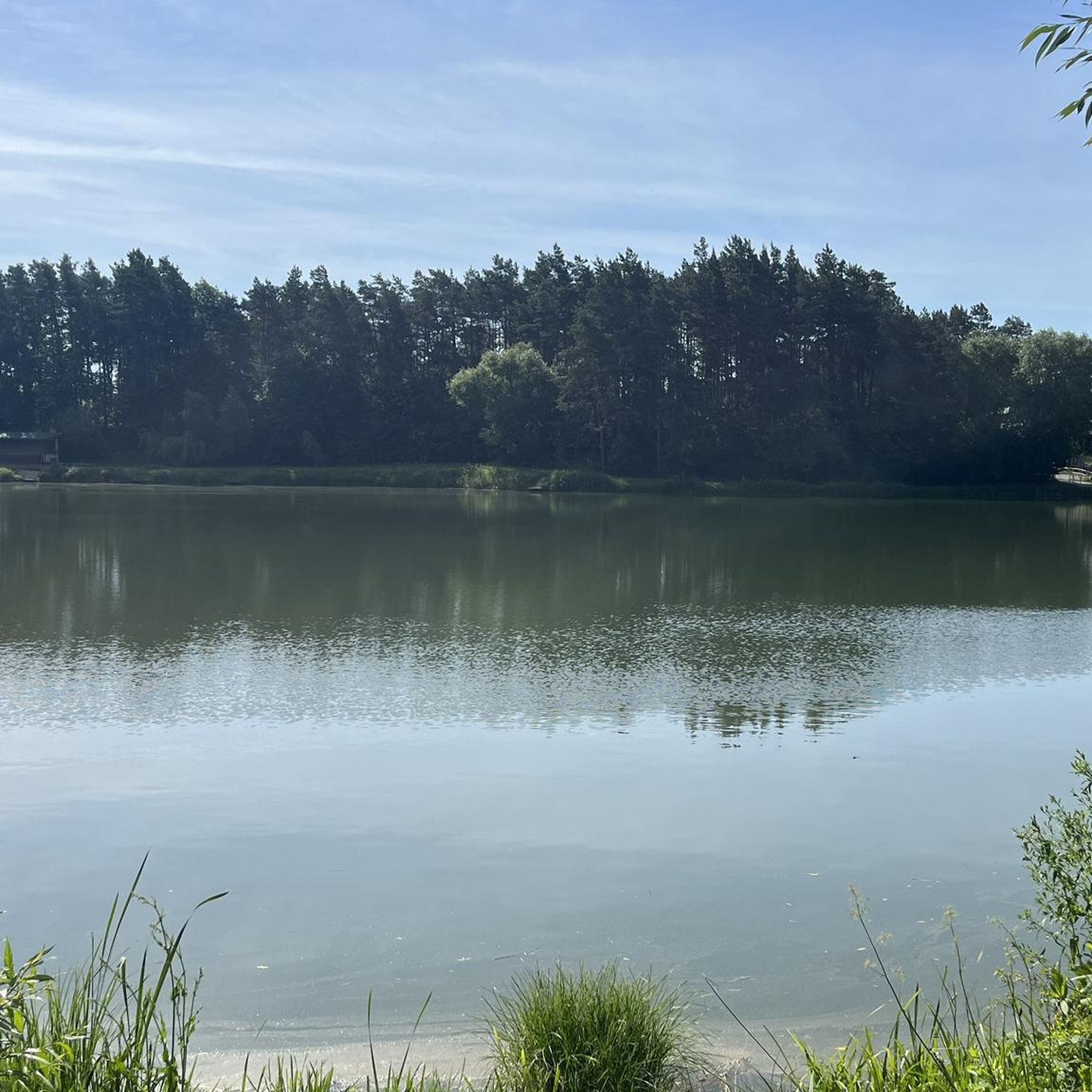
Boża Łezka Spring and Chapel on the Water
Highlight • Religious Site
Translated by Google •
Tip by

Florian Oak
Highlight • Natural Monument
Translated by Google •
Tip by

Sign up now to discover places like this
Get recommendations on the best single tracks, peaks, & plenty of other exciting outdoor places.
Sign up for free
Stok Spring
Highlight • Natural Monument
Translated by Google •
Tip by

Szum Nature Reserve
Highlight • Natural Monument
Translated by Google •
Tip by

Viewing tower
Highlight • Viewpoint
Translated by Google •
Tip by
Start today with a free account
Your next adventure awaits.
Login or Signup

Tips from the Community

The trail from the Chapel also leads to Wira Earthworks and Hospital 665. The route is difficult and long, about 2 hours on foot. A little shorter by bike, unfortunately, a lot of dug sand.
1
0
A charming place. Bats live in the chapel in the attic, if you keep quiet, you can hear them squeaking. Going further along the footbridge, you will come to a spring.
1
0

"Stok," formerly known as "Krynica," is the local name for a spring that flows from the hillside and forms a small pool in the middle of the village. A stream flowing from the pool feeds the nearby Szum River.
0
0

The Florian Oak, whose trunk had already reached 770 centimetres in circumference, was declared a natural monument in 1956.
0
0

Observation tower at the former Babia Dolina quarry in Józefów. It is 18 meters high, entry is free and open from 12-7 p.m. From the tower we have a fantastic view of the edge zone of Roztocze and the Solska Forest. The quarry is one of the interesting attractions of Roztocze, in the rocks you can find traces of flora and fauna from millions of years ago.
3
0
The Szum Reserve is a reserve established in 1958 to protect numerous species of typical plants in the surroundings of the Szum River, a tributary of the Tanew. It is located in the buffer zone of the Roztocze National Park. Protected plants include the forest cnid, the umbellate helper, the sundew (round-leaved, intermediate), the snowdrop, the snowdrop, the common ivy, the lily of the cape, the clubmoss (juniper, carnation, crow's-eye). There is an educational trail in the reserve, and the Roztocze Edge Trail also runs here.
3
0

Sports or trekking shoes recommended. There may be mud.
0
0
Narrow path by the river. You can walk or run.
0
0
Frequently Asked Questions
What are some of the most notable natural monuments in Gmina Aleksandrów?
Gmina Aleksandrów is home to several impressive natural monuments. Among them, the Florian Oak stands out, having a trunk circumference of 770 centimeters. Another significant site is the Szum Nature Reserve, established to protect diverse plant species. You can also visit the unique Boża Łezka Spring and Chapel on the Water, a charming spot with a spring and a chapel where bats reside. Additionally, the ancient "Mikołaj" Oak in Skotniki, estimated to be 350-400 years old, is a magnificent example of the region's natural heritage.
Are there any nature reserves worth visiting in Gmina Aleksandrów?
Yes, Gmina Aleksandrów features important nature reserves. The Szum Nature Reserve was established to protect numerous plant species around the Szum River, and it includes an educational trail. Another significant area is the Jaksonek Nature Reserve, a floristic reserve near Taraska, crucial for safeguarding unique relict plant species and various natural forest communities. It's a valuable site for scientific research and education, showcasing diverse flora including Turk's cap lily and common foxglove.
What kind of ancient trees can I find in the region?
The region is renowned for its ancient trees. The Florian Oak is a prominent natural monument with a circumference of 770 centimeters. The "Mikołaj" Oak in Skotniki is another magnificent pedunculate oak, estimated to be between 350 and 400 years old with an impressive circumference of 775 cm. Within the Jaksonek Forest, you can find several old sessile oaks designated as natural monuments, boasting circumferences up to 540 cm. The village of Taraska also hosts a cluster of five impressive sessile oaks with circumferences ranging from 340 cm to 440 cm.
Are there family-friendly natural monuments in Gmina Aleksandrów?
Many natural monuments in Gmina Aleksandrów are suitable for families. The Florian Oak is a great spot for a leisurely visit. The Szum Nature Reserve offers an educational trail where families can observe protected plant species. The Stok Spring, with its small pool, provides a tranquil setting. Additionally, the Boża Łezka Spring and Chapel on the Water offers a charming natural and historical experience.
What outdoor activities can I do near these natural monuments?
The area around Gmina Aleksandrów offers a variety of outdoor activities. You can explore numerous hiking trails, such as the easy Szum Educational Nature Trail or the moderate Pętla Górecko Stare. For cyclists, there are MTB trails like the Forest Chamber in Florianka – Avenue of Oaks loop. Running enthusiasts can find routes such as the Chapel on the Water loop. The clean Pilica and Czarna rivers also offer excellent opportunities for relaxation, fishing, and kayaking.
What geological features can be found among the natural monuments?
A fascinating geological feature in Gmina Aleksandrów is a large glacial erratic boulder located near Taraska. This boulder, approximately 740 cm in circumference and measuring about 2.5 by 3 meters, is composed of grey gneiss. It was deposited by the Scandinavian ice sheet during the Middle Polish glaciation, making it a significant remnant of the region's glacial history.
What is the Sulejowski Landscape Park and how does it relate to Gmina Aleksandrów?
A substantial part of Gmina Aleksandrów lies within the Sulejowski Landscape Park, a protected area established in 1994. The park is characterized by its extensive forest complexes, which are remnants of the ancient Pilicka Forest, and preserves natural plant life in numerous nature reserves. The Pilica and Czarna rivers, known as some of the cleanest in Poland, flow through the park, offering diverse landscapes with oxbow lakes, islands, and sandy beaches. This park provides a tranquil setting for nature enthusiasts and is vital for the region's ecological significance. You can learn more about the park on Wikipedia.
Can I observe wildlife near the natural monuments?
Yes, the natural monuments and protected areas in Gmina Aleksandrów offer opportunities for wildlife observation. The Jaksonek Nature Reserve is home to diverse plant communities and protected species. In the Boża Łezka Spring and Chapel on the Water, bats reside in the chapel's attic. The extensive forests and clean rivers within the Sulejowski Landscape Park provide habitats for various animal species, making it a great area for nature observation.
What do visitors enjoy most about the natural monuments in Gmina Aleksandrów?
Visitors appreciate the exceptional environmental, scientific, and aesthetic values of the natural monuments. They particularly enjoy the tranquility and untouched beauty of the region. The Boża Łezka Spring and Chapel on the Water is described as a charming place, with visitors noting the presence of bats. The Szum Nature Reserve is valued for its educational trail and the opportunity to observe protected plant species. The ancient trees, like the Florian Oak, are admired for their impressive size and historical significance.
Are there any springs or water features among the natural monuments?
Yes, the region features notable springs. The Boża Łezka Spring and Chapel on the Water is a well-known site where a spring flows, creating a tranquil natural setting. Another is the Stok Spring, locally known as "Krynica," which flows from a hillside and forms a small pool in the middle of a village, feeding the nearby Szum River. These springs contribute to the clean river systems that characterize the area.
What is the best time to visit the natural monuments in Gmina Aleksandrów?
The natural monuments in Gmina Aleksandrów can be enjoyed throughout the year, depending on your preferred activities. Spring and summer are ideal for observing the diverse flora in reserves like Jaksonek and Szum, and for outdoor activities like hiking, running, and kayaking on the rivers. Autumn offers beautiful foliage in the extensive forests. Even winter hiking can be a unique experience, though some paths might be muddy or require appropriate footwear.
Are there any historical aspects associated with the natural monuments?
Yes, some natural monuments carry historical significance. The "Mikołaj" Oak in Skotniki, estimated to be 350-400 years old, is a living witness to centuries of local history, with local legend suggesting it was planted around 1528. The glacial erratic boulder near Taraska is a geological artifact from the Middle Polish glaciation, offering a glimpse into the region's ancient past. The ancient trees themselves, like the Florian Oak, have stood for decades or centuries, silently observing the passage of time.
Most popular routes around gmina Aleksandrów
Most popular attractions around gmina Aleksandrów

Get inspired with the komoot mobile app


Explore more
Extend your search for the best caves by checking out these guides of the top ones around gmina Aleksandrów:
