Top 5 Natural Monuments around Tomaszów Mazowiecki
Best natural monuments around Tomaszów Mazowiecki include unique geological formations and significant ecological sites. The region's landscape features picturesque karst springs and historical underground excavations. These sites offer a blend of natural beauty and historical significance, making the area a notable destination for outdoor exploration. The area is known for its diverse natural features and notable landmarks.
Best natural monuments around Tomaszów Mazowiecki
- The most popular natural monuments is Niebieskie Źródła Nature Reserve, a natural monument established to protect picturesque karst springs and numerous bird species. The vibrant blue-green water and "boiling sand" effect from gushing underground water make it a significant ecological site.
- Another must-see spot is Nagórzyce Caves, 18th-century excavations of an underground quartz mine. Visitors can explore a 160-meter illuminated route showcasing historical and thematic exhibitions related to sand extraction.
- Visitors also love Sulejów Reservoir, an artificially created water reservoir with an area of 27 km². It offers sandy beaches and is fed by the Pilica and Luciąża rivers.
- Tomaszów Mazowiecki is known for its unique karst springs, historical underground caves, and expansive water reservoirs. The area offers a variety of natural monuments to see and explore, from geological wonders to significant ecological habitats.
- The natural monuments around Tomaszów Mazowiecki are appreciated by the komoot community, with over 120 upvotes and more than 130 photos shared by visitors.
Last updated: June 29, 2026
Niebieskie Źródła Nature Reserve
Highlight (Segment) • Natural Monument
Translated by Google •
Tip by

Nagórzyce Caves
Highlight • Cave
Translated by Google •
Tip by

Sign up now to discover places like this
Get recommendations on the best single tracks, peaks, & plenty of other exciting outdoor places.
Sign up for free
Sulejów Reservoir
Highlight • Lake
Translated by Google •
Tip by

St. Hubert's Grotto
Highlight • Natural Monument
There is also the date 1933 in honor of President Ignacy Mościcki, who tried to revive the tradition of St. Hubert. A separate boulder with the inscription Lord 1935 is in memory of Mościcki's favorite hunting dog.
Translated by Google •
Tip by

Małe Groty Sandstone Caves
Highlight • Cave
Translated by Google •
Tip by

Start today with a free account
Your next adventure awaits.
Login or Signup
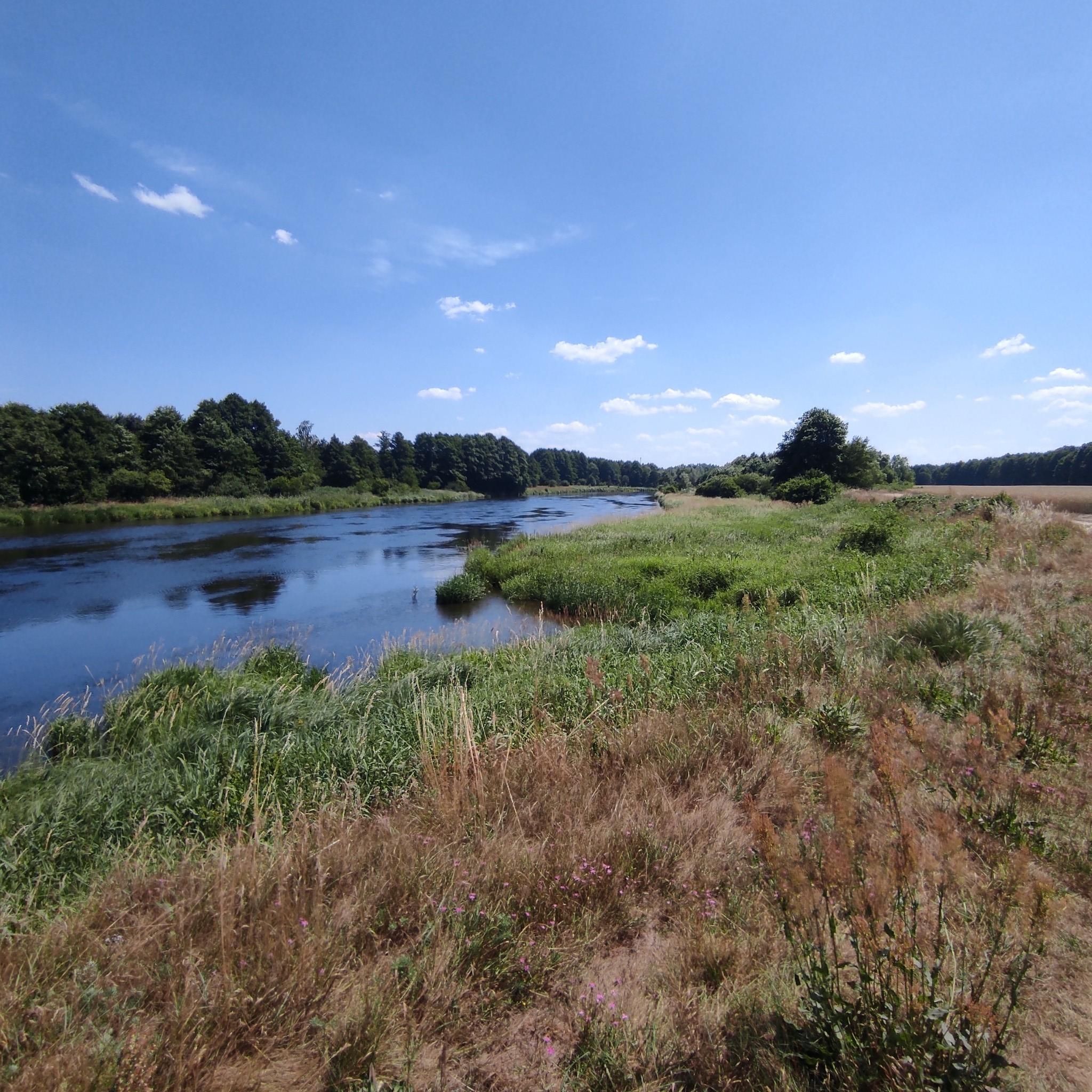
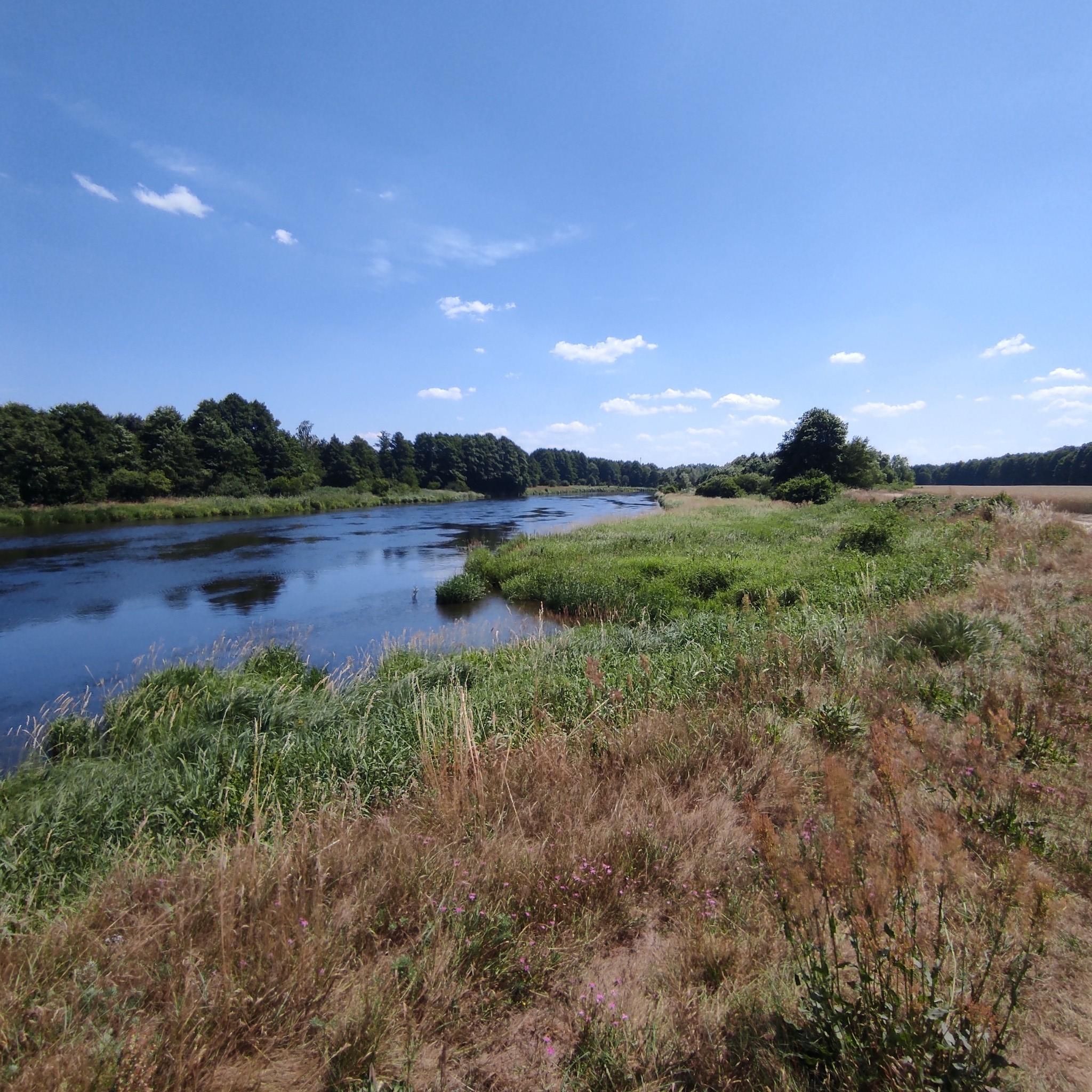
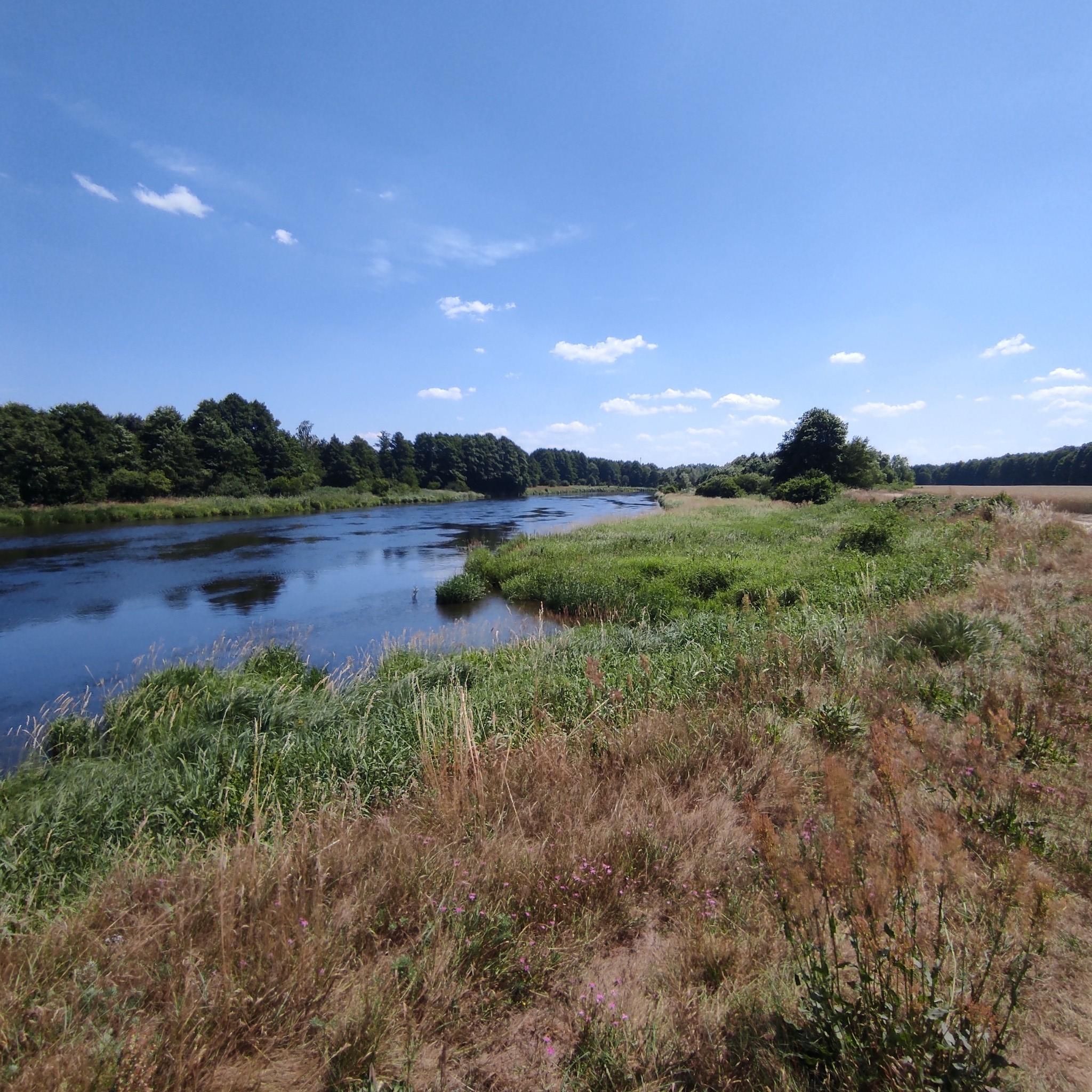
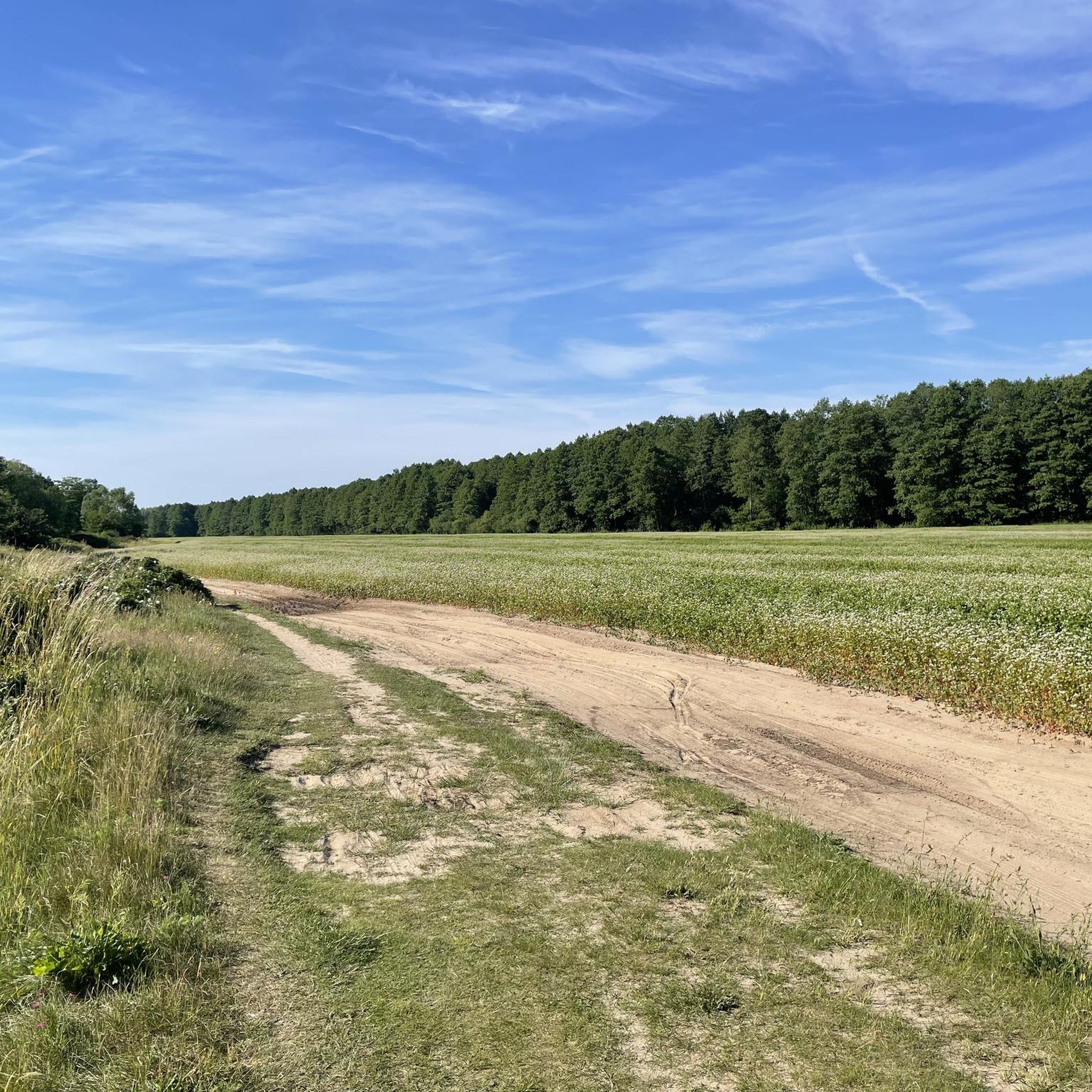

Tips from the Community

Groty w Nagórzycach The Nagórzyce Caves (municipality of Tomaszów Mazowiecki) and, on the other side of the Pilica river, the Biała Góra Cave (Smardzewice) are artificial underground excavations, formed in Cretaceous sandstones, where rocks were mined from the mid-19th century, initially probably for construction purposes, and later for the needs of the glass industry. Guaranteed coolness! source Łódź.pl
0
0
Niebieskie Źródła Forest and water in one place? We have something for you! Niebieskie Źródła are karst springs, which are among the most interesting phenomena of this type in Europe. The water emerging from underground deposits of Jurassic limestone takes on a characteristic blue-azure-green color. This color is the result of the scattering of sunlight by fine particles suspended in the water and the specific mineral composition of the springs. Around, you can walk through a dense forest, observe plants and interesting bird species. source Łódź.pl
0
0

I wasn't inside, but from the outside it looks nice.
0
0
What a vibe this place has.
0
0

Małe Groty are outcrops of Cretaceous sandstones that were excavated for the same purpose as "Groty Nagórzyckie" - sand extraction. The sandstone deposit connecting both quarries is still visible today in the form of the rocky bottom of the Pilica.
0
0
Niebieskie Źródła Nature Reserve is a landscape nature reserve located in the south-eastern part of Tomaszów Mazowiecki. The reserve is located in the buffer zone of the Sulejowski Landscape Park, which is part of the Nadpiliczne Landscape Parks complex. Niebieskie Źródła Nature Reserve is an object of great natural value and attractive to tourists. Educational trails with information boards run through the reserve. The Pilica River Open-Air Museum is located nearby.
0
0

An unusual monument: an artificial cave built of boulders. It was created during hunting, when Tsar Alexander III had his residence in this area. Hence, on two of the boulders you will find the date 1894. There is also the date 1933 in honor of President Ignacy Mościcki, who tried to revive the tradition of St. Hubert. A separate boulder with the inscription Lord 1935 is in memory of Mościcki's favorite hunting dog.
0
0

The Nagórzyckie Caves in Tomaszów Mazowiecki are 18th-century excavations of an underground quartz mine. They are located in the former village of Nagórzyce, now a district of the city. The sandstone rocks from which they are built date back to the Cretaceous period. Sand extraction continued until the beginning of the 20th century, when mining was banned after the tragic collapse of one of the chambers. After years of oblivion, the caves were restored thanks to the support of the European Union and opened to tourists in 2012. This place is associated with the legend of the robber Madej.
3
0
Frequently Asked Questions
What unique natural features can I expect to see at Niebieskie Źródła Nature Reserve?
The Niebieskie Źródła Nature Reserve is famous for its picturesque karst springs with an unusual blue-green water color, caused by sunlight interacting with the clear water. You'll also witness the mesmerizing effect of "boiling sand" at the bottom of the spring pools, created by gushing underground water. The reserve is a significant ecological site, providing a refuge for numerous bird species, especially in winter, as the water maintains a constant temperature of around 9°C and never freezes.
What geological and historical insights do the Nagórzyce Caves offer?
The Nagórzyce Caves are 18th-century underground excavations, remnants of an ancient quartz sand mine. The sandstone rocks forming these grottoes date back almost 100 million years to the Cretaceous period. Visitors can explore a 160-meter illuminated route showcasing historical and thematic exhibitions related to sand extraction, including replicas of mining tools and displays on traditional glassmaking. The largest excavation, the 'Royal Hall,' is an impressive 30 meters long, 25 meters wide, and 3 meters high.
Are there other natural caves to explore besides Nagórzyce Caves?
Yes, in addition to the main Nagórzyce Caves, you can also visit the Małe Groty Sandstone Caves. These are outcrops of Cretaceous sandstones that were also excavated for sand extraction, similar to the Nagórzyce Caves. They offer an interesting, slightly off-the-beaten-track experience in the woods.
What kind of wildlife can be observed at Niebieskie Źródła Nature Reserve?
The Niebieskie Źródła Nature Reserve is a vital habitat for approximately 75 species of birds, including common swifts, ducks, swans, and kingfishers. Its constantly flowing, unfrozen waters make it an important wintering ground for many bird species. The reserve also boasts rich flora with nearly 400 plant species.
What is special about the Sulejów Reservoir?
The Sulejów Reservoir is an artificially created water body covering an area of 27 km². It's the second-largest water reservoir in the Łódź Voivodeship and offers sandy beaches, providing a seaside-like atmosphere. The reservoir is fed by the Pilica and Luciąża rivers and is a popular spot for relaxation and water activities.
What is the best time to visit the natural monuments around Tomaszów Mazowiecki?
The natural monuments can be enjoyed year-round. The Niebieskie Źródła Nature Reserve is particularly beautiful on sunny days when the blue-green water color is most vibrant, and its constant temperature makes it a good winter birdwatching spot. The Nagórzyce Caves maintain a consistent cool temperature of around 10°C, offering a refreshing escape, especially during warmer summer months.
Are there hiking trails suitable for different difficulty levels near these natural monuments?
Yes, there are various hiking trails around Tomaszów Mazowiecki that cater to different difficulty levels. For easy walks, you can explore routes like the Źródlana Trail or the Source outflow loop from Rezerwat Niebieskie Źródła. More moderate options include the Nagórzyce Caves loop or the Pilica River Open-Air Museum – Nagórzyce Caves loop. You can find more details and routes in the Easy hikes around Tomaszów Mazowiecki and Hiking around Tomaszów Mazowiecki guides.
Can I go cycling near the natural monuments?
Yes, the area around Tomaszów Mazowiecki offers cycling opportunities. While specific cycling routes directly around Niebieskie Źródła are not detailed, the broader region provides options. For instance, you can find running routes that might be suitable for cycling, such as the Smardzewice Dam loop or the Pilica River Open-Air Museum – Dam on the Sulejow Reservoir loop, which can be found in the Running Trails around Tomaszów Mazowiecki guide.
Are there family-friendly activities available at the natural monuments?
Absolutely! Both the Niebieskie Źródła Nature Reserve and the Nagórzyce Caves are considered family-friendly. Niebieskie Źródła offers educational trails and fascinating natural phenomena like the blue springs and birdwatching. The Nagórzyce Caves provide an engaging historical experience with illuminated routes, exhibits on mining, and local legends, making it an exciting adventure for all ages. The Sulejów Reservoir also features sandy beaches, perfect for family outings.
Is there public transport available to the Nagórzyce Caves?
The Nagórzyce Caves are located in what was once the village of Nagórzyce, now a district of Tomaszów Mazowiecki. Local public transport options within Tomaszów Mazowiecki should provide access to this area. It's advisable to check local bus routes for the most current information on reaching the caves.
Is there public transport available to the Niebieskie Źródła Nature Reserve?
The Niebieskie Źródła Nature Reserve is situated in the southeastern part of Tomaszów Mazowiecki. Public transport, likely local bus services, should be available to reach the vicinity of the reserve. Checking current bus schedules and routes within Tomaszów Mazowiecki is recommended for planning your visit.
What do visitors enjoy most about the Niebieskie Źródła Nature Reserve?
Visitors are captivated by the unique emerald color of the springs, especially on sunny days, and the mesmerizing 'boiling sand' effect caused by gushing underground water. The tranquility of the reserve, its rich birdlife, and the well-maintained educational trails also contribute to a highly appreciated natural experience. Many find it a peaceful escape that feels reminiscent of other beautiful natural landscapes.
What is the St. Hubert's Grotto and its significance?
The St. Hubert's Grotto is an unusual artificial cave built of boulders. It was created during a hunting event when Tsar Alexander III had his residence in the area, with the date 1894 inscribed on two boulders. Another inscription from 1933 honors President Ignacy Mościcki, who aimed to revive the tradition of St. Hubert, and a separate boulder from 1935 commemorates Mościcki's favorite hunting dog. It's a unique blend of natural monument and historical memorial.
Most popular routes around Tomaszów Mazowiecki
Most popular attractions around Tomaszów Mazowiecki

Get inspired with the komoot mobile app


Explore more
Extend your search for the best caves by checking out these guides of the top ones around Tomaszów Mazowiecki:
