Top 3 Natural Monuments around Lubań
Natural monuments around Lubań showcase the region's unique geological history and ecological significance in Lower Silesia, Poland. The area features ancient geological formations and notable examples of flora. Visitors can explore sites that highlight ancient volcanism and preserved natural landscapes. Lubań offers diverse natural attractions for those interested in geology and nature.
Best natural monuments around Lubań
- The most popular natural monument is Basalt Columns on Steinberg Hill (Lubań), a natural monument featuring impressive rock columns formed by volcanic activity. This site is recognized as one of the largest and most significant "basalt" quarries in Silesia, showcasing nephelinite flows.
- Another must-see spot is Henryka yew - the oldest tree in Poland, a natural monument estimated to be over 1270 years old. Standing at approximately 15 meters tall, it is a living testament to history and a cherished local landmark.
- Visitors also love Marienfelsen, a natural monument that features a former park with small paths, stairs, benches, and viewing points. This site offers a blend of natural beauty and educational pathways.
- Lubań is known for ancient trees, volcanic rock formations, and serene parklands. The region offers a variety of natural monuments to see and explore, from geological marvels to ancient flora.
- The natural monuments around Lubań are appreciated by the komoot community, with over 150 upvotes and 330 photos shared by visitors.
Last updated: June 29, 2026
Czocha Castle
Highlight • Castle
Adultery seems to have been a serious topic at the castle. At least one woman (Ulrike) was drowned for adultery in the castle well and a trap for adulterers is installed in a bed. There are also plenty of secret passages that you can do on the tour.
The entrance costs just over five euros, tours are only in Polish, but to start the tours you get German info sheets
Translated by Google •
Tip by

Basalt Columns on Steinberg Hill (Lubań)
Highlight • Natural Monument
Translated by Google •
Tip by

Sign up now to discover places like this
Get recommendations on the best single tracks, peaks, & plenty of other exciting outdoor places.
Sign up for free
Henryka yew - the oldest tree in Poland
Highlight • Natural Monument
Showing Translation
Tip by

Marienfelsen
Highlight • Natural Monument
Translated by Google •
Tip by

Stożek Perkuna Rock Formation on Ciasnota Mountain
Highlight • Natural Monument
Translated by Google •
Tip by
Start today with a free account
Your next adventure awaits.
Login or Signup
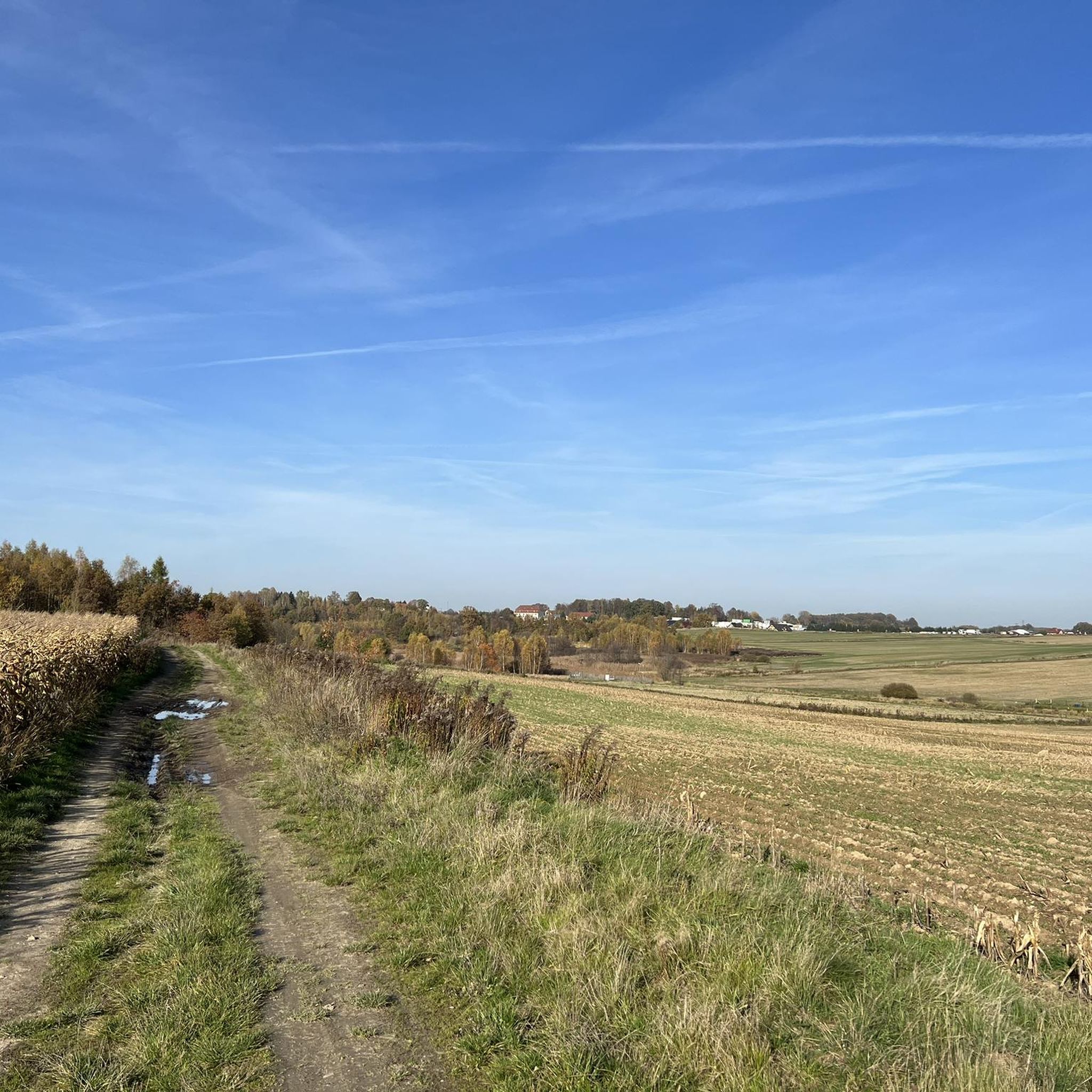
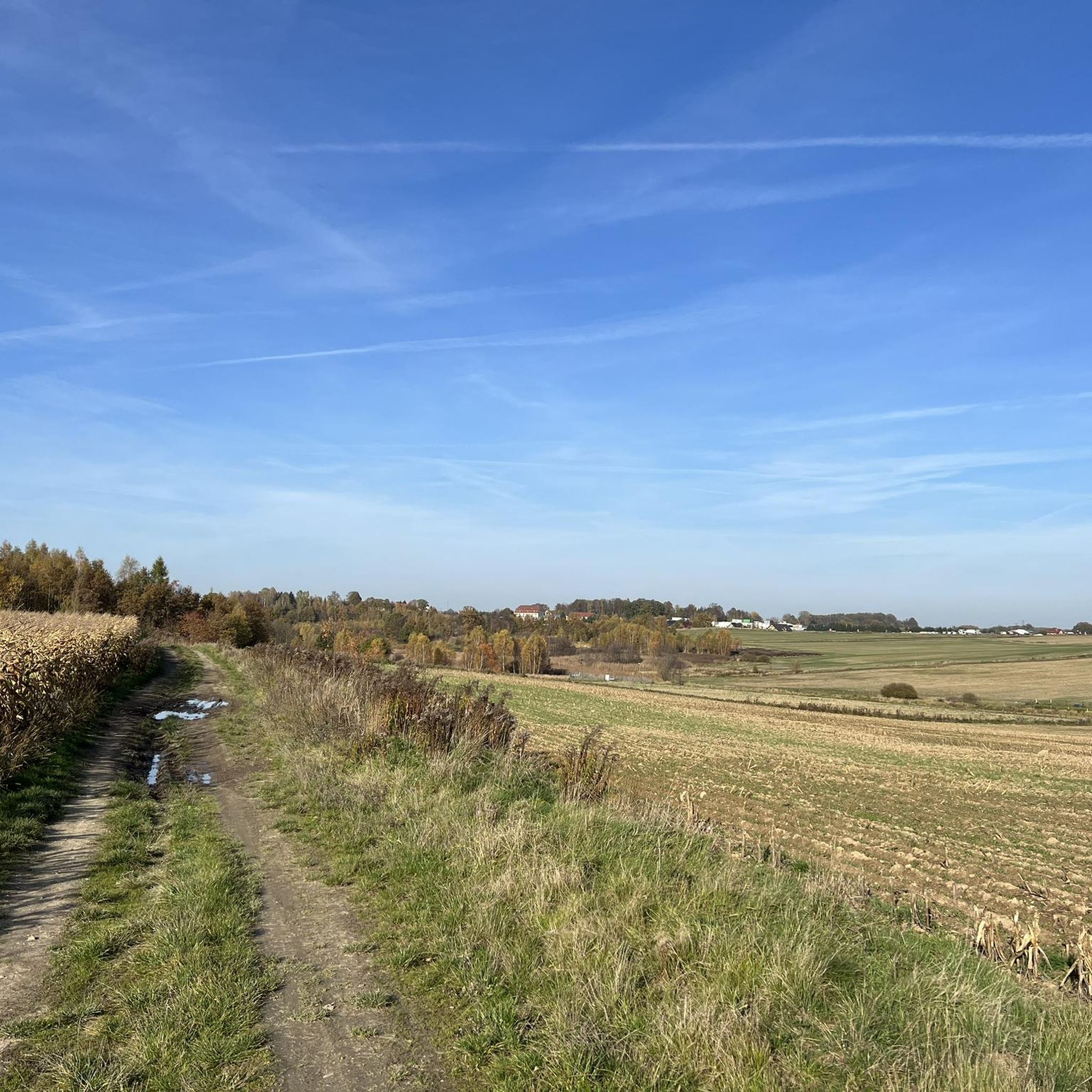
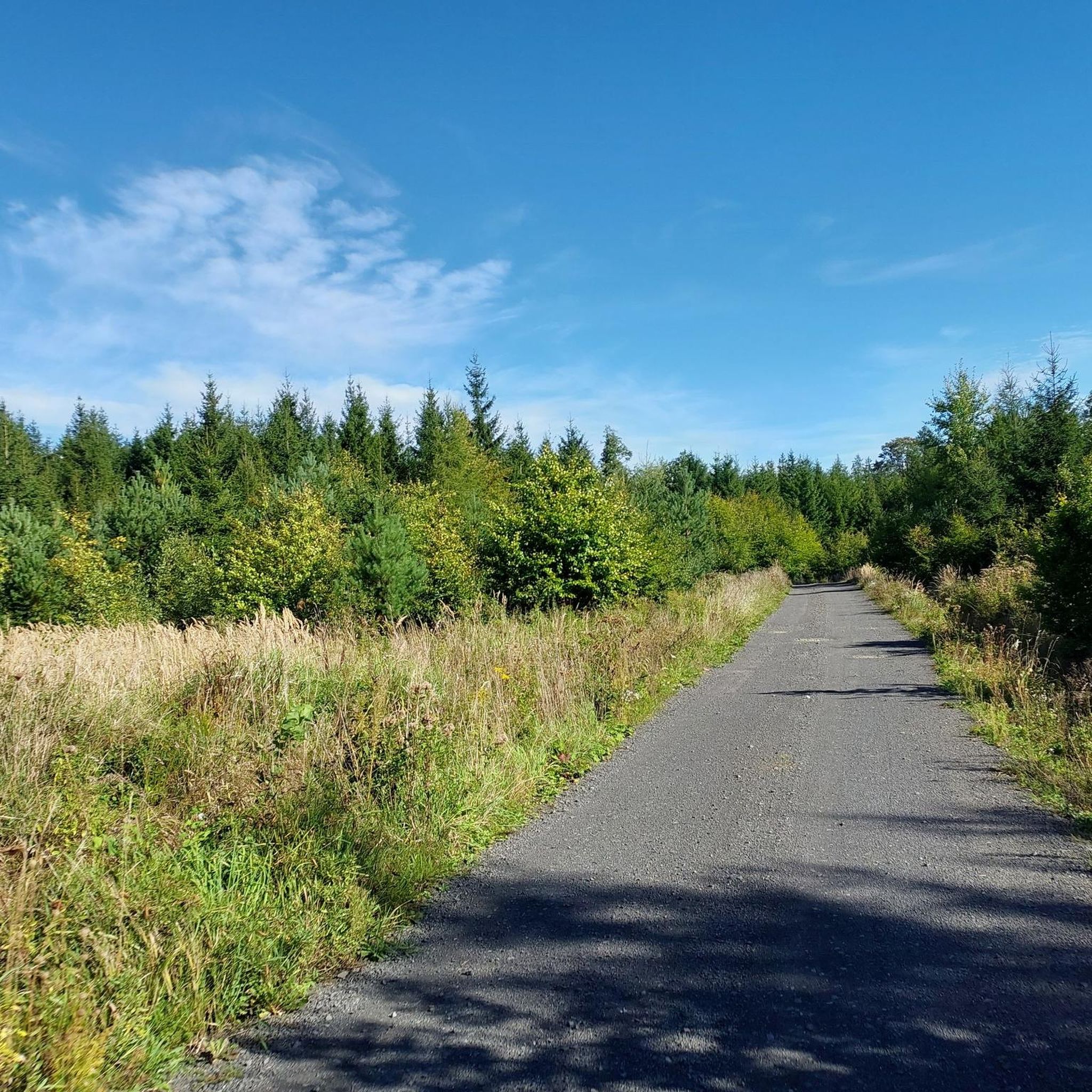
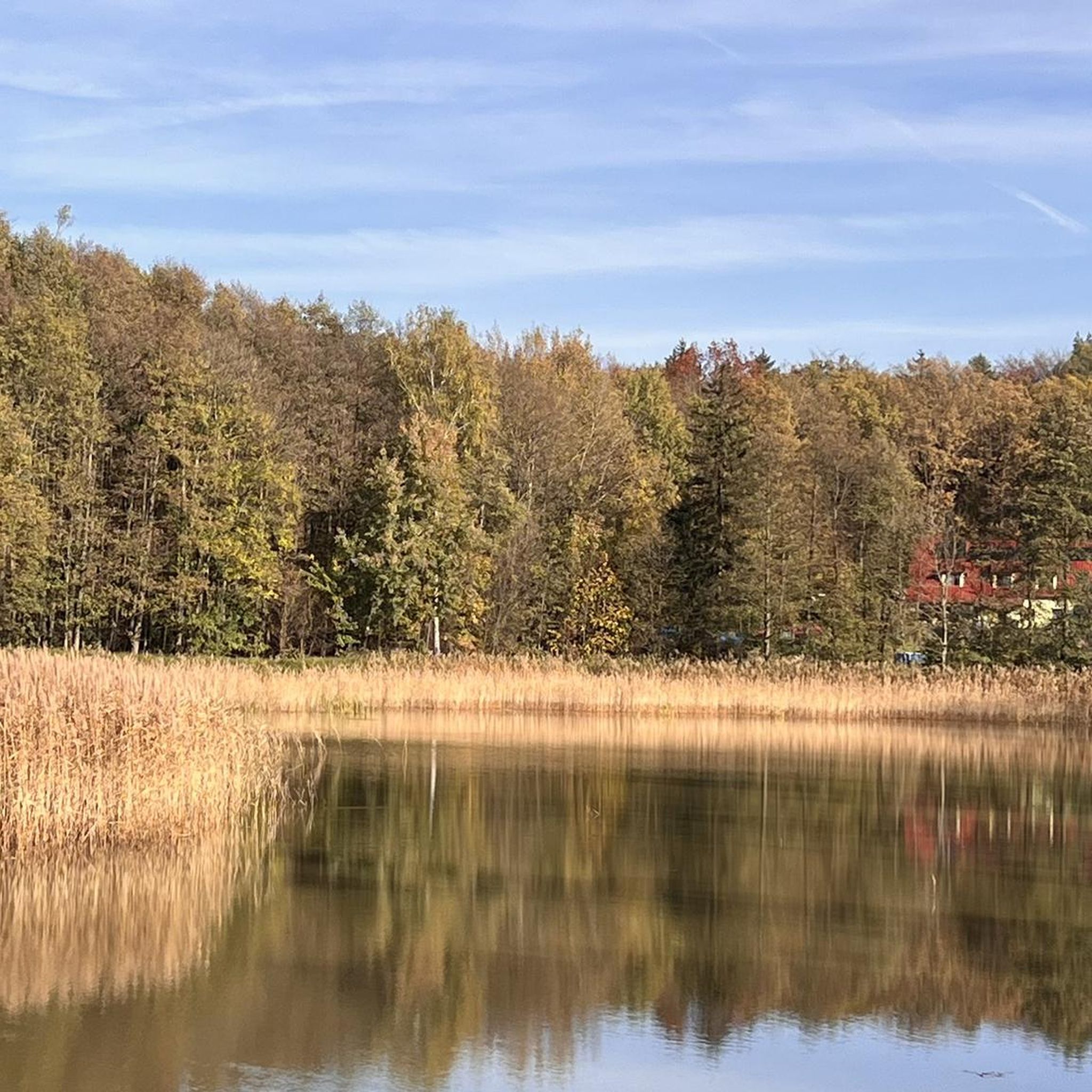

Tips from the Community

It is estimated that this yew is over 1270 years old. It is 15 meters high and 4 meters in circumference. So we're going to see it! - no excuses!
1
0

Here we come across a former park with small paths and stairs, benches, viewing points and rocks with inscriptions.
0
0
The Stone Mountain (283 m) in Lubań is a remnant of tertiary volcanoes and probably the oldest "basalt" quarry near Lubań. The medieval town walls, towers and older buildings were probably built from the blocks excavated here. At the top, a large park was created between the quarries in the second half of the 19th century. There you can find interesting geological formations such as volcanic bombs or 10-15 meter high basalt columns. The park also has numerous natural monuments, including the "Herman" ash tree with a circumference of 298 cm and the "Franciszek" sycamore maple with a circumference of 281 cm.
1
0
The Stożek Perkuna (Perkun Cone) is a volcanic formation on Mount Ciasnota (401 m above sea level) near the Jizera Mountains. The cone is composed of basanite or nephelinite. There are two basalt structures: the lower one with somewhat coarser columns and the upper one with smaller ones; probably eruptions at different times.
1
0

The garden is small but has a lot of beautiful flowers and some great figures.
6
0

Seating at different heights
3
0

a semicircle made of basalt columns of different heights
4
2

Worth seeing castle complex on a rocky promontory above the Marklissa dam (Jezioro Leśniańskie). More information: https://de.wikipedia.org/wiki/Burg_Tzschocha, https://de.wikipedia.org/wiki/Marklissa-Talsperre, https://zamekczocha.com/#0 and http: // www. zamkipolskie.com/czocha/czocha.html
7
0
Frequently Asked Questions
What are the most significant natural monuments to visit around Lubań?
Lubań is home to several remarkable natural monuments. You can explore the ancient Henryka yew - the oldest tree in Poland, estimated to be over 1270 years old, located in Henryków Lubański. Another geological marvel is the Basalt Columns on Steinberg Hill (Lubań), which showcases impressive rock formations from ancient volcanic activity. Don't miss the scenic Marienfelsen, a former park with paths and viewpoints, or the unique Stożek Perkuna Rock Formation on Ciasnota Mountain, another volcanic site.
Are there family-friendly natural monuments in the Lubań area?
Yes, several natural monuments around Lubań are suitable for families. The Henryka yew - the oldest tree in Poland is an accessible and fascinating stop. The Basalt Columns on Steinberg Hill (Lubań), part of a large park, offers easy paths and interesting geological formations for all ages. Additionally, Czocha Castle, while primarily a historical site, is listed as family-friendly and offers a unique experience near natural surroundings.
What kind of geological features can I expect to see at Lubań's natural monuments?
Lubań's natural monuments are rich in geological history, particularly volcanic formations. The Basalt Columns on Steinberg Hill (Lubań), a former nepheline quarry, features impressive columnar jointing from tertiary volcanoes. You can also observe volcanic bombs and 10-15 meter high basalt columns. Similarly, the Stożek Perkuna Rock Formation on Ciasnota Mountain is a basanite or nephelinite volcanic cone with distinct basalt structures from different eruption periods.
Are there any historical natural monuments or sites with historical significance?
Absolutely. The Cis Henrykowski (Henryków Lubański Yew Tree) is not only Poland's oldest tree but also a living historical monument, having witnessed centuries of local history and conflicts. Its resilience makes it a profound connection to the past. While not strictly a natural monument, Czocha Castle, a 13th-century border fortress, is located amidst natural beauty and offers a deep dive into the region's history.
What outdoor activities can I do near the natural monuments around Lubań?
The area around Lubań offers various outdoor activities. You can enjoy gravel biking with routes like the 'Steinbergrestaurant – Zarębiańskie Ponds loop' or 'Czocha Castle – Leśniańska Dam loop'. For mountain biking enthusiasts, there are trails such as 'Prison Wall in Upper Lusatia – View of Landeskrone loop'. Road cycling is also popular, with routes like 'Horse Stud Agritourism – New Road to Gościszów loop'. You can find more details and routes in the Gravel biking around Lubań, MTB Trails around Lubań, and Road Cycling Routes around Lubań guides.
Are there hiking trails associated with these natural monuments?
Yes, several natural monuments are integrated into walking paths. The Basalt Columns on Steinberg Hill (Lubań) is part of a large park with didactic trails, including the 'Trail of animated nature,' which winds among ancient trees. These trails offer an easy 1.3-kilometer path, making them accessible year-round for a pleasant stroll and geological exploration.
What is the best time of year to visit the natural monuments in Lubań?
The natural monuments around Lubań can be enjoyed throughout the year. Spring and autumn offer pleasant temperatures and beautiful foliage, ideal for exploring the outdoor parks and geological sites. Summer is great for longer days and combining visits with other outdoor activities. Even in winter, sites like the park around the Basalt Columns on Steinberg Hill (Lubań) remain accessible, offering a different, serene atmosphere.
What do visitors particularly enjoy about the natural monuments in Lubań?
Visitors often appreciate the unique blend of natural beauty and historical significance. The sheer age and resilience of the Henryka yew - the oldest tree in Poland leave a lasting impression. The geological formations at the Basalt Columns on Steinberg Hill (Lubań) are frequently highlighted for their impressive appearance and the educational insights they provide into the region's volcanic past. The serene park settings and well-preserved historical elements also contribute to a memorable experience.
Are there any hidden gems among the natural monuments in the Lubań area?
While the main sites are well-known, the region's broader 'Trail of extinct volcanoes' offers many lesser-explored spots. The Stożek Perkuna Rock Formation on Ciasnota Mountain, with its distinct basalt structures, is a fascinating example of ancient volcanism that might be considered a hidden gem for those interested in geology. Exploring the didactic trails within the park at Basalt Columns on Steinberg Hill (Lubań) can also reveal unique ancient trees and geological peculiarities.
Is public transport available to reach these natural monuments?
While Lubań itself has public transport, reaching some of the natural monuments, especially those outside the immediate town center like the Henryka yew in Henryków Lubański, might require a combination of local buses and walking, or personal transport. The Basalt Columns on Steinberg Hill (Lubań) is within Lubań, making it more accessible by foot or local means from the town center.
Are the natural monuments in Lubań accessible for visitors with limited mobility or wheelchairs?
The accessibility varies by site. The park surrounding the Basalt Columns on Steinberg Hill (Lubań) features didactic trails that are generally easy and accessible, making it suitable for many visitors. However, other sites, especially those involving natural rock formations or more rugged terrain like Stożek Perkuna, may have uneven paths or stairs, which could pose challenges for wheelchair users or those with limited mobility.
Most popular routes around Lubań
Most popular attractions around Lubań

Get inspired with the komoot mobile app


Explore more
Extend your search for the best caves by checking out these guides of the top ones around Lubań:
