Top 11 Natural Monuments around gmina Łagiewniki
Natural monuments around gmina Łagiewniki are shaped by their location within the Ślęża Landscape Park, offering a diverse natural environment. The region features significant geological formations, including volcanic rocks and serpentinite outcrops, which support unique plant communities. This area is also notable for its ancient historical and cultural significance, particularly around the Ślęża Massif. Visitors can explore a landscape rich in both natural beauty and archaeological heritage.
Best natural monuments around gmina Łagiewniki
- The most popular natural monuments is Mount…
Last updated: October 15, 2026
Mount Ślęża
Highlight • Summit
Translated by Google •
Tip by

Mnich stone sculpture (Ślężański Landscape Park)
Highlight • Monument
Tip by

Sign up now to discover places like this
Get recommendations on the best single tracks, peaks, & plenty of other exciting outdoor places.
Radunia Summit
Highlight • Summit
Translated by Google •
Tip by

Skalna Perć Trail
Highlight • Trail
Translated by Google •
Tip by
Gustav Lustig Spring
Highlight • Natural Monument
Tip by
Sign up for free to discover even more natural monuments around gmina Łagiewniki.
Already have an account?
Start today with a free account
Your next adventure awaits.
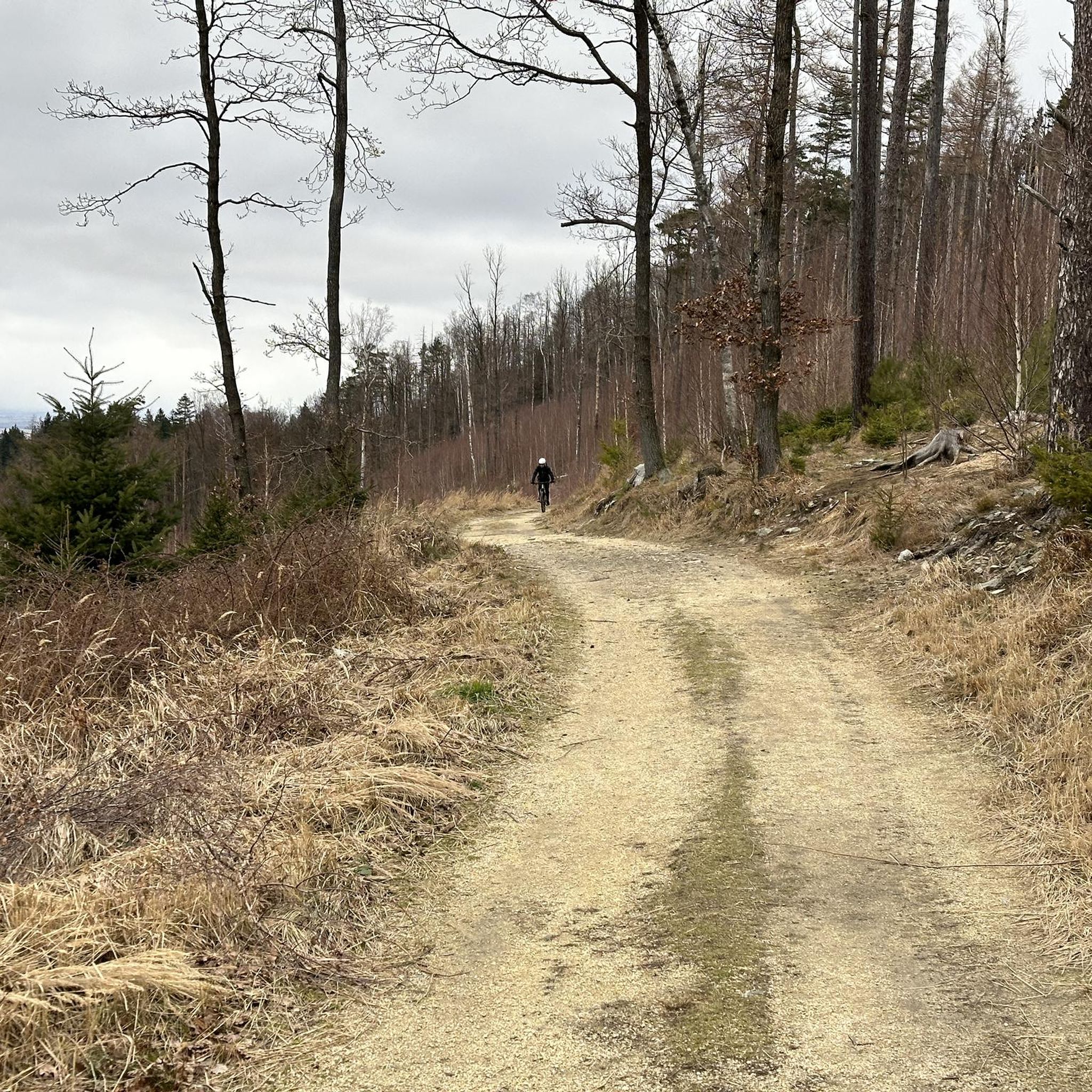
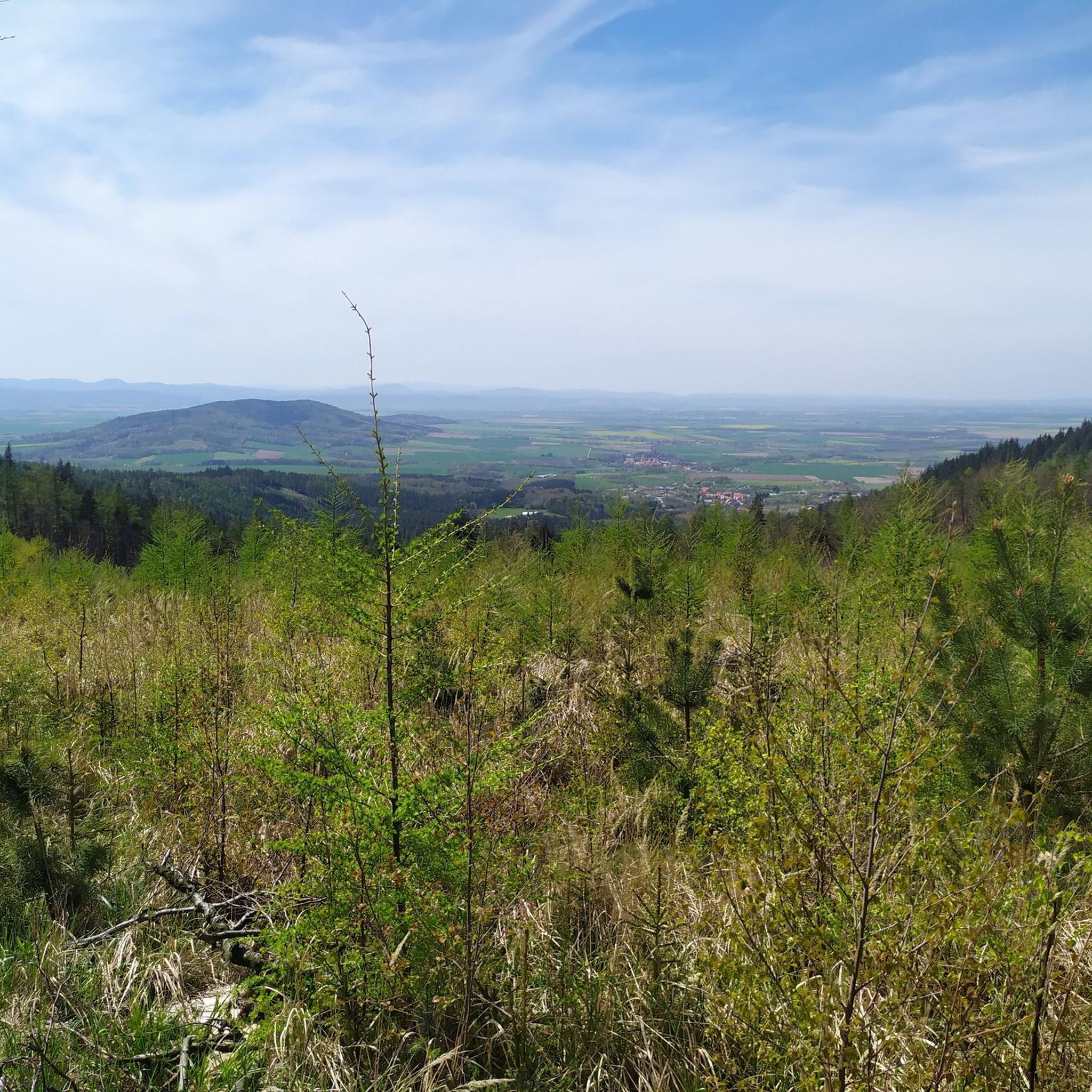
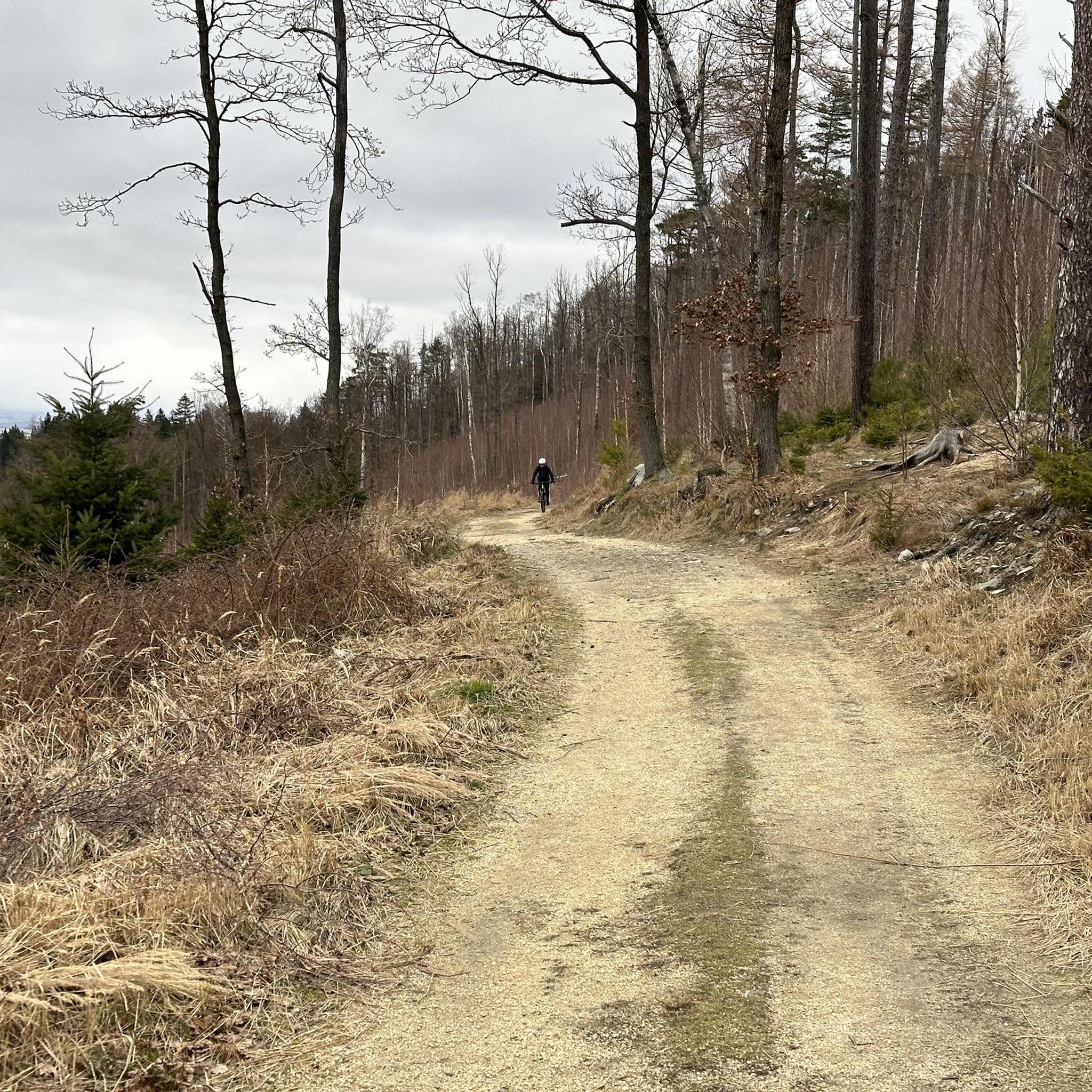
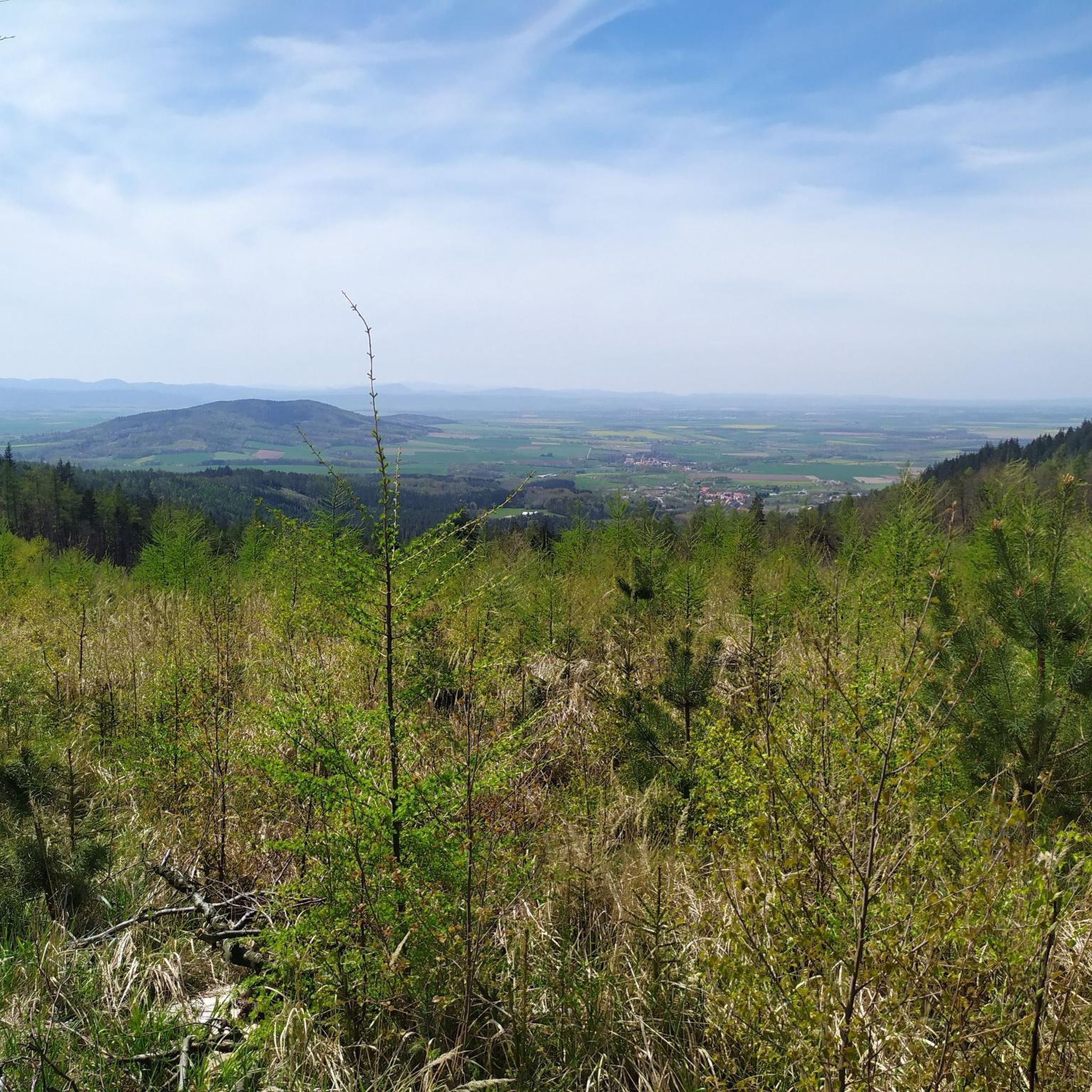

Tips from the Community

Follow the little trail at the bear statue for 100 m to a viewing tower
0
0

The Lustig Spring is named after Gustav/Georg Lustig, a Wrocław physician and member of the Silesian Society who conducted archaeological research in the Ślęża Massif. In the 20th century, members of the Zobten Gebirgs Verein built a characteristic stone enclosure around the spring, which is known for its periodic water flow.
2
0
The mountain has two archaeological trails marked with the symbol of the Ślęża bear, allowing visitors to discover the ancient stone sculptures while trekking. Despite its relatively modest elevation, Ślęża offers impressive views due to its prominent rise of over 500 meters above the surrounding lowlands.
1
0
Mount Ślęża is the highest peak of the Sudeten Foothills at 717.5 meters above sea level, located near the town of Sobótka in southwestern Poland. The mountain served as a pagan solar worship center from the Bronze Age until Christianization in the 10th-11th centuries, with ancient stone sculptures including "the maiden with fish," "the monk," and "the bear" still visible today. A 12th-century church now stands on the summit alongside a concrete observation tower, while the PTTK tourist shelter provides accommodation for hikers exploring the well-marked trail network.
1
0
In 1937, archaeologists discovered an offering of boiled potatoes placed near the sculpture, suggesting it retained some folk religious significance well into modern times. The sculpture is carved from local Ślęża granite and features cross marks that were likely added later in its history.
2
0
Monk is a 2.5-meter tall megalithic granite sculpture located in Sobótka near Mount Ślęża in Lower Silesia, Poland, believed to date from the early medieval pre-Christian period and possibly of proto-Slavic or Celtic origin. Originally found near the village of Garncarsko, it may have served as a milestone marker between Wrocław and Świdnica, though it likely had earlier ritual or cult purposes. The monument was relocated to Sobótka in the 1950s and was registered as an archaeological monument in 1969.
2
0

There is a nature reserve on the top of the mountain. It protects the places where rare plant species adapted to specific soil and climate conditions occur. In 2014, the tourist trail leading there was closed down, which was necessary to protect nature, which was being destroyed by careless tourists, trampling valuable grasslands and lighting fires on the top of Radunia. Source: https://www.sleza.sobotka.pl/radunia/
2
0

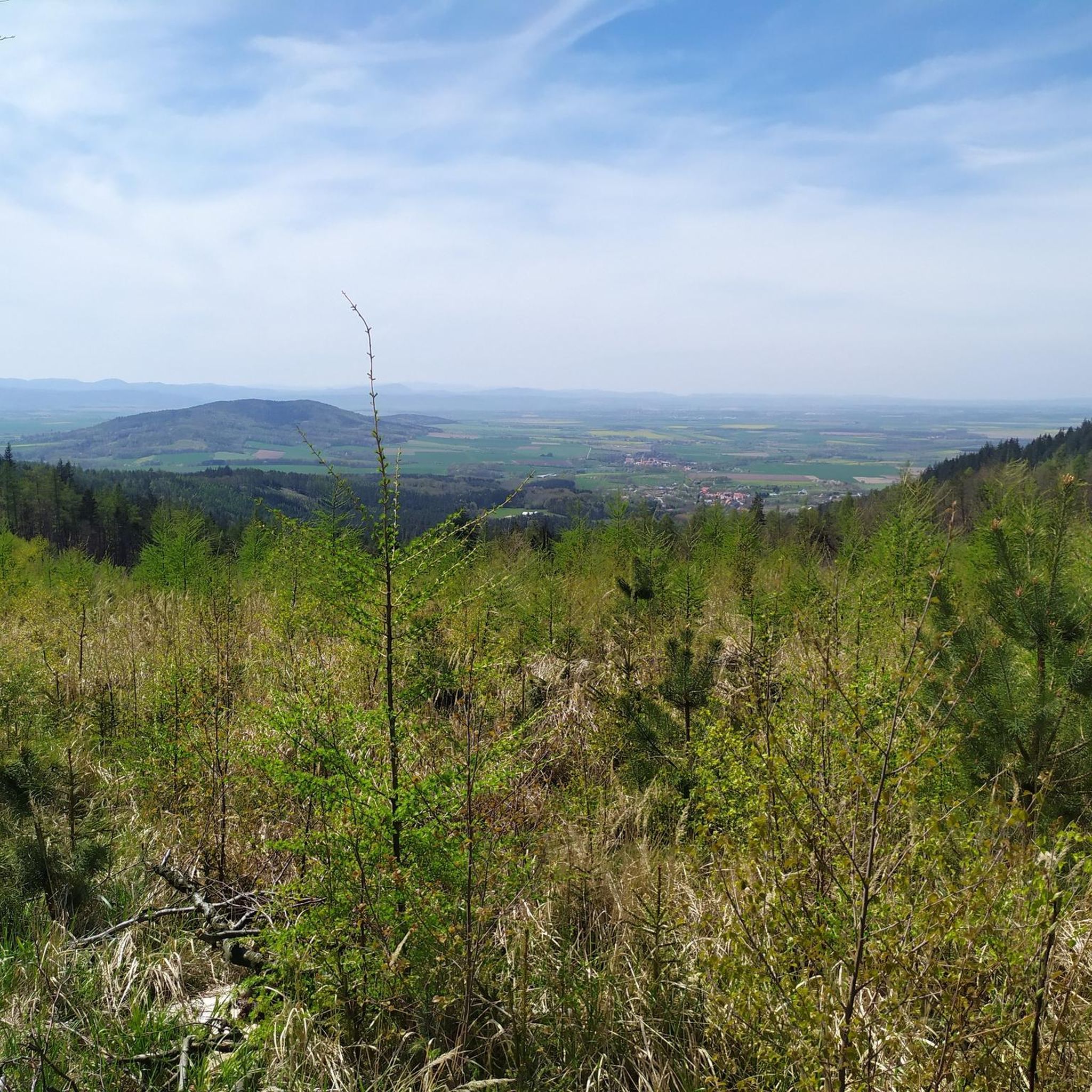
Radunia (573m above sea level) is the second peak on the Ślęża Massif (after Ślęża itself, of course). This peak is part of the Góra Radunia Nature Reserve. From the top there are amazing views of the Sowie Mountains and Ślęża. Worth it!
3
0
Frequently Asked Questions
What unique geological features can I explore around gmina Łagiewniki?
The region is characterized by significant geological formations, particularly within the Ślęża Landscape Park. You'll find volcanic rocks and serpentinite outcrops, especially at Radunia Summit, which is composed of serpentinite with magnetite, causing a high magnetic anomaly. The Olszeńskie Hills also feature natural serpentinite outcrops like Sulistrowickie Skały, offering unique landscapes and advantageous viewpoints.
Are there any ancient historical or cultural sites among the natural monuments?
Yes, the area is rich in historical and cultural significance. Mount Ślęża was a major pagan solar worship center from the Bronze Age, featuring ancient stone sculptures like the Bear and Maiden with Fish Sculptures. Radunia Summit also holds archaeological importance with a stone cult circle from around 400-300 BCE, dedicated to the cult of the moon and trees.
What kind of plant and animal life can I expect to see?
The unique soil conditions, particularly from serpentinite rocks, support specialized plant communities. The Góra Radunia Nature Reserve, encompassing Radunia Summit, protects rare plant species, including 183 protected vascular plants and luminous oak forests. The gmina also boasts varied fauna, including protected insectivorous and predatory mammals, numerous bird species, and various amphibians and reptiles.
Are there family-friendly natural monuments or activities in the area?
Yes, Mount Ślęża is considered family-friendly, offering well-marked trails and historical sculptures that can be interesting for all ages. The Mnich stone sculpture is also listed as family-friendly and provides an easy historical stop.
What outdoor activities can I do near these natural monuments?
The region offers a variety of outdoor activities. You can find numerous running trails, road cycling routes, and easy hikes. For example, there are easy hiking loops around Radunia Summit, such as the Radunia Loop Trail from Tąpadła Pass. You can explore more options on the Running Trails, Road Cycling Routes, and Easy Hikes guides for gmina Łagiewniki.
Are there specific hiking trails to reach the summits?
Yes, for Mount Ślęża, there's a well-marked trail network, including the Skalna Perć Trail, which is a scenic section of the blue trail leading through rocks and granite steps. While direct access to the summit of Radunia Summit via certain trails was restricted for nature protection, hiking paths traverse the edges of the reserve, offering scenic views.
What are the best viewpoints in the natural monument areas?
Both Mount Ślęża and Radunia Summit offer excellent viewpoints. From the summit of Ślęża, you can enjoy panoramic views from its observation tower. Radunia provides amazing views of the Sowie Mountains and Ślęża itself. The Sulistrowickie Skały in the Olszeńskie Hills also offer advantageous viewpoints.
What is the significance of the stone sculptures found on Mount Ślęża?
The stone sculptures on Mount Ślęża, such as the Bear and Maiden with Fish Sculptures and the Mnich stone sculpture, are remnants of the mountain's past as a pagan solar worship center. They date from pre-Christian times, possibly from the Bronze Age or Celtic cultural circle, and are believed to have served ritual or cult purposes.
What do visitors enjoy most about the natural monuments around gmina Łagiewniki?
Visitors particularly appreciate the unique combination of natural beauty and rich historical significance. The impressive views from Mount Ślęża, the rare flora and geological formations of Radunia Summit, and the ancient pagan history embedded in the landscape, including the stone sculptures, are frequently highlighted as compelling aspects of the region.
Is there a nature reserve specifically within Gmina Łagiewniki?
Yes, the most notable natural monument directly within Gmina Łagiewniki is the Góra Radunia Nature Reserve. This floristic reserve covers the summit areas of Mount Radunia, protecting rare plant species and unique geological features.
What is the best time to visit the natural monuments in this region?
While specific seasonal recommendations aren't provided, the region's natural beauty, especially the forests and geological formations, can be enjoyed throughout the warmer months. Spring brings blooming flora, while autumn offers vibrant colors, particularly in the forested areas of the Ślęża Landscape Park. Hiking is generally pleasant from spring through early autumn.
Most popular routes around gmina Łagiewniki
Most popular attractions around gmina Łagiewniki

Get inspired with the komoot mobile app


Explore more
Extend your search for the best caves by checking out these guides of the top ones around gmina Łagiewniki:
