Top 3 Natural Monuments around Osiecznica
Best natural monuments around Osiecznica are found within the Lower Silesian Forests, an area known for its natural beauty and diverse landscapes. This region offers numerous hiking and cycling routes, providing access to unique geological formations and preserved natural areas. Osiecznica serves as a base for exploring these sites, which include distinctive desert-like environments and ancient rock formations. The natural monuments here showcase both geological processes and the long-term impacts of historical human activity on the landscape.
Best natural monuments around Osiecznica
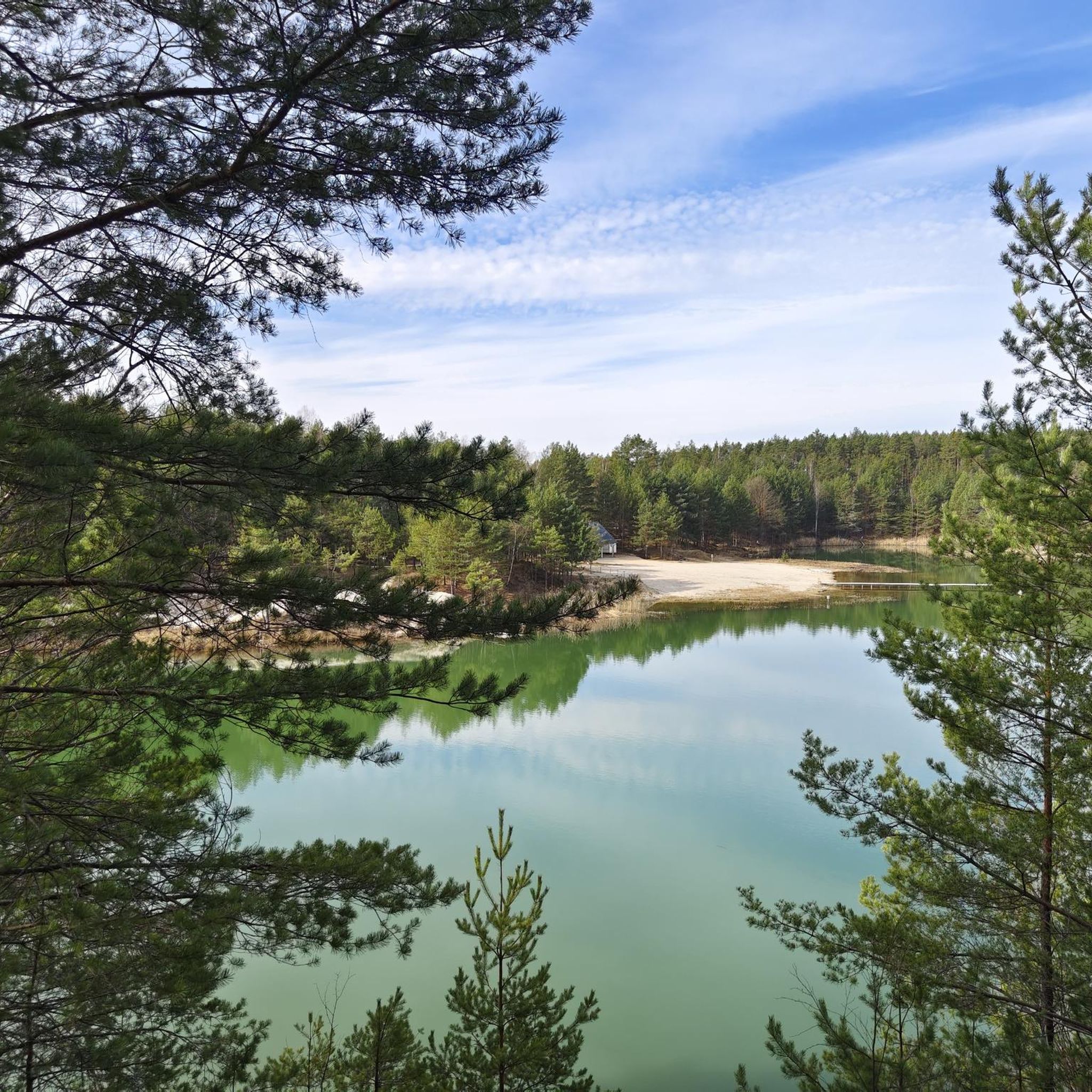
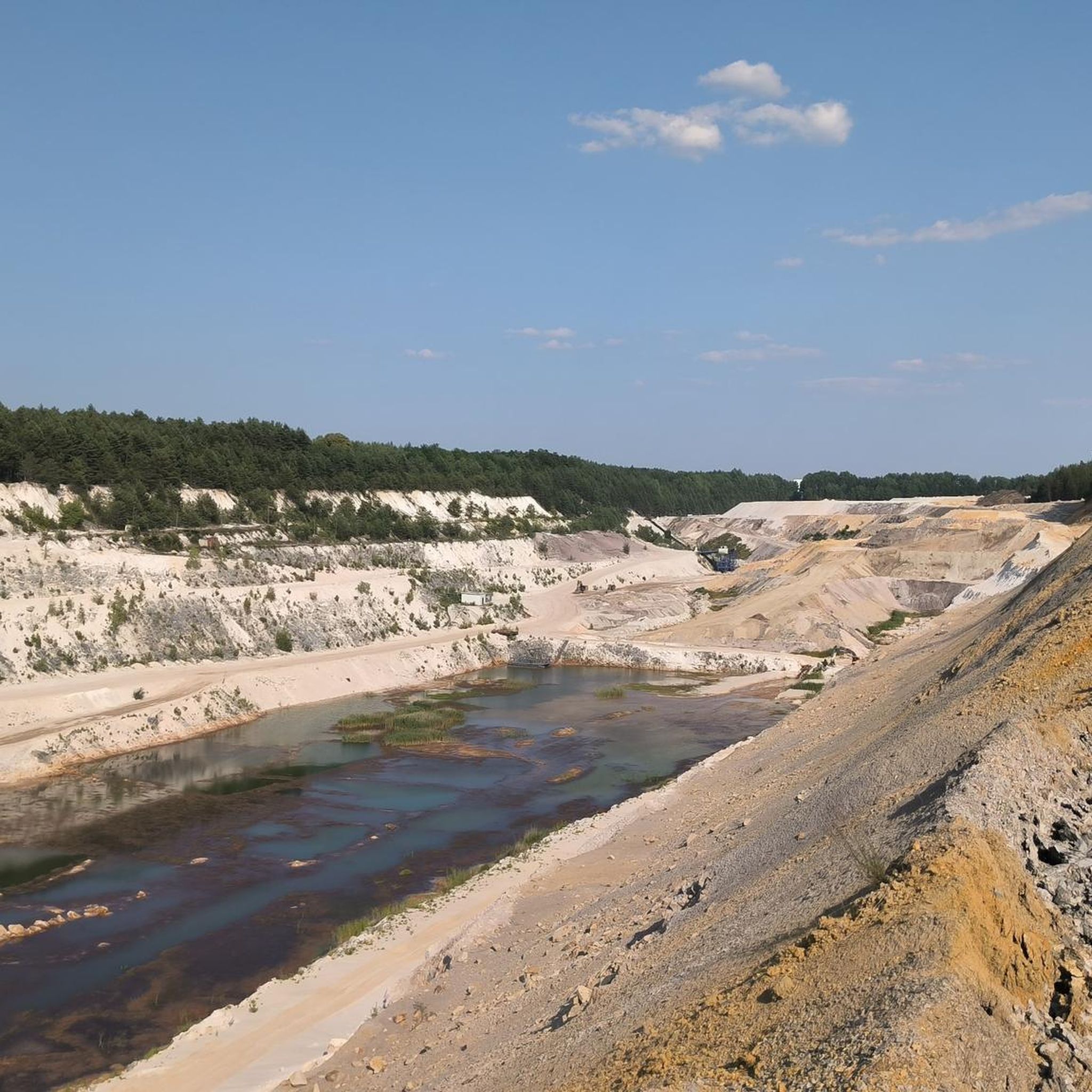
- The most popular natural monuments is Pustynia Kozłowska, a natural monument characterized by exposed sand dunes. This desert landscape was influenced by aeolian processes and the activity of a former military training ground.
- Another must-see spot is Dzban and Elephant's Bottom Sandstone Rocks, a natural monument featuring interesting sandstone formations. Visitors can find these rocks in a hidden corner next to a small reservoir, with an observation deck nearby.
- Visitors also love Silesian Ramparts, a historical site and natural monument. This medieval structure is an archaeological site consisting of a system of ramparts and ditches, some over 40 meters wide.
- Osiecznica is known for unique desert landscapes, ancient rock formations, and historical earthworks. The area offers a variety of natural monuments to see and explore, from sand dunes to sandstone rocks and extensive rampart systems.
- The natural monuments around Osiecznica are appreciated by the komoot community, with more than 10 photos shared and over 15 upvotes across the highlights.
Last updated: June 29, 2026
Pustynia Kozłowska
Highlight • Natural Monument
The dunes in the Lower Silesian Forests are the product of aeolian processes, they were formed in the period after the end of the last ice age until they were covered with vegetation.
The creation of the Kozłowska Desert was caused by the activity of a Soviet military training ground, operating until 1992, when the dune served as a shield for rockets and artillery shells.
Translated by Google •
Tip by

Iłowa Castle Park (Halbau)
Highlight • Historical Site
Translated by Google •
Tip by

Sign up now to discover places like this
Get recommendations on the best single tracks, peaks, & plenty of other exciting outdoor places.
Sign up for free
Dzban and Elephant's Bottom Sandstone Rocks
Highlight • Natural Monument
Translated by Google •
Tip by

Silesian Ramparts
Highlight • Historical Site
These are the until-recently-mysterious Silesian Ramparts, built in the 14th and 15th centuries on the border of the former Duchy of Głogów. The medieval Szprotawa District (districtus sprotaviensis) bordered the Duchy of Żagań to the west and the Duchy of Jawor to the south.
The structure was enormous considering the local conditions. A system of ramparts and ditches was painstakingly constructed over several dozen kilometers, terminating at rivers or marshes. Sometimes the fortifications were so strong that they consisted of up to four adjacent ramparts. Hedges were planted and maintained on their crests to prevent sudden intrusions into the duchy. To give you an idea, at some sites the fortification system was over 40 meters wide with the height of the ramparts being about 2.5 meters!
Translated by Google •
Tip by

Cietrzewiowe Heather Moorland
Highlight • Natural
Area code: PLH020015, habitat area
Total area: 6,663.7 ha
Existing forms of nature protection:
Przemkowski Landscape Park,
ecological use "Cietrzewiowe Wrzosowisko"
Administrative location:
Bolesławiec commune,
Gromadka commune
General description of the entire area:
The Special Protective Area "Wrzosowisko Przemkowskie" covers the area of the former Przemków military training ground, where, as a result of deforestation, biocenoses rarely found in our region were formed: a vast heath, inland dunes and sandy areas with psammophilous vegetation. The refuge stretches from the sands of the central part of the Przemkowski Landscape Park south-west to Trzebień. Open areas constitute approximately 70% of the area, the rest is covered with forests, mainly pine forests.
gminaboleslawiec.pl/513/wrzosowisko-przemkowskie.html
Translated by Google •
Tip by
Start today with a free account
Your next adventure awaits.
Login or Signup

Tips from the Community

The fastest route is from Leszno Górne. A little further from Przemków. Whichever route you choose, you'll still be riding on excellent gravel road.
2
0
The Kozłowska Desert is an area of exposed sand dunes located in the Lower Silesian Voivodeship, within the Lower Silesian Forest, approximately 17 km southeast of Szprotawa. The formation of the Kozłowska Desert was influenced by the activities of a German, and later Soviet, military training ground, which operated until 1992, when the dune served as a shield for rockets and artillery shells. At that time, the bare areas of exposed sand covered over 100 hectares. After 1992, vegetation succession occurred, but a section of the desert is undergoing conservation efforts to preserve its existing terrain.
1
0

The Silesian Ramparts are the longest archaeological site in Poland. This medieval structure is considered the equivalent of the famous Great Wall of China. These are the until-recently-mysterious Silesian Ramparts, built in the 14th and 15th centuries on the border of the former Duchy of Głogów. The medieval Szprotawa District (districtus sprotaviensis) bordered the Duchy of Żagań to the west and the Duchy of Jawor to the south. The structure was enormous considering the local conditions. A system of ramparts and ditches was painstakingly constructed over several dozen kilometers, terminating at rivers or marshes. Sometimes the fortifications were so strong that they consisted of up to four adjacent ramparts. Hedges were planted and maintained on their crests to prevent sudden intrusions into the duchy. To give you an idea, at some sites the fortification system was over 40 meters wide with the height of the ramparts being about 2.5 meters!
0
0

PRZEMKOWSKIE WRZOSOWISKO Area code: PLH020015, habitat area Total area: 6,663.7 ha Existing forms of nature protection: Przemkowski Landscape Park, ecological use "Cietrzewiowe Wrzosowisko" Administrative location: Bolesławiec commune, Gromadka commune General description of the entire area: The Special Protective Area "Wrzosowisko Przemkowskie" covers the area of the former Przemków military training ground, where, as a result of deforestation, biocenoses rarely found in our region were formed: a vast heath, inland dunes and sandy areas with psammophilous vegetation. The refuge stretches from the sands of the central part of the Przemkowski Landscape Park south-west to Trzebień. Open areas constitute approximately 70% of the area, the rest is covered with forests, mainly pine forests. https://gminaboleslawiec.pl/513/wrzosowisko-przemkowskie.html
0
1
Kozłowska Desert - an area of exposed sand dunes located in the Lower Silesian Voivodeship, in the Lower Silesian Forests, located approximately 17 km southeast of Szprotawa. The dunes in the Lower Silesian Forests are the product of aeolian processes, they were formed in the period after the end of the last ice age until they were covered with vegetation. The creation of the Kozłowska Desert was caused by the activity of a Soviet military training ground, operating until 1992, when the dune served as a shield for rockets and artillery shells.
2
0

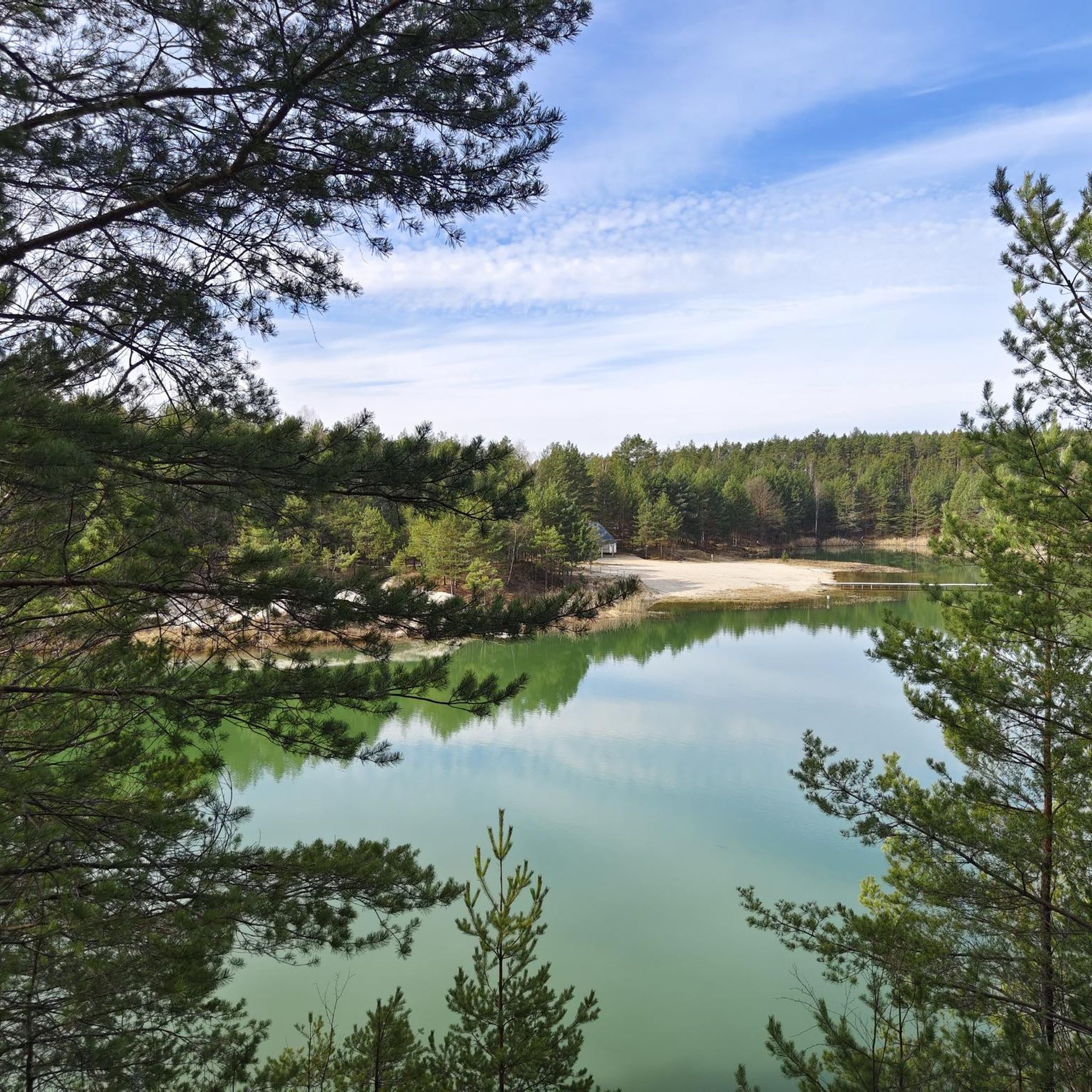
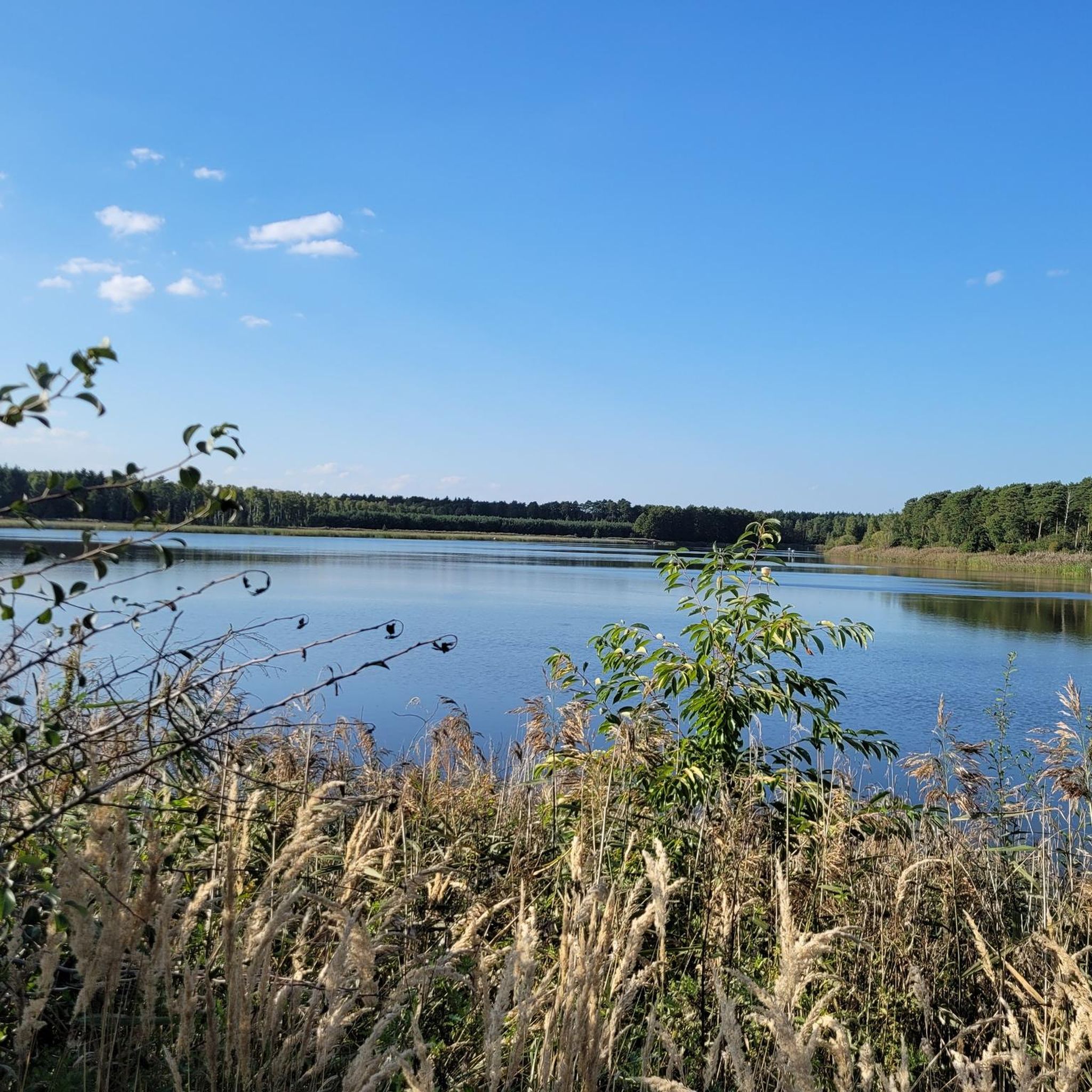
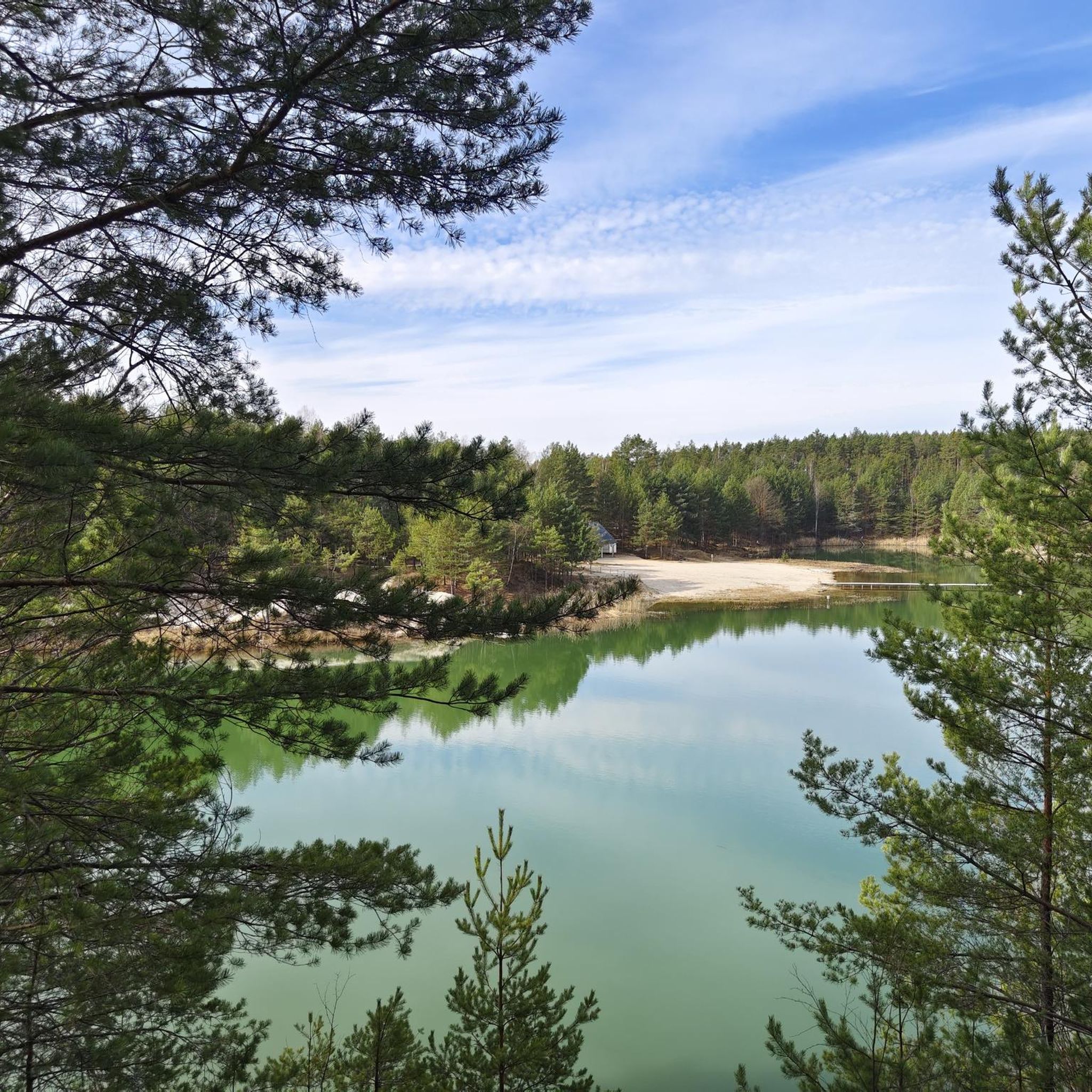
Two interesting rocks are located in a beautiful hidden corner next to a small reservoir by a hydroelectric plant. Nearby there is a small observation deck overlooking the "lagoon" and the rocks.
0
0

Inspired by a trip to Asia, Friedrich Maximilian von Hochberg had the garden redesigned with several partial gardens. A Japanese garden with small watercourses and bridges between islets was laid out on an island in the Tschirne. From the castle to the west, the Chinese Garden extends as a further partial garden, bounded by two backdrop-like clinker walls on a curved floor plan with round and oval window openings, which are supposed to be reminiscent of Chinese moon gates. A path leads to the border of the garden, where a staircase and pagoda architecture crosses a street as a pedestrian bridge. Another area was the rose garden enclosed by an ornamental wall. From 1919 the von Alvensleben were the owners. Today the palace park has been extensively renovated. Source: Wikipedia
0
0

Sandstone rocks. Difficult but possible :)
0
0
Frequently Asked Questions
What unique natural monuments can I explore around Osiecznica?
The region around Osiecznica offers a diverse range of natural monuments. A truly unique site is the Pustynia Kozłowska, also known as the Kozłowska Desert, which features exposed sand dunes within a forested European landscape. You can also discover the expansive Cietrzewiowe Heather Moorland, a habitat area with rare biocenoses, and the distinctive Dzban and Elephant's Bottom Sandstone Rocks.
Are there any historical natural monuments in the Osiecznica area?
Yes, the Silesian Ramparts are a fascinating historical natural monument. This medieval structure, sometimes compared to the Great Wall of China, consists of ramparts and ditches built in the 14th and 15th centuries. Additionally, Iłowa Castle Park, while a historical site, is also recognized as a natural monument, offering beautiful landscaped gardens with Asian influences.
What kind of landscapes can I expect to see at the natural monuments near Osiecznica?
You'll encounter a variety of landscapes. The Kozłowska Desert presents a rare desert-like environment with sand dunes. The Cietrzewiowe Heather Moorland offers vast open heathlands and sandy areas. You can also find unique sandstone rock formations at Dzban and Elephant's Bottom Sandstone Rocks, often near small reservoirs, and the lush, designed landscapes of Iłowa Castle Park.
Are the natural monuments around Osiecznica suitable for families?
Absolutely. Iłowa Castle Park is particularly family-friendly, offering a nice park for walking and relaxing with its unique Japanese and Chinese garden sections. While other sites like the Kozłowska Desert offer unique experiences, some may involve more rugged terrain, so check specific trail conditions for younger children.
What outdoor activities can I do near the natural monuments in Osiecznica?
The Lower Silesian Forests surrounding Osiecznica are excellent for various outdoor activities. You can find numerous options for hiking, including easy loops like the Kliczków Castle trails. For those who enjoy cycling, there are great gravel biking routes, such as the 'Szutroza - Route of Lower Silesian Castles and Palaces'. Running trails are also available, with options ranging from easy to difficult.
What is the best time of year to visit the natural monuments around Osiecznica?
The natural monuments around Osiecznica can be enjoyed throughout the year, but each season offers a different experience. Spring and autumn provide pleasant temperatures for exploring the Kozłowska Desert and Cietrzewiowe Heather Moorland, with less intense sun and beautiful seasonal colors. Summer is ideal for longer days and enjoying the lush greenery of Iłowa Castle Park. Even winter can offer a unique, stark beauty, especially at the desert and moorland sites.
Is the Kozłowska Desert accessible for visitors?
The Kozłowska Desert is accessible, and visitors can reach it via excellent gravel roads. The fastest routes are typically from Leszno Górne or Przemków. While the desert itself is an open area, be prepared for walking on sand. It's a unique experience to witness this desert ecosystem within the Lower Silesian Forests.
Are there any natural monuments that offer good viewpoints?
Yes, the Dzban and Elephant's Bottom Sandstone Rocks offer a small observation deck overlooking a nearby reservoir and the rock formations themselves. Iłowa Castle Park also provides picturesque views within its beautifully designed gardens.
Where can I find parking when visiting natural monuments around Osiecznica?
Parking is available at some of the natural monuments. For instance, Iłowa Castle Park has designated parking facilities. For other sites like the Kozłowska Desert, access roads often lead to informal parking areas, especially if you're arriving by car or bike. It's always advisable to check local signage upon arrival.
What makes the Kozłowska Desert a significant natural monument?
The Kozłowska Desert is significant due to its unique formation and history. Its exposed sand dunes are a result of aeolian processes after the last ice age, but its distinct desert-like conditions were maintained by the activity of a Soviet military training ground until 1992. This human influence prevented vegetation from fully establishing, creating a rare desert ecosystem within a European forest, making it a valuable site for both natural and historical interest.
Can I find easy walking trails at the natural monuments near Osiecznica?
Yes, several natural monuments and nearby areas offer easy walking opportunities. Iłowa Castle Park is perfect for leisurely strolls through its well-maintained gardens. For more extensive but still easy walks, you can explore the hiking trails around Osiecznica, which include several easy loops near Kliczków Castle.
What wildlife might I encounter at the natural monuments in the Lower Silesian Forests?
The Lower Silesian Forests are rich in biodiversity. At the Cietrzewiowe Heather Moorland, you might spot various bird species adapted to heathland environments. In the forested areas surrounding the Kozłowska Desert and other sites, deer, wild boar, and a variety of smaller mammals and birds are common. Keep an eye out for unique insects and reptiles in the sandy areas.
Most popular routes around Osiecznica
Most popular attractions around Osiecznica

Get inspired with the komoot mobile app


Explore more
Extend your search for the best caves by checking out these guides of the top ones around Osiecznica:
