Top 20 Natural Monuments around Warsaw
Warsaw, the capital of Poland, features a diverse landscape that includes significant natural monuments and green spaces. These areas provide ecological value and offer opportunities for outdoor activities within and around the city. The region's natural features range from protected reserves to historical parks, showcasing a blend of natural beauty and urban development. This guide focuses on the natural monuments near Warsaw, highlighting their unique characteristics and accessibility.
Best natural monuments around Warsaw
- The most popular natural monuments is Marconi Fountain, Saski Garden, a man-made monument that is part of one of Warsaw's oldest city parks. It was launched almost 160 years ago as part of the municipal waterworks.
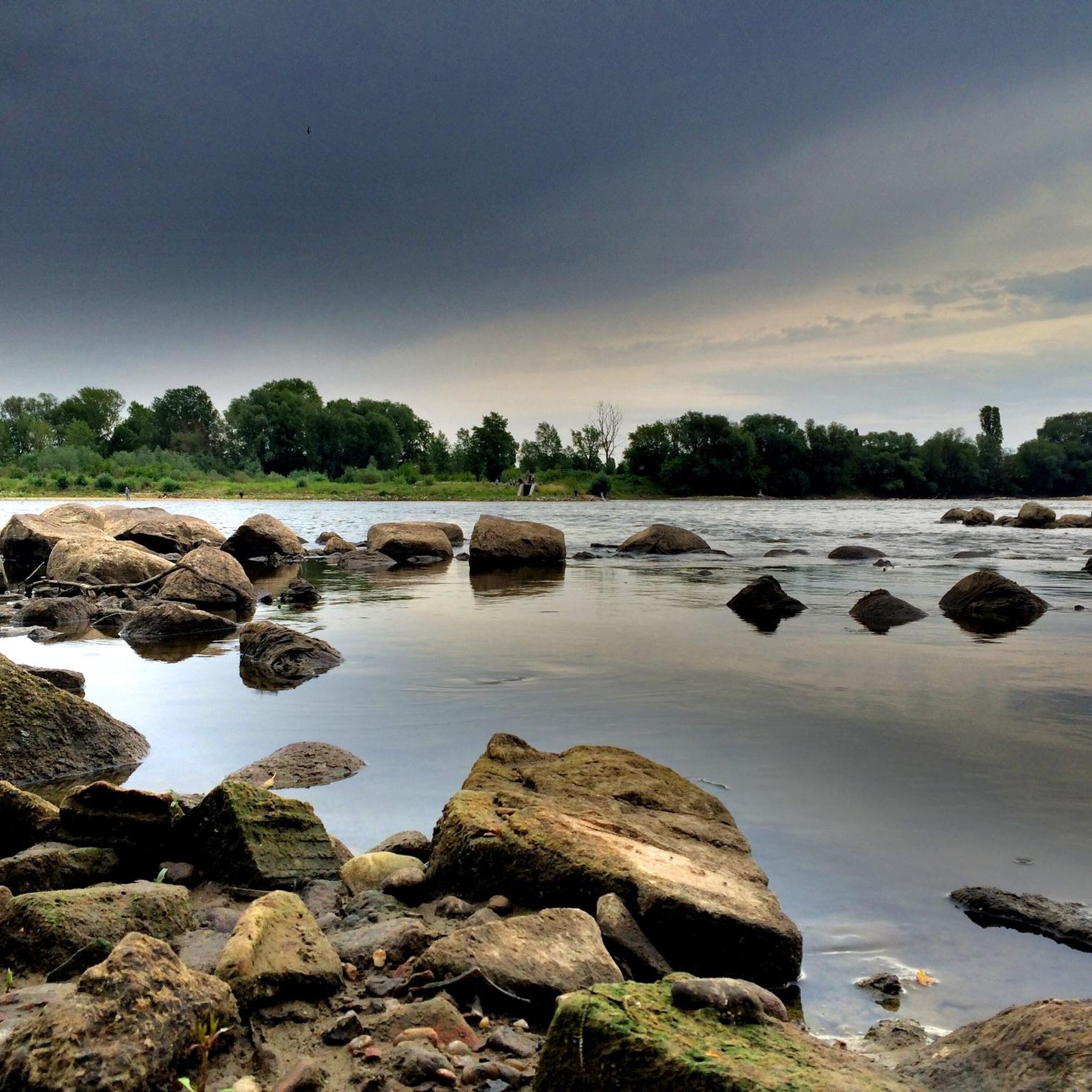
- Another must-see spot is Zawadowskie Islands Nature Reserve, a natural monument and river area. This reserve features valuable plant species, including orchids, and is home to diverse bird, amphibian, and fish populations.
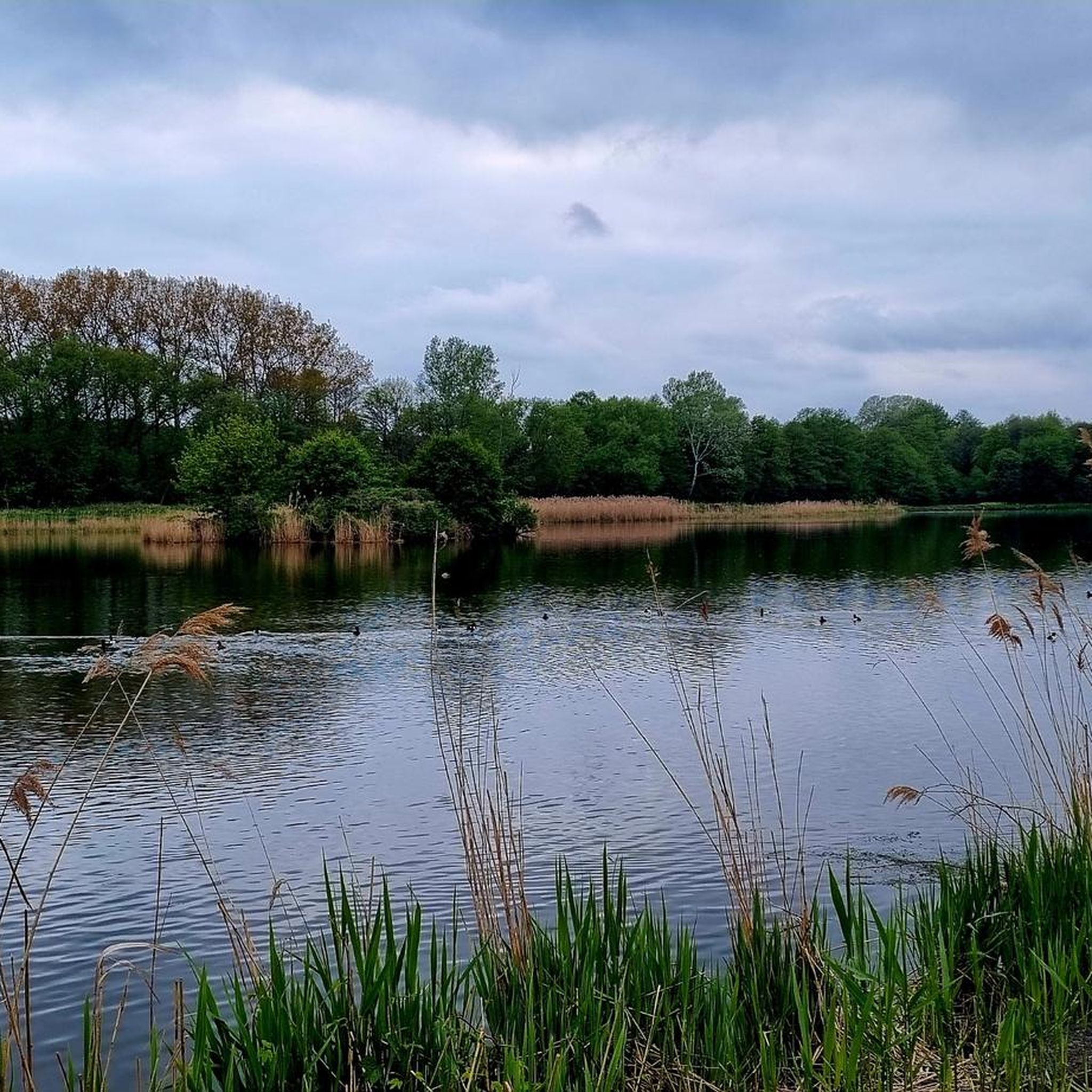
- Visitors also love Szczęśliwickie Ponds, a lake and natural monument. Created in the 1960s on former clay quarries, this park is a significant haven of biodiversity with approximately 70 species of birds.
- Warsaw is known for its diverse natural monuments, including nature reserves, historical parks, and urban green spaces. These areas offer a variety of experiences, from observing wildlife to exploring historical garden art.
- The natural monuments around Warsaw are appreciated by the komoot community, with more than 280 upvotes and over 50 photos shared across 75 highlights.
Last updated: October 15, 2026
Zawadowskie Islands Nature Reserve
Highlight • Natural Monument
Translated by Google •
Tip by

Marconiego Fountain, Saxon Garden
Highlight • Monument
Translated by Google •
Tip by

Sign up now to discover places like this
Get recommendations on the best single tracks, peaks, & plenty of other exciting outdoor places.
Entry to Rezerwat Kawęczyn
Highlight • Forest
Kawęczyn Nature Reserve - a forest nature reserve located in the Rembertów district in Warsaw. It was established by the regulation of the Minister of Environmental Protection, Natural Resources and Forestry of December 21, 1998 in a forest area with an area of 69.54 ha (the current size is 69.71 ha), bounded by Marsa and Żołnierska streets and the Warszawa Zachodnia railway tracks. –Terespol. The purpose of protection is to preserve thermophilic vascular plant species and their locations for scientific and educational reasons.
(EN)
Kawęczyn Nature Reserve - a forest nature reserve located in the Rembertów district in Warsaw. It was established by the regulation of the Minister of Environmental Protection, Natural Resources and Forestry of December 21, 1998 in a forest area with an area of 69.54 ha (the current size is 69.71 ha), bounded by Marsa and Żołnierska streets and the Warszawa Zachodnia railway tracks. –Terespol. The purpose of protection is to preserve thermophilic vascular plant species and their locations for scientific and educational reasons.
Source:
pl.wikipedia.org/wiki/Rezerwat_przyrody_Kaw%C4%99czyn
Translated by Google •
Tip by

Memorial to the Scouts and Civilians Executed in Zielonka
Highlight • Monument
dzieje.pl/wiadomosci/w-odwecie-za-plakaty-na-swieto-niepodleglosci-11-listopada-1939-r-w-zielonce-niemcy
Translated by Google •
Tip by
Raszyn Ponds Nature Reserve
Highlight • Natural Monument
It is an important place for ornithologists - about 100 species of birds nest here, including grebes, swans, herons, cormorants and black-headed gulls. The ponds are surrounded by floodplain forests and reed beds, and valuable plant species grow on their areas, including orchids.
The reserve is open to tourists - there are observation towers here, as well as monuments such as the Baroque statue of God the Father and the Tchorek plaque commemorating the victims of executions from World War II.
Translated by Google •
Tip by

Szczęśliwickie Ponds
Highlight • Lake
The park has a sports and recreational character - it includes Glinianki Szczęśliwickie (approx. 7 ha), a year-round ski slope (Górka Szczęśliwicka, 138-152 m above sea level), an open swimming pool, playing fields and OSiR facilities. The water reservoirs are stocked and supervised by angling (PZW Circle No. 7). In 2020, the wooden pier was renovated.
The park has natural significance - there are many species of birds here (approx. 70), as well as amphibians and fish. The flora includes poplars, maples, limes and other pioneer species. Despite the anthropogenic origin of the substrate and degraded soil, the area is an important haven of biodiversity in Warsaw.
Translated by Google •
Tip by
Black Lake
Highlight • Lake
Czarny Staw is a retention reservoir.
Showing Translation
Tip by

Kopa Cwila
Highlight • Natural Monument
Translated by Google •
Tip by
My Mother's Forest
Highlight • Forest
Tip by

Warsaw Uprising Mound Monument
Highlight • Monument
The idea of raising a mound in Warsaw from the ruins of the city appeared as early as 1945. The advocate of this was engineer Stanisław Gruszczyński - an architect from the Office for Reconstruction of the Capital. He saw the mound in Powiśle, and later on Grzybowska Street, near today's Warsaw Uprising Museum. The author of the concept changed the mound's name several times, proposing, among others: "Monument to the Destroyed Warsaw", "Tomb of Warsaw" or "Mound of Freedom". Gruszczyński died in 1958, without seeing the implementation of his idea.
The construction of the current mound began after 1945, bringing rubble from destroyed Warsaw buildings to Czerniaków. It was one of four such places in the city (the others were: Kopiec Moczydłowski, Górka Szczęśliwicka and the non-existent mound at the end of Krasińskiego Street).
Wikipedia:
pl.wikipedia.org/wiki/Kopiec_Powstania_Warszawskiego
Translated by Google •
Tip by
Sign up for free to discover even more natural monuments around Warsaw.
Already have an account?
Start today with a free account
Your next adventure awaits.

Other adventures around Warsaw

Tips from the Community

Beautiful fountain in the park, inviting you to relax and linger
0
0

A good place to rest.
0
0
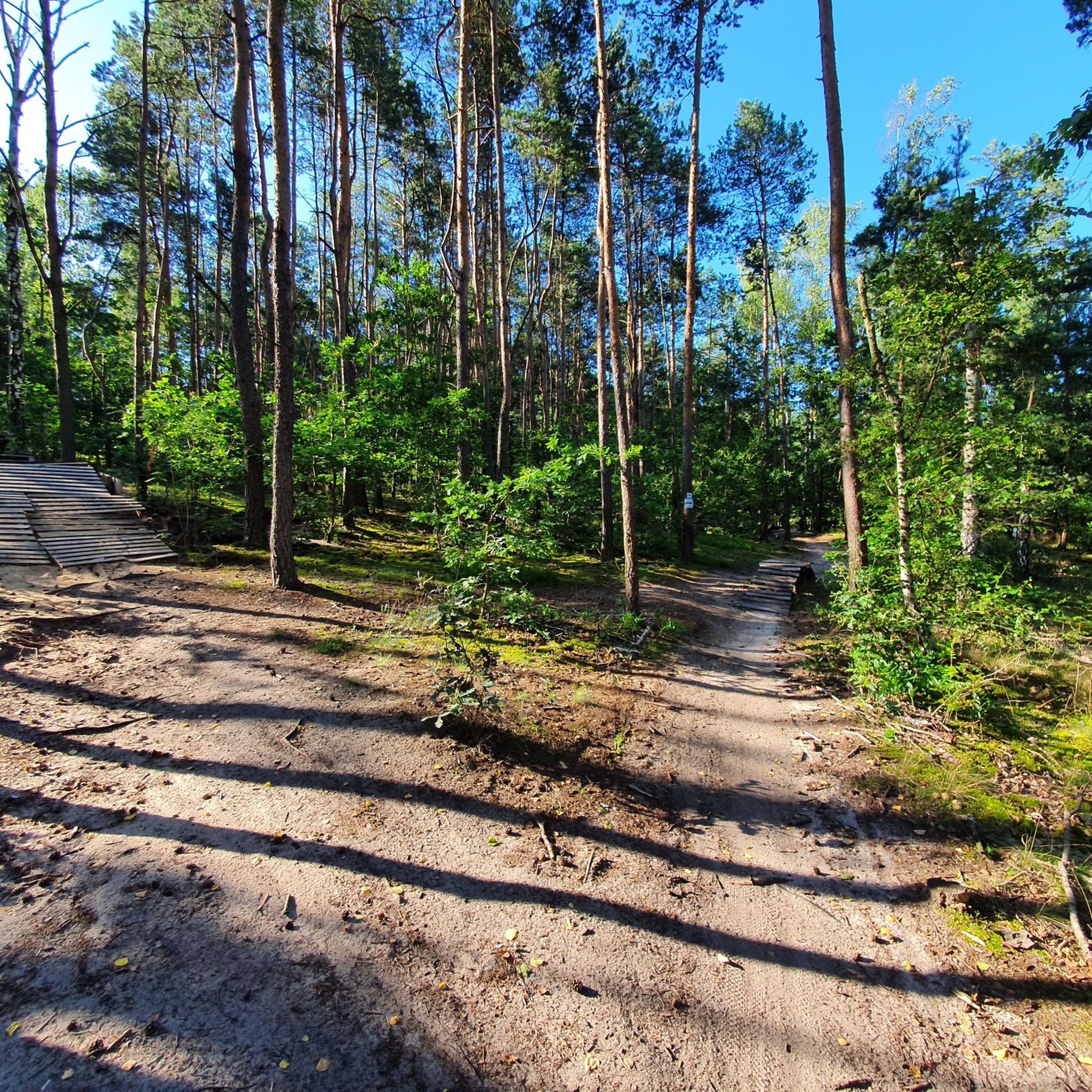
A very pleasant spot. Surrounded by a shelter and a fire pit, the pond itself unfortunately dries out in the summer. From here, you can access numerous smaller mountain bike trails. A great place to relax or have a picnic.
0
0
A great place to relax. Surrounded by viewing shelters. Unfortunately, there will be no water in the 2025 season.
0
0

Szczęśliwicki Park is a city park in Warsaw's Ochota district, between Włodarzewska and Drawska streets. It was created in the 1960s on land that had been used for clay quarries and landfills, which had not been previously built on due to the proximity of the Warsaw Fortress forts. The reclaimed areas were developed socially - water reservoirs and a ski slope were created, and most of the area was wooded. The park has a sports and recreational character - it includes Glinianki Szczęśliwickie (approx. 7 ha), a year-round ski slope (Górka Szczęśliwicka, 138-152 m above sea level), an open swimming pool, playing fields and OSiR facilities. The water reservoirs are stocked and supervised by angling (PZW Circle No. 7). In 2020, the wooden pier was renovated. The park has natural significance - there are many species of birds here (approx. 70), as well as amphibians and fish. The flora includes poplars, maples, limes and other pioneer species. Despite the anthropogenic origin of the substrate and degraded soil, the area is an important haven of biodiversity in Warsaw.
2
0
Kopa Cwila is an artificial hill located in the Ursynów district of Warsaw, in Roman Kozłowski Park. The hill was built in the 1970s from soil from excavations for the construction of apartment blocks and roads, as well as from damaged prefabricated elements that were to be used to build nearby buildings. Initially, it was planned for this place to be a park with a central hill. The idea of building the hill came from engineer Henryk Cwila, chief inspector at the Warsaw Directorate for Cooperative Investments, whose name became the name of the hill. In culture, Kopa Cwila became known thanks to the music video for the song "Ten wasz świat" by the band Oddział Zamknięty from 1983. In 2021, it also became the subject of episodes of the series "Blok Ekipa" broadcast by SPInka Film Studio.
1
0

The Evangelical Cemetery, founded in 1839, was once located on the site of the current forest. In 1891, a decision was made to liquidate it, but before the forest appeared, the Suworow Fort Wawer was built, which was one of many elements of the fortifications surrounding Warsaw, the so-called Warsaw Fortress. The exhumed remains were moved to another part of the city, to the Evangelical-Augsburg Cemetery on Młynarska Street. The fort did not last long in this place, because it was blown up by Russian sappers in 1913. During the occupation, in 1943, the Citizens' Committee in Wawer, led by Stanisław Krupka, founded the "Sports Park named after My Mother". The plan was for the park to become a large recreational and sports center, but due to war operations, the idea could not be implemented. In 1944, the park was destroyed. The name of this forest complex is intriguing. It is not fully explained which mother it refers to. There is also a supposition that the name does not refer to just one mother, but many. There are many hypotheses and guesses here, but unfortunately it is not known which one is true. Some sources say that the forest was to be an expression of memory and a tribute to the mothers of Polish soldiers who died and went missing in defense of the Homeland during the war and occupation. In turn, other sources say that the forest is to commemorate the mothers of soldiers who went missing or were imprisoned during the war. There is also a third version saying that the forest commemorates the Mother Superior of the nearby Poor Clares Order, who initiated the afforestation of the wasteland.
0
0
The Warsaw Uprising Mound, located in Warsaw's Czerniaków district, is a symbolic elevation built from the rubble of the destroyed capital after 1945. The idea of its construction, proposed by engineer Stanisław Gruszczyński, appeared in 1945, but the implementation of the idea began only after several decades. The mound, once known as "Zwałka" or "Śmieciara", became an important point of national remembrance, especially after it was tidied up in 2004. The symbol of Fighting Poland was placed on the top of the mound, as well as commemorative plaques dedicated to the soldiers of the Home Army and the Warsaw insurgents. In 2004, the avenue leading to it was named "Hour of W", and every year, on August 1, ceremonies related to the anniversary of the outbreak of the Warsaw Uprising are held there. The mound offers a panoramic view of Warsaw, and the Action "Burza" park is located nearby.
2
0
Frequently Asked Questions
What types of natural monuments can I explore around Warsaw?
Warsaw's natural monuments offer a diverse range of experiences, from protected nature reserves like Zawadowskie Islands Nature Reserve, known for its valuable plant species and bird populations, to historical parks such as Łazienki Park and Saxon Garden. You can find ancient forests, lakes, and even unique urban green spaces that blend natural beauty with historical significance.
Are there natural monuments around Warsaw that are suitable for families?
Yes, several natural monuments are family-friendly. Marconi Fountain, Saski Garden is a beautiful park and recreational area in the city center. Szczęśliwickie Ponds offers a park with water reservoirs and a ski slope, making it a great spot for various activities. Other family-friendly options include Entry to Rezerwat Kawęczyn and My Mother's Forest, which provide natural settings for walks.
Which natural monuments offer opportunities for wildlife observation?
For wildlife observation, Zawadowskie Islands Nature Reserve is an excellent choice, home to diverse bird, amphibian, and fish populations, with observation towers available. Szczęśliwickie Ponds is also a significant haven of biodiversity, with approximately 70 species of birds, as well as amphibians and fish. Bielański Forest is another spot where visitors might spot deer or foxes.
Can I find historical sites within Warsaw's natural monuments?
Absolutely. Many of Warsaw's natural monuments are intertwined with history. The Marconi Fountain, Saski Garden is part of one of Warsaw's oldest city parks, dating back to the early 18th century. Warsaw Uprising Mound Monument is a symbolic elevation built from the rubble of the destroyed capital after 1945, offering a place of remembrance and a panoramic view. Łazienki Park, the summer residence of Poland's last king, also beautifully blends natural beauty with historical architecture.
What outdoor activities, like cycling or hiking, can I do near these natural monuments?
The region around Warsaw offers numerous opportunities for outdoor activities. You can find various cycling routes, including road cycling and mountain biking trails. For road cycling, explore routes like the "Góra Café – Gassy Road loop" or the "Żerań Footbridge – PGE National Stadium loop" mentioned in the Road Cycling Routes around Warsaw guide. For general cycling, check out the Cycling around Warsaw guide, which includes routes like the "Gassy–Karczew Ferry – Góra Café loop." Mountain biking enthusiasts can find trails such as the "Purple Wawer MTB Trail" in the MTB Trails around Warsaw guide. Many parks and reserves, like Kabaty Forest and Bielański Forest, also feature wide paths suitable for walking and nature trails.
Are there any natural monuments that are wheelchair accessible?
Yes, Marconi Fountain, Saski Garden is noted as wheelchair accessible. This historic park in the city center provides paved pathways, making it easier to navigate for visitors using wheelchairs.
What is the best time of year to visit Warsaw's natural monuments?
Warsaw's natural monuments can be enjoyed throughout the year, each season offering a different charm. Spring brings blooming flowers and lush greenery, while summer is ideal for outdoor activities and picnics. Autumn showcases vibrant fall foliage, and even winter offers serene, snow-covered landscapes, particularly in areas like Bielański Forest or Kabaty Forest for cross-country trails.
Are there any natural monuments that were created from reclaimed land or have a unique origin story?
Yes, Szczęśliwickie Ponds is a prime example. This park was created in the 1960s on former clay quarries and landfills. The reclaimed areas were developed into water reservoirs and a ski slope, with most of the area now wooded, showcasing a unique blend of recreational facilities and natural significance.
What do visitors enjoy most about the natural monuments around Warsaw?
Visitors frequently praise the natural monuments for their peaceful atmosphere and opportunities for relaxation. For instance, the Marconi Fountain, Saski Garden is described as a 'beautiful park and recreational area in the middle of the city.' Many appreciate the chance to connect with nature, observe wildlife, and enjoy historical settings, often noting the well-maintained paths and scenic views.
Are there any natural monuments that are dog-friendly?
While specific regulations can vary, many of Warsaw's larger parks and forest areas, such as Kabaty Forest and Bielański Forest, are generally dog-friendly, especially on designated trails and if dogs are kept on a leash. It's always recommended to check local signage or park rules before visiting with your pet.
Where can I find a natural monument with significant historical context related to Warsaw's past?
Beyond the Warsaw Uprising Mound Monument, which commemorates the city's post-war reconstruction, the Memorial to the Scouts and Civilians Executed in Zielonka is a poignant site. This natural monument marks a place of one of the first mass executions by the Germans in 1939, offering a solemn connection to a critical period in Polish history.
Most popular routes around Warsaw
Most popular attractions around Warsaw

Get inspired with the komoot mobile app


Didn’t find what you were looking for?
Find even more amazing natural monuments around Warsaw by checking out the top Highlights region by region:
Explore more
Extend your search for the best caves by checking out these guides of the top ones around Warsaw:
