Top 6 Natural Monuments around powiat krośnieński
Natural monuments around powiat krośnieński offer a diverse range of geological formations, significant natural features, and historical markers. This region, situated in southeastern Poland, is characterized by its river landscapes and forested areas. Visitors can explore unique natural confluences, protected forests, and monuments marking geographical significance. The area provides opportunities to observe natural processes and historical points of interest within its varied terrain.
Best natural monuments around powiat krośnieński
- The most popular natural monument is Confluence of the Neisse and…
Last updated: October 15, 2026
View of the Ratzdorf gauge house and the Oder–Neisse confluence
Highlight • Viewpoint
Translated by Google •
Tip by

Confluence of the Neisse and Oder Rivers
Highlight • River
Translated by Google •
Tip by

Sign up now to discover places like this
Get recommendations on the best single tracks, peaks, & plenty of other exciting outdoor places.
Confluence of the Neisse and the Oder
Highlight • River
Translated by Google •
Tip by

15th Meridian Monument in Sarbia
Highlight • Monument
Translated by Google •
Tip by

Neisse–Oder Confluence
Highlight • River
Translated by Google •
Tip by

Entrance to Gryżyńskie Uroczyska
Highlight • Forest
Translated by Google •
Tip by

Hurricane Memorial Stone in Wężyska Forest
Highlight • Monument
Translated by Google •
Tip by
Start today with a free account
Your next adventure awaits.
Tips from the Community

What an imposing experience to witness the endless, almost divinely named union of two natural beauties in boundless admiration. Last summer at the same place... when Gabi and Klaus... spectators were unwanted.
0
0

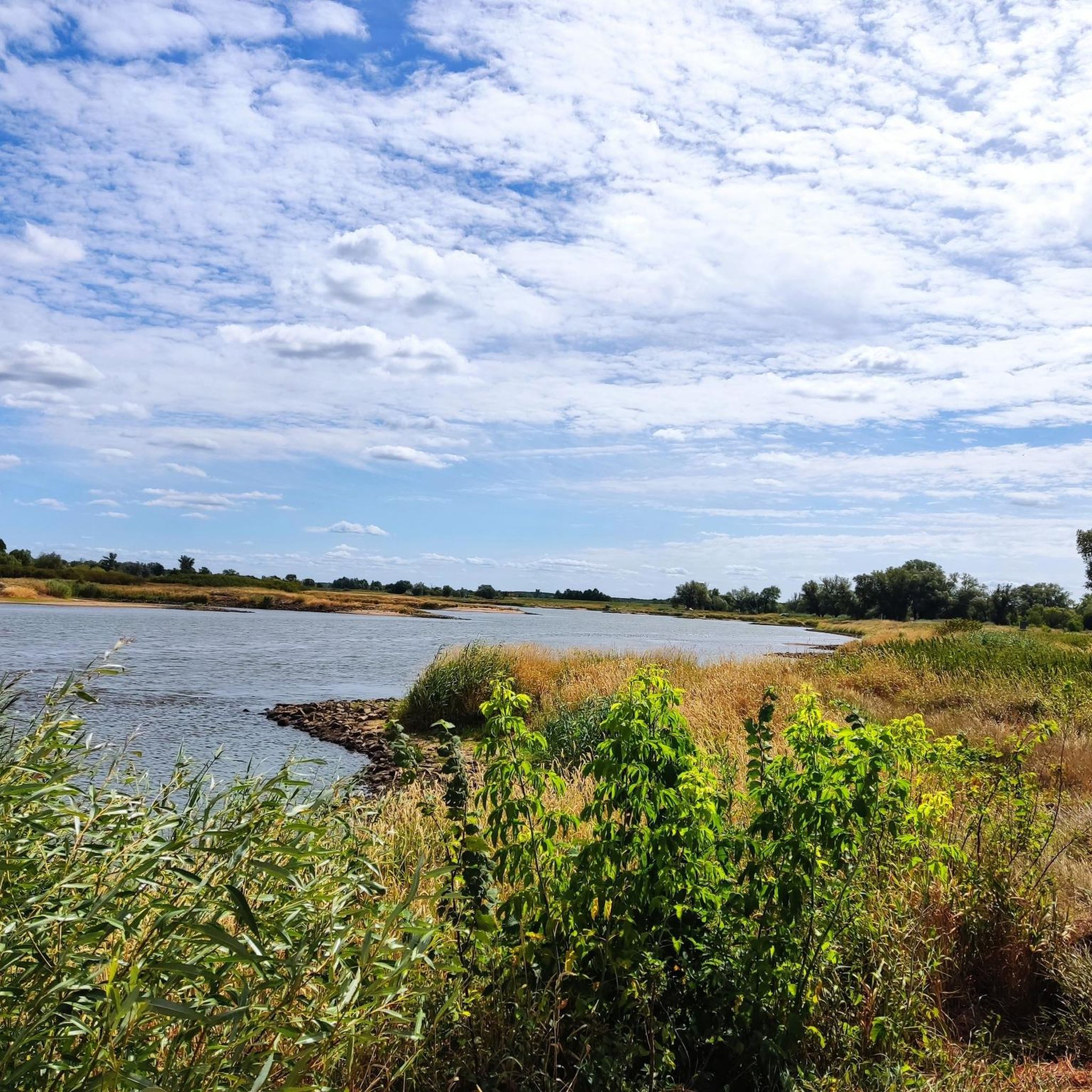
Neisse Estuary – Where Two Rivers Meet There are places that make no noise – yet say everything. The estuary of the Neisse and the Oder is such a place. No sign announces it grandly. No vantage point rises theatrically above the land. Only water coming together. Two lines that don't intersect, but unite. Whoever stands here sees not a spectacle, but a symbol: for transitions, for history, for what was – and continues to flow. The Neisse, narrow and reserved, flows quietly into the wide Oder. No thunder, no roar. Only the gentle intermingling of two streams. And all around: expanse, wind, a landscape that is not assertive, but simple.
1
0

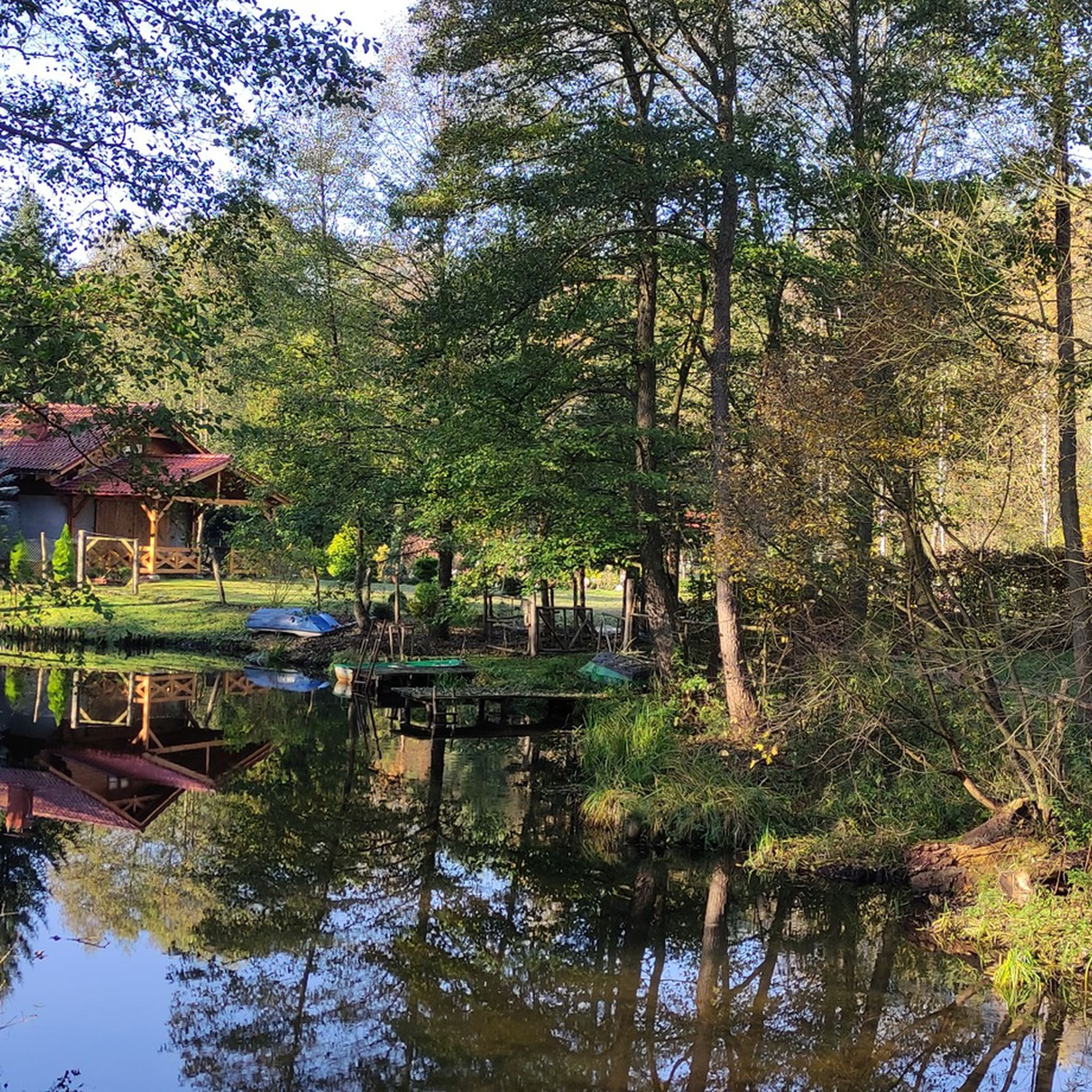
Entrance to Gryżyńskie Uroczyska - there is a map of the educational trail with a good legend, a bridge that seems to invite you to cross, in a beautiful and classic Polish forest. By the way, the Polish word "uroczysko" means "part of the forest", often associated with some legend.
0
0

confluence of the Oder and Neisse.
3
0
The confluence was flooded by the flood
3
0
The mouth of the Neisse into the Oder is a special sight: this is where two important rivers meet, forming the natural border between Germany and Poland. Surrounded by the vast floodplain landscape, this place seems quiet and secluded, ideal for a moment of peace. The transition from the smaller Neisse into the mighty Oder lets you feel the power and constancy of nature. At the same time, the landscape tells of the history of the region, in which these rivers played a central role as border and trade routes. Today, the mouth is an interesting stop for cyclists on the Oder-Neisse cycle path, which runs through the beautiful and historic region.
1
0
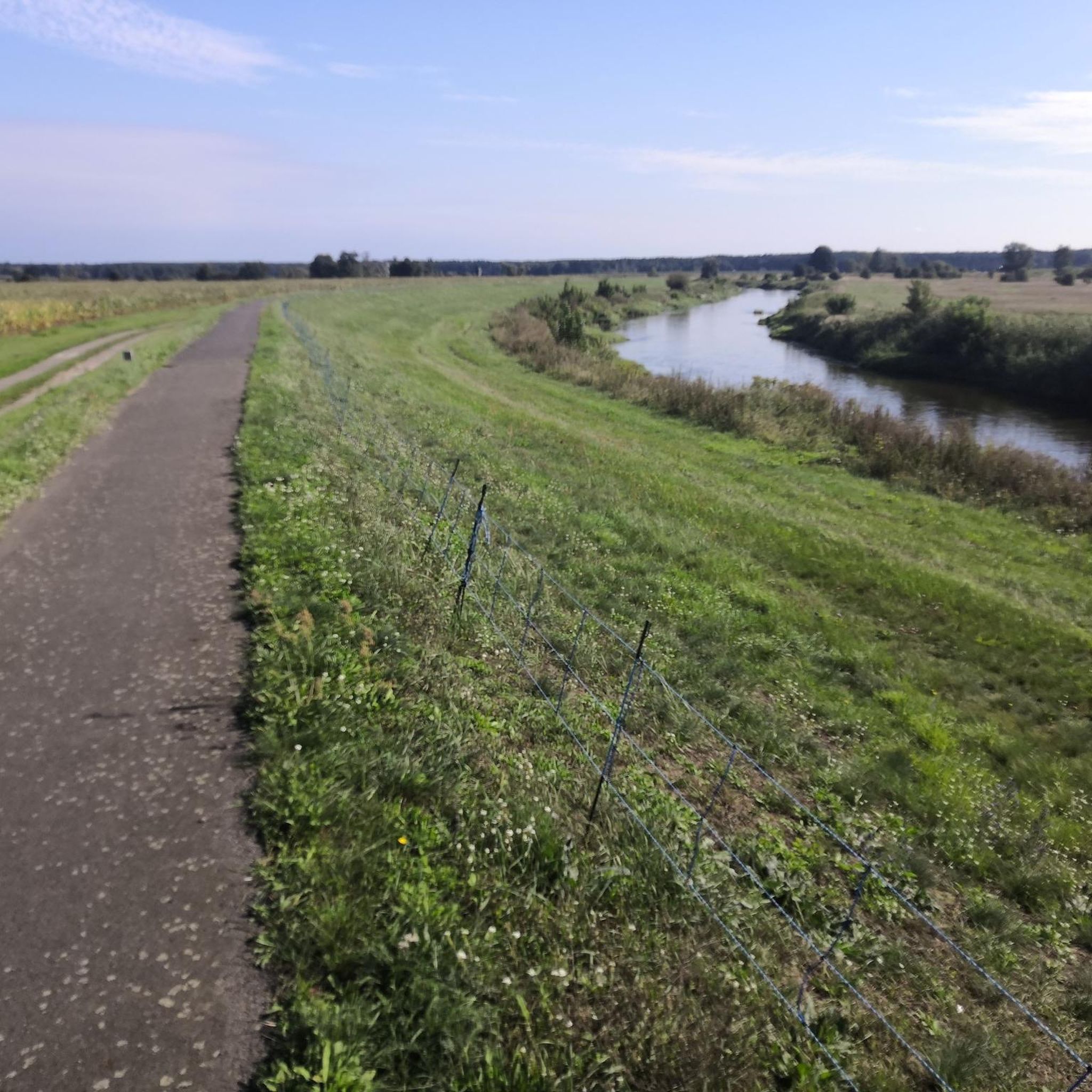
Interesting and now with new asphalt.
1
0
The 15th meridian (longitude) east, the reference meridian for Central European Time, runs through the village of Sarbia (Münchsdorf). This meridian also runs through Görlitz.
6
0
Frequently Asked Questions
What are the most popular natural monuments around powiat krośnieński?
The most popular natural monuments in the area are those related to the confluence of the Neisse and Oder Rivers. Visitors particularly enjoy the Confluence of the Neisse and Oder Rivers itself, and the View of the Ratzdorf gauge house and the Oder–Neisse confluence, which offers a unique perspective on where these two important rivers meet.
Are there family-friendly natural monuments in powiat krośnieński?
Yes, several natural monuments are suitable for families. The Confluence of the Neisse and Oder Rivers is considered family-friendly, offering a peaceful setting. Additionally, the 15th Meridian Monument in Sarbia is also family-friendly and wheelchair accessible, providing an interesting geographical marker.
What unique natural features can I see in this region?
The region is primarily known for its significant river confluences. The meeting point of the Neisse and Oder Rivers is a special sight, marking the natural border between Germany and Poland. You can also explore forested areas like the Entrance to Gryżyńskie Uroczyska, which features a classic Polish forest with an educational trail.
Are there historical sites among the natural monuments?
Yes, some natural monuments also hold historical significance. The 15th Meridian Monument in Sarbia is a man-made monument marking the reference for Central European Time. Additionally, the Hurricane Memorial Stone in Wężyska Forest serves as a historical marker within a natural setting.
What outdoor activities can I do near these natural monuments?
The area around the natural monuments offers various outdoor activities. You can find numerous cycling opportunities, including MTB trails, gravel biking routes, and road cycling routes. The Oder-Neisse cycle path runs through the region, making it ideal for exploring by bike.
Are there hiking trails near the natural monuments?
While specific hiking-only routes are not detailed, the forested areas and riverbanks provide opportunities for walks. For instance, from the Ratzdorf gauge house, you can follow the Oder on foot for about 300 meters to get a better view of the confluence. The Entrance to Gryżyńskie Uroczyska also features an educational trail suitable for walking.
What do visitors enjoy most about the natural monuments in powiat krośnieński?
Visitors frequently appreciate the peaceful and secluded nature of the river confluences, describing them as a 'special sight' and offering 'great scenery and beautiful nature.' The historical significance of the 15th Meridian Monument is also a point of interest, and the forested areas are valued for their classic Polish forest ambiance.
Is there parking available near the natural monuments?
While specific parking details for each monument are not provided, many natural monuments, especially those along popular routes like the Oder-Neisse cycle path, typically have designated parking areas nearby or in adjacent villages. It is advisable to check local signage upon arrival.
Can I visit the natural monuments with a wheelchair?
The 15th Meridian Monument in Sarbia is noted as being wheelchair accessible. For other sites, particularly those involving rough terrain near river confluences or forest trails, accessibility may be limited. It's best to check specific conditions for each location.
What is the best time to visit the natural monuments in powiat krośnieński?
The natural monuments can be enjoyed throughout the year, but spring and autumn offer particularly pleasant conditions for outdoor activities with milder temperatures and beautiful scenery. Summer is also popular, especially for cycling along the rivers. Winter visits can offer a unique, tranquil experience, though some paths might be less accessible.
Are there any hidden gems among the natural monuments?
While the river confluences are well-known, exploring the Entrance to Gryżyńskie Uroczyska might be considered a hidden gem for those seeking a classic Polish forest experience with an educational trail. The Hurricane Memorial Stone in Wężyska Forest also offers a more secluded, reflective spot.
Can I bring my dog to the natural monuments?
Generally, natural areas in Poland are dog-friendly, especially if dogs are kept on a leash. The riverbanks and forest trails are suitable for walks with dogs. However, always check local regulations or signage at specific sites, especially nature reserves, as rules can vary.
Most popular routes around powiat krośnieński
Most popular attractions around powiat krośnieński

Get inspired with the komoot mobile app


Didn’t find what you were looking for?
Find even more amazing natural monuments around powiat krośnieński by checking out the top Highlights region by region:
Explore more
Extend your search for the best caves by checking out these guides of the top ones around powiat krośnieński:
