Top 20 Natural Monuments around Conamara Municipal District
Natural monuments around Conamara Municipal District are found in County Galway on Ireland's Atlantic coast. This region features dramatic landscapes, diverse ecosystems, and opportunities for outdoor exploration. Connemara National Park is a central feature, encompassing mountains, bogs, and woodlands. The area is characterized by its rugged beauty and unique geological formations.
Best natural monuments around Conamara Municipal District
- The most popular natural monuments is Diamond Hill Summit, a summit that is a popular peak due to its moderate size…
Last updated: June 29, 2026
Diamond Hill Summit
Highlight • Summit
Translated by Google •
Tip by

Diamond Hill, Connemara National Park
Highlight • Summit
Translated by Google •
Tip by
Sign up now to discover places like this
Get recommendations on the best single tracks, peaks, & plenty of other exciting outdoor places.
Sign up for free
View of Diamond Hill from the Stone Junction
Highlight • Viewpoint
Translated by Google •
Tip by

Monks' Fishing House on the River Cong
Highlight • Historical Site
Translated by Google •
Tip by

Dun Aonghasa
Highlight • Historical Site
Translated by Google •
Tip by

Dog's Bay Beach
Highlight • Beach
Translated by Google •
Tip by

O'Brien's Castle (Dún Formna)
Highlight • Castle
en.m.wikipedia.org/wiki/O'Brien's_Castle_(Inisheer)
de.m.wikipedia.org/wiki/Dún_Formna
“… A ringfort once stood on the site, named Dún Formna ... and dated to between the 5th century …
Tip by

Cnoc Raithní Bronze Age Burial Mound
Highlight • Historical Site
Translated by Google •
Tip by

View of Diamond Hill and bays from Letterfrack
Highlight (Segment) • Viewpoint
Translated by Google •
Tip by
Pigeon Hole Cave
Highlight • Cave
Translated by Google •
Tip by

Sign up for free to discover even more natural monuments around Conamara Municipal District.
Sign up for free
Already have an account?
Start today with a free account
Your next adventure awaits.
Login or Signup
Popular around Conamara Municipal District
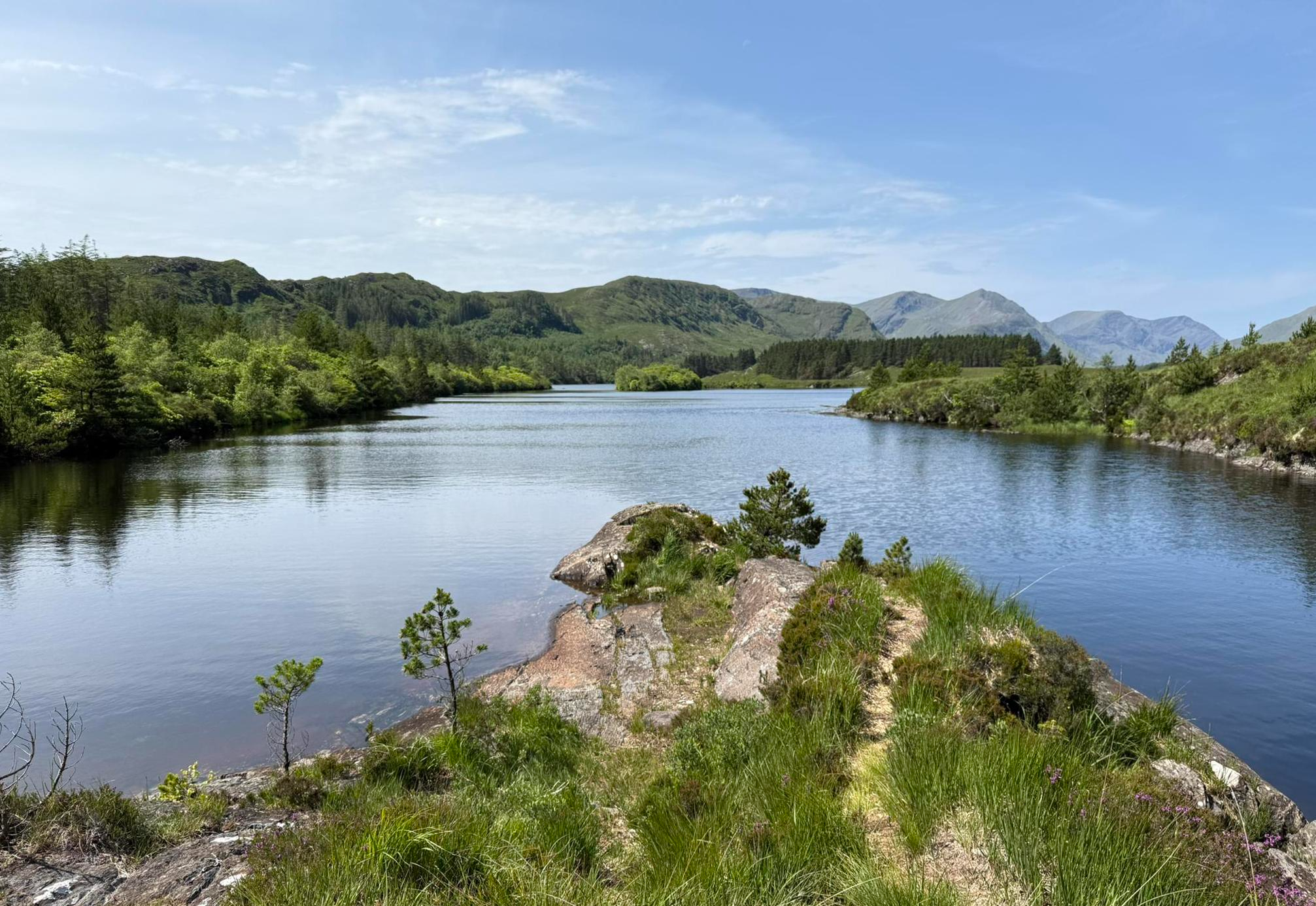
Western Way – Rugged mountains, remote hills and scenic splendour
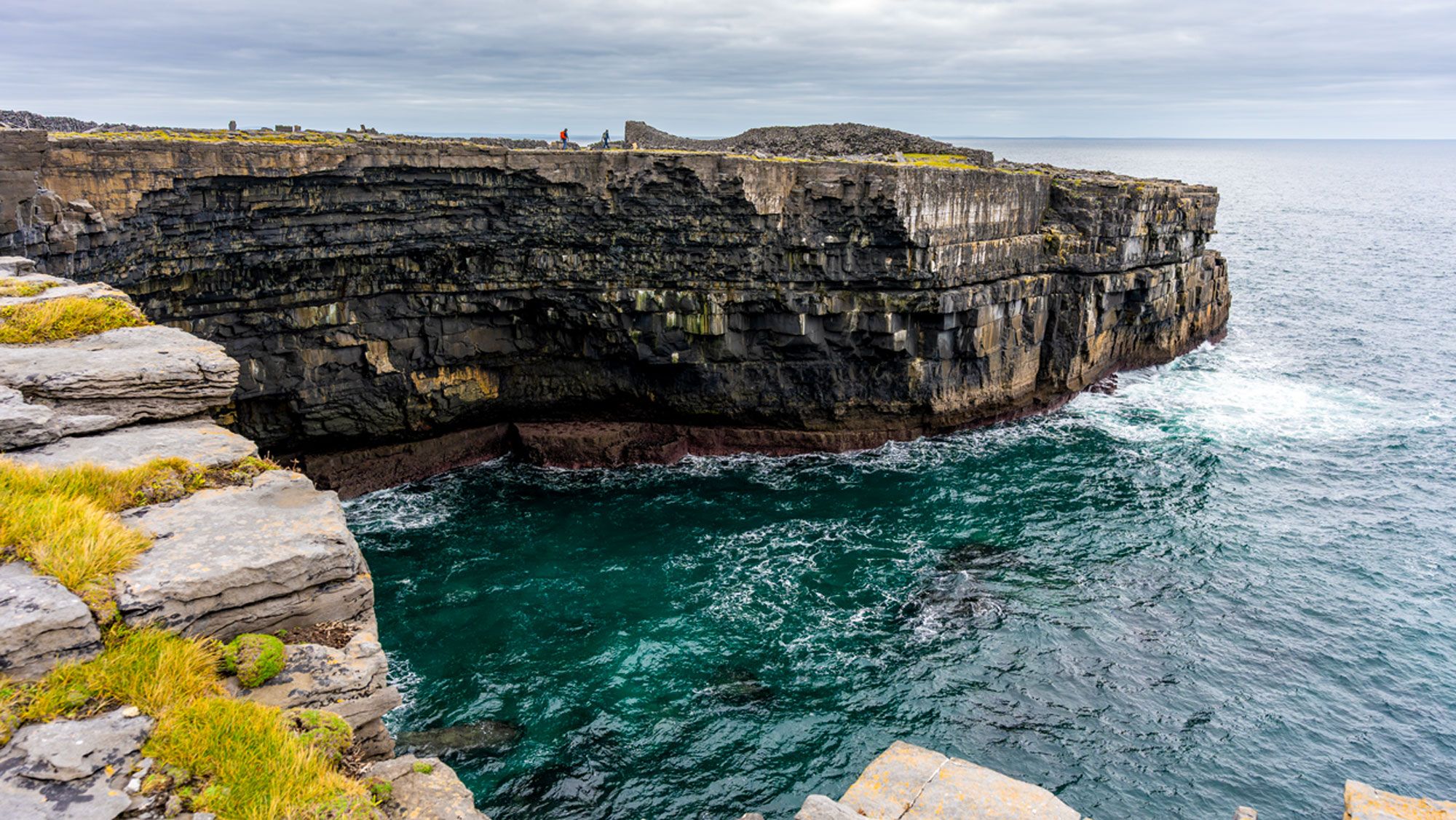
Aran Islands
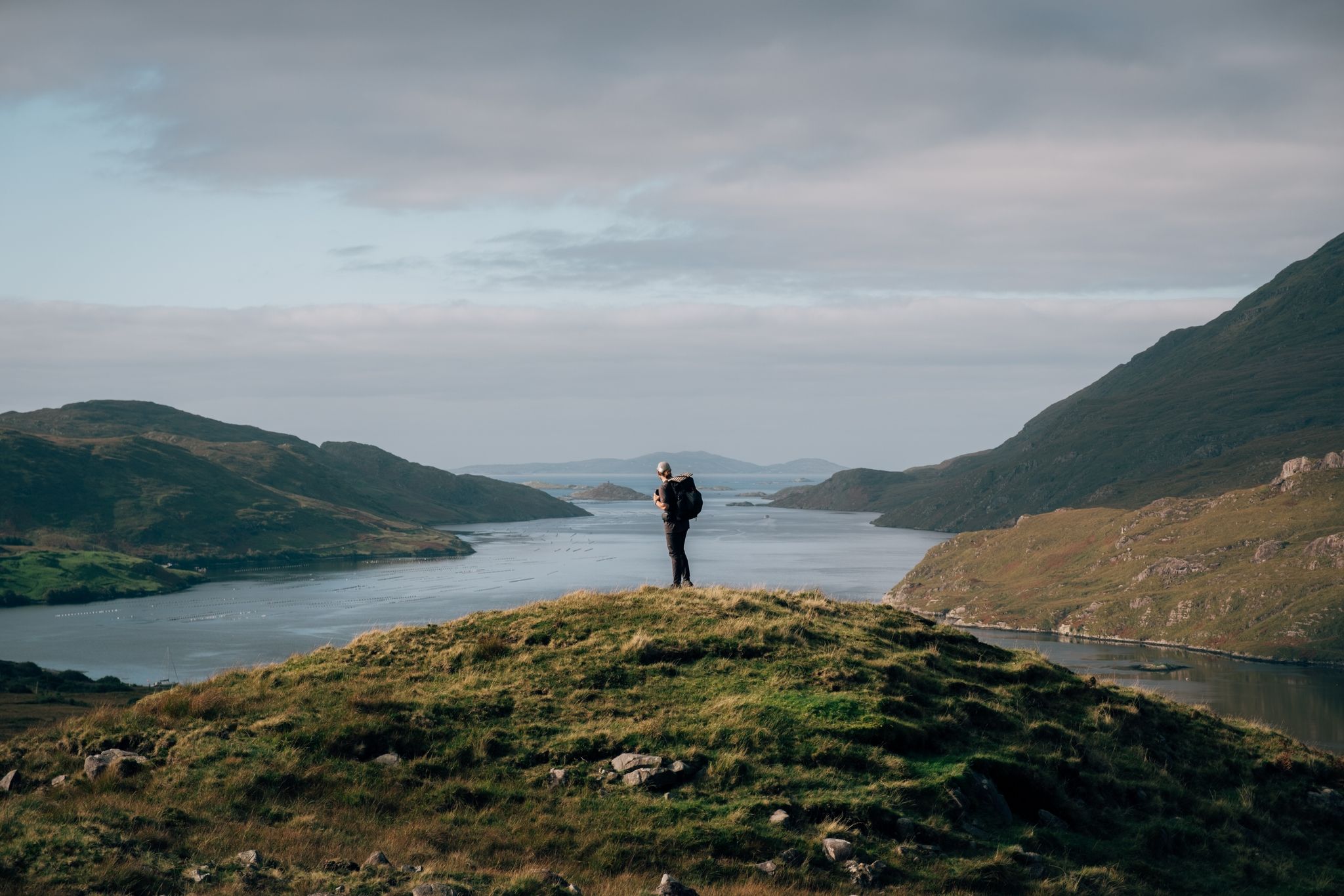
Wild and pristine – hiking along western Ireland’s cliffs & islands
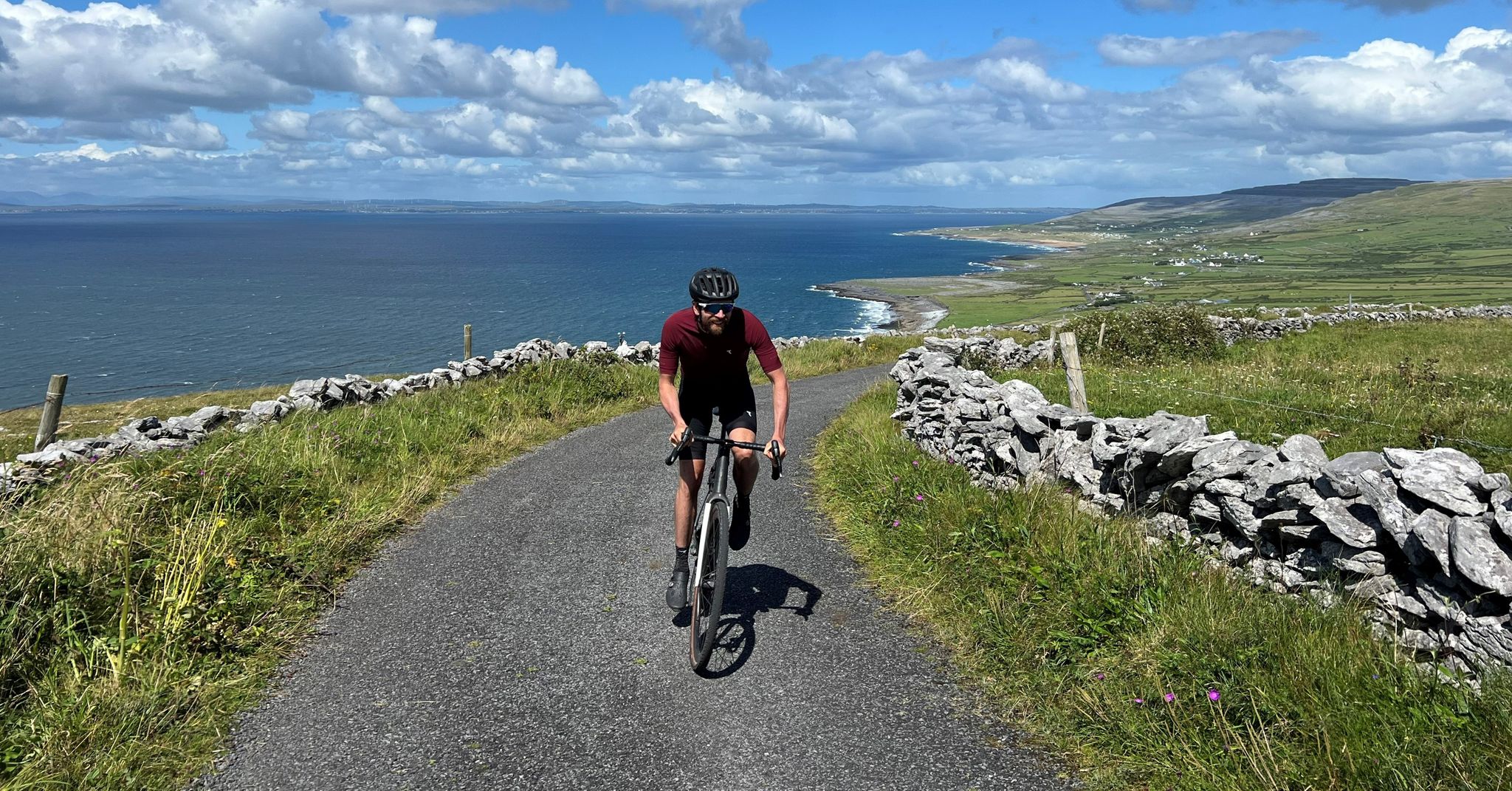
Road cycling on Ireland's west coast – four Tours with Jonas Deichmann
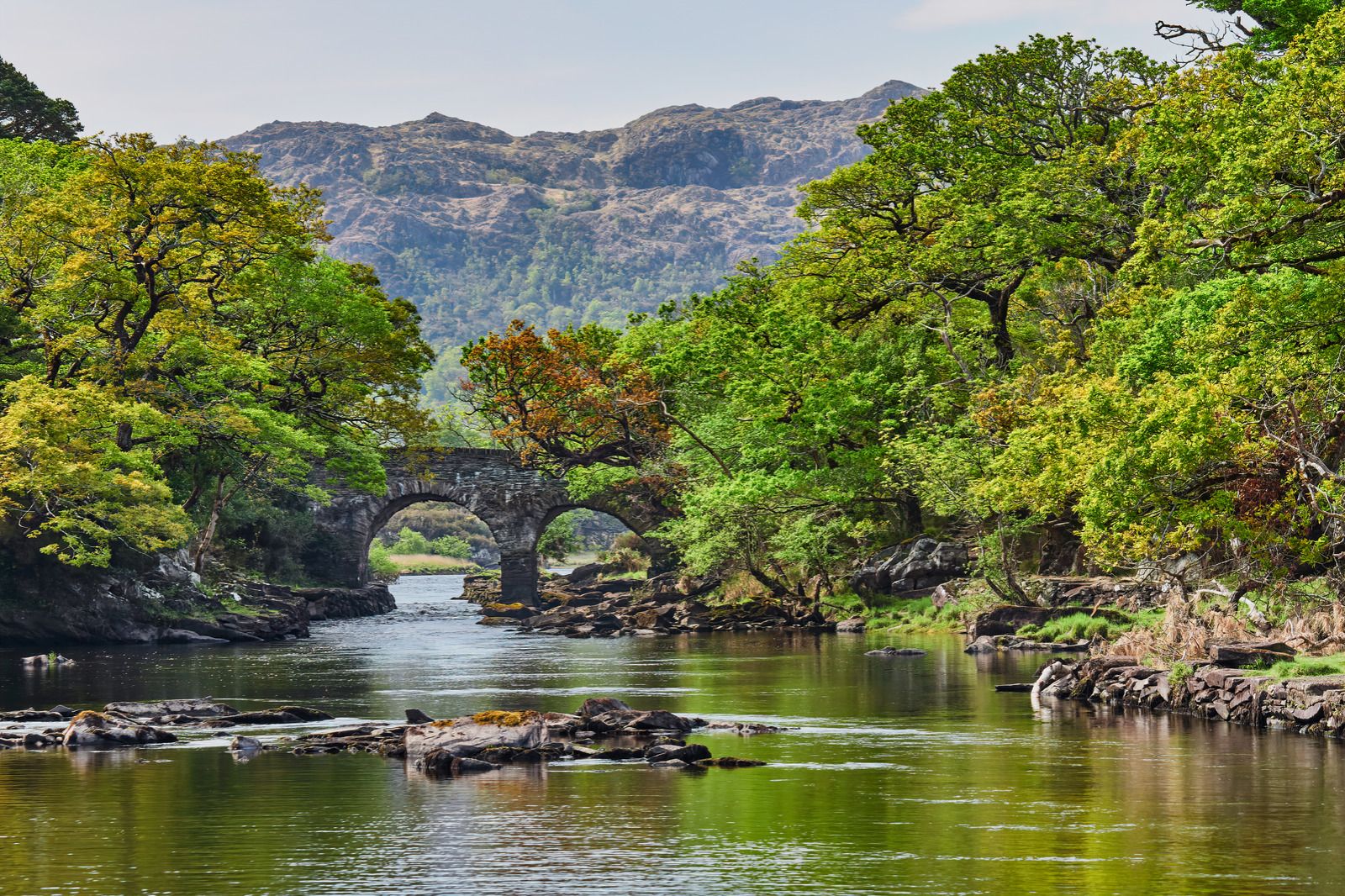
Follow the water - Along Ireland's rivers and lakes
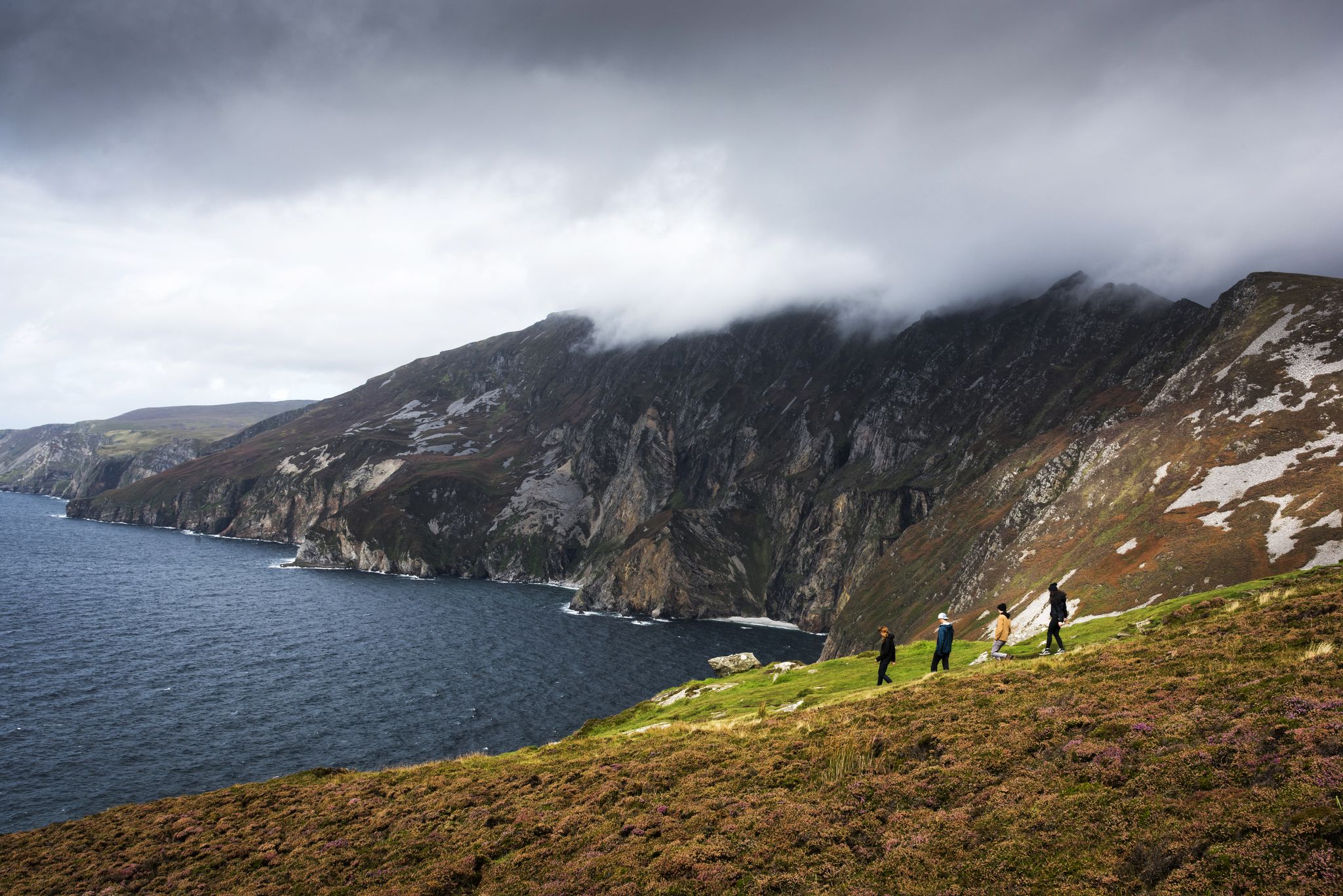
Hike Ireland's coast: cliffs, waves and wonderful wide beaches
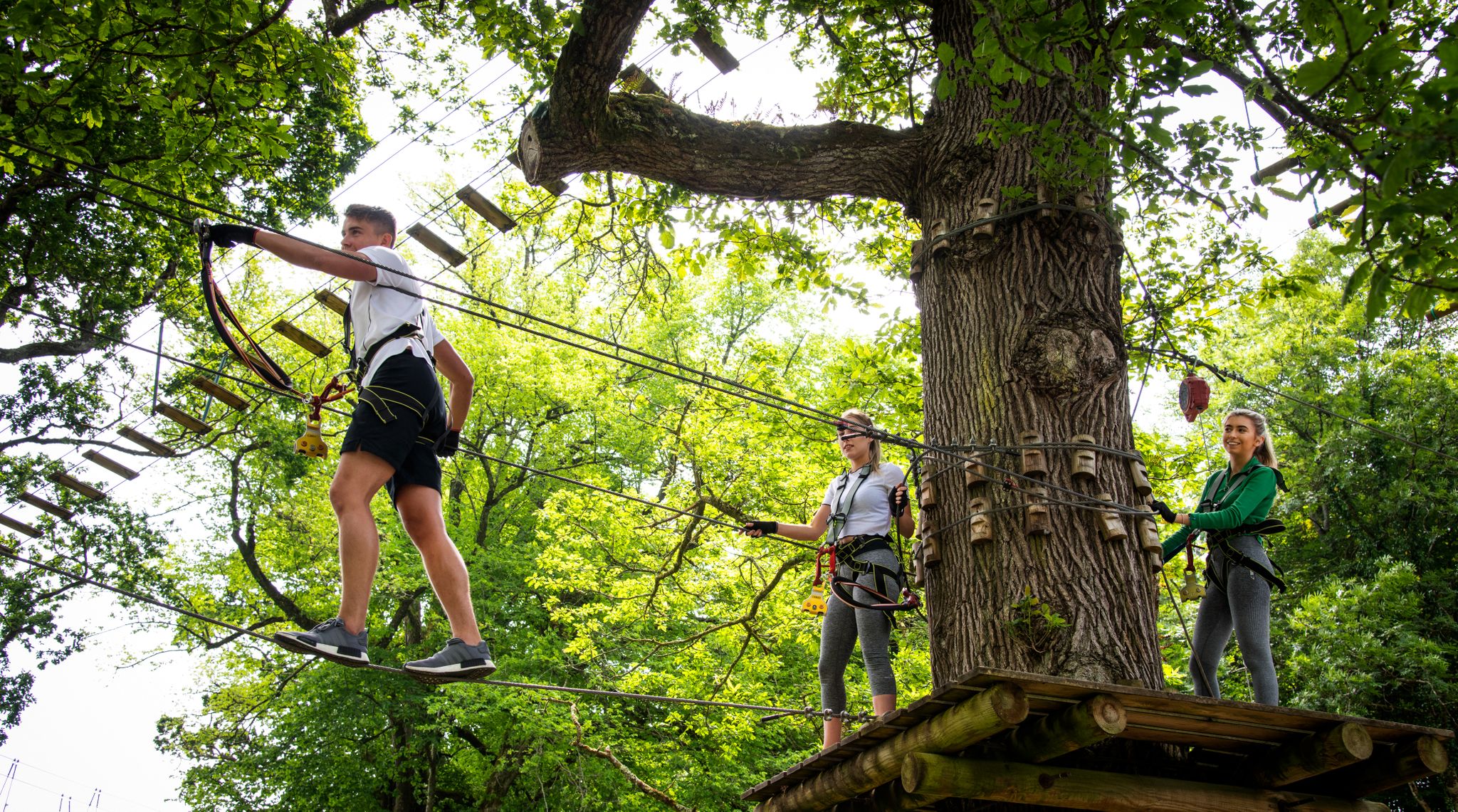
Awaken your spirit of discovery — family-friendly walks in Ireland
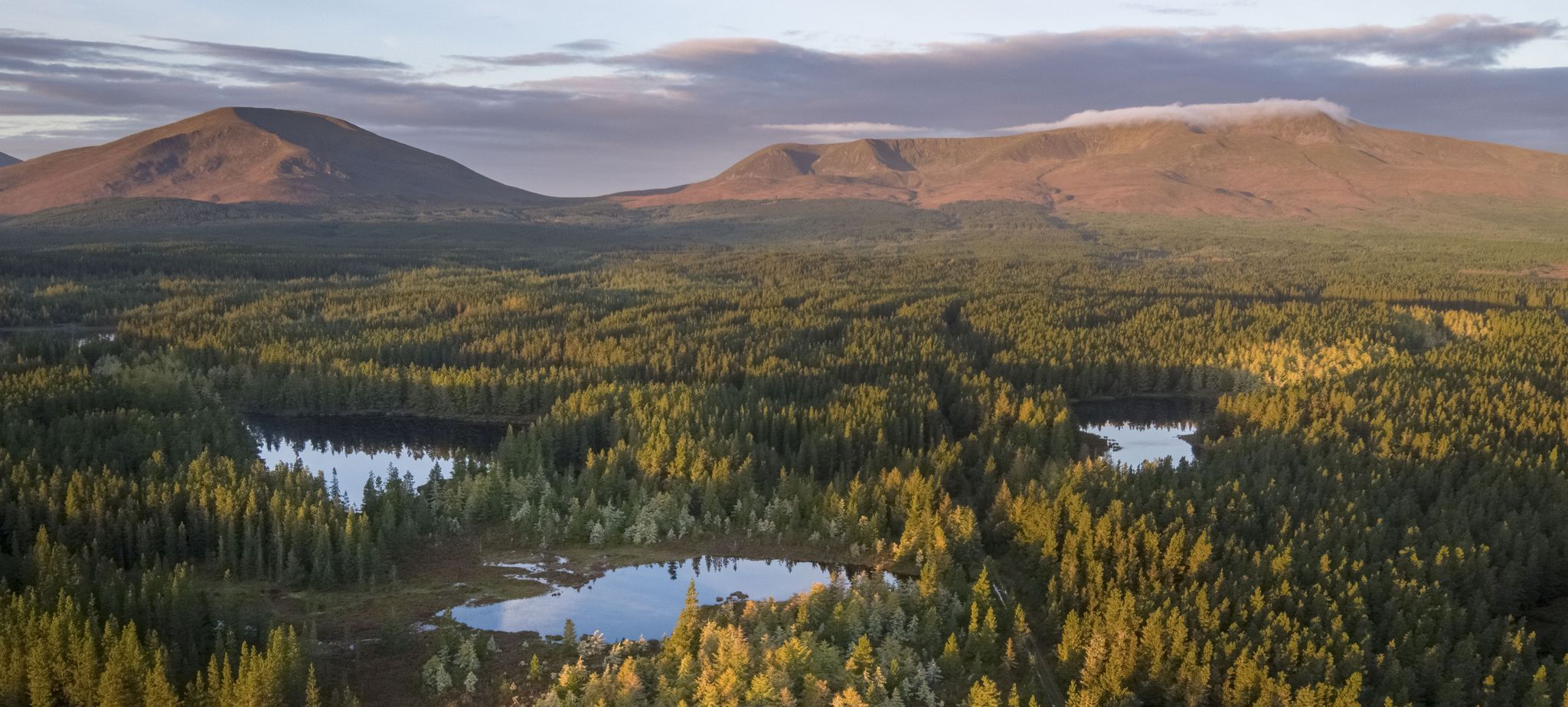
Discover Ireland's unspoilt nature in its national parks
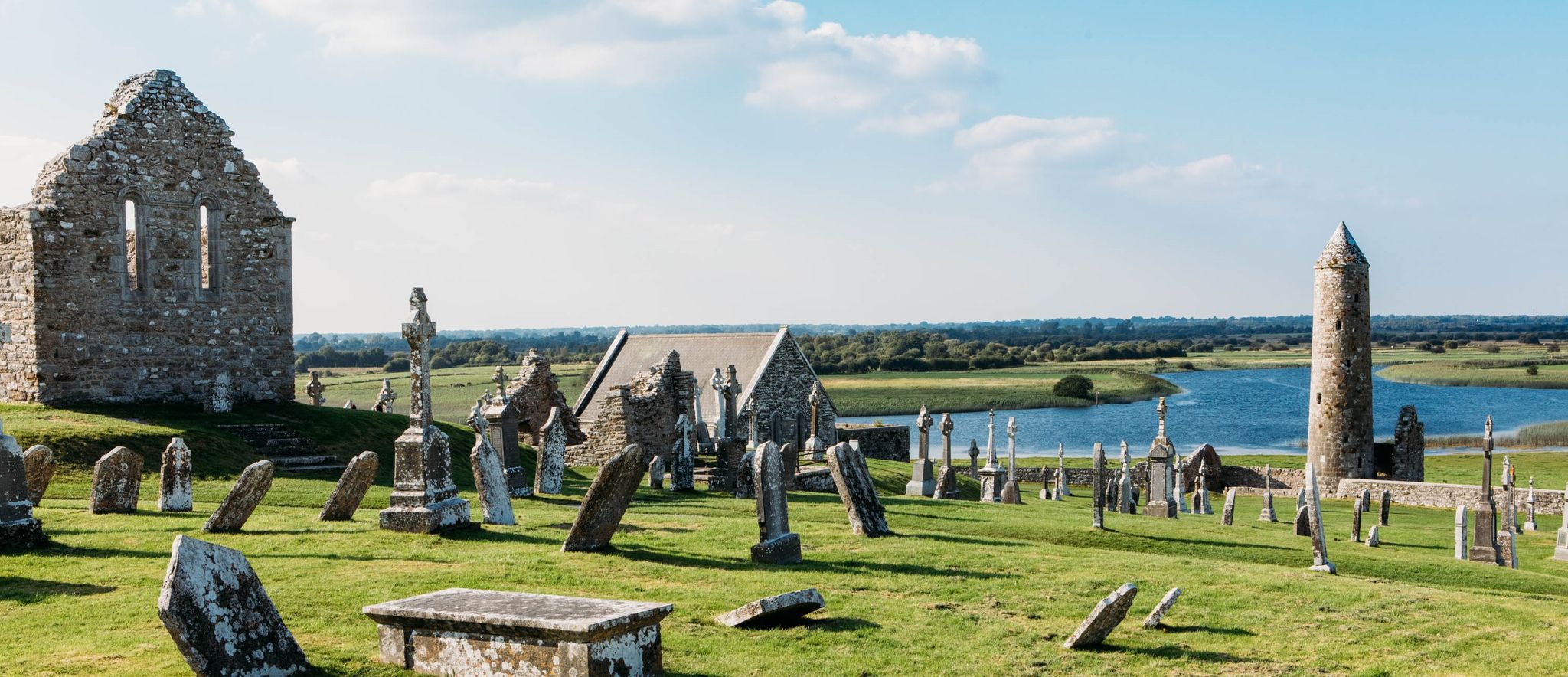
Discover Ireland's past – historical walks on the Emerald Isle
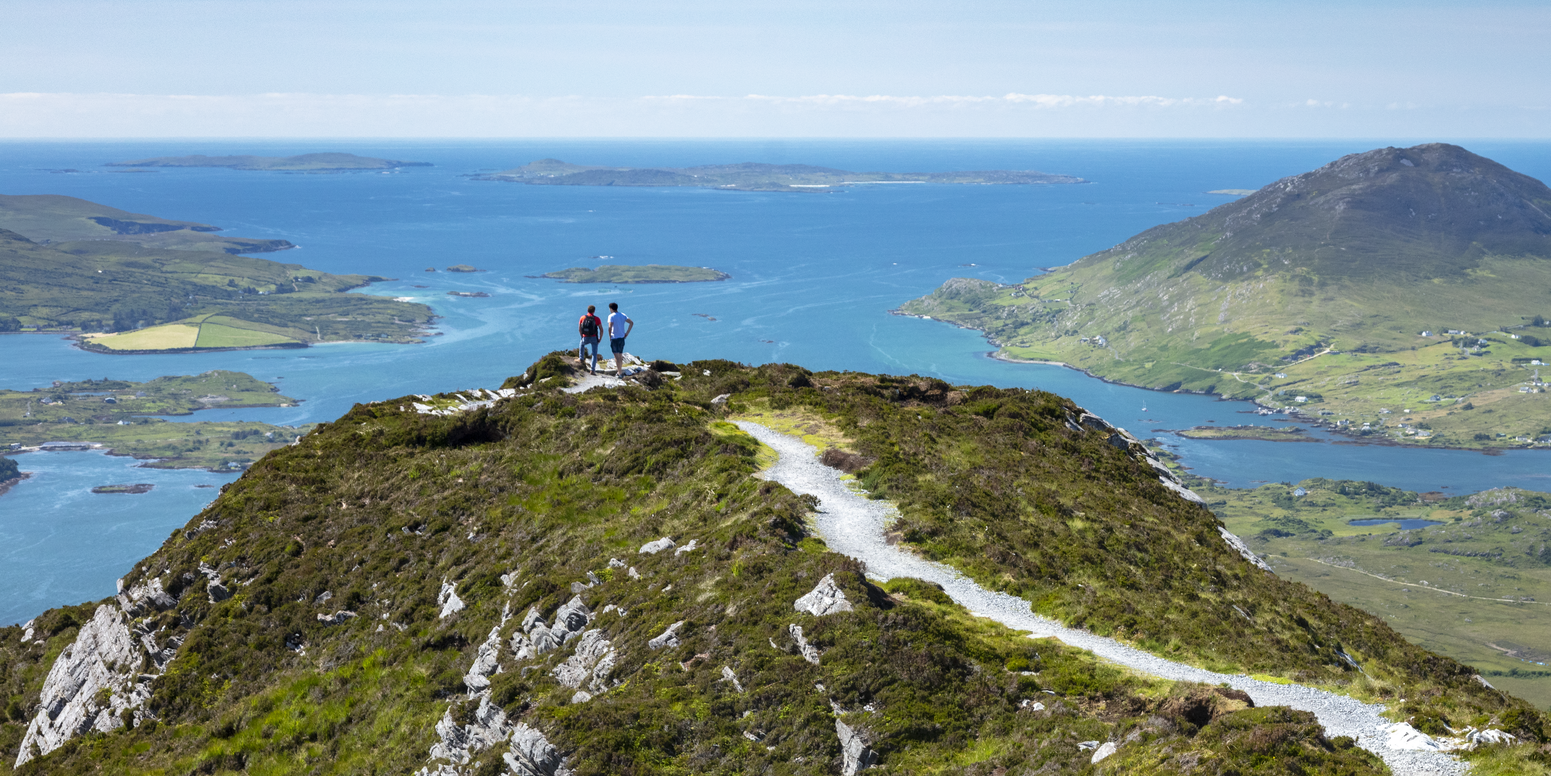
Between waves and peaks — to the best views in Ireland
Other adventures around Conamara Municipal District


Tips from the Community

The fortress is particularly worth seeing for the great view.
0
0

Cnoc Raithní (Prehistoric Ruin) Cnoc Raithní is a Bronze Age burial mound. It was previously covered in sand (like many things on Inis Oírr!) but was uncovered by a severe storm in 1885. Although perhaps not the most impressive site in the Aran Islands, it is a significant site, probably pre-dating Dún Aoghasa. The site was excavated by D. Murphy in 1886 and important artefacts were found, the remains of which are dated to 1500 BC. The site itself consists of a sand mound 21m in diameter, surrounded by a dry stone wall. Inside is a stone box made up of a circle of upright 4ft high slabs. At the top are the remains of slab-lined graves, as well as two small limestone pillars. When the stone casket was excavated, parts of a sealed urn, a smaller vessel and a bronze pin were found. The urns contained fragments of burnt bones and a charred substance. This is typical of burials during the Bronze Age from 1500 BC to 500 BC. Cremation was common and the burnt bones were often placed in decorated urns, of which there were several types - with encrustations, with collars and with cords. The urns were placed upside down in the grave, usually together with a smaller food vessel. Sometimes other objects such as daggers, needles, beads or battle axes were also placed alongside. (Source: https://www.rothai-inisoirr.com/cnoc-raithni/)
1
0
A Caisleán / O'Briens Castle Caisleán Uí Bhriain (O' Briens Castle) was built in the 14th century. It was built within an older ring fort called Dún Formna, which is thought to date from 400 BC. As well as fantastic views of the island, there are also magnificent views from the Cliffs of Moher, stretching to the left to the Burren, across Galway Bay to the 12 Pins of Connemara and to the west to Inis Meáin and Inis Mór. On a fine day you can even see the Kerry Mountains in the distance. It's worth taking your camera, especially for a spectacular sunset. The castle is a rectangular keep built by the O'Briens. They were a clan from County Clare who ruled the islands and large parts of Clare in the Middle Ages. From this castle they were able to control the shipping routes to Galway and are said to have operated protection rackets there. Due to its strategic location the castle was the subject of numerous competing interests. It was captured by the O'Flahertys around 1582 and was in use until it was supposedly captured and destroyed by Cromwell in 1652. The original entrance led to the first floor and was accessed via an external wooden staircase. Inside there was a hall taking up the whole of the first floor with an internal staircase in the SW wall leading up to the parapets. The ground floor was originally a basement with three vaulted chambers accessed from the first floor. Look out for the corbel of a watchtower which survives on the external wall and has a human face carved into it. The original Dún Formna has been restored a number of times throughout its history. It dates from the same period as the more famous Dún Aonghasa on Inis Mór and probably contained some clocháns, of which no trace remains today. (Source: https://www.rothai-inisoirr.com/an-caislean/)
1
0

what an incredible view up there and what a wind 🍀🇮🇪💚
0
0

Wonderful view over the bays and lakes of Conemara
1
0

Just walk a little further and you will find a small, beautiful, secluded beach
1
0

Nice circular route, just don't let it be too windy 🙈
0
1
Frequently Asked Questions
What are some of the most popular natural monuments to visit in Conamara Municipal District?
Visitors frequently enjoy the dramatic landscapes and unique features. Highly recommended spots include Diamond Hill Summit, known for its panoramic views of the Twelve Bens and western Connemara. Another popular choice is the View of Diamond Hill from the Stone Junction, offering fantastic vistas. For a coastal experience, Dog's Bay Beach is also a favorite.
Are there family-friendly natural monuments in Conamara Municipal District?
Yes, several natural monuments are suitable for families. Diamond Hill Summit within Connemara National Park offers well-maintained paths, and the park itself has trails like the Ellis Wood Nature Trail. Monks' Fishing House on the River Cong is another interesting historical site that families can explore, and Dog's Bay Beach is a great spot for a family outing.
What kind of natural features can I expect to see in Conamara Municipal District?
The Conamara Municipal District is rich in diverse natural features. You'll find majestic summits like Diamond Hill Summit, offering extensive viewpoints. The region also boasts stunning coastal areas, including beaches like Dog's Bay Beach, and unique geological formations such as Killary Fjord, Ireland's only natural fjord. Inland, expect to see expansive bogs, heaths, grasslands, and woodlands, particularly within Connemara National Park.
Are there historical or cultural sites that are also considered natural monuments in the area?
Yes, the region blends natural beauty with historical significance. The Monks' Fishing House on the River Cong is a historical site set within a natural riverine environment. Additionally, ancient structures like O'Brien's Castle (Dún Formna) and Dun Aonghasa, an impressive fort on Inishmore Island, are considered natural monuments due to their dramatic cliffside locations and integration with the landscape.
What outdoor activities can I do near the natural monuments in Conamara Municipal District?
The area offers a wide range of outdoor activities. You can explore numerous hiking and running trails, including challenging routes like the Diamond Hill Circular or the Glencoaghan Horseshoe. For cycling enthusiasts, there are gravel biking and road cycling routes, such as the Killary Fjord loop or the Roundstone, Clifden, Kylemore, and Inagh Valley loop. You can find more details on these activities in the Running Trails, Gravel Biking, and Road Cycling Routes guides for the Conamara Municipal District.
What is the best time to visit the natural monuments in Conamara Municipal District?
The Conamara Municipal District is beautiful year-round, but the best time to visit for outdoor activities is typically from late spring to early autumn (May to September) when the weather is milder and days are longer. This period is ideal for hiking and exploring. However, the dramatic landscapes offer a unique, rugged beauty even in the cooler, quieter months.
Are there challenging hikes available in Conamara Municipal District?
Yes, for experienced hikers, the Conamara Municipal District offers challenging terrain. The Twelve Bens mountain range, including peaks like Benbaun, provides extensive opportunities for wilderness exploration and demanding hikes. Within Connemara National Park, routes leading to the summit of Diamond Hill can be challenging, especially the upper sections. Always be prepared with appropriate gear, maps, and navigation skills for these routes.
Is public transport available to reach Connemara National Park or other natural monuments?
While public transport options exist, they can be limited, especially for reaching more remote natural monuments. Connemara National Park, a central hub for many natural attractions, is accessible by bus services from Galway City to Letterfrack. It's advisable to check current schedules and plan your journey in advance, as some areas may require a car for convenient access.
Are dogs allowed on trails at Conamara's natural monuments?
Policies regarding dogs can vary. Within Connemara National Park, dogs are generally permitted on trails but must be kept on a leash to protect wildlife and livestock. It's always best to check specific regulations for individual natural monuments or protected areas before visiting, as some sensitive habitats may have restrictions.
What do visitors enjoy most about the natural monuments in Conamara Municipal District?
Visitors consistently praise the breathtaking views and the sense of immersion in wild nature. The panoramic vistas from Diamond Hill Summit are frequently highlighted as a rewarding experience. Many appreciate the well-maintained paths and the opportunity to witness the unique geological formations and diverse ecosystems, from expansive bogs to dramatic coastlines. The overall untamed beauty and tranquility of the region are highly valued.
Are there any caves to explore in the Conamara Municipal District?
Yes, the region features interesting geological formations, including caves. One notable example is Pigeon Hole Cave, which offers a unique natural experience. Exploring caves often involves challenging terrain, so visitors should be prepared with appropriate footwear and gear.
Most popular routes around Conamara Municipal District
Most popular attractions around Conamara Municipal District

Get inspired with the komoot mobile app


Didn’t find what you were looking for?
Find even more amazing natural monuments around Conamara Municipal District by checking out the top Highlights region by region:
Explore more
Extend your search for the best caves by checking out these guides of the top ones around Conamara Municipal District:
