Top 9 Natural Monuments in Sawtooth Wilderness
Best natural monuments in Sawtooth Wilderness are found within a 217,000-acre federally protected area in central Idaho. This region is characterized by rugged terrain, featuring towering granite peaks and deep glacial valleys. It is home to nearly 400 alpine lakes, shaped by ancient geological processes and glacial activity. The wilderness offers a diverse landscape for outdoor exploration.
Best natural monuments in Sawtooth Wilderness
- The most popular natural monuments is Alpine Lake, a lake that is one of two Alpine…
Last updated: June 29, 2026
Hell Roaring Lake
Highlight • Lake
Tip by

Alpine Lake
Highlight • Lake
Tip by
Sign up now to discover places like this
Get recommendations on the best single tracks, peaks, & plenty of other exciting outdoor places.
Sign up for free
Sawtooth Lake
Highlight • Lake
Tip by
Edith Lake
Highlight • Lake
Tip by

Thompson Peak
Highlight • Summit
Tip by
Sign up for free to discover even more natural monuments in Sawtooth Wilderness.
Sign up for free
Already have an account?
Start today with a free account
Your next adventure awaits.
Login or Signup
Popular around Sawtooth Wilderness


Tips from the Community

… if you want to include Sawtooth Lake on this hike, you can spare Alpine Lake …
0
0
… if you want to see Sawtooth Lake: save energy, don’t hike down to the lake
0
0

Thompson Peak sits at 10,751 feet and is the highest mountain in the Sawtooth Range. From this exposed summit you get fantastic panoramic views of the entire range, but particularly good views of the unnamed lake below Thompson Peak, Mount Carter to the west, and Mickey's Spire to the south of the summit.
0
0
Edith Lake is a small, but stunning, alpine lake perched high up in a bowl. Sitting at 8,660 feet above sea level, this lake often remains frozen into early summer. This is a great place to take photos and relax by the water before heading up the challenging Sand Mountain Pass or returning to the trailhead.
0
0

Although its name might give you another impression, Hell Roaring Lake is a true alpine idyll with the Finger of Fate towering above the quiet water. If you want to extend your hike, there are numerous scenic lakes to the south with Imogene Lake being the largest and the closest.
5
0
This is one of two lakes within the Sawtooth Wilderness known as Alpine Lake with the other one located further south. Popular Sawtooth Lake is just half a mile from here. To hike into the wilderness, you need to obtain a wilderness permit which is available at the trailhead.
5
0
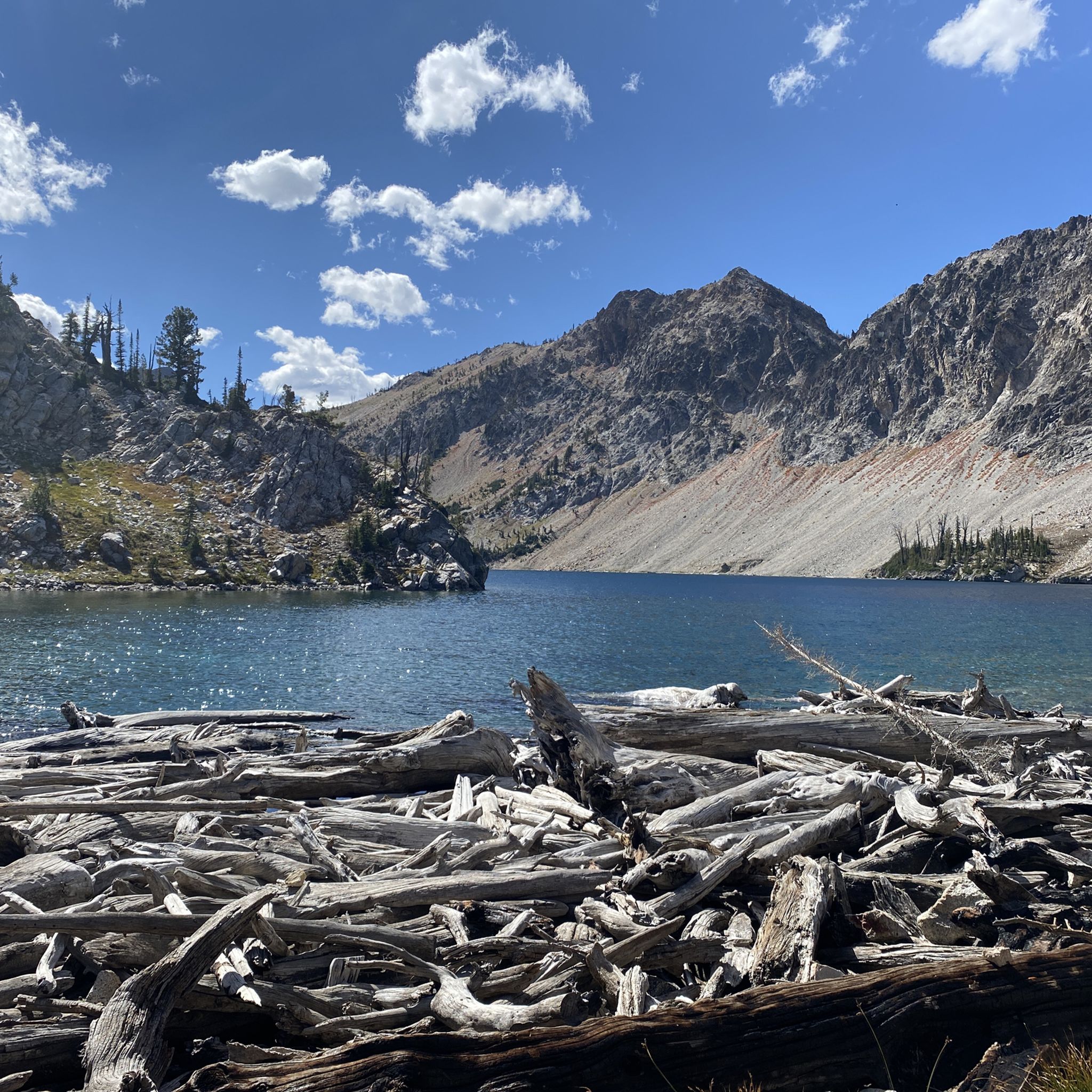
Sawtooth Lake at the base of Mount Regan is one of the biggest and most popular lakes within the Sawtooth Wilderness. Due to its elevation, it is often frozen into early summer. The easiest way to get here is to start at the Iron Creek trailhead, passing Alpine Lake on your way. You need to obtain a wilderness permit which is available at the trailhead.
5
0
Frequently Asked Questions
What are some of the most prominent natural monuments in the Sawtooth Wilderness?
The Sawtooth Wilderness is defined by its majestic Sawtooth Mountains, featuring hundreds of jagged peaks, with Thompson Peak being the highest at 10,751 feet. The region is also renowned for its nearly 400 pristine alpine lakes, including the iconic Sawtooth Lake and Alpine Lake. Glacial valleys, verdant meadows, and unique geological formations shaped by ancient glaciation also contribute to its dramatic landscape.
Are there any hidden gems or less-known natural monuments worth exploring in the Sawtooth Wilderness?
While many visitors flock to the larger lakes, the Sawtooth Wilderness holds many less-traveled spots. Middle and Upper Cramer Lake & waterfall offer a stunning hike into the heart of the wilderness, complete with a scenic waterfall. Goat Lake is another hidden gem, known for its spectacular scenery, cascading waterfalls, and challenging terrain, providing a more secluded experience.
What is the best time of year to visit the natural monuments in Sawtooth Wilderness?
The best time to visit the natural monuments in the Sawtooth Wilderness is typically from late June through September. During July and August, the alpine meadows come alive with vibrant wildflowers. Due to the high elevation, many lakes, including Sawtooth Lake, can remain frozen into early summer. Winter access is challenging, with many trails becoming impassable due to snow.
What kind of wildlife can I expect to see around the natural monuments?
The verdant valleys and alpine meadows of the Sawtooth Wilderness provide vital habitats for diverse wildlife. Visitors often spot deer, elk, and various bird species. While less common, black bears are also present in the wilderness. Maintaining a respectful distance and proper food storage is essential for both your safety and the animals'.
Are permits required to access the natural monuments in the Sawtooth Wilderness?
Yes, a free wilderness permit is required for hiking into the Sawtooth Wilderness. These permits are typically available at trailheads, such as the Iron Creek trailhead for Sawtooth Lake and Alpine Lake, or the southern ferry terminal at Redfish Lake for the Cramer Lakes. Always check for current regulations before your trip.
What are some unique geological features found in the Sawtooth Wilderness?
The Sawtooth Wilderness is a testament to its glacial past. Beyond the jagged peaks of the Sawtooth Mountains, you'll find narrow glacial valleys, moraines, horns, hanging valleys, cirques, and arêtes. Although no surface glaciers remain, perennial snowfields and rock glaciers persist, primarily on north or east-facing slopes, showcasing the dramatic forces that shaped this landscape.
Are there family-friendly hiking options to see natural monuments in the Sawtooth Wilderness?
While many trails in the Sawtooth Wilderness can be challenging, some routes offer more moderate options suitable for families. For example, the hike to Alpine Lake from the Iron Creek trailhead is a popular intermediate option. Always assess the difficulty and distance to ensure it matches your family's experience level. Shorter day hikes around the periphery of the wilderness can also be found.
What should I wear for hiking to natural monuments in the Sawtooth Wilderness?
Given the variable alpine weather, layering is key. Wear moisture-wicking base layers, insulating mid-layers, and a waterproof/windproof outer shell. Sturdy hiking boots with good ankle support are essential for the rugged terrain. Don't forget sun protection (hat, sunglasses, sunscreen) and be prepared for sudden temperature drops, even in summer.
Are there any loop trails that allow me to see multiple natural monuments?
Yes, the Sawtooth Wilderness offers several multi-day loop trails that connect various alpine lakes and scenic viewpoints. A notable example is the Imogene Lake to Toxaway Lake to Alice Lake Loop, which covers a significant distance and showcases multiple natural monuments. These loops typically require backpacking experience and proper planning.
What outdoor activities can I do near the natural monuments in Sawtooth Wilderness?
The Sawtooth Wilderness is a prime destination for outdoor enthusiasts. Besides exploring the natural monuments, you can enjoy extensive hiking, backpacking, and mountain climbing. The numerous alpine lakes offer opportunities for fishing and camping. For more detailed hiking routes and options, you can explore the Hiking in Sawtooth Wilderness guide, which includes trails like the Bench Lakes Trail and the Redfish Lake to Alpine Lake route.
What makes the air quality in the Sawtooth Wilderness special?
The Sawtooth Wilderness is noted for having some of the clearest air in the continental United States. This exceptional air quality significantly enhances the experience of its outstanding scenery, providing crisp, unobstructed views of the majestic peaks and pristine landscapes.
Can I bring my dog on trails to the natural monuments?
Dogs are generally allowed in the Sawtooth Wilderness, but they must be kept on a leash to protect wildlife and ensure a pleasant experience for all visitors. Always practice Leave No Trace principles, including packing out all pet waste. Check specific trail regulations before you go, as some areas might have restrictions.
Most popular routes in Sawtooth Wilderness
Most popular attractions in Sawtooth Wilderness

Get inspired with the komoot mobile app


