Top 5 Natural Monuments in Mazatzal Wilderness
Best natural monuments in Mazatzal Wilderness span over 252,500 acres across the Tonto and Coconino National Forests in Arizona. This rugged landscape features diverse natural elements, including Arizona's sole Wild River Area, the Verde River, and Mazatzal Peak, the highest point at 7,903 feet. The wilderness showcases a variety of ecosystems, transitioning from desert cacti along the Verde River to pines at higher elevations. These natural features contribute to the region's unique geological and ecological significance.
Best natural monuments in…
Last updated: June 29, 2026
Whiterock Spring
Highlight • Natural Monument
Tip by

Bear Spring
Highlight • Natural Monument
Tip by
Sign up now to discover places like this
Get recommendations on the best single tracks, peaks, & plenty of other exciting outdoor places.
Sign up for free
AZT Halfway Point
Highlight • Trail
Tip by
Chilson Spring
Highlight • Natural Monument
Tip by
Endless wilderness view
Highlight • Viewpoint
Tip by
Start today with a free account
Your next adventure awaits.
Login or Signup
Popular around Mazatzal Wilderness
Other adventures in Mazatzal Wilderness

Tips from the Community

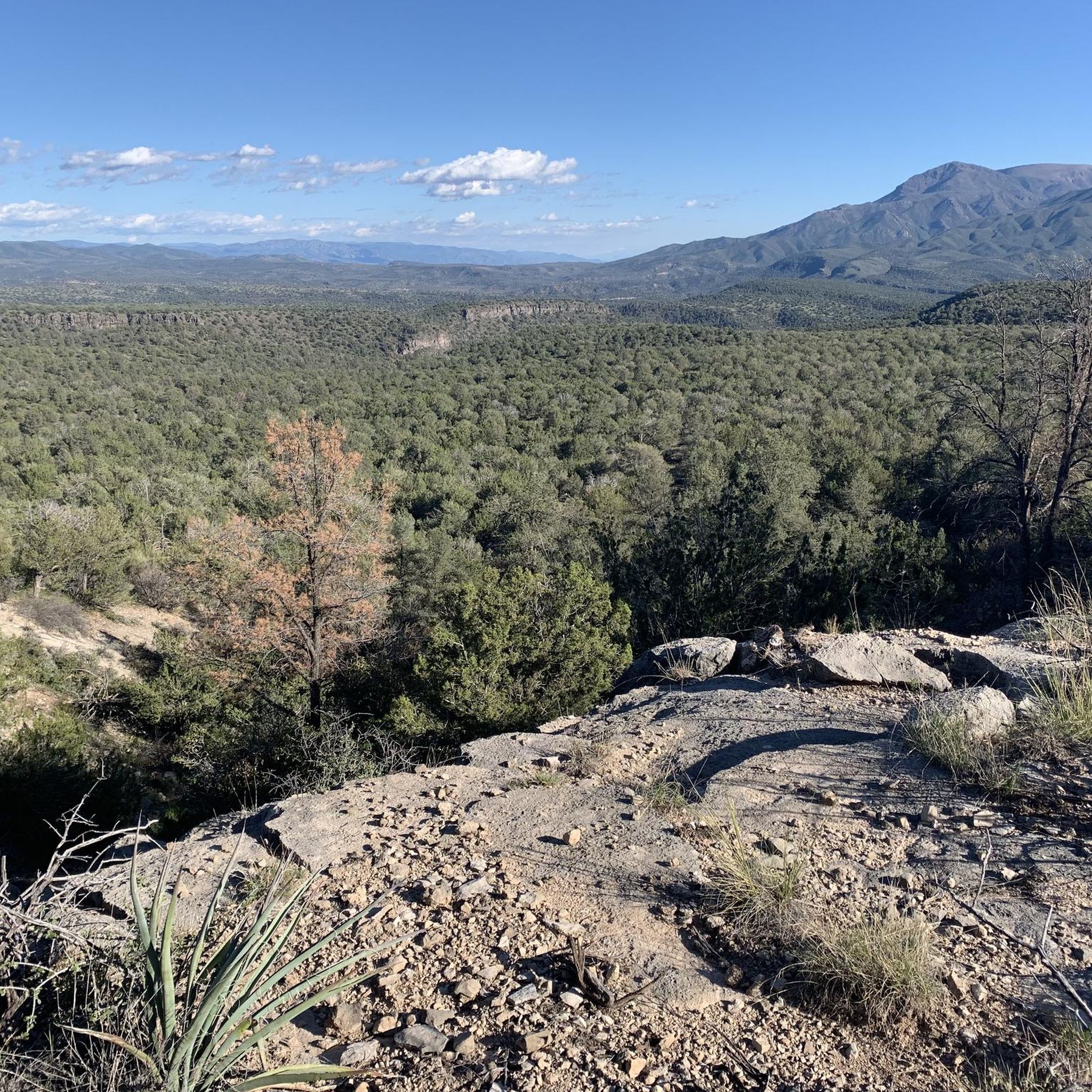
Reaching this location, you might be overwhelmed by the sheer infinity of the Mazaztal Wilderness. On a sunny day, you can even see Mount Humphrey in the far distance.
3
1
The metal tub contains the clearest spring water you can find on the trail. Since the next water sources are almost all cow tanks, it's worth taking some more of the good water with you. Nearby you will find some good places for your tent with breathtaking views.
4
1
Chilson Spring is located a few feet uphill from the trail. A wildlife camera records what is happening, but the water is very good quality after filtering.
5
1
Bear Spring is the first water source after climbing Mazatzal Peak. There are some wonderful camping opportunities along the trail, and the spring itself is located about 400 yards east of the Arizona Trail.
5
1
By the time you get here, you'll be halfway through the 800-mile Arizona Trail. Two small cairns on either side of the trail mark this important point.
2
1
Frequently Asked Questions
What are some notable natural features to explore in Mazatzal Wilderness beyond specific monuments?
Beyond specific highlights, the Mazatzal Wilderness is home to the Verde River, Arizona's sole Wild River Area, offering diverse riparian terrain and stream fishing. You can also explore the rugged canyons in the central and eastern parts of the wilderness, which hide seasonal waterfalls and vibrant greenery. The diverse ecosystems transition from desert cacti along the Verde River to pines at higher elevations, providing endless vistas.
Are there any natural springs in Mazatzal Wilderness that are good for hikers?
Yes, several natural springs serve as vital water sources for hikers. Whiterock Spring is known for having some of the clearest spring water on the trail, with nearby areas offering excellent camping spots. Bear Spring is another important water source, especially after climbing Mazatzal Peak, and also provides wonderful camping opportunities. Additionally, Chilson Spring offers good quality water after filtering.
What kind of views can I expect in Mazatzal Wilderness?
The Mazatzal Wilderness offers expansive and breathtaking views. From Endless wilderness view, you can witness the sheer vastness of the area, with Mount Humphrey visible on a clear day. Mazatzal Peak, the highest point, provides panoramic vistas stretching across the Valley of the Sun and north to the Mogollon Rim. The diverse ecosystems, ranging from desert to pine forests, also contribute to varied and scenic landscapes.
What are the best hiking trails to access natural monuments in Mazatzal Wilderness?
Several trails offer access to the wilderness's natural features. The Verde River Trail #11 runs parallel to much of the Verde River. The Mazatzal Divide Trail (#23) passes near Mazatzal Peak and is a starting point for summit attempts. For canyon views and seasonal waterfalls, the Barnhardt Trail (#43) is a popular choice. You can find more hiking options in the Hiking in Mazatzal Wilderness guide.
Are there any easy hiking options to see natural features in Mazatzal Wilderness?
Yes, there are easier trails available. For example, the Verde Hot Springs route is an easy 4 km hike. Other easy options include the Mount Peeley Trail and various loops like the Pine Creek, Anna Mae, Gowan, and Waterfall Loop. You can explore more easy routes in the Easy hikes in Mazatzal Wilderness guide.
What is the highest point in Mazatzal Wilderness and how can I reach it?
The highest point in the wilderness is Mazatzal Peak, standing at 7,903 feet. While reaching the summit requires off-trail navigation skills, the Mazatzal Divide Trail (#23) passes nearby and serves as a starting point for those attempting the challenging journey. The views from the top are panoramic.
Can I find waterfalls in Mazatzal Wilderness?
Yes, the central and eastern parts of the wilderness are characterized by narrow, vertical-walled canyons that hide 'hidden gems of nature,' including seasonal waterfalls. The Barnhardt Trail (#43) is a popular route that leads through spectacular canyon views and features a seasonal waterfall, offering increasingly dramatic vistas as you ascend.
What is unique about the Verde River in Mazatzal Wilderness?
The Verde River is unique because it holds the distinction of being Arizona's sole Wild River Area, designated by the U.S. Congress. This makes it a significant ecological corridor, offering diverse riparian terrain, swimming holes, and stream fishing for trout, which are stocked weekly from April to September.
What is the best time of year to visit Mazatzal Wilderness for natural monuments?
The Mazatzal Wilderness offers diverse experiences throughout the year. Spring and fall generally provide the most pleasant temperatures for hiking and exploring. During these seasons, you can enjoy comfortable weather before the intense summer heat or winter cold. Seasonal waterfalls are more prominent after rainfall, typically in late winter or spring.
Are there any less crowded natural spots or 'hidden gems' in Mazatzal Wilderness?
The Mazatzal Wilderness itself is considered an underrated gem, offering solitude and spectacular scenery for those willing to explore its rugged terrain. While specific 'hidden gems' are often discovered through exploration, the remote canyons in the central and eastern parts, with their seasonal waterfalls and vibrant greenery, offer a sense of discovery away from more frequented paths. The springs like Whiterock Spring and Bear Spring, while known to hikers, still provide tranquil camping opportunities.
What wildlife might I encounter in Mazatzal Wilderness?
The Mazatzal Wilderness is rich in wildlife, living up to its name which means 'land of the deer' in an old Indian culture. Visitors might encounter various species adapted to its diverse ecosystems, from desert to pine forests. Keep an eye out for deer, javelina, and a variety of bird species. Observing wildlife often requires patience and quiet exploration.
Are permits required to visit natural monuments in Mazatzal Wilderness?
Generally, permits are not required for day hiking or backpacking in the Mazatzal Wilderness. However, it's always advisable to check with the Tonto National Forest or Coconino National Forest for the most current regulations, especially concerning campfires, group sizes, or specific activities. Some areas might require a Tonto Pass for parking at certain trailheads.
What should I pack for hiking in Mazatzal Wilderness?
Given the rugged and diverse terrain, essential packing includes plenty of water, as sources can be scarce between springs. Sturdy hiking boots, sun protection (hat, sunscreen), layers of clothing for changing temperatures, and navigation tools (map, compass, or GPS) are highly recommended. For overnight trips, a water filter and camping gear are necessary. Always pack out everything you pack in.
Most popular routes in Mazatzal Wilderness
Most popular attractions in Mazatzal Wilderness

Get inspired with the komoot mobile app


Explore more
Extend your search for the best caves by checking out these guides of the top ones in Mazatzal Wilderness:
