Top 7 Natural Monuments in Eagle Cap Wilderness
Best natural monuments in Eagle Cap Wilderness are found within Oregon's Wallowa Mountains, a vast area of nearly 360,000 acres. This wilderness is characterized by high alpine lakes, rugged granite peaks, and glaciated valleys. The landscape features dramatic U-shaped valleys and bare granite ridges, showcasing its glacial history. It offers a diverse environment with thick timber in lower valleys transitioning to scattered alpine timber at higher elevations.
Best natural monuments in Eagle Cap Wilderness
- The most popular natural monuments is…
Last updated: May 1, 2026
Ice Lake
Highlight • Lake
Tip by

Matterhorn
Highlight • Summit
Tip by
Sign up now to discover places like this
Get recommendations on the best single tracks, peaks, & plenty of other exciting outdoor places.
Sign up for free
Mirror Lake (Eagle Cap Wilderness)
Highlight • Lake
Tip by
Adam Creek Falls
Highlight • Waterfall
Tip by
Horton Pass
Highlight (Segment) • Mountain Pass
Tip by

Sign up for free to discover even more natural monuments in Eagle Cap Wilderness.
Sign up for free
Already have an account?
Start today with a free account
Your next adventure awaits.
Login or Signup
Popular around Eagle Cap Wilderness
Tips from the Community

This pass connects the East Eagle Valley with the Lakes Basin. This pass is technical in nature, but the trail is easy to follow and in fairly good condition. There is not much water between the start of the western climb and Upper Lake on the eastern side, so be sure to load up before you climb up and over.
0
0
Mirror Lake is one of the most popular destinations in the Wallowa Mountains, so don't be surprised when you find a lot of people camping along its shores. Most maps show a camping symbol on the northwest corner of the lake; this is where people will likely head to set up camp (it's where we went in the dark!). If you are willing to hike further to the east, you'll find some great locations (try crossing the creek on the east side - really great camps up on the granite!). Be sure to pitch your tent at least 100 feet from the lakes or wetlands - you will be asked to move by the rangers if you set up too close.
0
0
The trail to the summit of the Matterhorn is fairly well defined even as a user trail. Accessing this summit is one of the easier options in the area and provides sweeping views of the surrounding peaks.
0
0

On your way up to Ice Lake, you can spot the rushing Adam Creek Falls. The falls are not accessible at this location, but you can get to Adam Creek a little further down.
3
0
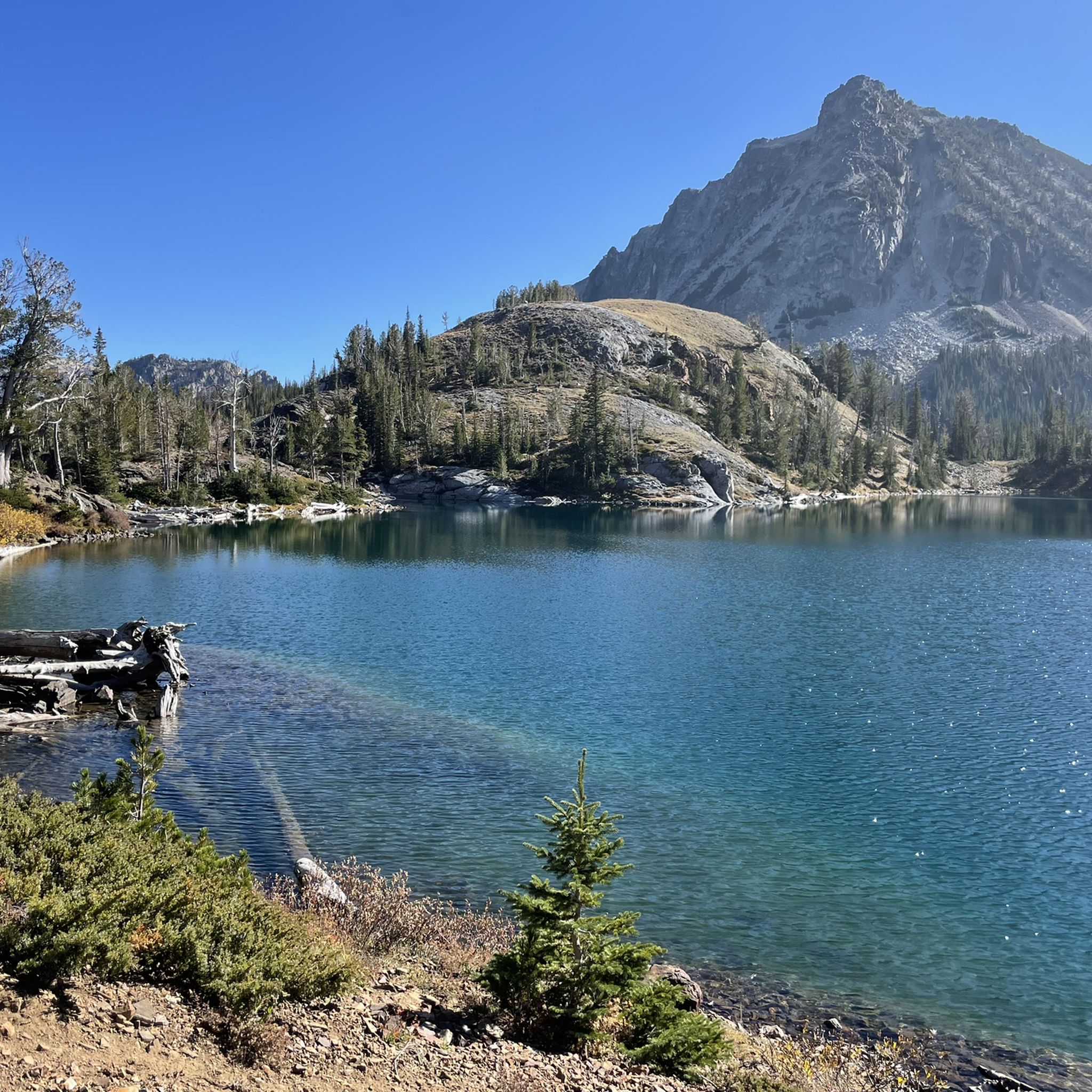
Mirror Lake is a beautiful alpine lake nestled into the Eagle Cap Wilderness of the Wallowa Mountains. You can pitch your tent, but campfires are not allowed.
2
0
Getting up to the summit of the Matterhorn is not easy. The trail is sometimes fairly visible and very steep and rocky in places. But once you are up here, you will be treated with an exceptional view over the Wallowa Mountains all around you. Keep your eyes peeled as there are mountain goats roaming the area.
4
0
Ice Lake is a stunning lake in the Wallowa Mountains. It has crystal-clear water and is surrounded by towering mountains like the Matterhorn (which is accessible via a strenuous trail). There are some campsites above Ice Lake and you can also fish for trout. Since it is quite close to the trailhead, it is a very popular hike. If you prefer solitude, hike there during early spring or in fall.
4
0
Frequently Asked Questions
What are some of the most scenic natural monuments in Eagle Cap Wilderness?
The Eagle Cap Wilderness is renowned for its stunning natural beauty. Among the most scenic are Ice Lake, known for its crystal-clear waters and towering surrounding mountains, and Mirror Lake, famous for its reflective qualities, especially at dawn. The entire wilderness is characterized by dramatic U-shaped glaciated valleys and bare granite peaks, offering breathtaking vistas.
Which natural monuments offer the best panoramic views?
For sweeping panoramic views of the Wallowa Mountains, consider hiking to the summit of Matterhorn. While challenging, it's considered one of the more accessible options for such vistas. Additionally, Eagle Cap Summit, at 9,577 feet, provides superb 360-degree views, making the strenuous hike incredibly rewarding.
Are there any unique geological formations to see in the Eagle Cap Wilderness?
Yes, the Eagle Cap Wilderness is a geological marvel. The landscape is dominated by dramatic U-shaped glaciated valleys and rugged granite peaks and ridges, testaments to the area's glacial history. You can also find Adam Creek Falls, a rushing waterfall visible along the route to Ice Lake, and Legore Lake, which holds the distinction of being Oregon's highest true lake at 8,950 feet.
What outdoor activities can I do near these natural monuments?
The Eagle Cap Wilderness offers a wealth of outdoor activities. You can explore various hiking trails, including those leading to Ice Lake or Mirror Lake. For more specific hiking routes, you can check out guides like Hiking in Eagle Cap Wilderness, which includes trails like Chimney Lake via Bowman Trail or Lakes Basin via East Fork Lostine Trail. Camping and fishing are also popular activities, especially at Ice Lake.
Can I camp near the natural monuments in Eagle Cap Wilderness?
Yes, camping is permitted in many areas. There are campsites available above Ice Lake. Mirror Lake is also a popular camping destination, though campfires are not allowed there. When camping, always pitch your tent at least 100 feet from lakes or wetlands to protect the fragile environment.
What is the difficulty level of trails to these natural monuments?
Trail difficulties vary. The hike to Ice Lake is considered strenuous. Reaching the summit of Matterhorn is challenging, with steep and rocky sections. Horton Pass is technical but has a well-maintained trail. Eagle Cap Summit also involves a challenging hike. Always be prepared for rugged terrain and significant elevation gains.
When is the best time to visit the natural monuments in Eagle Cap Wilderness?
The best time to visit often depends on your preference for solitude and conditions. For places like Ice Lake, if you prefer solitude, consider visiting during early spring or in the fall. July is particularly beautiful for seeing abundant wildflowers in areas like Hawkins Pass and along Cliff Creek, enhancing the visual appeal of the wilderness.
What kind of wildlife can I expect to see?
The Eagle Cap Wilderness is home to various wildlife. Keep your eyes peeled when hiking to the summit of Matterhorn, as mountain goats are frequently spotted roaming the area. The wilderness also supports a diverse ecosystem, so you might encounter other alpine species.
Are there any less crowded natural monuments or times to visit for more solitude?
Many of the popular spots, like Ice Lake and Mirror Lake, can get crowded, especially during peak season. To experience more solitude, consider visiting in early spring or late fall. Exploring less-trafficked trails or venturing deeper into the wilderness away from the main lake basins can also offer a more secluded experience.
Are there any waterfall hikes near the natural monuments?
Yes, the Eagle Cap Wilderness features beautiful waterfalls. Adam Creek Falls is a notable rushing waterfall visible along the route to Ice Lake. For more dedicated waterfall excursions, you can explore routes mentioned in the Waterfall hikes in Eagle Cap Wilderness guide, such as Echo Lake via Hurricane Creek Trail.
What should I know about water availability on trails like Horton Pass?
When tackling trails like Horton Pass, it's crucial to plan for water. There is not much water available between the start of the western climb and Upper Lake on the eastern side. Always be sure to load up on water before you begin your ascent over the pass to stay hydrated.
Most popular routes in Eagle Cap Wilderness
Most popular attractions in Eagle Cap Wilderness

Get inspired with the komoot mobile app


Explore more
Extend your search for the best caves by checking out these guides of the top ones in Eagle Cap Wilderness:
