Paria Canyon-Vermilion Cliffs Wilderness
Paria Canyon-Vermilion Cliffs Wilderness
Top 9 Natural Monuments in Paria Canyon-Vermilion Cliffs Wilderness
Best natural monuments in Paria Canyon-Vermilion Cliffs Wilderness are found in a geological wonderland spanning northern Arizona and southern Utah. This region is characterized by vibrant, swirling sandstone formations, dramatic cliffs, and intricate slot canyons carved over millions of years. The area offers a rare sense of solitude amidst its rugged terrain, showcasing a blend of visual marvels and challenging conditions. Ancient petroglyphs and footprints also hint at the area's cultural significance.
Best natural monuments in Paria Canyon-Vermilion Cliffs Wilderness
- The most popular natural monuments is The Wave, a natural monument that features mesmerizing, wave-like sandstone patterns. Access is strictly limited to 20 visitors per day, requiring a permit obtained through a lottery system.
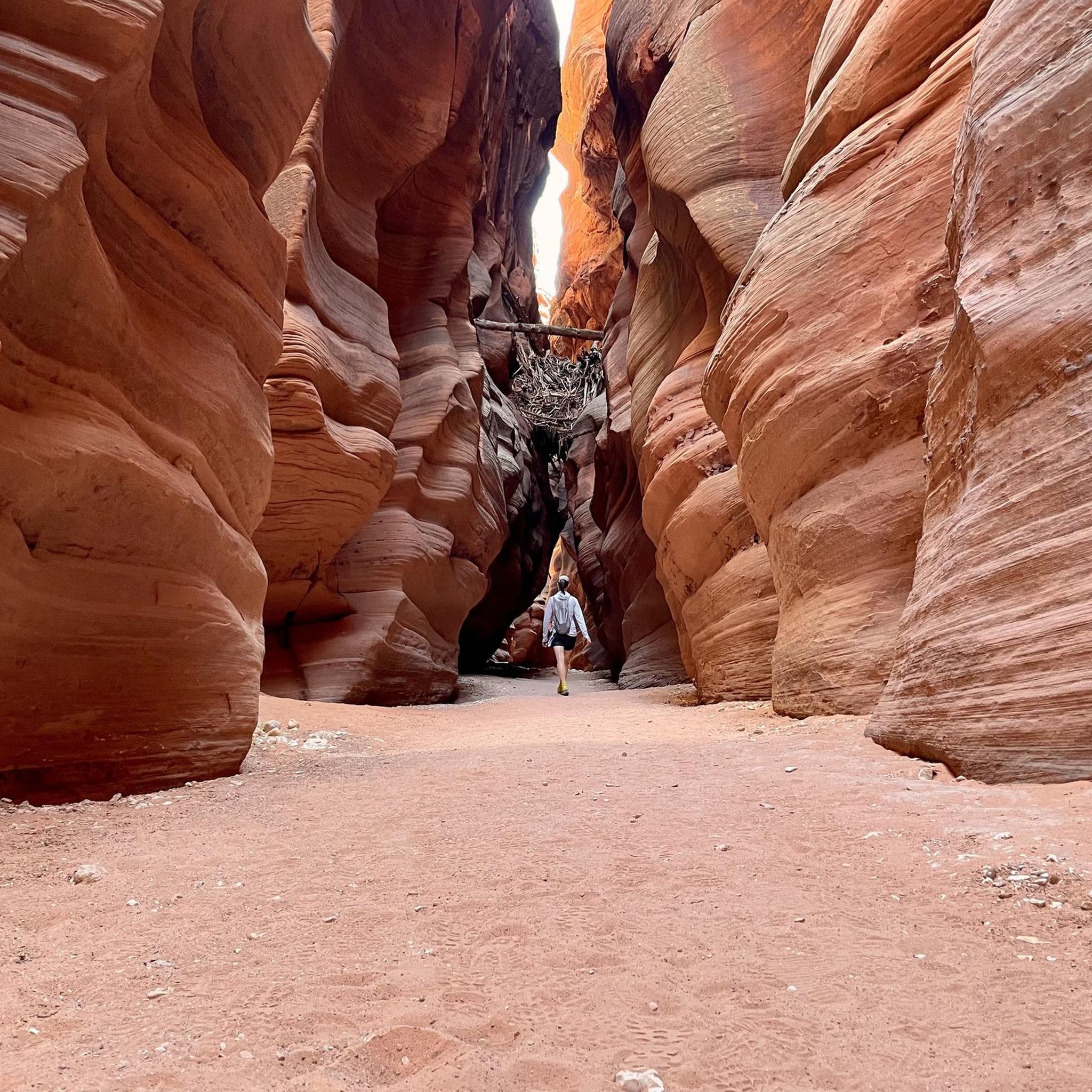
- Another must-see spot is Wire Pass Slot Canyon, a narrow canyon that connects to Buckskin Gulch. Its sections can be less than 3 feet wide, with sunlight illuminating the sandstone walls.
- Visitors also love Coyote Buttes South (Brain Rocks), a natural monument featuring colorful rock formations. This permit area also contains petroglyphs and requires 4-wheel drive high clearance for access.
- Paria Canyon-Vermilion Cliffs Wilderness is known for its slot canyons, sandstone formations, and towering cliffs. Visitors can explore a variety of natural monuments, including unique rock formations and deep canyons.
- The natural monuments in Paria Canyon-Vermilion Cliffs Wilderness are appreciated by the komoot community, with 22 upvotes and 13 photos shared.
Last updated: August 22, 2026
The Wave
Highlight • Natural Monument
If you did not get a permit, there is still a chance to get one on short notice since a number of walk-in permits are available every day. Therefore you have to be at the Grand Staircase Escalante National Monument Visitors Center one day before you want to go to The Wave as early as possible. The Visitors Center opens at 8 a.m., lottery is done at 9 a.m.
Tip by

Wire Pass Slot Canyon
Highlight (Segment) • Canyon
Translated by Google •
Tip by

Sign up now to discover places like this
Get recommendations on the best single tracks, peaks, & plenty of other exciting outdoor places.
Sign up for free
Coyote Buttes South (Brain Rocks)
Highlight • Natural Monument
Tip by

The Elephants
Highlight • Natural Monument
Tip by

Melody Arch
Highlight • Natural Monument
If you did not get a permit, there is still a chance to get one on short notice since a number of walk-in permits are available every day. Therefore you have to be at the Grand Staircase Escalante National Monument Visitors Center one day before you want to go to the area as early as possible. The Visitors Center opens at 8 a.m., lottery is done at 9 a.m.
Tip by
Sign up for free to discover even more natural monuments in Paria Canyon-Vermilion Cliffs Wilderness.
Sign up for free
Already have an account?
Start today with a free account
Your next adventure awaits.
Login or Signup
Popular around Paria Canyon-Vermilion Cliffs Wilderness
Tips from the Community

be aware, my phone was constantly jumping from one time zone to another, so it was difficult to have a right time if you hike with friends and split at some point
0
0
Permit Area, difficult access, 4 wheels high clearance needed. We played lottery to be able to win the access permit. The BLM Office gave us a detailed description of the access. We took a House Rock Valley Road (BLM 1065) and then Red Pocket Road till Cottonwood Cove Access Point. We couldn't drive fast, so it took un about 2h30 by 4X4 to get at the Trailhead. FUN Fact: the coyote buttes are situated very close to the border between UTAH and ARIZONA. The mobile phone was constantly jumping from UTAH timezone to Arizona Time zone + 1h -1h. so if you hike with friends and give an appointment be aware of the timezone!
0
0

These are some more amazing rock formations on the south end of the National Monument. These Brain Rock formations are colorful and there are plenty of petroglyphs to be seen around as well.
0
0

There's a gap there about 2 meters high, which you'll only be able to manage if you're a really fit climber! Otherwise, just take the bypass, which is MUCH easier.
2
0
Currently costs $6 per person per day!
1
0

Inside Upper Buckskin Gulch Canyon, hikers can spot two large red sandstone formations that get their names from their resemblance to elephants.
0
0
This short drainage canyon connects to the much longer Buckskin Gulch Canyon, which saves hikers miles of hiking through less exciting sections of Buckskin just to get access to the more exciting parts. Wire Pass has sections that are less than three feet wide. Due to Wire Pass's shorter canyon walls, the sunlight illuminates the sandstone walls more fully. Sometimes the sunlight can reach the floor of the canyon, which can create a reflection effect, making for some really cool photographs.
0
2
Frequently Asked Questions
How do I get a permit to visit The Wave?
Access to The Wave is strictly limited to 20 visitors per day to protect the delicate formations. You must apply for a permit through a lottery system, either online four months in advance or in person for walk-in permits the day before your planned visit. The hike itself is a physically demanding 6.4-mile round trip with no developed trails, requiring navigation with a route description and photo guide.
What are some popular hiking trails in Paria Canyon-Vermilion Cliffs Wilderness?
The wilderness offers a variety of trails. Popular options include the challenging Wire Pass to White House Trail, the moderate Wire Pass to Buckskin Gulch Trail, and the easier Upper Buckskin Gulch Trail. For more details on these and other routes, you can explore the Hiking in Paria Canyon-Vermilion Cliffs Wilderness guide.
Are there any family-friendly natural monuments or hikes in the area?
While many areas are rugged, some sections can be more accessible. For example, the Upper Buckskin Gulch Trail is rated as easy. When planning, consider the difficulty ratings of specific routes. Always check current conditions and ensure your family is prepared for the remote and challenging nature of the wilderness. You can find more easy options in the Easy hikes in Paria Canyon-Vermilion Cliffs Wilderness guide.
What unique geological features can I expect to see?
The region is a geological wonderland. You'll encounter vibrant, swirling sandstone formations, dramatic cliffs, and intricate slot canyons. Beyond The Wave's iconic patterns, explore the towering walls of Buckskin Gulch, the multicolored Vermilion Cliffs, and the unique 'Brain Rocks' at Coyote Buttes South. White Pocket is also known for its otherworldly and delicate sandstone formations.
What is the best time of year to visit Paria Canyon-Vermilion Cliffs Wilderness?
Spring and fall generally offer the most pleasant weather for visiting, with milder temperatures. Summers can be extremely hot, and flash flood risks are higher during monsoon season (typically July-September). Winters can bring cold temperatures and occasional snow, but also a unique sense of solitude. Always check weather forecasts and road conditions before your trip.
What should I wear for hiking in Paria Canyon, especially in the fall?
Layering is key for fall hiking due to temperature fluctuations. Wear moisture-wicking base layers, insulating mid-layers, and a wind/water-resistant outer shell. Sturdy hiking boots are essential, and for trails like the Paria River Trail where you might be hiking through water, well-ventilated trail runners with gusseted tongues and gaiters are recommended to allow water to drain while keeping out sand and rocks.
Are there any hidden gems or less-known natural monuments worth exploring?
Beyond the famous The Wave, areas like White Pocket offer unique and delicate sandstone formations described as 'otherworldly.' Coyote Buttes South also provides stunning, colorful rock formations and petroglyphs, though both require permits and often 4-wheel drive access. Inside Upper Buckskin Gulch Canyon, you can also find 'The Elephants,' two large red sandstone formations resembling their namesakes.
What kind of wildlife can I expect to see, and is it good for wildlife photography?
The wilderness supports diverse desert flora and fauna. While specific sightings are never guaranteed, you might encounter various bird species, reptiles, and mammals adapted to the arid environment. The remote nature and dramatic landscapes provide excellent opportunities for capturing wildlife in their natural habitat, especially during quieter times of day.
What is the significance of Paria Canyon-Vermilion Cliffs Wilderness beyond its natural beauty?
The area holds significant cultural importance, with ancient petroglyphs and footprints hinting at the presence of Native American peoples who once inhabited this land. The geological formations themselves tell a story of millions of years of erosion and natural processes, making it a living museum of Earth's history.
What are the main differences between Buckskin Gulch and The Wave?
Buckskin Gulch is renowned as one of the longest and narrowest slot canyons in the world, offering an immersive experience through towering walls that can narrow to just three feet. It's known for its length and the unique feeling of being deep within the earth. The Wave, on the other hand, is famous for its visually striking, swirling sandstone patterns and bold color bands on an open rock face. While both are challenging, The Wave requires a strict permit system due to its delicate nature and specific visual appeal, whereas Buckskin Gulch is more about the slot canyon experience itself, with flash flood risks being a primary concern.
Where can I find information about current conditions and safety warnings?
Given the remote and challenging nature of the wilderness, it is crucial to check current conditions before your visit. For official information on permits, road conditions, and safety warnings, especially regarding flash floods, it is highly recommended to consult the Bureau of Land Management (BLM) website: blm.gov/visit/paria-canyon-vermilion-cliffs-wilderness. You can also visit ranger stations for updated information.
Most popular routes in Paria Canyon-Vermilion Cliffs Wilderness
Most popular attractions in Paria Canyon-Vermilion Cliffs Wilderness

Get inspired with the komoot mobile app


Explore more
Extend your search for the best caves by checking out these guides of the top ones in Paria Canyon-Vermilion Cliffs Wilderness:
