Glacier Peak Wilderness
Glacier Peak Wilderness
Top 7 Natural Monuments in Glacier Peak Wilderness
Natural monuments in Glacier Peak Wilderness are characterized by a rugged landscape of glacier-crowned peaks, heavily forested stream courses, and steep-sided valleys. This vast area in Washington's North Cascades features Glacier Peak, a remote stratovolcano and the wilderness's namesake, standing at 10,541 feet (3,213 m). The region contains numerous active glaciers, over 200 lakes, and extensive old-growth forests. These features offer opportunities for exploration and appreciation of pristine wilderness.
Best natural monuments in Glacier Peak Wilderness
- The most popular natural…
Last updated: June 29, 2026
Grassy Ridge junction
Highlight • Viewpoint
Tip by

Agnes Gorge
Highlight • Gorge
Tip by
Sign up now to discover places like this
Get recommendations on the best single tracks, peaks, & plenty of other exciting outdoor places.
Sign up for free
Indian Pass
Highlight • Mountain Pass
Tip by
Mica Lake
Highlight • Lake
Tip by
Image Lake & campsite
Highlight • Lake
Tip by
Sign up for free to discover even more natural monuments in Glacier Peak Wilderness.
Sign up for free
Already have an account?
Start today with a free account
Your next adventure awaits.
Login or Signup
Popular around Glacier Peak Wilderness
Tips from the Community

Image Lake lies within the stunning Glacier Peak Wilderness and is a detour from the iconic Pacific Crest Trail. You can camp along the lake and enjoy the view towards the snow-capped Glacier Peak.
1
0
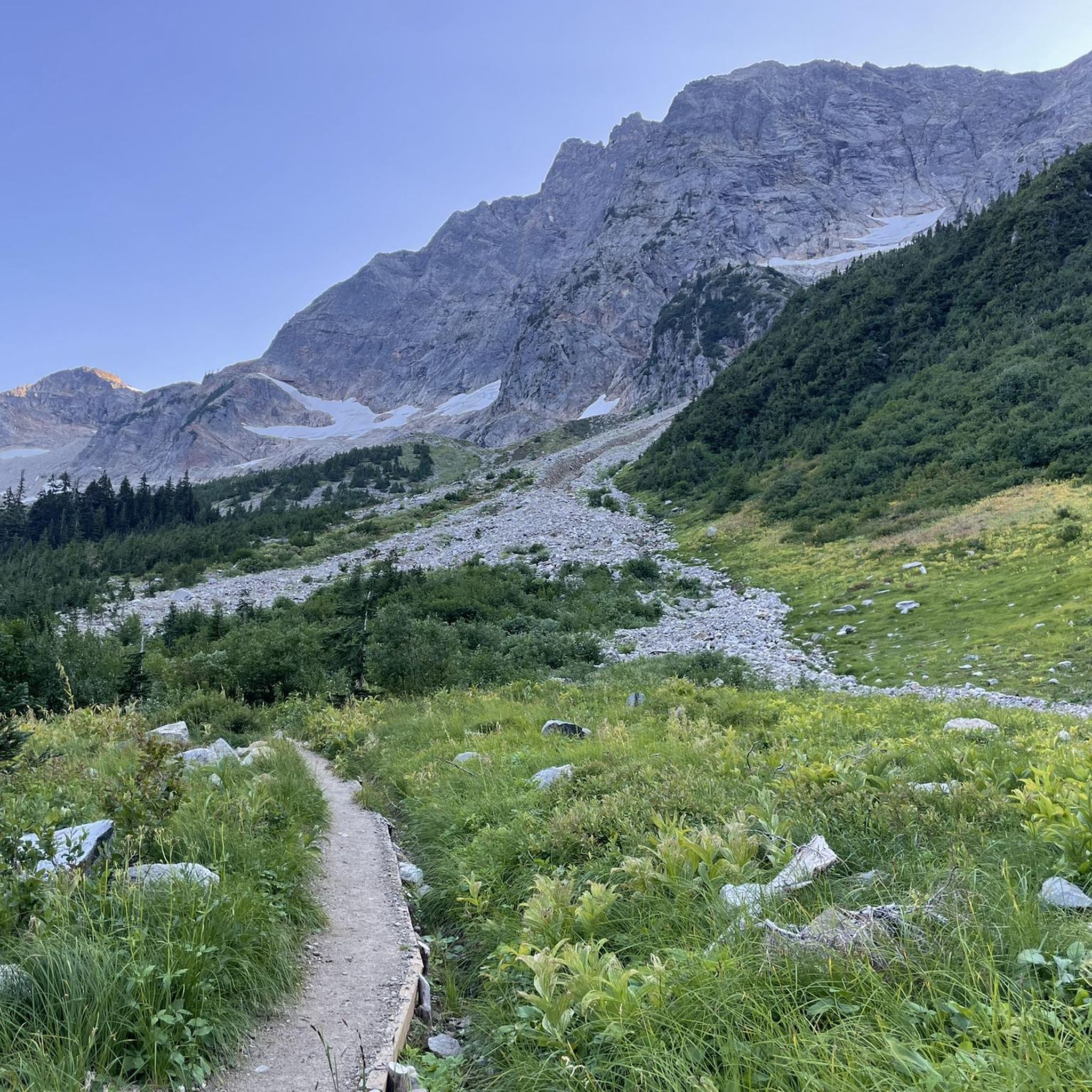
Dome Peak, Seven Fingered Jack and Bonanza Peak are just a few of the towering mountains that will take your breath away when you hike along Grassy Ridge. It is one of the prime views within Glacier Peak Wilderness if you hike along the Pacific Crest Trail. A little further north you will find a nice campspot if you want to enjoy the panorama a little longer.
4
0
Mica Lake is a picture perfect alpine lake high up in the Glacier Peak Wilderness. The turquoise clear water is a great source to fill up your bottles. There are also some unique campsites next to the lake with some human-made rock walls to protect you from harsh winds.
5
0
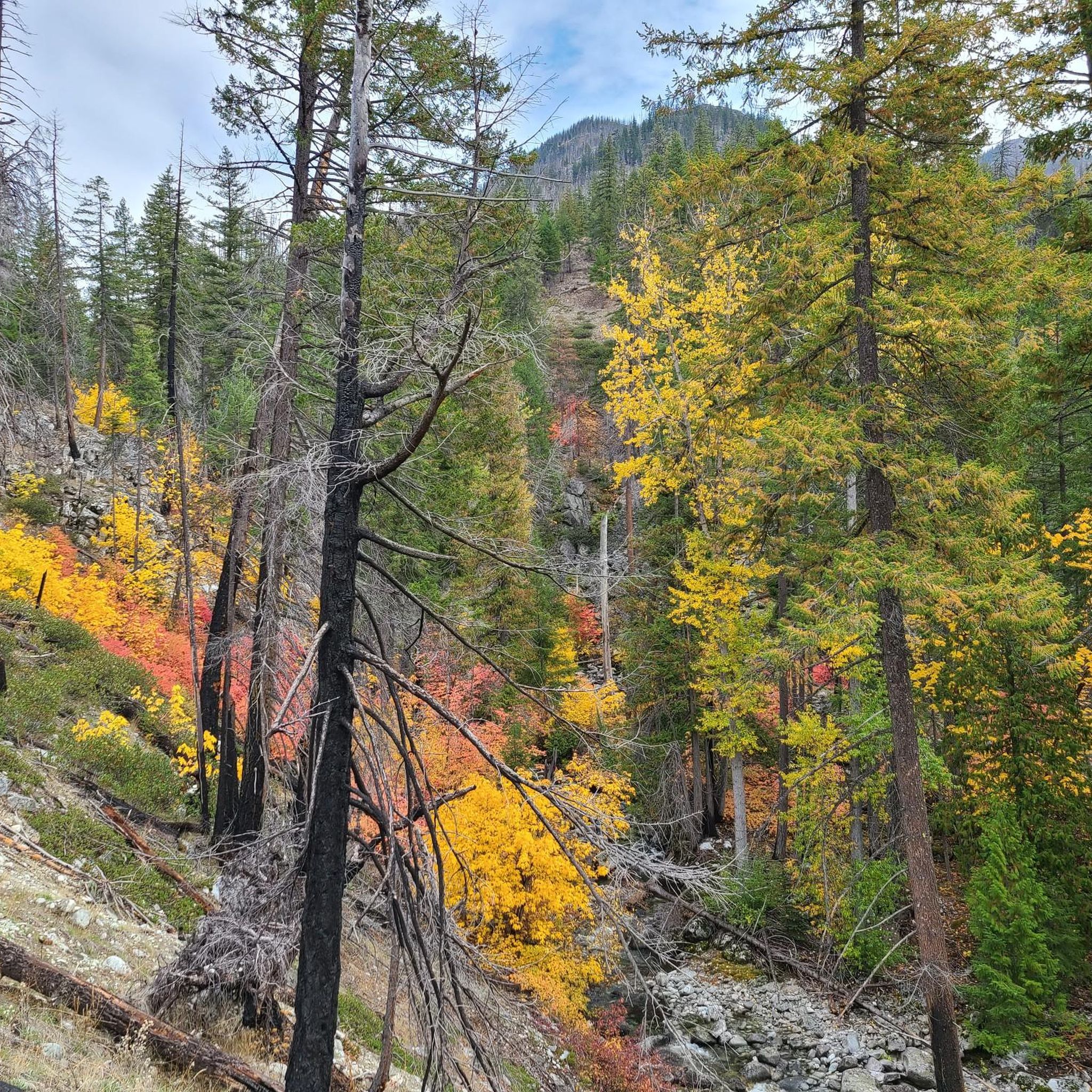
This is one of the not so obvious passes. A former backcountry road leads over Indian Pass that is especially beautiful if it is decorated with fall colors from the high grass and the abundant blueberry bushes.
4
0
Take a short hike into the scenic gorge that rushing Agnes Creek has carved into the landscape. On your way back, enjoy a great view towards towering McGregor Mountain.
3
0
Frequently Asked Questions
What are some of the most notable natural monuments in Glacier Peak Wilderness?
The Glacier Peak Wilderness is home to several impressive natural monuments. You can experience breathtaking panoramic views from Grassy Ridge junction, which offers vistas of Dome Peak, Seven Fingered Jack, and Bonanza Peak. Another significant feature is Agnes Gorge, a scenic gorge carved by rushing Agnes Creek. Don't miss Indian Pass, known for its vibrant fall colors from high grass and abundant blueberry bushes.
What kind of natural features can I expect to see in Glacier Peak Wilderness?
The wilderness is characterized by dramatic glacier-crowned peaks, heavily forested stream courses, and steep-sided valleys. You'll find numerous active glaciers, over 200 lakes (many remote and unnamed), and extensive old-growth forests. The dominant feature is Glacier Peak itself, a remote stratovolcano. You can also find alpine lakes like Mica Lake, known for its turquoise clear water.
What is the best time of year to visit the natural monuments in Glacier Peak Wilderness?
Due to heavy snowfall, most trails and passes in Glacier Peak Wilderness are typically only snow-free by mid-August. Therefore, late summer, from mid-August through early fall, is generally the best time to visit for optimal hiking conditions and access to higher elevations. Be prepared for snow and cold rain even in mid-summer.
Are there family-friendly natural monuments or trails in the area?
While much of the Glacier Peak Wilderness offers challenging terrain, there are some easier options. For instance, you can find easy hikes like the Monkey Bear Falls Trail or the Howard Lake trail via the PCT, which are listed in the Easy hikes in Glacier Peak Wilderness guide. These can provide a more accessible way for families to experience the natural beauty.
What wildlife might I encounter while exploring the natural monuments?
The old-growth forests and deep valleys of Glacier Peak Wilderness provide critical habitat for a diverse array of wildlife. You might spot deer, elk, black bear, mountain goat, and cougar. Marten and lynx are also present, with occasional sightings of wolverines and gray wolves, making wildlife spotting a rewarding experience for observant visitors.
What should I wear or bring for a visit to the natural monuments?
Given the rugged and unpredictable conditions, even in summer, it's essential to be prepared. Layers of clothing are recommended, including waterproof and windproof outer shells, as snow and cold rain can occur in mid-summer. Sturdy hiking boots, navigation tools, sufficient water, and food are crucial. For higher elevations or early/late season visits, be prepared for snow and ice.
Can I find less crowded natural monuments in Glacier Peak Wilderness?
Many of the lakes and glaciers beyond Glacier Peak itself are remote and difficult to access, ensuring a truly solitary wilderness experience for those willing to venture off the beaten path. These hidden basins and cirques offer pristine environments away from more frequented trails, perfect for solitude.
Are there opportunities for hiking near these natural monuments?
Absolutely. The Glacier Peak Wilderness is a prime destination for hiking. You can find a variety of trails, from moderate to difficult, that lead to or pass by many natural monuments. For example, the Pacific Crest Trail traverses about 60 miles of the wilderness. You can explore routes like the Cloudy Pass Trail to Hart Lake or the Green Mountain Trail. More options are available in the Hiking in Glacier Peak Wilderness guide.
What are some of the unique geological features of Glacier Peak itself?
Glacier Peak is a remote stratovolcano, standing at 10,541 feet (3,213 m). It is the third most heavily glaciated volcano in the lower forty-eight states. The peak is a volcanic cone of basalt, pumice, and ash, formed during periods of heavy glaciation. It's notable for having had large eruptions in the past 15,000 years and features more active glaciers than any other place in the lower 48 states.
How can I experience panoramic views of the North Cascades?
For remarkable panoramic views, consider hiking along Grassy Ridge junction, especially if you're on the Pacific Crest Trail, where you can see Dome Peak, Seven Fingered Jack, and Bonanza Peak. Another excellent viewpoint is Fire Creek Pass, renowned for its stunning vistas of Glacier Peak and the rugged surrounding terrain.
Are there any lakes or water features to visit?
Yes, beyond Glacier Peak, the wilderness contains over 200 lakes, many of which are remote and unnamed. These ice-cold creeks and bodies of water are often found in cirques and hidden basins. Mica Lake is a beautiful alpine example. These lakes offer opportunities for fishing, particularly for cutthroat trout, during ice-free months.
What is the Pacific Crest Trail's role in exploring the wilderness?
The Pacific Crest Trail (PCT) traverses approximately 60 miles through the Glacier Peak Wilderness, offering hikers an immersive journey through many of its natural monuments. It provides access to stunning viewpoints like Grassy Ridge junction and allows for a deep exploration of the area's diverse landscapes.
What are the conditions like during winter in Glacier Peak Wilderness?
Winter in Glacier Peak Wilderness is characterized by heavy snowfall, making most trails and passes inaccessible until mid-August. Even in mid-summer, snow and cold rain can occur. Winter access is extremely challenging and typically reserved for experienced mountaineers with appropriate gear and expertise in avalanche safety and winter wilderness travel.
Most popular attractions in Glacier Peak Wilderness

Get inspired with the komoot mobile app


Explore more
Extend your search for the best caves by checking out these guides of the top ones in Glacier Peak Wilderness:
