Top 9 Natural Monuments around White Rock
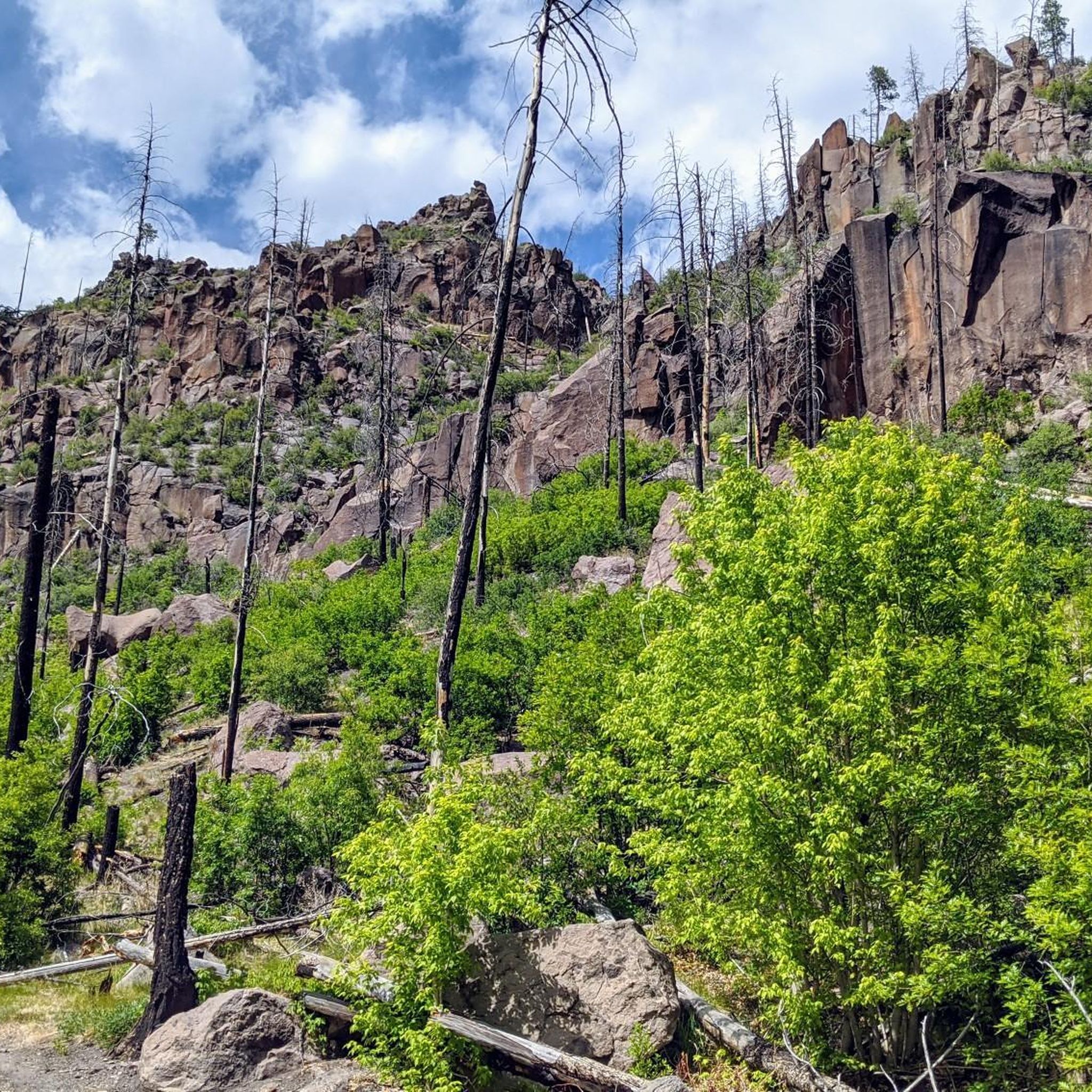
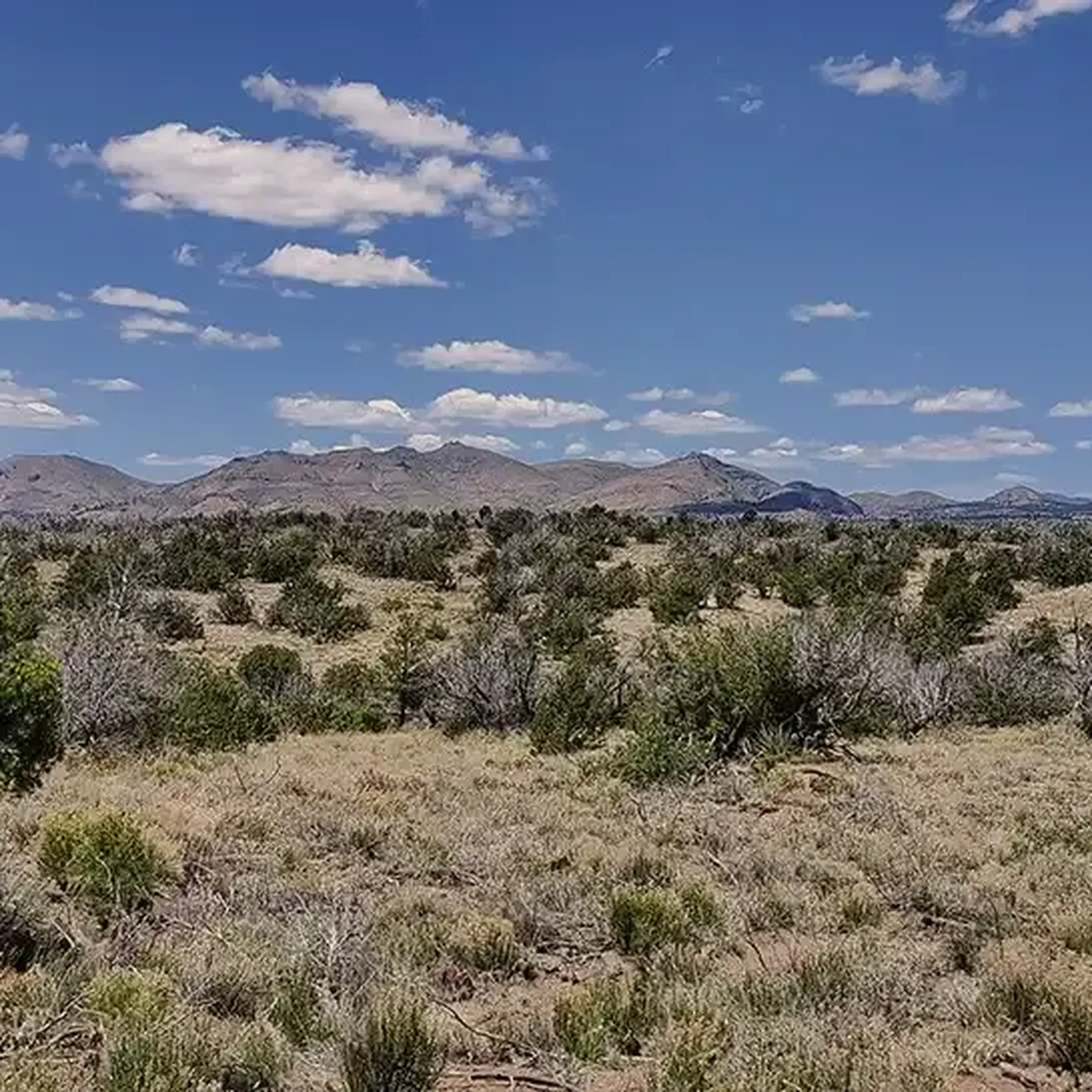
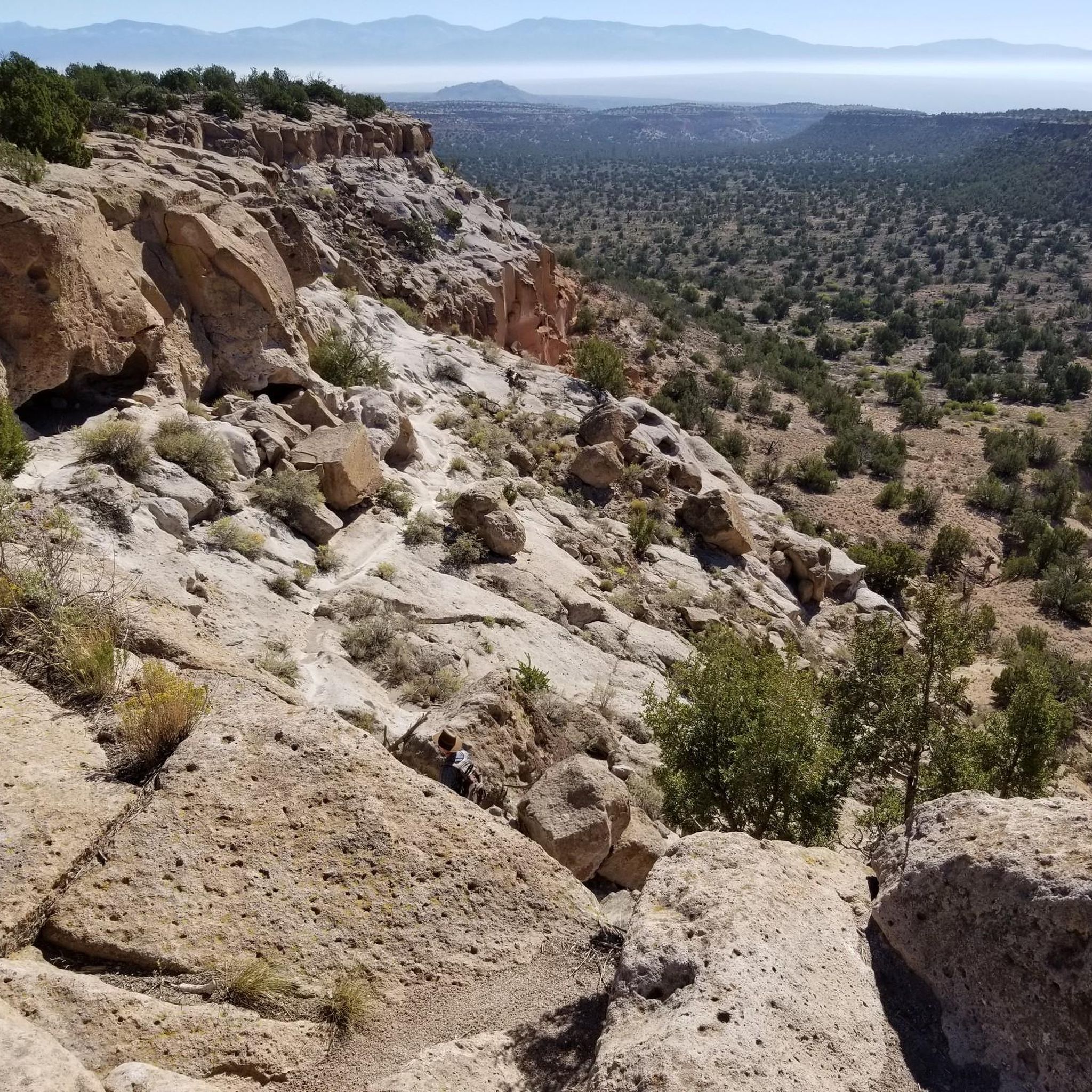
Best natural monuments around White Rock include sites preserving the homes and territory of the Ancestral Puebloans. This region features a diverse landscape, from the Rio Grande to the peak of Cerro Grande, encompassing a wide range of life zones and wildlife habitats. The area is characterized by its Pajarito Plateau setting, on the slopes of the Jemez Volcanic field. It protects Ancestral Pueblo archeological sites, a scenic environment, and significant historical districts.
Best natural monuments around White Rock
- The…
Last updated: October 13, 2026
Bandelier National Monument
Highlight • Natural Monument
Tip by

Alcove House
Highlight • Cave
Tip by

Sign up now to discover places like this
Get recommendations on the best single tracks, peaks, & plenty of other exciting outdoor places.
Cavates
Highlight • Cave
Tip by

Frijoles Falls
Highlight • Waterfall
Tip by

Petroglyphs
Highlight • Historical Site
Tip by
Sign up for free to discover even more natural monuments around White Rock.
Already have an account?
Start today with a free account
Your next adventure awaits.

Tips from the Community

Lower Frijoles Falls is the last stop on the Falls Trail before it terminates. Here, hikers get a view over the Lower Frijoles Falls, where, in different seasons, water can be flowing low or rushing out! In the winter months, it gets cold enough for ice cycles to form around the falls. The canyon around the falls has multicolored rocks and foliage that changes with the seasons as well.
0
0

The trail passes by large panels of petroglyphs (carved pictures), that are thought to be hundreds of years old. Although their exact meaning is unknown, they are most likely not a type of written language, but rather held deep spiritual and artistic significance to ancient (and modern) indigenous people. There are many petroglyphs in this area, so be sure to take your time to try to find all of them - many of them blend in with their surroundings! Like in most archeological sites, please do not touch these ancient carvings.
0
0
The cavetes are located just below the ancient central village plaza in the cliff bands that make up the mesa. These cavates (human excavated cavities) were places where people could take shelter from the elements; the thick stone walls provided insulation from both the cold of winter and heat of summer. Talus pueblos were also most-likely constructed in front of the entrance to the cavates to further protect people from wind, rain, snow, and perhaps most importantly in the desert, heat. Please only enter cavetes that are immediately adjacent to the trail - the other cavets are dangerous to access.
0
0

This alcove is located 140 feet above the floor of Frijoles Canyon and once housed 25 Ancestral Pueblo people. The Alcove House is now accessed by a series of wooden ladders.
0
0
Bandelier National Monument was designated as a natural monument in 1916 by President Woodrow Wilson to preserve the homes and territory of the Ancestral Puebloans. Most of the pueblo structures in the monument date back to between 1150 and 1600 AD.
0
0

Cave that can only be reached via steep ladders.
0
0

The Rito de los Frijoles is about 13 miles long. At this location in the Bandelier National Monument, it cascades over rocks as the Upper and Lower Frijoles Falls. A refreshing destination for a hike.
3
0

Frequently Asked Questions
What historical natural monuments can I explore around White Rock?
The region around White Rock is rich in historical natural monuments, primarily preserving the homes and territory of the Ancestral Puebloans. Key sites include Bandelier National Monument, which features over 70 miles of hiking trails and protects numerous archeological sites. You can also visit Alcove House, a cave and historical site located 140 feet above the floor of Frijoles Canyon, accessed by wooden ladders.
Are there any unique geological features or caves to visit?
Yes, the area offers unique geological features and human-excavated caves. You can explore Cavates, which are human-excavated cavities that provided shelter from the elements, with thick stone walls offering insulation. These are located just below the ancient central village plaza in the cliff bands.
What kind of ancient art or carvings can be seen?
Visitors can discover Petroglyphs, which are large panels of carved pictures thought to be hundreds of years old. These ancient carvings hold deep spiritual and artistic significance to indigenous people. Take your time to find them, as many blend in with their surroundings, but please do not touch them.
Are there any waterfalls in the natural monument areas?
Yes, you can find Frijoles Falls within the natural monument area. The Rito de los Frijoles cascades over rocks as the Upper and Lower Frijoles Falls, offering a refreshing destination for a hike. In winter, it gets cold enough for ice cycles to form around the falls.
What outdoor activities are available near these natural monuments?
The region offers a variety of outdoor activities. You can find numerous running trails, such as the challenging Frijoles Trail to Yapashi Pueblo ruins loop, or easier options like the Tsankawi Trail. For hiking, popular routes include the Main Loop and Alcove House Trail, and the Falls Trail. Mountain biking enthusiasts can explore trails like the Potrillo Canyon and Ruin Mesa Loop. For more details on these activities, visit the Running Trails around White Rock, Hiking around White Rock, and MTB Trails around White Rock guides.
Are there family-friendly natural monuments or trails?
Many of the natural monuments and trails are suitable for families. For instance, the Main Loop and Alcove House Trail is an easy hiking option. Exploring the Bandelier National Monument offers educational opportunities about Ancestral Puebloan history, which can be engaging for children.
What is the difficulty level of hiking trails in the area?
Hiking trails around the natural monuments vary in difficulty. You can find easy trails like the Main Loop and Alcove House Trail or the Tsankawi Loop Trail. There are also moderate options such as the Frey Trail, and more difficult routes like the Frijoles Trail to Yapashi Pueblo ruins loop for experienced hikers. Always check the specific trail details before you go.
What is the best time to visit the natural monuments?
The natural monuments offer different experiences throughout the year. The canyon around Frijoles Falls has multicolored rocks and foliage that changes with the seasons, making autumn particularly scenic. In winter months, it gets cold enough for ice cycles to form around the falls, offering a unique view. Summer provides warmer weather for exploring the extensive trail system.
What kind of wildlife can be observed?
The region encompasses a wide range of life zones and wildlife habitats, from the Rio Grande to the peak of Cerro Grande. While specific wildlife sightings are not guaranteed, the diverse landscape of Bandelier National Monument, which is over 70% wilderness, supports various species. Birdwatching and observing smaller mammals are common.
How much wilderness is preserved in the natural monument areas?
A significant portion of the natural monument areas is preserved wilderness. For example, over 70% of Bandelier National Monument is designated wilderness, covering 50 square miles (130 km²) of the Pajarito Plateau. This vast area includes a mile of elevation change, supporting diverse life zones and wildlife habitats.
What do visitors appreciate most about the natural monuments?
Visitors frequently appreciate the well-preserved cliff homes of the Ancestral Puebloans and the extensive network of hiking trails. The opportunity to connect with ancient history at sites like Alcove House and the scenic beauty of the diverse landscape, including the canyons and waterfalls, are highly valued. The komoot community has shared 132 photos and given 11 upvotes, highlighting the visual appeal and enjoyable hiking experiences.
Most popular attractions around White Rock

Get inspired with the komoot mobile app


Explore more
Extend your search for the best caves by checking out these guides of the top ones around White Rock:
