Top 10 Natural Monuments around Brookline
Best natural monuments around Brookline include a range of natural spaces, from urban sanctuaries to historic parks, that contribute to the metropolitan Boston area's green infrastructure. These sites offer ecological value and recreational opportunities within an urban and suburban setting. The region features diverse landscapes, including wetlands, ponds, woodlands, and unique geological formations. These natural areas provide crucial habitats and serve as important environmental assets.
Best natural monuments around Brookline
- The most popular natural monuments is Boston Public Garden Footbridge…
Last updated: June 26, 2026
Boston Public Garden Footbridge
Highlight • Bridge
Tip by

Arnold Arboretum
Highlight • Forest
Translated by Google •
Tip by

Sign up now to discover places like this
Get recommendations on the best single tracks, peaks, & plenty of other exciting outdoor places.
Sign up for free
Winthrop Square
Highlight • Historical Site
Translated by Google •
Tip by

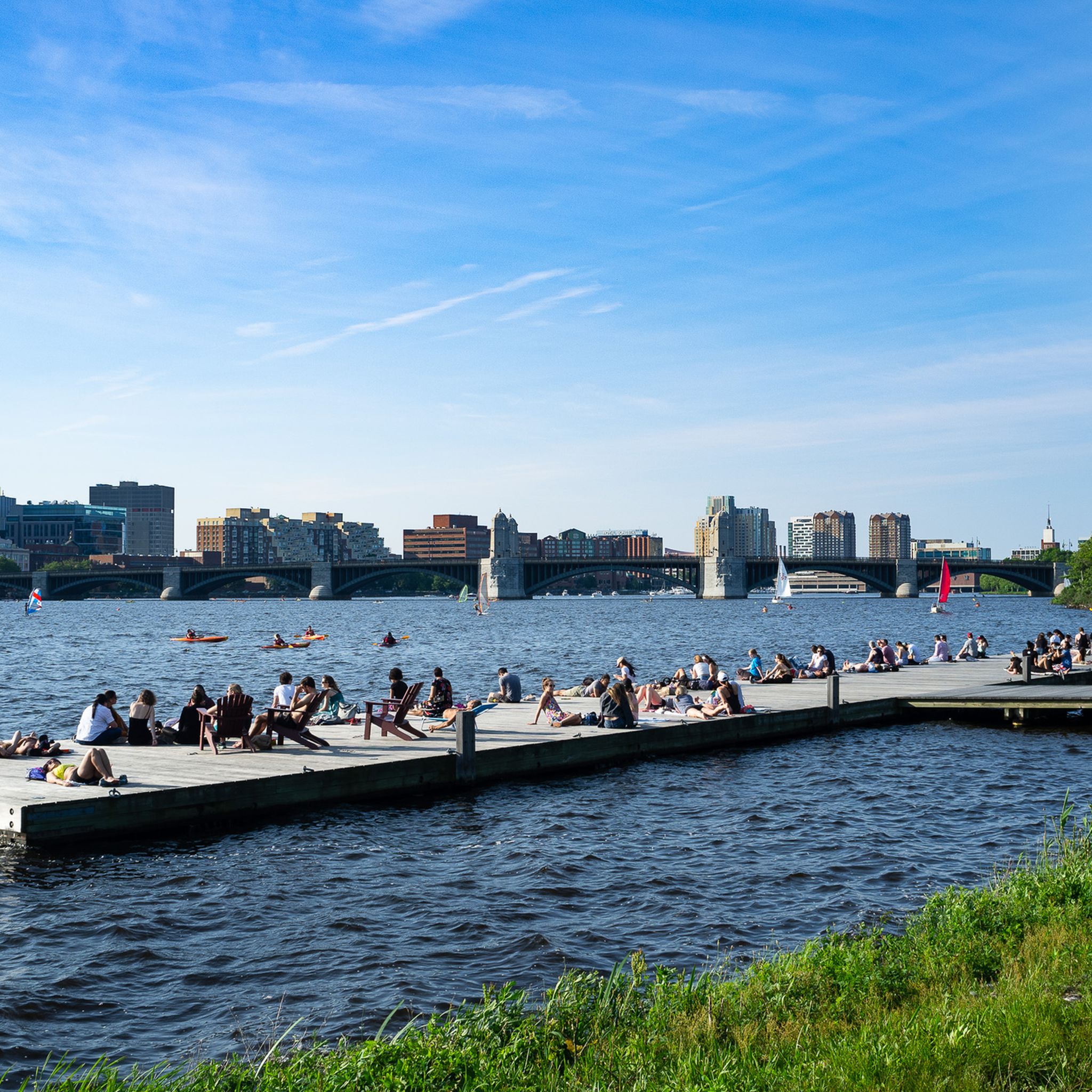
Charles River Floating Wetlands
Highlight • Structure
Translated by Google •
Tip by
Boston Common Park
Highlight • Natural
Tip by
Sign up for free to discover even more natural monuments around Brookline.
Sign up for free
Already have an account?
Start today with a free account
Your next adventure awaits.
Login or Signup

Tips from the Community

Harvard University's Great Botanical Garden is located on and around three hills, with the highest, Peters Hill, offering a particularly beautiful view of the city skyline. And botany enthusiasts can, of course, spend days here, admiring the sheer number of exotic plants.
2
0

The floating wetlands aim to combat harmful algal blooms by providing a natural solution for managing nutrient pollution and increasing local biodiversity.
0
0

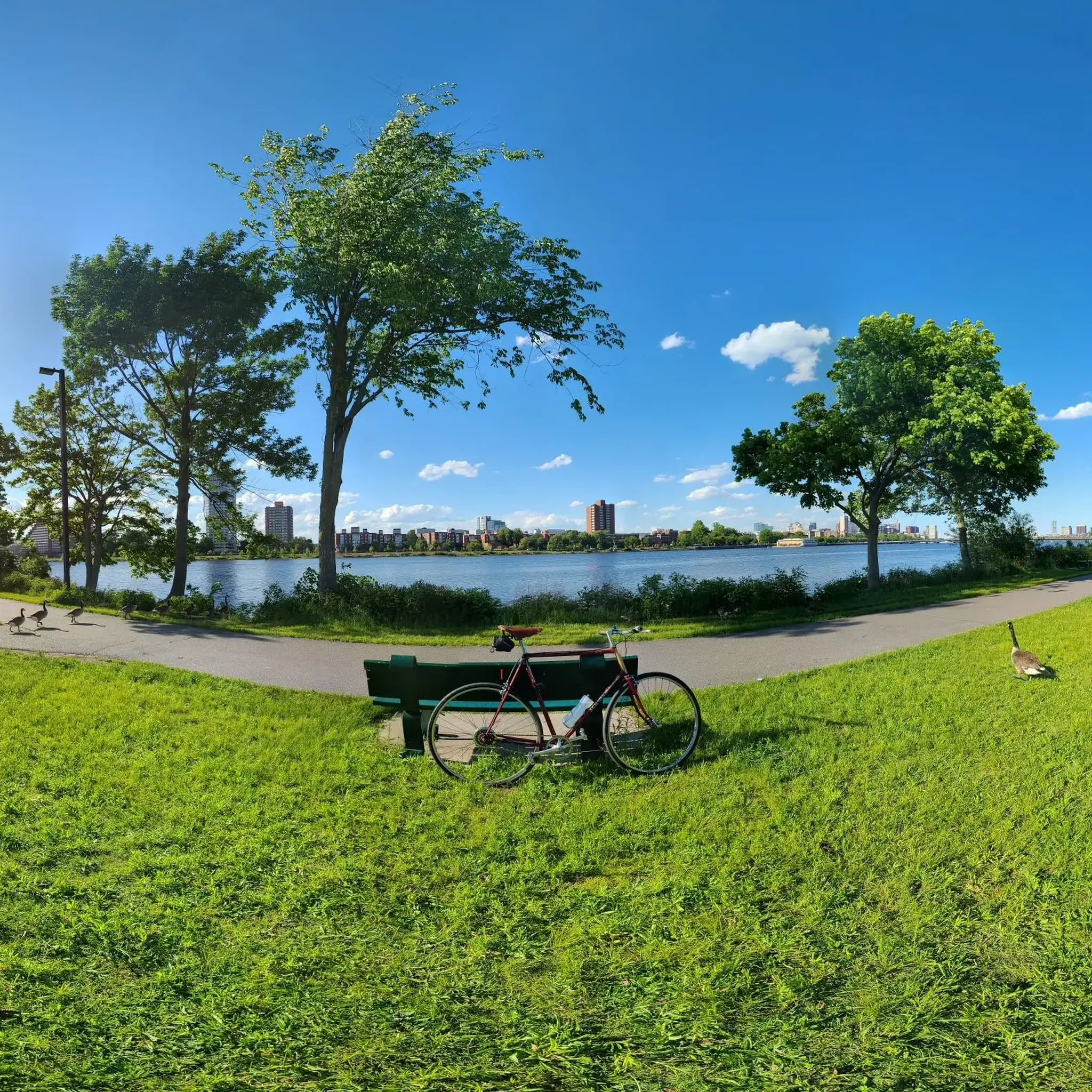
Nice place to be outside for sport, picnic etc
0
0

The Charles River Floating Wetland is an ecological solution to fight harmful algal blooms that threaten the Charles River's health. Floating wetlands absorb nutrients, add biodiversity, support local ecosystems, and offer co-benefits like additional green space.
0
0

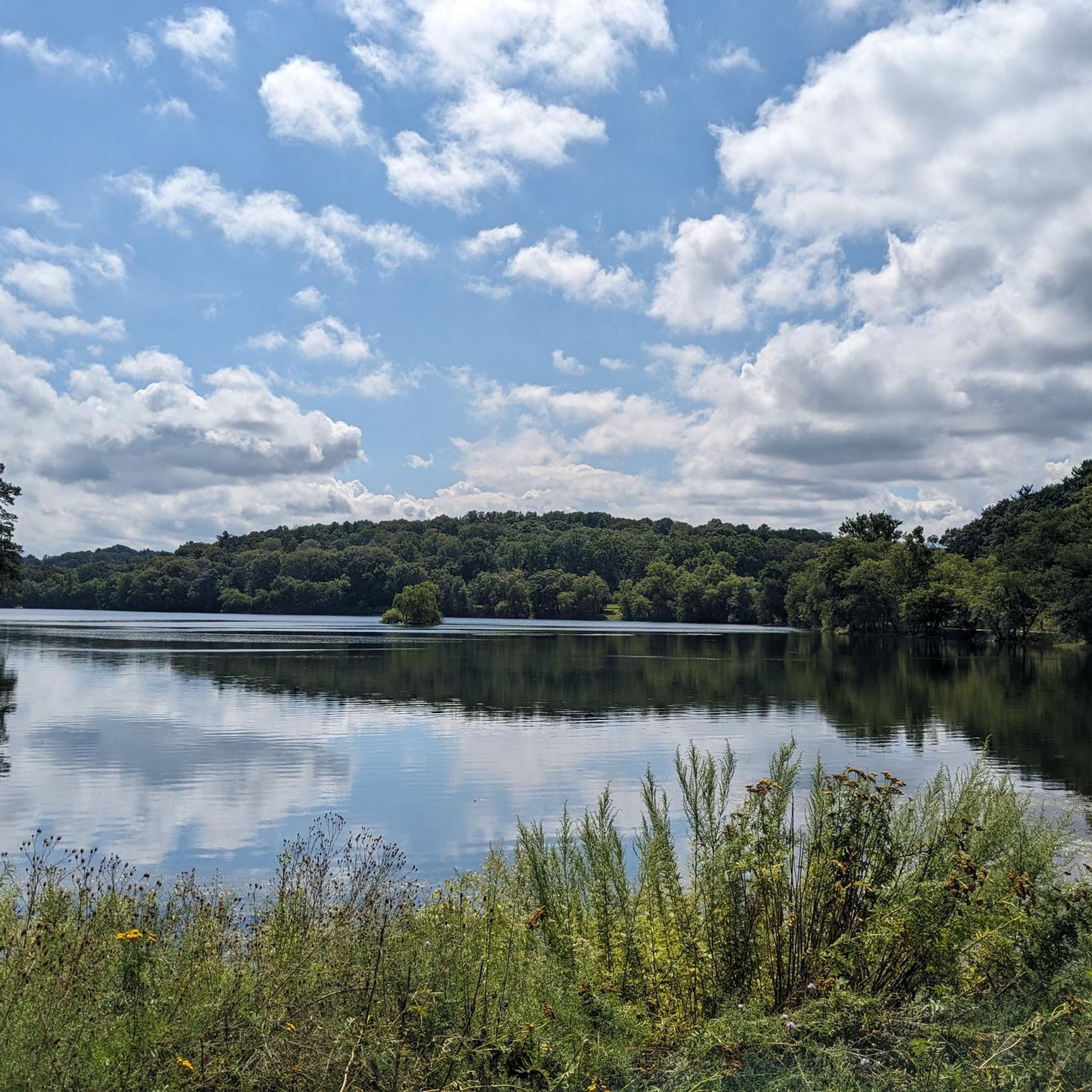
The Arnold Arboretum of Harvard University is a 270-acre nature reserve in the heart of Boston. It manages one of the world's most comprehensive and best-documented collections of temperate woody plants, with a particular focus on the floras of eastern North America and East Asia. As part of the Emerald Necklace park system, it is open daily for free. The arboretum was founded in 1872, designed by Frederick Law Olmsted (1872) and co-designed by Charles Sprague Sargent, the first director. https://arboretum.harvard.edu/ https://arboretum.harvard.edu/explorer/
1
0
The water quality of the Charles River is threatened by harmful algae growth. The Charles River Floating Wetland project is investigating the extent to which floating wetlands can help reduce nutrient pollution. They are intended to absorb nutrients from the water, increase biodiversity and support local ecological changes. https://thecharles.org/floating-wetlands/
2
0
Winthrop Square / the Training Field is a city park in Charlestown with an 1872 monument honoring the men of Charlestown who fought in the American Civil War in 1861. This square is of national significance because of its connection to the Battle of Bunker Hill. On June 17, 1775, fighting between American patriots and British soldiers took place on or near what is now Winthrop Square. Since its creation in the 1640s, the park has served the citizens of Charlestown as farmland and pasture; it has been a military training ground, a schoolyard, a site for political rallies, a children's playground, and a peaceful retreat in a dense urban environment. Over time, Winthrop Square has undergone extensive changes, from an open field to an urban city park. Its current appearance is characterized by redesigns in 1872 and 1919. https://cps-ris.org/wp-content/uploads/2020/03/Winthrop-Square.pdf
2
0
The Boston Public Garden was founded in 1837 and was the first public botanical garden in America. Two centuries lie between the creation of the Boston Common and the neighboring Public Garden. While the Common was a public park with a variety of uses, the Public Garden was designed in the Victorian style with flowerbeds, exotic trees, a lagoon, monuments and fountains. https://www.boston.gov/parks/public-garden
2
0
Frequently Asked Questions
What are some of the most popular natural monuments around Brookline?
Brookline offers a variety of cherished natural spaces. Among the most popular are the Arnold Arboretum, a botanical garden with diverse plant collections, and the Boston Public Garden Footbridge, part of a serene urban oasis. Visitors also frequently enjoy Panther Cave for its unique rock formations and bouldering opportunities.
What makes Brookline's natural monuments unique?
Brookline's natural monuments are unique for their blend of ecological value, historical design, and accessibility within a metropolitan area. They range from urban sanctuaries like Hall's Pond and Lost Pond, known for wildlife and wetlands, to historically significant landscapes like the Emerald Necklace, designed by Frederick Law Olmsted, which provides crucial green infrastructure and recreational space.
Are there good hiking trails within Brookline's natural monuments?
Yes, Brookline offers several natural areas with pleasant walking and hiking trails. For example, the Lost Pond Conservation Area features secluded wooded trails, while the extensive Emerald Necklace, including Olmsted Park and the Riverway, provides miles of scenic paths. Brookline Reservoir Park also offers a flat, looped trail perfect for relaxed walks.
What kind of terrain can I expect on trails in Brookline's natural areas?
The terrain varies across Brookline's natural monuments. You'll find flat, paved paths suitable for easy walks and cycling in areas like Arnold Arboretum and Brookline Reservoir Park. Other areas, such as Lost Pond Conservation and Sanctuary, offer more natural, unpaved wooded trails, which can be uneven but generally provide an easy to moderate hiking experience.
Are there family-friendly natural monuments in Brookline?
Absolutely! Many of Brookline's natural monuments are great for families. The Boston Public Garden Footbridge and the garden itself are perfect for a leisurely stroll and swan boat rides. Arnold Arboretum offers paved paths for easy exploration, and Panther Cave is a fun spot for kids to explore a small cave system. Larz Anderson Park, with its open meadows and walking trails, is also very family-friendly.
Can I go birdwatching or spot wildlife in Brookline's natural monuments?
Yes, several natural monuments in Brookline are excellent for wildlife observation. Hall's Pond Sanctuary & Amory Woods is particularly known for birdwatching, offering wetlands and diverse habitats. The Emerald Necklace, with its ponds and woodlands, is also a haven for nature enthusiasts and birdwatchers. Lost Pond Conservation and Sanctuary provides a more secluded experience for observing local ecology.
Do any natural monuments in Brookline have historical significance?
Many of Brookline's natural monuments are rich in history. The Emerald Necklace, for instance, is a historic park system designed by Frederick Law Olmsted. The Winthrop Square, also known as the Training Field, has a storied past dating back to the colonial era and played a role in the American Revolution. The Frederick Law Olmsted National Historic Site preserves his home and office, showcasing his landscape design principles.
What is the best time of year to visit Brookline's natural monuments?
Brookline's natural monuments can be enjoyed year-round, with each season offering a different experience. Spring brings blooming flowers to places like the Arnold Arboretum. Summer is ideal for leisurely walks and picnics in parks like Larz Anderson. Fall showcases vibrant foliage, especially along the Emerald Necklace. Even winter offers peaceful, scenic walks, particularly around Brookline Reservoir Park.
Are any natural monuments in Brookline wheelchair accessible?
Yes, some natural monuments in Brookline offer wheelchair-accessible options. The Boston Public Garden Footbridge and the garden itself are generally accessible. The Arnold Arboretum features paved paths that are suitable for wheelchairs. Brookline Reservoir Park also has a flat, looped trail that is easily navigable.
Are dogs allowed in Brookline's natural monuments?
Dog policies vary by location. Many parks and natural areas in Brookline are dog-friendly, often requiring dogs to be on a leash. It's always best to check specific regulations for each park or sanctuary you plan to visit, such as Larz Anderson Park or the Emerald Necklace, to ensure compliance.
What outdoor activities can I do near these natural monuments?
Beyond exploring the natural monuments themselves, the Brookline area offers a range of outdoor activities. You can find numerous hiking routes, including trails around Chestnut Hill Reservoir and the Emerald Necklace. For cyclists, there are many cycling routes, such as loops along the Charles River or through various parks. Road cycling enthusiasts can also find dedicated routes, like those leading to Walden Pond or Great Blue Hill.
Where can I find more information about Brookline's nature sanctuaries?
For detailed information on Brookline's various nature sanctuaries, including Hall's Pond, Lost Pond, and D. Blakey Hoar Sanctuary, you can visit the official Brookline town website. They provide resources and guidelines for visiting these important ecological sites. You can find more details at brooklinema.gov/663/Nature-Sanctuaries.
Most popular attractions around Brookline

Get inspired with the komoot mobile app


Explore more
Extend your search for the best caves by checking out these guides of the top ones around Brookline:
