Top 12 Natural Monuments around Chicago
Best natural monuments around Chicago offer diverse landscapes and recreational opportunities within and near the urban environment. The city's natural spaces include extensive parks, nature centers, and protected areas. These locations showcase various ecosystems, from prairies and wetlands to lakefront dunes. They provide essential green infrastructure and serve as habitats for local wildlife.
Best natural monuments around Chicago
- The most popular natural monuments is Buckingham Fountain, a man-made monument that features captivating water displays. Its central jet can soar…
Last updated: October 12, 2026
Buckingham Fountain
Highlight • Monument
Translated by Google •
Tip by

Wrigley Square & Millennium Monument
Highlight • Monument
Translated by Google •
Tip by

Sign up now to discover places like this
Get recommendations on the best single tracks, peaks, & plenty of other exciting outdoor places.
Crown Fountain, Millennium Park
Highlight • Monument
Translated by Google •
Tip by

Milton L Olive III Park
Highlight • Monument
Tip by

Montrose Beach Dunes Natural Area
Highlight • Natural Monument
Tip by

Sign up for free to discover even more natural monuments around Chicago.
Already have an account?
Start today with a free account
Your next adventure awaits.
Popular around Chicago
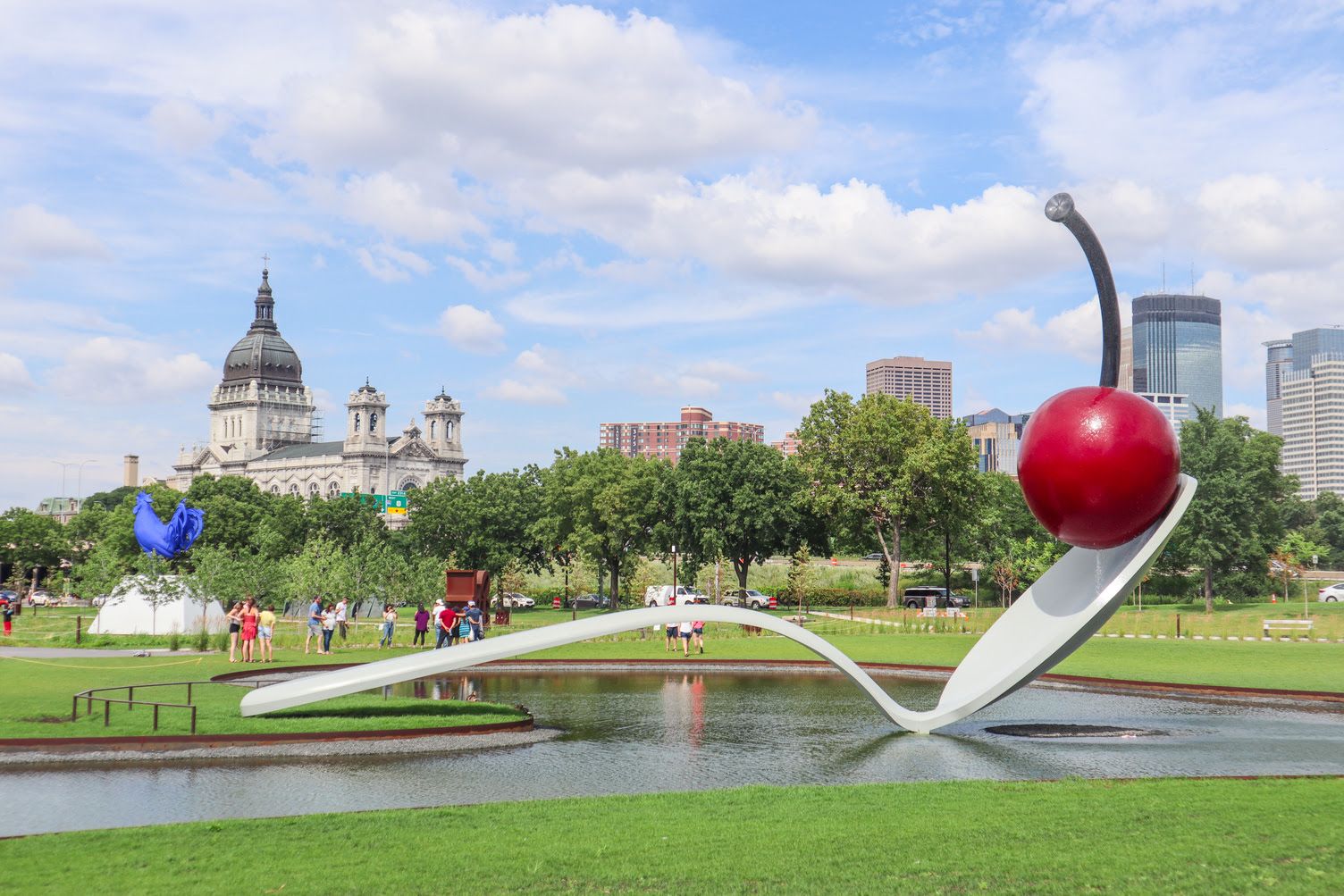
The rhythms of the river – road trip along the Mississippi
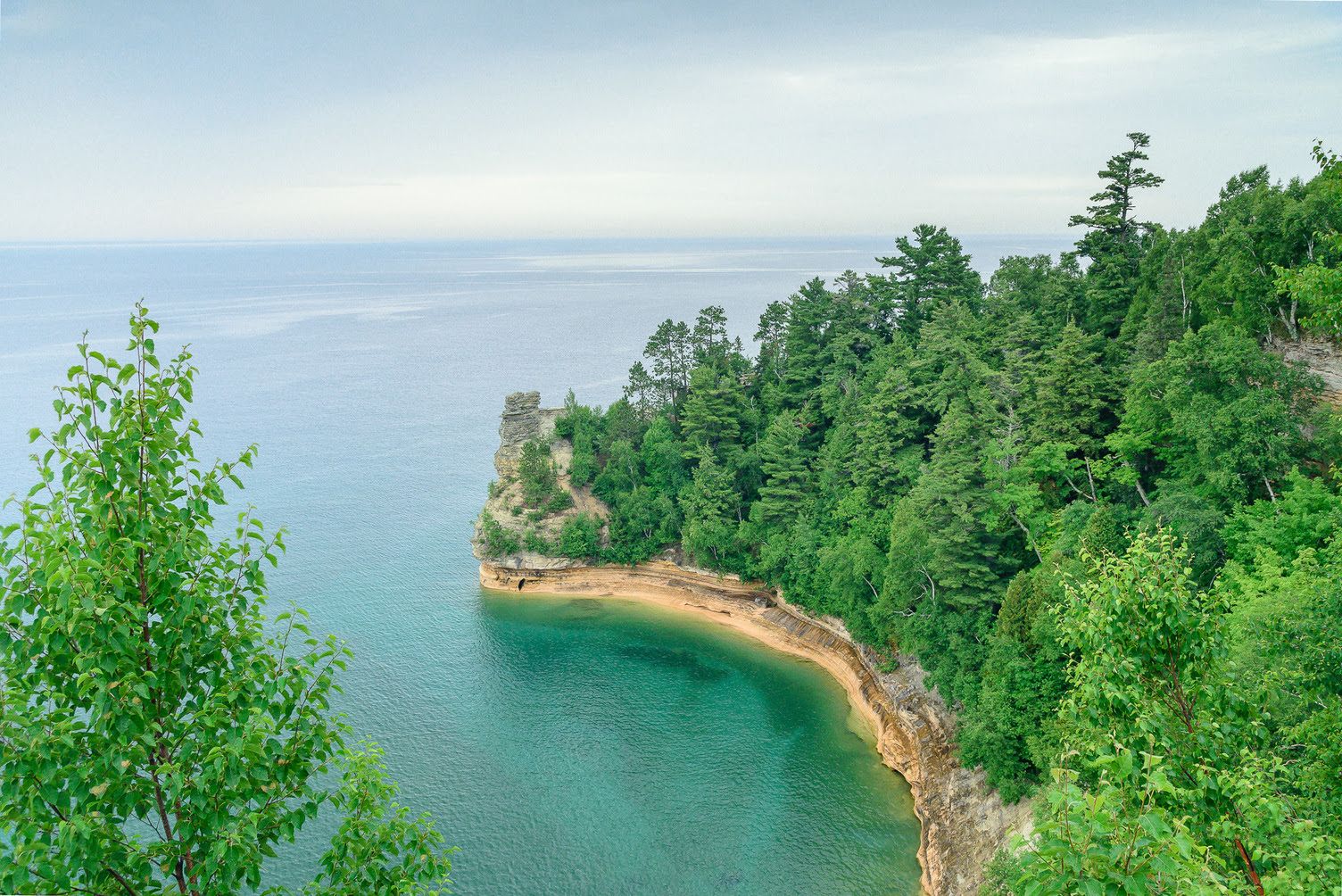
Great North Music Tour – hiking in the footsteps of music legends
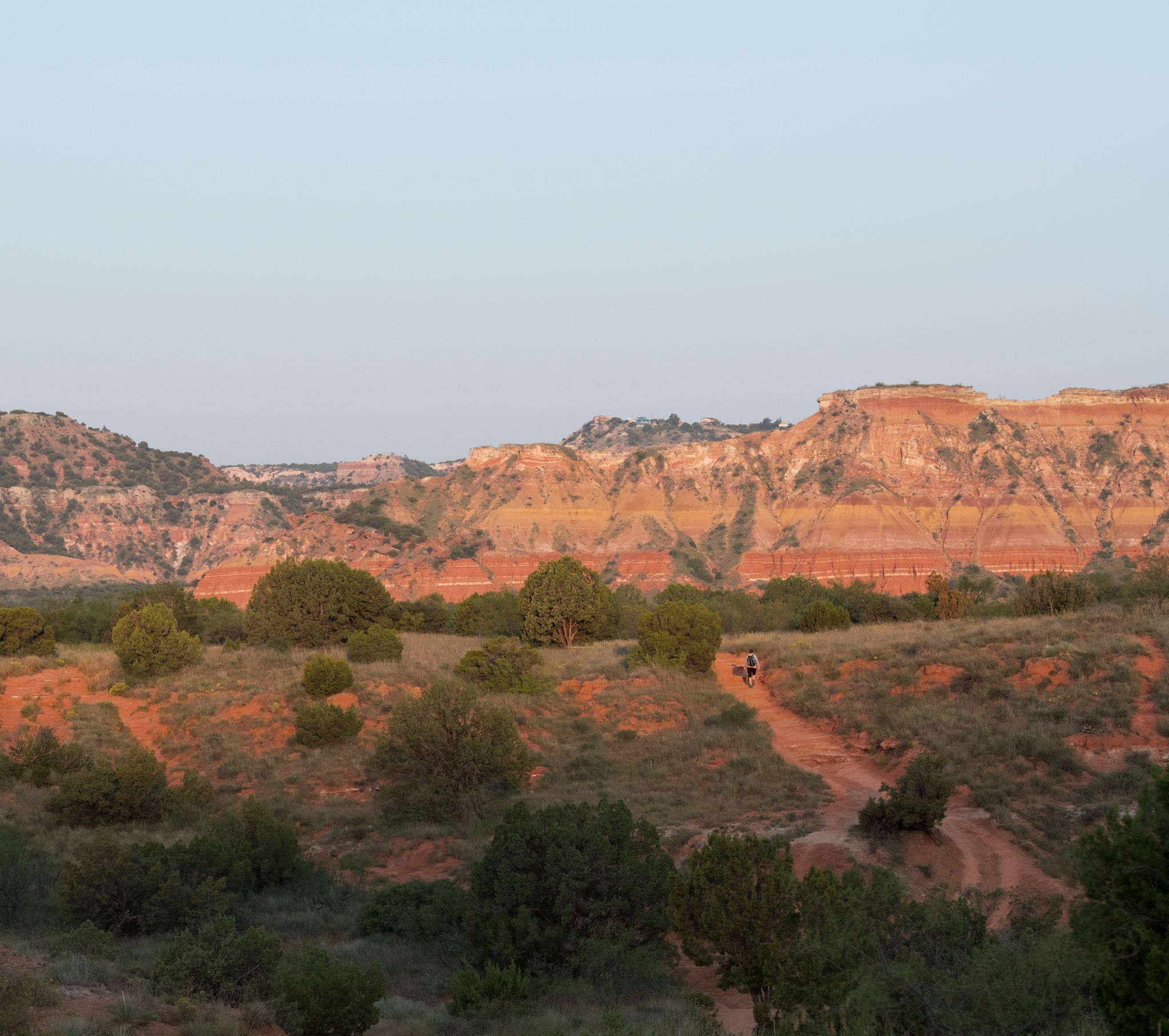
Historic Route 66 – curiosities, selfie spots and diners
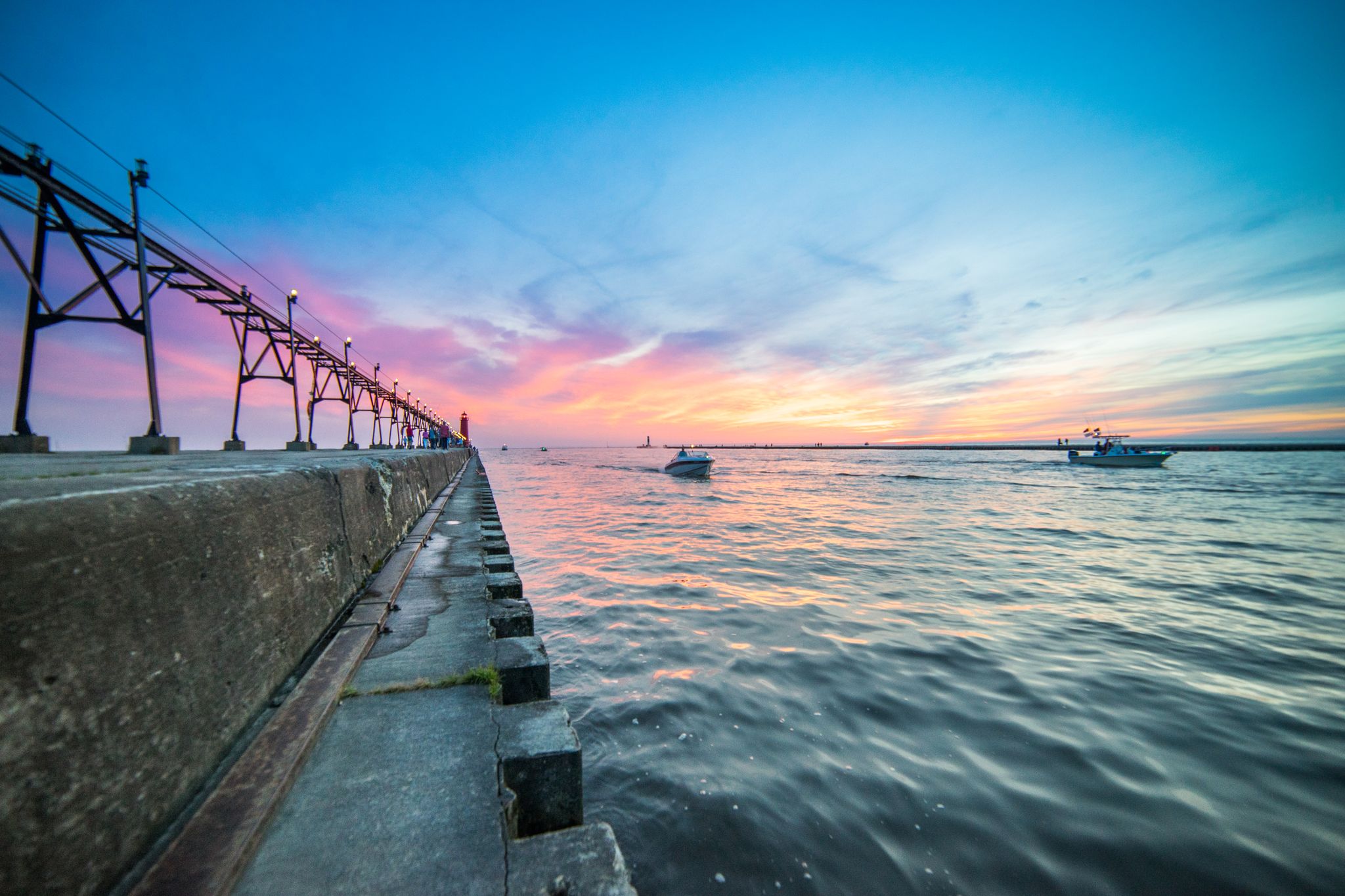
On the shores of the Great Lakes
Hiking around Chicago
Running Trails around Chicago
Road Cycling Routes around Chicago
Cycling around Chicago
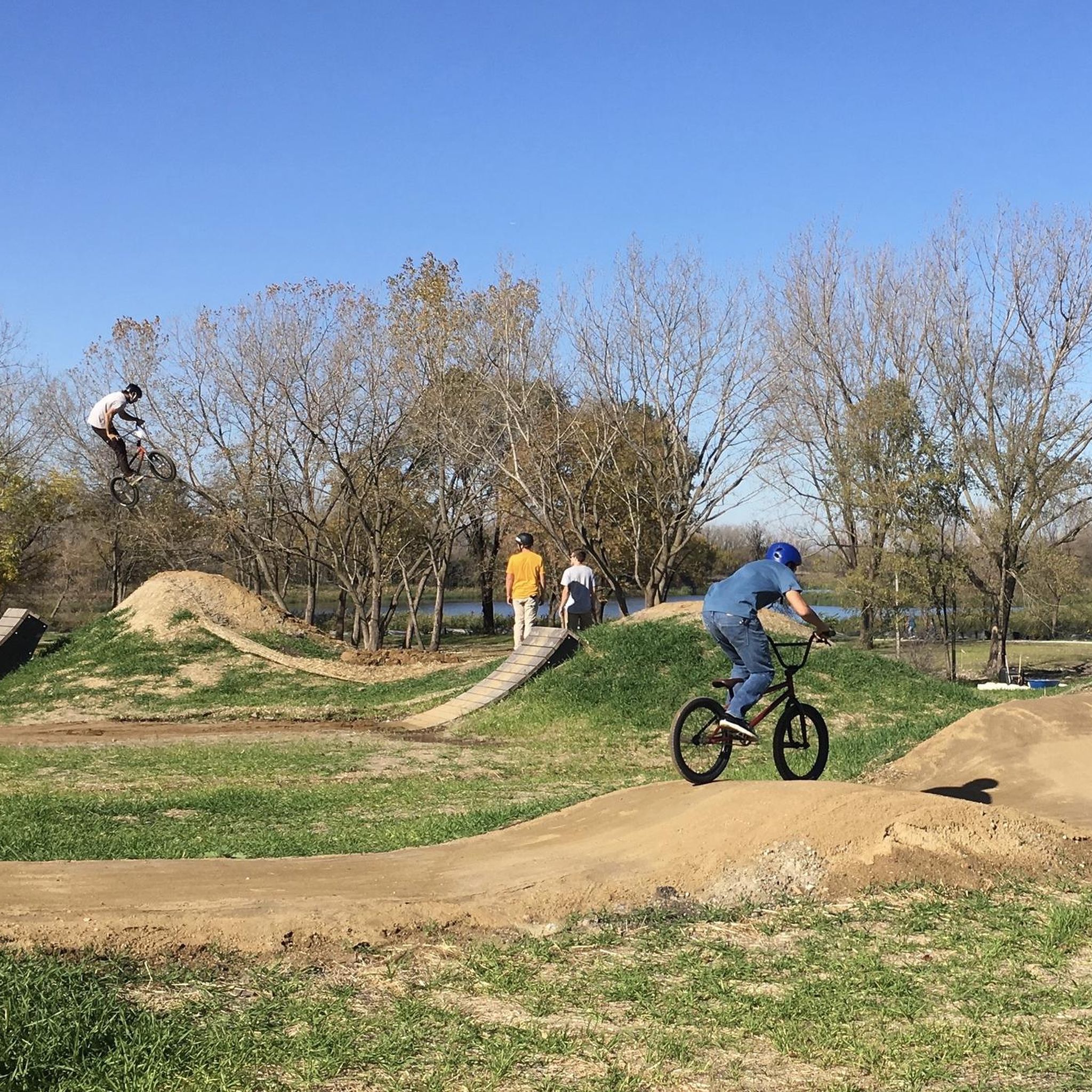
MTB Trails around Chicago
Gravel biking around Chicago
Other adventures around Chicago

Tips from the Community

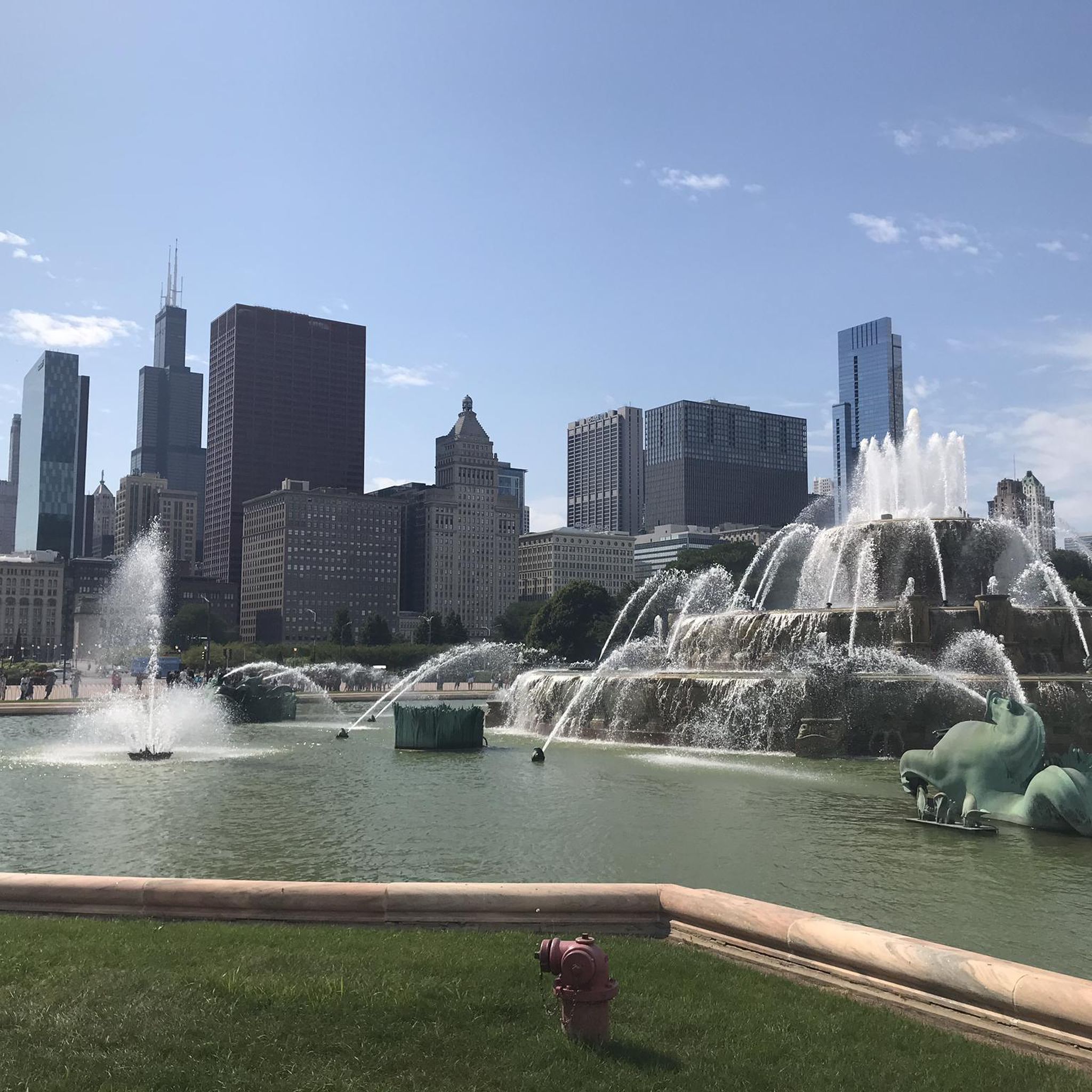
The Clarence F. Buckingham Memorial Fountain is one of the largest and most impressive fountains in the world. It stands in the center of Grant Park, Chicago's "front yard," and was donated to the city in 1927 by Kate S. Buckingham in memory of her brother.
1
0
The Crown Fountain in Millennium Park, Chicago, is one of the city's most unique and interactive artworks. Designed by Spanish artist Jaume Plensa, the fountain consists of two 50-foot-tall glass towers, each with LED screens projecting the faces of Chicagoans. Between the towers is a shallow pool where children (and adults!) can play on warm days.
1
0
The Millennium Monument in Chicago is an impressive tribute to the city's past and future. It's located in Wrigley Square, a quiet corner of Millennium Park.
1
0

Wrigley Square is a prominent public space in the northwest corner of Millennium Park in Chicago. It was established as part of the park's development and is named in recognition of the William Wrigley Jr. Foundation, which donated $5 million to its creation. The centerpiece of Wrigley Square is the Millennium Monument, a semi-circular colonnade designed in the Greco-Doric style. The monument is a replica of the original peristyle that stood in Grant Park from 1917 to 1953. The colonnade’s base honors 115 major donors to Millennium Park, with 91 contributing $1 million or more. The square also features an expansive lawn and a fountain, that provides an iconic open space for visitors to enjoy and serves as a key historical and architectural highlight within Millennium Park.
0
0

Water features are what make a park really interesting. This fountain is too big for European standards, but it fits perfectly in Chicago!
1
0

Milton Lee Olive Park, a 10-acre sanctuary on a 61-acre peninsula, honors the first African American Medal of Honor recipient from Vietnam, Milton L. Olive III. Designed by Dan Kiley in 1965, the park boasts open lawns, tree-lined alées, and a waterfront deck framing city views. Five fountains dot the landscape, creating a serene setting near Navy Pier. A poignant monument, "Hymn to Water," pays tribute to Olive, offering visitors a tranquil escape with panoramic city vistas.
0
0
Step into the captivating world of the Crown Fountain in Chicago's Millennium Park. Designed by Jaume Plensa, this innovative masterpiece features two towering 50-foot glass block structures, each projecting the vivid faces of Chicago's diverse community. Drawing inspiration from the tradition of gargoyles, these dynamic images come to life as water appears to gush from the mouths of the portrayed individuals, symbolizing the essence of life. Whether you visit during the vibrant summer water displays or the serene winter months, the Crown Fountain offers a mesmerizing blend of art, technology, and community spirit, celebrating the rich tapestry of Chicago's residents.
0
0

This area was originally a landfill, but over time, nature has reclaimed it. The site now features a beach, foredune, and globally rare panne habitat, contributing to the presence of various plant species in the area. Additionally, there are scenic views of Lake Michigan in this vicinity.
1
0
Frequently Asked Questions
What are some of the most popular natural monuments to visit in Chicago?
While Chicago is known for its urban landscape, it also offers several natural spaces. One of the most popular is the Montrose Beach Dunes Natural Area, which features a beach, foredune, and rare panne habitat, offering scenic views of Lake Michigan and serving as a haven for migratory birds. Other notable spots include the North Park Village Nature Center with its diverse landscapes and wildlife, and the Lincoln Park Conservatory, a stunning glass greenhouse housing a variety of plant species.
Are there any family-friendly natural areas around Chicago?
Yes, Chicago offers several family-friendly natural areas. The Montrose Beach Dunes Natural Area is great for families, with its beach and opportunities for bird-watching. The North Park Village Nature Center is also ideal, featuring easy trails, a lily pond, and wildlife observation. Outside the city, Lake Katherine Nature Center and Botanic Gardens offers programs for children to learn about wildlife, alongside gardens and trails.
Where can I find easy hiking trails near Chicago's natural monuments?
You can find easy hiking trails in several natural areas around Chicago. The North Park Village Nature Center offers three scenic trails, including a main loop, wetland, and woodland path, perfect for leisurely strolls. For more options, explore the easy routes listed in our guide to Easy hikes around Chicago, which includes trails like the Northwestern Medicine Wellness Way Fitness Trail and the Bloomingdale Trail.
What unique natural features can I expect to see in Chicago's natural monuments?
Chicago's natural monuments showcase a variety of unique features. At the Montrose Beach Dunes Natural Area, you can observe a globally rare panne habitat and a foredune ecosystem. The North Park Village Nature Center boasts oak savanna, forest, wetland, and prairie landscapes, complete with a 'secret waterfall.' Garfield Park Conservatory and Lincoln Park Conservatory offer diverse plant collections from around the world, including towering palms, orchids, and cacti.
Are there any natural monuments near Chicago that are good for bird-watching?
Absolutely! The Montrose Beach Dunes Natural Area is a significant spot for bird-watching, especially for migratory birds, with over 300 species recorded, including the federally endangered Great Lakes piping plover. The Chicago Park District Natural Areas, such as the Burnham Wildlife Corridor, also provide vital habitat for local wildlife, including various bird species.
What are some natural monuments located just outside the city of Chicago?
Just outside Chicago, you can explore the Lake Katherine Nature Center and Botanic Gardens, an 85-acre oasis featuring woodlands, prairies, wetlands, a lake, and a man-made waterfall. Another excellent option is Waterfall Glen Forest Preserve, spanning over 2,000 acres with diverse landscapes, including wooded areas, open meadows, and rock formations, along with 11 miles of trails.
Can I find any historical or cultural sites within or near Chicago's natural monuments?
While many of Chicago's natural monuments focus on ecological preservation, some have historical significance or are near cultural landmarks. For instance, Wrigley Square & Millennium Monument, though a man-made monument, is located within Millennium Park, which is a significant cultural hub. Milton L Olive III Park, while a green space, is a memorial honoring the first African American Medal of Honor recipient from Vietnam.
What kind of outdoor activities can I do near these natural monuments?
Near Chicago's natural monuments, you can enjoy a variety of outdoor activities. Many areas offer opportunities for hiking, walking, and wildlife observation. For more structured activities, explore our guides for Hiking around Chicago and Running Trails around Chicago, which feature routes like the Chicago Lakefront Trail and the Bloomingdale Trail. Waterfall Glen Forest Preserve also offers trails for biking, horseback riding, and cross-country skiing.
Are there any natural monuments in Chicago that are accessible for people with wheelchairs?
Yes, several areas offer accessibility. While specific trail accessibility varies, many of Chicago's larger parks and conservatories strive for accessibility. For example, the Lincoln Park Conservatory and Garfield Park Conservatory generally have accessible pathways. Man-made monuments like Wrigley Square & Millennium Monument, Crown Fountain, Millennium Park, and Milton L Olive III Park are noted as wheelchair accessible, offering views and experiences within green spaces.
What do visitors enjoy most about the natural monuments in Chicago?
Visitors particularly enjoy the peaceful escape these natural spaces offer from the urban environment. The opportunity to observe diverse wildlife, from migratory birds at Montrose Beach Dunes to deer and turtles at North Park Village Nature Center, is highly valued. The scenic views, especially of Lake Michigan, and the chance to explore unique ecosystems like prairies, wetlands, and rare panne habitats, also receive high praise from the komoot community.
Can I bring my dog to natural monuments in the Chicago area?
Many natural areas in and around Chicago are dog-friendly, though leash laws and specific restrictions may apply. For example, Buckingham Fountain is listed as dog-friendly, and many Chicago Park District Natural Areas allow leashed dogs on trails. Always check specific park regulations before visiting to ensure a pleasant experience for you and your pet.
What is the best time of year to visit Chicago's natural monuments?
The best time to visit Chicago's natural monuments largely depends on the experience you seek. Spring and summer offer lush greenery, blooming flowers, and active wildlife, making them ideal for hiking and bird-watching. The water displays at fountains like Buckingham Fountain and Crown Fountain are also active during warmer months. Autumn brings beautiful fall foliage, while winter provides a serene, quiet atmosphere, though some outdoor features may be less accessible or active.
Most popular routes around Chicago
Most popular attractions around Chicago

Get inspired with the komoot mobile app


Explore more
Extend your search for the best caves by checking out these guides of the top ones around Chicago:
