Top 5 Natural Monuments around Kaanapali
Best natural monuments around Kaanapali include a range of geological formations and coastal features. This stretch of Maui, Hawaii, is characterized by its volcanic origins, resulting in unique lava rock formations and scenic coastlines. The area also holds cultural significance, with certain natural landmarks considered sacred. Its diverse natural landscape provides various opportunities for outdoor exploration.
Best natural monuments around Kaanapali
- The most popular natural monuments is Dragon's Teeth, a natural monument that features unique geological formations of rock…
Last updated: June 25, 2026
Dragon's Teeth
Highlight • Natural Monument
Tip by

Honolua Bay
Highlight • Beach
Translated by Google •
Tip by

Sign up now to discover places like this
Get recommendations on the best single tracks, peaks, & plenty of other exciting outdoor places.
Sign up for free
Banyan Tree
Highlight • Natural Monument
Translated by Google •
Tip by

Lahaina Banyan Court Park
Highlight • Natural Monument
This …
Tip by

Start today with a free account
Your next adventure awaits.
Login or Signup
Tips from the Community

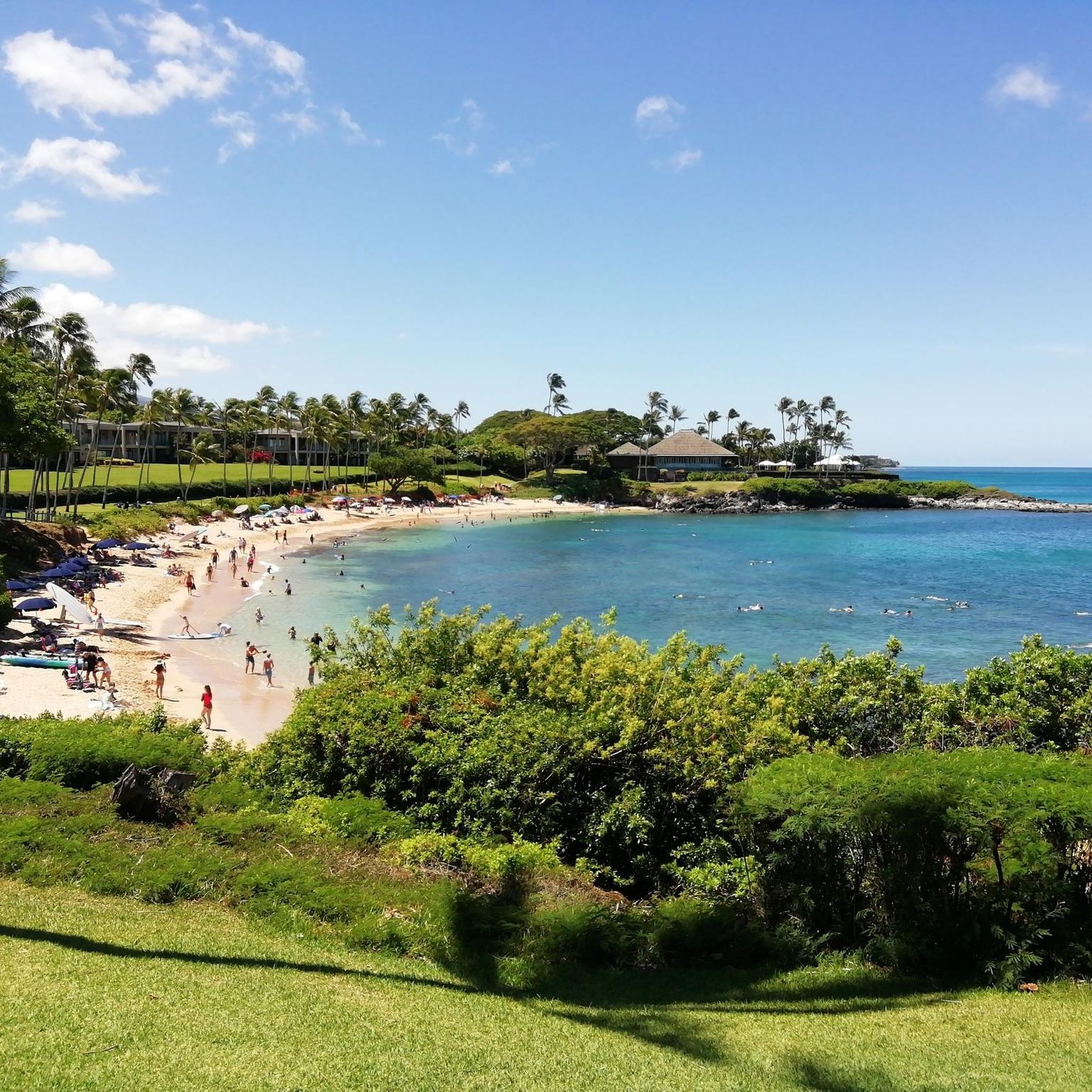
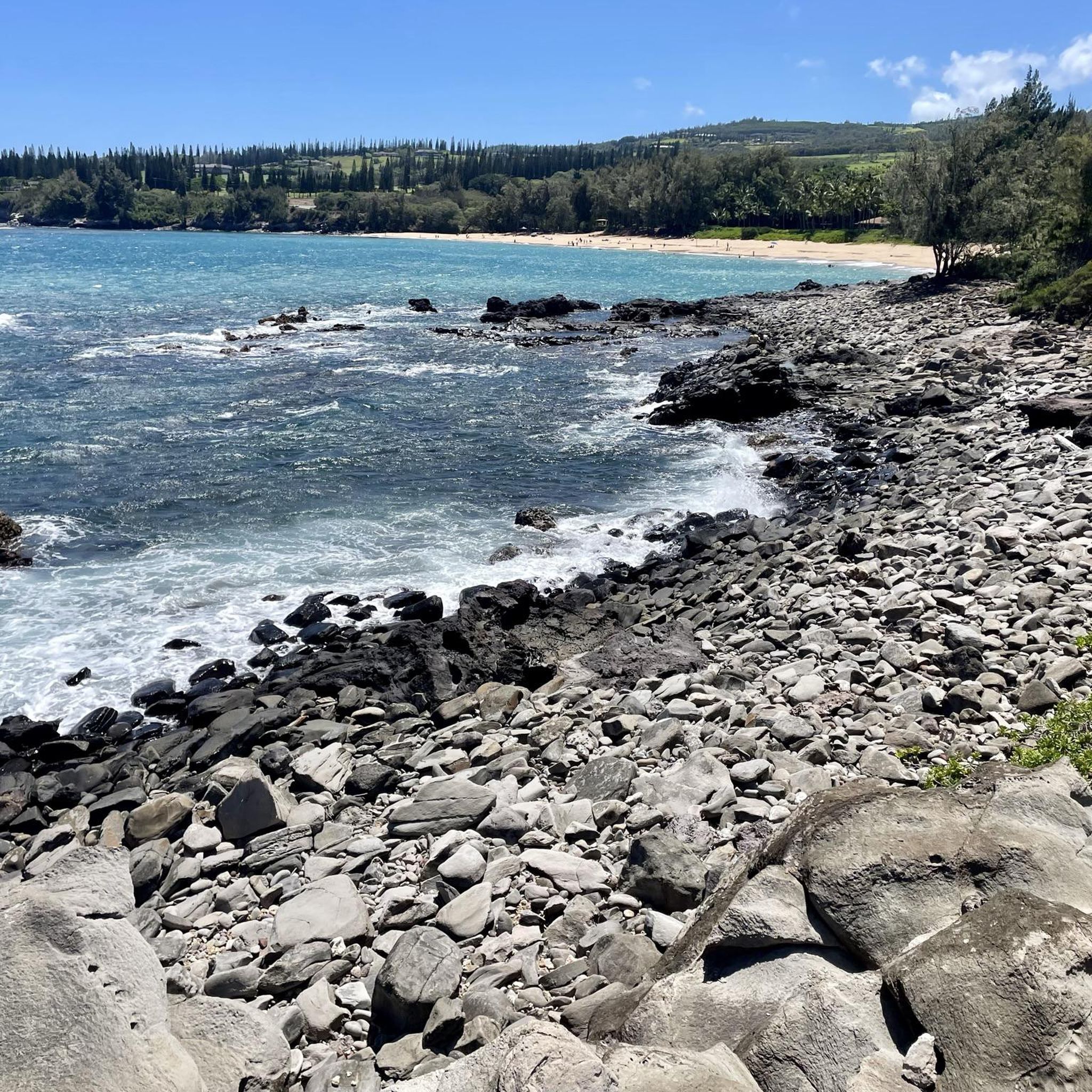
Honolua Bay is part of a marine life conservation area, so there is not taking anything from nature in these locations in order to preserve the natural beauty. From this lookout spot you can see the entire bay and the crystal blue water.
0
0

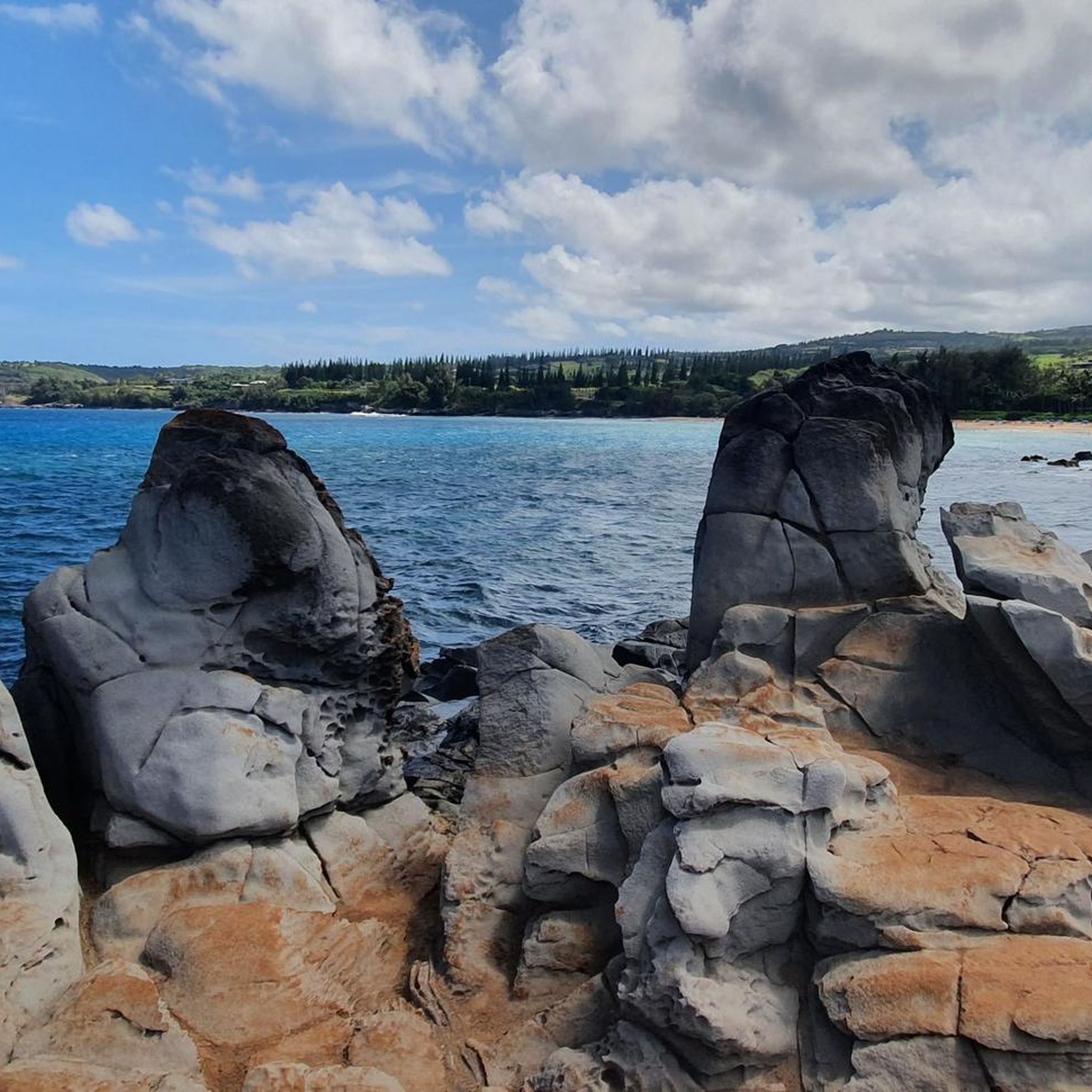
Dragon's Teeth is a unique geological formation on the island of Maui. The rock outcroppings were formed by wind and erosion and look like dragon teeth. The dramatic formations overlook the ocean, making it a popular spot for scenic views and photography.
0
0
Lahaina Banyan Court Park housed a 150 year old Banyan tree as of April 24th of 2023. Unfortunately the tree was burned, but there is hope it will recover! This is a well shaded park with ocean views, shops within a few steps, and a plethora of heritage sites!
0
0
Honolua Bay, located in the very northwest of the island of Maui, is a renowned marine and natural reserve known for its stunning underwater beauty. It's a premier destination for snorkeling and scuba diving due to its vibrant coral reefs, diverse marine life, and crystal clear waters. Furthermore, it is a very popular spot among surfers.
0
0

Half a day for this cozy place is always worth it.
4
0

Great bay, perfect for surfers. There are often competitions here too.
1
0
From this vantage point you can often watch the surfers ride over the waves.
1
0
This tree, which was planted by William Owen Smith in 1873 in the former whaling town, is growing in width. He alone has an area of 2700 m², which corresponds to a side of incredible 52m approx.
1
0
Frequently Asked Questions
What are some of the most unique natural monuments to visit around Kaanapali?
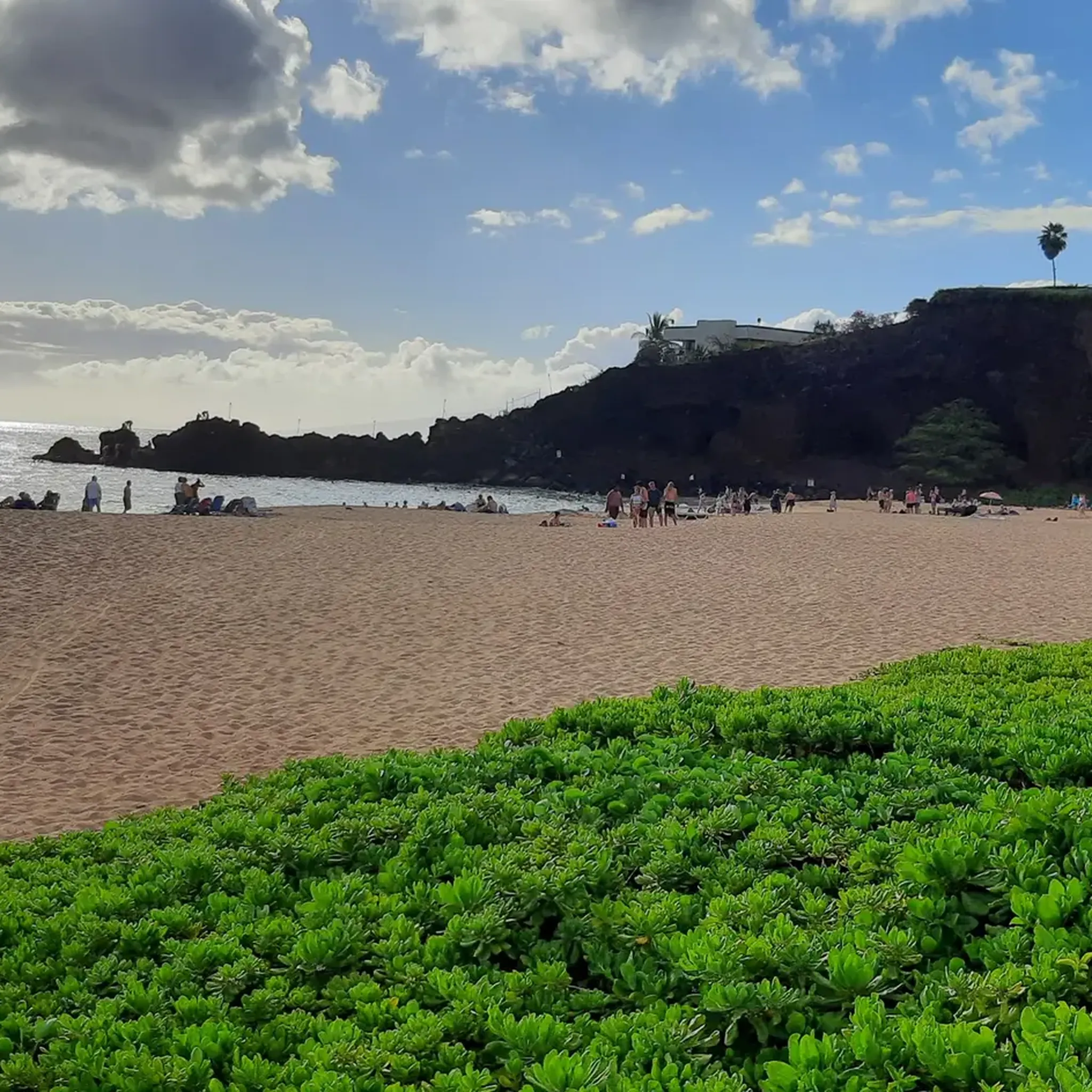
Kaanapali boasts several unique natural monuments. Don't miss Dragon's Teeth, known for its jagged, tooth-like lava rock formations sculpted by the ocean. Another iconic spot is Black Rock (Pu'u Keka'a), a dramatic lava outcrop famous for snorkeling and its cultural significance. The Banyan Tree, planted in 1873, is also a remarkable natural monument, covering an expansive area.
Are there any family-friendly natural attractions in the Kaanapali area?
Yes, several natural monuments around Kaanapali are great for families. The Banyan Tree is a popular, easily accessible spot, offering plenty of shade. Honolua Bay is also considered family-friendly, offering opportunities for snorkeling and observing marine life in its protected waters.
What kind of marine life can I expect to see at Kaanapali's natural monuments?
The waters around Kaanapali's natural monuments are teeming with marine life. At Black Rock, you can often spot vibrant tropical fish and sea turtles while snorkeling or diving. Honolua Bay, a marine reserve, is particularly renowned for its diverse marine life and vibrant coral reefs, making it an excellent spot for underwater exploration.
Are there hiking opportunities near Kaanapali's natural monuments?
Absolutely! The Kapalua Coastal Trail, just north of Kaanapali, offers a scenic 3.5-mile walk along the coastline, showcasing lava rock formations and ocean vistas. For more hiking options, you can explore various trails around the area. Find more details on routes like the Kaanapali Beach Path in the Hiking around Kaanapali guide.
What are the best natural monuments for scenic views and photography?
For breathtaking scenic views and photography, Dragon's Teeth is a must-visit, with its dramatic lava formations overlooking the ocean. Black Rock also offers spectacular sunset views, with its silhouette against the vibrant sky providing a memorable experience. The Kapalua Coastal Trail provides continuous ocean vistas perfect for capturing Maui's beauty.
What cultural significance do Kaanapali's natural monuments hold?
Black Rock (Pu'u Keka'a) holds deep spiritual meaning for ancient Hawaiians, believed to be a 'leina a ka 'uhane' or 'leap of the soul' where spirits departed. It's also associated with Chief Kahekili, known for his daring leaps. The sunset torch lighting and cliff-diving ceremony at Black Rock reenacts these legendary feats, offering a glimpse into its rich cultural past.
Can I go snorkeling or diving at any of these natural monuments?
Yes, snorkeling and diving are popular activities at several natural monuments. Black Rock is an exceptional spot with clear waters, tropical fish, and sea turtles. Honolua Bay is also a premier destination for snorkeling and scuba diving, known for its vibrant coral reefs and diverse marine life.
Are there any natural monuments that are wheelchair accessible?
Yes, the Banyan Tree is noted as being wheelchair accessible, making it a great option for visitors with mobility considerations. Its expansive area and shaded grounds provide a comfortable experience.
What is the best time to visit Kaanapali's natural monuments?
The natural monuments around Kaanapali can be enjoyed year-round. For snorkeling and water activities, the warmer months offer ideal conditions. During winter months, the Kapalua Coastal Trail is an excellent spot for whale watching. Visiting in the early morning or late afternoon can provide more comfortable temperatures and beautiful lighting for photography, especially at Black Rock for sunset.
What kind of outdoor activities can I do near these natural monuments besides hiking and snorkeling?
Beyond hiking and snorkeling, you can also enjoy road cycling near Kaanapali's natural monuments. There are several routes available, such as the Kapalua – Kaanapali Beach loop. You can find more details and route options in the Road Cycling Routes around Kaanapali guide.
Are there any easy natural monuments to visit for a quick trip?
For an easy and quick visit, the Banyan Tree is very accessible and offers a unique natural experience without extensive walking. Black Rock is also easily accessible from Ka'anapali Beach, allowing for a short visit to enjoy the views or a quick dip.
What should I wear when visiting the natural monuments, especially for hiking?
When visiting Kaanapali's natural monuments, especially for hiking or coastal walks like the Kapalua Coastal Trail, it's recommended to wear comfortable walking shoes or sandals suitable for varied terrain. Light, breathable clothing is ideal for the warm Hawaiian climate. Don't forget sun protection, including a hat, sunglasses, and reef-safe sunscreen, and bring plenty of water.
Most popular attractions around Kaanapali

Get inspired with the komoot mobile app


Explore more
Extend your search for the best caves by checking out these guides of the top ones around Kaanapali:
