Top 9 Mountain Passes around Keystone
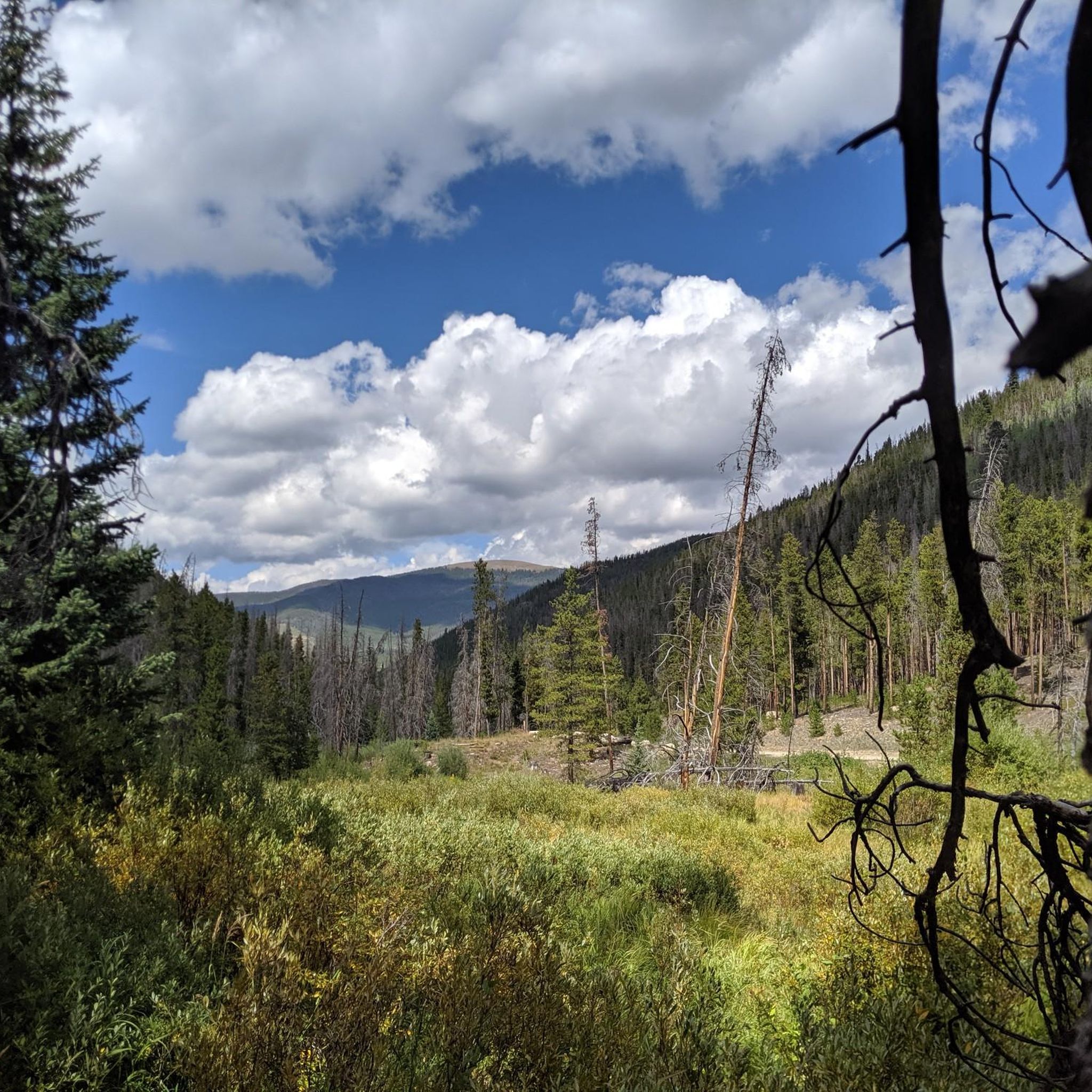
Mountain passes around Keystone Colorado are situated in the Rocky Mountains, offering access to high-altitude routes and scenic landscapes. The region is characterized by its mountainous terrain and the presence of the Continental Divide. These passes provide opportunities for various outdoor activities and connect different valleys and towns. The area is known for its historical significance related to mining and early transportation routes.
Best mountain passes around Keystone
- The most popular mountain passes is Georgia Pass, a mountain pass that crosses the Continental Divide at 11,598 feet in elevation. This trail was originally designed for wagons traveling to and from mining towns.
- Another must-see spot is Loveland Pass climb from Keystone, a challenging climb that takes cyclists over the Continental Divide on US Highway 6. Visitors can expect a significant altitude gain and views of alpine meadows and forests.
- Visitors also love Argentine Pass, a mountain pass at roughly 13,200 feet. This old mining route passes remnants of a mining village and connects Mount Edwards and Argentine Peak.
- Keystone is known for its mountain passes, climbs, and historical sites. The area offers a variety of mountain passes to explore, ranging from high-altitude routes to historical trails.
- The mountain passes around Keystone are appreciated by the komoot community, with 4 upvotes and 6 photos shared by visitors.
Last updated: October 12, 2026
Georgia Pass
Highlight • Mountain Pass
Before Colorado officially became a territory, Georgia Pass bordered the territories of Kansas and Utah. The original trail was designed so that wagons could pass through when going to and from the area’s many mining towns. A toll road was officially established in 1861.
Tip by

Glacier Ridge Road - CDT/Colorado Trail Junction
Highlight • Trail
Tip by

Sign up now to discover places like this
Get recommendations on the best single tracks, peaks, & plenty of other exciting outdoor places.
Loveland Pass climb from Keystone
Highlight (Segment) • Climb
Tip by

Argentine Pass
Highlight • Mountain Pass
Tip by

Loveland Pass Climb from Georgetown
Highlight (Segment) • Climb
Tip by
Sign up for free to discover even more mountain passes around Keystone.
Already have an account?
Start today with a free account
Your next adventure awaits.
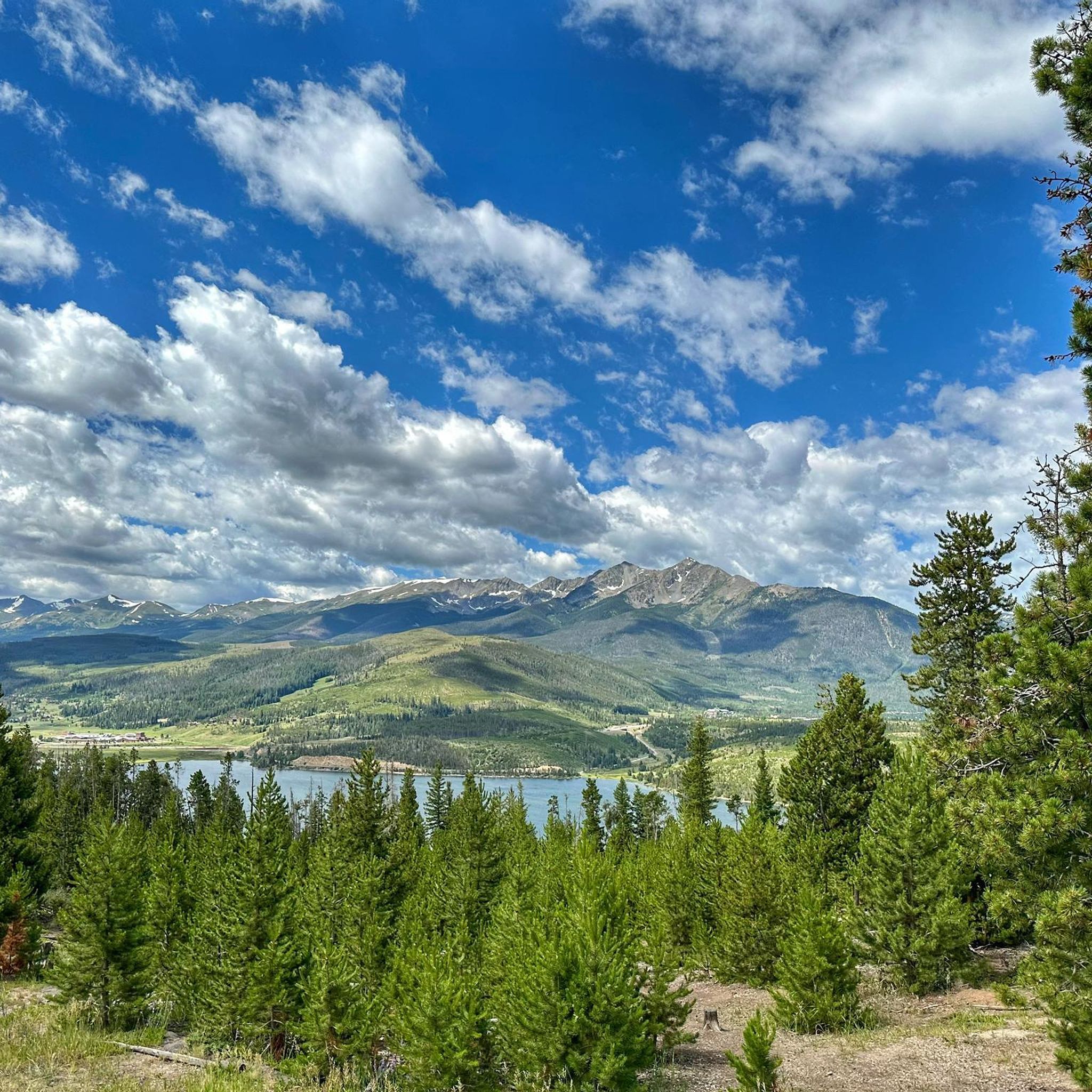
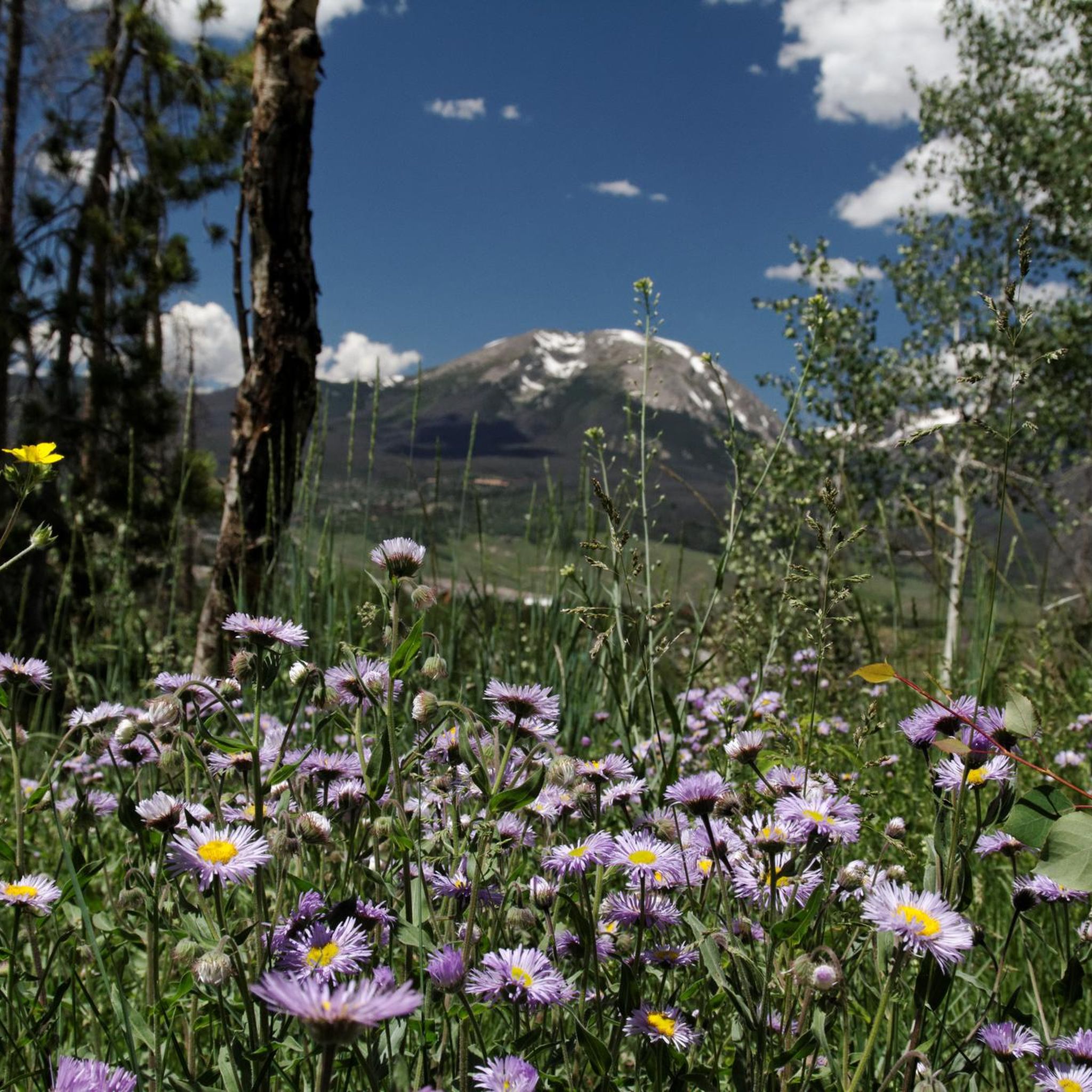
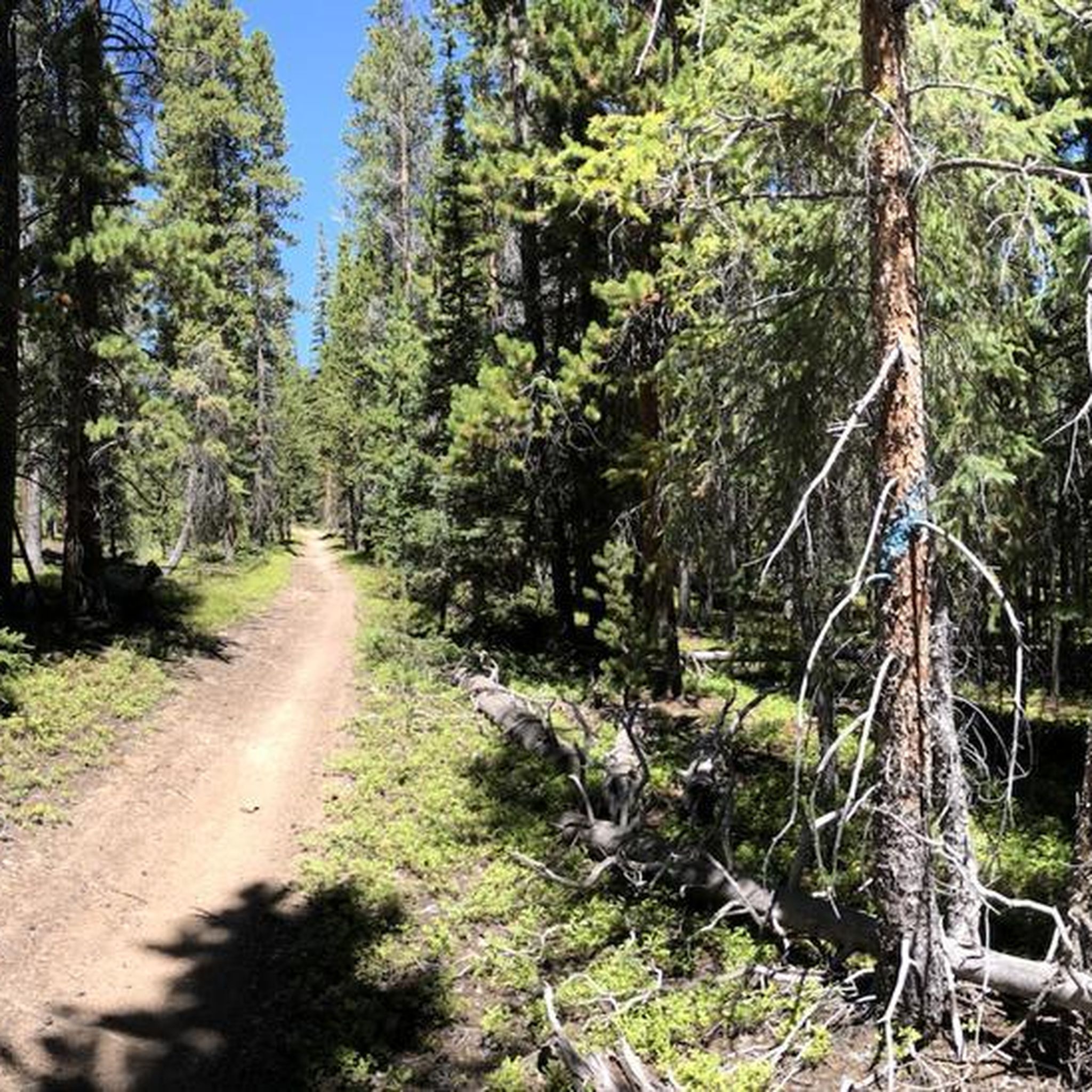
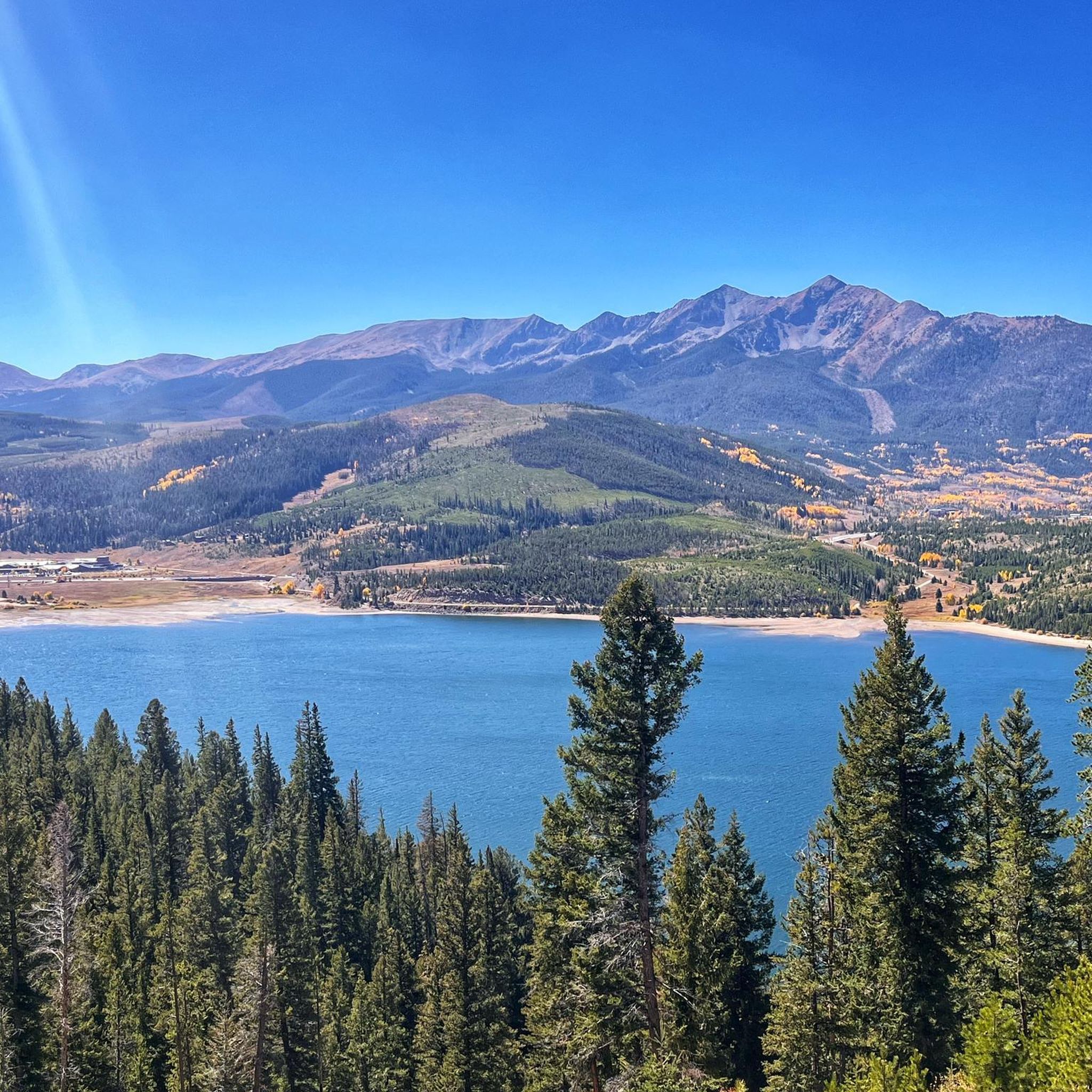
Tips from the Community

Just below Georgia Pass, the Colorado Trail and Continental Divide Trail meet/split. If you hike southbound, the two trails share the same route for 300 miles (taking the Collegiate West).
2
0

This junction is a meeting point of the Colorado Trail, Continental Divide Trail, and the American Discovery Trail. The Colorado Trail and Continental Divide Trail will overlap for 317 miles heading southbound.
0
0

Loveland Pass from Keystone is a fantastic high-altitude road biking challenge on US Highway 6, taking you over the Continental Divide. Starting around 9,200 feet at Keystone, you'll ascend approximately 8.5 to 11.5 miles, gaining about 2,600 to 3,000 feet to reach the 11,990-foot summit, with a steady average gradient typically in the 5.4-5.9% range. As you climb, you'll pass the Arapahoe Basin ski area and gradually transition into beautiful alpine meadows and forests before the final switchbacks above treeline offer dramatic views down to I-70 and expansive mountain vistas from the top of the pass. Be prepared for the significant altitude and potentially rapid weather changes at this elevation.
0
0
Setting out from the historic town of Georgetown the climb to Loveland Pass, taking you across the Continental Divide. This climb is a pleasure from Georgetown due to the dedicated cyclepath that takes you to the bottom of Highway 6 and the breathtaking ascent to Loveland Pass at 11,990 ft summit. Experience the dramatic shift from forested canyons to windswept alpine tundra with spectacular views.
0
0

At an elevation of roughly 13,200 feet, Argentine Pass is one of the most rugged mountain passes still drivable (by well-equipped vehicles) in Colorado. The old mining route passes remnants of a mining village and tops out on the saddle connecting the towering 13ers Mount Edwards and Argentine Peak.
0
0

Georgia Pass crosses the Continental Divide at 11,598 feet in elevation. Located between the towns of Jefferson and Breckenridge, the trail was originally designed so wagons could pass through when going to and from the area's mining towns.
0
0
At an elevation of roughly 13,200 feet, Argentine Pass is one of the most rugged mountain passes still drivable (by well-equipped vehicles) in Colorado. The old mining route passes remnants of a mining village and tops out on the saddle connecting the towering 13ers Mount Edwards and Argentine Peak.
0
0

Ute and Arapaho Indian Tribes were among the first known users of Georgia Pass. Following the Louisiana Purchase in 1803, the route became popular among European explorers, prospectors, and trappers. Before Colorado officially became a territory, Georgia Pass bordered the territories of Kansas and Utah. The original trail was designed so that wagons could pass through when going to and from the area’s many mining towns. A toll road was officially established in 1861.
1
0
Frequently Asked Questions
What are some of the most notable mountain passes near Keystone?
Keystone is surrounded by several significant mountain passes. Georgia Pass is a popular choice, crossing the Continental Divide at 11,598 feet and known for its historical wagon trails. Loveland Pass, at 11,990 feet, offers panoramic views and is a high-altitude route along the Continental Divide. Hoosier Pass, connecting Alma and Breckenridge, is a popular starting point for cyclists and hikers on the Continental Divide Trail. Boreas Pass, a former railroad pass, provides expansive views of the Blue River Valley and the Tenmile Range.
Are there mountain passes near Keystone with historical significance?
Yes, several passes boast rich history. Georgia Pass was originally used by Ute and Arapaho Indian Tribes, later becoming a popular route for European explorers and miners, with a toll road established in 1861. Argentine Pass, an old mining route at roughly 13,200 feet, still features remnants of a mining village. Boreas Pass was originally a railroad pass completed in 1882, and you can still see remnants of Boreas Station today.
What are the best mountain passes for scenic drives around Keystone?
For breathtaking scenic drives, Loveland Pass offers panoramic views of rugged peaks like Grizzly Peak and Mount Sniktau, and is considered Colorado's highest scenic winter drive open year-round. Hoosier Pass on Highway 9 provides stunning views of surrounding valleys and peaks, including Mount Lincoln and Quandary Peak. Berthoud Pass (Highway 40) also features wonderful mountain views and switchbacks, ideal for travelers heading west from Denver. Boreas Pass winds through alpine meadows, offering views of the Blue River Valley and the Tenmile Range.
Are there challenging cycling routes over mountain passes near Keystone?
Absolutely. The Loveland Pass climb from Keystone is a challenging high-altitude road biking route on US Highway 6, taking you over the Continental Divide with significant altitude gain. Another challenging option is the Loveland Pass Climb from Georgetown, which offers a dedicated cycle path for part of the ascent. Hoosier Pass is also a popular starting point for cyclists due to its well-maintained road and rewarding mountain views, and it's the highest point along the TransAmerica bike trail.
What hiking opportunities are available near the mountain passes?
Many passes offer excellent hiking. Loveland Pass provides access to hiking trails and backcountry skiing, including the short and easy Pass Lake Trail. Hoosier Pass is crossed by the Continental Divide Trail, offering access for hikers. Kokomo Pass and Searle Pass are part of the Colorado Trail: Segment 8, ideal for hikers seeking high-altitude experiences and wildflowers. Ute Pass, stretching through Arapaho National Forest, has many tempting trailheads along its scenic road. For more general hiking options, you can explore hiking routes around Keystone.
When is the best time to visit the mountain passes near Keystone?
The best time to visit depends on your activity. For hiking and cycling, late spring through early fall (June to September) offers the most favorable conditions, with wildflowers blooming in summer. However, snowpack can persist into early summer at higher elevations like Loveland Pass. For scenic drives, many passes are accessible year-round, with Loveland Pass being noted as Colorado's highest scenic winter drive. Always check current weather and road conditions, especially in winter, as high-altitude passes can experience rapid weather changes.
Are there family-friendly activities or easy trails near Keystone's mountain passes?
While many passes offer challenging terrain, some areas provide easier options. The Pass Lake Trail near Loveland Pass is a short and easy hike with sweeping mountain views, though snow can be a factor in early summer. For more general family-friendly outdoor activities, you can find easy hikes around Keystone, which include trails like Meadow Loop and Ridge Trail or Keystone Lake via Snake River Trail.
What kind of natural features and wildlife can I expect to see?
The mountain passes around Keystone are rich in natural beauty. You'll encounter diverse landscapes ranging from alpine meadows and forests to rugged peaks and high-altitude tundra. Passes like Loveland Pass and Hoosier Pass offer panoramic views of the Rocky Mountains, including peaks like Grizzly Peak, Mount Sniktau, Mount Lincoln, and Quandary Peak. In spring and summer, wildflowers are vibrant, especially along Boreas Pass and the Colorado Trail segments near Kokomo and Searle Passes. While specific wildlife sightings vary, the region is home to various Rocky Mountain species.
What are the highest mountain passes in the Keystone area?
The highest passes in the immediate vicinity include Argentine Pass at roughly 13,200 feet, Kokomo Pass at 12,027 feet, and Searle Pass at 12,034 feet. Loveland Pass also reaches a significant elevation of 11,990 feet, offering a high-altitude experience along the Continental Divide.
Can I find trails that are part of the Continental Divide Trail near Keystone?
Yes, the Continental Divide Trail (CDT) crosses through the region. Hoosier Pass is a point where the CDT can be accessed by hikers. Additionally, the Glacier Ridge Road - CDT/Colorado Trail Junction, just below Georgia Pass, marks a significant meeting point where the Colorado Trail and Continental Divide Trail converge or split, with a shared route for 300 miles heading southbound.
Are there opportunities for running or jogging near the mountain passes?
While the high-altitude passes themselves can be challenging for running, the broader Keystone area offers various running trails. You can find a range of options from easy to difficult, such as the Snake River Recpath or the Soda Ridge and Soda Creek Loop. For more details on routes suitable for running, refer to the running trails around Keystone guide.
Most popular routes around Keystone
Most popular attractions around Keystone

Get inspired with the komoot mobile app


Explore more
See even more epic mountain passes by checking out these guides around Keystone:
