Top 20 Natural Monuments around Sedona
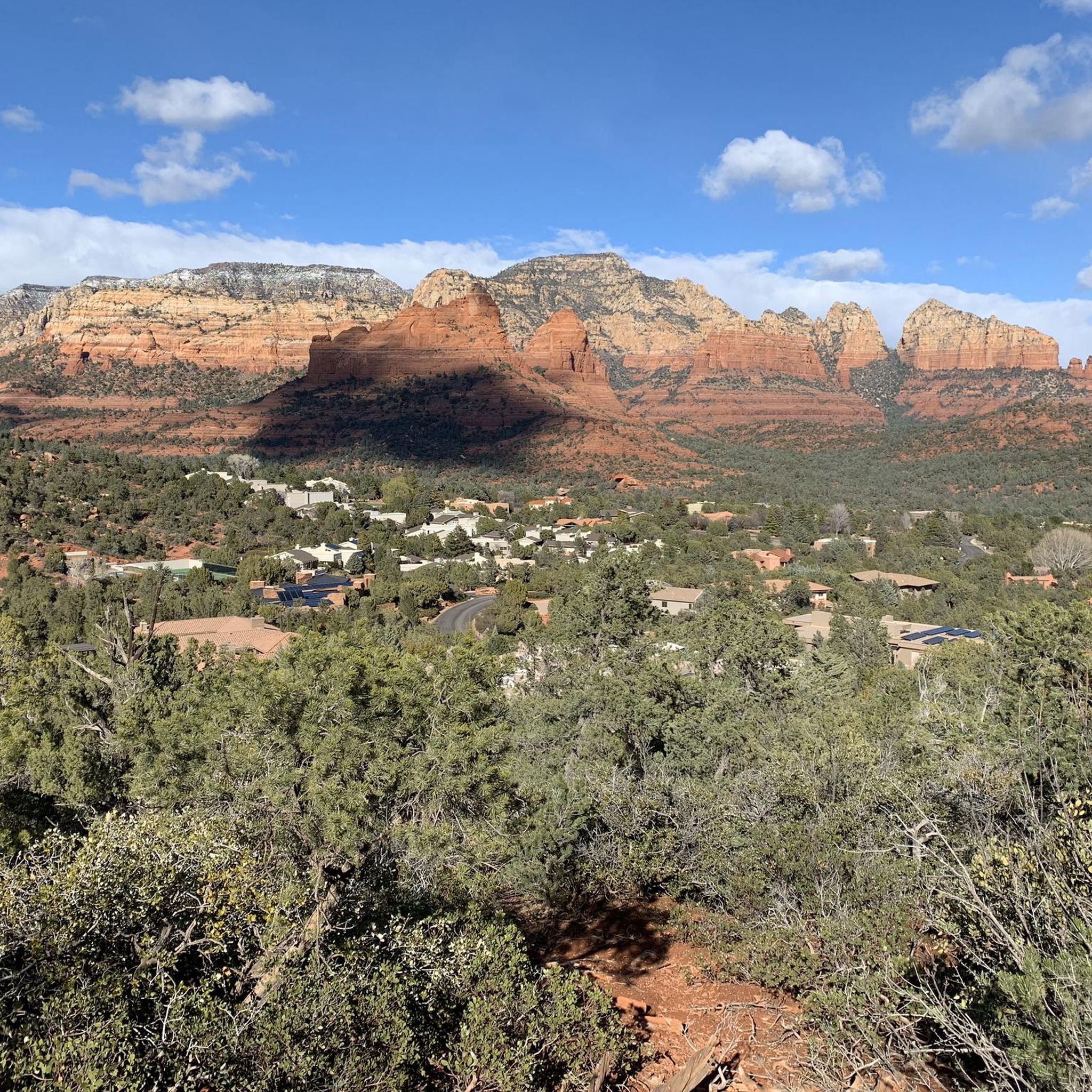
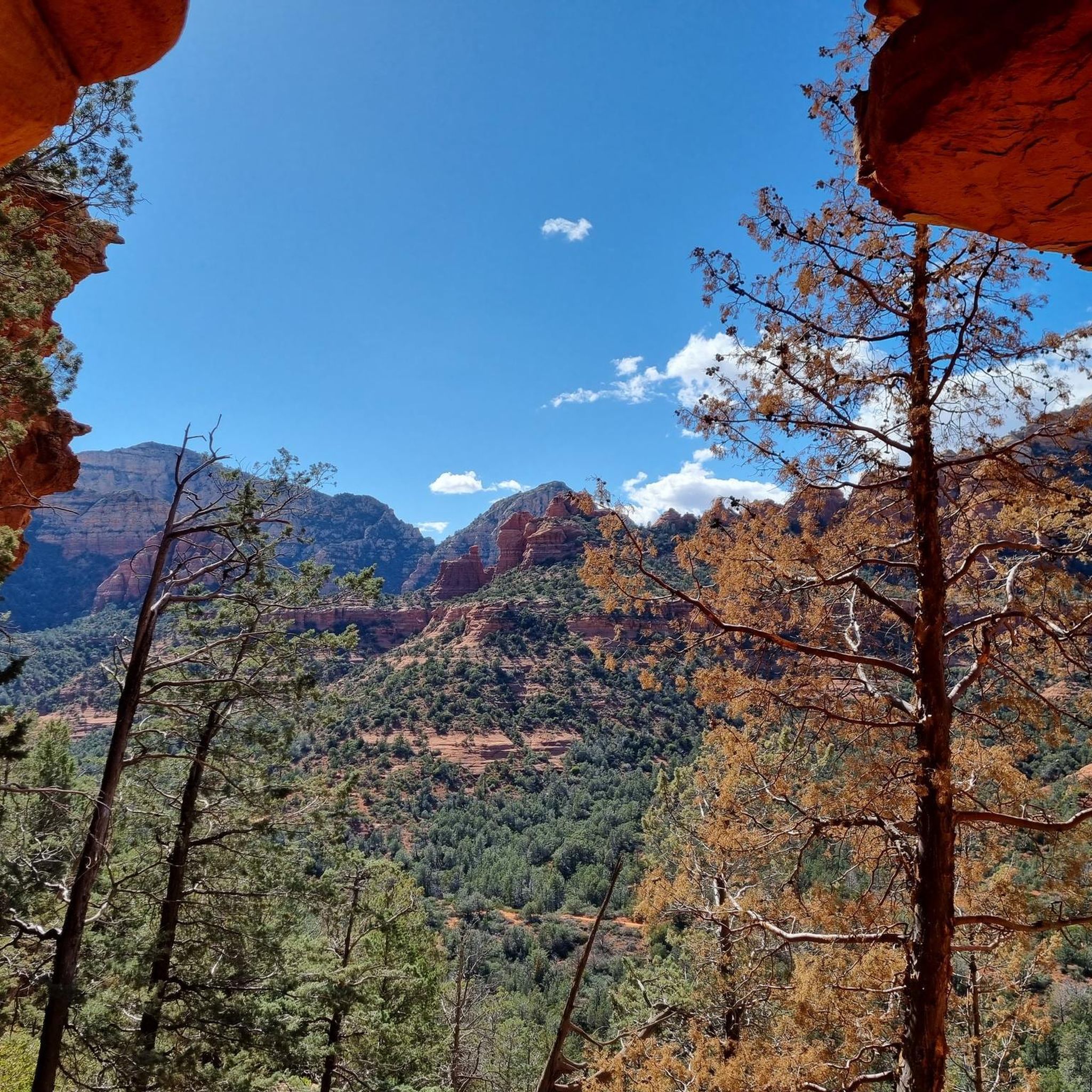
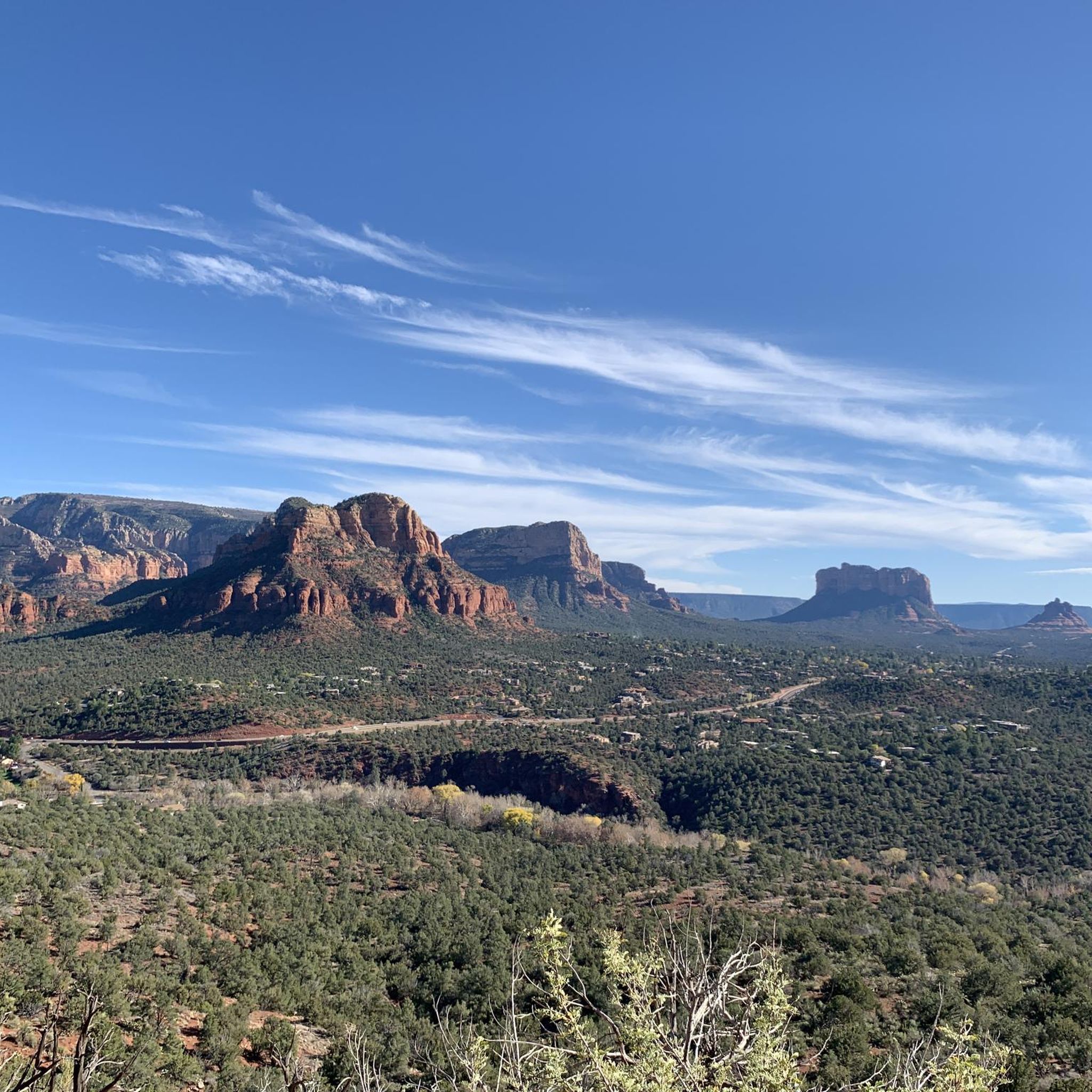
Best natural monuments around Sedona are characterized by red rock formations, sculpted by natural forces over time. The region's landscape features vibrant hues and unique geological formations. These natural features offer opportunities for outdoor activities and hold cultural significance. Sedona's natural monuments are a blend of visual appeal and geological interest.
Best natural monuments around Sedona
- The most popular natural monuments is Subway Cave and Ruins — Boynton Canyon, a cave that features a popular rock formation and ancient ruins. The entrance to the cave is straightforward, with ruins accessible by keeping to the right ledge.
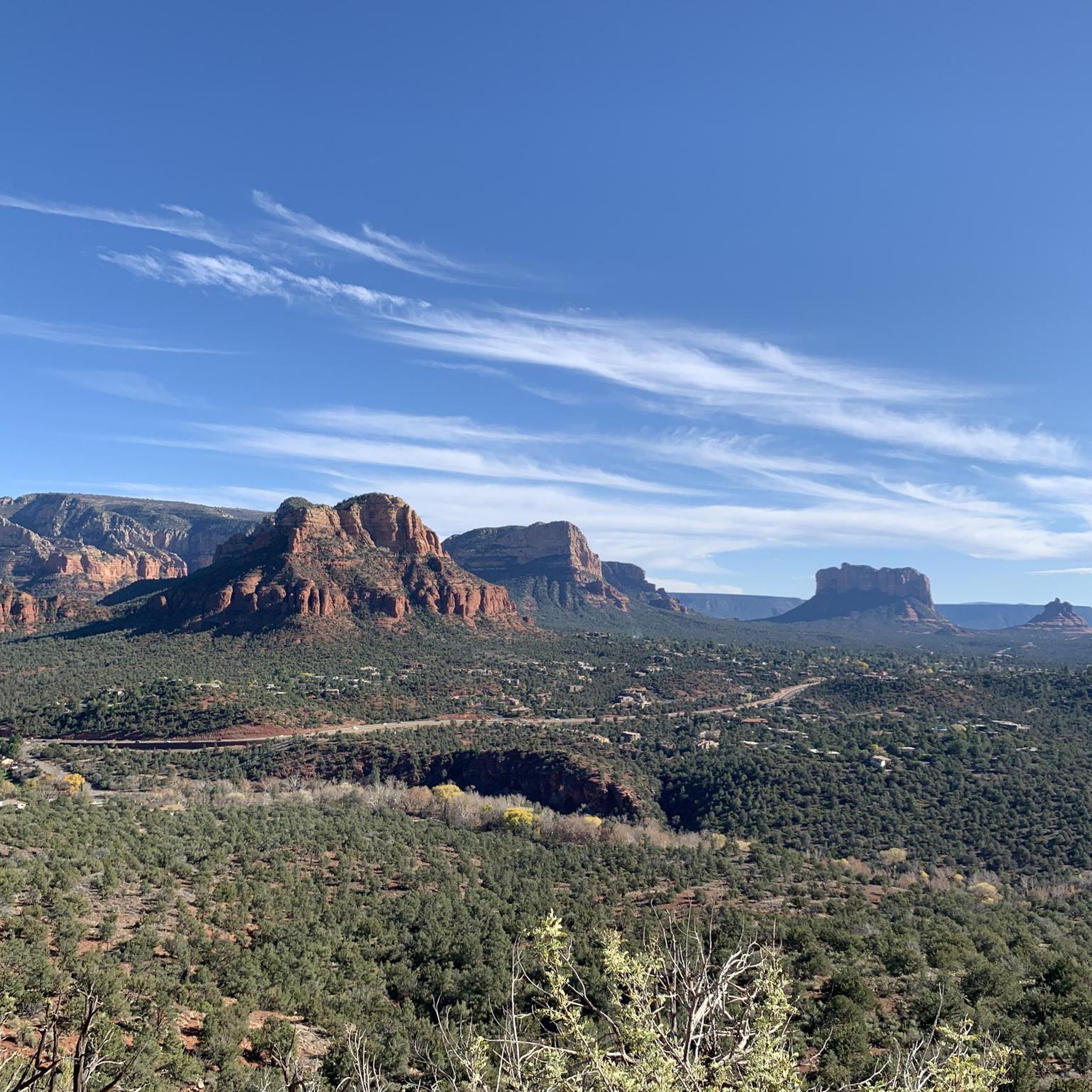
- Another must-see spot is Courthouse Rock, a natural monument. This rock, named for its courthouse-like appearance, is located next to Bell Rock. Visitors can walk around it on the Courthouse Loop, an approximately 4-mile loop.
- Visitors also love Cathedral Rock Trail, a trail that involves rock climbing over a kilometer with a 200-meter ascent. This trail offers views of the Sedona plain and surrounding Red Rocks.
- Sedona is known for caves, trails, and unique rock formations. The area offers a variety of natural monuments to see and explore, from challenging climbs to scenic loops.
- The natural monuments around Sedona are appreciated by the komoot community, with more than 40 upvotes and over 40 photos shared.
Last updated: October 11, 2026
Subway Cave and Ruins — Boynton Canyon
Highlight • Cave
Tip by

Devil's Bridge
Highlight • Natural Monument
Tip by

Sign up now to discover places like this
Get recommendations on the best single tracks, peaks, & plenty of other exciting outdoor places.
Cathedral Rock Trail
Highlight (Segment) • Trail
At the end of the violent climb, a breathtaking view of the Sedona plain and the surrounding Red Rocks awaits you. Warning: it can be extremely windy here!
Tip by

Courthouse Rock
Highlight • Natural Monument
Tip by
Seven Sacred Pools
Highlight • Natural Monument
Tip by
Sign up for free to discover even more natural monuments around Sedona.
Already have an account?
Start today with a free account
Your next adventure awaits.

Other adventures around Sedona

Tips from the Community

There are two ways to get up to the Subway Cave: one is easier, but goes along a narrow cliff. The more direct approach is more technical, going up the direct slope, but also less scary if you're not good with heights.
1
0
Quite challenging but rewarding hike. Expect a lot of scrambling and crab-walking.
0
0


The Subway Cave is a remarkable slot-like natural rock formation and is often considered a "secret spot" due to its location; however, you will likely encounter plenty of other visitors here. Reaching this location requires a short scramble, but the breathtaking views of the surrounding red rock landscape make it well worth the effort.
0
0

Great place, awesome views...Watch my trail including the missing path to Cathedral Rock from south
0
1


This bell-shaped rock got its name in the 1800's and has since been a must-see for all traveling through the Sedona area. It appears rounded from a distance, but closer views allow one to see the defined, steep walls of each of its "steps."
0
0
These sacred pools of water naturally collect in the small sandstone sinkholes and provide a drinking source to the animals living in the area. Because of the lack of other water sources in the area, please tread lightly and plan to bring along any water you might need for your run.
0
0
Frequently Asked Questions
What are some of the most iconic natural monuments to visit in Sedona?
Sedona is home to many iconic natural monuments. Among the most recognized are Cathedral Rock, known for its majestic sandstone formation and panoramic views, and Bell Rock, easily identified by its distinctive shape. Courthouse Rock, located next to Bell Rock, is also a prominent landmark. For a unique experience, consider Subway Cave and Ruins — Boynton Canyon, which features a popular rock formation and ancient ruins.
Are there natural monuments in Sedona that offer historical or cultural insights?
Yes, Sedona's natural landscape is intertwined with rich history. Subway Cave and Ruins — Boynton Canyon contains ancient ruins, offering a glimpse into past civilizations. Further afield, Montezuma Castle National Monument preserves a remarkably well-preserved five-story cliff dwelling built by the Sinagua people over 600 years ago, showcasing ancient Native American ingenuity.
Which natural monuments are suitable for families with children?
Several natural monuments in Sedona are great for families. The Bell Rock Pathway offers gentle slopes, making it accessible for most. The Courthouse Butte Loop Trail, which circles both Courthouse Butte and Bell Rock, is also considered family-friendly. Within Oak Creek Canyon, Slide Rock State Park provides a natural waterslide for fun swimming and sunbathing. For a less strenuous walk, the Courthouse Loop around Courthouse Rock has few ascents.
Where can I experience Sedona's famous energy vortexes?
Sedona is renowned for its energy vortex sites, believed to be centers of swirling energy conducive to healing and meditation. Prominent vortex locations include Cathedral Rock, Bell Rock, and Airport Mesa. Many visitors seek out these spots for their spiritual significance and breathtaking views.
What kind of hiking opportunities are available near Sedona's natural monuments?
Sedona offers a wide range of hiking opportunities near its natural monuments, from easy strolls to challenging climbs. For instance, the Cathedral Rock Trail involves significant rock climbing with a 200-meter ascent over just over a kilometer. The Courthouse Loop around Courthouse Rock is an approximately 4-mile loop with fewer ascents. You can find more detailed hiking routes, including options like Devil's Bridge from Chuck Wagon Trail or Brins Mesa/Soldier Pass Loop, in the Hiking around Sedona guide.
Are there any less crowded natural attractions in Sedona?
While many of Sedona's natural monuments are popular, you can find less crowded spots by visiting during off-peak hours (early mornings or late afternoons) or exploring some of the lesser-known trails. For example, while Subway Cave and Ruins — Boynton Canyon can be busy, exploring the surrounding Boynton Canyon offers a chance for solitude. Red Rock State Park, while popular, has a network of trails where you can often find quieter moments, especially on weekdays.
What is the best time of year to visit Sedona's natural monuments?
The best time to visit Sedona's natural monuments is typically during the spring (March to May) and fall (September to November). During these seasons, the weather is mild and pleasant for outdoor activities like hiking. Autumn also brings spectacular fall colors to areas like Oak Creek Canyon. Summers can be very hot, making early morning or late afternoon visits preferable, while winters are generally mild but can have cooler temperatures.
Can I find natural monuments with unique geological features beyond the red rocks?
Absolutely. While the red rocks are dominant, Sedona offers other unique geological formations. Devil's Bridge is a dramatic natural sandstone arch, the largest of its kind in the area. Oak Creek Canyon, often compared to a smaller Grand Canyon, features stunning river gorges, waterfalls, and lush foliage that contrast with the arid red rock landscape. Seven Sacred Pools are natural sandstone sinkholes that collect water, providing a unique natural feature.
What outdoor activities, besides hiking, can I do near Sedona's natural monuments?
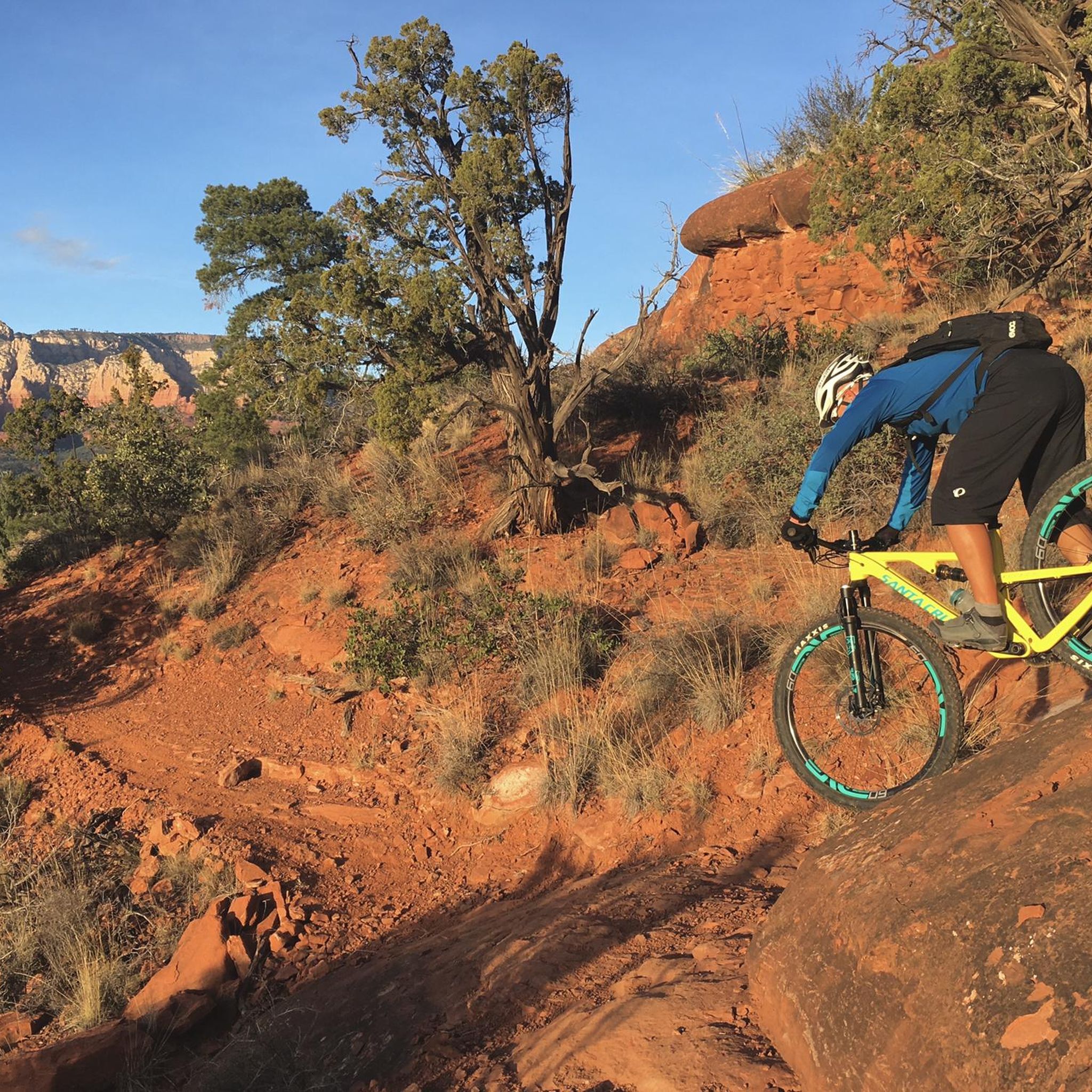
Beyond hiking, Sedona's natural monuments offer opportunities for various outdoor activities. Running is popular, with routes like Devil's Bridge loop via Chuckwaggon Trail run. You can find more running routes in the Running Trails around Sedona guide. Climbing is a significant aspect of trails like Cathedral Rock Trail. Oak Creek Canyon provides opportunities for swimming in its natural swimming holes, particularly at Slide Rock State Park. Wildlife viewing is also a popular activity, especially in preserves like Red Rock State Park.
Are there any natural monuments that offer panoramic viewpoints of the Sedona landscape?
Many natural monuments in Sedona provide stunning panoramic views. Airport Mesa is particularly famous for its 360-degree vistas, including Cathedral Rock, Bell Rock, and Coffee Pot Rock, and is a popular spot for sunsets. Cathedral Rock Trail culminates in breathtaking views of the Sedona plain and surrounding Red Rocks. Coffee Pot Rock, the highest point in town, also offers expansive views.
What makes Sedona's natural monuments unique compared to other regions?
Sedona's natural monuments are unique due to their vibrant red rock formations, sculpted over millions of years by natural forces, creating a landscape of unparalleled beauty and distinct geological features. The area is also known for its energy vortex sites, which attract visitors seeking spiritual experiences. The blend of stunning visual appeal, diverse outdoor activities, and rich cultural history, including ancient cliff dwellings, sets Sedona apart.
Are there any easy hiking trails near Sedona's natural monuments for beginners?
Yes, Sedona offers several easy hiking trails suitable for beginners. The Bell Rock Pathway is known for its gentle slopes. The Courthouse Butte Loop Trail, while longer, is generally considered family-friendly with manageable terrain. For more options, you can explore the Easy hikes around Sedona guide, which includes trails like Little Horse Trail and Chimney Rock Loop, offering accessible ways to experience the natural beauty.
Most popular attractions around Sedona

Get inspired with the komoot mobile app


Explore more
Extend your search for the best caves by checking out these guides of the top ones around Sedona:
