Area B (South Fraser Canyon/Sunshine Valley)
Area B (South Fraser Canyon/Sunshine Valley)
Top 9 Natural Monuments around Area B (South Fraser Canyon/Sunshine Valley)
Best natural monuments around Area B (South Fraser Canyon/Sunshine Valley) offer a diverse landscape shaped by powerful rivers, ancient geological events, and historical human endeavors. This region, encompassing the South Fraser Canyon and Sunshine Valley in British Columbia, features unique geological formations and significant natural landmarks. Visitors can explore dramatic river passages, historic railway tunnels, and serene alpine lakes. The area provides a blend of natural beauty and historical context, making it a notable destination for outdoor exploration.
Top natural monuments around Area B (South Fraser Canyon/Sunshine Valley)
- The most popular natural monuments is Lindeman Lake, a lake known for its vibrant turquoise waters and scenic woodland terrain. This picturesque alpine lake is a popular destination for admiring scenery and picnicking.
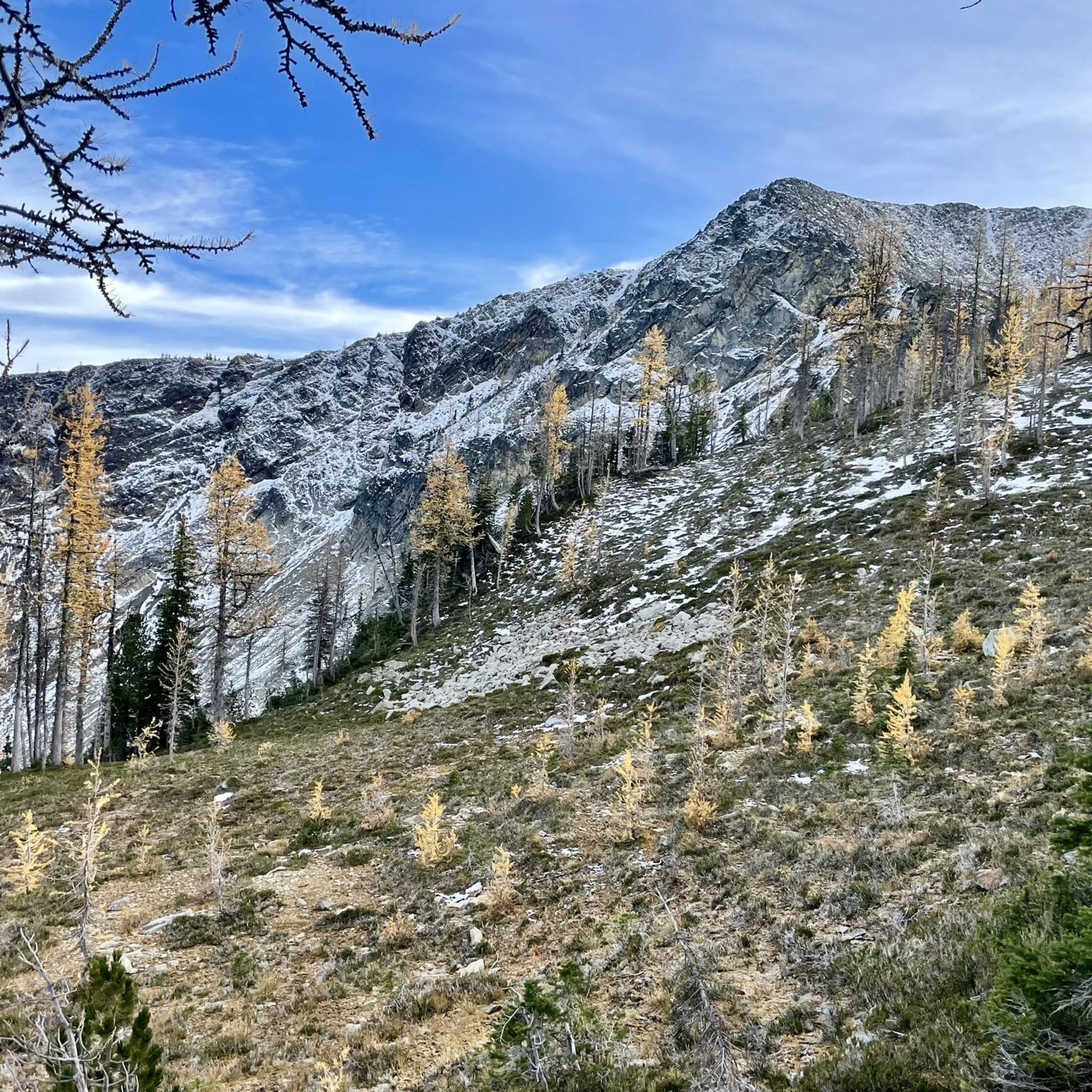
- Another must-see spot is Alpine Larch Forest on Frosty Mountain Trail, a forest featuring the unique alpine larch trees. These trees are especially beautiful in autumn when their leaves turn a bright yellow.
- Visitors also love Frosty Mountain Summit, a summit offering expansive views. It is a challenging climb, with options for overnight stays at Frosty Creek Camp.
- Area B (South Fraser Canyon/Sunshine Valley) is known for its diverse natural monuments, including alpine lakes, mountain summits, and unique forest ecosystems. The region offers a variety of natural features to see and explore, from dramatic geological sites to serene wilderness areas.
- The natural monuments around Area B (South Fraser Canyon/Sunshine Valley) are appreciated by the komoot community, with more than 10 photos shared and 4 upvotes across the highlights.
Last updated: July 8, 2026
Frosty Mountain junction
Highlight • Mountain Pass
To the actual summit, it's only about 600 meters in distance. However, as it goes over the ridge, it can be dangerous in winter with snow. Then it may be enough to enjoy the view from here.
Tip by

Pacific Crest Trail Northern Terminus
Highlight • Monument
As of January 25, 2025, the Pacific Crest Trail permit program to enter Canada has ended. You are only allowed to enter Canada using a designated point of entry.
On the United States side, the nearest road to pick up a hiker is Hart’s Pass Road (usually passenger-vehicle accessible) which is a hike of around 30 miles south from the northern terminus.
As getting to and from the northern terminus is not that easy since there are no roads, here are some helpful tipps for logistics and maps:
pcta.org/discover-the-trail/backcountry-basics/pct-transportation/directions-northern-terminus-pct
Tip by
Sign up now to discover places like this
Get recommendations on the best single tracks, peaks, & plenty of other exciting outdoor places.
Sign up for free
Hope Slide
Highlight • Natural Monument
Translated by Google •
Tip by

Lindeman Lake
Highlight • Lake
Tip by
Alpine Larch Forest on Frosty Mountain Trail
Highlight • Forest
Tip by
Sign up for free to discover even more natural monuments around Area B (South Fraser Canyon/Sunshine Valley).
Sign up for free
Already have an account?
Start today with a free account
Your next adventure awaits.
Login or Signup
Popular around Area B (South Fraser Canyon/Sunshine Valley)
Other adventures around Area B (South Fraser Canyon/Sunshine Valley)


Tips from the Community

Lindeman Lake is a beautiful alpine lake next to the popular Chilliwack Lake. It is a nice hike in and back. There are several nice campsites along the west shore. If you continue past the lake, the trail will take you to Greendrop Lake.
2
0
The small larch forest and the scattered larch trees on the way to Frosty Mountain attract many people here every year, especially in autumn. Also known as Mountain Monarch, you will find a very special tree species here, the alpine larch. Some larches are over 2,000 years old. They are especially beautiful to look at in the fall, when they change their green leaf dress for a bright yellow one.
4
0
Once you've fought your way up here, a spectacular view of Frosty Mountain and the surrounding mountain landscape awaits. Especially in the sunshine, you can stand it here for a few moments, provided you don't come here in high season, because there's not much space at this crossing. To the actual summit, it's only about 600 meters in distance. However, as it goes over the ridge, it can be dangerous in winter with snow. Then it may be enough to enjoy the view from here.
3
0
The climb from the west is not as steep and arduous as from the east and is the classic walking direction if you hike the loop. Also, you can spend a night at Frosty Creek Camp at about 1,900 meters and climb the summit at 2,400 meters the next day. To spend the night in the backcountry, you'll need a permit that costs 5 dollars a night per person. Also note: In winter and even in fall, Frosty Mountain can be snow covered. So if you are descending to the west, you should have microspikes in your backpack for this case.
0
0
If you come all the way from the Mexican border this is where your epic journey along the 2,650 miles of the Pacific Crest Trail ends. It might also be the start of your adventure if you chose to hike the National Scenic Trail southbound. It is marked with a wooden pillar monument a little south of the international boundary marker to Canada called Monument 78. As of January 25, 2025, the Pacific Crest Trail permit program to enter Canada has ended. You are only allowed to enter Canada using a designated point of entry. On the United States side, the nearest road to pick up a hiker is Hart’s Pass Road (usually passenger-vehicle accessible) which is a hike of around 30 miles south from the northern terminus. As getting to and from the northern terminus is not that easy since there are no roads, here are some helpful tipps for logistics and maps: https://www.pcta.org/discover-the-trail/backcountry-basics/pct-transportation/directions-northern-terminus-pct/
6
1


The fall of Hope (Hope Slide) occurred on January 9, 1965 at Hope, 135 km east of Vancouver, in the extreme southwest of Canada. The landslide was the largest in Canadian history and costed four lives, though in an almost uninhabited area. He tore from a steep slope (> 45 °) just below a ridge in the Cascade Mountains and poured into a side valley of the Coquihalla River, which flows about 10 km further at Hope in the Fraser River. As local surveys showed, 46 million cubic meters of rock and boulders crashed down a slant slope inclined at about 20 ° and remained as a huge heap of 70 meters in height and three kilometers in length. According to Albert Heim's rule of thumb, the lintel on the slide had to have a speed of over 200 km / h. The pebble avalanche completely drained a lake (Outram Lake) near the Nicolum River and moved the river. It also rolled a few miles off Highway 3 (a branch of the newly opened Trans-Canada Highway) that had to be closed for weeks.
0
0

The Hope Slide was the largest recorded landslide in Canada, apart from the similarly sized Mount Meager landslide of 2010. It occurred in the morning hours of January 9, 1965 in the Nicolum Valley in the Cascade Mountains near Hope, British Columbia, and killed four people. The rock volume caused by the landslide was estimated at 47 million cubic meters. Source: Wikipedia
1
0
Frequently Asked Questions
What are some unique natural features to explore in Area B?
Area B offers a diverse range of natural features. You can witness the dramatic narrowing of the Fraser River at Hell's Gate, explore the vibrant turquoise waters of Lindeman Lake, or discover the unique Alpine Larch Forest on Frosty Mountain Trail, especially stunning in autumn. The region also features significant geological sites like the Hope Slide.
Are there family-friendly natural monuments in Area B?
Yes, several natural monuments in Area B are suitable for families. The Othello Tunnels in Coquihalla Canyon Provincial Park offer a flat, gravel trail through historic railway tunnels, perfect for walking and cycling. Lindeman Lake also features a popular, family-friendly hike, though it has some steep sections. The Hope Slide viewpoint is also considered family-friendly.
What kind of outdoor activities can I do near these natural monuments?
The natural monuments in Area B are surrounded by opportunities for various outdoor activities. You can enjoy hiking, running, and cycling. For instance, there are numerous hiking trails, including easy options like those around Lightning Lake or more challenging routes like the Flatiron via Needle Peak Trail. You can find more details on specific routes in our guides for Hiking around Area B, Easy hikes around Area B, and Running Trails around Area B.
Are there any natural monuments with historical significance in Area B?
Absolutely. Hell's Gate is historically significant due to its role during the Gold Rush, posing a perilous obstacle for prospectors, and features fishways built in the 1940s. The Othello Tunnels are old railway tunnels carved through granite as part of the Kettle Valley Railway. Alexandra Bridge Provincial Park centers around the site of the original Cariboo Wagon Road bridge, with the current historic suspension bridge offering a glimpse into British Columbia's transportation history.
What is the best time to visit the natural monuments in Area B?
The best time to visit depends on the monument and your preferred activity. For hiking and general exploration, late spring to early autumn (May to October) typically offers pleasant weather. The Alpine Larch Forest on Frosty Mountain Trail is particularly beautiful in autumn when the larch trees turn a bright yellow. Some higher elevation areas, like Frosty Mountain Summit, can be snow-covered into late fall and winter, requiring appropriate gear.
Are there challenging hikes among the natural monuments in Area B?
Yes, for those seeking a challenge, the region offers demanding trails. The ascent to Frosty Mountain Summit is a challenging climb, with options for overnight stays at Frosty Creek Camp. The Pacific Crest Trail Northern Terminus also involves a challenging journey, often requiring a multi-day hike to reach. Always be prepared for varying conditions, especially at higher elevations.
Can I bring my dog to the natural monuments in Area B?
Dog policies vary by park and specific trail. While many outdoor areas in British Columbia are dog-friendly, it's essential to check the regulations for each specific location, such as Coquihalla Canyon Provincial Park (Othello Tunnels) or Chilliwack Lake Provincial Park (Lindeman Lake). Dogs are generally required to be on a leash, and owners must clean up after their pets. Some trails or sensitive natural areas may have restrictions.
Do I need permits to visit natural monuments in Area B?
For most day visits to natural monuments like Hell's Gate, Othello Tunnels, or Alexandra Bridge Provincial Park, permits are not typically required. However, if you plan to spend a night in the backcountry, for example, at Frosty Creek Camp near Frosty Mountain Summit, you will need a permit. Always check the specific park or trail regulations before your visit, especially for overnight stays or in protected areas.
What do visitors enjoy most about the natural monuments in Area B?
Visitors frequently praise the stunning natural beauty and the sense of awe inspired by the region's landscapes. The vibrant turquoise waters of Lindeman Lake are a major draw, as are the expansive views from Frosty Mountain Summit. The unique experience of walking through the historic Othello Tunnels and witnessing the powerful Fraser River at Hell's Gate are also highly valued experiences.
Are there accessible natural monuments in Area B?
The Othello Tunnels in Coquihalla Canyon Provincial Park are known for their relatively flat, gravel trail, making them accessible to a wide range of visitors, including those with strollers or mobility aids. The trail to Alexandra Bridge in Alexandra Bridge Provincial Park is also a short walk from the parking lot. While many natural areas involve uneven terrain, these locations offer more accessible options for experiencing the region's natural and historical sites.
Where can I find accommodation near the natural monuments in Area B?
Accommodation options are available in nearby towns such as Hope and in the Sunshine Valley area. Hope offers various cafes, pubs, and lodging choices. For those looking to stay closer to nature, camping is available at Lindeman Lake within Chilliwack Lake Provincial Park, and backcountry camping is possible near Frosty Mountain Summit with a permit.
Most popular routes around Area B (South Fraser Canyon/Sunshine Valley)
Most popular attractions around Area B (South Fraser Canyon/Sunshine Valley)

Get inspired with the komoot mobile app


Explore more
Extend your search for the best caves by checking out these guides of the top ones around Area B (South Fraser Canyon/Sunshine Valley):
