Big Bend National Park
Big Bend National Park
Top 12 Natural Monuments in Big Bend National Park
Best natural monuments in Big Bend National Park are found within its diverse landscapes, which include vast desert, mountains, and riparian ecosystems along the Rio Grande. The park features significant geological diversity, with marine sedimentary rocks, volcanic formations, and evidence of major North American mountain-building events. These natural features offer unique insights into the region's geology and support a wide array of plant and animal life. Visitors can explore a variety of natural attractions across this expansive West Texas park.
…Last updated: October 11, 2026
Santa Elena Canyon
Highlight (Segment) • Canyon
Translated by Google •
Tip by

Balanced Rock
Highlight • Natural Monument
Tip by

Sign up now to discover places like this
Get recommendations on the best single tracks, peaks, & plenty of other exciting outdoor places.
Pinnacles Trail
Highlight (Segment) • Trail
Tip by

Emory Peak
Highlight • Summit
Tip by
The Window Pour-off Viewpoint
Highlight • Viewpoint
Tip by
Sign up for free to discover even more natural monuments in Big Bend National Park.
Already have an account?
Start today with a free account
Your next adventure awaits.
Popular around Big Bend National Park
Other adventures in Big Bend National Park

Tips from the Community

Balanced Rock is an interesting geological formation created by millions of years of erosion, which gradually exposed rocks that appear to be balanced precariously on one another. These formations not only draw hikers but also provide insights for scientists studying earthquake activity. The final stretch of the trail leading to Balanced Rock involves navigating steep, rough bedrock and a landscape filled with boulders. Hikers should stay on the trail, follow directional arrows carefully, and exercise caution.
0
0

Pinnacles Trail is known as a steep, strenuous hike with great views of the Chisos Basin and the Chihuahuan Desert. Pinnacles is a shorter route to popular stops like South Rim or Emory Peak but hikers will often hike Pinnacles Trail and stop at Pinnacles Pass, due to the steepness of the trail and the views it offers.
0
0
Emory Peak is the highest point in Big Bend National Park at 7,796 feet. The summit provides panoramic views of the rocky peaks in Chisos Basin. The last quarter mile of the climb to this mountain top is steep and rocky. The last 25 feet to the summit requires scrambling along a rock face. There is very little shade along most of this trail and Texas's summer temps can be brutal. Make sure to pack appropriately.
0
0
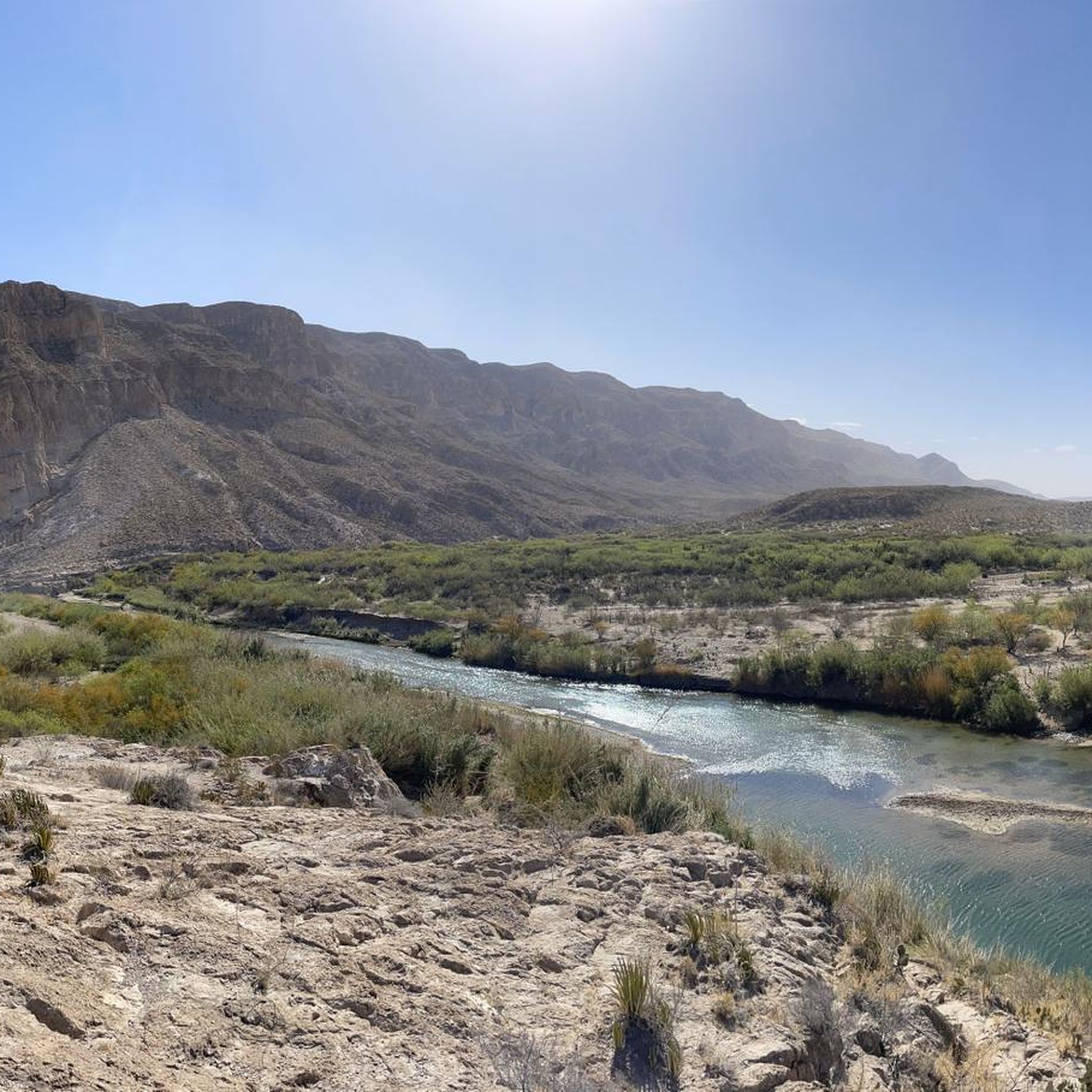
This trail leads directly into the mouth of the canyon. It follows the Rio Grande along its banks with rock stairs and a dirt path, and then along the lower parts of the rocky canyon walls. When the dirt path ends, hikers will often wade into the usually knee-high water to experience more of the canyon.
0
1
The gem of this trail is a narrow overlook through two tall sandstone walls, known as The Window Pour-off, that is on the side of the mountain. The giant rock mountain is known as The Window because of the way it frames views of the desert from afar.
0
0

Bare, rocky ground and sparse vegetation are hallmarks of the desert, but there is plenty of life here. The trail is easy with a steep brief rocky section just before the Balanced Rock.
2
0

Fantastic views through the canyon. Wear some type of water shoe to wade through the river once the trail ends.
1
1
Great hike up in the Chisos. Be very careful when taking in the view at the end. Great sunset hike if you can time it right.
2
0
Frequently Asked Questions
What are some of the most iconic natural monuments to visit in Big Bend National Park?
Big Bend National Park is home to several iconic natural monuments. Among them, Santa Elena Canyon stands out with its towering 1,500-foot cliff walls along the Rio Grande. Another must-see is Balanced Rock, a fascinating geological formation in the Grapevine Hills where a large boulder appears precariously balanced. Also popular is The Window Pour-off Viewpoint, offering panoramic views of the Chihuahuan Desert through a V-shaped notch in the mountains.
What makes the natural monuments in Big Bend National Park unique?
The natural monuments in Big Bend National Park are unique due to the park's significant geological diversity. They showcase marine sedimentary rocks, volcanic formations, and evidence of major North American mountain-building events. This geological history, combined with diverse ecosystems ranging from vast desert to mountains and riparian areas along the Rio Grande, supports an extraordinary array of plant and animal life, making each monument a distinct experience.
Are there family-friendly natural monuments in Big Bend National Park?
Yes, several natural monuments are suitable for families. The hike to Balanced Rock is a relatively short and easy 2.2-mile round trip, making it accessible for most. For views of The Window without a strenuous hike, the Window Viewpoint Trail is a short, paved, and stroller-friendly path offering similar stunning vistas. These options provide great opportunities for families to experience the park's natural beauty together.
What kind of hiking trails lead to Big Bend's natural monuments?
Big Bend National Park offers a variety of hiking trails to its natural monuments, ranging in difficulty. For instance, the 5.2-mile (round trip) Window Trail leads directly to The Window Pour-off Viewpoint, passing through diverse terrain. The trail to Balanced Rock is easier, though the final stretch involves navigating some steep, rocky sections. More challenging trails like Pinnacles Trail and the climb to Emory Peak offer strenuous ascents to high-elevation natural monuments with panoramic views.
Can I explore the natural monuments by water, such as Santa Elena Canyon?
Yes, Santa Elena Canyon is particularly well-suited for water exploration. While a short nature trail leads into its depths, the best way to experience the canyon's towering walls is often by raft or canoe on the Rio Grande. Outfitters offer trips ranging from one to three days, and day trips paddling upstream are possible when water levels are low. This allows for unique views and opportunities for wildlife viewing and exploring side canyons.
What is the best time to visit Big Bend National Park's natural monuments?
The best time to visit Big Bend National Park's natural monuments is generally during the cooler months, from late fall through early spring (November to April). During this period, temperatures are more moderate, making hiking and outdoor activities more comfortable. Summers can be extremely hot, especially in the desert lowlands, though the Chisos Mountains offer some relief at higher elevations.
What kind of wildlife can I expect to see near the natural monuments?
Big Bend National Park's varied ecosystems, from desert to mountains and riparian areas, support a rich diversity of wildlife. Near natural monuments, you might spot various bird species, including roadrunners and raptors. Mammals like javelina, deer, and coyotes are common, and if you're lucky, you might even see a black bear in the Chisos Mountains. Always observe wildlife from a respectful distance and never feed animals.
What should I wear when hiking to natural monuments in Big Bend?
When hiking to natural monuments in Big Bend, it's crucial to dress in layers, as temperatures can vary significantly throughout the day and with elevation. Wear sturdy hiking boots, and consider water shoes if you plan to wade through streams, especially when accessing Santa Elena Canyon. A wide-brimmed hat, sunglasses, and sunscreen are essential for sun protection. Always carry plenty of water, as dehydration is a serious risk in the desert environment.
Is parking available at popular natural monuments like Santa Elena Canyon?
Yes, parking is generally available at the trailheads for popular natural monuments. For Santa Elena Canyon, there is a designated parking area near the trailhead. However, during peak seasons, parking lots can fill up quickly, especially for popular spots. It's advisable to arrive early in the day to secure a spot. For some locations like Balanced Rock, the drive to the trailhead may require a high-clearance vehicle due to rough roads.
Are permits required to visit natural monuments in Big Bend National Park?
While a general entrance fee is required to enter Big Bend National Park, specific permits are typically not needed for day hikes to most natural monuments. However, if you plan to engage in activities like backcountry camping, river trips, or certain specialized activities, additional permits may be required. Always check the official Big Bend National Park website for the most current information on fees and permits before your visit.
What other outdoor activities can I do near Big Bend's natural monuments?
Beyond visiting the natural monuments, Big Bend National Park offers a wealth of outdoor activities. You can explore numerous hiking trails, from easy strolls to challenging mountain ascents. For more hiking ideas, check out our guides on Hiking in Big Bend National Park or Easy hikes in Big Bend National Park. The Rio Grande provides opportunities for canoeing, kayaking, and rafting. Stargazing is also a popular activity, as the park boasts some of the darkest night skies in the continental United States.
Are there any natural monuments that offer unique geological insights?
Absolutely. Balanced Rock in the Grapevine Hills is a prime example, showcasing how millions of years of erosion have sculpted volcanic tuff into a seemingly impossible formation. Similarly, the dramatic cliffs of Santa Elena Canyon reveal layers of ancient marine sedimentary rocks, providing a visible timeline of the region's geological past and the powerful erosive force of the Rio Grande.
Most popular routes in Big Bend National Park
Most popular attractions in Big Bend National Park

Get inspired with the komoot mobile app


