Theodore Roosevelt National Park
Theodore Roosevelt National Park
Top 20 Natural Monuments in Theodore Roosevelt National Park
Best natural monuments in Theodore Roosevelt National Park are found within the badlands of western North Dakota. This landscape features deeply eroded terrain, sharp ridges, and exposed sedimentary rock layers. Geological activity, including erosion by the Little Missouri River and the presence of ancient petrified wood, has shaped the park's unique features. Visitors can observe a variety of natural formations, from colorful canyons to ancient forest remnants.
Best natural monuments in Theodore Roosevelt National Park
- The most popular natural monuments…
Last updated: October 11, 2026
Caprock Coulee Nature Trail
Highlight (Segment) • Trail
Tip by

Painted Canyon Overlook
Highlight • Viewpoint
Tip by
Sign up now to discover places like this
Get recommendations on the best single tracks, peaks, & plenty of other exciting outdoor places.
Painted Canyon Visitor Center, Theodore Roosevelt National Park
Highlight • Rest Area
Tip by
Ridgeline Nature Trail Overlook
Highlight • Viewpoint
Tip by
Boicourt Overlook
Highlight (Segment) • Viewpoint
Tip by
Sign up for free to discover even more natural monuments in Theodore Roosevelt National Park.
Already have an account?
Start today with a free account
Your next adventure awaits.
Popular around Theodore Roosevelt National Park
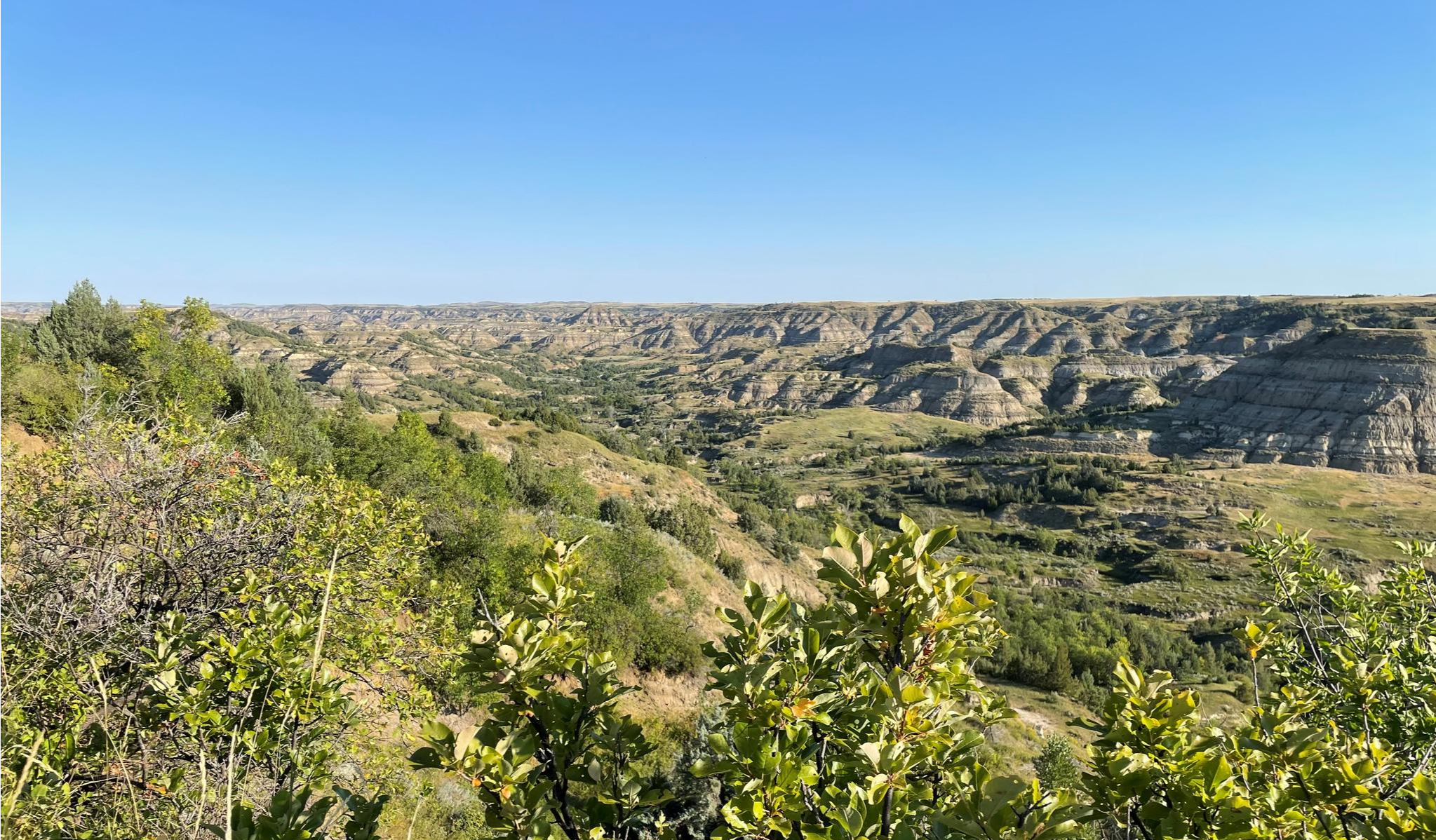
Maah Daah Hey Trail — The legendary Badlands trek
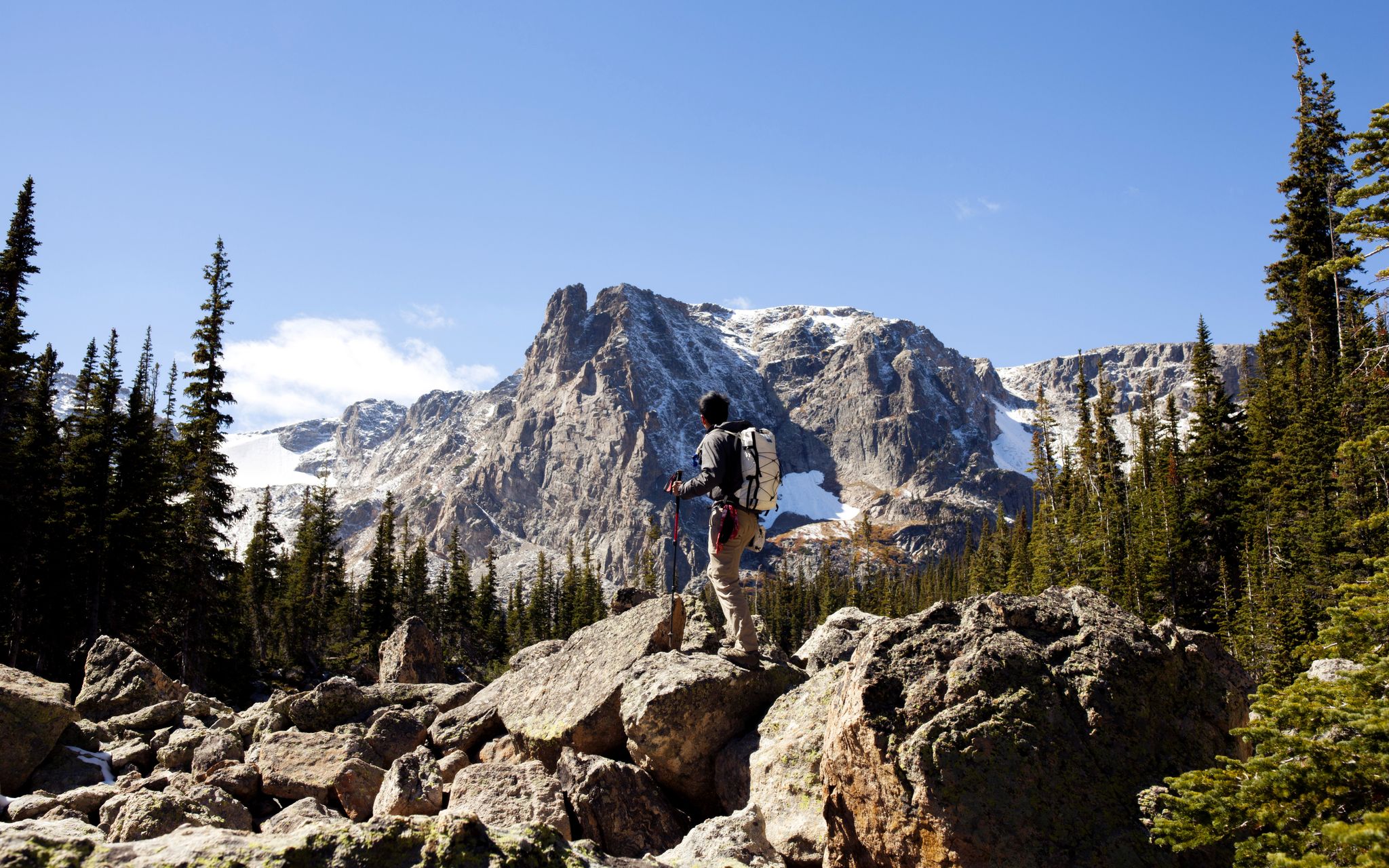
From the mountain peaks to the prairie – Rocky Mountains and Great Plains
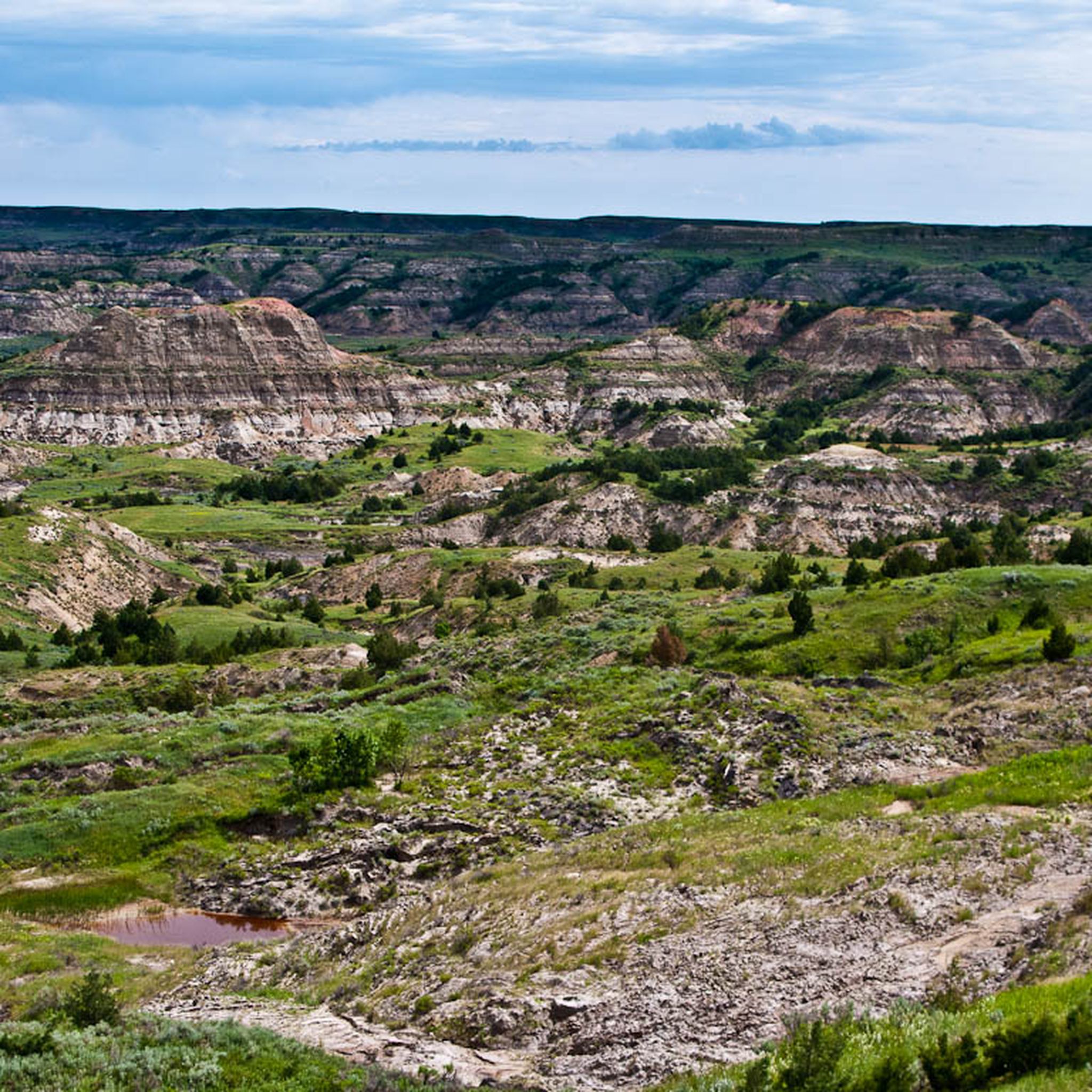
Hiking in Theodore Roosevelt National Park
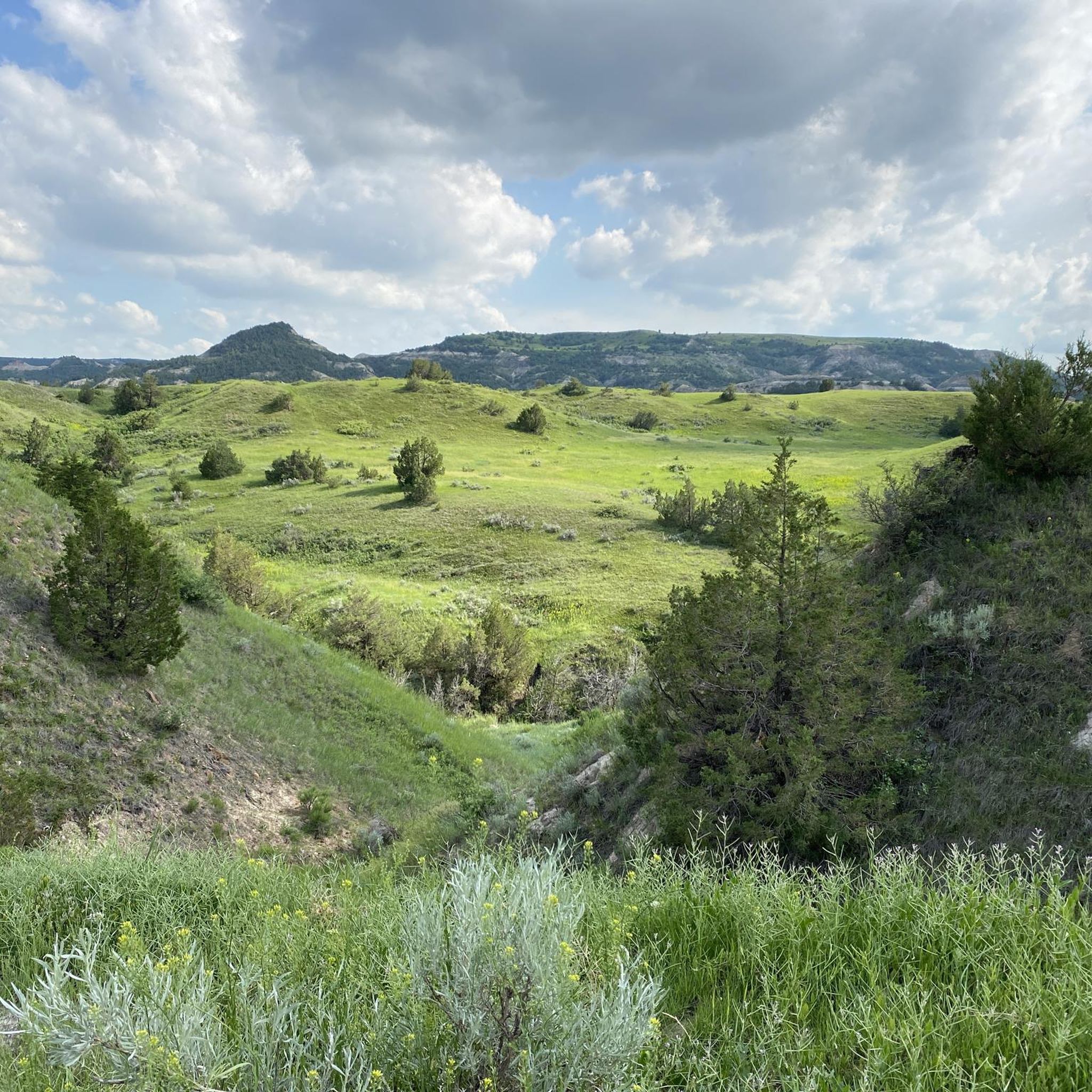
Running Trails in Theodore Roosevelt National Park
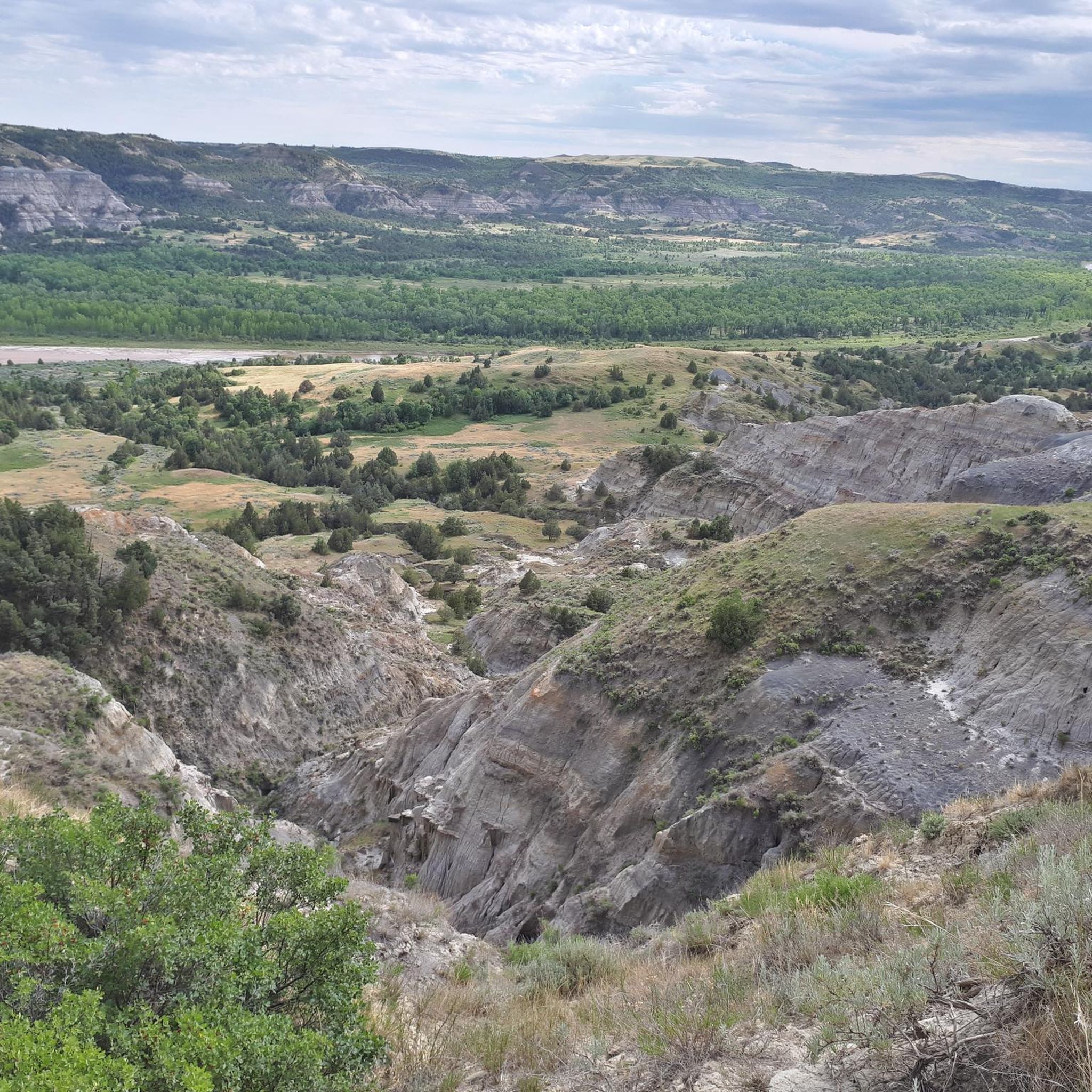
MTB Trails in Theodore Roosevelt National Park
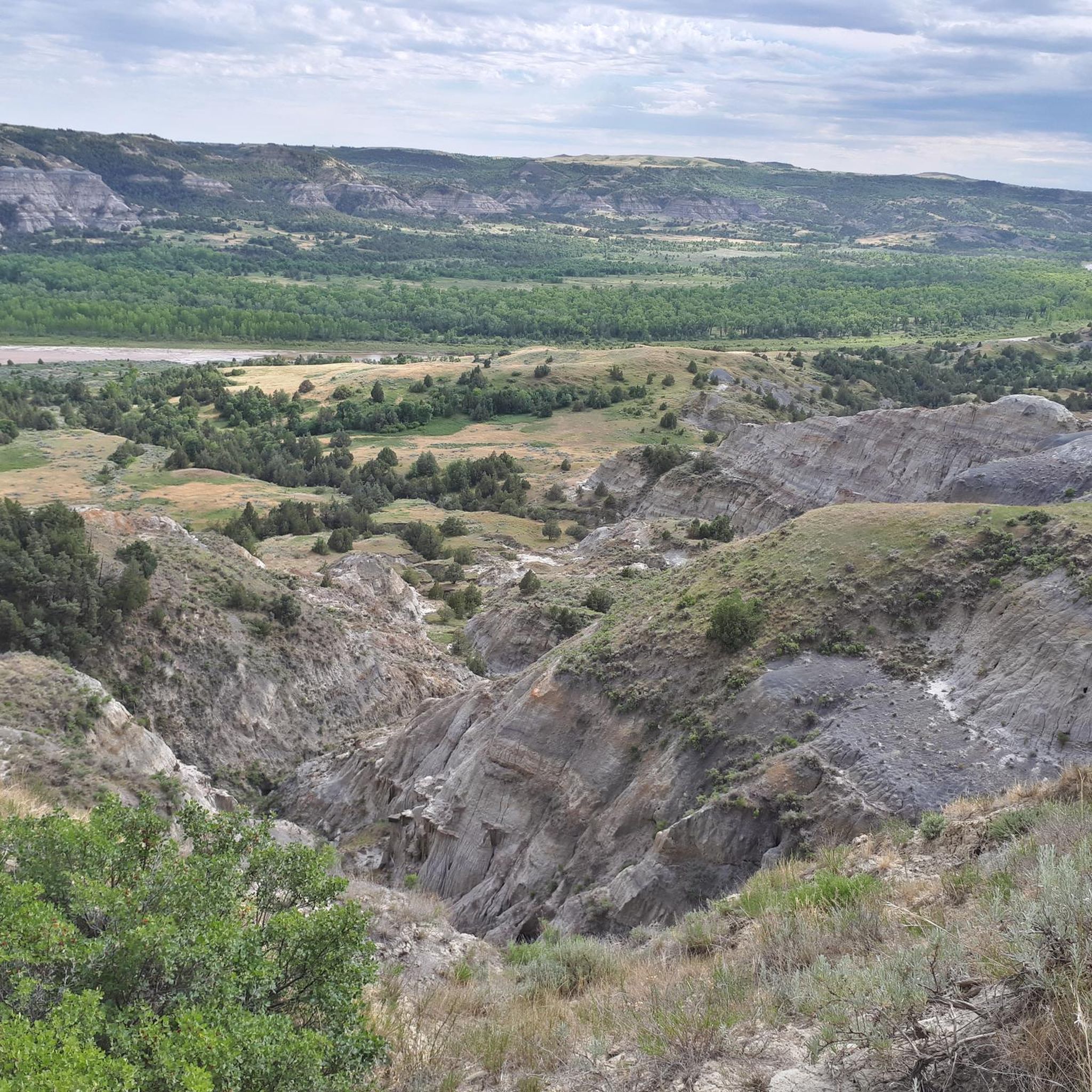
Cycling in Theodore Roosevelt National Park
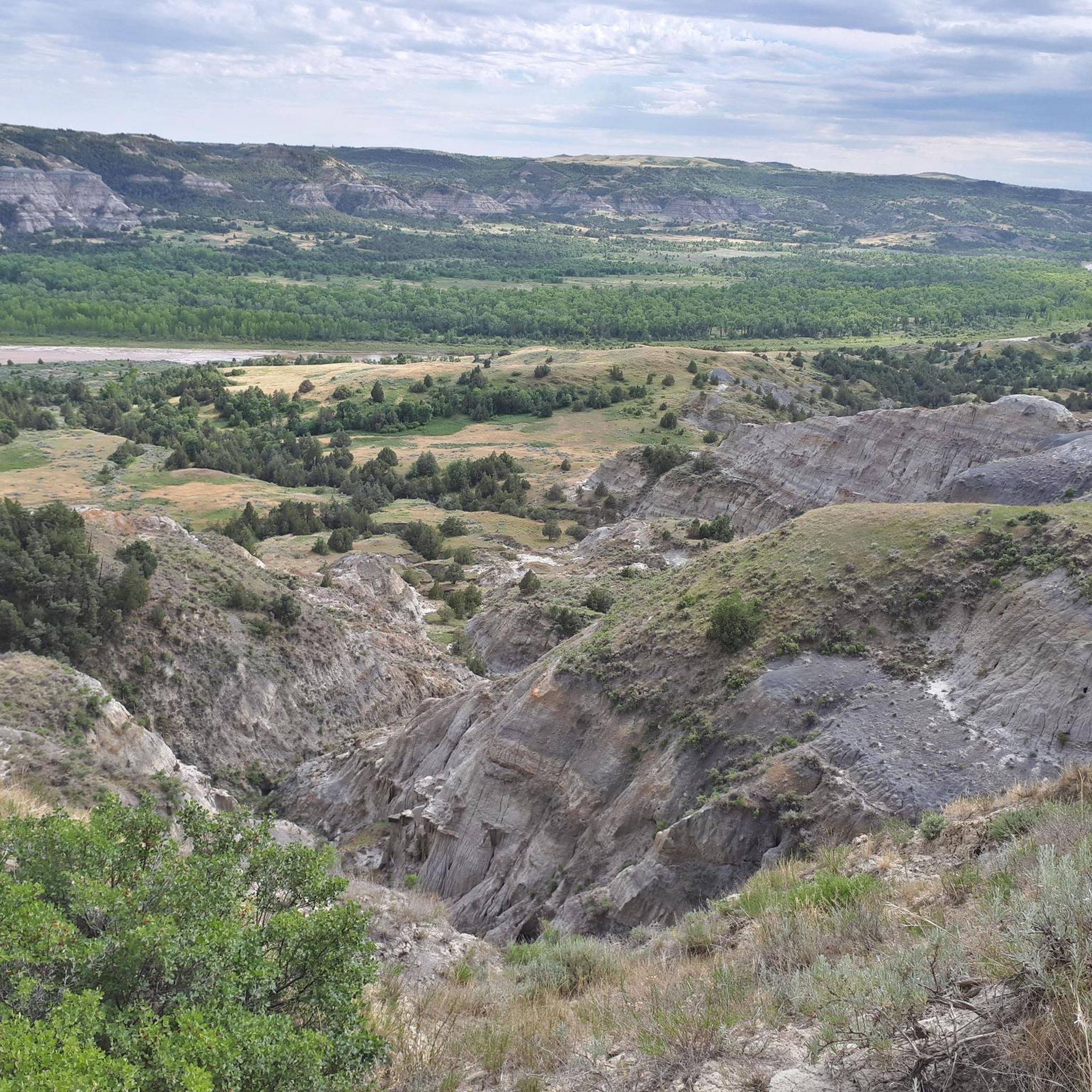
Road Cycling Routes in Theodore Roosevelt National Park
Other adventures in Theodore Roosevelt National Park


Tips from the Community

This nature trail (part of the overall Caprock Coulee loop) doesn't have much elevation gain, so it makes a great warm-up or a short run in and of itself. It's very popular with hikers, though, so your best chance of an uninterrupted run is getting out here early or late, or maybe during the week. Keep an eye out for wildlife, including bison, which are fast and dangerous — you don't want to end up running sprints with one of those behind you.
0
0

This viewpoint of Painted Canyon is very close to a parking lot, so it is easy to access and normally fairly busy. It is a good place to stop on your way to the Painted Canyon Trail.
0
0
This is one of the most popular overlook areas for a great view of the North Dakota Badlands. The path to get to the view point is not too long, so it is definitely worth the effort to get to the top.
0
0

This is one of many short hiking highlights along the Scenic Loop Drive. The Ridgeline Nature Trail is a hiking loop and combined with the brochure (link below) it can teach you more about this incredible area called the Badlands. Near the furthest point of the trail, you'll find trail stairs bringing you to this wonderful overlook. https://www.nps.gov/thro/planyourvisit/upload/Ridgeline-508.pdf
1
0
You will find Painted Canyon Overlook right off the parking lot next to the Painted Canyon Visitor Center. This is a great opportunity to soak in the views before you set out to hike either the Painted Canyon Nature Trail or the Painted Canyon Trail towards Upper Paddock Creek Trail.
1
0
The Painted Canyon Visitor Center is a small visitor center, but there's plenty to do in and around it. Of course, there are beautiful panoramic views of Painted Canyon, and with multiple hikes starting from here you can really get the most out of these views. There is also a staffed information desk offering exhibits, a small gift shop, and of course a drinking fountain, public restrooms, and some vending machines.
1
0
Caprock Coulee Nature Trail is a 0.8-mile section of the Caprock Coulee Trail Loop, making it a 1.6-mile out-and-back hike if you don't feel like hiking the entire loop. The Nature Trail section also has the least amount of elevation change of the entire loop making it more accessible. Like most 'Nature Trails' the NPS has provided signs to give you more information about the area along the trail.
1
0
This is one of the many short hikes starting from near the Scenic Loop Drive. There is an official Boicourt Overlook at the end of the paved trail, but I highly recommend following the extended dirt trail to the end of a cliff where you'll be treated with way better views of Theodore Roosevelt National Park. It is a kid-friendly hike, but once you get closer to the end of the extended singletrack trail there are drop-offs on either side of the trail and it gets much narrower, so keep an eye on the little ones.
1
0
Frequently Asked Questions
What unique geological features can I expect to see in Theodore Roosevelt National Park?
The park is renowned for its dramatic badlands formations, characterized by deeply eroded terrain, sharp ridges, and vividly colored sedimentary rock layers. You can also explore the ancient Petrified Forest, one of the largest concentrations of petrified wood in the United States, and the striking Painted Canyon, known for its vibrant hues.
Are there any easy or family-friendly trails to natural monuments?
Yes, several natural monuments offer accessible or easy trails. The Caprock Coulee Nature Trail is a 0.8-mile section with minimal elevation change, providing information about the area. The Painted Canyon Overlook is easily accessible from the parking lot, offering panoramic views without a strenuous hike. The Painted Canyon Visitor Center also serves as a starting point for multiple family-friendly hikes.
What hiking trails are available near these natural monuments?
The park offers a variety of hiking opportunities. For example, you can explore the Petrified Forest to Overlook trail, the Caprock Coulee Trail, or the Wind Canyon Trail. Many trails provide excellent views of the badlands formations and other natural features.
When is the best time to visit the natural monuments in Theodore Roosevelt National Park?
Spring and fall generally offer the most pleasant weather for exploring, with milder temperatures and fewer crowds. Summer can be hot, while winter brings cold temperatures and snow, which can limit access to some areas but offers a unique, stark beauty.
What kind of wildlife might I encounter near the natural monuments?
The badlands are home to diverse wildlife. You might spot bison and wild horses roaming the grasslands, especially in the South Unit. Other common sightings include prairie dogs, deer, and various bird species. Always maintain a safe distance from wildlife.
Are there options for cycling near the natural monuments?
Yes, Theodore Roosevelt National Park offers routes for both mountain biking and road cycling. You can find mountain biking trails like the Maah Daah Hey Trail: Medora Loop or the Petrified Forest Loop. For road cycling, consider routes like the Scenic Loop Drive, which offers stunning views.
Where can I find visitor information and facilities near the natural monuments?
The Painted Canyon Visitor Center, located conveniently off Interstate 94, is a great starting point. It offers panoramic views of Painted Canyon, a staffed information desk, exhibits, a gift shop, restrooms, and vending machines. It's an excellent place to gather information before exploring further.
What are "Cannonball Concretions" and where can I see them?
Cannonball Concretions are unique spherical rock formations found in the badlands. They are natural geological features that have been exposed through erosion, resembling cannonballs. You can find these fascinating formations at the Cannonball Concretions highlight, where more are expected to be revealed as erosion continues.
What are the main natural monuments in the South Unit of Theodore Roosevelt National Park?
The South Unit is home to the iconic badlands formations, including the vividly colored Painted Canyon, which offers accessible panoramic views. The Painted Canyon Visitor Center is also located here, providing an introduction to the park's characteristic landscapes.
Are there any less crowded natural monuments to visit for a more solitary experience?
While popular areas can be busy, the Petrified Forest offers opportunities for solitude and discovery, especially in its wilderness areas. Exploring the petrified stumps and ancient landscape can provide a quieter, more contemplative experience away from the main overlooks.
What natural monuments are prominent in the North Unit of Theodore Roosevelt National Park?
The North Unit also features dramatic badlands formations, similar to the South Unit but often with a more rugged and remote feel. It contains significant portions of the Petrified Forest, particularly the northern section which is known for its numerous petrified stumps.
What should I wear when visiting the natural monuments in Theodore Roosevelt National Park?
Dress in layers, as temperatures can fluctuate significantly throughout the day. Sturdy hiking shoes are recommended for trails, and a hat, sunscreen, and plenty of water are essential, especially during warmer months. Be prepared for potential wind and sudden weather changes.
Most popular routes in Theodore Roosevelt National Park
Most popular attractions in Theodore Roosevelt National Park

Get inspired with the komoot mobile app


Explore more
Extend your search for the best caves by checking out these guides of the top ones in Theodore Roosevelt National Park:
