Top 20 Natural Monuments in Maui County
Best natural monuments in Maui County showcase a diverse landscape, from volcanic craters and lush rainforests to pristine coastlines. The region is characterized by its significant geological features, including the dormant Haleakalā volcano and numerous waterfalls. These natural areas offer a variety of environments for exploration, highlighting the island's unique biodiversity and cultural heritage.
Best natural monuments in Maui County
- The most popular natural monuments is Waimoku Falls, a waterfall that is a 400 ft waterfall, reached by a…
Last updated: October 11, 2026
Waimoku Falls
Highlight • Waterfall
Translated by Google •
Tip by

Haleakalā Visitor Center
Highlight • Rest Area
Translated by Google •
Tip by

Sign up now to discover places like this
Get recommendations on the best single tracks, peaks, & plenty of other exciting outdoor places.
Keonehe‘ehe‘e Trail (Sliding Sands) Middle Segment
Highlight (Segment) • Trail
Translated by Google •
Tip by
Nakalele Blowhole
Highlight • Natural Monument
Tip by

Summit Building
Highlight • Summit
Translated by Google •
Tip by
Pīpīwai Trail Bamboo Forest and Waterfalls
Highlight (Segment) • Trail
Translated by Google •
Tip by
Split Rock (Keoneheʻeheʻe Trail, Haleakalā Wilderness)
Highlight • Natural Monument
Translated by Google •
Tip by
Kahakuloa Head and The Wall Coastal Road
Highlight (Segment) • Viewpoint
Most traffic is coming clockwise, so riding it opposite way …
Tip by

Banyan Tree — Pīpīwai Trail
Highlight • Natural Monument
Translated by Google •
Tip by
Bamboo Forest, Haleakalā National Park
Highlight • Forest
Translated by Google •
Tip by
Sign up for free to discover even more natural monuments in Maui County.
Already have an account?
Start today with a free account
Your next adventure awaits.


Tips from the Community

From above you can throw a ball into the hole, it flies 10 m in the air
0
0

A remarkable natural spectacle, accessible via an easy hike, partly along wooden plank paths. Direct access is prohibited.
0
0

This is a wonderful drive on an excellent road up to 3060 m altitude. We drove partly through clouds and short before the summit it cleared up and we got awarded with an outstanding view around the island.
0
0

This majestic waterfall cascades down a sheer lava rock wall for 400 feet, creating a boulder-strewn pool at its base. It is one of the tallest waterfalls on Maui and boasts breathtaking views of the surrounding landscape. You will be greeted with mist, wind, and a vast jungle rock face that will leave a lasting impression. While you may be tempted to take a dip in the pool below, it's important to note that getting too close to the waterfall can be dangerous due to the risk of falling rocks from its 400-foot drop.
0
0
Split Rock is a large rock cut in half, and the Keonehe'ehe'e trail passes between the two parts. Here, the endangered Haleakala silverswords grow, and it's crucial to avoid touching them. These delicate 'ahinahina live for 3-90 years, producing a stunning flowering stalk before scattering their seeds. Park staff protect them by fencing out silversword-munching ungulates, removing non-native plants, and educating visitors to stay on trails and avoid stepping on fragile seedlings.
0
0
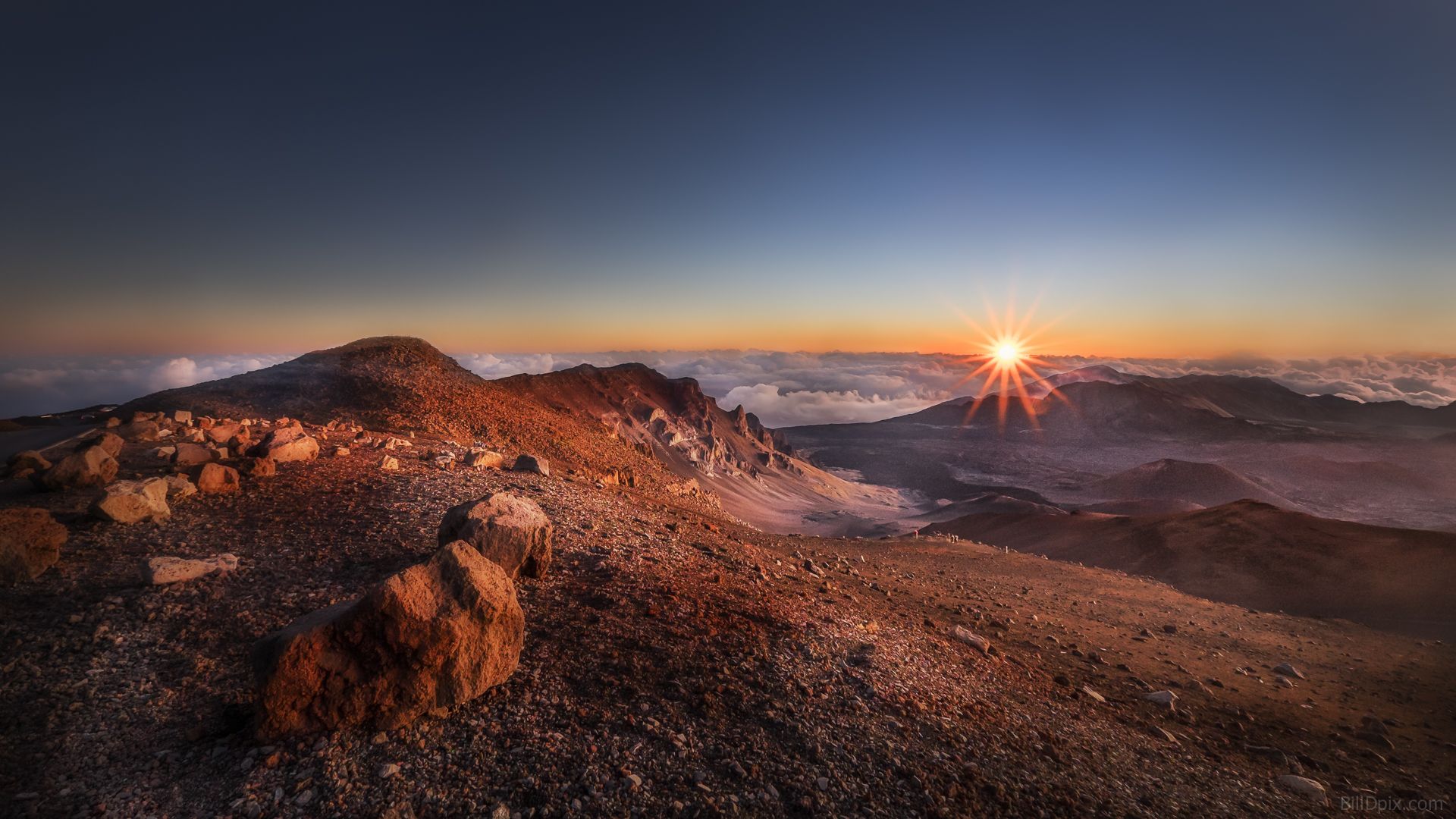
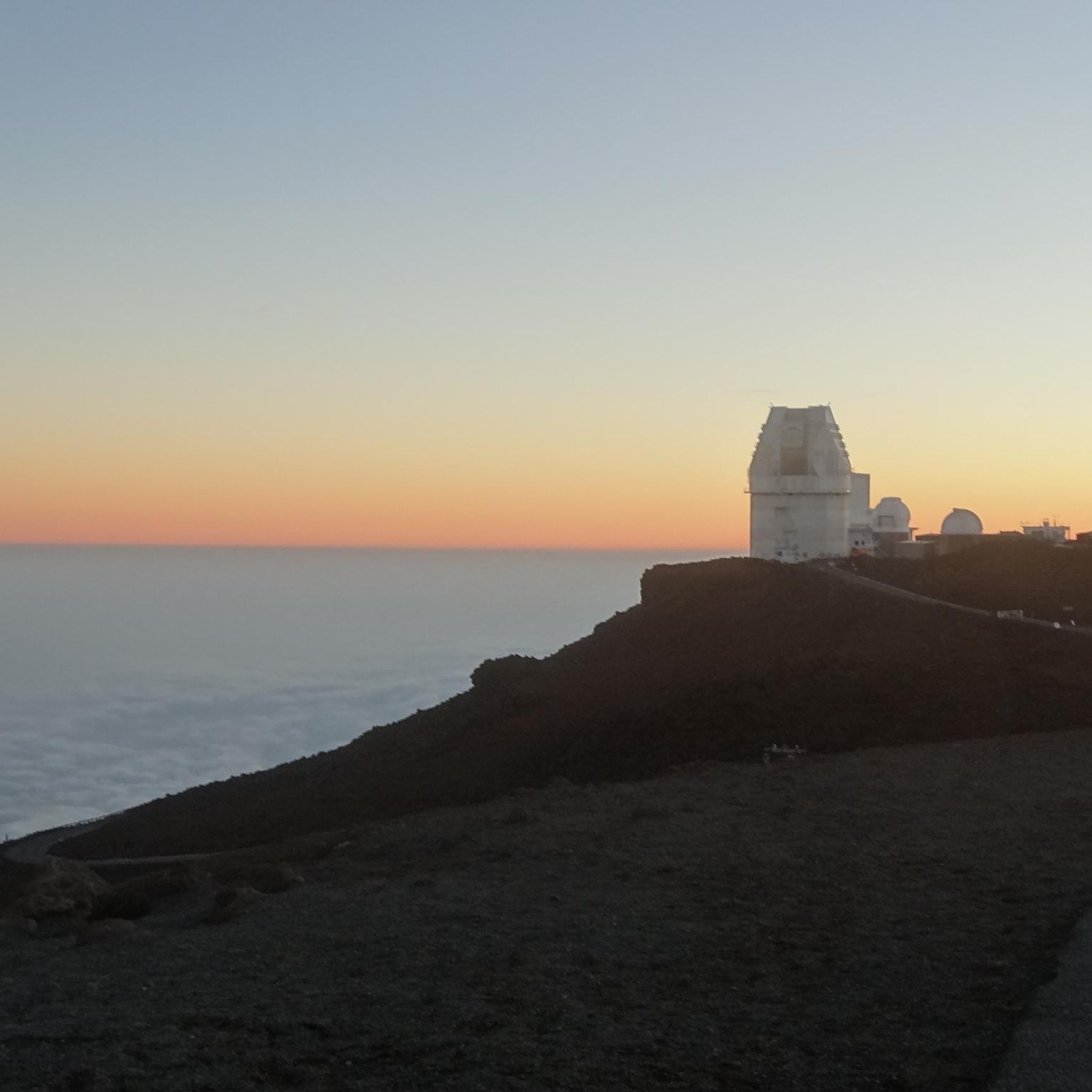
The Visitor Center is open daily, with outside accessible restrooms available 24 hours daily. Inside, there are panoramic orientation tables of the landscape and knowledgeable staff that can provide information on the history of Haleakalā, which means house of the sun, and its importance to the indigenous peoples. The view from here is stunning, and if you plan early, this is an excellent spot to watch the sunrise, which has been a visitor attraction since the late 1800s.
0
0

Nakalele Blowhole is located at the northern shoreline of the island of Maui. It's a powerful geologic feature where waves create a spouting geyser-like effect by forcing water through an underwater lave tube and shooting it high into the air.
1
0
Frequently Asked Questions
What are some unique natural features to explore in Maui County?
Maui County offers a diverse range of natural features. You can witness the dramatic volcanic landscapes of Keonehe‘ehe‘e Trail (Sliding Sands) Middle Segment within Haleakalā National Park, or experience the powerful ocean spectacle at Nakalele Blowhole. The region is also home to lush bamboo forests, such as the one found along the Pīpīwai Trail Bamboo Forest and Waterfalls, and unique coastal lava formations at La Perouse Bay.
Are there natural monuments suitable for families in Maui County?
Yes, several natural monuments in Maui County are family-friendly. The Haleakalā Visitor Center area offers accessible viewpoints. The Banyan Tree — Pīpīwai Trail and the Bamboo Forest, Haleakalā National Park are also great for families, featuring well-maintained paths and impressive natural sights. For easy hikes, consider routes like the ʻĪao Needle Lookout Trail.
What kind of hiking trails can I find among Maui County's natural monuments?
Maui County provides a wide array of hiking experiences. You can find easy trails like the ʻĪao Needle Lookout Trail, or explore the easy hikes in Maui County. For intermediate adventures, the Pīpīwai Trail Bamboo Forest and Waterfalls offers a journey through a lush forest. If you're seeking a challenge, the Keonehe‘ehe‘e Trail (Sliding Sands) Middle Segment provides a demanding trek through a volcanic landscape with sensational views.
Where can I experience Maui County's volcanic landscapes?
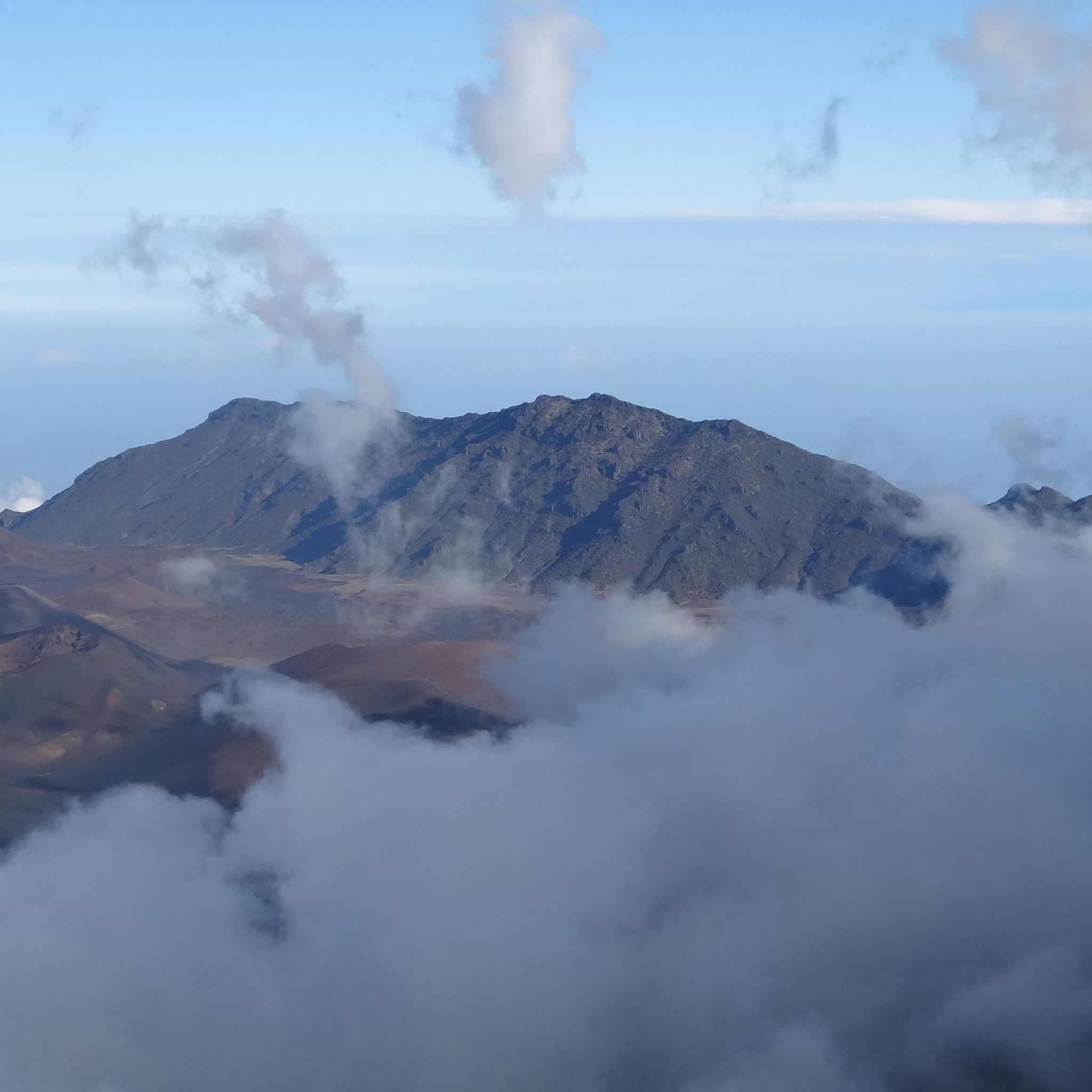
The most prominent volcanic landscape is found within Haleakalā National Park. Here, you can visit the Haleakalā Visitor Center and the Summit Building to witness the vast crater and its unique 'Martian landscape.' The Keonehe‘ehe‘e Trail (Sliding Sands) Middle Segment offers an immersive experience into the multi-hued sands and cinder cones of the volcano.
What are the best places for water activities like snorkeling or swimming?
For exceptional snorkeling and diving, Molokini Crater is a premier spot, known for its crystal-clear waters and abundant marine life. Along the Road to Hana, the ʻOheʻo Gulch (Seven Sacred Pools) offers a series of cascading waterfalls and pools perfect for swimming. You can also find unique black sand beaches, such as Honokalani Beach at Waiʻānapanapa State Park, and the striking Red Sand Beach (Kaihalulu Beach).
Can I see unique wildlife or plants in Maui County's natural monuments?
Yes, Maui County's natural monuments are home to unique flora and fauna. Haleakalā National Park protects a diverse array of wildlife and plants found nowhere else, including the mesmerizing silversword plant. The Waiheʻe Coastal Dunes and Wetlands Reserve is a haven for native bird species like the Hawaiian stilt and coot. Molokini Crater's protected waters teem with over 250 species of colorful tropical fish and 38 coral species, and you might spot green sea turtles or manta rays.
What are some culturally significant natural monuments in Maui County?
ʻĪao Valley State Monument holds significant cultural importance as a burial ground for Native Hawaiian royalty, with the iconic ʻĪao Needle dominating the landscape. The Waiheʻe Coastal Dunes and Wetlands Reserve also features ancient Hawaiian fishponds and archaeological sites, offering insights into the area's traditional uses and history.
When is the best time to visit natural monuments in Maui County?
The best time to visit depends on your interests. Witnessing the sunrise or sunset from the summit of Haleakalā is a highly recommended experience, offering a breathtaking spectacle of colors. Generally, Maui enjoys pleasant weather year-round, but specific activities like big-wave surfing at Peʻahi (Jaws) are seasonal, occurring when conditions are right for massive waves.
What do visitors particularly enjoy about the natural monuments in Maui County?
Visitors frequently praise the stunning views and unique natural phenomena. The grandiose play of colors on the different shades of sand at Keonehe‘ehe‘e Trail (Sliding Sands) Middle Segment is a highlight, especially after experiencing the sunrise. The magical atmosphere of Waimoku Falls, reached by a boardwalk through a beautiful bamboo forest, is also highly cherished. Many are amazed by the sheer size and sound of the Bamboo Forest, Haleakalā National Park, with the wind rustling through the stalks.
How can I explore the famous Road to Hana's natural attractions?
The Road to Hana is a journey in itself, offering numerous stops to explore natural wonders. Key attractions include the Waimoku Falls and the Pīpīwai Trail Bamboo Forest and Waterfalls, both accessible from the Hana Highway within Haleakalā National Park. You'll also find cascading waterfalls like Wailua Falls and unique black sand beaches along the route. The journey is best enjoyed by taking your time and stopping frequently.
Are there opportunities for cycling near Maui County's natural monuments?
Yes, Maui County offers diverse cycling routes. For a challenging experience, you can cycle up Haleakalā via the Park Headquarters Visitor Center or Crater Road. There are also easier routes like Hanakao'o Beach Park or Mākena State Park. You can find more details on cycling in Maui County.
Most popular routes in Maui County
Most popular attractions in Maui County

Get inspired with the komoot mobile app


Didn’t find what you were looking for?
Find even more amazing natural monuments in Maui County by checking out the top Highlights region by region:
Explore more
Extend your search for the best caves by checking out these guides of the top ones in Maui County:
