Top 3 Natural Monuments in Pendleton County
Natural monuments in Pendleton County, West Virginia, showcase diverse geological features and rugged natural beauty. The region is characterized by high peaks, prominent rock formations, and extensive karst landscapes. These natural features offer various opportunities for exploration and observation. The area provides a range of natural attractions for visitors.
Best natural monuments in Pendleton County
- The most popular natural monuments is Seneca Rocks Discovery Center, a facilities that provides information about Seneca Rocks and the surrounding area. It is…
Last updated: October 11, 2026
Seneca Rocks Discovery Center
Highlight • Rest Area
Stop in to learn more about Seneca Rocks and the surrounding area.
Tip by

Seneca Rocks Overlook
Highlight • Viewpoint
Tip by
Sign up now to discover places like this
Get recommendations on the best single tracks, peaks, & plenty of other exciting outdoor places.
Spruce Knob Observation Tower
Highlight • Viewpoint
Tip by

Spruce Knob – Seneca Rocks National Recreation Area
Highlight • Natural Monument
Tip by

Start today with a free account
Your next adventure awaits.
Popular around Pendleton County
Tips from the Community

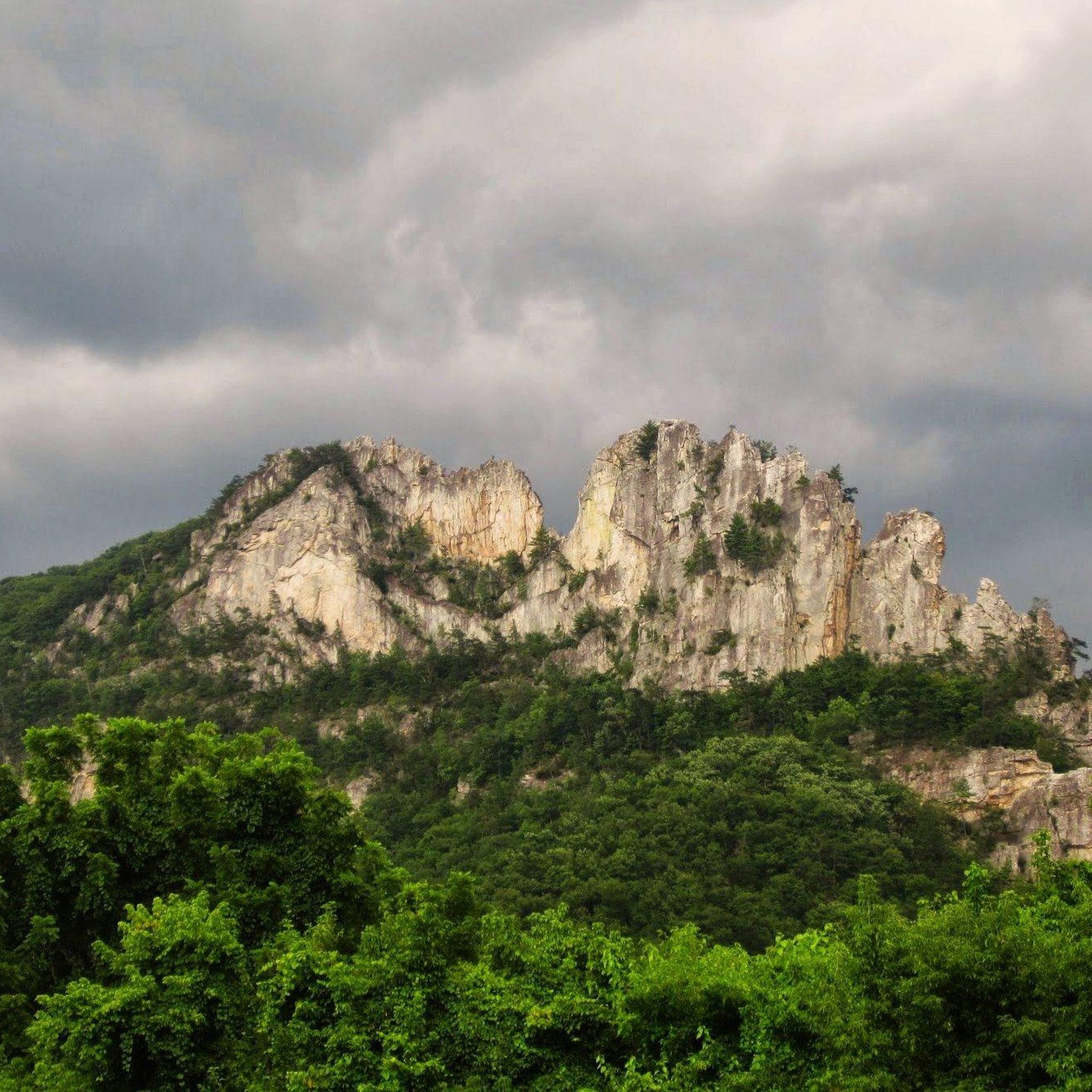
Spruce Knob - Seneca Rocks National Recreation Area was the first NRA to be designated in the USDA Forest Service, established by Congress in 1965. The area covers around 100,000 acres of unspoiled land and contains the highest peak in West Virginia (Spruce Knob). This area is a favorite among rock climbers, but is also a great place to visit for hiking, mountain biking, camping, and landscape photography.
0
0

There is a large observation deck on the north side of Seneca Rocks, just below the crags, that looks out over the valley to the west. It is discouraged to hike farther without proper climbing experience and gear.
0
0
The Seneca Rocks Discovery Center building is open Friday through Sunday, 9:30 am to 5:00 pm, April through October: https://www.fs.usda.gov/recarea/mnf/recarea/?recid=7050 Stop in to learn more about Seneca Rocks and the surrounding area.
0
0

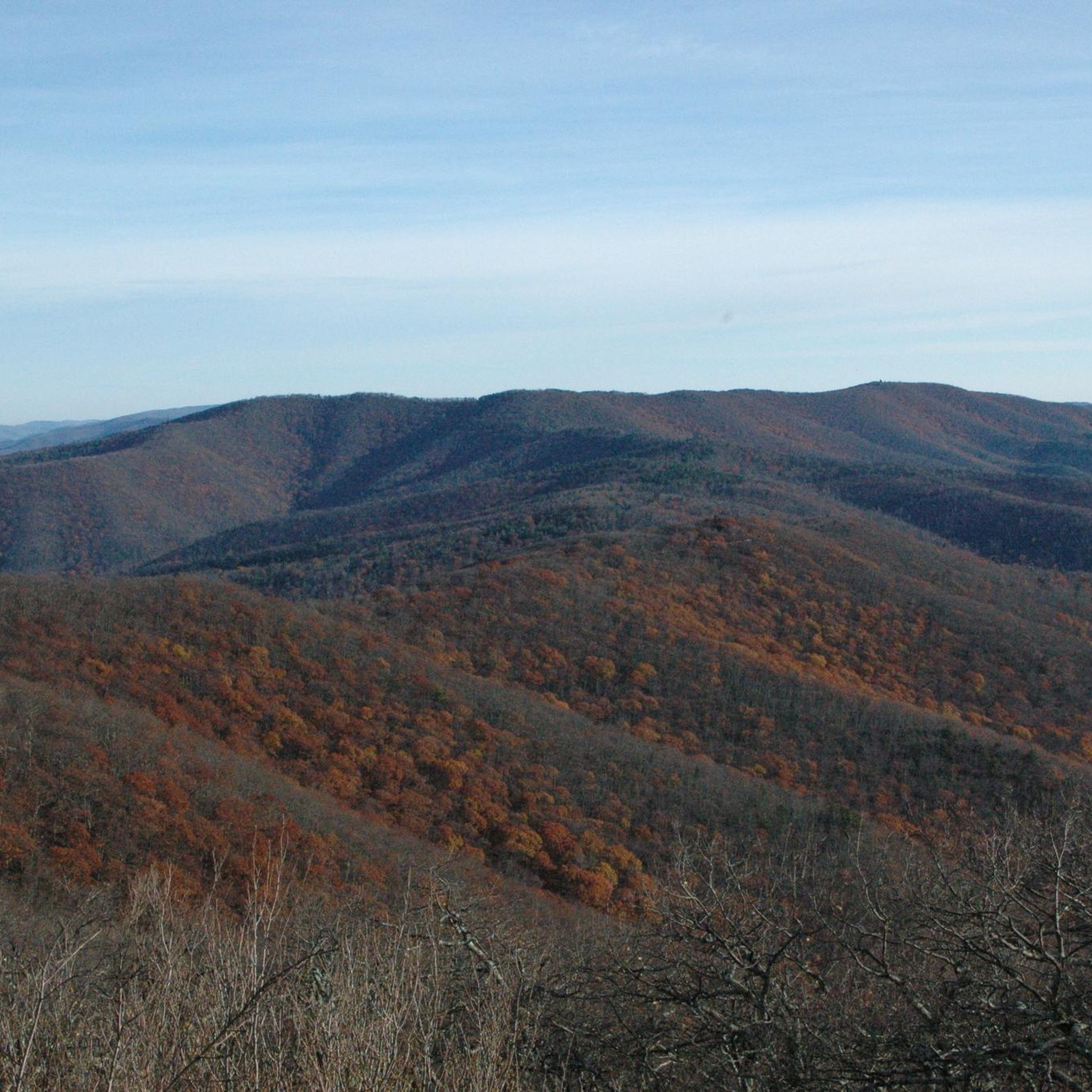
With an elevation of 4,863 feet Spruce Knob is the highest point in West Virginia. The observation tower offers amazing views over the Appalachians – it's worth walking up the steps of the tower!
0
0

The Whispering Spruce trail is an easy half a mile round, taking you past an observation tower and several good view points over the nearby valleys and ridges. Spruce Knob is the highest point in West Virginia, at 4863ft/1482m. The observation tower is accessible via stairs and opens up to a large platform on top. View is restricted by some of the trees around the tower, there is a much better view further down the trail. Trail is very easy, mainly gravel. No special hiking shoes required.
0
0
Frequently Asked Questions
What are the most popular natural monuments in Pendleton County?
Visitors frequently enjoy the Seneca Rocks Discovery Center, which provides information about the iconic Seneca Rocks. Another favorite is the Seneca Rocks Overlook, offering spectacular views. The Spruce Knob Observation Tower is also highly rated for its panoramic vistas from West Virginia's highest point.
What unique geological features can I expect to see in Pendleton County's natural monuments?
Pendleton County is rich in diverse geological formations. You can see the towering Tuscarora quartzite crags of Seneca Rocks, the extensive karst landscape of Germany Valley with its caves and sinkholes, and the intricate speleothems, including 'The World's Largest Ribbon Stalactite,' within Smoke Hole Caverns. Spruce Knob also features unique alpine-like ecosystems and boulder fields.
What is the highest point in West Virginia, and what can I do there?
Spruce Knob is the highest point in West Virginia, standing at 4,863 feet above sea level. You can drive to the summit and take an easy walk on the half-mile Whispering Spruce Trail, which leads to the Spruce Knob Observation Tower for 360-degree views. The area also offers hiking, fishing at Spruce Knob Lake, and picnicking.
Are there hiking trails suitable for families near Pendleton County's natural monuments?
Yes, several options are suitable for families. The Whispering Spruce Trail at Spruce Knob is an easy half-mile loop. At Seneca Rocks, a 1.3-mile trail (2.6 miles round-trip) leads from the Discovery Center to an observation platform with great views. For more easy hiking options, you can explore routes like the High Knob Fire Tower Trail or the Seneca Rocks Trail, which are featured in the Easy hikes in Pendleton County guide.
What kind of outdoor activities are available near these natural monuments?
Beyond sightseeing, Pendleton County offers a range of outdoor activities. Rock climbing is very popular at Seneca Rocks, with over 375 routes. Hiking is available throughout the region, including trails around Spruce Knob and within the Germany Valley. You can also find running trails, such as the Seneca Rocks loop, and road cycling routes, like the Reddish Knob – Brandywine loop. For more details, check out the Running Trails in Pendleton County and Road Cycling Routes in Pendleton County guides.
Can I go rock climbing at any of the natural monuments?
Yes, Seneca Rocks is a renowned destination for rock climbing, offering over 375 climbing routes for various skill levels. Its south peak is uniquely accessible only by technical rock climbing on the East Coast. The Seneca Rocks Overlook is a good starting point, but hiking farther without proper climbing experience and gear is discouraged.
Are there any cave tours available in Pendleton County?
Yes, Pendleton County is home to several notable cave systems. You can take guided tours at Seneca Caverns, which explores a 0.75-mile path 165 feet below the surface, showcasing unique speleothems. Smoke Hole Caverns also offers hour-long guided tours through an 'otherworldly landscape' of stalactites, stalagmites, and flowstone. Hellhole Cave and the Sinnett-Thorn Mountain Cave System are significant but not open to the public.
What is the best time of year to visit Pendleton County's natural monuments?
The best time to visit Pendleton County's natural monuments generally depends on your preferred activities. Spring and fall offer pleasant temperatures for hiking and exploring, with fall foliage being particularly stunning. The Seneca Rocks Discovery Center is open Friday through Sunday, 9:30 am to 5:00 pm, from April through October. Summer is also popular, though it can be warmer. Cave tours maintain a constant cool temperature year-round, making them a good option in any season.
Do I need any permits for hiking in the Monongahela National Forest, where some of these monuments are located?
Generally, permits are not required for day hiking on established trails within the Monongahela National Forest. However, specific activities like overnight backpacking in certain wilderness areas or commercial uses might require permits. It's always advisable to check with the local Monongahela National Forest office or visitor centers like the Seneca Rocks Discovery Center for the most current regulations before your visit.
Do any of the natural monuments have historical significance?
Yes, several monuments have rich histories. Seneca Rocks was used by Indigenous peoples and served as a training ground for soldiers during World War II for mountainous terrain. Smoke Hole Caverns derives its name from the Seneca Indians who used its front sections to smoke wild game, and later, it was used for making corn whiskey after the Civil War, with an original still still on display.
Are the natural monuments in Pendleton County dog-friendly?
Many outdoor areas in Pendleton County, including trails within the Monongahela National Forest (which encompasses Spruce Knob and Seneca Rocks), are generally dog-friendly, provided dogs are kept on a leash. However, specific indoor attractions like cave tours (Seneca Caverns, Smoke Hole Caverns) or visitor centers may have restrictions. Always check individual attraction policies before bringing your pet.
What makes the Germany Valley Karst Area unique?
The Germany Valley Karst Area is unique for its extensive karst landscape, designated a National Natural Landmark. It features numerous caves, sinkholes, and disappearing streams formed by the erosion of New Market limestone bedrock. Notable caves include Seneca Caverns, the Sinnett-Thorn Mountain Cave System, and Hellhole Cave, which is a crucial hibernaculum for bats.
Are there any waterfalls to visit in Pendleton County?
Yes, Pendleton County features beautiful waterfalls. One notable example is Upper Seneca Creek Falls, a 30-foot waterfall that feeds a plunge pool and is surrounded by a bowl of rock and boulders, offering a picturesque natural setting.
Most popular routes in Pendleton County
Most popular attractions in Pendleton County

Get inspired with the komoot mobile app


Didn’t find what you were looking for?
Find even more amazing natural monuments in Pendleton County by checking out the top Highlights region by region:
Explore more
Extend your search for the best caves by checking out these guides of the top ones in Pendleton County:
