Top 12 Natural Monuments in Lake County
Best natural monuments in Lake County are found amidst the high peaks of the Rocky Mountains in Colorado. This region is characterized by its challenging climbs and expansive views from numerous summits. Visitors can explore diverse terrain, including alpine lakes and prominent mountain ranges, offering varied outdoor experiences. The natural monuments in Lake County provide opportunities for high-altitude exploration and scenic vistas.
Best natural monuments in Lake County
- The most popular natural monuments is Summit of Mount Elbert, a…
Last updated: June 24, 2026
Summit of Mount Elbert
Highlight • Summit
Tip by

Mount Democrat Summit
Highlight • Summit
Tip by
Sign up now to discover places like this
Get recommendations on the best single tracks, peaks, & plenty of other exciting outdoor places.
Sign up for free
Bear Lake
Highlight • Lake
Tip by

Mount Sherman
Highlight • Summit
Tip by
Chalk Mountain
Highlight • Summit
Tip by
Horseshoe Mountain Summit
Highlight • Summit
Tip by
Saint Kevin Lake
Highlight • Lake
Tip by
Mount Massive
Highlight • Summit
Tip by
Mount Zion Summit
Highlight • Summit
Tip by
Native Lake
Highlight • Lake
Tip by
Sign up for free to discover even more natural monuments in Lake County.
Sign up for free
Already have an account?
Start today with a free account
Your next adventure awaits.
Login or Signup


Tips from the Community

To be honest, it's a bit disappointing that they haven't managed to install a decent summit cross or other special marker on Colorado's highest mountain. Arizona, Texas, and New Mexico are much better at that on their highest mountains.
0
0

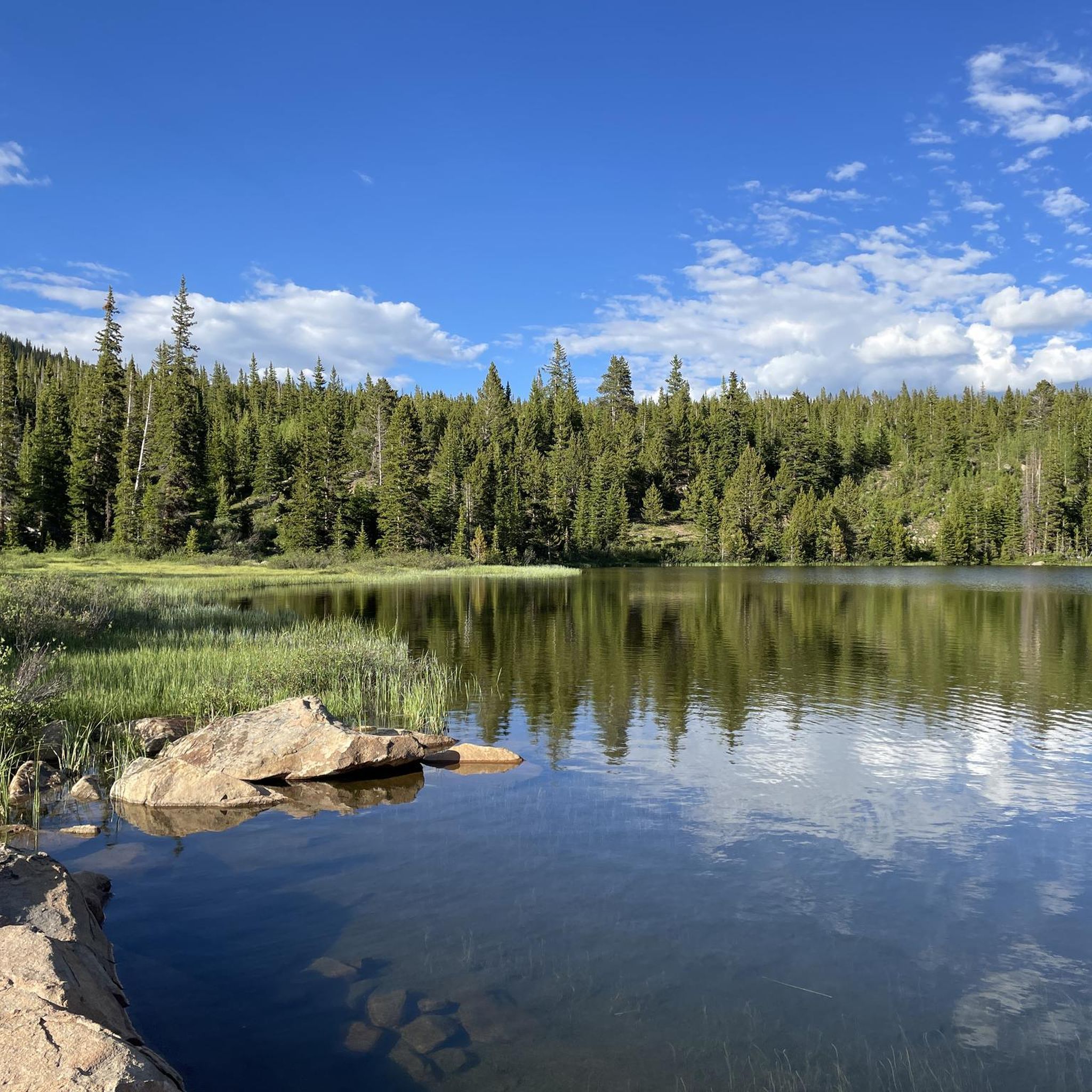
Bear Lake is a beautiful alpine lake close to the Colorado Trail and Continental Divide Trail. There is a spur trail running around the lake. It is a great spot to spend time and is also home to brook trouts.
3
0

A wonderful hike in the "tundra", for a long time above the 4000m mark, former mines are falling into disrepair along the way; often visited but always nice conversations at the summit; be careful with the thunderstorm warning! Open mountain flank!
0
0

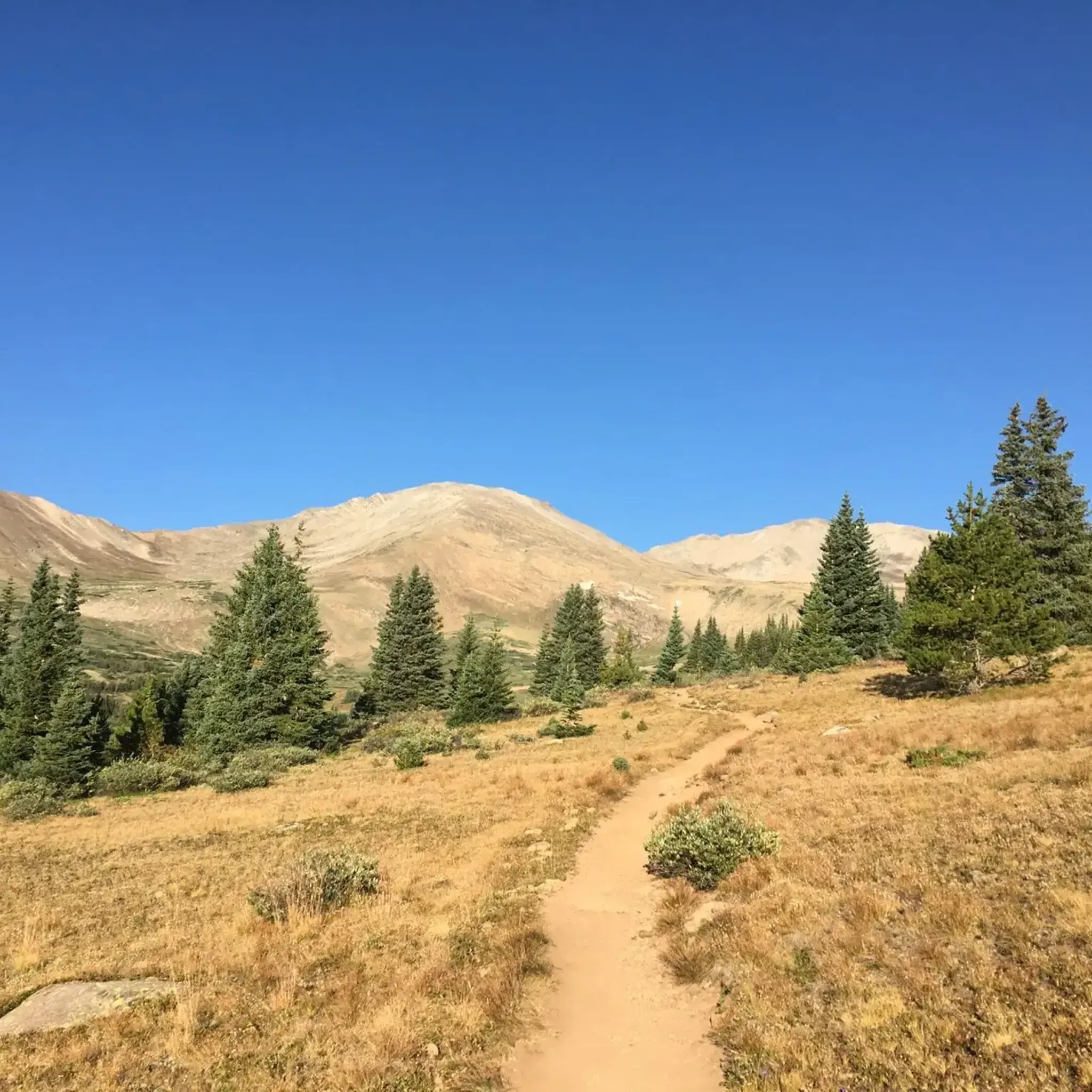
Chalk Mountain is the western summit looming 500 feet above Fremont Pass off of Highway 91. At 12,017 feet, Chalk Mountain is not the highest mountain in the area, but because it's above treeline, it offers great 360 degree views. The summit proper is in a wide open alpine meadow and offers views of the Climax Molybdenum Mine, Mount Democrat (14,155 feet), Mount of the Holy Cross (14,009 feet), and much of the Mosquito range running down the northern Arkansas River Valley.
0
0
A seldom visited peak, Horseshoe Mountain sits at 13,898 feet and is easily combined with other peaks on the same ridge in the Mosquito Range. There is a summit registry at the top accompanied by 360 degree views over Weston Pass, Horseshoe Pass, and into the Buffalo Peaks Wilderness. The approach to the peak is very doable, but it's really rocky, and the trail seems to disappear at times. On your way to the summit, don't forget to stop at Horseshoe Pass and take in the views down into California Gulch.
0
0
At 14,043 feet, Mount Sherman is one of the highest peaks in the Mosquito Range. Like the other peaks in the grouping, Sherman is a rocky pile of talus. The trails reaching the summit ridge are steep, and the ridge itself is a mess of scree and sandy trails. With its short and straightforward approaches, Mount Sherman is one of the most frequently climbed 14ers in the state. There is limited running up the steep slopes to the peak, but the ridge itself and the way down serve as a fun, rocky trail run.
0
0
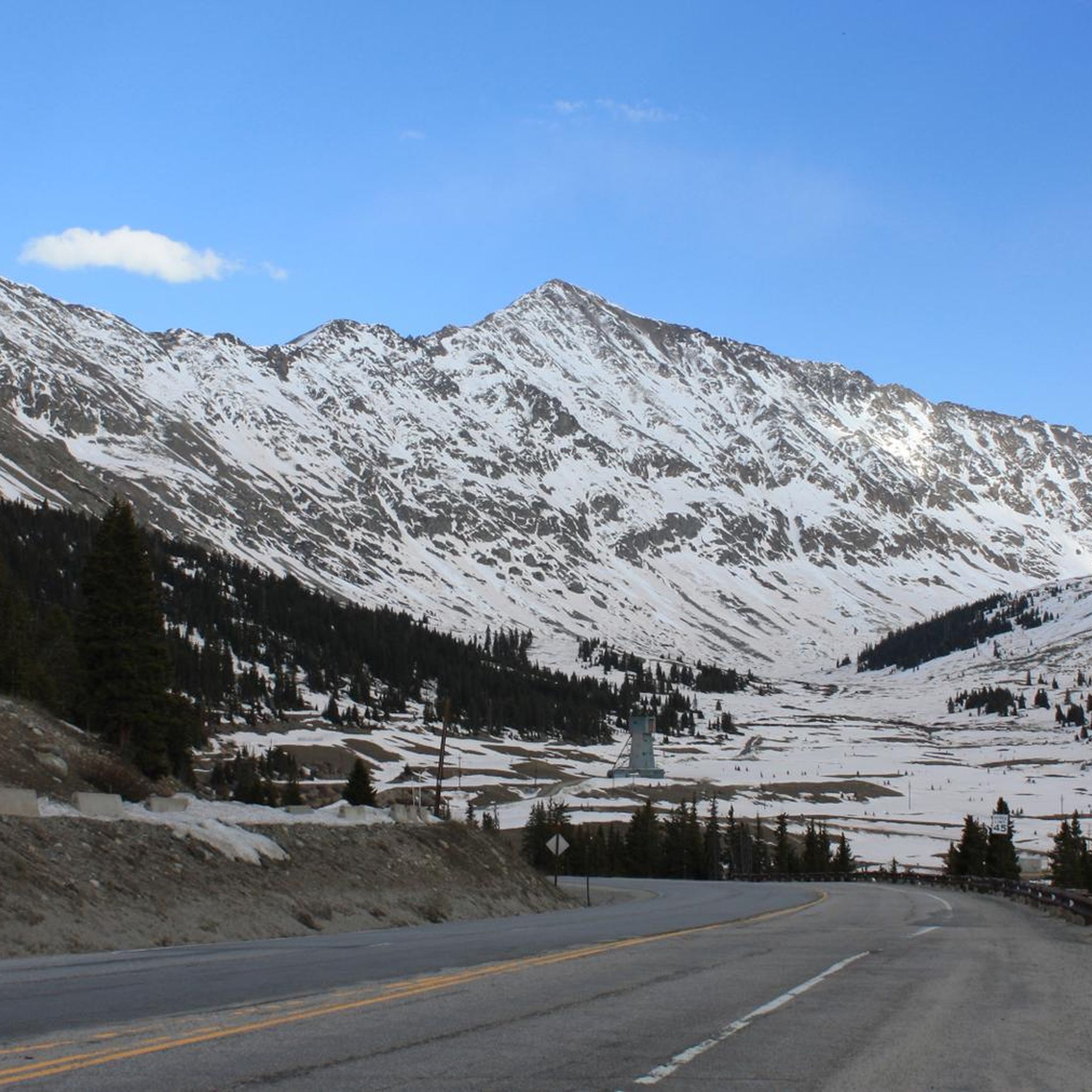
Mount Democrat is a very popular mountain summit in the Mosquito Range. Its peak rests at 14,155 feet, and it's a relatively short trek from the upper parking lot (situated over 12,000 feet) to the top. Hiking is a must on the way up, but if you are good at jogging on scree, you can do some running on the ridge between the peaks. Mount Democrat serves as the first 14er in the DeCaLiBron loop when being completed in the clockwise direction. Because there is a lot of private property on the DeCaLiBron loop, all four peaks (including Democrat) are subject to closure by the private landowners.
0
0
Chalk Mountain is the western summit looming 500 feet above Fremont Pass off of Highway 91. At 12,017 feet, Chalk Mountain is not the highest mountain in the area, but because it's above treeline, it offers great 360 degree views. The road to the top is smooth dirt and runnable the entire way. The summit proper is in a wide open alpine meadow and offers views of the Climax Molybdenum Mine, Mount Democrat (14,155 feet), Mount of the Holy Cross (14,009 feet), and much of the Mosquito range running down the northern Arkansas River Valley.
0
0
Frequently Asked Questions
What are the most popular natural monuments in Lake County?
The most popular natural monument is the Summit of Mount Elbert, which is the highest peak in Colorado. Other highly regarded spots include Mount Democrat Summit, known for its part in the DeCaLiBron loop, and Bear Lake, a beautiful alpine lake popular for its connection to the Colorado Trail.
Are there any easy natural monuments to visit in Lake County?
While many natural monuments in Lake County involve challenging climbs, some offer more accessible experiences. For instance, Bear Lake, an alpine lake, provides a beautiful setting that can be enjoyed without extreme exertion, especially if accessed via the Colorado Trail. Mount Zion Summit is also categorized as intermediate, offering a less strenuous option compared to the 14ers.
What kind of views can I expect from the natural monuments in Lake County?
Lake County's natural monuments, particularly its numerous summits, offer expansive 360-degree views. From the Summit of Mount Elbert, you can see the Sawatch and Mosquito mountain ranges. Chalk Mountain also provides great panoramic views above the treeline, including sights of the Climax Molybdenum Mine and other prominent peaks.
What outdoor activities can I do near these natural monuments?
Lake County offers a wide range of outdoor activities. You can find excellent road cycling routes like the Copper Triangle and Mineral Belt Trail. For those who enjoy running, there are numerous running trails, including the North Mount Elbert Trail. Mountain biking enthusiasts can explore MTB trails such as the Twin Lakes loop and sections of the Colorado Trail.
Are there any natural monuments suitable for family visits in Lake County?
While many of Lake County's natural monuments are high-altitude summits requiring challenging treks, Bear Lake is a beautiful alpine lake that can be a more family-friendly option for spending time outdoors, especially if you stick to the spur trail around the lake. Always consider the elevation and trail difficulty when planning with family.
What is the best time to visit the natural monuments in Lake County?
The best time to visit Lake County's natural monuments, especially the high-altitude peaks, is typically during the summer months (June to September) when trails are clear of snow and weather conditions are more stable. However, always check local weather forecasts as conditions can change rapidly in the mountains. Some areas might be accessible in late spring or early fall, but be prepared for colder temperatures and potential snow.
Are there any natural monuments in Lake County that are less crowded?
While popular peaks like Mount Elbert and Mount Democrat can see significant traffic, Mount Sheridan offers more privacy compared to its neighbor Mount Sherman. It's a great option for those comfortable with off-trail navigation and seeking a quieter experience in the Mosquito Mountains.
What kind of wildlife can I expect to see near Lake County's natural monuments?
Lake County's diverse ecosystems, particularly around its alpine lakes and forests, support various wildlife. Bear Lake is known to be home to brook trout. In the broader region, you might encounter various bird species, deer, elk, and smaller mammals, especially in less frequented areas. Always observe wildlife from a respectful distance.
What are some notable mountain peaks in Lake County besides Mount Elbert?
Beyond Mount Elbert, Lake County is home to several other impressive peaks. Mount Democrat Summit (14,155 feet) is a popular 14er often combined with others. Mount Sherman (14,043 feet) is another frequently climbed 14er in the Mosquito Range. Additionally, Mount Massive is a significant summit in the area.
Are there any loop trails around the natural monuments in Lake County?
Yes, some natural monuments are part of or near loop trails. Mount Democrat Summit is a key part of the popular 'DeCaLiBron loop' which combines several 14ers. For running, the Mosquito Pass and Birdseye Gulch Loop offers a challenging route. For cycling, the Turquoise Lake loop is a notable option.
What should I wear when visiting Lake County's natural monuments, especially in winter?
Given the high-altitude nature of Lake County's natural monuments, layering is crucial. In summer, be prepared for varying temperatures with moisture-wicking base layers, insulating mid-layers, and a waterproof/windproof outer shell. For winter visits, expect extreme cold, deep snow, and strong winds. Essential gear includes insulated, waterproof clothing (jacket, pants), warm base layers, multiple pairs of socks, waterproof boots, gloves or mittens, a warm hat, and gaiters. Always check specific trail conditions and weather forecasts before heading out.
Are there any natural monuments in Lake County that are open in winter?
Many of Lake County's natural monuments, particularly the high mountain peaks, remain accessible in winter, though they present significant challenges due to snow, ice, and extreme cold. Winter visits often require specialized gear like snowshoes, skis, or ice axes, and advanced backcountry skills. Lower elevation areas or trails that are regularly maintained might offer more accessible winter experiences, but conditions can vary greatly. Always prioritize safety and check current conditions.
Most popular routes in Lake County
Most popular attractions in Lake County

Get inspired with the komoot mobile app


Explore more
Extend your search for the best caves by checking out these guides of the top ones in Lake County:
