Top 5 Natural Monuments in Monroe County
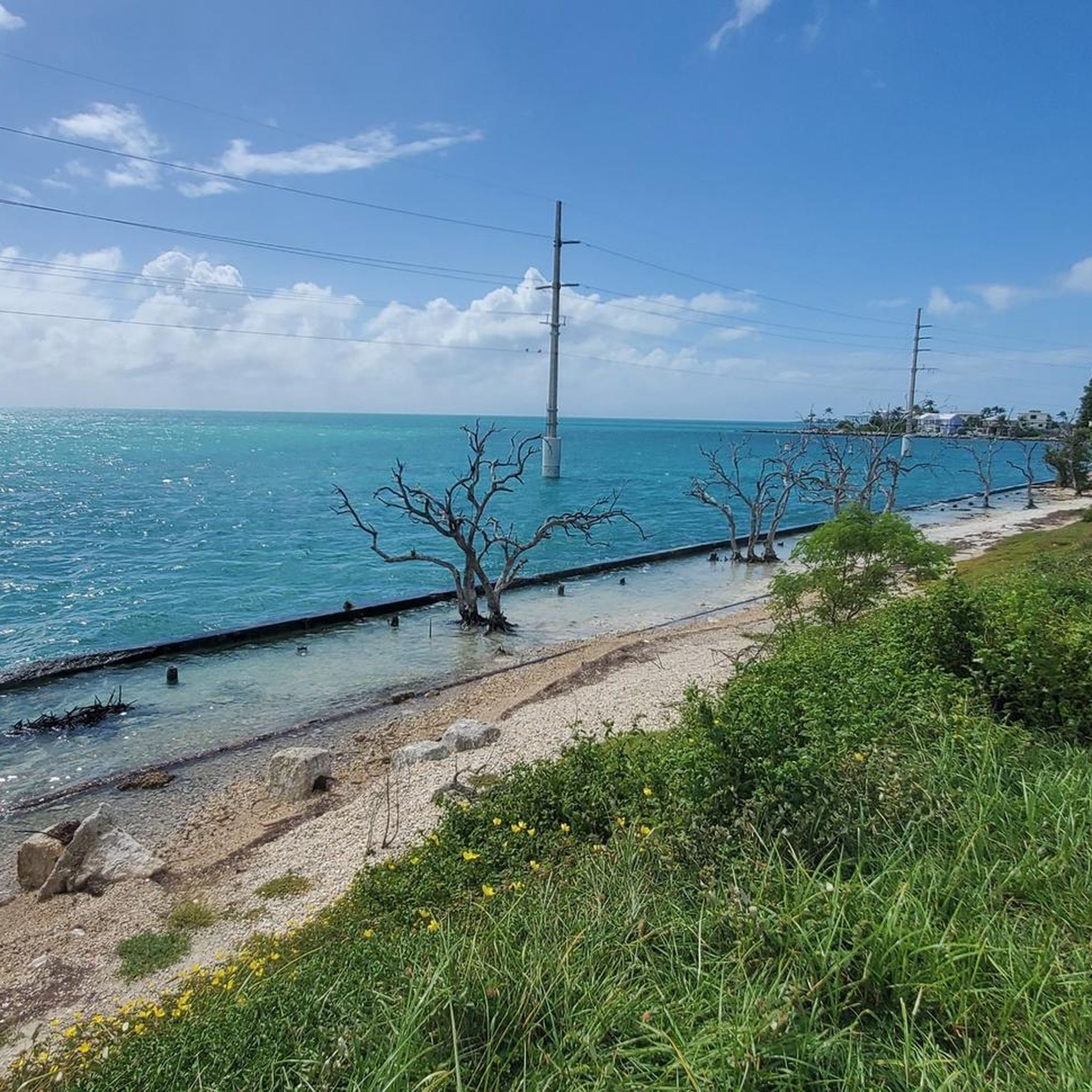
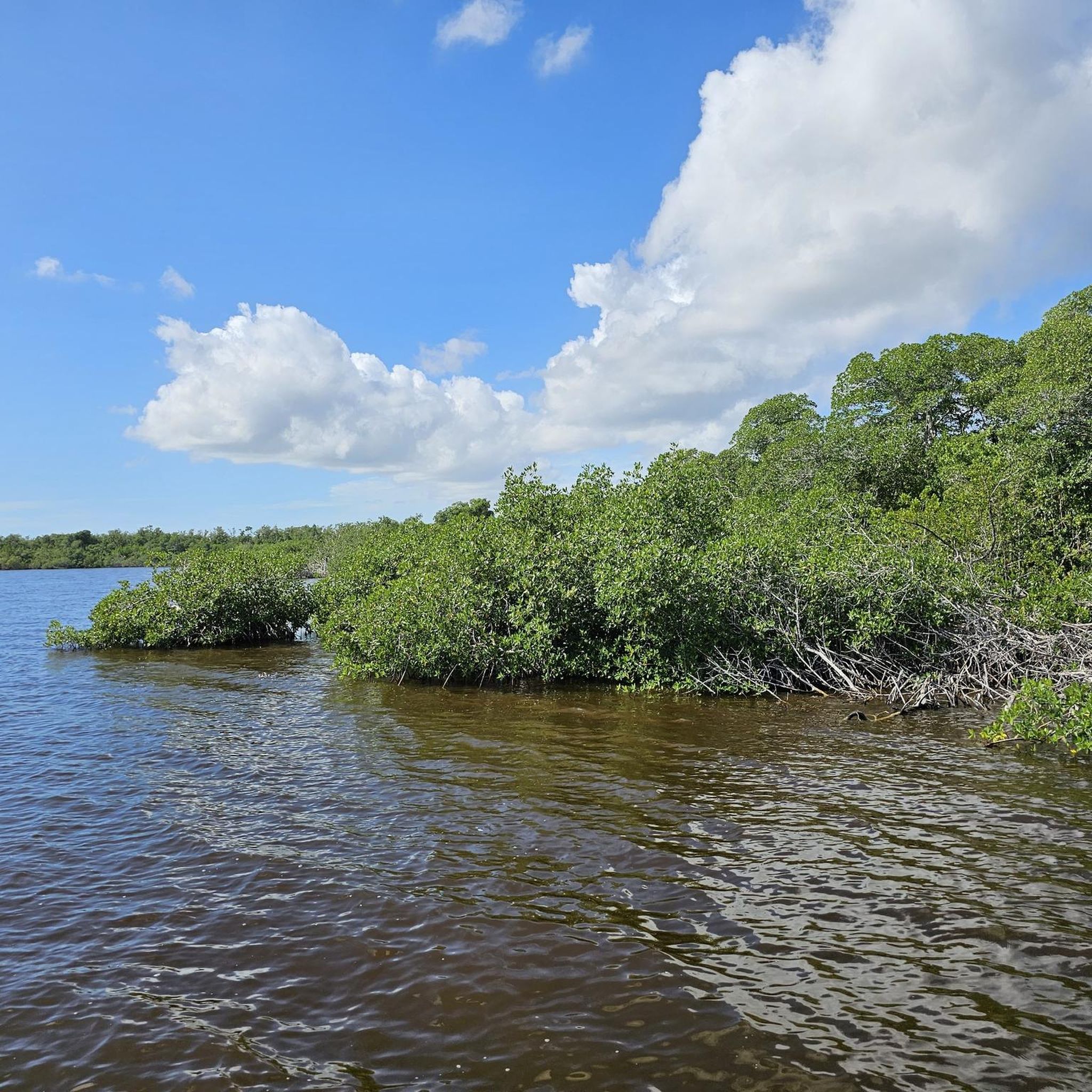
Best natural monuments in Monroe County, Florida, are found across a diverse landscape encompassing the Everglades and the Florida Keys. This region features unique ecosystems, including tropical hardwood hammocks, extensive coral reefs, and wetlands. The area is characterized by its coastal environment, offering a range of natural attractions from marine sanctuaries to geological formations. It provides opportunities to explore both terrestrial and underwater natural wonders.
Best natural monuments in Monroe County
- The most popular natural monuments is Southernmost Point Buoy…
Last updated: October 11, 2026
Southernmost Point Buoy
Highlight • Monument
Translated by Google •
Tip by

Fort Zachary Taylor State Park
Highlight • Beach
Translated by Google •
Tip by

Sign up now to discover places like this
Get recommendations on the best single tracks, peaks, & plenty of other exciting outdoor places.
John Pennekamp Coral Reef State Park
Highlight • Natural
It is also possible to rent canoes or book snorkelling tours on the reef 10km offshore
Translated by Google •
Tip by
Historic Kapok Tree on Whitehead Street
Highlight • Natural Monument
Translated by Google •
Tip by
Three Snail Hammock Trail
Highlight (Segment) • Trail
Tip by

Dry Tortugas National Park
Highlight • Natural Monument
Dry Tortugas National Park, a remote cluster of islands located 70 miles west of Key West, Florida, offers a truly unique escape into a …
Tip by

Windley Key Fossil Reef Geological State Park
Highlight • Natural Monument
Tip by
Start today with a free account
Your next adventure awaits.


Tips from the Community

A small historical place. It's also interesting that there's still forest to be seen there.
0
0
The ferry runs in (almost) all weather conditions. If you are prone to motion sickness, I recommend taking an anti-nausea medication.
0
0

Dry Tortugas, Key West, Florida 🇺🇸 Dry Tortugas National Park, a remote cluster of islands located 70 miles west of Key West, Florida, offers a truly unique escape into a pristine marine environment. Accessible primarily by ferry or seaplane, this secluded paradise is renowned for its vibrant coral reefs, abundant marine life, and the historic Fort Jefferson, a colossal 19th-century brick fortress. The crystal-clear turquoise waters invite snorkelers and divers to explore a dazzling underwater world teeming with colorful fish, sea turtles, and even shipwrecks, making it a premier destination for aquatic adventures. Beyond its underwater wonders, the islands themselves are a haven for nature enthusiasts and history buffs alike. Loggerhead Key, the largest of the Dry Tortugas, is home to a historic lighthouse and offers opportunities for birdwatching, as the park is a crucial stopover point for migratory birds. Garden Key, where Fort Jefferson stands majestically, provides a fascinating glimpse into a pivotal period of American history, with its massive walls and intricate design bearing witness to its strategic importance in the Gulf of Mexico. Camping is available on Garden Key, offering an unforgettable experience of sleeping under the stars amidst the sounds of the ocean and the imposing presence of the fort. Visiting Dry Tortugas National Park requires careful planning due to its remote location and limited accessibility. Booking ferry or seaplane transportation well in advance is essential, especially during peak season. Visitors should pack all necessary supplies, including food, water, and sun protection, as there are no services available within the park. Despite the logistical considerations, the journey to Dry Tortugas is an adventure in itself, culminating in an immersive experience of natural beauty, historical significance, and unparalleled tranquility that makes the effort truly worthwhile.
1
0

The Tree Snail Hammock Trail is one of the hidden gems in Big Cypress National Preserve, located along Loop Road, just across from the Everglades Environmental Center. This quarter-mile interpretive trail immerses you in a tropical hammock, where you can discover rare and tiny residents, including the colorful and endangered liguus tree snails that inhabit South Florida’s unique ecosystems.
0
0
Windley Key Fossil Reef Geological State Park, a former quarry, offers a glimpse into the Florida Keys' history. Henry Flagler's Overseas Railroad, built in the early 1900s, relied on its limestone. Later, the quarry yielded polished “keystone,” a decorative limestone unique to this area until the 1960s. The Hurricane Monument in Islamorada, at Mile Marker 82, is constructed from keystone extracted here. The park features several short loop trails throughout the grounds, where you can view the exposed fossilized coral reefs and remnants of the original quarry equipment. There is a drinking fountain, restrooms, and a lovely bench, perfect for a place to take a break under a canopy of hammock trees. The park is open daily from 8 am until sundown, with a $2.50 entrance fee. The visitor center operates Thursday–Monday, 8 am to 5 pm.
0
0

It's especially nice how this tree is holding up.
0
0
It is quite busy here at lunchtime. It is better to get up early, then you will be able to get an uninterrupted picture. The Southernmost Point is considered the southernmost point in the continental United States and is located on the last of the Florida Keys, Key West. It is located on the edge of the city of Key West in the Upper Duval district on the corner of Whitehead Street and South Street. It is only a few minutes' walk to the city center. The Southernmost Point is actually not the southernmost point in Key West. This is located on the US Navy base next door. Since Key West is an island, the southernmost point in the continental USA is near Flamingo in the Everglades. Source Wikipedia
1
0

This kapok tree is located at 502 Whitehead St. and has become a popular landmark in the community. The tree is estimated to be over 100 years old and its trunk circumference is over 9 meters.
5
0
Frequently Asked Questions
What are some of the most popular natural monuments to visit in Monroe County, Florida?
Monroe County, Florida, offers a variety of popular natural monuments. The Southernmost Point Buoy is a well-known landmark marking a significant geographical location. Fort Zachary Taylor State Park combines a historical fort with a beautiful beach, offering snorkeling and shaded areas. Another must-see is John Pennekamp Coral Reef State Park, the first underwater state park, renowned for its coral reefs and marine life.
Are there family-friendly natural monuments in Monroe County, Florida?
Yes, Monroe County has many family-friendly natural monuments. The Southernmost Point Buoy is an easy stop for a photo. Fort Zachary Taylor State Park offers beaches and historical exploration suitable for all ages. John Pennekamp Coral Reef State Park provides glass-bottom boat tours, snorkeling, and swimming. The Historic Kapok Tree on Whitehead Street is an interesting natural landmark, and Windley Key Fossil Reef Geological State Park offers trails and educational exhibits.
What unique natural features can I explore in Monroe County, Florida?
Monroe County, Florida, is rich in diverse ecosystems. You can explore the extensive coral reefs and marine life at the John Pennekamp Coral Reef State Park and the broader Florida Keys National Marine Sanctuary. The mainland portion is dominated by Everglades National Park, an International Biosphere Reserve known for its wetlands and diverse wildlife. Other unique features include the tropical hardwood hammocks at Lignumvitae Key Botanical State Park and the ancient fossilized coral reef at Windley Key Fossil Reef Geological State Park.
What kind of historical sites are integrated with natural monuments in Monroe County, Florida?
Several natural monuments in Monroe County, Florida, also boast significant historical elements. Fort Zachary Taylor State Park features a historic Civil War-era fort alongside its natural beach. Dry Tortugas National Park is home to Fort Jefferson, a massive coastal fortress, surrounded by pristine waters and coral reefs. Windley Key Fossil Reef Geological State Park showcases a former quarry that exposed an ancient coral reef, offering insights into the region's geological and industrial past. Additionally, San Pedro State Park offers an underwater experience with a submerged 18th-century shipwreck.
Are there hiking trails near the natural monuments in Monroe County, Florida?
Yes, there are various hiking opportunities near the natural monuments. For easy walks, you can explore trails like the Three Snail Hammock Trail in Big Cypress National Preserve, or the trails within Windley Key Fossil Reef Geological State Park. Everglades National Park offers extensive hiking options, and Crane Point Hammock Museum and Nature Trails provide 64 acres for hiking and birding. For more options, you can find a guide to easy hikes in Monroe County.
What outdoor activities can I do near the natural monuments in Monroe County, Florida?
Monroe County, Florida, offers a wide range of outdoor activities. You can enjoy snorkeling, diving, and glass-bottom boat tours at John Pennekamp Coral Reef State Park. Beaches like those at Fort Zachary Taylor State Park are perfect for swimming and relaxation. Everglades National Park provides opportunities for canoeing, kayaking, boating, fishing, and camping. For cycling enthusiasts, there are numerous road cycling routes in Monroe County, including sections of the Florida Keys Overseas Heritage Trail. Running trails are also available, with options for various difficulty levels, as detailed in the running trails guide for Monroe County.
Are there any accessible natural monuments for visitors with mobility needs in Monroe County, Florida?
Yes, some natural monuments in Monroe County, Florida, offer accessibility features. The Southernmost Point Buoy is generally accessible. While specific details vary, many state parks and visitor centers in the region, such as parts of Everglades National Park and Pine Channel Nature Park, feature boardwalks and paved paths designed to accommodate wheelchairs, allowing visitors to experience the natural beauty.
What is the best time to visit the natural monuments in Monroe County, Florida?
The best time to visit Monroe County, Florida, is generally during the dry season, from November to April. During these months, the weather is cooler, less humid, and there is less rainfall, making outdoor activities like hiking, snorkeling, and exploring more comfortable. This period also typically sees fewer mosquitoes, especially in wetland areas like the Everglades.
What kind of wildlife can I expect to see at the natural monuments in Monroe County, Florida?
Monroe County, Florida, is a haven for diverse wildlife. In the Everglades National Park, you might spot bobcats, alligators, and the elusive Florida panther. The Florida Keys National Marine Sanctuary and John Pennekamp Coral Reef State Park are teeming with marine life, including over 6,000 species of fish, colorful corals, and various invertebrates. At Lignumvitae Key Botanical State Park, paddlers might encounter manatees, sea turtles, and starfish, while Crane Point Hammock Museum and Nature Trails are excellent for birdwatching.
Are there any hidden gems or lesser-known natural monuments in Monroe County, Florida?
Beyond the well-known attractions, Monroe County, Florida, holds some hidden gems. The Three Snail Hammock Trail in Big Cypress National Preserve is a quarter-mile interpretive trail where you can discover rare liguus tree snails. Lignumvitae Key Botanical State Park offers a tranquil experience with its tropical hardwood hammock, accessible primarily by boat. Pine Channel Nature Park on Big Pine Key provides boardwalks and a viewing deck for a quieter nature experience away from the crowds.
What do visitors enjoy most about the natural monuments in Monroe County, Florida?
Visitors to Monroe County, Florida, particularly enjoy the unique blend of natural beauty and recreational opportunities. Many appreciate the stunning underwater world for snorkeling and diving, especially at places like John Pennekamp Coral Reef State Park. The historical significance combined with scenic views at Fort Zachary Taylor State Park is also a highlight. The iconic photo opportunity at the Southernmost Point Buoy is a popular draw, and the chance to see diverse wildlife in their natural habitats, particularly in the Everglades, is highly valued.
Most popular routes in Monroe County
Most popular attractions in Monroe County

Get inspired with the komoot mobile app


Didn’t find what you were looking for?
Find even more amazing natural monuments in Monroe County by checking out the top Highlights region by region:
Explore more
Extend your search for the best caves by checking out these guides of the top ones in Monroe County:
