Top 7 Natural Monuments around Lake Ontario
Best natural monuments around Lake Ontario include diverse geological formations and unique ecosystems. Lake Ontario, one of the Great Lakes, features a varied landscape with significant natural beauty. The region offers a range of natural features, from expansive sand dunes to dramatic bluffs and archipelagos. These sites provide opportunities to explore the natural environment and observe local wildlife.
Best natural monuments around Lake Ontario
- The most popular natural monuments is Inukshuk on the Toronto Waterfront, a man-made monument that…
Last updated: August 30, 2026
Toronto Inukshuk
Highlight • Monument
Tip by

Sand Dunes at Sandbanks Provincial Park
Highlight • Beach
Translated by Google •
Tip by

Sign up now to discover places like this
Get recommendations on the best single tracks, peaks, & plenty of other exciting outdoor places.
Sign up for free
Victory-Peace Monument
Highlight • Monument
Translated by Google •
Tip by

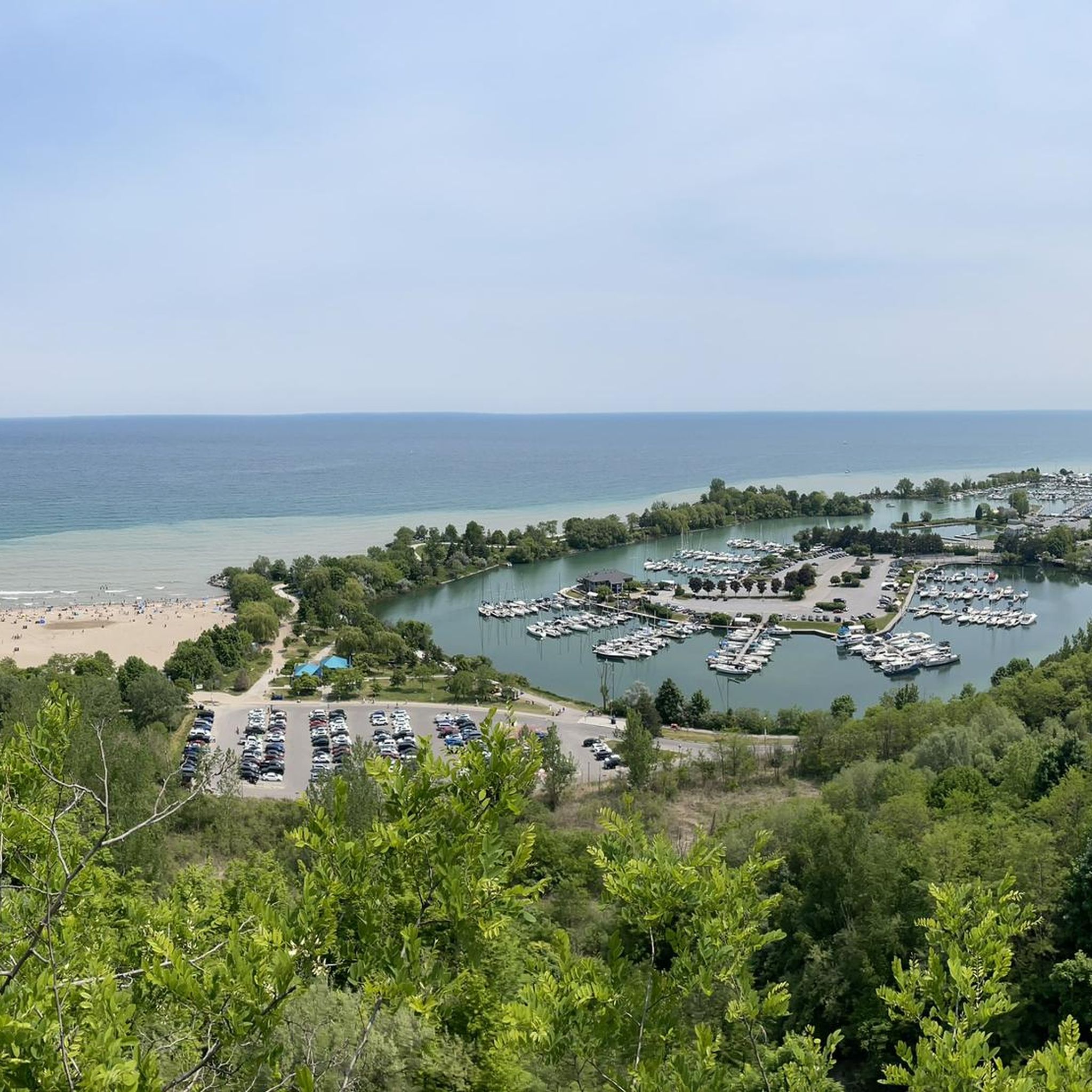
Scarborough Bluffs
Highlight • Natural Monument
The steep cliffs made of sandy material are impressive, …
Translated by Google •
Tip by

Petticoat Creek Conservation Area
Highlight • Natural
Tip by

Sign up for free to discover even more natural monuments around Lake Ontario.
Sign up for free
Already have an account?
Start today with a free account
Your next adventure awaits.
Login or Signup
Popular around Lake Ontario

Tips from the Community

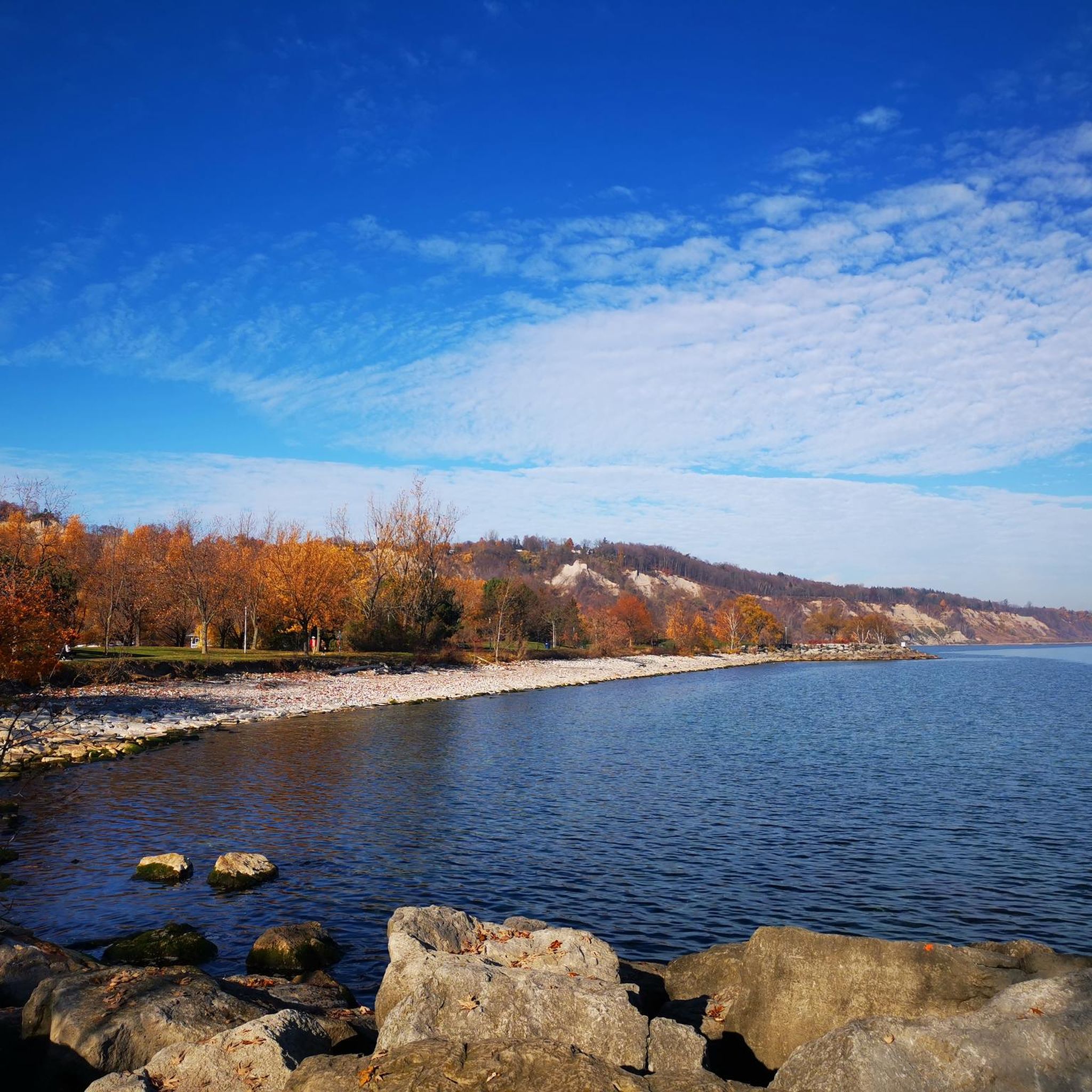
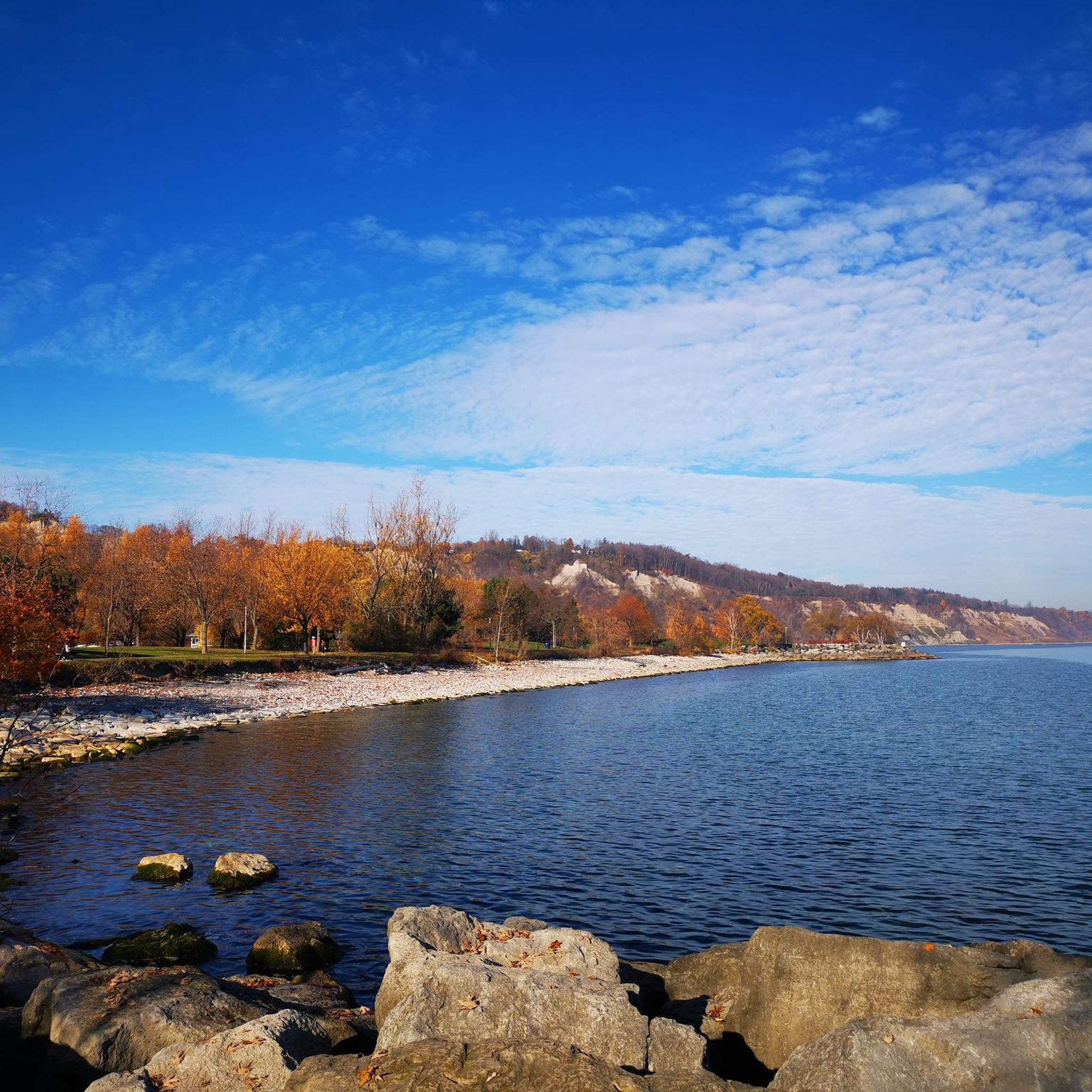
Petticoat Creek Conservation Park is a 70-hectare park above the bluffs of Lake Ontario in Pickering. The park was opened in the 1970s and is owned and operated by the Toronto and Region Conservation Authority (TRCA). The Petticoat Creek area has a long Indigenous history, with former settlements of Huron and Irokes peoples and likely a different name in the past. The name "Petticoat" comes from Petite Côte, a term used by French settlers in the 17th century to describe the irregularities of the creek's bank at its mouth. https://trca.ca/parks/petticoat-creek-conservation-area (Visited on June 15, 2026)
0
0

Standing 30 feet tall with a 15-foot arm span, the Toronto Inukshuk was built from about 50 tonnes of mountain rose granite by Inuit artist Kellypalik Qimirpik of Cape Dorset, Nunavut. Created in 2002 as a legacy project commemorating World Youth Day and the visit of Pope John Paul II, it’s one of the largest structures of its kind in North America. Sitting just west of Coronation Park in what’s now known as Toronto Inukshuk Park, it looks out across Lake Ontario and the harbour. There is a granite slab beside it that includes part of then-mayor Mel Lastman’s unveiling speech, describing the Inukshuk as an invitation to “become beacons of light and hope, striving for justice and peace in this world.”
0
0

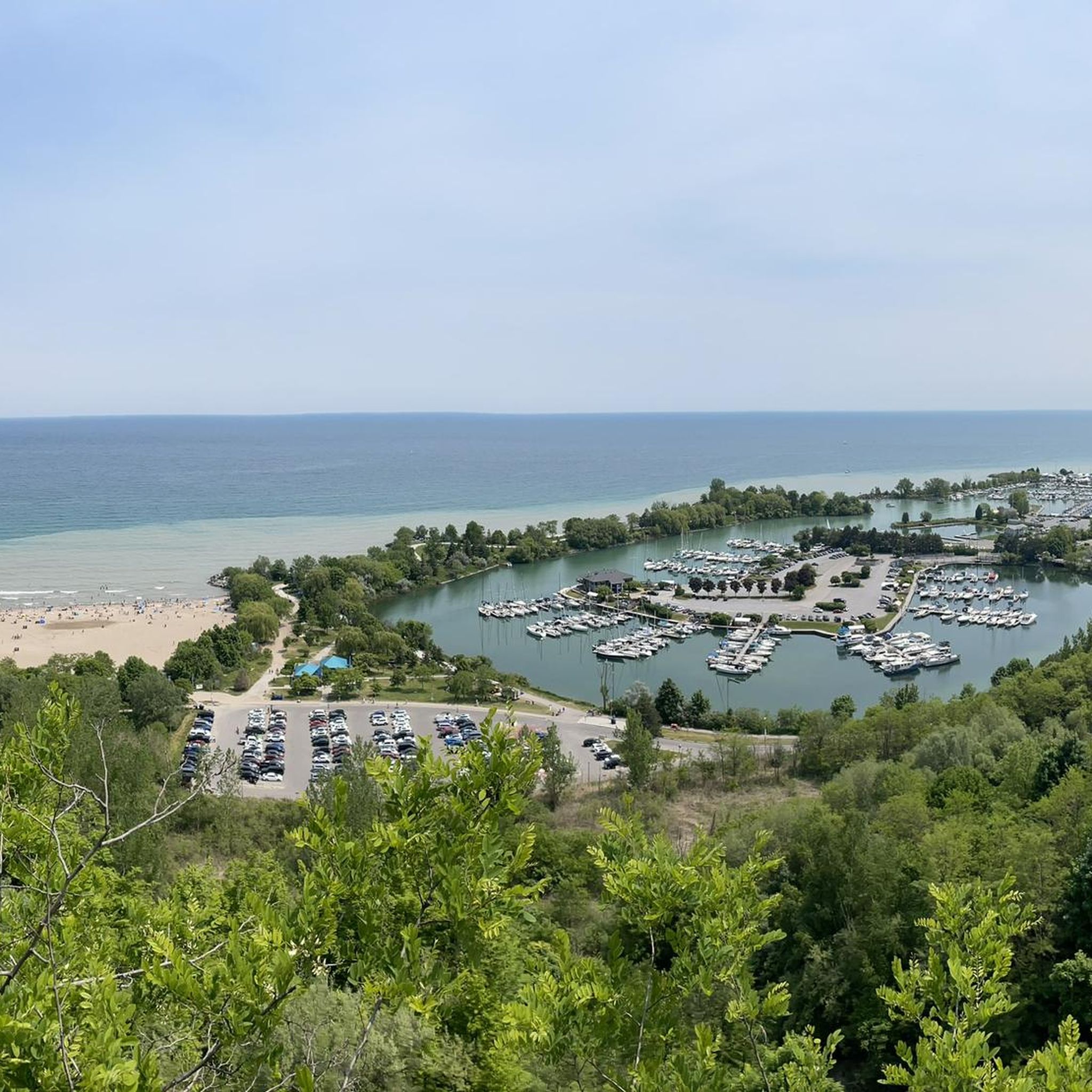
The Petticoat Creek Conservation Area is a scenic 170-acre waterfront retreat on the shores of Lake Ontario. Renowned for its dramatic bluffs and panoramic views of the Toronto skyline, the park offers a blend of active recreation and natural preservation. You can explore a section of the expansive Waterfront Trail that winds through the property, enjoy the aquatic centre, or utilize the numerous shaded picnic sites scattered among mature trees. With diverse bird habitats and grassy open spaces, the area provides a perfect lakeside destination.
0
0

A wonderful path through the dunes, even with a wheelchair-accessible option! While paved with planks at times, the path mostly leads over sand.
1
0

The memorial was erected in 1995, 50 years after the end of World War II. It was designed by the artist John McEwan.
1
0
Not really a park, more of a lawn, Particularly noteworthy is the Inukshuk, built in 2002 by Kellypalik Qimirpik for World Youth Day. It is approx. 10m high and weighs 50t. https://de.wikipedia.org/wiki/Inuksuk
0
0
Bluffer's Park was developed to improve public access to the Scarborough Bluffs and is easily accessible via roadway. Parking is chargeable. The steep cliffs made of sandy material are impressive, but also frightening when you stand at the foot of them. https://www.toronto.ca/data/parks/prd/facilities/complex/2/index.html
2
0

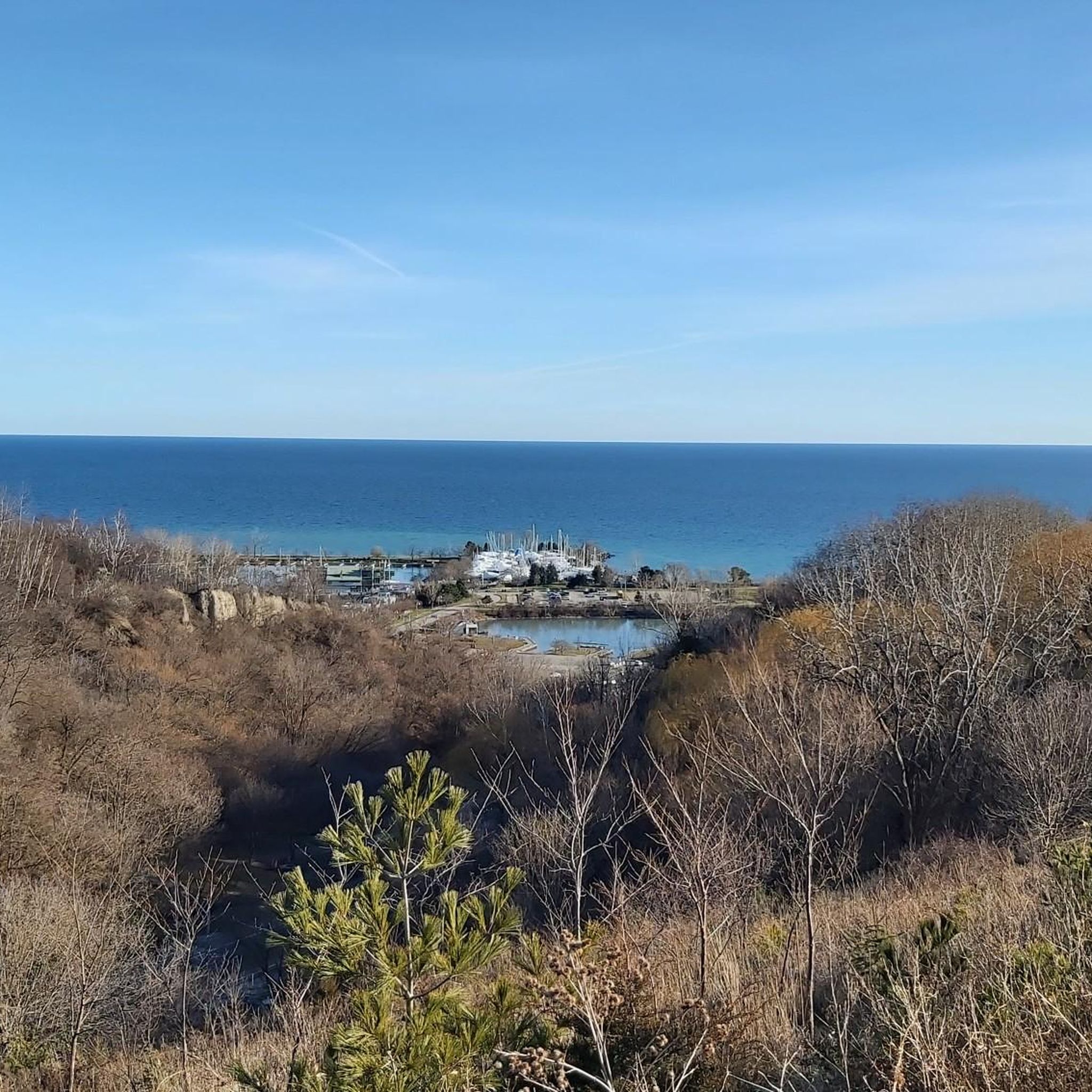
Located a little outside the tourist highlights, you can cast a great view eastwards towards the city center. It is also significantly quieter here.
0
1
Frequently Asked Questions
What are some of the most iconic natural monuments to visit around Lake Ontario?
Beyond the well-known Scarborough Bluffs with their dramatic white cliffs, you can explore the impressive Sand Dunes at Sandbanks Provincial Park, known for its expansive beaches and clear waters. The region also features the awe-inspiring Niagara Falls, a powerful spectacle connecting Lake Erie and Lake Ontario.
Are there family-friendly natural monuments around Lake Ontario?
Yes, several natural monuments are suitable for families. The Sand Dunes at Sandbanks Provincial Park offer beaches and a path through the dunes. The Inukshuk on the Toronto Waterfront is also considered family-friendly, providing a unique landmark and views.
What unique geological features can I explore around Lake Ontario?
Lake Ontario is rich in diverse geological formations. You can witness the dramatic white cliffs of the Scarborough Bluffs, which stretch for 14 kilometers. The region also boasts impressive sand dunes at Sandbanks Provincial Park, formed by sand spits, and the powerful cascades of Niagara Falls, showcasing immense natural force.
Can I observe unique wildlife or ecosystems at these natural monuments?
Absolutely. Lake Ontario is home to vital ecosystems, including sand dunes, marshes, and barrier beaches that support diverse wildlife. For instance, the Bank Swallow Nesting Cliffs provide a habitat for these birds, which dig holes in vertical banks. The lake's waters are also crucial for various fish species and migratory birds like the endangered Piping Plover.
What outdoor activities can I do near the natural monuments around Lake Ontario?
The area offers a wide range of outdoor activities. You can find numerous hiking opportunities, such as those detailed in the Waterfall hikes around Lake Ontario guide. For cyclists, there are Road Cycling Routes and MTB Trails. Activities like swimming, sunbathing, sea kayaking, and scuba diving are also popular, especially around areas like Sandbanks Provincial Park and the Thousand Islands.
When is the best time to visit the natural monuments around Lake Ontario?
The best time to visit depends on your preferred activities. Summer is ideal for swimming and beach activities at places like Sandbanks Provincial Park. Spring and fall offer pleasant temperatures for hiking and exploring the bluffs and islands. Winter provides a unique experience, especially at Niagara Falls, where the freezing spray transforms the area into an icy landscape.
Are there any natural monuments easily accessible from urban areas like Toronto?
Yes, the Scarborough Bluffs are a dramatic natural escape within Toronto's eastern shoreline, offering stunning views of Lake Ontario. The Inukshuk on the Toronto Waterfront is also easily accessible and provides a quiet spot with city views.
Are there any historical or cultural aspects to these natural monuments?
While primarily natural, some sites have historical significance. The Thousand Islands region, for example, was a playground for the wealthy in the 19th century, featuring stately mansions and castles amidst its natural beauty. The Inukshuk on the Toronto Waterfront is a man-made monument built in 2002, reflecting Inuit culture. Additionally, the Victory-Peace Monument, erected in 1995, commemorates the end of World War II.
Is parking available at the natural monuments near Lake Ontario?
Parking availability varies by location. For instance, at Bluffer's Park, which provides access to the Scarborough Bluffs, parking is available but chargeable. It's advisable to check specific park or site websites for detailed parking information before your visit.
Are there wheelchair-accessible paths at any of the natural monuments?
Yes, the Sand Dunes at Sandbanks Provincial Park offer a wonderful path through the dunes, with some sections specifically designed to be wheelchair-accessible, including paved planks.
What are the Thousand Islands and what can I do there?
The Thousand Islands region, located at the mouth of Lake Ontario and stretching into the St. Lawrence River, is an archipelago of approximately 2,000 islands. It's renowned for its picturesque scenery. Visitors can enjoy boat tours to explore quaint heritage villages, cycle, hike, sea kayak, and even scuba dive in the clear waters.
What do visitors enjoy most about the natural monuments around Lake Ontario?
Visitors frequently appreciate the stunning views and the opportunity to connect with nature. The dramatic cliffs of the Scarborough Bluffs and the expansive beaches and clear waters of Sandbanks Provincial Park are particularly popular for their scenic beauty and relaxing atmosphere. The unique landmarks like the Inukshuk on the Toronto Waterfront also receive positive feedback for their quiet charm and city views.
Most popular routes around Lake Ontario
Most popular attractions around Lake Ontario

Get inspired with the komoot mobile app


Explore more
Extend your search for the best caves by checking out these guides of the top ones around Lake Ontario:
