Top 11 Natural Monuments around Maestrazgo
Natural monuments around Maestrazgo, a region in Teruel, Spain, feature unique geological formations and diverse ecosystems. The area is recognized for its natural heritage, including four of Aragón's six natural monuments. This landscape provides opportunities to explore geological, archaeological, and cultural sites. The region's rugged terrain and low population density contribute to a focused outdoor experience.
Best natural monuments around Maestrazgo
- The most popular natural monuments is The Gorge, a gorge that features the Hoz del Río Mijares. It…
Last updated: June 23, 2026
The Gorge
Highlight • Gorge
Translated by Google •
Tip by

Peñarroya Summit and Observation Tower
Highlight • Summit
Translated by Google •
Tip by

Sign up now to discover places like this
Get recommendations on the best single tracks, peaks, & plenty of other exciting outdoor places.
Sign up for free
Source of the Pitarque River
Highlight • River
Translated by Google •
Tip by

Mountain pass from Cedrillas to Ababuj
Highlight • Mountain Pass
Tip by

Vertical Rock Ridges
Highlight • Natural Monument
Translated by Google •
Tip by

Los Órganos de Montoro Pass
Highlight (Segment) • Mountain Pass
Translated by Google •
Tip by

Small Dam Hoz del Mijares
Highlight • Structure
Translated by Google •
Tip by
Roman Bridge
Highlight • Bridge
Translated by Google •
Tip by

Peña Ojerada Rock Formation
Highlight • Natural Monument
Translated by Google •
Tip by
El Castellar (Dinosaur Tracksite)
Highlight • Natural Monument
Translated by Google •
Tip by

Sign up for free to discover even more natural monuments around Maestrazgo.
Sign up for free
Already have an account?
Start today with a free account
Your next adventure awaits.
Login or Signup
Popular around Maestrazgo
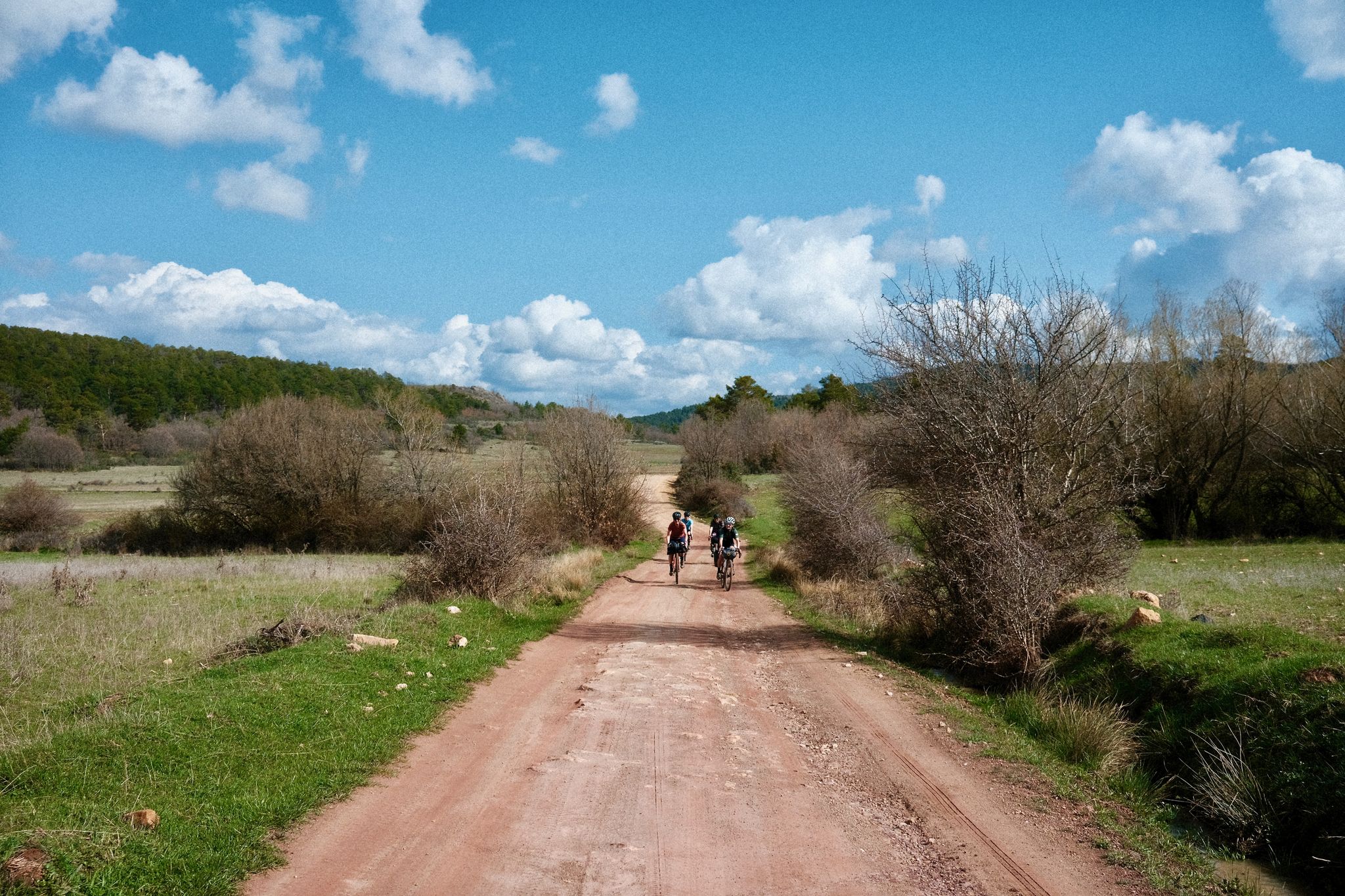
Women's Montañas Vacías 2022 — bikepack in rural Spain
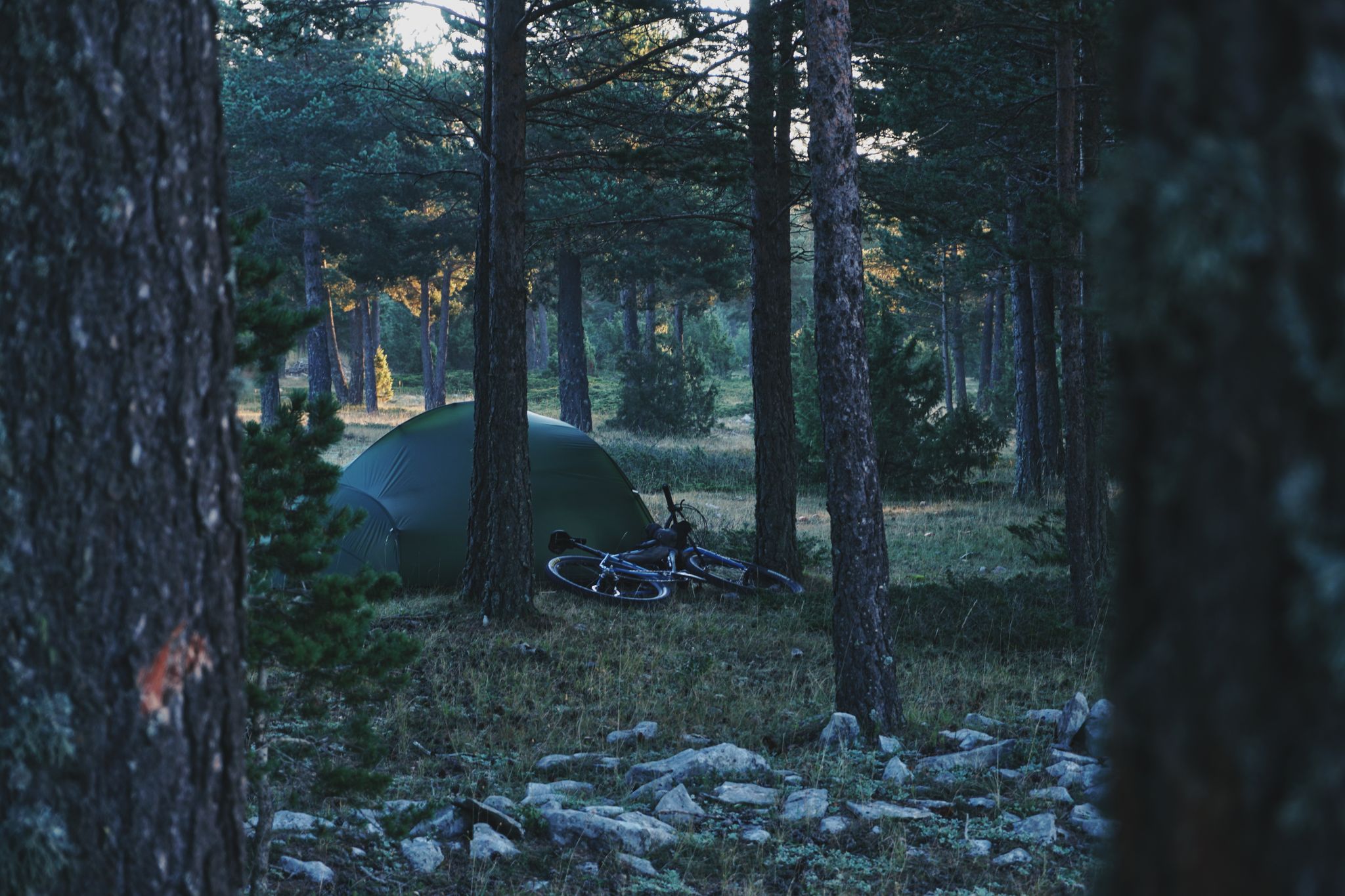
MontañasVacías official — bikepacking across the Spanish Lapland
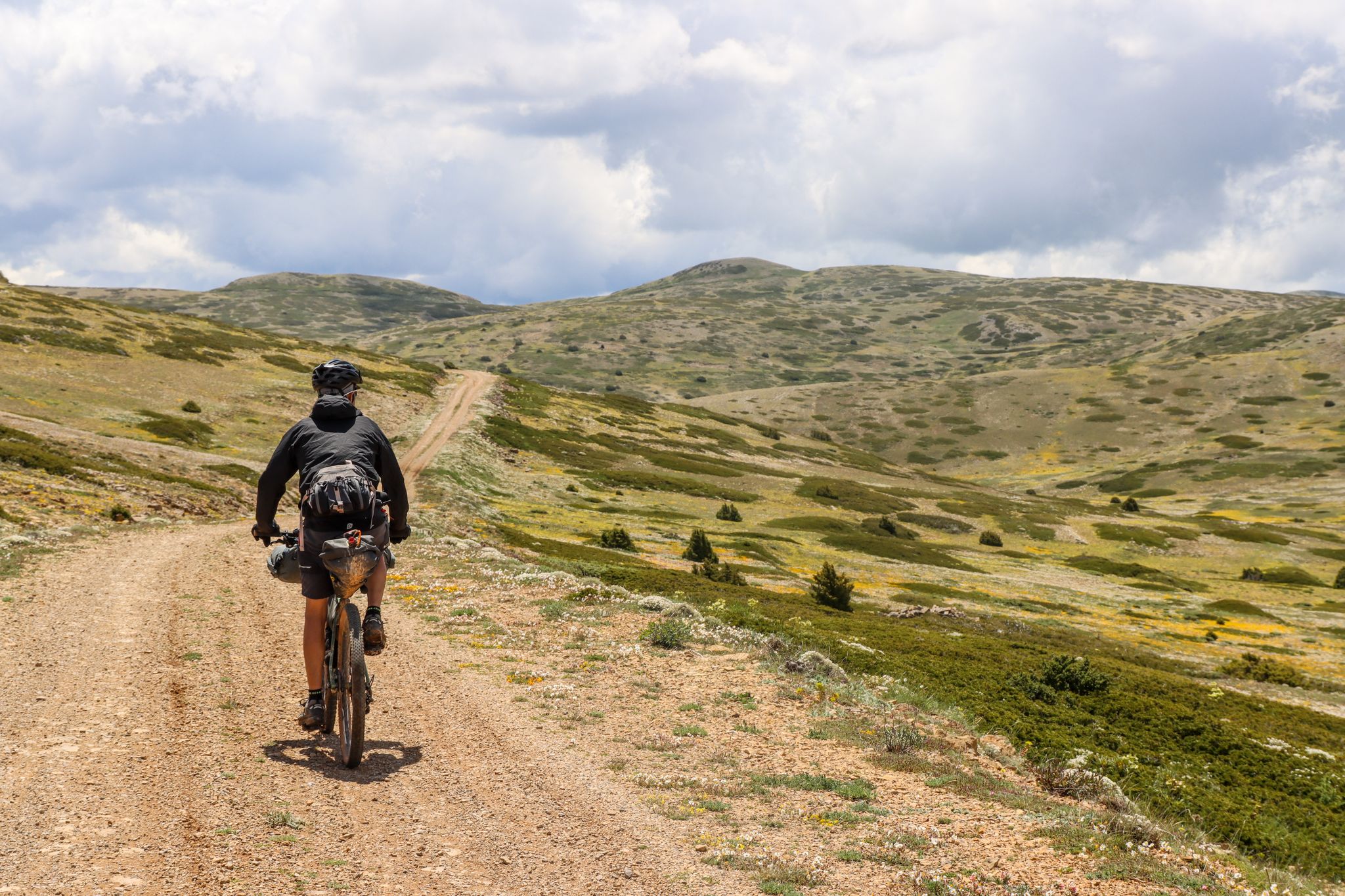
Montañas Vacías — bikepacking the wild and remote 'Empty Mountains'
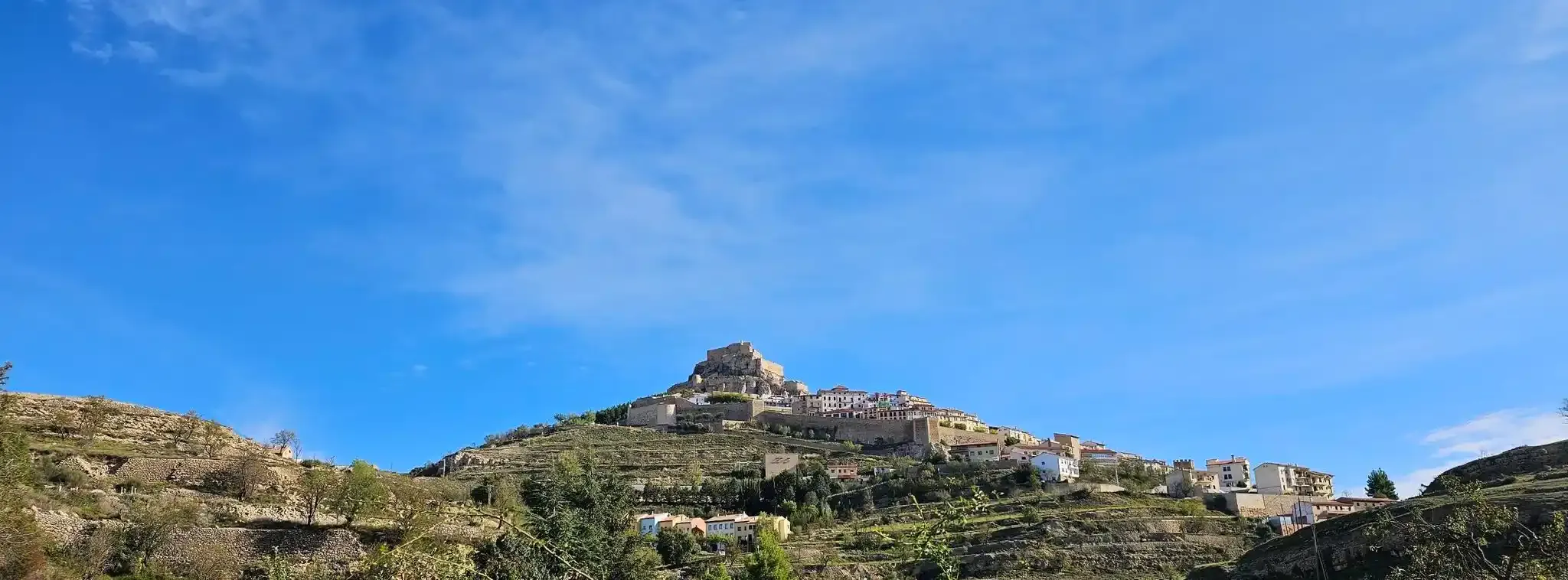
Between castles and walls - Ring of Morella
European Divide Trail across the Iberian Peninsula – north
El Camino del Cid – conquest of Valencia by gravel bike
El Camino del Cid – The Conquest of Valencia on MTB
MTB Trails around Maestrazgo
Hiking around Maestrazgo
Road Cycling Routes around Maestrazgo
Other adventures around Maestrazgo


Tips from the Community

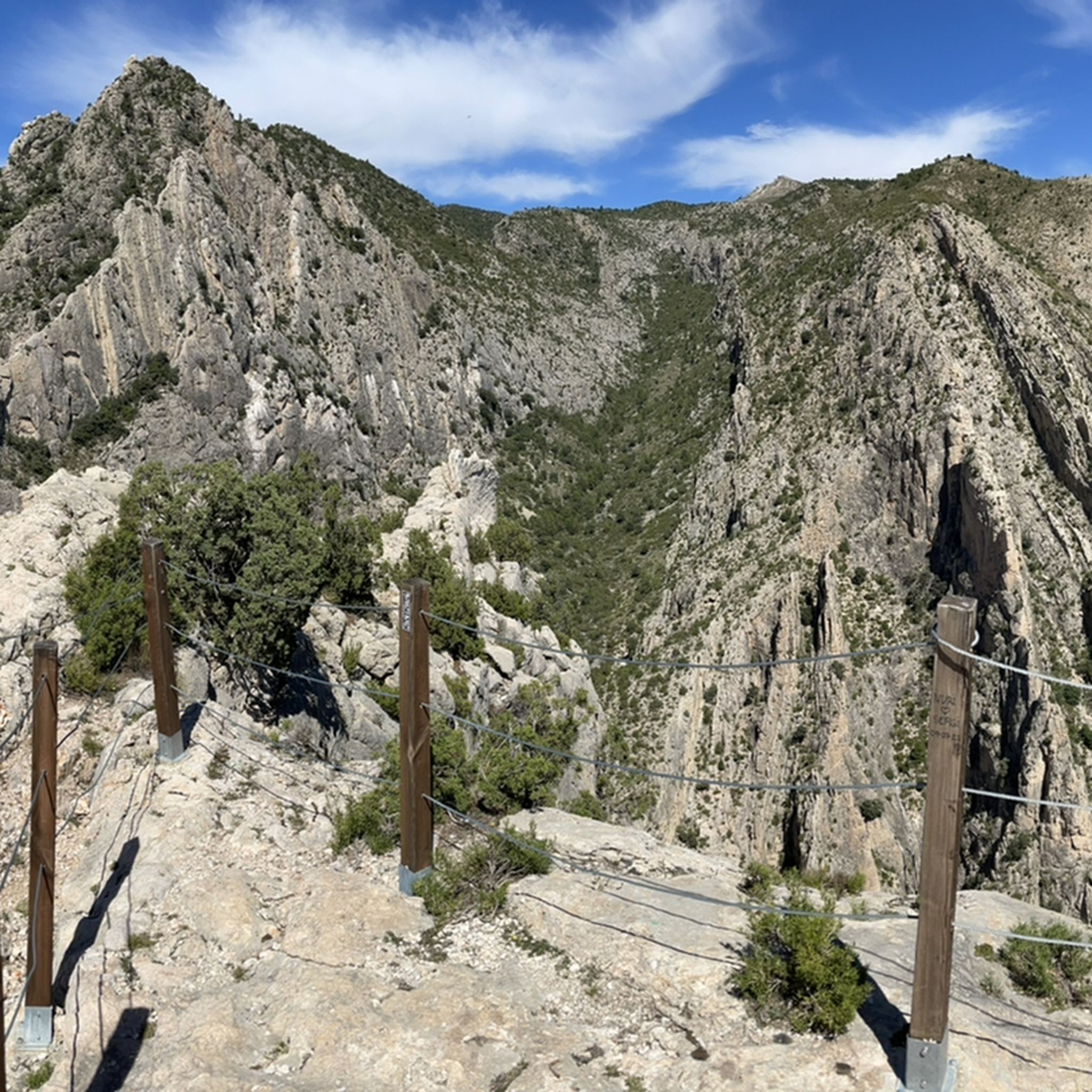
Geological natural monument: The rock ridges, exposed by weathering and erosion, were deposited horizontally in a shallow sea millions of years ago and, through tectonic forces, not only uplifted but also tilted vertically. An impressive example of the effects of the enormous forces of plate tectonics!
1
0

The small dam on the Mijares River Gorge, in the municipality of San Agustín (Teruel), is part of a natural setting of great scenic and geological value. Although it is not a large dam, it plays an important role in regulating water flow and in local hydroelectric power generation.
2
0
The Hoz del Río Mijares in San Agustín (Teruel) is a stunning natural setting located in the Gúdar-Javalambre region, ideal for lovers of hiking, geology, and spectacular landscapes.
2
0
The Peña Ojerada in Alcalá de la Selva is a popular destination for hiking enthusiasts. One of the most recommended routes is the Circular Route of the Viewpoints, which includes the Peña Ojerada and Monte Pinar.
7
0

The geodesic vertex called Peñarroya points 2028.228 m with respect to the base of the observation pillar, but it sits on two bodies of stone masonry. Altitude of the bodies of the order of 10 or 11 meters in total. LIDAR data confirm a ground level elevation of 2017 m. Peñarroya is a chromotoponym that refers to the color of the rocks that make up the mountain. The spelling in the Spanish language is Peñarroya and in the Aragonese language Penyarroya or Peñarroya depending on the spelling chosen for the palatal nasal. The origin of the toponym is quite clear. It combines the common noun peña, from the Latin PĭNNAM, 'battlement', with the adjective RŭBEŭS, -A, -UM 'blond'. The toponym reflects the reddish hue of the terrain. The spelling Penya (in addition to others such as Penna or Peña) is included in many medieval texts in Aragon. For example, in 1448 to designate the summit of the mountain range (of Peña) that rises above Sos del Rey Católico on the border, then, with the kingdom of Navarra.
1
0

There is a hiking route called “Las Hoces del Mijares” that you can explore. It is approximately 10.24 km long and offers stunning views.
9
0

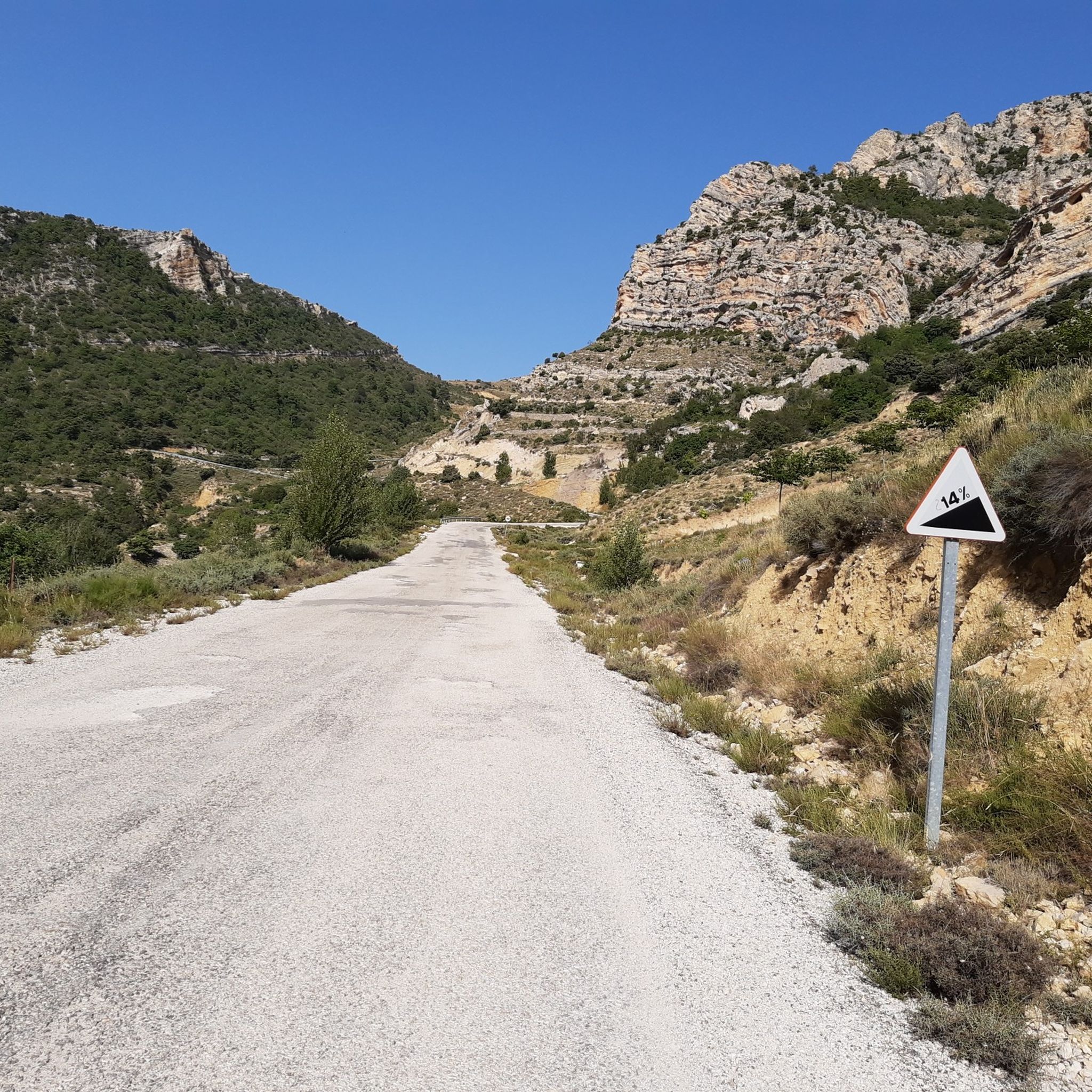
Port with a very beautiful final spot, hard at certain times due to the sun, there are no shadows or fountains. The descent has slightly deteriorated areas, you have to be attentive to the asphalt. Mountain pass with a very beautiful alpine landscape. It is a short mountain pass, it can be hard at certain times due to the sun, there are no shadows or sources. The descent has slightly deteriorated areas, you have to pay attention to the asphalt.
0
0
Frequently Asked Questions
What unique geological formations can I explore in Maestrazgo?
Maestrazgo is rich in diverse geological formations. You can visit the Los Órganos de Montoro Pass, where towering limestone spires resemble cathedral organ pipes. The region also features the Grutas de Cristal de Molinos, an extensive network of underground caves with spectacular stalactites and stalagmites. Another notable site is the Puente de Fonseca, a natural bridge carved by the Guadalope River, and the unique resurgence of the Pitarque River at the Source of the Pitarque River.
Are there family-friendly natural monuments in Maestrazgo?
Yes, several natural monuments in Maestrazgo are suitable for families. The Source of the Pitarque River offers a picturesque and accessible trail through a canyon, making it a great option for all ages. The Grutas de Cristal de Molinos also provides guided tours that are engaging for families, showcasing impressive underground formations and archaeological finds.
What outdoor activities can I do near the natural monuments in Maestrazgo?
The rugged terrain and diverse natural areas of Maestrazgo are ideal for various outdoor activities. You can enjoy caving at the Grutas de Cristal de Molinos, hiking along routes like the 'Silence Route' near the Órganos de Montoro, or exploring the path to the Source of the Pitarque River. The region also offers extensive opportunities for cycling, including MTB trails, gravel biking, and road cycling routes.
What is the best time of year to visit the natural monuments in Maestrazgo?
The best time to visit Maestrazgo's natural monuments generally depends on your preferred activities. Spring and autumn offer pleasant temperatures for hiking and exploring the outdoor sites like the Órganos de Montoro and the Puente de Fonseca. The Grutas de Cristal de Molinos are open year-round, except for January and February, making them a good option even during cooler months.
Are there any historical or archaeological sites associated with the natural monuments?
Yes, the Maestrazgo region is recognized as a Geopark and Cultural Park, highlighting its rich heritage. The Grutas de Cristal de Molinos are significant archaeological sites, where fossils over 100,000 years old and remains of the 'Molinos Man' from over 25,000 years ago have been discovered. Additionally, the region is home to Levantine Cave Art, a UNESCO World Heritage site, in shelters like La Vacada, adding a cultural dimension to the natural beauty.
What kind of wildlife can I expect to see at these natural sites?
The diverse ecosystems of Maestrazgo support a variety of wildlife. At the Puente de Fonseca, you might spot crabs, otters, Bonelli's eagles, and mountain goats. The Grutas de Cristal de Molinos also host a large concentration of endangered horseshoe bats in areas not open to the public. The region's low population density allows for a rich natural environment where various species thrive.
Are there any notable hiking trails near the natural monuments?
Absolutely. The The Gorge features a hiking route called “Las Hoces del Mijares,” approximately 10 km long, offering stunning river views. The 'Silence Route' passes by the Los Órganos de Montoro Pass, providing breathtaking geological vistas. A picturesque path also leads to the Source of the Pitarque River, winding through a unique canyon.
What do visitors enjoy most about the natural monuments in Maestrazgo?
Visitors frequently praise the breathtaking geological formations and the serene, unspoiled natural beauty. Many appreciate the immersive experience of guided tours in the Grutas de Cristal and the stunning panoramic views from spots like the Los Órganos de Montoro Pass. The opportunity for wildlife observation and the peaceful hiking experiences, such as the trail to the Source of the Pitarque River, are also highly valued.
Are there any natural monuments with unique plant life?
Yes, the Nacimiento del Río Pitarque (Source of the Pitarque River) is particularly notable for its unique micro-climate at the bottom of its gorge. This environment supports uncommon flora such as rowan and hazelnut trees, which are not typically found in other parts of the region.
Can I find any dinosaur tracks or paleontological sites in Maestrazgo?
Yes, Maestrazgo has paleontological significance. You can visit El Castellar (Dinosaur Tracksite), which offers a glimpse into the prehistoric past of the region with its preserved dinosaur footprints.
What is the significance of the Peñarroya Summit?
The Peñarroya Summit and Observation Tower offers panoramic views of the entire valley and the interior of Teruel. At over 2000 meters above sea level, it's a significant viewpoint. The name 'Peñarroya' itself refers to the reddish hue of the rocks, reflecting the geological characteristics of the mountain.
Most popular routes around Maestrazgo
Most popular attractions around Maestrazgo

Get inspired with the komoot mobile app


Didn’t find what you were looking for?
Find even more amazing natural monuments around Maestrazgo by checking out the top Highlights region by region:
Explore more
Extend your search for the best caves by checking out these guides of the top ones around Maestrazgo:
