Top 17 Natural Monuments around El Barco De Valdeorras
Best natural monuments around El Barco De Valdeorras are found within the Sil Valley, a region characterized by its varied natural landscape. The area features extensive vineyards, ancient chestnut groves, and dramatic river canyons. Peaks of the Trevinca Massif rise over 2,000 meters, offering high-altitude environments. This region provides diverse natural attractions for exploration.
Best natural monuments around El Barco De Valdeorras
- The most popular natural monument is Balcones de Madrid Viewpoint (Os Torgás Viewpoint), a viewpoint that offers…
Last updated: October 10, 2026
San Vítor de Barxacova Chapel and Necropolis
Highlight • Historical Site
Translated by Google •
Tip by

Peña Trevinca Summit
Highlight • Summit
Translated by Google •
Tip by
Sign up now to discover places like this
Get recommendations on the best single tracks, peaks, & plenty of other exciting outdoor places.
Chestnut Trail in Parada de Sil
Highlight • Trail
Translated by Google •
Tip by

Balcones de Madrid Viewpoint (Os Torgás Viewpoint)
Highlight • Viewpoint
Mountainous hiking area, with viewpoints that offer panoramic views of a river valley.
Translated by Google •
Tip by
View of the Sil Canyon from Ribeira Sacra Campsite
Highlight • Viewpoint
Translated by Google •
Tip by
Xariñas de Castro Viewpoint
Highlight • Viewpoint
Translated by Google •
Tip by

Entrambosríos
Highlight • Natural Monument
Translated by Google •
Tip by
Bidueiral de Montederramo
Highlight • Forest
Translated by Google •
Tip by

Igrejinha Chapel
Highlight • Religious Site
Translated by Google •
Tip by

Pena de Matacás viewpoint
Highlight • Viewpoint
Translated by Google •
Tip by
Sign up for free to discover even more natural monuments around El Barco De Valdeorras.
Already have an account?
Start today with a free account
Your next adventure awaits.
Tips from the Community

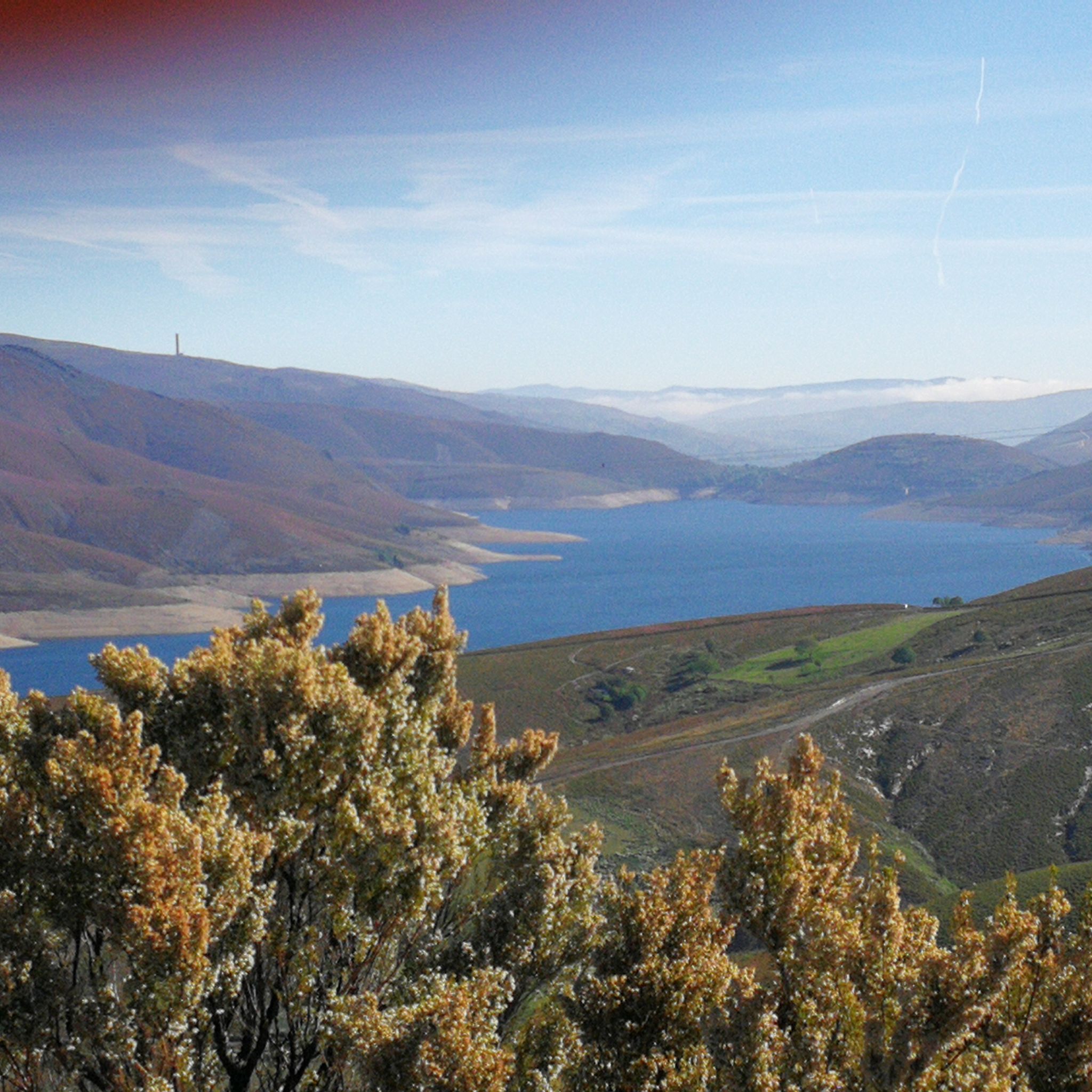
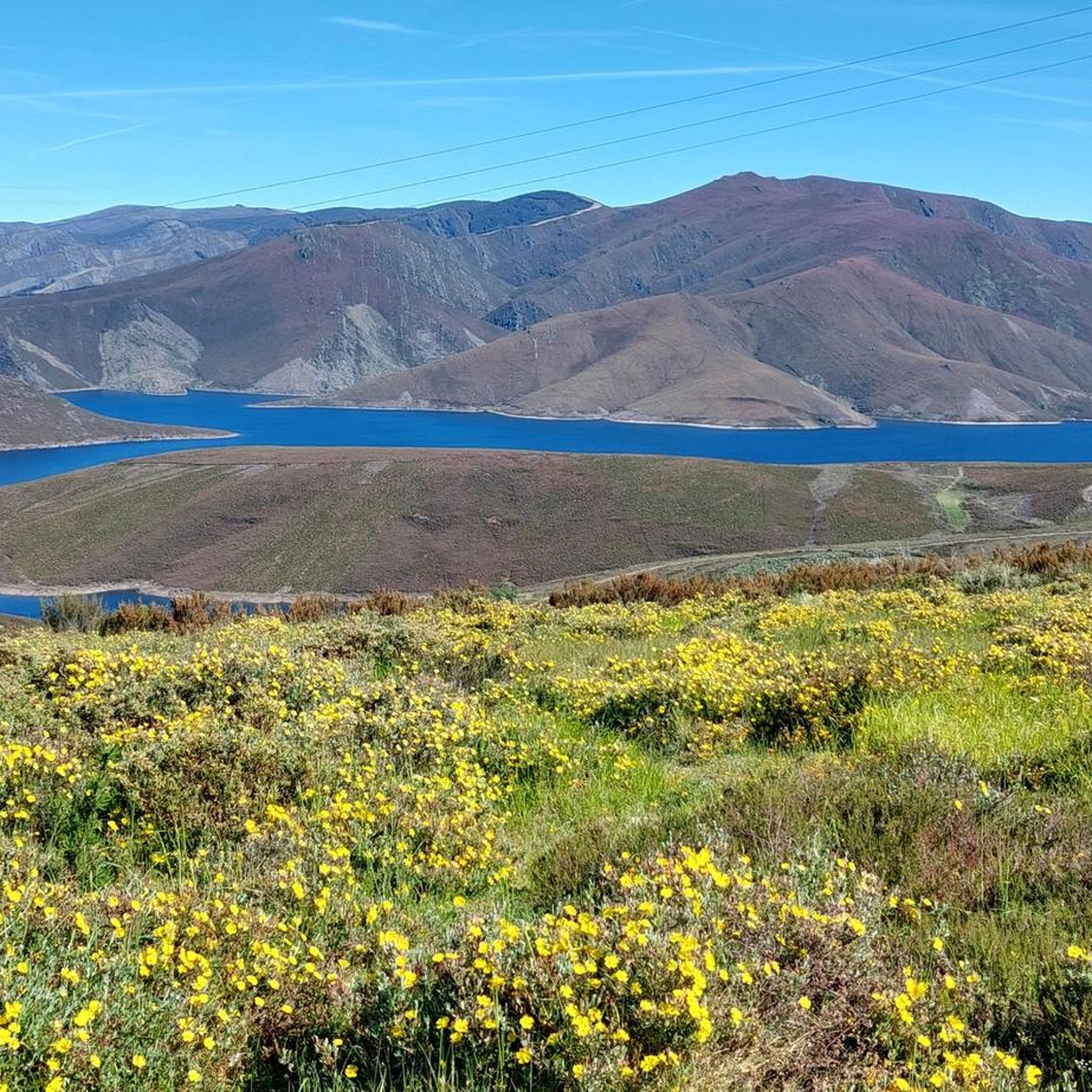
Spectacular view over the glacial valley of the Tera
0
0

A wolf(!?) crossed our path here. When he saw us, he fled.
0
0

Large rock with a small porch, used as a chapel.
0
0

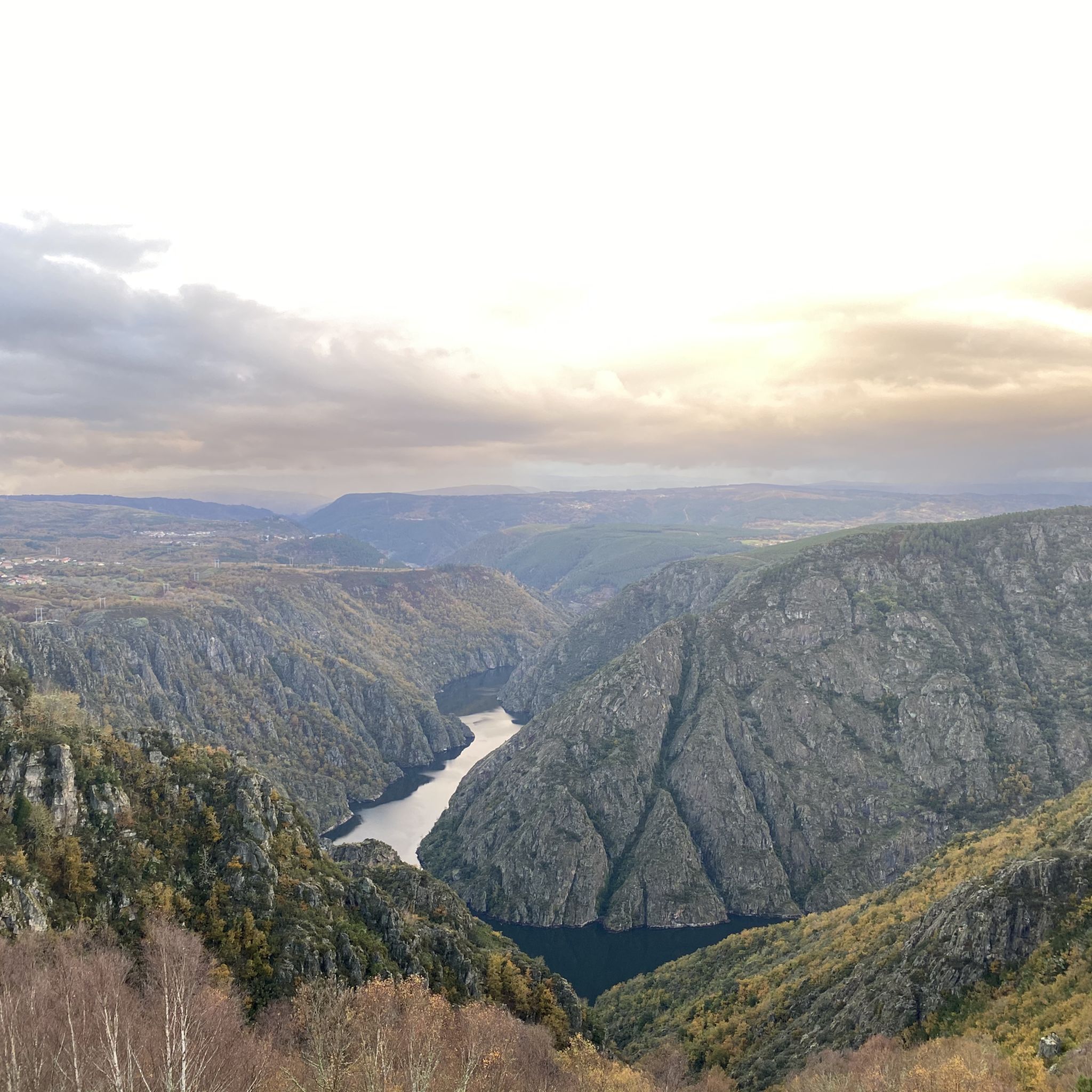
Camp site with an astonishing view on the Ribeira Sacra
0
0

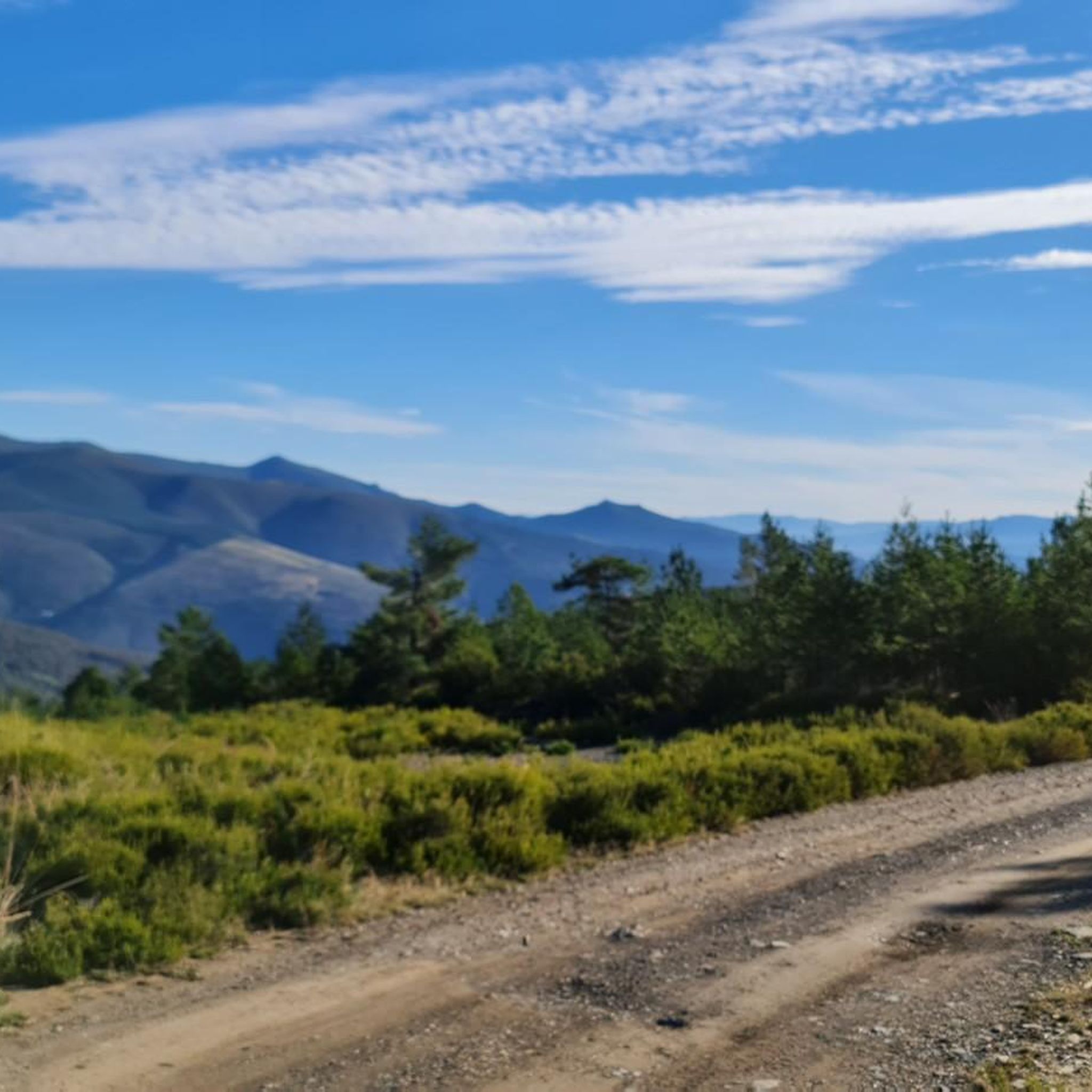
The summit of Galicia, with very good 360º views
0
0

The village of Entrambosríos is hidden in a forest of ancient chestnut trees at the confluence of the Batán and Fiós rivers, two torrents of water that provided enough energy to move the machinery of two mills built on the banks of the river, one in Entrambosríos and the other in Rabacallos, near the mouth of the river in the Sil. The buildings and part of the irrigation ditches, the bridge and the surroundings of the mills have been restored to preserve the memory of the families who for generations dedicated themselves to the work of milling. A panel located next to the old mill remembers the last family that kept the mill running until the end of the last century. From Roman times, the basis of peasant food and the original raw material for milling was the chestnut. The first agricultural revolution came from the 12th century, when the monks of the Ribeira Sacra introduced the cultivation of millet and rye. And from the 17th century onwards, wheat and corn arrived, the flours that have brought the Galician baking industry and “Galician bread” to the forefront of popular gastronomy. The Entrambosríos chestnut tree is an ancient example of chestnut included in the Catalogue of Singular Trees of Galicia, and boasts of being one of the oldest and largest trees in Galicia. The branches continue to produce fruit and in the meantime they tell an endless story of perseverance, love for the land and friendship with human beings.
0
0
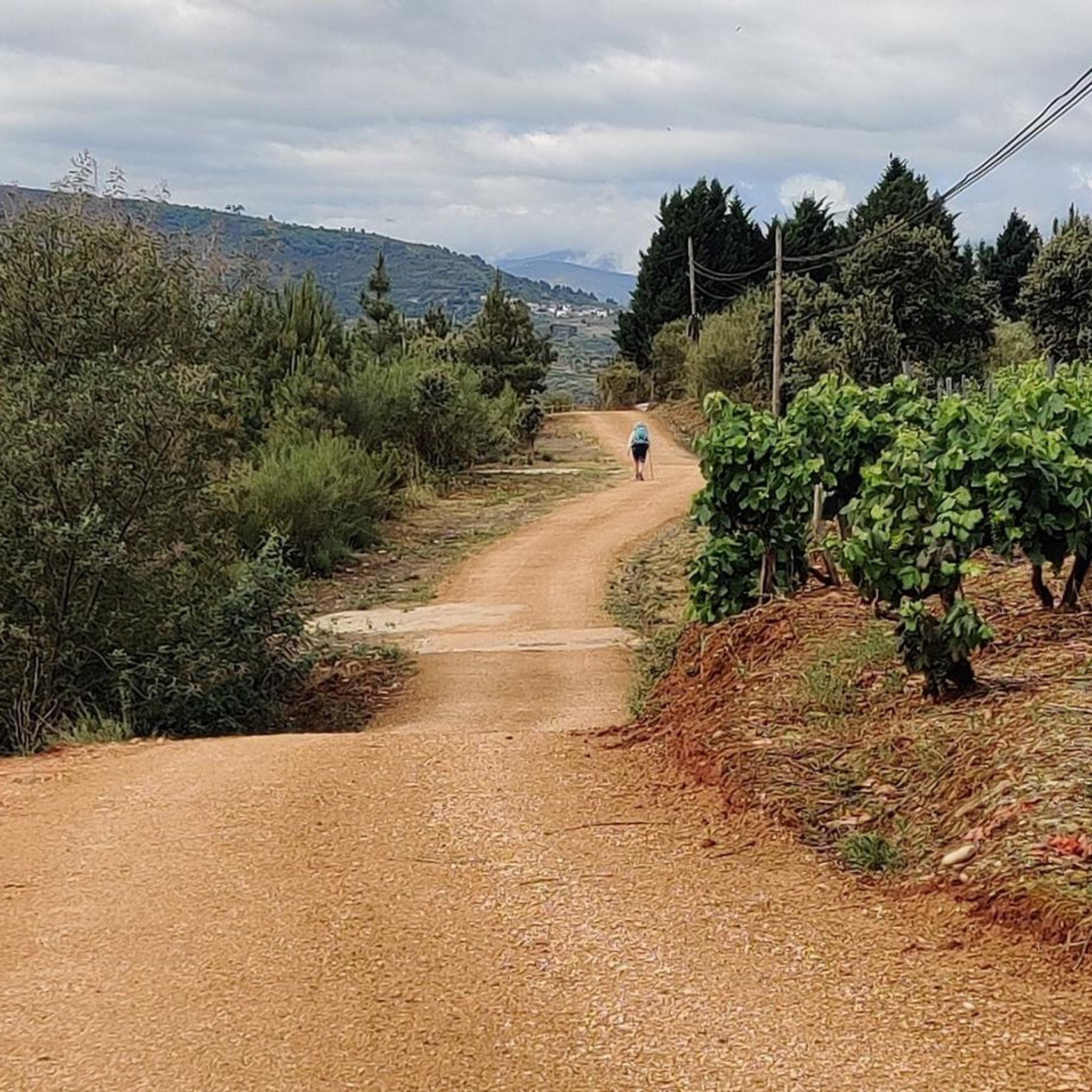
In the surroundings of Parada de Sil there are several paths marked by old “carriozas” or traditional paths that run through beautiful “castiñeiros” (chestnut) forests, with centuries-old specimens, buildings and ethnographic remains linked to chestnut cultivation. The “souto” of chestnut trees is a living symbol of the rural world of the Galician interior. The itinerary is a thematic walk in the chestnut culture, an open-air museum among centuries-old specimens that serves to protect resources and maintain the cultural and environmental value of the rural environment.
1
0
The Balconies of Madrid have a history that speaks of emigration, dreams and human adventures in unknown lands. The original name of Os Torgás was changed when the people of the Ourense villages of the Ribeira Sacra hung themselves from the cliffs of the River Sil to say goodbye to their loved ones who were leaving for Madrid and other lands in the south with the dream of a new life. The viewing points form small steps hanging over the river gorge and cause a special fascination. The breeze in the air carries the aromas of vineyards hanging on steep rocky terraces and melodies of elves emerging from enchanted forests, descendants of the primitive mythological beings who resisted the sacralisation of their plant kingdom by the monks and long before by the Roman legions. The walls of the Sil Canyon are a monumental sculpture five hundred metres high made of fierce, bare granite, a fortress of living rock up to the edge of the viewing points that filter the wind, the lights and the eternal songs of all the people who have passed through this fantastic natural balcony to say goodbye or find someone.
1
1
Frequently Asked Questions
What types of natural landscapes can I explore around El Barco de Valdeorras?
The region offers a diverse range of natural landscapes, from the dramatic Sil Canyon with its impressive viewpoints like Xariñas de Castro Viewpoint, to the high-altitude environments of the Trevinca Massif, including the ancient yew forest of El Teixadal. You'll also find extensive vineyards, ancient chestnut groves, and serene riverbanks along the Sil.
Are there family-friendly natural monuments or activities in the area?
Yes, several natural areas are suitable for families. The Malecón Park along the Sil River in El Barco de Valdeorras offers green spaces and playgrounds. The Salgueiral Recreational Area, accessible via a pedestrian walkway, is great for spotting ducks, herons, and storks. Additionally, the Chestnut Trail in Parada de Sil is an easy walk through ancient forests that can be enjoyed by all ages.
What are some unique natural features to see in the Valdeorras region?
Beyond the well-known Sil Canyon, you can discover the impressive Pincheira de Fervenza, a 25-meter-high waterfall with idyllic views. The Serra da Enciña da Lastra Natural Park, located nearby, features striking limestone formations and Mediterranean vegetation, making it a unique ecological site. The Trevinca Massif is home to El Teixadal, a magnificent natural area with ancient yew trees, some over 2,000 years old.
What is the best time of year to visit the natural monuments around El Barco de Valdeorras?
The best time to visit depends on your interests. Autumn is particularly spectacular, as the ancient chestnut groves, especially around the Monastery of Xagoaza, display vibrant colors. Spring and summer offer pleasant weather for hiking and exploring the river valleys. Winter brings snow to the higher peaks of the Trevinca Massif, offering a different kind of beauty for those prepared for colder conditions.
Are there opportunities for wildlife spotting near these natural monuments?
Absolutely. The Salgueiral Recreational Area along the Sil River is known for its colonies of ducks, herons, and storks. The Serra da Enciña da Lastra Natural Park is a Special Protection Area for Birds (ZEPA), making it a haven for birds of prey and bats, offering excellent opportunities for wildlife observation.
What kind of hiking trails can I find around the natural monuments?
The area offers a variety of hiking trails. For easy walks, consider routes like the Mao River Boardwalk loop. If you're looking for more challenging hikes, the Trevinca Massif offers trails to Peña Trevinca Summit, the highest peak in Galicia. You can find more details on various hiking options in the Easy hikes around El Barco De Valdeorras guide or the Waterfall hikes around El Barco De Valdeorras guide.
Can I go cycling near the natural monuments?
Yes, the region provides excellent cycling opportunities. The Sil Valley and its surroundings feature routes that wind through vineyards and along riverbanks. For more extensive cycling adventures, you can explore routes like the Winter Way or the Alto de Cepedelo and Pías Reservoir Loop. Check out the Cycling around El Barco De Valdeorras guide for detailed routes.
Are there any historical or cultural sites integrated with the natural environment?
Yes, the region beautifully blends natural beauty with history. The Monastery of Xagoaza is surrounded by a well-kept natural environment of native trees. The San Vítor de Barxacova Chapel and Necropolis is an archaeological complex set within a natural landscape, featuring a medieval chapel and rock-cut tombs, offering a unique historical experience amidst nature.
What do visitors enjoy most about the natural monuments in this area?
Visitors particularly appreciate the breathtaking panoramic views from various viewpoints, such as Balcones de Madrid Viewpoint and As Fontiñas Viewpoint, which showcase the dramatic Sil Canyon. The tranquility of the ancient forests, like the Chestnut Trail in Parada de Sil, and the unique geological formations also receive high praise.
Are there any hidden gems among the natural monuments?
While many sites are well-known, the Pincheira de Fervenza waterfall is a truly scenic spot that offers a peaceful retreat. Also, the natural environment surrounding the Monastery of Xagoaza, with its ancient trees, provides a serene and less crowded experience, perfect for a quiet walk. The Entrambosríos area also offers a blend of natural and historical elements worth discovering.
What are the conditions for hiking in the Trevinca Massif?
The Trevinca Massif, home to Peña Trevinca Summit, features peaks over 2,000 meters and offers challenging hiking conditions, especially in winter when it can be snow-capped. Trails often lead to glacial lakes and provide stunning high-altitude landscapes. Hikers should be prepared for strenuous climbs and variable weather.
Most popular routes around El Barco De Valdeorras
Most popular attractions around El Barco De Valdeorras

Get inspired with the komoot mobile app


Didn’t find what you were looking for?
Find even more amazing natural monuments around El Barco De Valdeorras by checking out the top Highlights region by region:
Explore more
Extend your search for the best caves by checking out these guides of the top ones around El Barco De Valdeorras:
