Top 5 Natural Monuments around Logrosan
Best natural monuments around Logrosan are found within the Villuercas-Ibores-Jara UNESCO Global Geopark, a region recognized for its significant geological heritage. Logrosán is situated at the base of the Sierra de San Cristóbal, contributing to its unique Appalachian-esque landscape. The area offers a diverse natural heritage, including ancient geological formations and historical sites. This region provides a range of natural attractions for exploration.
Best natural monuments around Logrosan
- The most popular natural monuments is Pico Villuercas Summit, a summit…
Last updated: October 10, 2026
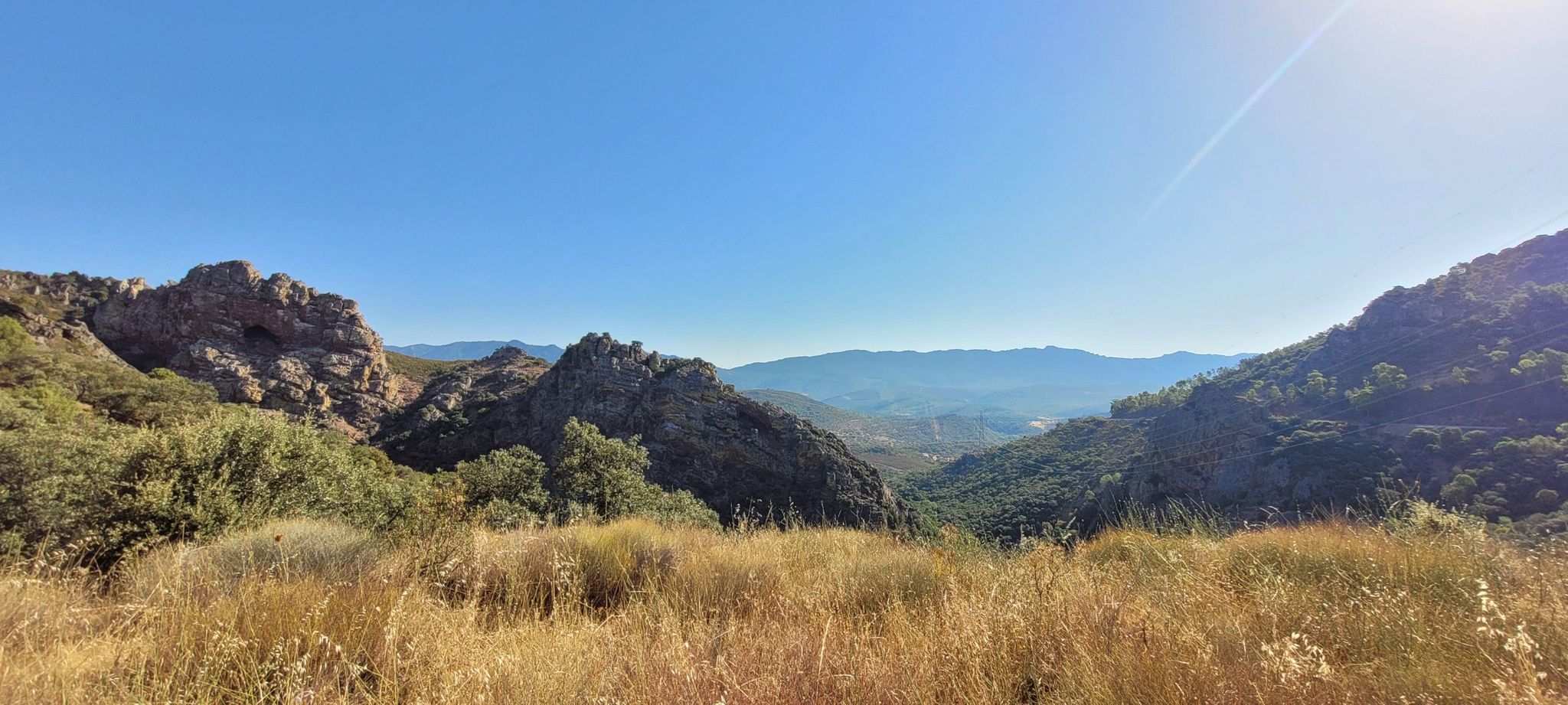
High point of the Peña Amarilla gorge
Highlight • Viewpoint
The viewpoint overlooks the Estrecho …
Translated by Google •
Tip by

La Chiquita Cave
Highlight • Cave
Translated by Google •
Tip by
Sign up now to discover places like this
Get recommendations on the best single tracks, peaks, & plenty of other exciting outdoor places.
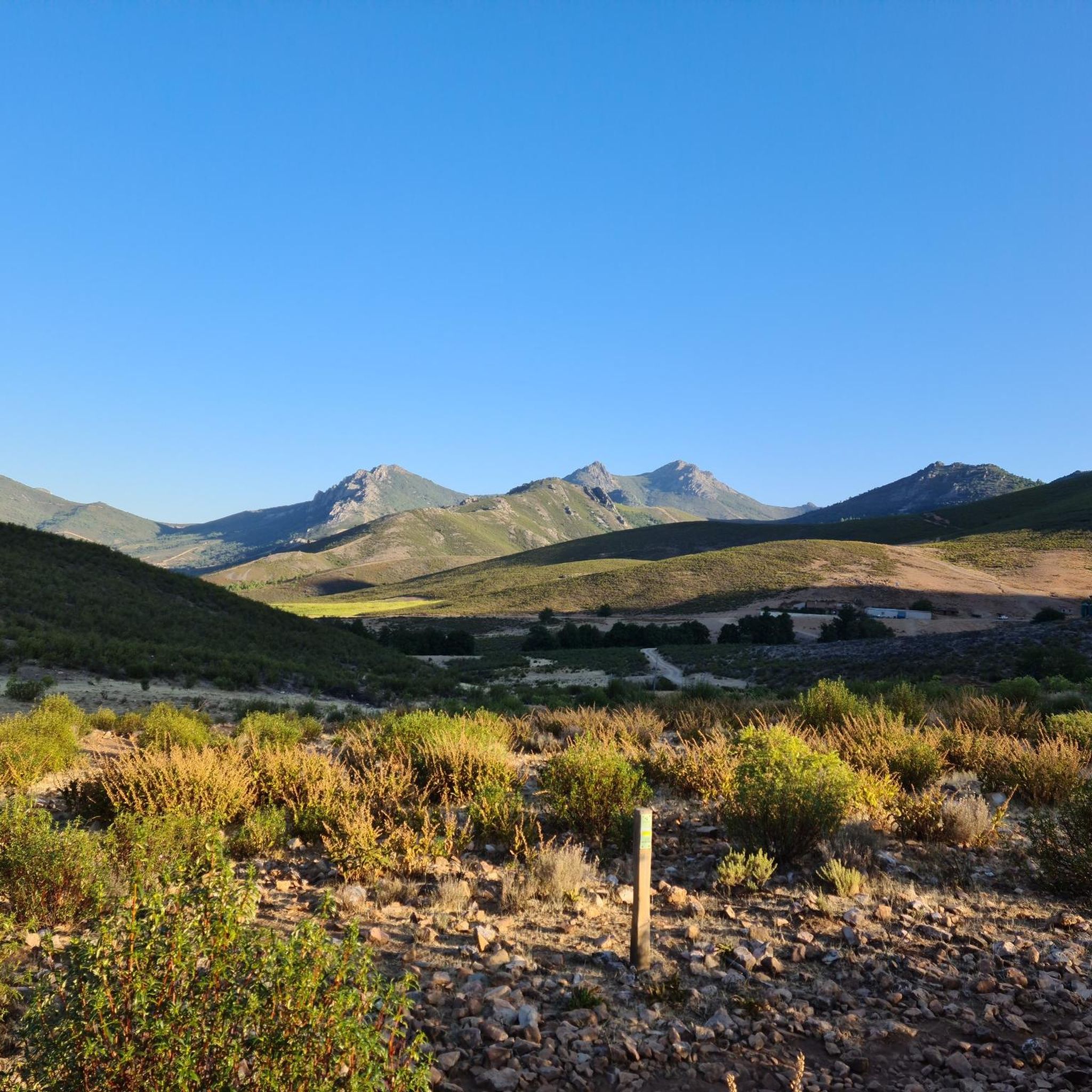
Pico Villuercas Summit
Highlight • Summit
Translated by Google •
Tip by

Pico Agudo
Highlight • Summit
Translated by Google •
Tip by

Grandfather Chestnut of the Mirabel Hermitage
Highlight • Natural Monument
Translated by Google •
Tip by
Dolmen de las Brujas
Highlight • Historical Site
Translated by Google •
Tip by
View of the Arch Rock Formation
Highlight • Natural Monument
Showing Translation
Tip by

Start today with a free account
Your next adventure awaits.
Other adventures around Logrosan

Tips from the Community

Beautiful viewpoint with a small parking lot, there is a path of approx. 600 meters to the gorge. Hundreds of swallows nest in the opposite cave.
5
0
Beautiful viewpoint with a small parking lot, there is a path of approx. 600 m to the gorge
7
0

The Peña Amarilla Gorge, one of the most interesting panoramic viewpoints in the Villuercas-Ibores-Jara Geopark, is located in Alía (Cáceres). The viewpoint overlooks the Peña Amarilla Gorge, a spectacular river gorge carved by the Jarigüela stream amidst the quartzite formations of the Armorican Quartzite, a characteristic feature of the geopark. One of the routes that passes through this point is the one that connects Alía, the Mirador del Estrecho viewpoint, and Puerto de San Vicente, a section of the Villuercas Natural Trail, with moderate scenery and elevation changes (17.78 km, +596 m).
5
0
Mirador del Estrecho de la Peña Amarilla (Yellow Rock Strait Viewpoint), one of the most interesting panoramic viewpoints in the Villuercas-Ibores-Jara Geopark, in Alía (Cáceres). The viewpoint overlooks the Estrecho de la Peña Amarilla, a spectacular river gorge carved by the Jarigüela stream amidst the quartzite formations of the Armorican Quartzite, a characteristic feature of the geopark. One of the routes that passes through this point is the one that connects Alía – Mirador del Estrecho – Puerto de San Vicente, a section of the Villuercas Natural Trail, with moderate scenery and elevation changes (17.78 km, +596 m).
5
0

This majestic chestnut tree, known as the "Grandfather," is a centuries-old tree that stands imposingly on the grounds of the Mirabel Hermitage, near the historic Isabel La Católica route.
0
1
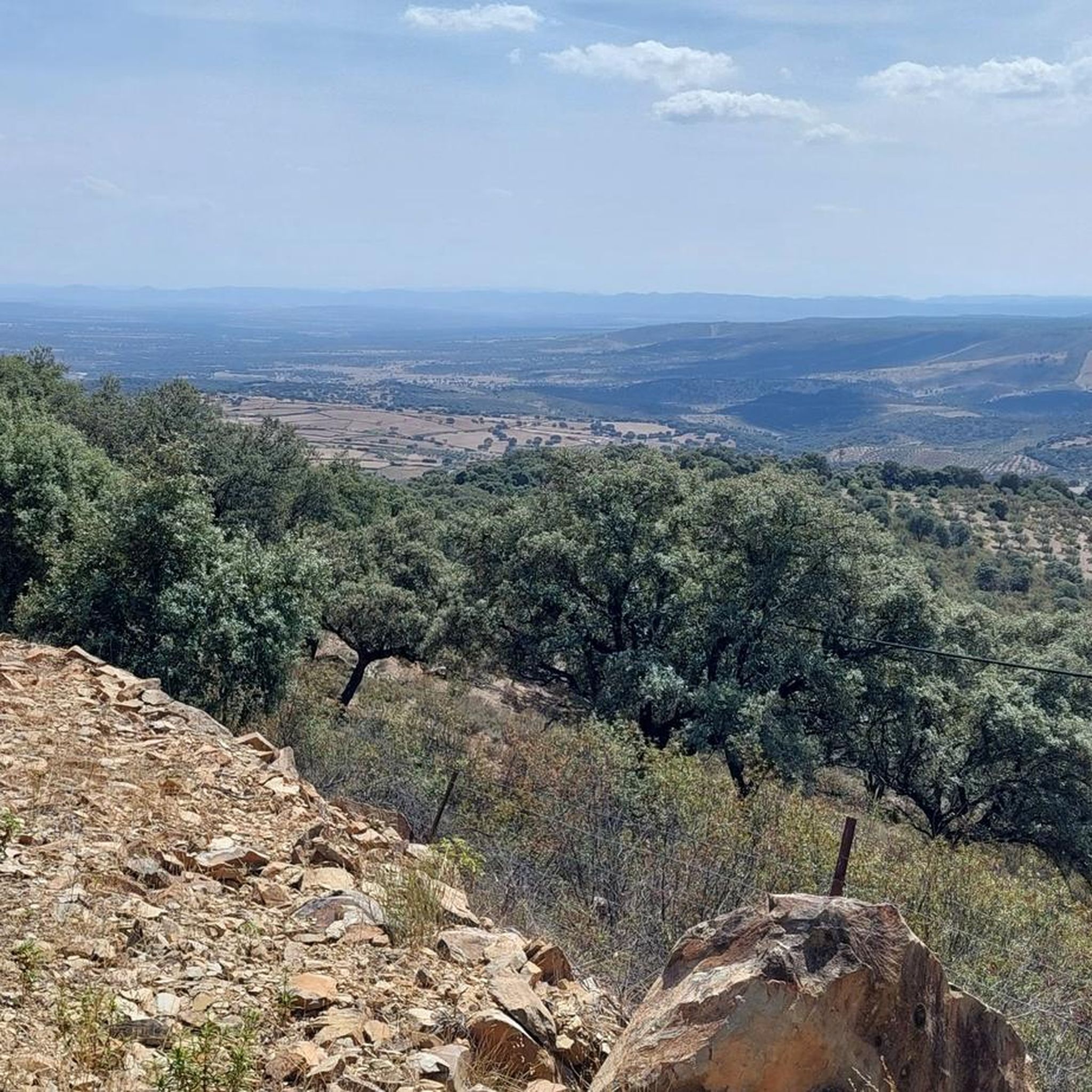
At an altitude of 1,081 meters, it is located between the towns of Guadalupe and Cañamero, and is part of the Villuercas-Ibores-Jara UNESCO Global Geopark, recognized for its unique geology and biodiversity. From its summit, you can enjoy impressive panoramic views encompassing the Guadalupe and Viejas River valleys, as well as the mountainous formations characteristic of the region's Appalachian terrain. On clear days, you can see the imposing Sierra de Gredos to the north. Pico Agudo can be accessed via hiking trails that depart from Guadalupe, such as the one that follows part of the historic Isabel la Católica Trail.
0
1
It was the first cave with paintings discovered by science in the province of Cáceres. It's a place shrouded in legend about a snake and has been used as both a refuge and a ritual meeting place for centuries.
4
0
The Witches' Dolmen, also known as the Witches' Table, is a megalithic formation located in Cañamero. This dolmen is made up of three stones that support a large quartzite slab and is surrounded by numerous legends and myths. It is said that on full moon nights, witches would gather at this place to celebrate magical rituals.
7
0
Frequently Asked Questions
What makes the natural monuments around Logrosán unique?
The natural monuments around Logrosán are primarily located within the Villuercas-Ibores-Jara UNESCO Global Geopark. This region is recognized for its internationally significant geological heritage, showcasing a unique Appalachian-esque landscape with ancient geological formations, diverse ecosystems, and a rich interplay of geology, nature, and culture.
What kind of geological formations can I expect to see in the Logrosán area?
The area is characterized by impressive geological formations, including quartzite and slate rock formations, which contribute to its unique Appalachian-like terrain. You can find ancient deposits with primitive fossils and structures from the Variscan orogeny. Notable examples include the spectacular river gorge at the Viewpoint at the Estrecho de Peña Amarilla, carved by the Jarigüela stream amidst these quartzite formations.
Are there any historical or cultural natural monuments worth visiting near Logrosán?
Yes, the region offers several sites with significant historical and cultural value. The La Chiquita Cave is a historical site where you can explore the first cave with paintings discovered by science in Cáceres province, a place used as a refuge and ritual meeting place for centuries. Additionally, the Dolmen de las Brujas offers a glimpse into prehistoric times.
What are some of the most impressive viewpoints in the Logrosán region?
For breathtaking panoramic views, consider visiting the Pico Villuercas Summit, which offers spectacular 360º views of the Villuercas Ibores Geopark. Another excellent spot is the Viewpoint at the Estrecho de Peña Amarilla, which overlooks a dramatic river gorge. The Pico Agudo also provides impressive panoramic views of the Guadalupe and Viejas River valleys.
Are there family-friendly natural monuments around Logrosán?
Yes, there are options suitable for families. The Grandfather Chestnut of the Mirabel Hermitage is a majestic, centuries-old tree that provides a pleasant natural setting. Additionally, El Alcornocal Park, near Logrosán, features centenary cork oaks and has facilities like a children's park, making it ideal for a relaxed family outing.
What are the best natural monuments for challenging hikes with significant elevation?
For those seeking a challenge, the Pico Villuercas Summit is an excellent choice. The climb is long and demanding, reaching 1543 meters above sea level, offering a rewarding experience with spectacular views upon reaching the top.
Can I find easy walks among the natural monuments near Logrosán?
Yes, for easier walks, you can explore areas like El Alcornocal Park, which offers a serene environment among ancient cork oaks. The Grandfather Chestnut of the Mirabel Hermitage is also accessible for a gentle stroll. For more structured easy routes, you can find several options in the Easy hikes around Logrosan guide.
When is the best time to visit the natural monuments around Logrosán?
The best time to visit the natural monuments around Logrosán is typically during spring (April to June) and autumn (September to November). During these seasons, the weather is milder and more pleasant for outdoor activities like hiking and exploring, avoiding the intense heat of summer and the cooler, sometimes wetter, conditions of winter.
Are there any natural monuments that offer insights into the region's mining history?
Yes, the Costanaza Mine, located near Logrosán, is a prime example of the region's rich mining history. It's the only interior mine in Extremadura adapted for tourist visits, allowing you to explore a labyrinth of galleries and tunnels and learn about historical extraction processes and geological formations like phosphorite deposits. It's also one of the 50 geosites within the UNESCO Global Geopark.
What outdoor activities can I do near the natural monuments around Logrosán?
The area around Logrosán, being part of the Geopark, offers a wide range of outdoor activities. You can find numerous trails for hiking, running, and mountain biking. These routes often pass by or lead to various natural monuments, allowing you to combine exploration with physical activity.
What do visitors enjoy most about the natural monuments around Logrosán?
Visitors particularly enjoy the spectacular views from summits like Pico Villuercas Summit, which offers 360º panoramas. The unique blend of geological interest and historical significance, such as exploring ancient caves like La Chiquita Cave, also receives high praise. The diverse experiences, from challenging climbs to serene natural settings, are highly appreciated by the komoot community.
Most popular routes around Logrosan
Most popular attractions around Logrosan

Get inspired with the komoot mobile app


Didn’t find what you were looking for?
Find even more amazing natural monuments around Logrosan by checking out the top Highlights region by region:
Explore more
Extend your search for the best caves by checking out these guides of the top ones around Logrosan:
