Top 20 Natural Monuments around Bureba-Ebro
Best natural monuments around Bureba-Ebro showcase a diverse landscape shaped by rivers and mountains in the province of Burgos, Spain. The region features significant protected areas like the Montes Obarenes-San Zadornil Natural Park and the Hoces del Alto Ebro and Rudrón Natural Park. These areas are characterized by mountainous terrain, deep gorges, and extensive moorlands. Visitors can explore a variety of natural formations and observe diverse flora and fauna.
Best natural monuments around Bureba-Ebro
- The most popular natural monument is…
Last updated: August 16, 2026
Hermitage of Saint Mary of La Hoz
Highlight • Religious Site
Translated by Google •
Tip by

Trespaderne
Highlight • Trail
74.5 kilometers. 480 positive meters.
The third day of the gravel adventure has little description and no possibility of confusion, it follows the same section of the …
Translated by Google •
Tip by

Sign up now to discover places like this
Get recommendations on the best single tracks, peaks, & plenty of other exciting outdoor places.
Sign up for free
Poza de la Sal Salt Flats and Old Railway Station
Highlight • Historical Site
74.5 kilometers. 480 positive meters.
The third day of the gravel adventure has little description and no possibility of confusion, it follows the same section of the …
Translated by Google •
Tip by

Pagogan
Highlight • Summit
Translated by Google •
Tip by

San Miguel
Highlight • Summit
Translated by Google •
Tip by

Balcón de Castilla
Highlight • Viewpoint
Translated by Google •
Tip by

Arrieta Summit
Highlight • Summit
Translated by Google •
Tip by

Hermitage of San Juan del Monte
Highlight • Religious Site
Translated by Google •
Tip by
Cruz de Motrico
Highlight • Viewpoint
Translated by Google •
Tip by
Humion
Highlight • Summit
Translated by Google •
Tip by
Sign up for free to discover even more natural monuments around Bureba-Ebro.
Sign up for free
Already have an account?
Start today with a free account
Your next adventure awaits.
Login or Signup
Popular around Bureba-Ebro
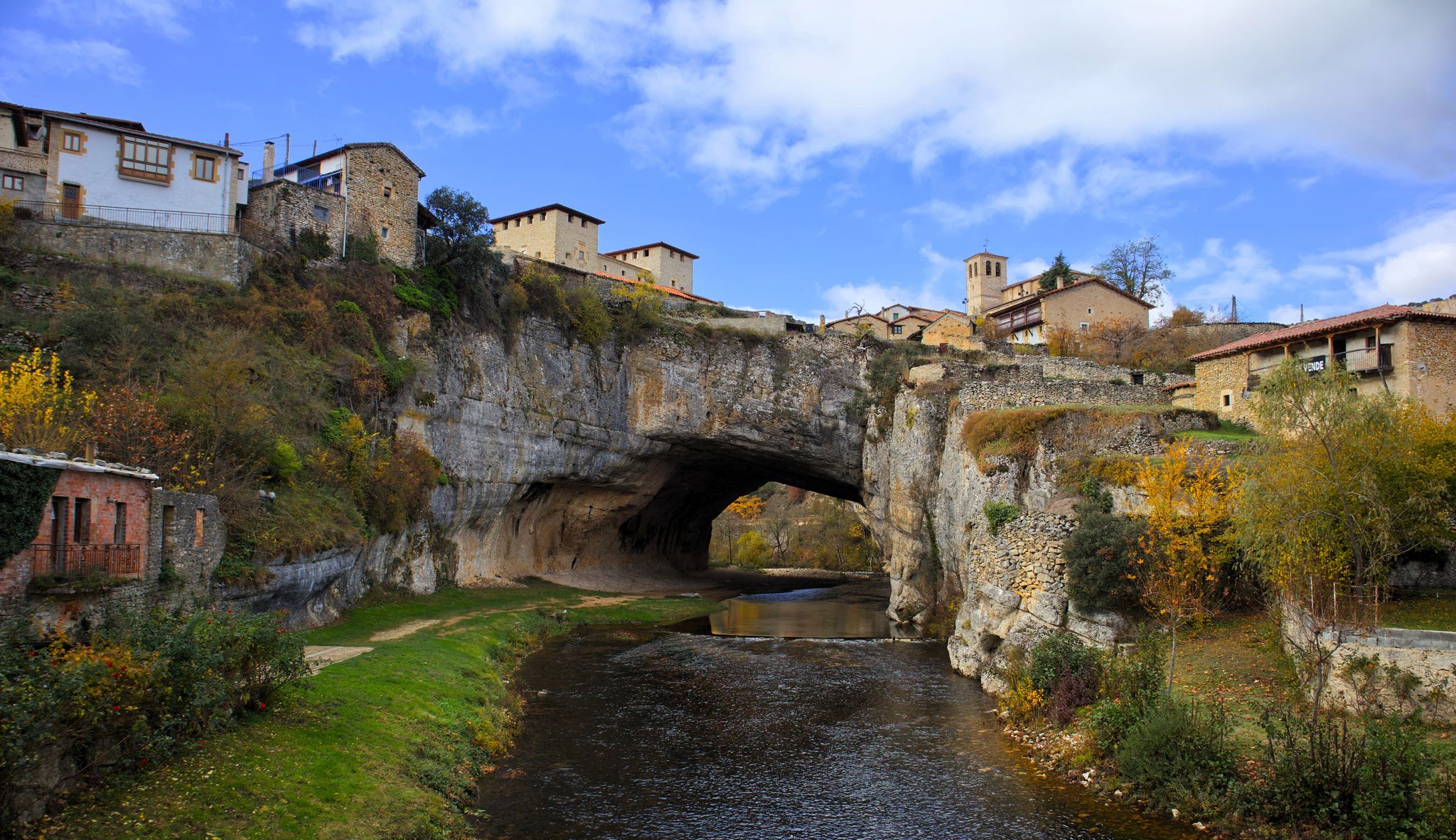
Endless valleys and historic villages – Route of the Senses (GR 85)
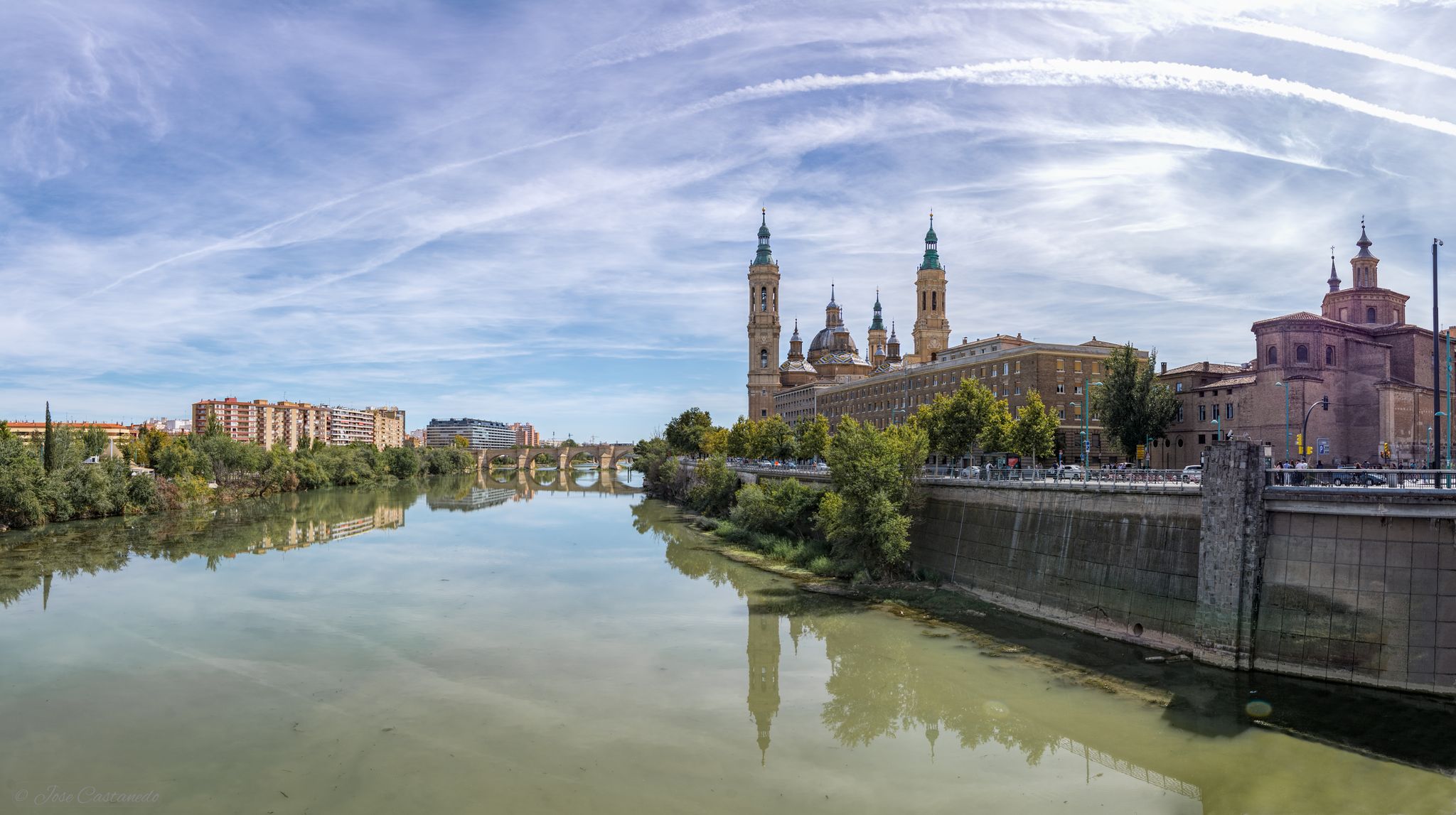
A river getaway – Ebro Natural Trail (GR 99)
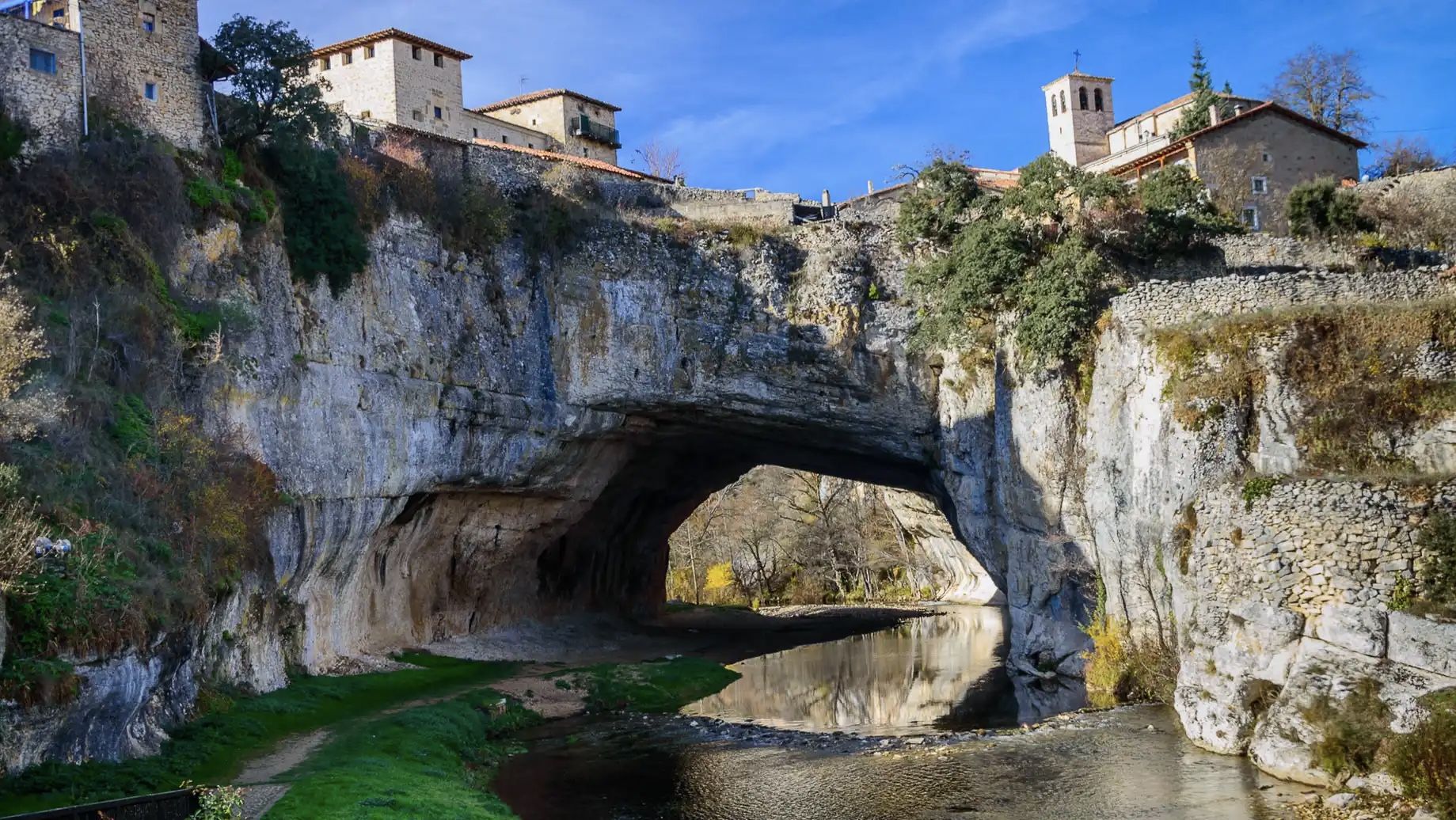
An epic getaway – Santander-Mediterráneo Nature Trail
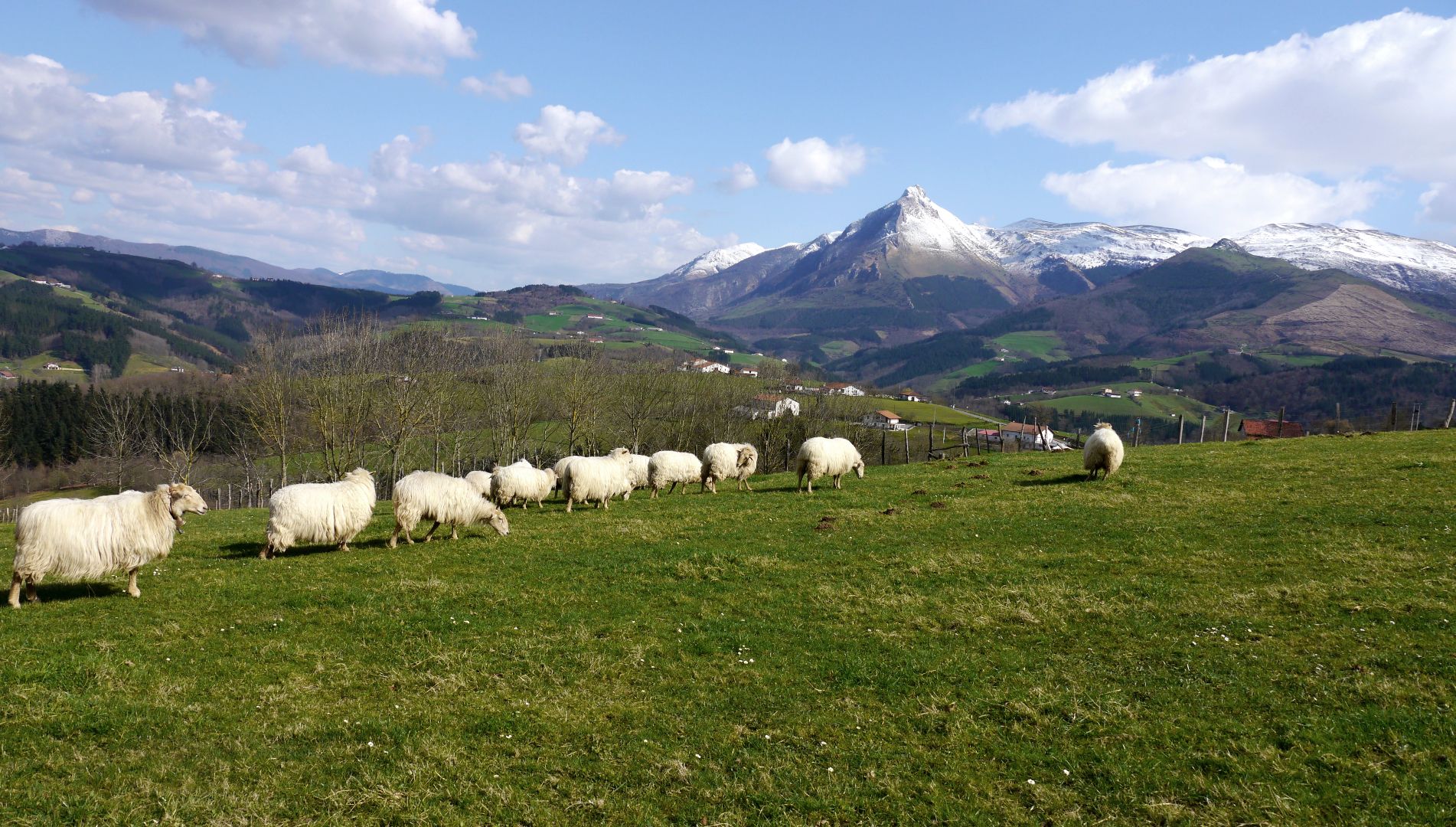
Mountains with tradition in Spain’s Basque Country – Shepherd's Path (GR 282)
Spain's great river by bike – the Ebro Nature Trail
Hiking around Bureba-Ebro
Road Cycling Routes around Bureba-Ebro
Running Trails around Bureba-Ebro
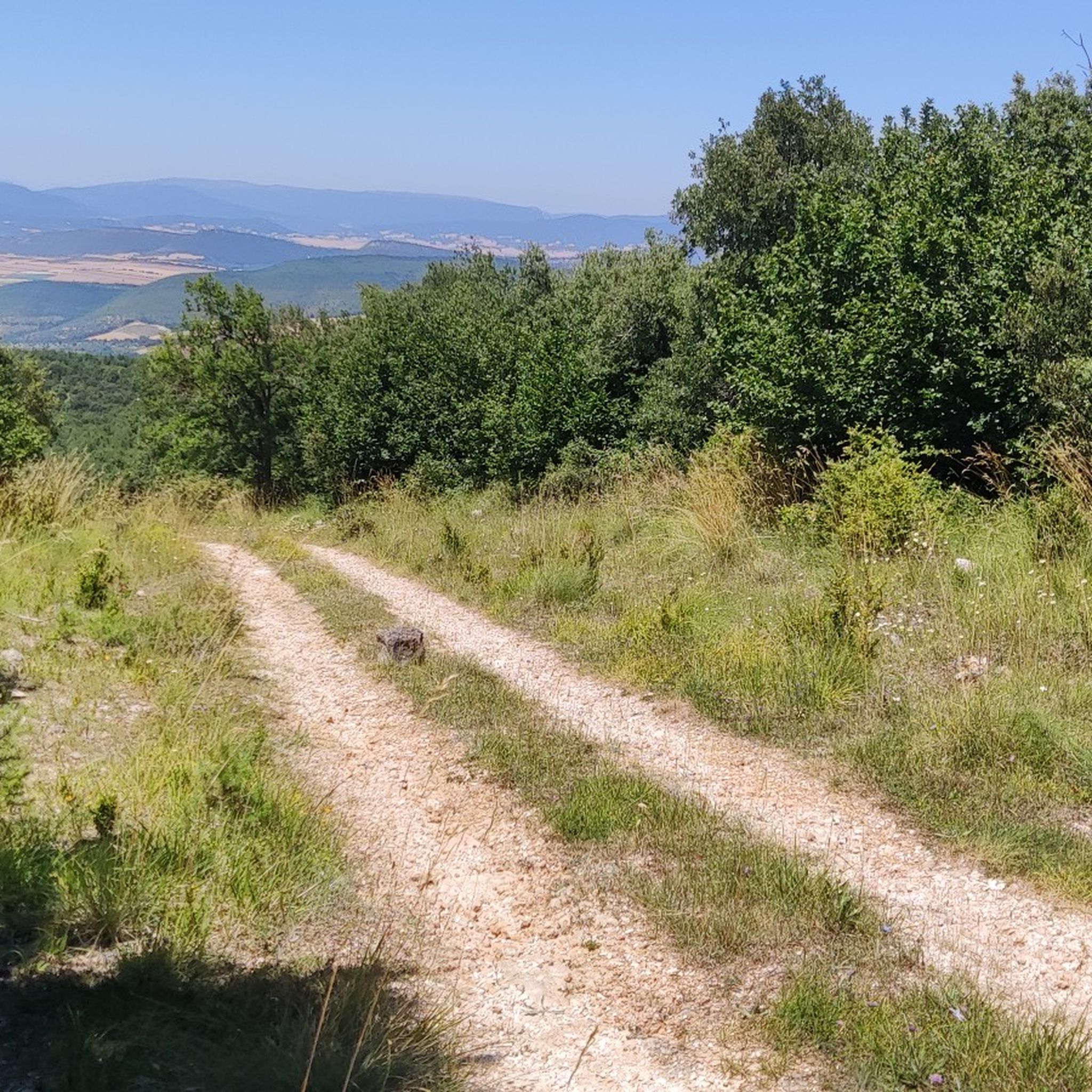
MTB Trails around Bureba-Ebro
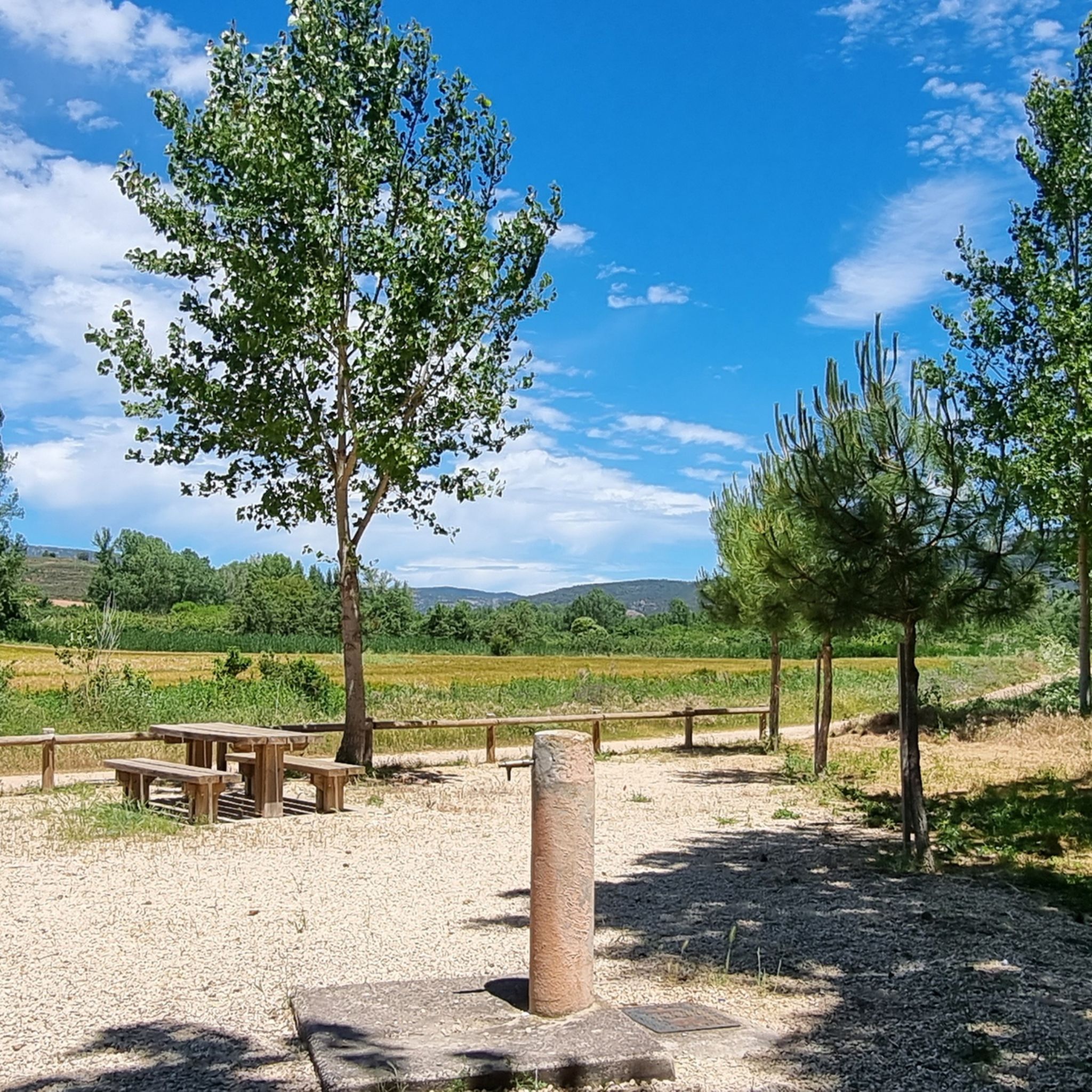
Cycling around Bureba-Ebro
Other adventures around Bureba-Ebro


Tips from the Community

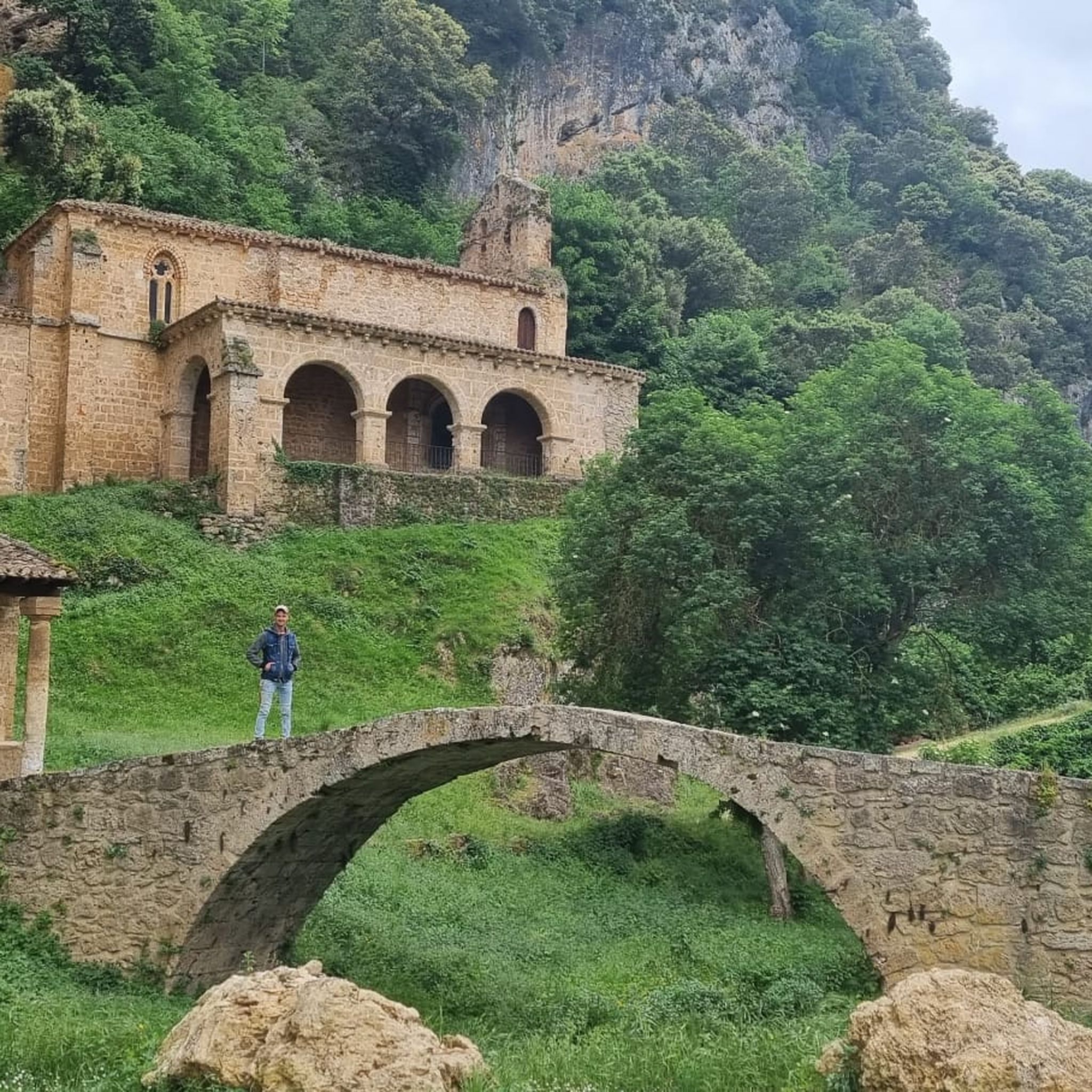
It is worth visiting the hermitage of Santa María de la Hoz, in the town of Tobera. To do this, we will cross a medieval bridge of Roman origin that spans the Molinar riverbed. The temple, almost embedded in a large rock, dates from the 13th century, features both Romanesque and Gothic elements, and has a portico with arches that offers good views of the surroundings. At its feet stands a second, tiny hermitage from a later date – the 17th century – which houses an altar dedicated to the Cristo de los Remedios.
2
0

Authentic place of pilgrimage, a beautiful hermitage and surroundings.
2
0

The Hermitage of Our Lady of the Sickle is nestled beneath the cliff, reached by crossing the small bridge over the Molinar River. Dating from the 13th century, it features both Romanesque and Gothic elements and has an arched portico offering fine views of the surrounding area. At its base stands a second, much smaller hermitage, dating from the 17th century, which houses an altar dedicated to Christ of the Remedies.
4
0
A good starting point, whether you're coming from the Alava or Burgos area.
1
0

Next to the greenway, a good place to rest and get supplies in town.
0
0
Very close to the Zalbizkar, good idea to pair them.
1
0
Frequently Asked Questions
What are some of the most popular natural monuments to visit in Bureba-Ebro?
Visitors frequently enjoy the accessible summit of Pagogan, which offers excellent views to the north and south. Another highly regarded spot is the Hermitage of Saint Mary of La Hoz, a historical site nestled in a rocky cut with nearby waterfalls within the Montes Obarenes-San Zadornil Natural Park. The Arrieta Summit is also popular for its viewpoints and as a good starting point for exploration.
Are there family-friendly natural monuments in the Bureba-Ebro region?
Yes, several natural monuments are suitable for families. Pagogan is an easily accessible summit with great views, making it a good option for families. The Balcón de Castilla viewpoint is also family-friendly, as is the Hermitage of San Juan del Monte, which offers a beautiful and curious place for an outing.
What kind of natural features can I expect to see in the natural monuments of Bureba-Ebro?
The region is characterized by diverse natural features. You'll find spectacular mountain scenery, deep gorges, and canyons carved by rivers like the Ebro and Rudrón, especially within the Hoces del Alto Ebro and Rudrón Natural Park. There are numerous summits offering panoramic views, such as Cruz de Motrico and San Miguel. Waterfalls, like those near the Hermitage of Saint Mary of La Hoz, and unique geological formations are also prominent.
What historical or cultural sites are integrated into the natural monuments of Bureba-Ebro?
The region beautifully blends natural beauty with historical significance. The Hermitage of Saint Mary of La Hoz, dating from the 13th century, is a prime example, nestled within a rocky cut. The Poza de la Sal Salt Flats and Old Railway Station offer a glimpse into the area's industrial past within a natural setting. Additionally, the Hermitage of San Juan del Monte is a religious building situated in a scenic location.
What outdoor activities can I do near the natural monuments in Bureba-Ebro?
The Bureba-Ebro region offers a variety of outdoor activities. You can explore numerous hiking trails, including easy options like the Ruta del Camino de Santiago y Río Ebro or the Frías – Tobera Waterfalls Viewpoint loop. For cycling enthusiasts, there are routes for gravel biking and touring, such as the Natural Park of Montes Obarenes - San Zadornil circular route. You can find more details on these activities in the guides for easy hikes, gravel biking, and cycling around Bureba-Ebro.
Where can I find impressive panoramic views in the Bureba-Ebro natural monuments?
For breathtaking panoramic views, consider visiting Portillo de Busto within the Montes Obarenes-San Zadornil Natural Park, especially after a snowfall. The peaks of El Cueto and Cima del Pan Perdido also offer impressive vistas. Specific highlights like Pagogan, Cruz de Motrico, and Arrieta Summit are also known for their excellent viewpoints.
What kind of wildlife can be spotted in the natural parks of Bureba-Ebro?
The natural parks are rich in biodiversity. In Montes Obarenes-San Zadornil, you might spot wild cats, otters, wild boars, and roe deer, with endangered species like the European mink and bearded vulture also present. The Hoces del Alto Ebro and Rudrón Natural Park is home to the Iberian crayfish, trout, desman, and wolf, along with various bird species including griffon vultures, Egyptian vultures, and golden eagles.
Are there any unique geological formations to explore?
Yes, the region is known for its compelling geology. The Hoces del Alto Ebro and Rudrón Natural Park, in particular, features a complex karstic system with deep canyons, gorges, and ravines carved into limestone by the Ebro and its tributaries. The enigmatic Pozo Azul, with its underwater galleries, is another unique geological attraction for diving enthusiasts.
What do visitors enjoy most about the natural monuments in Bureba-Ebro?
Visitors particularly appreciate the spectacular mountain scenery and the dramatic contrast between the mountainous terrain and the flat plains of La Bureba. The opportunity to witness diverse wildlife and explore rich botanical varieties is also a highlight. Many enjoy the well-maintained trails and the stunning viewpoints, often noting the peaceful and natural atmosphere.
What is the best time to visit the natural monuments in Bureba-Ebro?
The region offers beauty throughout the year. Spring and autumn are generally ideal for hiking and exploring the diverse flora, with pleasant temperatures. Winter can be particularly captivating, especially after snowfall, which enhances the panoramic views from spots like Portillo de Busto. Summer is also suitable, though some trails might be warm, as noted by visitors to Arrieta Summit.
Are there any natural monuments suitable for a short, easy walk?
For a relatively easy experience, the summit of Pagogan is easily accessible and offers rewarding views without a strenuous climb. The Balcón de Castilla viewpoint also provides an accessible spot to enjoy the scenery. Many of the trails around the natural monuments offer varying difficulties, so you can choose a path that suits your preference for a short, easy walk.
Most popular routes around Bureba-Ebro
Most popular attractions around Bureba-Ebro

Get inspired with the komoot mobile app


Didn’t find what you were looking for?
Find even more amazing natural monuments around Bureba-Ebro by checking out the top Highlights region by region:
Explore more
Extend your search for the best caves by checking out these guides of the top ones around Bureba-Ebro:
