Top 10 Mountain Passes around Valle Del Tietar
Best mountain passes around Valle Del Tietar are located at the southern edge of the Sierra de Gredos in Spain. This region features several mountain passes that connect different valleys and offer diverse natural landscapes. The area is characterized by forests of rebollo oak and chestnut, extensive pastures, and broom scrublands. These passes also hold historical significance, with some forming part of ancient transhumance routes.
Best mountain passes around Valle Del Tietar
- The most popular mountain passes is Puerto de Casillas – Entrance to the Valle de Iruelas Nature Reserve, a mountain pass that provides essential hiking routes. It offers wide landscapes of the Valle de Iruelas Natural Reserve and the Burguillo Reservoir.
- Another must-see spot is Puerto de Pedro Bernardo, a mountain pass. Visitors can expect a long and pleasant route, with beautiful views of the surrounding forests from its 1,248 meter altitude.
- Visitors also love Puerto de Mijares, a mountain pass. This pass is known for its 1,573 meter summit, offering panoramic views and a large parking area.
- Valle Del Tietar is known for mountain passes that cater to cycling, hiking, and scenic viewpoints. The region offers a variety of routes for different activity levels and interests.
- The mountain passes around Valle Del Tietar are appreciated by the komoot community, with more than 30 upvotes and 18 photos shared across the highlights.
Last updated: June 23, 2026
Puerto de Casillas – Entrance to the Valle de Iruelas Nature Reserve
Highlight • Mountain Pass
The port of Casillas is one of the entrances to the Valle de Iruelas Natural Reserve, where if we choose a clear day, we will be able to contemplate a wide landscape, not only a large part of the Natural Reserve with the Burguillo Reservoir in the background over the waters of the Alberche river, but also the Sierras de la Paramera on the horizon and the first foothills of the western Madrid mountains.
Translated by Google •
Tip by

Puerto de Pedro Bernardo
Highlight • Mountain Pass
Translated by Google •
Tip by

Sign up now to discover places like this
Get recommendations on the best single tracks, peaks, & plenty of other exciting outdoor places.
Sign up for free
Puerto de Mijares
Highlight • Mountain Pass
Translated by Google •
Tip by

Serranillos Pass
Highlight • Mountain Pass
Views of the Cinco Villas Valley and the Gredos peaks.
Spectacular scenery throughout the climb.
Signage with gradient and remaining distance information.
Ideal for linking up with Puerto del Pico, Pedro Bernardo, and Mijares for an epic stage.
Translated by Google •
Tip by

Centenera Pass
Highlight (Segment) • Mountain Pass
Translated by Google •
Tip by

Puerto de Candeleda
Highlight • Mountain Pass
Translated by Google •
Tip by

Puerto del Peón
Highlight • Mountain Pass
Translated by Google •
Tip by

Alto del Mirlo (Pico Casillas)
Highlight • Summit
Translated by Google •
Tip by
Crampón Pass
Highlight • Mountain Pass
Translated by Google •
Tip by

Trails Below Peón
Highlight (Segment) • Trail
Translated by Google •
Tip by
Start today with a free account
Your next adventure awaits.
Login or Signup
Popular around Valle Del Tietar
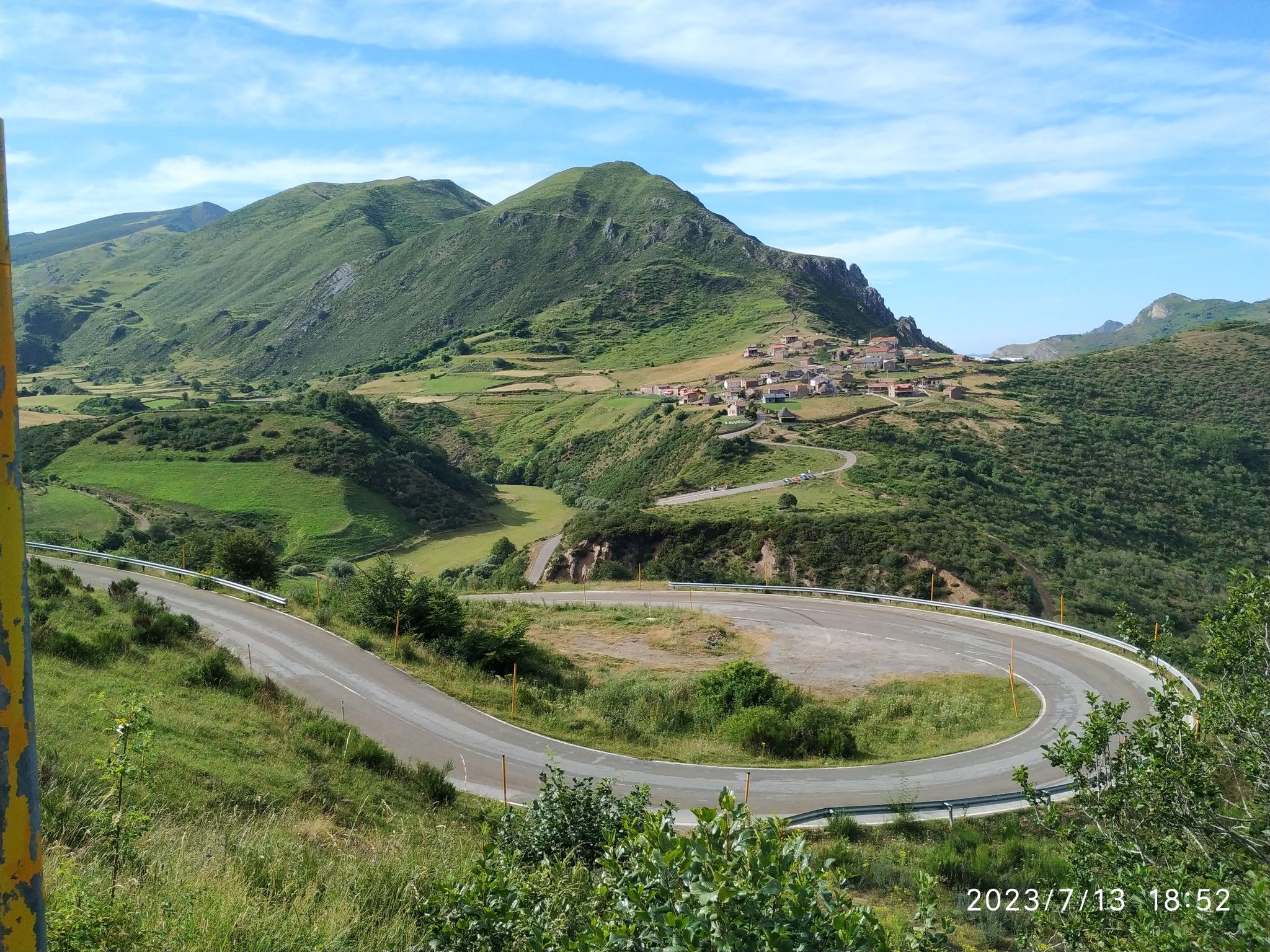
Height Challenges — Ports in Castilla y León
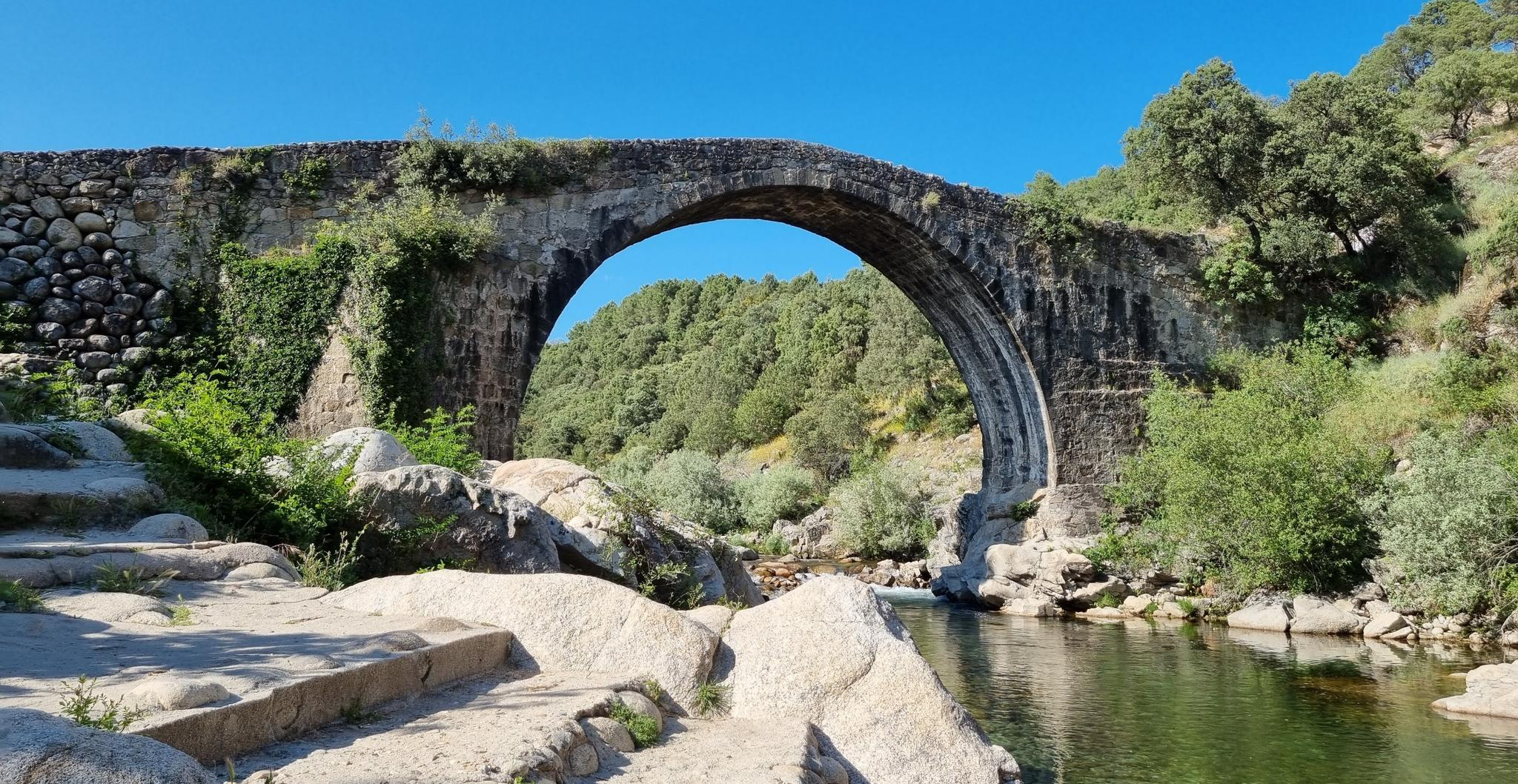
Monumental and Natural History — The Way of La Vera GR-111
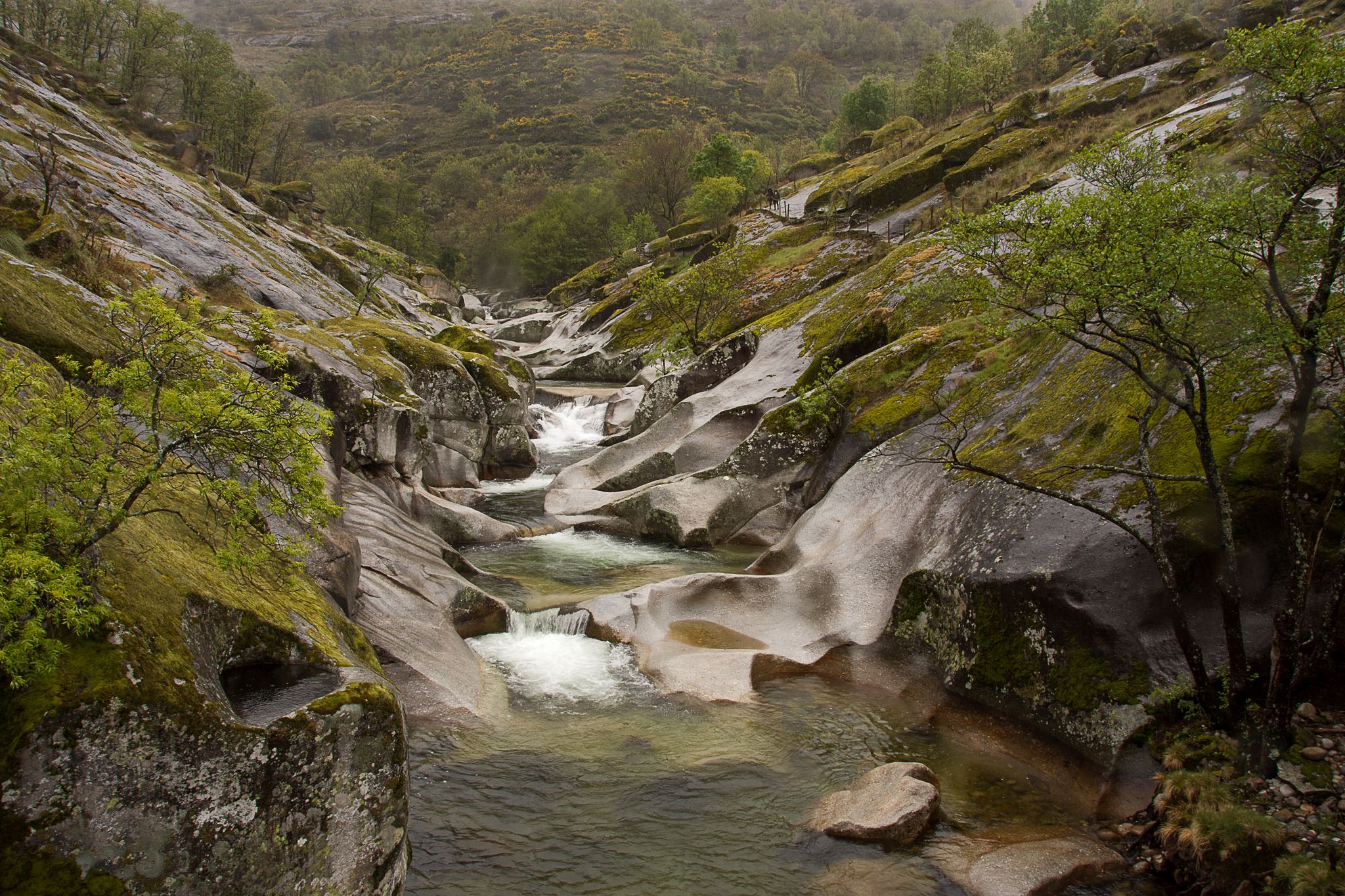
Six routes to discover Extremadura on foot
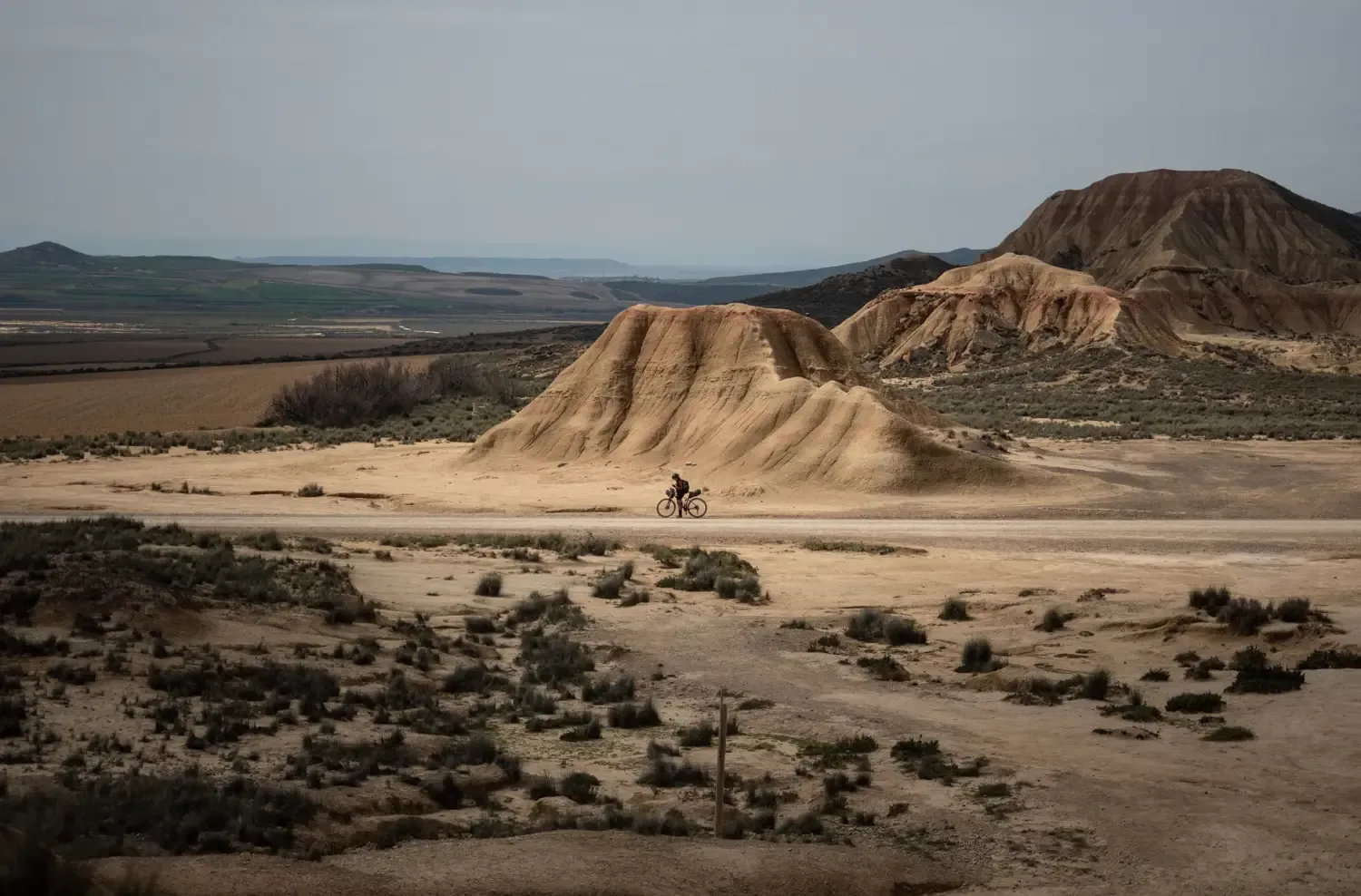
9 mountain biking routes in undiscovered Spain
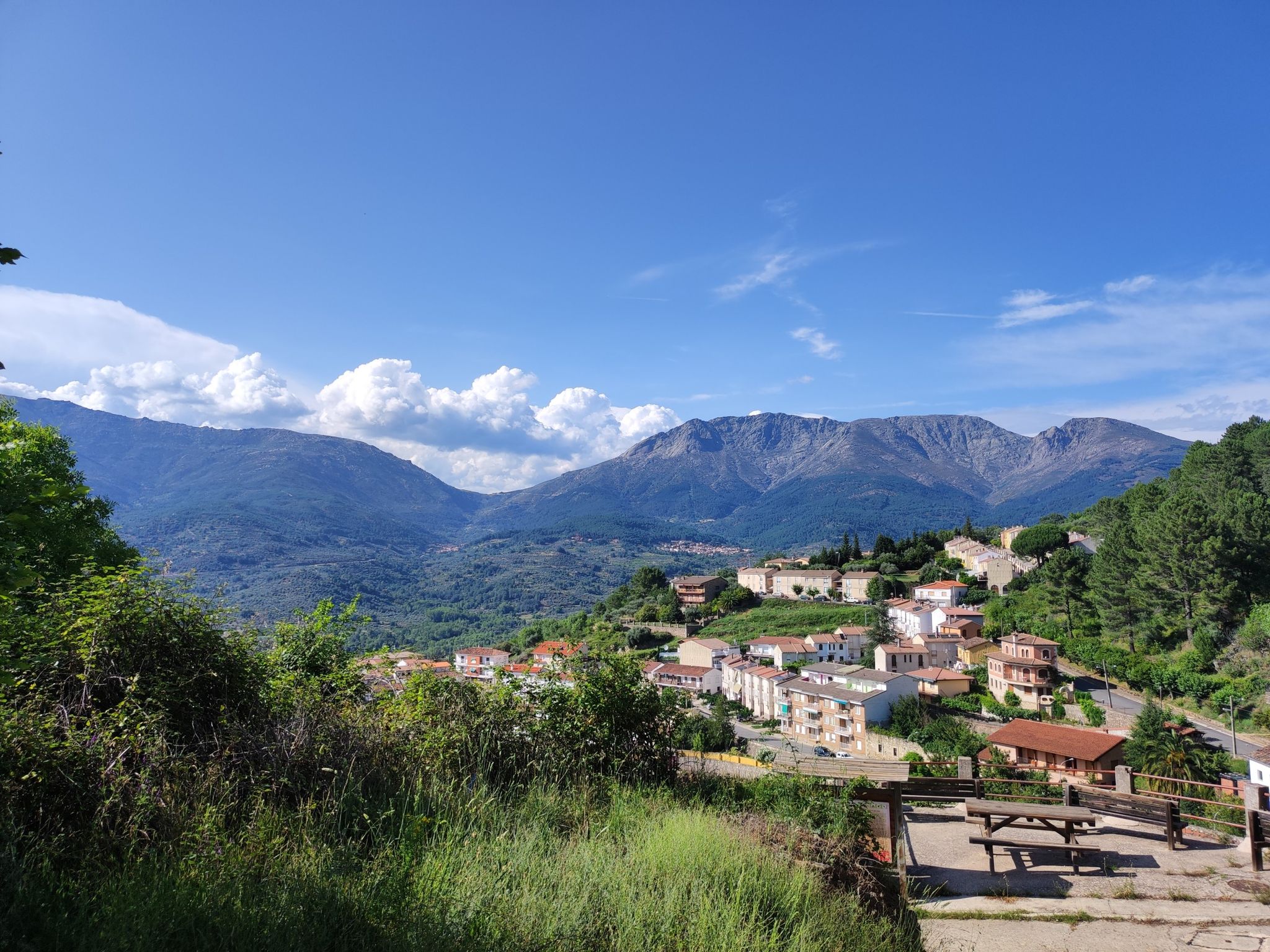
An epic hike in Spain’s Tiétar Valley – Valle del Tiétar (GR 180)
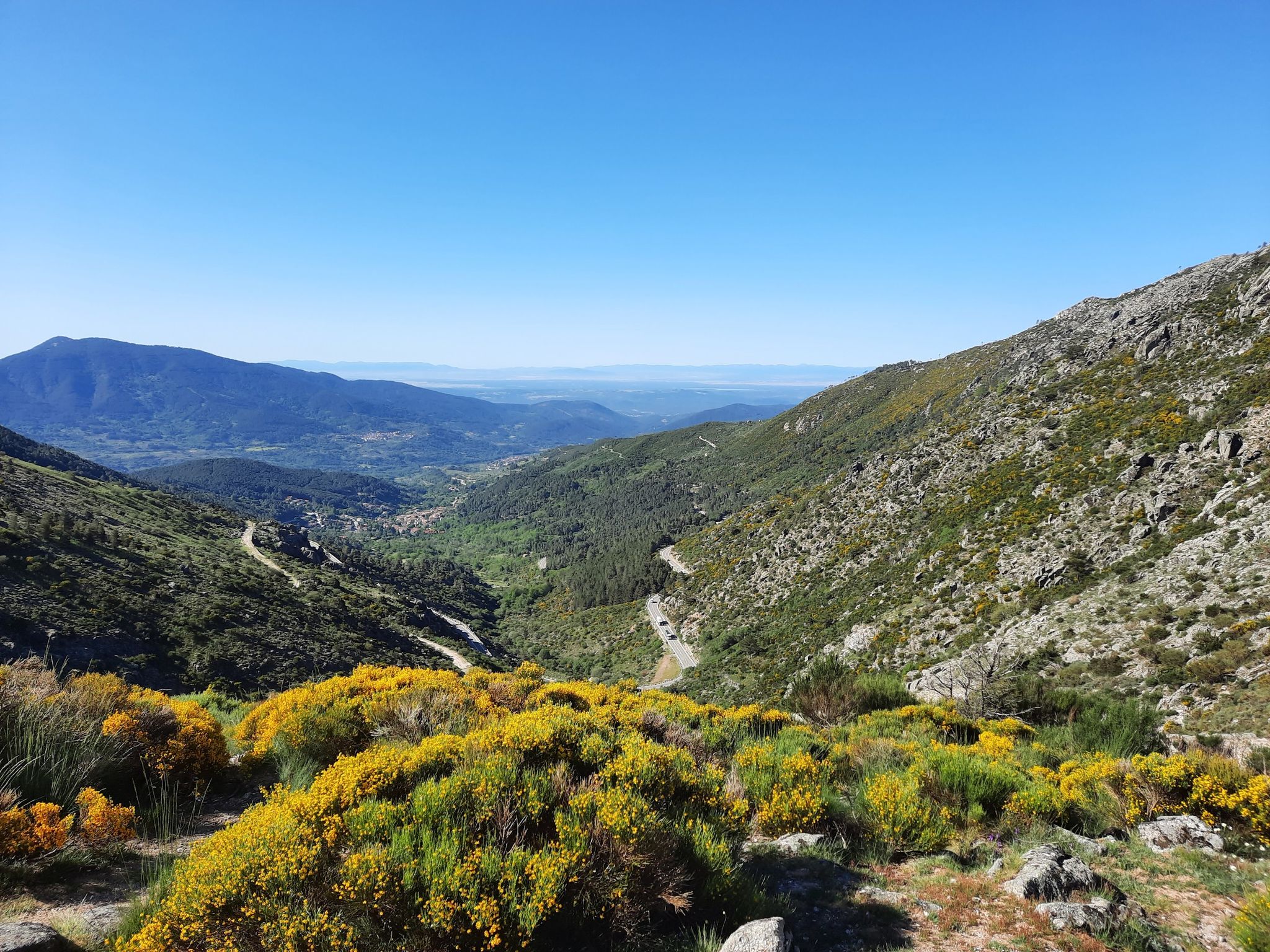
Ávila in Spain – Tour of Gredos by MTB
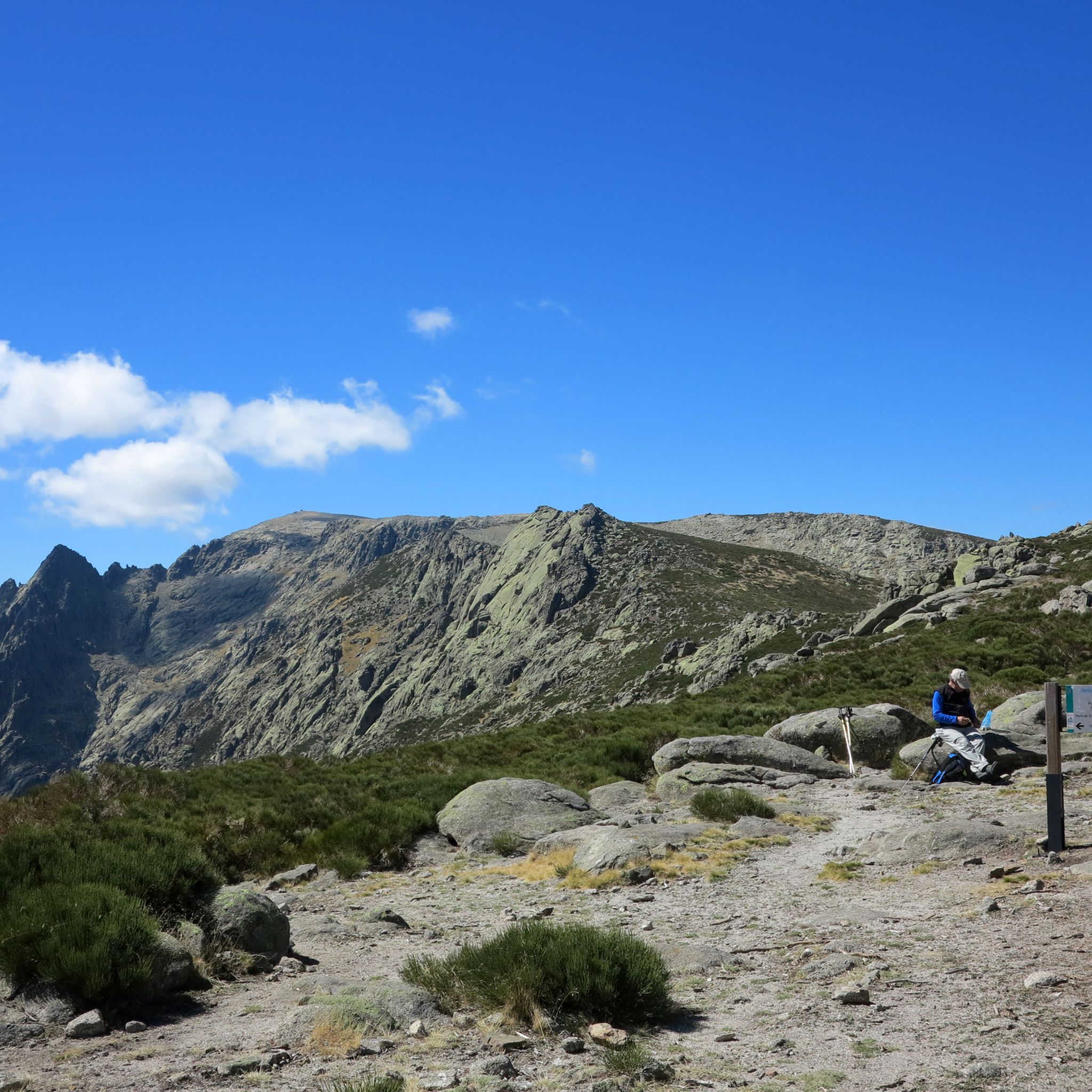
Hiking around Valle Del Tietar
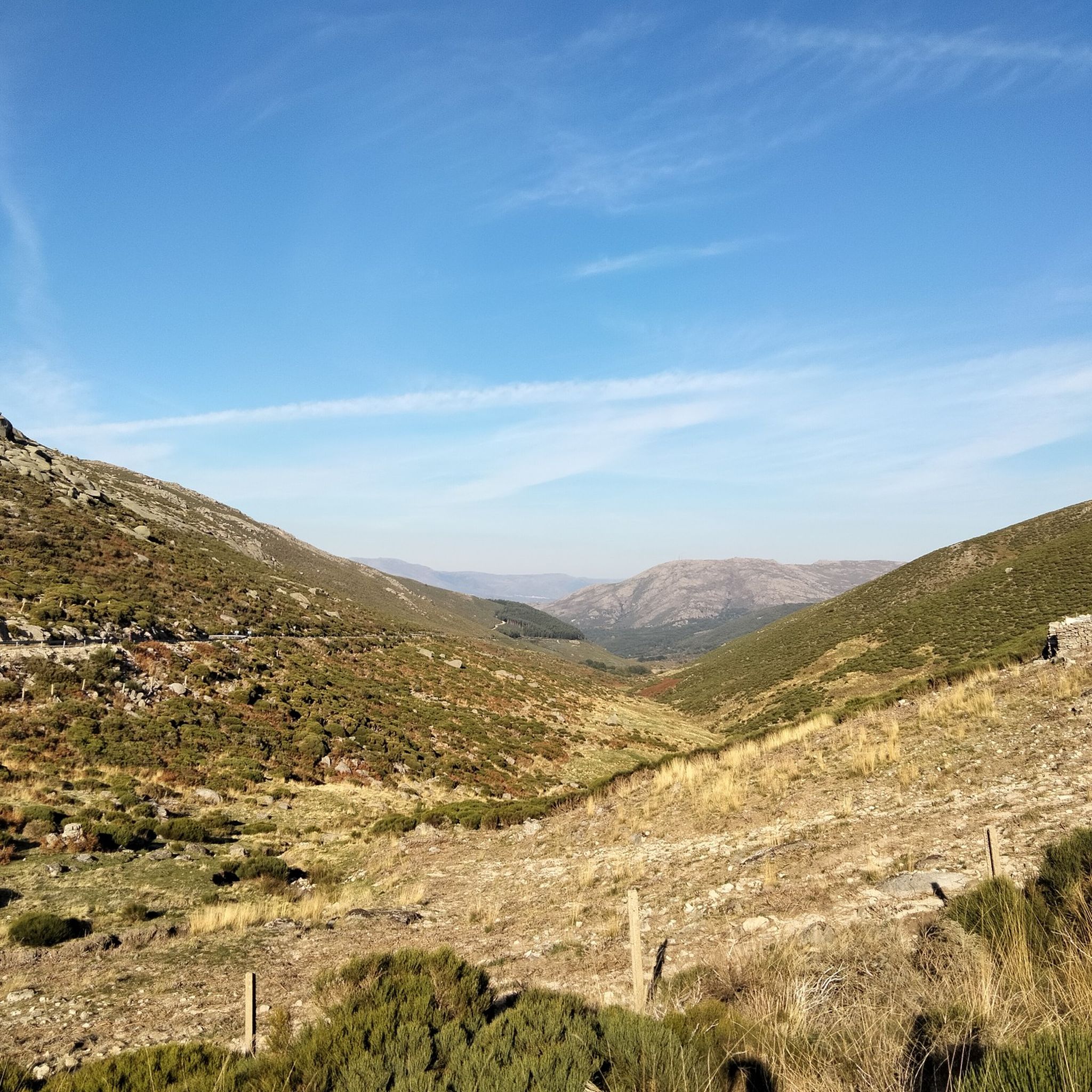
MTB Trails around Valle Del Tietar
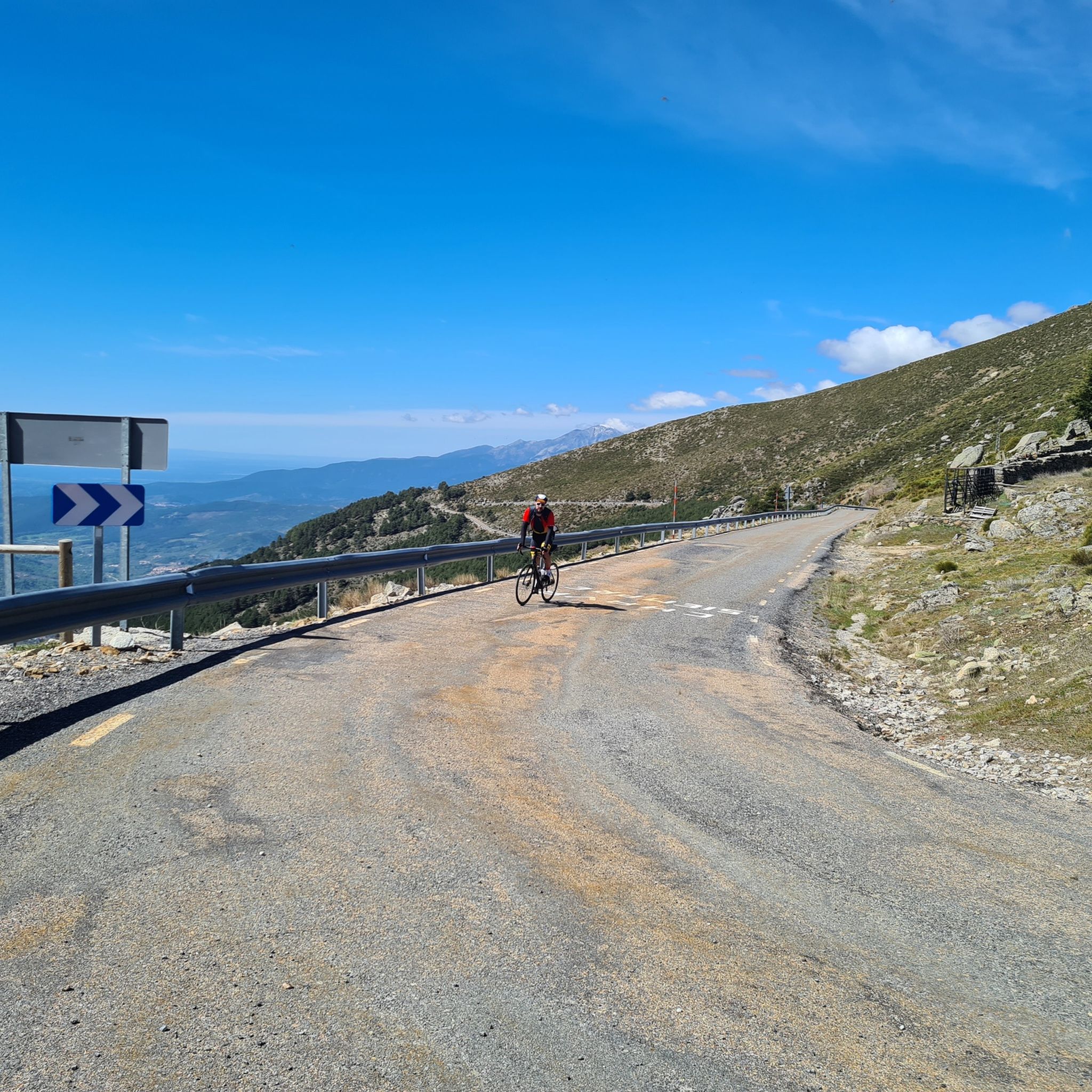
Road Cycling Routes around Valle Del Tietar
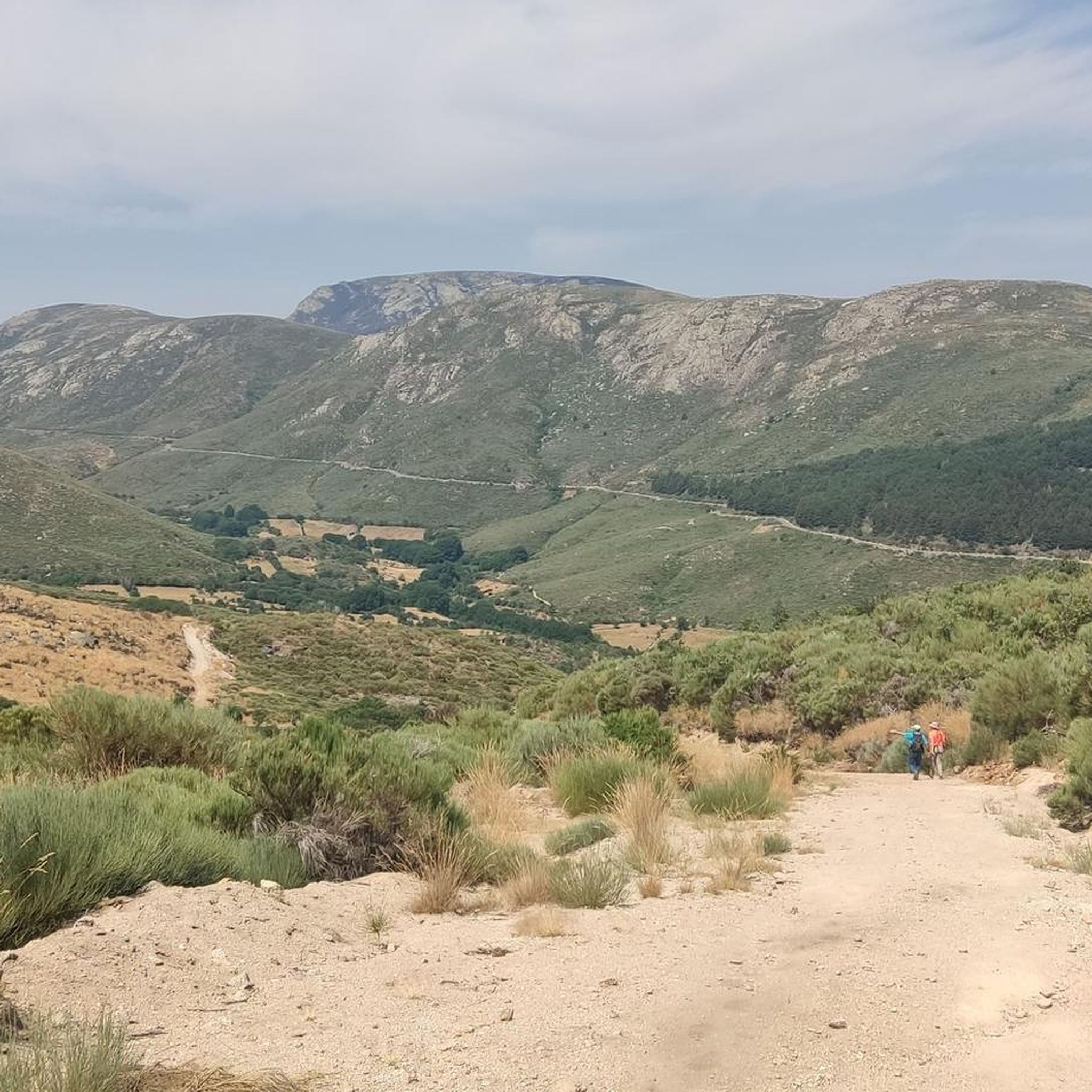
Cycling around Valle Del Tietar
Other adventures around Valle Del Tietar


Tips from the Community

phenomenal
0
1

The Serranillos Pass is one of the most iconic mountain passes in the Sierra de Gredos, famous for its beauty and for being a historic stage in the Vuelta a España (Hinault's legendary stage in 1983). Views of the Cinco Villas Valley and the Gredos peaks. Spectacular scenery throughout the climb. Signage with gradient and remaining distance information. Ideal for linking up with Puerto del Pico, Pedro Bernardo, and Mijares for an epic stage.
1
0
The Mijares Pass is one of the great mountain passes in the Sierra de Gredos, highly prized by cyclists for its length, elevation gain, and scenic beauty. Maximum gradient: 11% (on short ramps before Mijares). There are several steep sections in the villages and near the Horcajo area, as well as another one 2 km from the summit.
1
0
The Pedro Bernardo Pass is one of the classic climbs in the Sierra de Gredos mountains, highly prized by cyclists and a regular feature of races like the Vuelta a España. First section: Up to the village (Pedro Bernardo), with gradients of 5-6%, a road in good condition, and spectacular views of the Tiétar Valley. Urban section: In the village, the gradient eases, even offering some flatter sections. Second section: After the village, the asphalt becomes rougher, and the toughest kilometer (7-8%) appears, followed by a "balcony" section with incredible views and a sustained 5% gradient to the summit.
1
0

A nice climb from the El Burguillo reservoir. The first part is asphalt in very good condition (as of November 1, 2025), and the second part is a dirt track, also in very good condition. It's a demanding climb; the asphalt section offers some flatter sections, but the dirt track is practically a continuous gradient of around 10%.
0
1

You cool down very quickly up here, especially when it's windy.
7
0

Highest point 1580 on this route, there is a large parking lot to enjoy the view.
16
0

It's a very quiet pass with hardly any traffic, especially in its final section. The eastern slope, which starts from Arenas De San Pedro, has two very distinct sections. The first, to the village of El Arenal, is very gentle and always runs under an extensive pine forest. When you reach El Arenal, in the village itself, the gradient increases, and then there are 6 km left with an average gradient of 7% and some 10% slopes. The views from the pass are beautiful and it exudes a spiritual tranquility. In summer, it's highly recommended to climb it early in the morning to take advantage of the cool morning air. The western slope connects with the climb to Puerto del Pico, and the climb begins in Ramacastañas. Although not as well-known as other passes in the Sierra de Gredos, I have to admit that I loved it. Here's the link to visit the altimetry created by @cyclingcols, the best at this --> cyclingcols.com/col/Centenera
0
0
Frequently Asked Questions
Which mountain passes in Valle del Tiétar offer the best panoramic views?
Many passes in the Valle del Tiétar boast spectacular views. For instance, Puerto de Mijares, at over 1,500 meters, provides panoramic views of the Cinco Villas Valley and Gredos peaks. Similarly, Puerto de Candeleda is known as a natural balcony with impressive vistas of the Tiétar Valley and the southern slope of Gredos. Puerto de Casillas offers expansive views of the Valle de Iruelas Natural Reserve and the Burguillo Reservoir.
Are there mountain passes with historical significance in Valle del Tiétar?
Yes, Puerto del Pico is particularly rich in history. It's a natural pass along the Cañada Real Leonesa Occidental, a historical transhumance route. You can walk on a well-preserved section of an ancient paved road, mistakenly attributed to Roman construction, which ascends the southern slope in a zigzag pattern. This pass also formed part of a route connecting Santiago de Compostela with Seville.
What kind of terrain and difficulty can I expect on mountain passes in Valle del Tiétar?
The mountain passes in Valle del Tiétar offer varied terrain and difficulty. Passes like Puerto de Mijares and Serranillos Pass are known for challenging climbs, popular with cyclists, featuring significant elevation gains and long, irregular roads. Others, like the ascent to Puerto de Casillas, are considered simpler yet essential hiking routes. The region features diverse landscapes from rebollo oak and chestnut forests to extensive pastures and broom scrublands.
What outdoor activities can I do near the mountain passes in Valle del Tiétar?
The Valle del Tiétar region offers a wide range of outdoor activities. You can find numerous cycling routes, such as the 'Las Tejoneras Trail' or the 'Senda de las Cinco Villas Trail', which can be explored via the Cycling around Valle Del Tietar guide. For hikers, there are easy trails like the 'Tiétar Valley Trail (GR 180)' or the 'Río Cuevas Reservoir and Fishermen's Route', detailed in the Easy hikes around Valle Del Tietar guide. Running enthusiasts can also find challenging routes like 'Ruta de los Pescadores' in the Running Trails around Valle Del Tietar guide.
Are there specific cycling challenges among the Valle del Tiétar passes?
Absolutely. Passes like Puerto de Mijares and Serranillos Pass are legendary among cyclists, having been featured in the Vuelta a España. Puerto de Mijares involves a challenging climb of approximately 24.9 kilometers with an average gradient of 4.5%. Puerto de Pedro Bernardo, while sometimes considered less formidable, can be linked with Serranillos for a nearly continuous 30-kilometer climb, offering a significant elevation gain and visually stunning sections.
What natural features and wildlife can I observe at the mountain passes?
The mountain passes are rich in natural beauty and wildlife. At Puerto de Mijares, you'll find diverse ecosystems with rebollo oak and chestnut forests, extensive pastures, and broom scrublands. It's also a significant migratory corridor for numerous bird species, making it an excellent spot for birdwatching. The Valle de Iruelas Natural Reserve, accessible via Puerto de Casillas, is home to 120 pairs of black vultures, imperial eagles, golden eagles, and other wildlife amidst black pine forests, oaks, holm oaks, junipers, and ancient chestnut trees. You might also encounter mountain goats near Puerto del Pico.
Are there family-friendly mountain passes in Valle del Tiétar?
Yes, some passes offer features suitable for families. Puerto de Mijares has a large parking area at its summit, making it accessible for families to enjoy the panoramic views. The ascent to Puerto de Casillas is considered one of the simpler hiking routes, which can be suitable for families looking for less strenuous outdoor experiences while still enjoying wide landscapes and views of the Valle de Iruelas Natural Reserve.
What do visitors enjoy the most about the mountain passes in Valle del Tiétar?
Visitors frequently praise the spectacular views and the sense of accomplishment from challenging climbs. The historical significance of places like Puerto del Pico, with its ancient paved road, is also a major draw. Cyclists particularly appreciate the length, elevation gain, and scenic beauty of passes like Puerto de Mijares and Puerto de Pedro Bernardo. The diverse ecosystems and opportunities for nature observation, especially birdwatching, are also highly valued.
Can I link multiple mountain passes for an extended route?
Yes, linking passes is a popular way to create extended and challenging routes, especially for cyclists. For example, Puerto de Pedro Bernardo is ideal for designing cycling routes that connect with other passes in the area, such as Mijares, Casillas, El Piélago, Serranillos, Centenera, and El Pico. Serranillos Pass is also ideal for linking with other passes like Puerto del Pico, Pedro Bernardo, and Mijares for extended cycling routes.
Is there parking available at the mountain passes?
Yes, at some of the more popular passes, parking is available. For instance, Puerto de Mijares has a large parking lot at its 1,573-meter summit, allowing visitors to stop and enjoy the extensive views.
What is the best time to visit the mountain passes in Valle del Tiétar?
The best time to visit generally depends on your planned activity. Spring and autumn offer pleasant temperatures for hiking and cycling, avoiding the intense heat of summer. These seasons also provide excellent opportunities for birdwatching, especially during the pre-nuptial and post-nuptial migrations at passes like Puerto de Mijares. While some passes are accessible year-round, winter can bring colder temperatures and snow at higher altitudes, which might appeal to those seeking winter sports or a more challenging experience.
Most popular routes around Valle Del Tietar
Most popular attractions around Valle Del Tietar

Get inspired with the komoot mobile app


Didn’t find what you were looking for?
Find even more amazing mountain passes around Valle Del Tietar organized by region:
Explore more
See even more epic mountain passes by checking out these guides around Valle Del Tietar:
