Top 13 Natural Monuments around Waadhoeke
Best natural monuments around Waadhoeke showcase the region's expansive landscapes and commitment to biodiversity. The municipality of Waadhoeke, located in the Dutch province of Friesland, features significant natural areas and historical elements. Its landscape is characterized by open vistas, dikes, and the unique Wadden Sea coast. Efforts in biodiversity conservation include protected nature areas and monumental trees.
Best natural monuments around Waadhoeke
- The most popular natural monuments is The Whale – 11fountains, a man-made monument that features a whale…
Last updated: June 23, 2026
The Bat – 11fountains
Highlight • Monument
I found this fountain very interesting, somewhat simply designed but still very …
Translated by Google •
Tip by

The Whale – 11fountains
Highlight • Monument
Translated by Google •
Tip by

Sign up now to discover places like this
Get recommendations on the best single tracks, peaks, & plenty of other exciting outdoor places.
Sign up for free
Monument for the Drowned Horses
Highlight • Monument
Translated by Google •
Tip by

Wadden Sea
Highlight • Natural
Translated by Google •
Tip by

Noard-Fryslân Bûtendyks Nature Reserve
Highlight • Natural Monument
Translated by Google •
Tip by

Sign up for free to discover even more natural monuments around Waadhoeke.
Sign up for free
Already have an account?
Start today with a free account
Your next adventure awaits.
Login or Signup
Popular around Waadhoeke
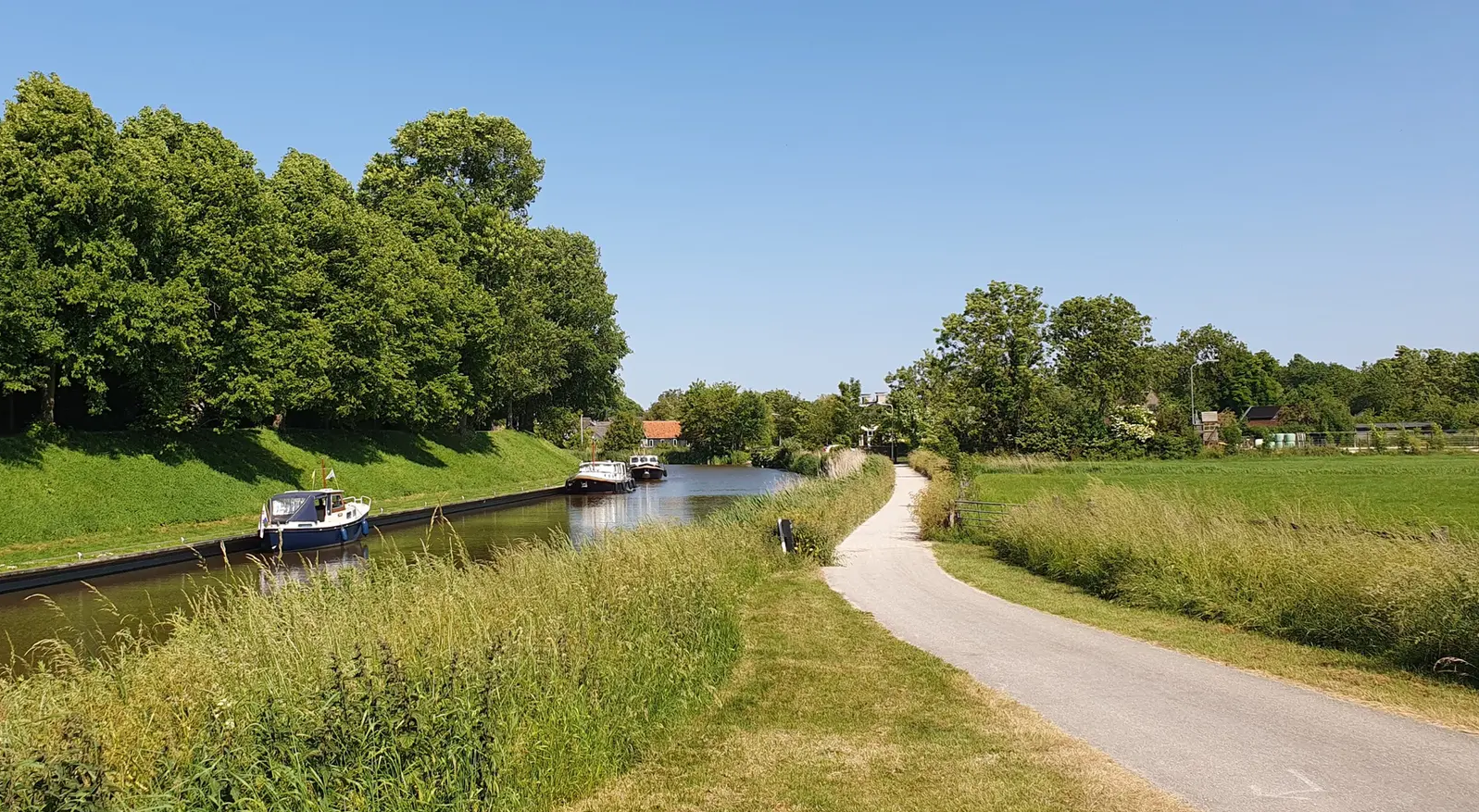
Elfstedenpad – Along polders, terpen and eleven Frisian cities
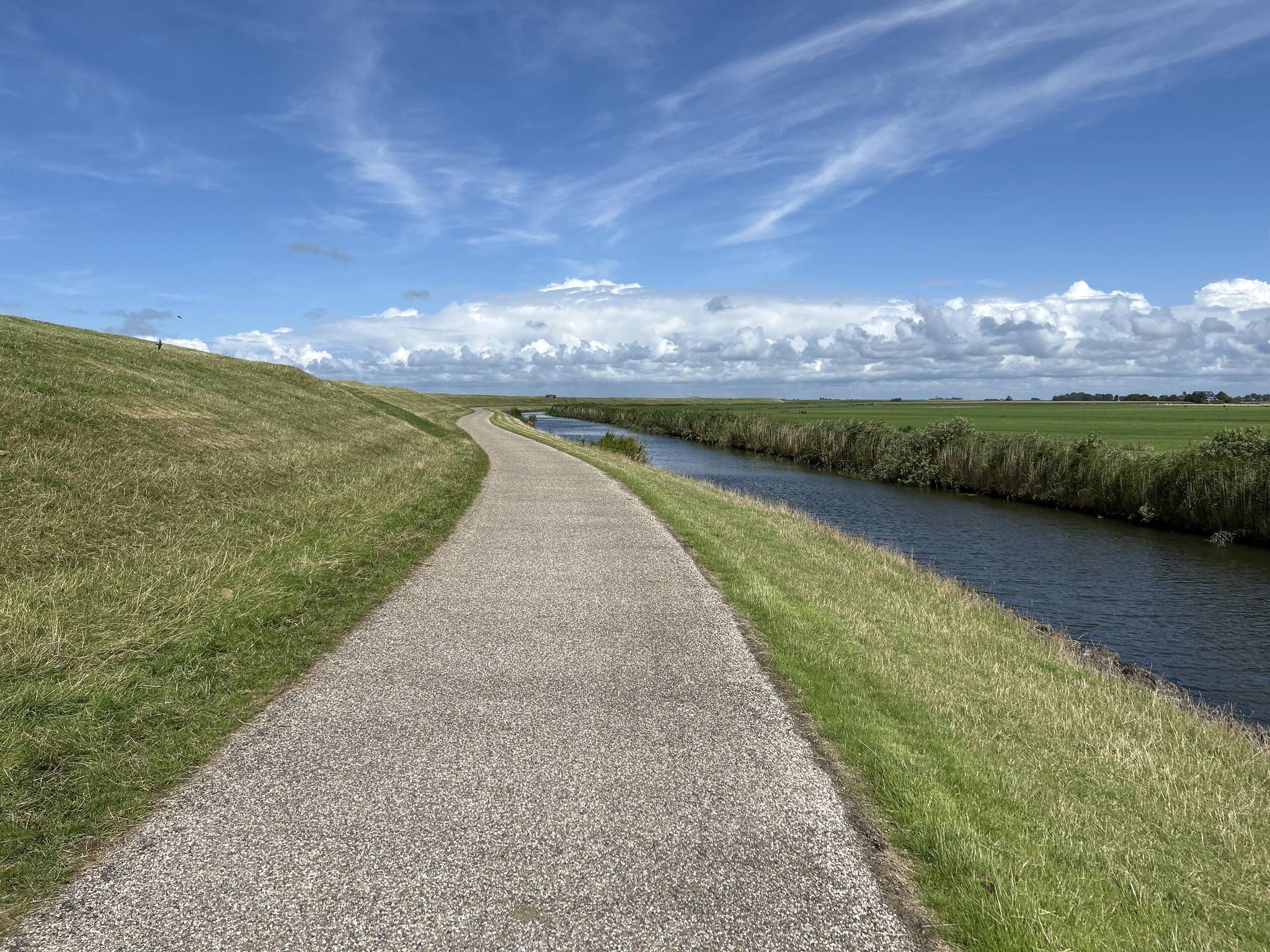
The Eleven Cities Tour – Exploring Friesland by Bike
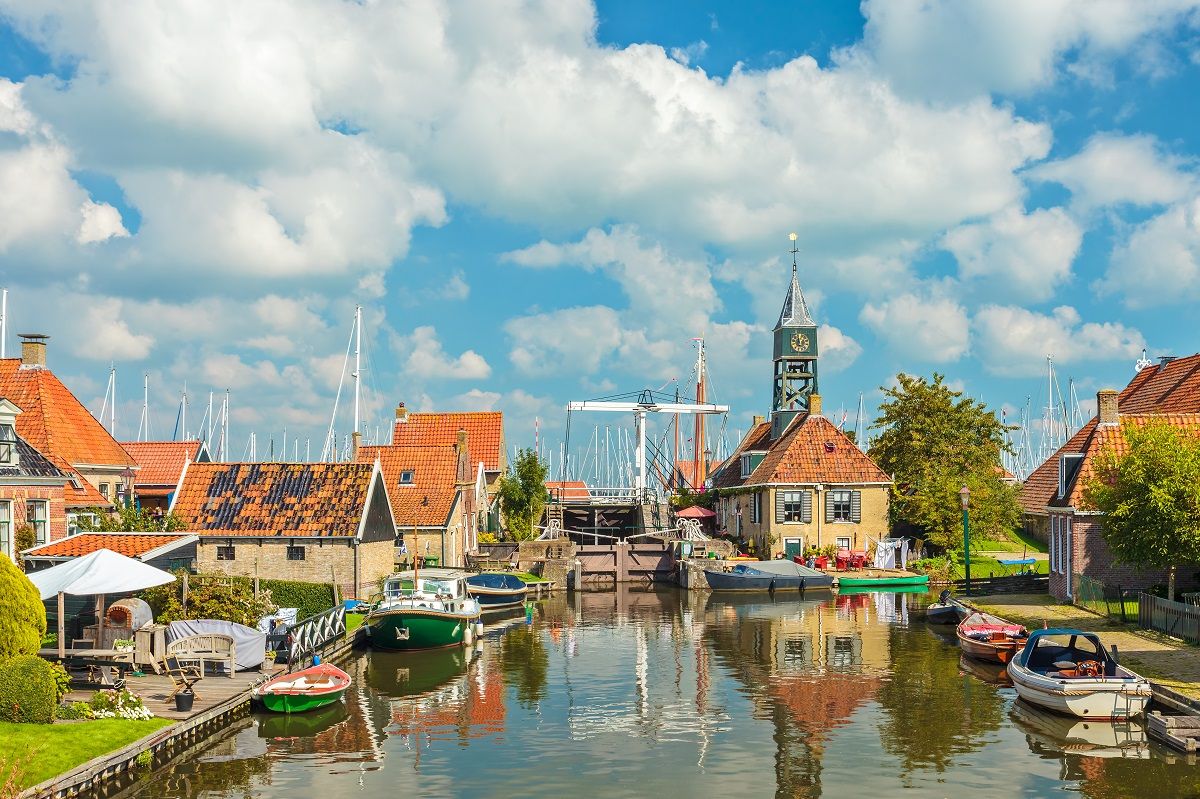
Ten rejuvenating bike rides through Friesland
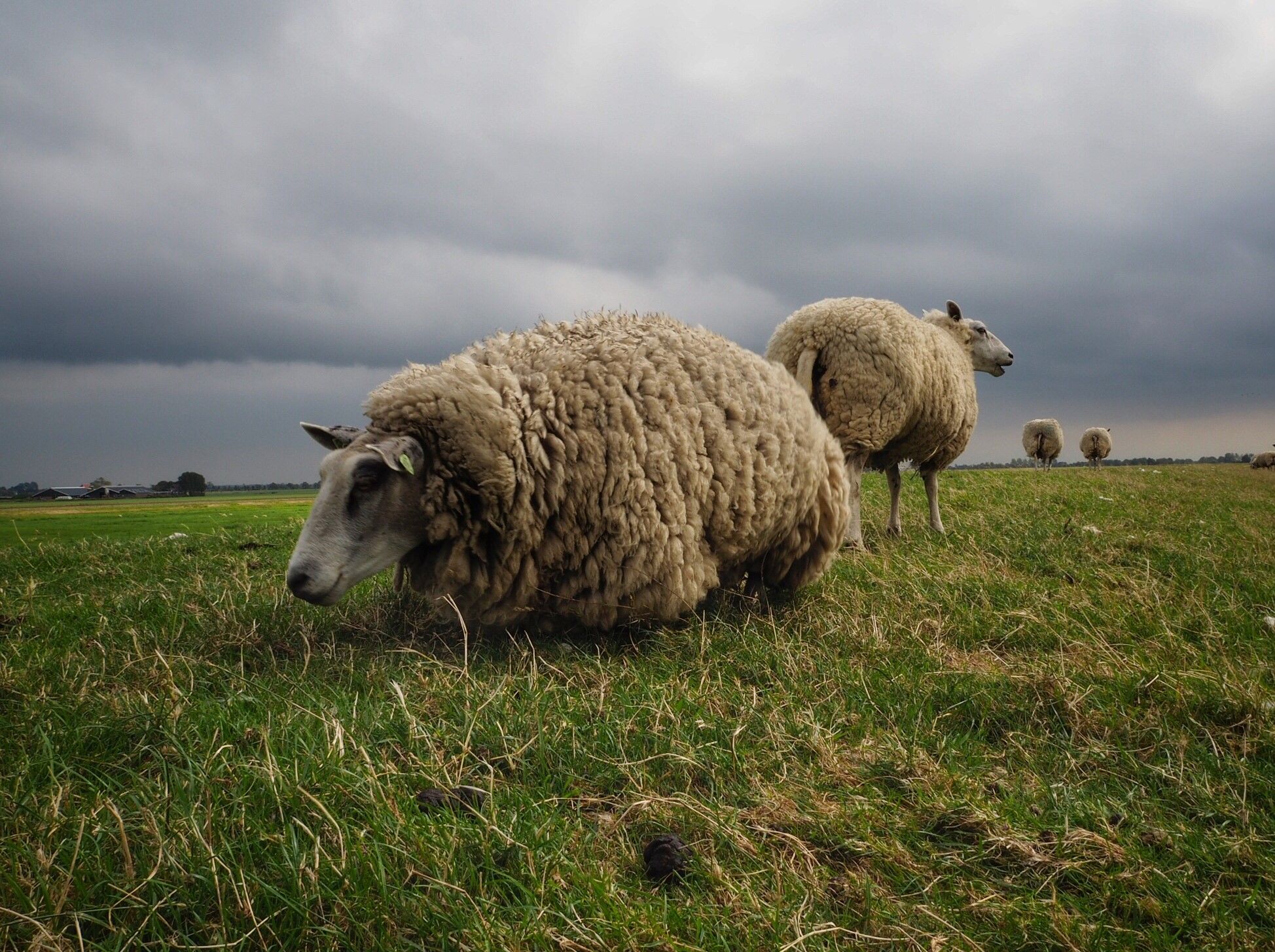
Along the Wadden Sea — part 3: Dutch Coastal Path
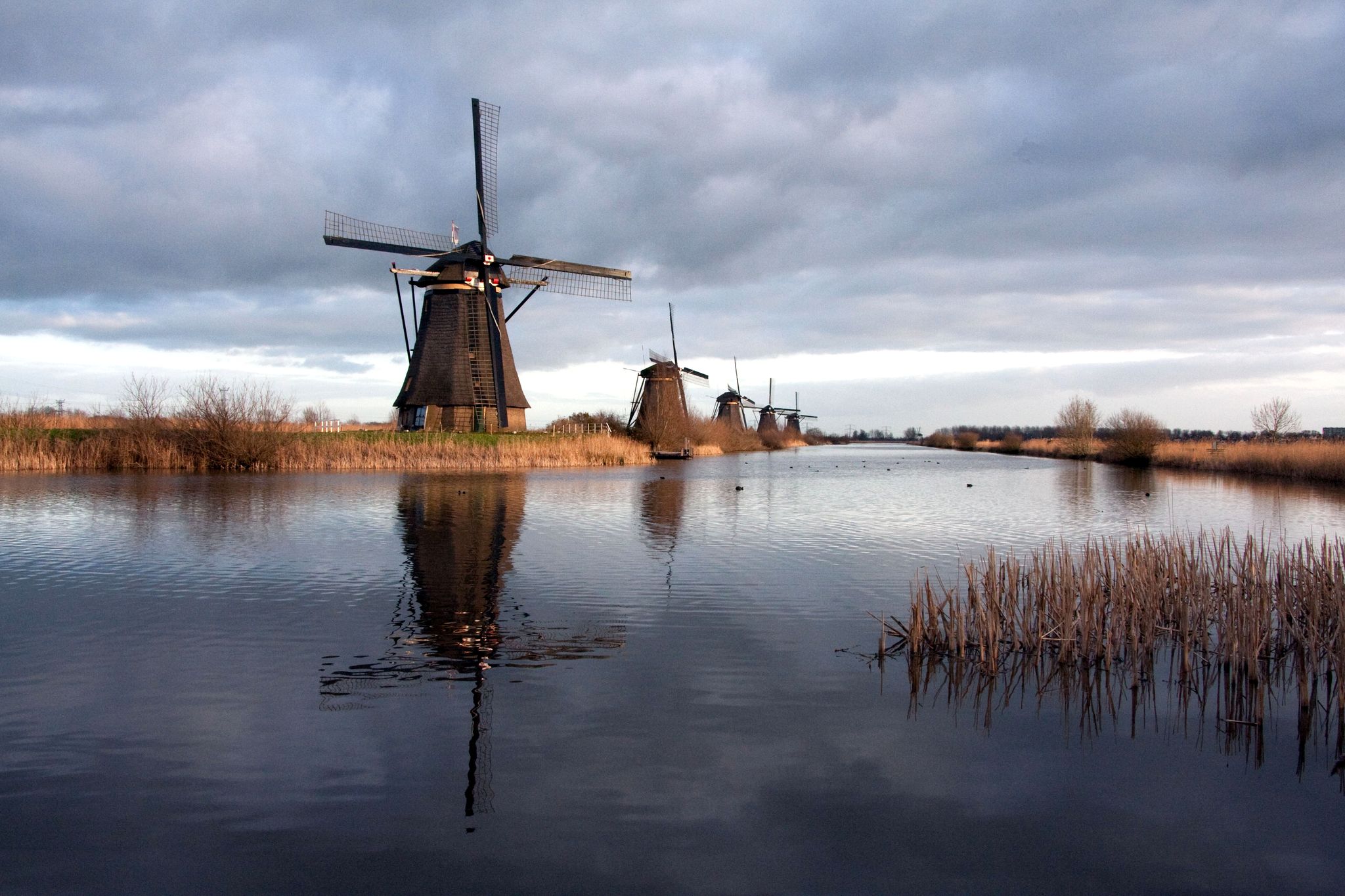
Heritage Tour of the Netherlands - Eleven tours along all UNESCO sites
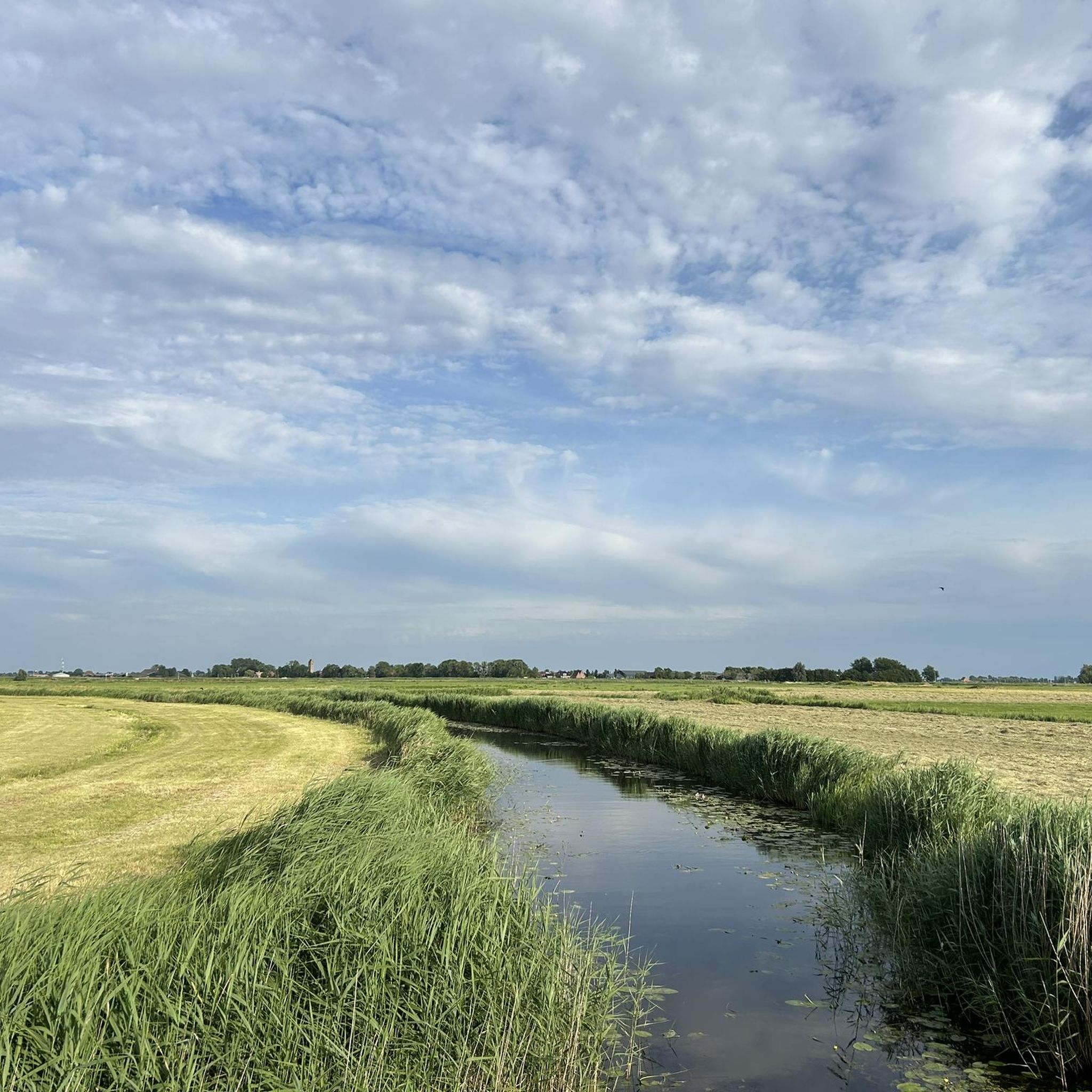
Cycling around Waadhoeke
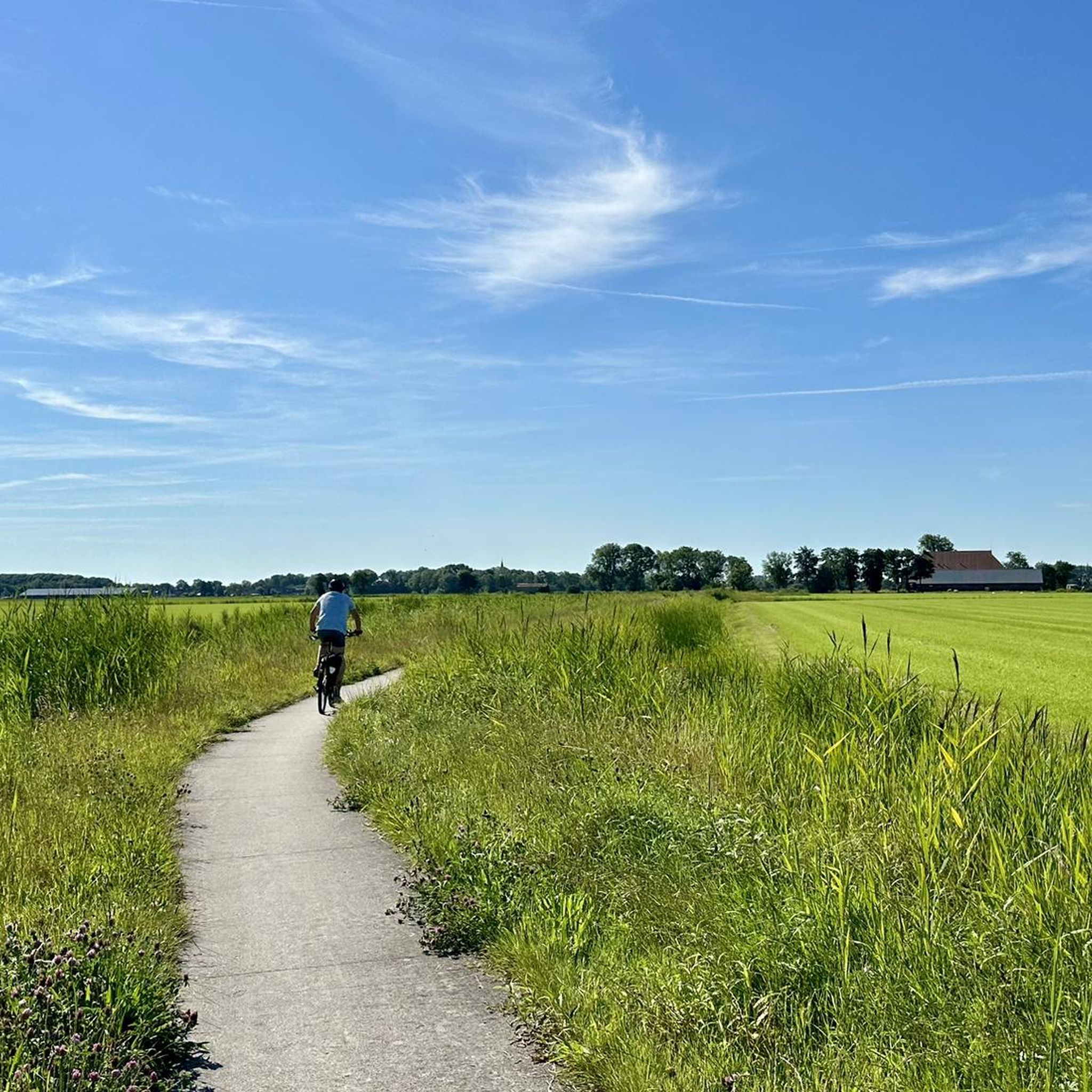
Road Cycling Routes around Waadhoeke
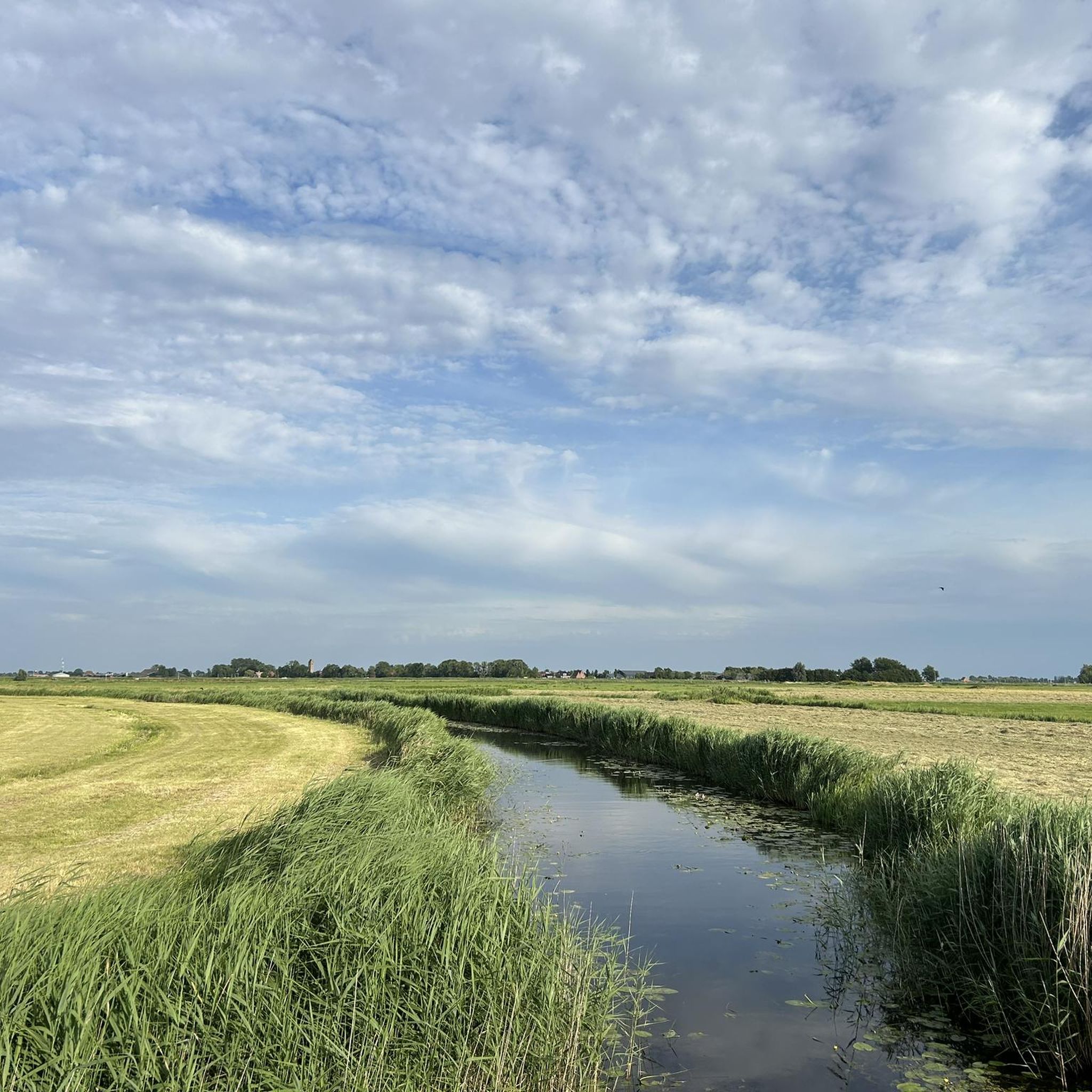
Hiking around Waadhoeke
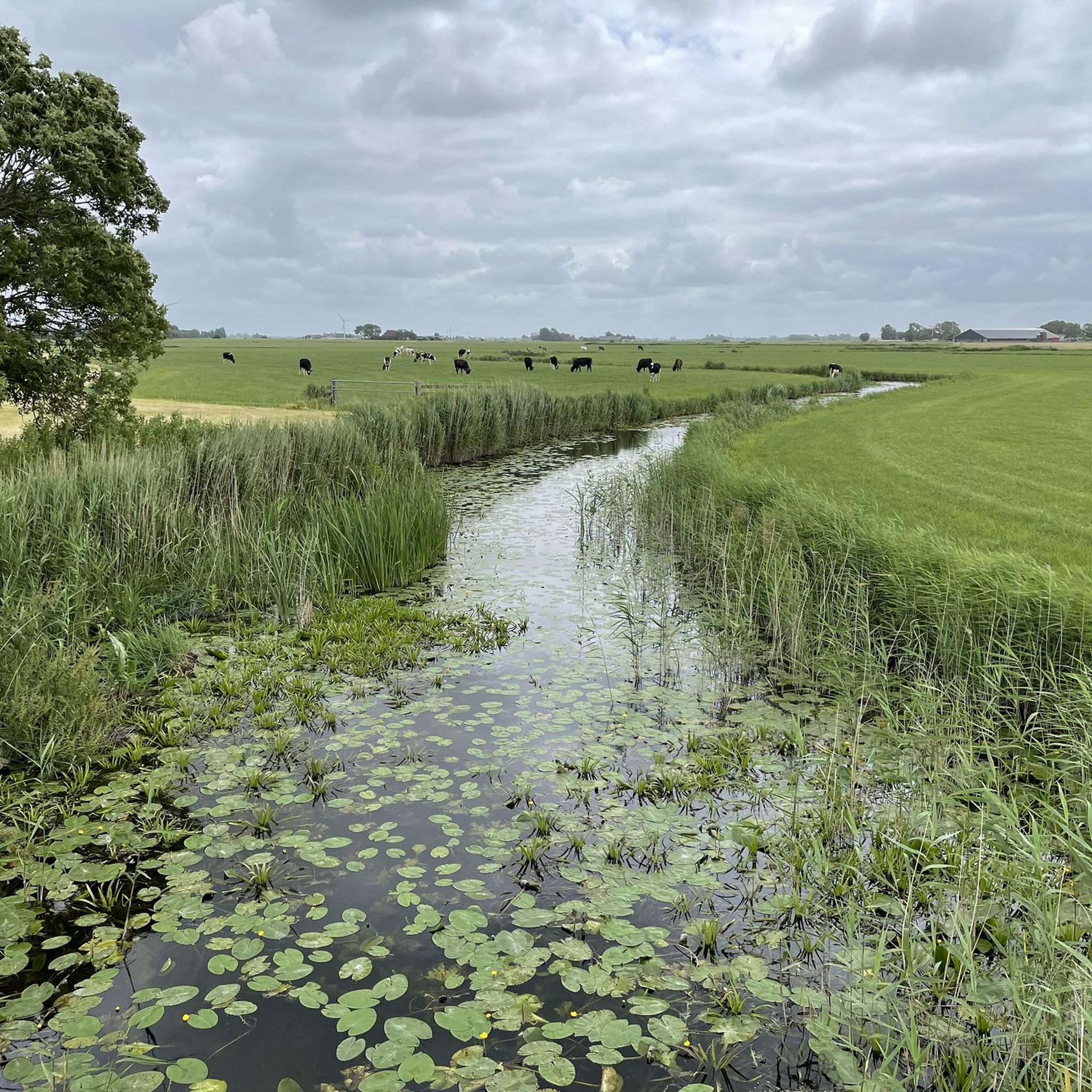
Running Trails around Waadhoeke
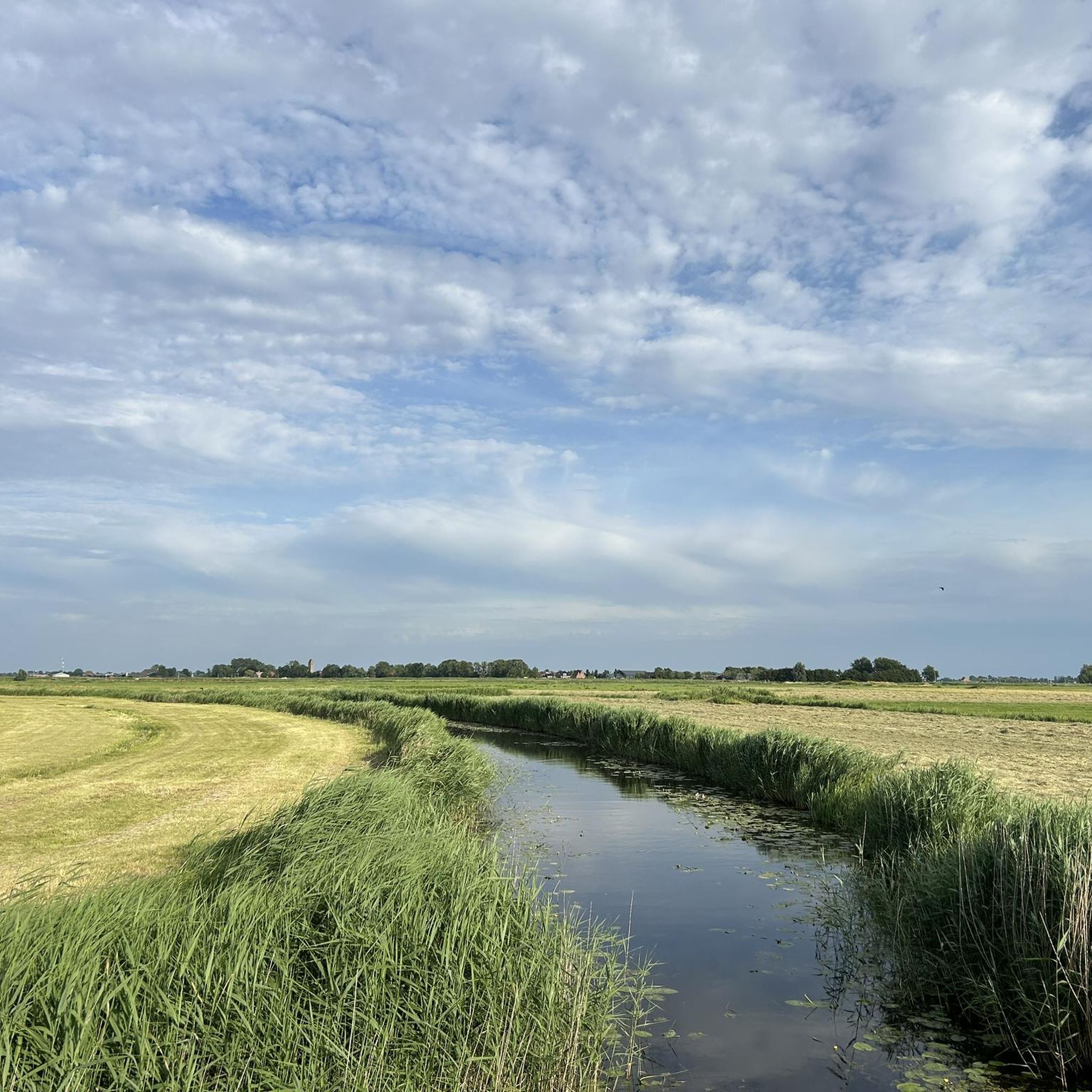
MTB Trails around Waadhoeke
Other adventures around Waadhoeke


Tips from the Community

Harlingen was once a center of whaling. Today, we no longer seek to kill these great and magnificent animals, but rather to save them from death. Especially since, for unknown reasons, they are now increasingly stranded in shallow waters. The Harlingen fountain is a life-size sperm whale. It lies lost in the Zuiderpier, but every now and then its powerful jet of water reveals that it is very much alive. Thus, "The Whale" reminds us of the profound influence that humans have on all that lives in the sea. You can reach the fountain by strolling along the wall on the left side of the harbor. Almost opposite the Harlingen harbor crane as the crow flies is the whale – the Harlingen fountain. https://www.bloggmaus.de/2022/04/elfstadtetour-11-fountains-in-friesland.html
1
0

The bat fountain is part of a project of 11 such fountain objects in the region
1
0


Peace, vastness, and rugged nature are paramount here. The nature reserve is part of the Wadden Sea World Heritage Site and covers over 4,200 hectares. Enjoy the green summer polders, colorful salt marshes, and muddy mudflats, or visit the Terp fan de Takomst (Terp of the Future).
5
0
The bat fountain is located in Bolsward directly in front of the church and is therefore very idyllic. I found this fountain very interesting, somewhat simply designed but still very impressive! I actually overcame my fear, climbed the stairs up to the bat, stood still for 3 photos and then bravely climbed back down again. ;-)
4
0

The Wadden Sea (Frisian: Waadsee, German: Wattenmeer) is a marginal sea between the Wadden Islands and the North Sea on one side and the mainland of the Netherlands, Germany and Denmark on the other. The area stretches between Den Helder in the Netherlands and Esbjerg in Denmark, has a length of 500 km and an average width of 20 km. The area is about 10,000 km², of which about 7,500 km² are tidal areas (mudflats and sandbanks), 1,100 km² are islands and 350 km² are salt marshes and summer polders. The rest consists of shipping canals. Several rivers flow into the Wadden Sea. The estuary expanded into an estuary such as the Dollart, the Lauwerszee, the Middelzee and the Zuiderzee. The Wadden Sea has great natural value and is on the UNESCO World Heritage List. The World Heritage covers more than 12,000 km², including the transition area to the North Sea (approx. 4,000 km²). The Wadden Islands of the Netherlands and Schleswig-Holstein and the estuaries of the Ems, Outer Jade, Weser and Elbe are largely excluded. However, these areas mostly fall under the Natura 2000 regime. The protection measures are coordinated by the International Wadden Sea Secretariat in Wilhelmshaven, in which the Netherlands, Germany and Denmark work together. The Wadden Sea is not only a nature reserve, but also important for fishing, recreation, mineral extraction and other economic activities. The Dutch Wadden Sea area was declared state property in 1981 and assigned to the provinces of North Holland, Friesland and Groningen. In 1986 the Wadden Sea was also divided into municipalities. Fantastic nature and great cycling paths.
0
0
North Fryslân Bûtendyks (language: Frisian) is a nature reserve in the Dutch province of Friesland, located in the municipalities of Waadhoeke and Northeast Friesland. North Fryslân Bûtendyks is located in the area of simmering polders with drinking water, salt marshes, and salt marsh wormwood. Every year, more than a million birds come here to seek food and rest. Not only the countless wading birds are worth seeing, but also the unique salt marsh plants. In spring, you can see fresh green samphire in the mudflats, and in autumn, flowering salt marsh plants turn the salt marshes red. The nature reserve is part of the Wadden Sea World Heritage Site.
1
0

An impressive sight, as one might think the whale was real and stranded.
1
0
Frequently Asked Questions
What are some significant natural sites in Waadhoeke?
Waadhoeke is home to several significant natural areas. The most prominent is the Wadden Sea, a UNESCO World Heritage Site known for its unique tidal landscape. You can also explore the Noard-Fryslân Bûtendyks Nature Reserve, which covers over 4,200 hectares of green summer polders, salt marshes, and mudflats, offering peace and rugged nature. Additionally, Idylle Waadhoeke near Franeker is a tranquil walking area established as a butterfly idyll, rich in flora and fauna.
What unique natural attractions can I find in Waadhoeke?
Beyond the expansive Wadden Sea landscape, Waadhoeke features some unique attractions. The The Whale – 11fountains is a man-made monument that creatively interprets the natural world, with a whale sculpture that even 'blows'. Another distinctive site is The Bat – 11fountains in Bolsward, where you can climb stairs on the back of the bat sculpture for a unique perspective. These artistic installations blend with the natural surroundings, offering a different kind of natural monument experience.
What is the best time to visit Waadhoeke for nature walks and outdoor activities?
The best time to visit Waadhoeke for nature walks and outdoor activities largely depends on your interests. Spring and summer are ideal for experiencing the vibrant flora and fauna at places like Idylle Waadhoeke, with its flower-rich grasslands. For birdwatching in the Noard-Fryslân Bûtendyks Nature Reserve and along the Wadden Sea, spring and autumn are excellent as migratory birds pass through. The Wadden Sea landscape offers unique experiences year-round, but warmer months are generally more comfortable for mudflat hiking and coastal walks.
Are there family-friendly natural monuments around Waadhoeke?
Yes, several natural monuments and related sites in Waadhoeke are family-friendly. The Whale – 11fountains and The Bat – 11fountains are both considered family-friendly, offering engaging sculptures that children often enjoy. The Noard-Fryslân Bûtendyks Nature Reserve and the broader Wadden Sea area are great for family walks, birdwatching, and experiencing the vast open landscape. Idylle Waadhoeke is also a peaceful spot for families to observe butterflies and bees.
Can I bring my dog to trails near Waadhoeke's natural monuments?
While many outdoor areas in Waadhoeke are dog-friendly, it's important to check specific rules for nature reserves and protected areas, especially those sensitive to wildlife, like parts of the Noard-Fryslân Bûtendyks Nature Reserve or the Wadden Sea. Generally, dogs are welcome on leashes on dikes and designated walking paths. Always ensure your dog is under control and respect local signage regarding pet access to protect the delicate ecosystems and other visitors.
Are there any historical sites related to the natural landscape in Waadhoeke?
Yes, the landscape of Waadhoeke itself is deeply intertwined with its history. The region's historical landscape, shaped by mounds (terpen) and dikes, tells a story of centuries of interaction with water. A poignant example is the Monument for the Drowned Horses. This memorial commemorates eight horses that tragically drowned during a lifeboat rescue operation in 1979, highlighting the historical challenges and heroism associated with the coastal environment.
What kind of wildlife can I spot in Waadhoeke's natural areas?
Waadhoeke's natural areas are rich in wildlife, especially birds. The Noard-Fryslân Bûtendyks Nature Reserve and the Wadden Sea are crucial habitats for over a million migratory birds annually, including countless wading birds. You can also spot unique salt marsh plants. Idylle Waadhoeke is specifically designed as a haven for butterflies, bees, and other insects, making it an excellent spot for observing local flora and fauna in a tranquil setting.
Are there protected trees in Waadhoeke?
Yes, the municipality of Waadhoeke is committed to preserving its natural heritage, including valuable trees. The municipal council has decided to protect solitary monumental and valuable trees, implementing a felling ban for these specific trees from July 1, 2025. A tree is considered monumental if it is at least 80 years old, healthy, and contributes significantly to the landscape or holds cultural-historical importance. Valuable trees share similar criteria but are between 50 and 80 years old.
What outdoor activities can I do near Waadhoeke's natural monuments?
The natural monuments and areas around Waadhoeke offer a variety of outdoor activities. You can enjoy extensive running trails, explore the landscape on road cycling routes, or try gravel biking. The Wadden Sea coast is perfect for birdwatching and mudflat hiking (wadlopen), offering a unique way to experience the tidal landscape. Many trails wind through the dikes and open vistas, providing opportunities for peaceful walks and photography.
Are there good hiking trails along the Wadden Sea coast in Waadhoeke?
Absolutely. The Wadden Sea coast in Waadhoeke offers excellent hiking opportunities. The dikes provide elevated paths with expansive views over the tidal flats and the sea. You can find trails that allow you to explore the distinctive tidal landscape and appreciate the authentic Frisian scenery. These routes are generally flat and accessible, making them suitable for various fitness levels. For more detailed routes, you can explore running trails or cycling routes that often follow the coastal paths.
How can I reach the natural areas and monuments in Waadhoeke by public transport?
While Waadhoeke is known for its expansive, rural landscapes, public transport options are available to reach some areas. Franeker, a central town, is accessible by train. From there, local buses can connect you to smaller villages and closer proximity to certain natural sites. For the Wadden Sea coast and more remote nature reserves like Noard-Fryslân Bûtendyks, bus services might be less frequent, so planning your journey in advance is recommended. Cycling is also a popular way to explore once you've reached a central point.
Where can I find accommodation near Waadhoeke's natural monuments or the Wadden Sea coast?
Accommodation options near Waadhoeke's natural monuments and the Wadden Sea coast range from hotels and B&Bs in towns like Franeker and Harlingen to holiday homes and campsites in more rural settings. Many accommodations cater to visitors looking to explore the natural beauty of the region, offering easy access to the dikes, coastal paths, and nature reserves. Consider staying in a village along the Wadden Sea coast for direct access to the tidal landscape and birdwatching opportunities.
What do visitors particularly enjoy about the natural monuments in Waadhoeke?
Visitors to Waadhoeke's natural monuments often highlight the profound sense of peace, vastness, and rugged nature. The Wadden Sea and Noard-Fryslân Bûtendyks Nature Reserve are praised for their tranquility and the opportunity to observe countless birds and unique salt marsh plants. The artistic The Whale – 11fountains is appreciated for its creative concept, while The Bat – 11fountains offers an interesting perspective and photo opportunity. The overall experience of the wide Frisian landscape and its biodiversity is a major draw.
Most popular attractions around Waadhoeke

Get inspired with the komoot mobile app


Explore more
Extend your search for the best caves by checking out these guides of the top ones around Waadhoeke:
