Top 20 Natural Monuments In West Scotland
Best natural monuments In West Scotland showcase a diverse landscape characterized by dramatic mountain ranges, ancient geological formations, and coastal features. The region's terrain includes prominent peaks, deep glens, and unique sea caves, reflecting millions of years of geological activity. These natural features provide opportunities for exploration and offer insights into Scotland's natural heritage. West Scotland is a destination for those seeking to experience varied natural environments.
Best natural monuments In West Scotland
- The most popular natural monuments is The…
Last updated: October 10, 2026
The Cobbler (Ben Arthur)
Highlight • Summit
Tip by

Goatfell Summit
Highlight • Viewpoint
Tip by

Sign up now to discover places like this
Get recommendations on the best single tracks, peaks, & plenty of other exciting outdoor places.
Beinn Narnain
Highlight • Natural Monument
Tip by
Ben Vane Summit
Highlight • Climb
Tip by

Beinn Ìme
Highlight • Natural Monument
Tip by

Cruach Tairbeirt Summit
Highlight • Summit
Stunning views of Loch Lomond Loch Long , Ben Lomond and the Arrochar Alps 👍
Tip by

Ben Donich Summit
Highlight • Viewpoint
Tip by

Caisteal Abhail
Highlight • Viewpoint
Tip by

Beinn Tarsuinn Summit and Arch Rock
Highlight • Natural Monument
Tip by
Cort-ma-Law Summit
Highlight • Viewpoint
Tip by

Sign up for free to discover even more natural monuments In West Scotland.
Already have an account?
Start today with a free account
Your next adventure awaits.
Popular around West Scotland
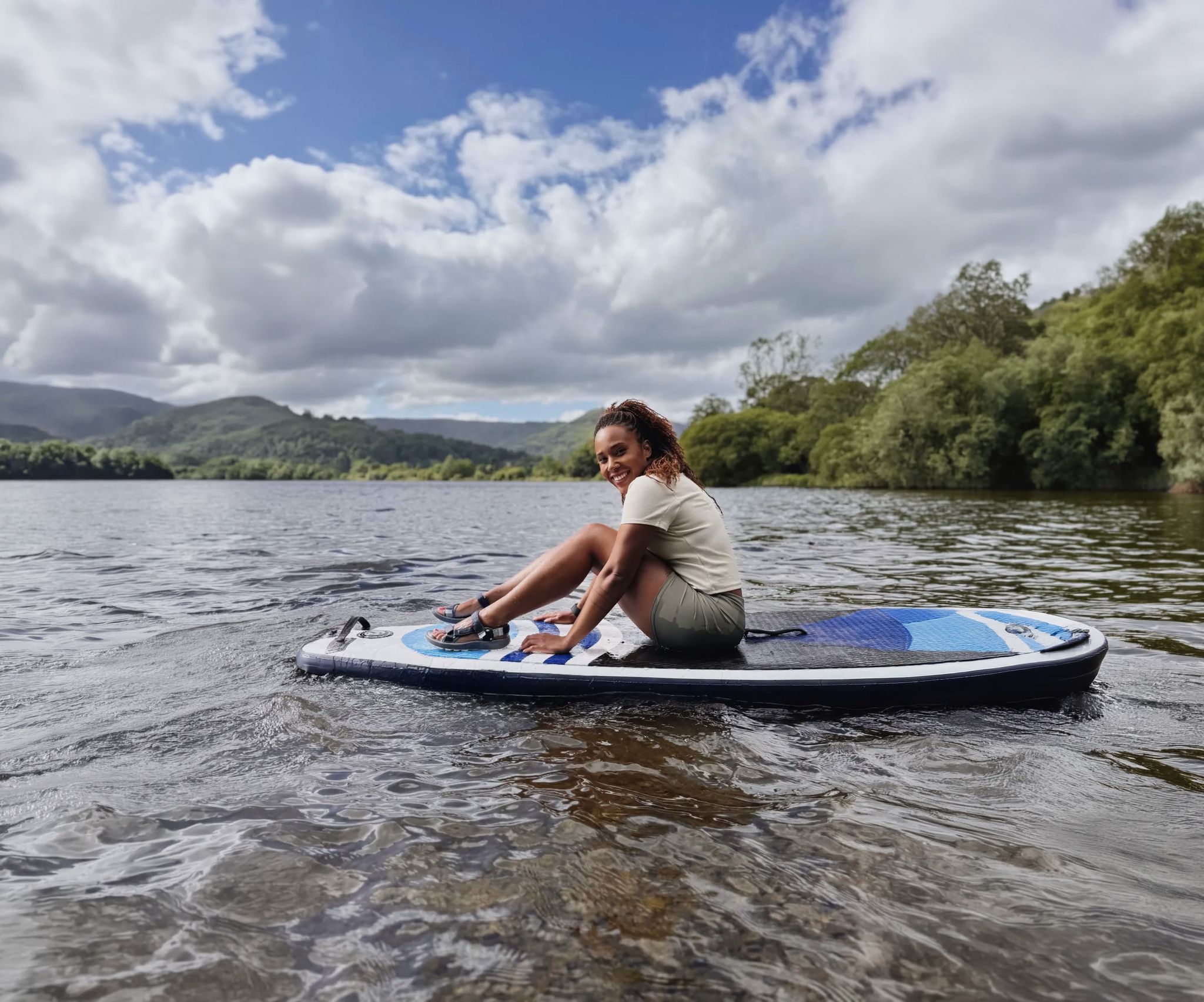
Scenic hikes to stand-up paddleboarding locations in the UK
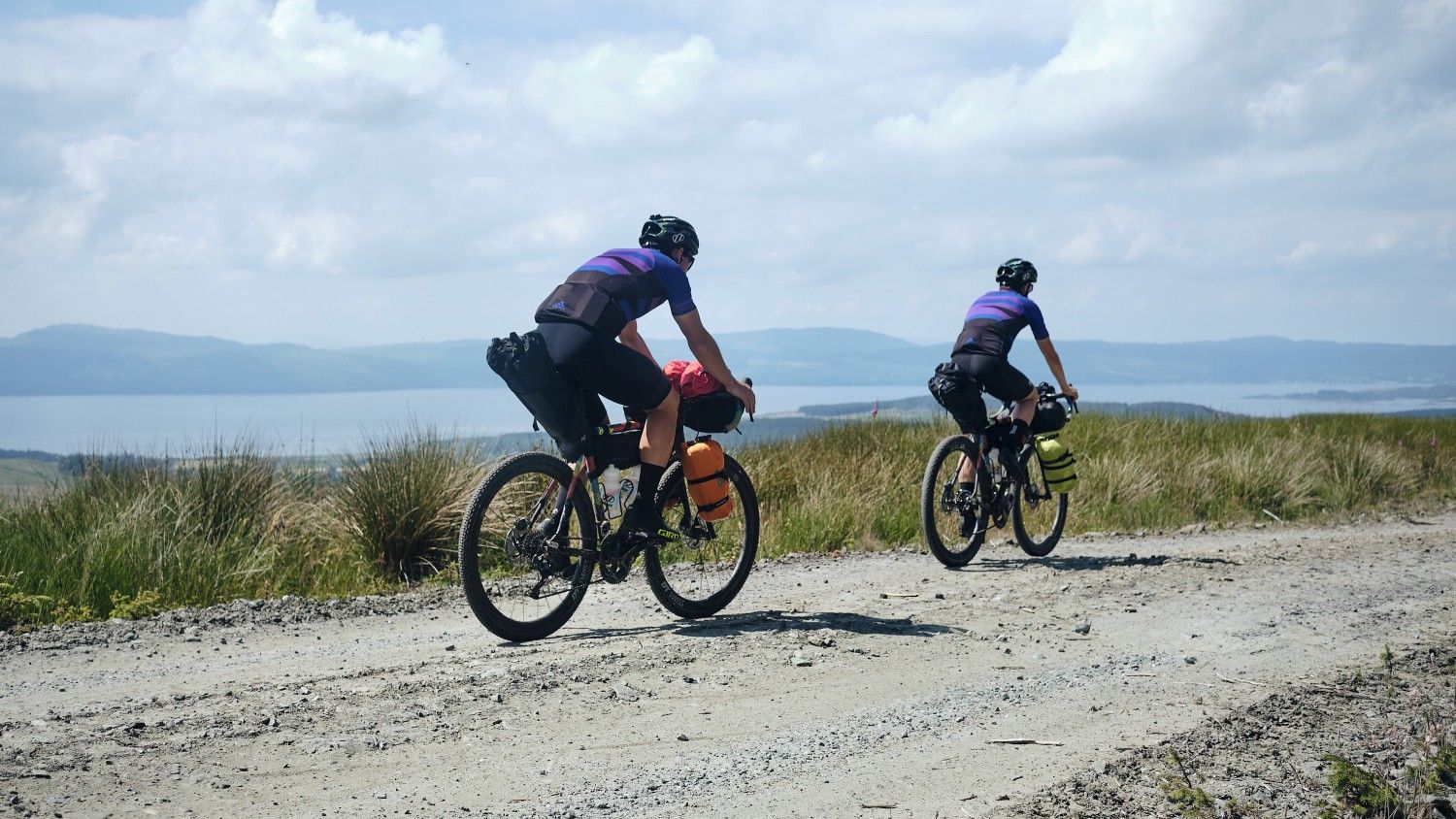
Wild About Argyll Trail — Bikepacking Scotland's lochs and coastline
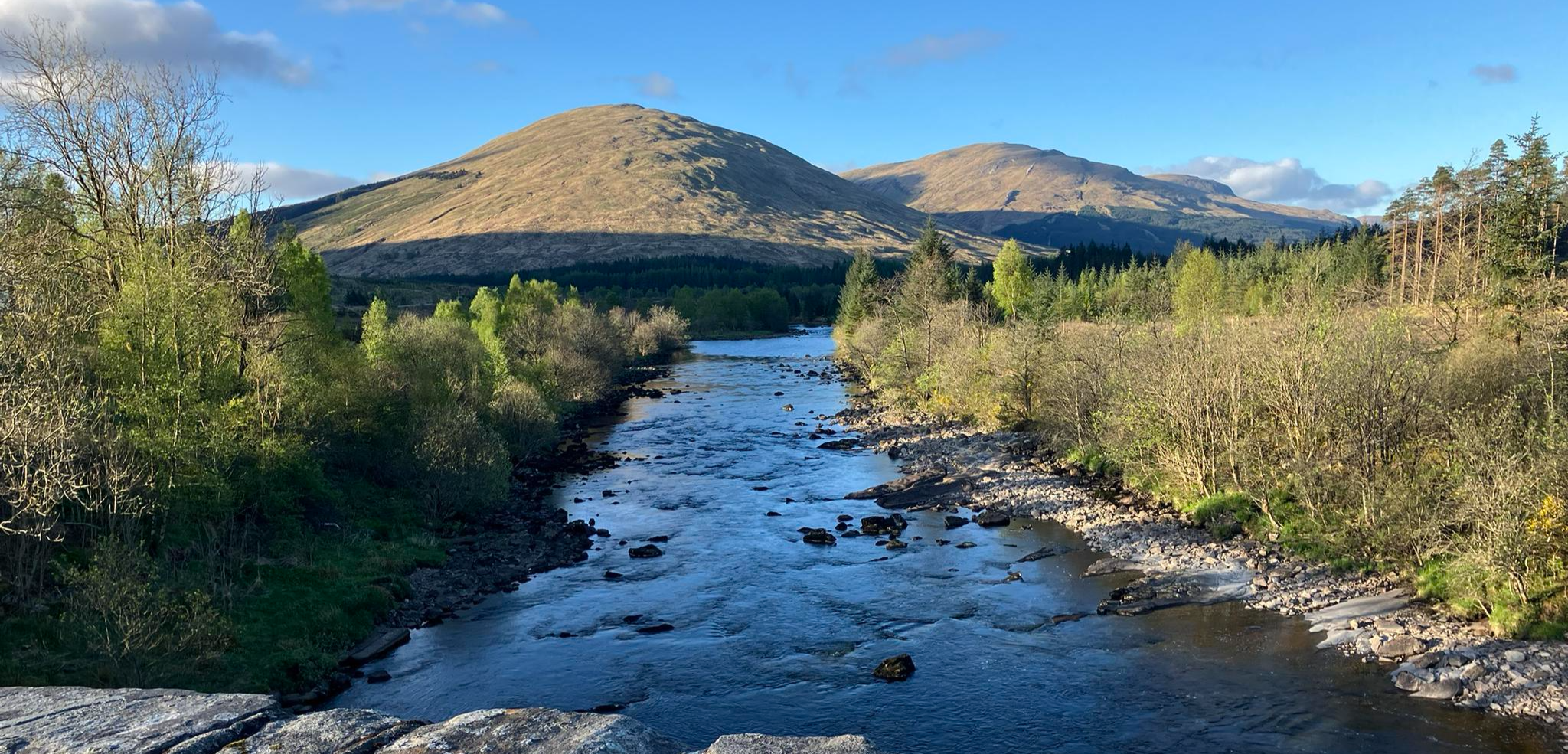
Running the West Highland Way – Scotland's Great Trails
The John Muir Way — A conservationist's Scottish coast to coast
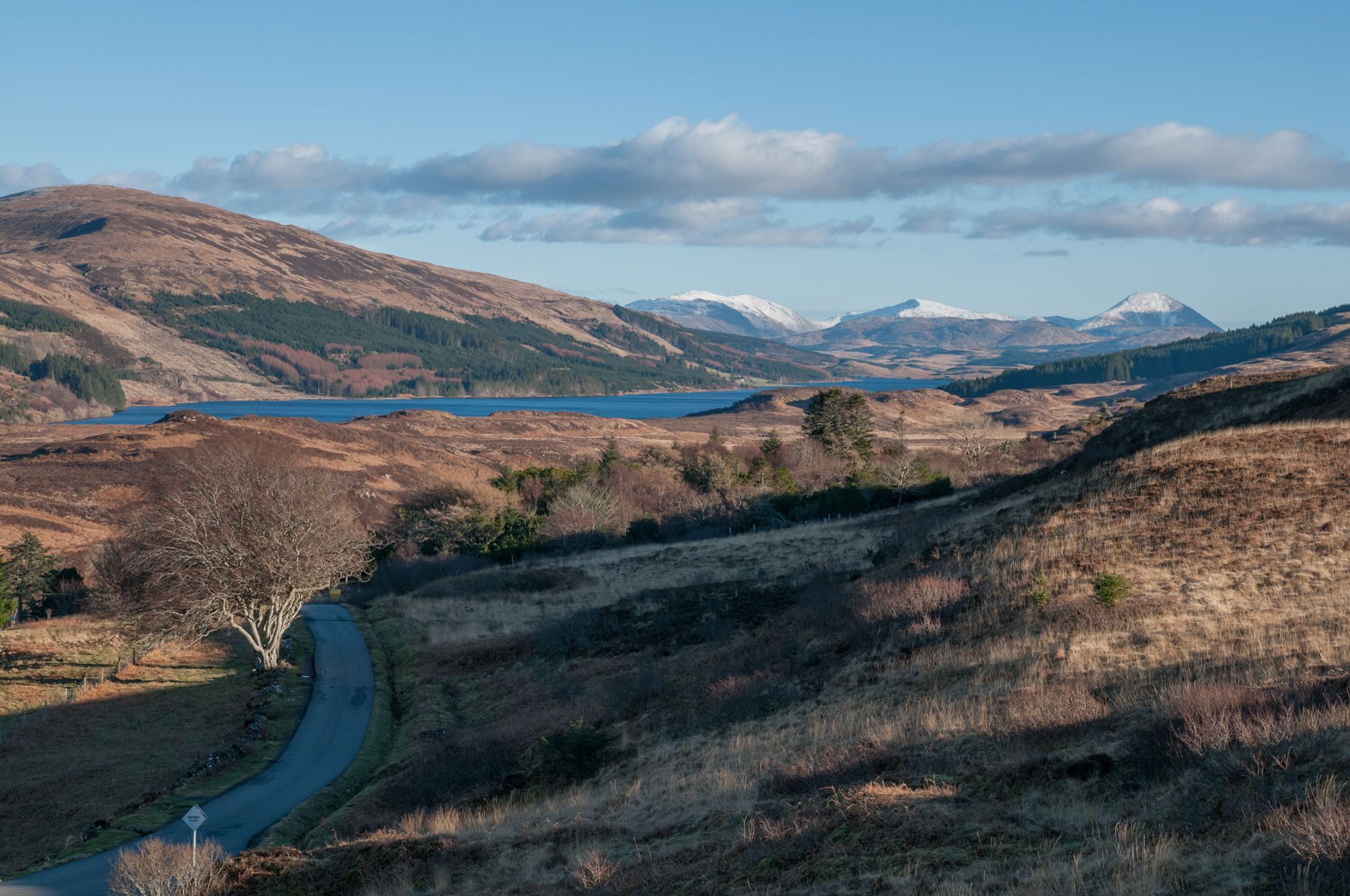
West Island Trail – Island hopping by bike in the Inner Hebrides
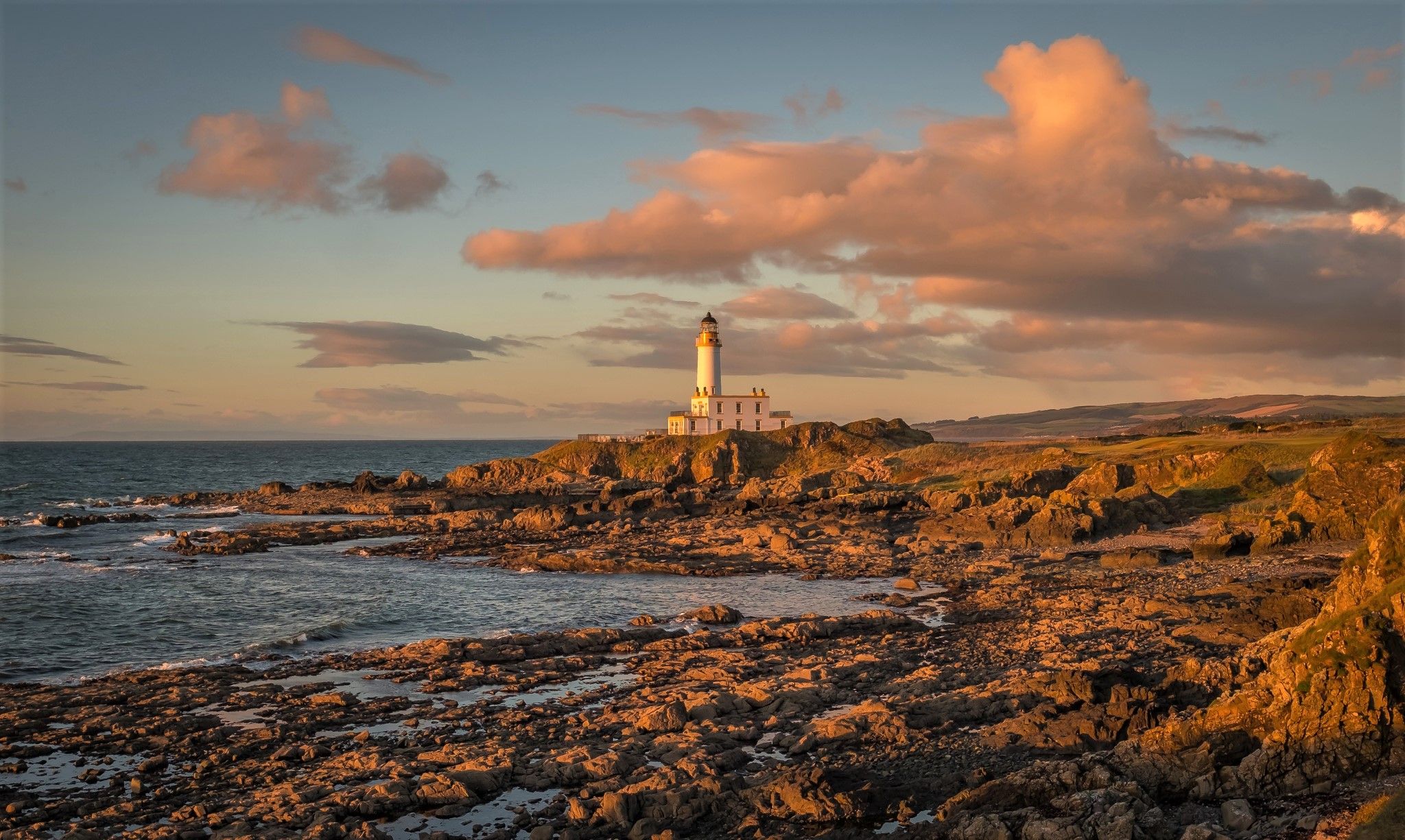
Ayrshire Coastal Path — A sublime panoramic coastline hike
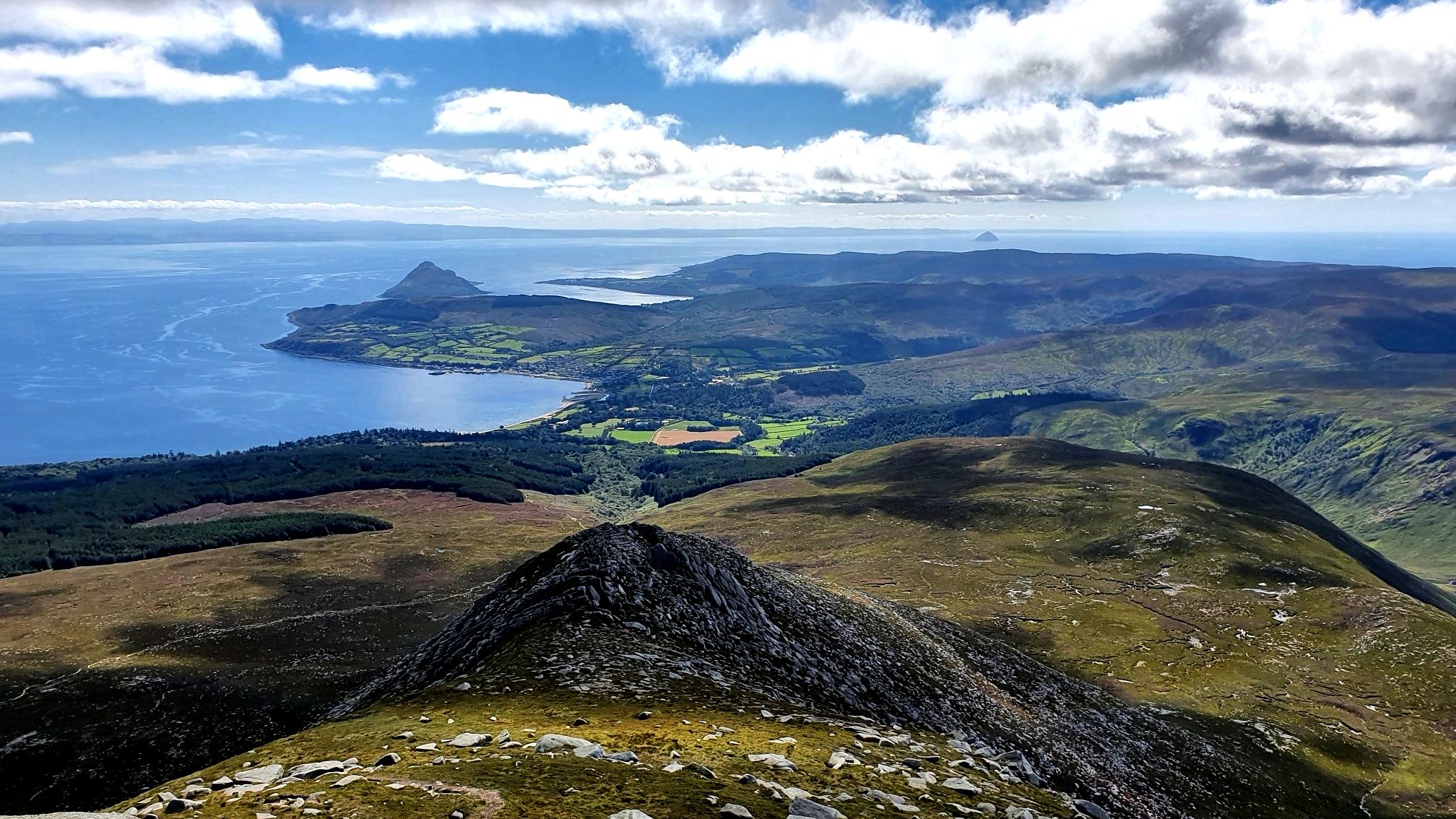
Arran Coastal Way — A breathtaking loop of 'Scotland in miniature'
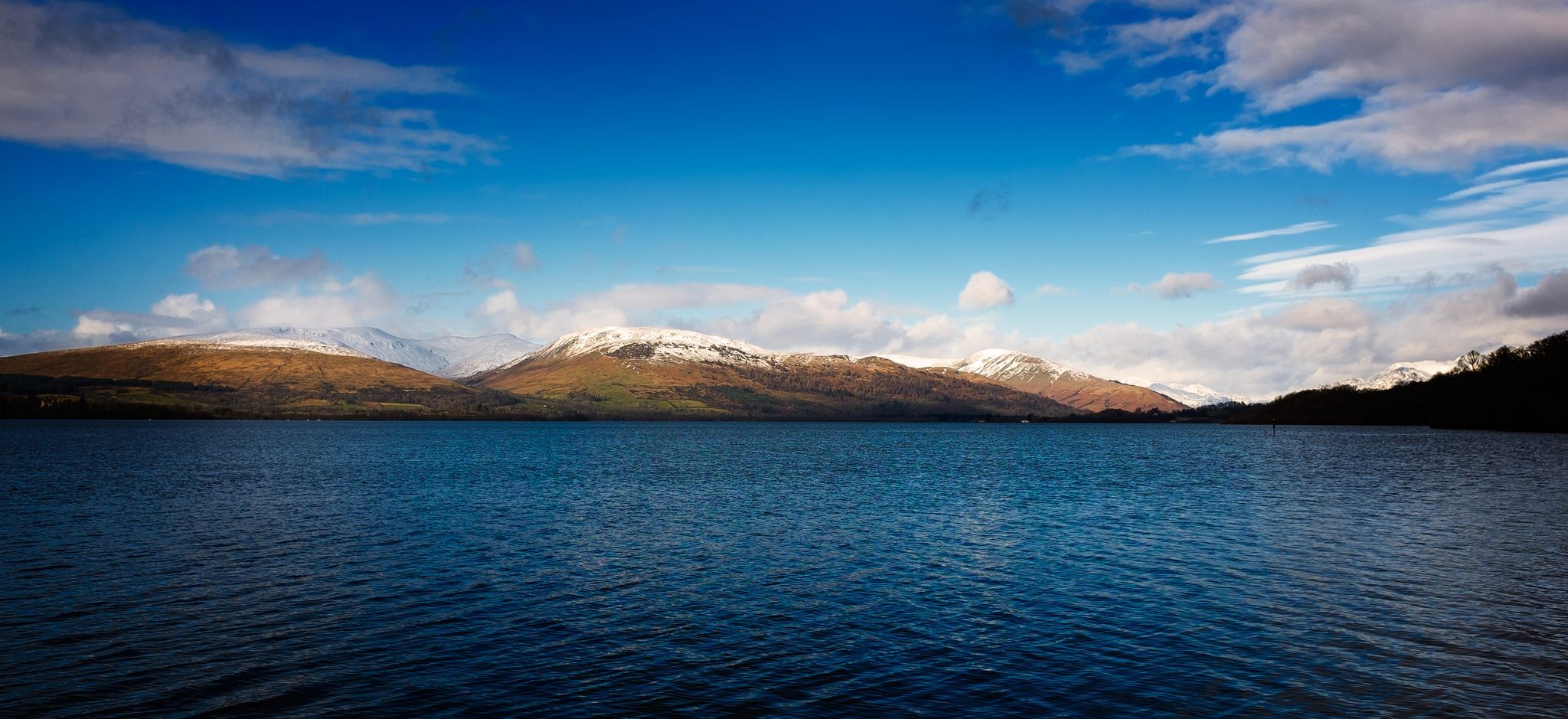
Three Lochs Way — A breathtaking hike from lowlands to Highlands
The Faultline Trail — Scotland tip to tip
Cycling the John Muir Way — Across Scotland by canal and coastline
Other adventures In West Scotland


Tips from the Community

The Cort-ma-Law Summit is located in the Campsie Fells north of Glasgow. The ascent leads through open, partly boggy moorland and rewards with a wide panoramic view over the rolling hills and valleys of the surrounding area. In clear weather, the view extends far beyond the Central Lowlands and up to the distinctive mountains of the Highlands.
0
0


Challenging ridge, avoid it in harsh weather conditions and ensure to wear quality footwear. Weather may be very different above 700 m to the one in the lowlands. First aid kit can be found at Caisteal Abhail summit (tucked under a rock but easily visible). In decent weather the views are breath-taking in all directions.
0
0
An exceptional viewpoint, with some of the finest views on Arran.
0
0
Beinn Tarsuinn is one of the four Arran Corbetts, and as with all of them the views are superb!
0
0

Travelled here January this year when it just snowed the night before. Ascended from the north after The Cobbler, and the snow was pretty deep (over ankle), making the journey strenuous. The way down was blazing beautiful under the sunset, but it was quite dangerous as the passage was steep, narrow and slippery with all the snow. Ice axe stopped a couple of slips that could end up very unfavourably for me : ) But overall it's an unforgettable day
0
0
Frequently Asked Questions
What are some of the most notable natural monuments in West Scotland?
West Scotland is home to a diverse range of natural monuments. Beyond those mentioned in the introduction, you can explore the dramatic landscape of The Three Sisters of Glencoe and Buachaille Etive Mòr, both iconic symbols of the Scottish Highlands. On the Isle of Staffa, discover the unique hexagonal basalt columns of Fingal's Cave. The Isle of Skye offers the otherworldly formations of The Quiraing and the striking pinnacle of The Old Man of Storr. For a different experience, visit the pristine white sands of Luskentyre Sands on the Isle of Harris, or the enchanting woodland gorge of Puck's Glen on the Cowal Peninsula.
Are there challenging hiking opportunities among West Scotland's natural monuments?
Yes, West Scotland offers numerous challenging hikes. The Cobbler (Ben Arthur) is renowned for its technical climbing challenges and a unique scrambling experience to its central summit. Other demanding ascents include Beinn Narnain, which features occasional scrambles along its rocky southeast ridge, and Ben Vane Summit, one of the smallest but most rewarding Munros with fantastic views. These routes often provide superb views of the surrounding peaks and glens.
What kind of geological features can I expect to see?
West Scotland's natural monuments showcase millions of years of geological activity. You'll find ancient sedimentary and volcanic rock formations in places like Glencoe, home to the majestic Three Sisters and Buachaille Etive Mòr. Fingal's Cave on the Isle of Staffa is famous for its hexagonal basalt columns, a result of ancient lava flows. The Isle of Skye features dramatic landslips and unique rock formations at The Quiraing, and the impressive volcanic plug of The Old Man of Storr.
Are there any natural monuments with historical significance?
Yes, King's Cave is a notable historical site. Legend has it that Robert the Bruce sheltered here before the Battle of Bannockburn, drawing inspiration from a spider's perseverance. This series of caves along the coast offers a glimpse into both natural and historical narratives.
What are some family-friendly natural monuments in West Scotland?
While many natural monuments involve challenging terrain, some offer more accessible experiences. Loch Lomond & The Trossachs National Park provides opportunities for peaceful lochside picnics and gentle walks amidst stunning scenery. The enchanting woodland gorge of Puck's Glen also offers a delightful walking experience suitable for families. For those seeking a summit with family, Ben Donich Summit is listed as family-friendly, though it still presents a challenging climb.
What outdoor activities can I do near these natural monuments?
Beyond exploring the monuments themselves, West Scotland offers a wealth of outdoor activities. You can find numerous running trails, such as the 'Loch Thom & Dunrod Hill Moors loop' or the 'Goatfell & Glen Rosa loop'. Cycling enthusiasts can enjoy routes like the 'Great Cumbrae island loop' or the 'Three Lochs Way and West Loch Lomond Loop'. There are also dedicated waterfall hikes, including the 'Glenashdale Waterfall loop'. For more details on these activities, explore the Running Trails In West Scotland, Cycling In West Scotland, and Waterfall hikes In West Scotland guides.
What is the best time to visit West Scotland's natural monuments?
The best time to visit West Scotland's natural monuments generally depends on your preferred activities and tolerance for weather. Summer (June to August) offers the warmest temperatures and longest daylight hours, ideal for hiking and exploring. However, it's also the busiest season. Spring (April to May) and Autumn (September to October) can provide stunning scenery with fewer crowds, though weather can be more unpredictable. Winter offers dramatic, snow-capped landscapes, but many routes become more challenging and require specialist equipment and experience.
Are there any natural monuments that offer exceptional viewpoints?
Many natural monuments in West Scotland are also fantastic viewpoints. Goatfell Summit on the Isle of Arran offers expansive views across the island and towards the mainland. From Ben Vane Summit, you can enjoy stunning vistas stretching to Ben Lui and even Ben Nevis on a clear day. Other notable viewpoints include Beinn Narnain, Beinn Ìme, and Caisteal Abhail, all offering unique perspectives of the rugged Scottish landscape.
What should I wear when visiting West Scotland's natural monuments?
Given West Scotland's often unpredictable weather, it's crucial to dress in layers. Waterproof and windproof outer layers are essential, even in summer. Sturdy, waterproof hiking boots with good ankle support are highly recommended for most trails. Depending on the season and specific activity, consider bringing a hat, gloves, and extra warm layers. Always check the local weather forecast before heading out.
Are there opportunities to see wildlife near these natural monuments?
West Scotland's diverse landscapes provide habitats for a variety of wildlife. In areas like Loch Lomond & The Trossachs National Park, you might spot red deer, ospreys, and various bird species. Coastal areas, such as near King's Cave or Luskentyre Sands, can offer opportunities to see marine birds and potentially seals. Mountainous regions like Glencoe are home to golden eagles and red deer. Always observe wildlife from a respectful distance and avoid disturbing their natural environment.
What are the parking options for visiting natural monuments in West Scotland?
Parking availability varies by location. Popular sites like Glencoe and Loch Lomond & The Trossachs National Park often have designated parking areas, though these can fill up quickly during peak season. For mountain ascents like Beinn Narnain, car parks are usually available, but some may charge a fee, such as the one for the Cobbler path. It's advisable to research specific parking arrangements for each natural monument you plan to visit in advance.
Can I access these natural monuments using public transport?
Access to West Scotland's natural monuments by public transport can be challenging for some remote locations but is possible for others. Major hubs like Glencoe are served by bus routes. Loch Lomond & The Trossachs National Park has various access points via train and bus. However, reaching more isolated spots like Fingal's Cave (requiring a boat trip to the Isle of Staffa) or certain trailheads for mountain climbs may require a combination of public transport and local taxis or a car. Planning your journey in advance is recommended.
Most popular routes In West Scotland
Most popular attractions In West Scotland

Get inspired with the komoot mobile app


Didn’t find what you were looking for?
Find even more amazing natural monuments In West Scotland by checking out the top Highlights region by region:
Explore more
Extend your search for the best caves by checking out these guides of the top ones In West Scotland:
