Top 19 Natural Monuments around Spijkenisse
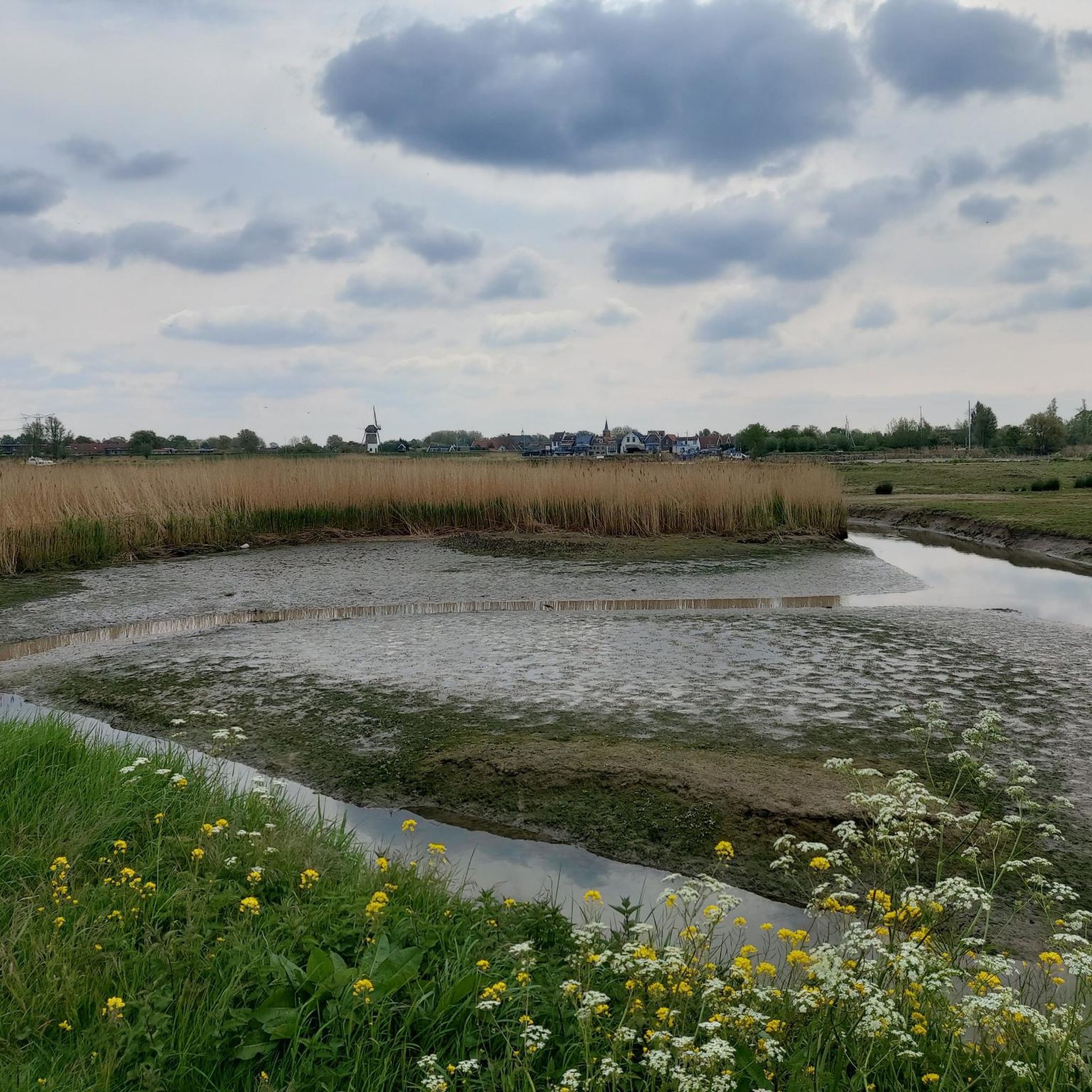
Best natural monuments around Spijkenisse offer diverse natural areas for recreation and experiencing local biodiversity. Spijkenisse, located in the province of South Holland, features a landscape influenced by rivers like the Oude Maas, creating unique ecosystems. The region provides opportunities to explore various natural features, from tidal willow forests to expansive polders. These areas are ideal for nature observation and outdoor activities.
Best natural monuments around Spijkenisse
- The most popular natural monument is Wildflower fields in the Oude Polder, Haringvliet, an other natural area featuring arable lands full of poppy, cornflower, and yellow goose flowers. Foresters actively work to restore the agricultural image of the past by encouraging these field flowers.
- Another must-see spot is The Park van Zocher, a green park in the center of Rotterdam. This park offers an oasis of peace and greenery, popular for walkers and those seeking relaxation in a natural environment.
- Visitors also love Juliana Park, a natural monument protected as a monument in Schiedam. Its design from 1914 features curved paths, formal avenues, and a central artificial hill offering views of the park.
- Spijkenisse is known for its diverse natural monuments, including unique tidal willow forests, historic parks, and wildflower fields. The area offers a variety of natural monuments to see and explore, from managed green spaces to restored natural habitats.
- The natural monuments around Spijkenisse are appreciated by the komoot community, with 14 upvotes and 13 photos shared by visitors.
Last updated: June 23, 2026
De Boeg (The Bow) War Memorial
Highlight • Monument
Translated by Google •
Tip by

Juliana Park
Highlight • Natural Monument
Main entrance Burg. Knappertlaan
The Julianapark is the only park in Schiedam that is protected as a monument. Nowadays, its design is still very similar to the design that the municipal landscape architect J.K. Dominicus drew in 1914. The park was the first part that was constructed during the development of the new West district. The pond was an important part of the water management in the former polder area, which was reclaimed from 1907 onwards.
Dominicus designed a park with curved paths in a landscaped design, combined with several formal avenues and sight lines, such as the access path from Burgemeester Knappertlaan. An artificial hill or belvedere was constructed in the centre of the park, from where there is a beautiful view of the park. The crowning dome is surrounded by a brick pergola. The colonnade with lime trees is also characteristic. There are more beautiful trees in the park, such as a beech and hornbeam, and the liberation tree planted in 1947.
There are several monuments in the park, such as the Emmabank from 1935 and a liberation monument from 1949 by Pieter van Starreveld. Many older Schiedammers still remember the magical lighting of the Julianapark during the 'Holiday Festivities' in the fifties. This lighting was not easy, for example the eight kilometres of electricity cables had to be buried in lawns, flower beds and paths. The manager was therefore not initially enthusiastic. With Winterlicht in December the beautiful effect can be relived.
NB. Fortunately this lighting was not always on. The adult male youth had secret meetings in the park at night with the young student nurses who stayed in the convent next to the park.
Translated by Google •
Tip by

Sign up now to discover places like this
Get recommendations on the best single tracks, peaks, & plenty of other exciting outdoor places.
Sign up for free
The Park van Zocher
Highlight • Forest
Translated by Google •
Tip by

Historic Garden Schoonoord
Highlight • Natural Monument
Translated by Google •
Tip by
Fort Penserdijk
Highlight • Historical Site
Translated by Google •
Tip by

Sign up for free to discover even more natural monuments around Spijkenisse.
Sign up for free
Already have an account?
Start today with a free account
Your next adventure awaits.
Login or Signup
Tips from the Community

This is a somewhat older park and it is especially nice to stay there when it is very hot.
3
0

Fort Penserdijk was built in 1885 as part of the "Monden van de Maas en Haringvliet" (Mouths of the Maas and Haringvliet) defence line. It consists of an elongated rampart with steep slopes and is surrounded by a wide moat. During Open Monument Day, the fort on Peltserdijk in Tinte can be visited. During World War II, the Germans took Fort Penserdijk and the identical Fort Noorddijk near Hellevoetsluis into use as shelter and storage. The Germans put the Dutch plan of inundation (deliberately flooding an area) into practice. Allied aircraft and paratroopers could never land in this way. The polders east and west of the Canal through Voorne were filled with seawater. The salt was disastrous for agriculture for years after the war.
0
0

The park, also called Park van Zocher, was created between 1853 and 1900. It covers 28.4 hectares and has been a national monument since 2010.
3
0

Julianapark Main entrance Burg. Knappertlaan The Julianapark is the only park in Schiedam that is protected as a monument. Nowadays, its design is still very similar to the design that the municipal landscape architect J.K. Dominicus drew in 1914. The park was the first part that was constructed during the development of the new West district. The pond was an important part of the water management in the former polder area, which was reclaimed from 1907 onwards. Dominicus designed a park with curved paths in a landscaped design, combined with several formal avenues and sight lines, such as the access path from Burgemeester Knappertlaan. An artificial hill or belvedere was constructed in the centre of the park, from where there is a beautiful view of the park. The crowning dome is surrounded by a brick pergola. The colonnade with lime trees is also characteristic. There are more beautiful trees in the park, such as a beech and hornbeam, and the liberation tree planted in 1947. There are several monuments in the park, such as the Emmabank from 1935 and a liberation monument from 1949 by Pieter van Starreveld. Many older Schiedammers still remember the magical lighting of the Julianapark during the 'Holiday Festivities' in the fifties. This lighting was not easy, for example the eight kilometres of electricity cables had to be buried in lawns, flower beds and paths. The manager was therefore not initially enthusiastic. With Winterlicht in December the beautiful effect can be relived. NB. Fortunately this lighting was not always on. The adult male youth had secret meetings in the park at night with the young student nurses who stayed in the convent next to the park.
2
0

The Bow is a war memorial in Rotterdam. It commemorates the 3,500 crew members of Dutch merchant ships who lost their lives in World War II. The monument by Fred Carasso was unveiled by Princess Margriet on 10 April 1957 on the corner of Boompjes and Leuvehaven.
5
0
For more information: https://tuinschoonoord.nl
3
0

The small park is also very beautiful
4
0

Walked past with the Urban Walk Rotterdam, highly recommended😃👌
3
3
Frequently Asked Questions
What unique natural features can I explore around Spijkenisse?
Spijkenisse offers a diverse range of natural features. A standout is the Rhoonse Grienden, one of the last remaining freshwater tidal willow forests in the Netherlands, known for its unique ecosystem and ancient pollard willows. You can also find expansive polders, such as those along the Maaswijk Polder Trail, and natural banks with fish spawning areas in the Mallebos Forest.
Are there family-friendly natural monuments in the area?
Yes, several natural monuments are suitable for families.
- Juliana Park in Schiedam offers curved paths and an artificial hill with views, making it pleasant for walks.
- The Park van Zocher in Rotterdam is a green oasis popular for relaxation.
- The Wildflower fields in the Oude Polder, Haringvliet, are also family-friendly, offering colorful displays of poppy and cornflower.
What kind of wildlife can I expect to see in Spijkenisse's natural areas?
The natural areas around Spijkenisse are rich in wildlife. The Rhoonse Grienden is a significant habitat for numerous bird species, including owls, kingfishers, and nightingales, and is also home to beavers. In the Mallebos Forest, you might spot a heron colony and kingfishers along the Lange Vliet. The Oude Maas River Path is excellent for observing waterfowl and otters.
Are there historical natural monuments or sites nearby?
Yes, the region combines natural beauty with historical significance. Juliana Park in Schiedam is protected as a monument, retaining its 1914 design. Historic Garden Schoonoord in Rotterdam is a protected national monument with a rich collection of flora and historical elements. Additionally, Fort Penserdijk, a former military defense, is now a National Monument and a resting place for bats.
What outdoor activities are available near these natural monuments?
The natural monuments around Spijkenisse are ideal for various outdoor activities. You can enjoy extensive walking and cycling paths in areas like De Uitwaayer Park, the Maaswijk Polder Trail, and along the Oude Maas River. For more structured routes, consider exploring the many hiking trails or cycling routes available in the region.
Where can I find good viewpoints of the natural landscapes?
Several locations offer excellent views. The artificial hill in Juliana Park provides a beautiful panorama of the park. The Maaswijk Polder Trail offers breathtaking views of expansive fields and meandering rivers, perfect for photography. The Wildflower fields in the Oude Polder, Haringvliet, also provide scenic vistas, especially when the flowers are in bloom.
What is the best time of year to visit the natural monuments around Spijkenisse?
Spring and summer are generally excellent times to visit, as the weather is pleasant for outdoor activities and the flora is at its most vibrant. The Rhoonse Grienden is particularly beautiful when its unique ecosystem is in full bloom, and the Wildflower fields are best seen during late spring and early summer when the poppies and cornflowers are out.
Are there easy trails for beginners or casual walks?
Yes, many natural areas offer easy and tranquil paths. The Rhoonse Grienden features narrow, winding paths and wooden bridges, ideal for a peaceful stroll. De Uitwaayer Park provides extensive walking paths, and the Oude Maas River Path is generally flat and serene, suitable for casual walks. You can find various easy hiking routes around Spijkenisse.
What do visitors particularly enjoy about the natural monuments here?
Visitors appreciate the tranquility and unique natural beauty. For instance, Historic Garden Schoonoord is praised for being a nice place to walk in peace. The Wildflower fields are loved for their many colorful flowers. Generally, the diverse natural areas offer a peaceful escape and opportunities to connect with nature.
Are there specific places for birdwatching?
Absolutely. The Rhoonse Grienden is a prime location for birdwatching, home to species like kingfishers, common redstarts, and nightingales. The Mallebos Forest is notable for its heron colony and nesting wall for kingfishers along the Lange Vliet, making it another excellent spot for bird enthusiasts.
Where can I find extensive walking and cycling paths?
De Uitwaayer Park, located between Maaswijk and the Spui, offers extensive walking and cycling paths. The Maaswijk Polder Trail and the Oude Maas River Path also provide long, scenic routes for both walking and cycling, allowing you to explore the diverse landscapes of the region.
Are there any natural monuments that are also protected sites?
Yes, several natural monuments in the area hold protected status. Juliana Park in Schiedam is protected as a monument, and Historic Garden Schoonoord is designated as a protected national monument. Fort Penserdijk is also recognized as a National Monument.
Most popular attractions around Spijkenisse

Get inspired with the komoot mobile app


Explore more
Extend your search for the best caves by checking out these guides of the top ones around Spijkenisse:
