Top 13 Natural Monuments around Bergschenhoek
Best natural monuments around Bergschenhoek showcase a landscape significantly shaped by human interaction with water. The region features a polder landscape, where historical water management has created unique natural and semi-natural areas. These sites offer insights into the area's development and provide opportunities for outdoor recreation. Visitors can explore a blend of managed green spaces and historical features that highlight the Dutch relationship with their environment.
Best natural monuments around Bergschenhoek
- The most popular natural monuments is Benthuizer Lake,…
Last updated: June 23, 2026
De Boeg (The Bow) War Memorial
Highlight • Monument
Translated by Google •
Tip by

Benthuizer Lake
Highlight • Lake
Translated by Google •
Tip by

Sign up now to discover places like this
Get recommendations on the best single tracks, peaks, & plenty of other exciting outdoor places.
Sign up for free
National Children's Tree Forest
Highlight • Forest
Translated by Google •
Tip by
Origin of the Rotte
Highlight • River
Translated by Google •
Tip by

Juliana Park
Highlight • Natural Monument
Main entrance Burg. Knappertlaan
The Julianapark is the only park in Schiedam that is protected as a monument. Nowadays, its design is still very similar to the design that …
Translated by Google •
Tip by

Sign up for free to discover even more natural monuments around Bergschenhoek.
Sign up for free
Already have an account?
Start today with a free account
Your next adventure awaits.
Login or Signup
Tips from the Community

I was there early yesterday evening. The weather was beautiful and NO ONE was there. It's a shame because this is such a lovely place.
0
0

Julianapark Main entrance Burg. Knappertlaan The Julianapark is the only park in Schiedam that is protected as a monument. Nowadays, its design is still very similar to the design that the municipal landscape architect J.K. Dominicus drew in 1914. The park was the first part that was constructed during the development of the new West district. The pond was an important part of the water management in the former polder area, which was reclaimed from 1907 onwards. Dominicus designed a park with curved paths in a landscaped design, combined with several formal avenues and sight lines, such as the access path from Burgemeester Knappertlaan. An artificial hill or belvedere was constructed in the centre of the park, from where there is a beautiful view of the park. The crowning dome is surrounded by a brick pergola. The colonnade with lime trees is also characteristic. There are more beautiful trees in the park, such as a beech and hornbeam, and the liberation tree planted in 1947. There are several monuments in the park, such as the Emmabank from 1935 and a liberation monument from 1949 by Pieter van Starreveld. Many older Schiedammers still remember the magical lighting of the Julianapark during the 'Holiday Festivities' in the fifties. This lighting was not easy, for example the eight kilometres of electricity cables had to be buried in lawns, flower beds and paths. The manager was therefore not initially enthusiastic. With Winterlicht in December the beautiful effect can be relived. NB. Fortunately this lighting was not always on. The adult male youth had secret meetings in the park at night with the young student nurses who stayed in the convent next to the park.
2
0

The Bow is a war memorial in Rotterdam. It commemorates the 3,500 crew members of Dutch merchant ships who lost their lives in World War II. The monument by Fred Carasso was unveiled by Princess Margriet on 10 April 1957 on the corner of Boompjes and Leuvehaven.
5
0

Walked past with the Urban Walk Rotterdam, highly recommended😃👌
3
3

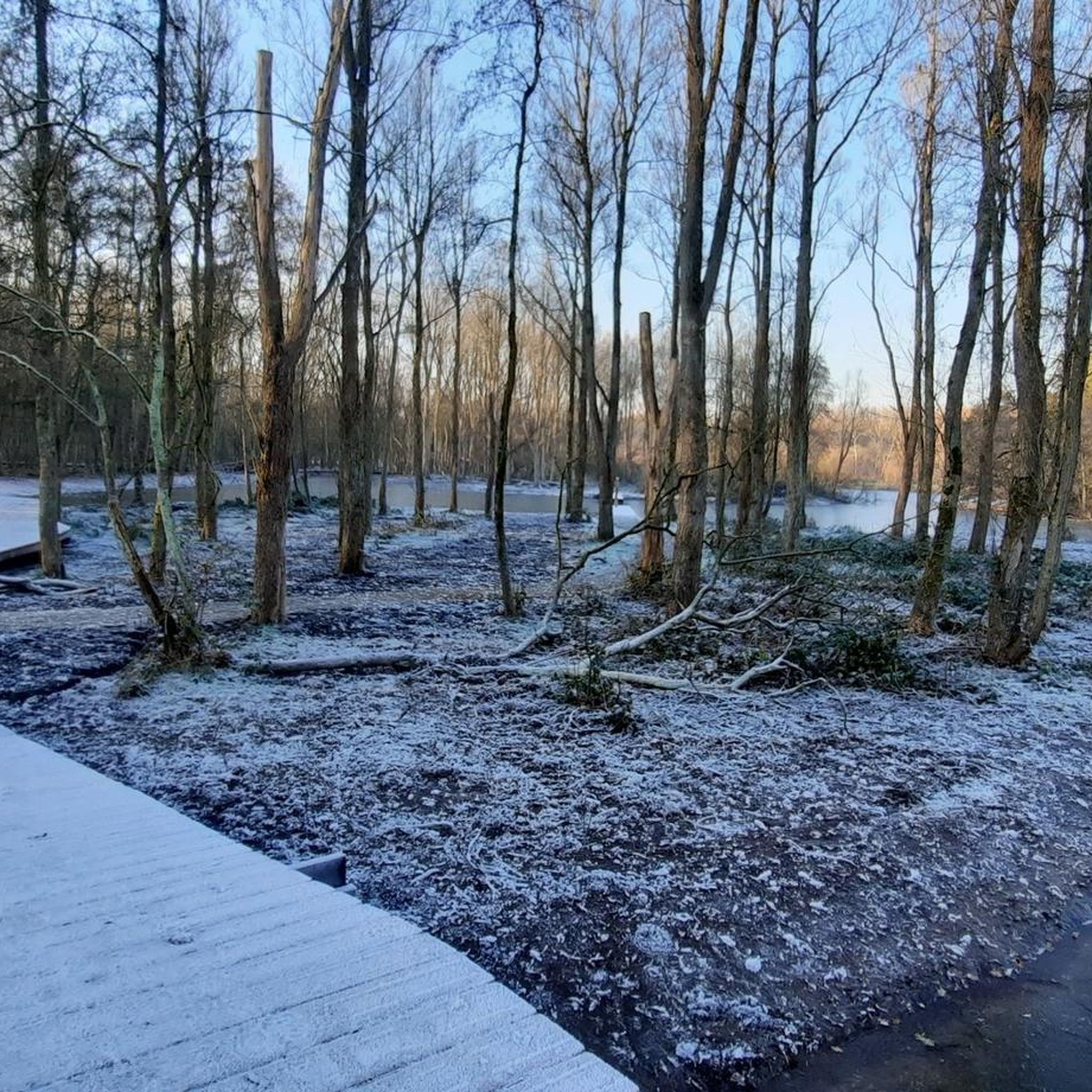
Children's Tree Forest The National Children's Tree Forest is located in the Bentwoud. In this forest, family members plant trees in memory of their newborn or deceased children. The forest consists of 5 tree rooms with Italian poplars and hornbeams and a central tree circle with 12 white poplars. The Children's Tree Forest is an initiative of the National Tree Planting Day Foundation and Staatsbosbeheer made 20 hectares available for its construction. For more information: Kinderbomenbos.nl Source and more information: www.staatsbosbeheer.nk
4
0
Children's Tree Forest The National Children's Tree Forest is located in the Bentwoud. In this forest, family members plant trees in memory of their newborn or deceased children. The forest consists of 5 tree rooms with Italian poplars and hornbeams and a central tree circle with 12 white poplars. The Children's Tree Forest is an initiative of the National Tree Planting Day Foundation and Staatsbosbeheer made 20 hectares available for the construction. For more information: Kinderbomenbos.nl Source: www.staatsbosbeheer.nl
2
0

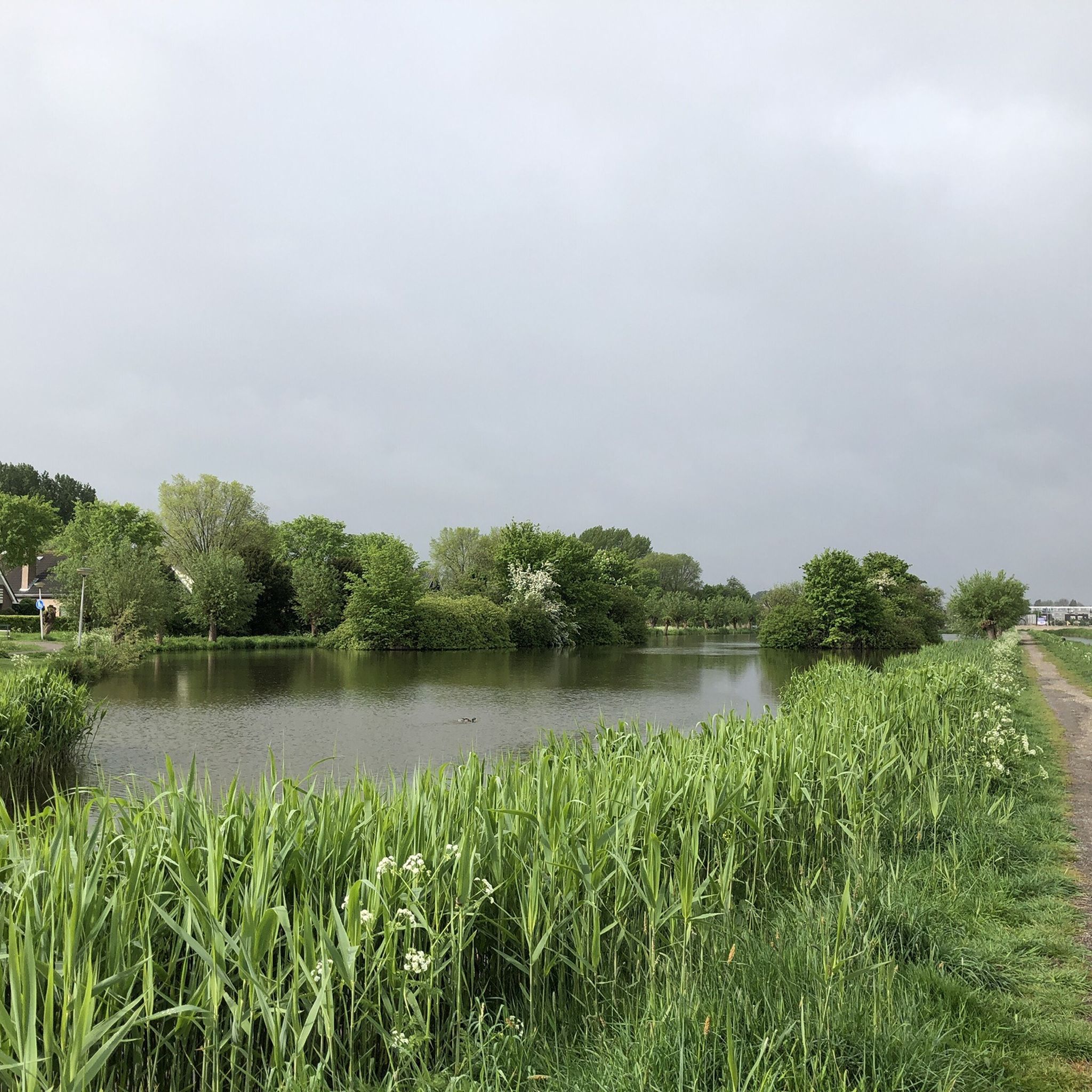
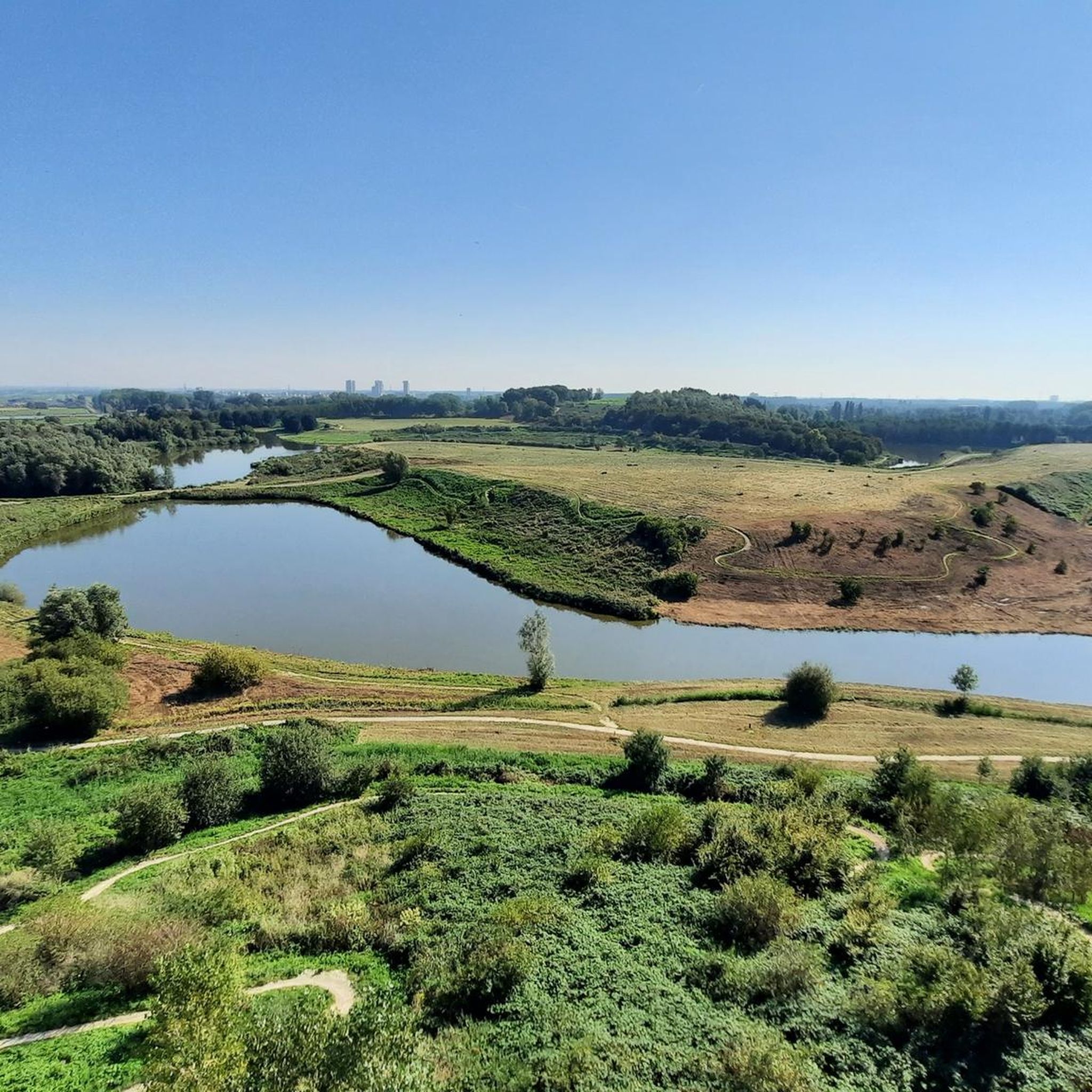
The Benthuizerplas, like the other two lakes, has an important function as a water storage facility, but is also a nature development lake between Benthuizen and Zoetermeer. The lake is a special area when it comes to nature. The water is completely closed off from the other lakes and has its own natural water level management system. This means that rain and evaporation largely determine the height of the water level.
12
0
Nice little lake, not for boats and not for swimming, skating is possible at minus 10
17
0
Frequently Asked Questions
What types of natural monuments can I expect to find around Bergschenhoek?
Around Bergschenhoek, you'll discover natural monuments that highlight the region's unique polder landscape and its historical interaction with water management. These include lakes, river origins, and managed green spaces that offer both ecological value and recreational opportunities. The area showcases how human ingenuity has shaped the natural environment over centuries.
Are there any significant historical natural sites in Bergschenhoek?
Yes, the area features sites deeply intertwined with its natural history. The Origin of the Rotte marks the beginning of the river from which Rotterdam takes its name, a site that arose 4500 years ago from peat layers. Additionally, while not strictly natural, the historical context of the Polderhuis and Molenstomp G2 (mill stump) in the region illustrates the profound human intervention in managing the natural water systems that shaped the landscape.
What natural features are particularly unique to Bergschenhoek?
The most unique natural feature is the polder landscape itself, a testament to centuries of land reclamation and water control. Specific highlights include the Benthuizer Lake, which functions as a nature reserve and important water storage facility with its own natural water level management system, and the Origin of the Rotte, showcasing the ancient beginnings of a significant regional river.
Are there family-friendly natural monuments around Bergschenhoek?
Absolutely. Several natural monuments are ideal for families. The National Children's Tree Forest is a wonderful place where families plant trees in memory of children, creating a young forest that attracts various animals. The Juliana Park and the Baby Forest also offer pleasant, accessible environments for families to enjoy nature.
What kind of wildlife can be observed in the natural monuments?
The natural monuments around Bergschenhoek, particularly the managed green spaces, support various wildlife. For instance, the National Children's Tree Forest is home to animals like pheasants, falcons, geese, swans, and foxes. The Benthuizer Lake is especially popular with waterfowl and bird lovers, making it a great spot for birdwatching.
What outdoor activities can I do near these natural monuments?
The area around Bergschenhoek offers a variety of outdoor activities. You can explore numerous cycling routes, including easy loops like the 'Great! loop from Ackerse Zoom' or longer rides like the 'Windmill along the Rotte – Zevenhuizer Mill loop'. There are also running trails, such as the 'Running loop from Berkel en Rodenrijs', and road cycling options. For more details on routes, you can check the Cycling around Bergschenhoek, Running Trails around Bergschenhoek, and Road Cycling Routes around Bergschenhoek guides.
Are there walking or hiking trails near the natural monuments?
Yes, while specific hiking trails directly within every natural monument might vary, the broader region offers many opportunities for walking and running. The National Children's Tree Forest itself has trails, and the nearby running guides provide options for walks of varying distances and difficulties. For example, you can find easy to moderate running loops from Berkel en Rodenrijs. Consult the Running Trails around Bergschenhoek guide for detailed routes.
What do visitors enjoy most about the natural monuments around Bergschenhoek?
Visitors particularly appreciate the blend of natural beauty and historical significance. The Benthuizer Lake is loved for its peaceful nature and birdwatching opportunities. The Origin of the Rotte offers a unique historical perspective on the region's development. The family-oriented green spaces like the National Children's Tree Forest are cherished for their community initiatives and wildlife. The komoot community has shared over 24 photos and given more than 120 upvotes, reflecting a strong positive sentiment for these diverse sites.
Is there parking available near these natural monuments?
While specific parking details for each monument are not provided, most recreational areas and parks in the Netherlands, including those around Bergschenhoek, typically offer designated parking facilities. It is advisable to check local signage or specific venue websites for the most accurate parking information before your visit.
Can I reach these natural monuments by public transport?
Bergschenhoek is generally accessible by public transport, primarily buses connecting to larger cities like Rotterdam. However, reaching specific natural monuments might require a combination of bus travel and a short walk or bike ride. For detailed public transport options to individual sites, it's best to consult local transport planners.
What is the best time of year to visit the natural monuments in Bergschenhoek?
The natural monuments around Bergschenhoek can be enjoyed year-round, each season offering a different experience. Spring and summer are ideal for lush greenery, birdwatching, and outdoor activities like cycling and walking. Autumn brings beautiful foliage, while winter, especially if cold enough for ice, can offer unique views of the frozen polder landscape, though some paths might be less accessible.
Are there any viewpoints to appreciate the landscape?
Yes, the Origin of the Rotte offers a historical viewpoint of the river's beginnings. Additionally, the Juliana Park features an artificial hill or belvedere in its center, providing a beautiful view over the park's landscaped design. These spots allow visitors to appreciate the unique polder environment.
Most popular routes around Bergschenhoek
Most popular attractions around Bergschenhoek

Get inspired with the komoot mobile app


Explore more
Extend your search for the best caves by checking out these guides of the top ones around Bergschenhoek:
