Top 20 Natural Monuments around Helmond
Best natural monuments around Helmond offer diverse landscapes for outdoor recreation. The region surrounding Helmond features unique ecosystems, including wetlands, heathlands, and forests. These areas provide opportunities to observe varied flora and fauna, alongside geological features like drifting dunes. Visitors can explore a range of natural environments, from former peat extraction sites to extensive heathlands.
Best natural monuments around Helmond
- The most popular natural monuments is Stippelberg Nature Reserve, a forest that features hills formed by ancient sand drifts.…
Last updated: October 9, 2026
Stippelberg Nature Reserve
Highlight • Forest
Translated by Google •
Tip by

Roof of Brabant
Highlight • Climb
Translated by Google •
Tip by

Sign up now to discover places like this
Get recommendations on the best single tracks, peaks, & plenty of other exciting outdoor places.
Buntven, Deurne
Highlight • Lake
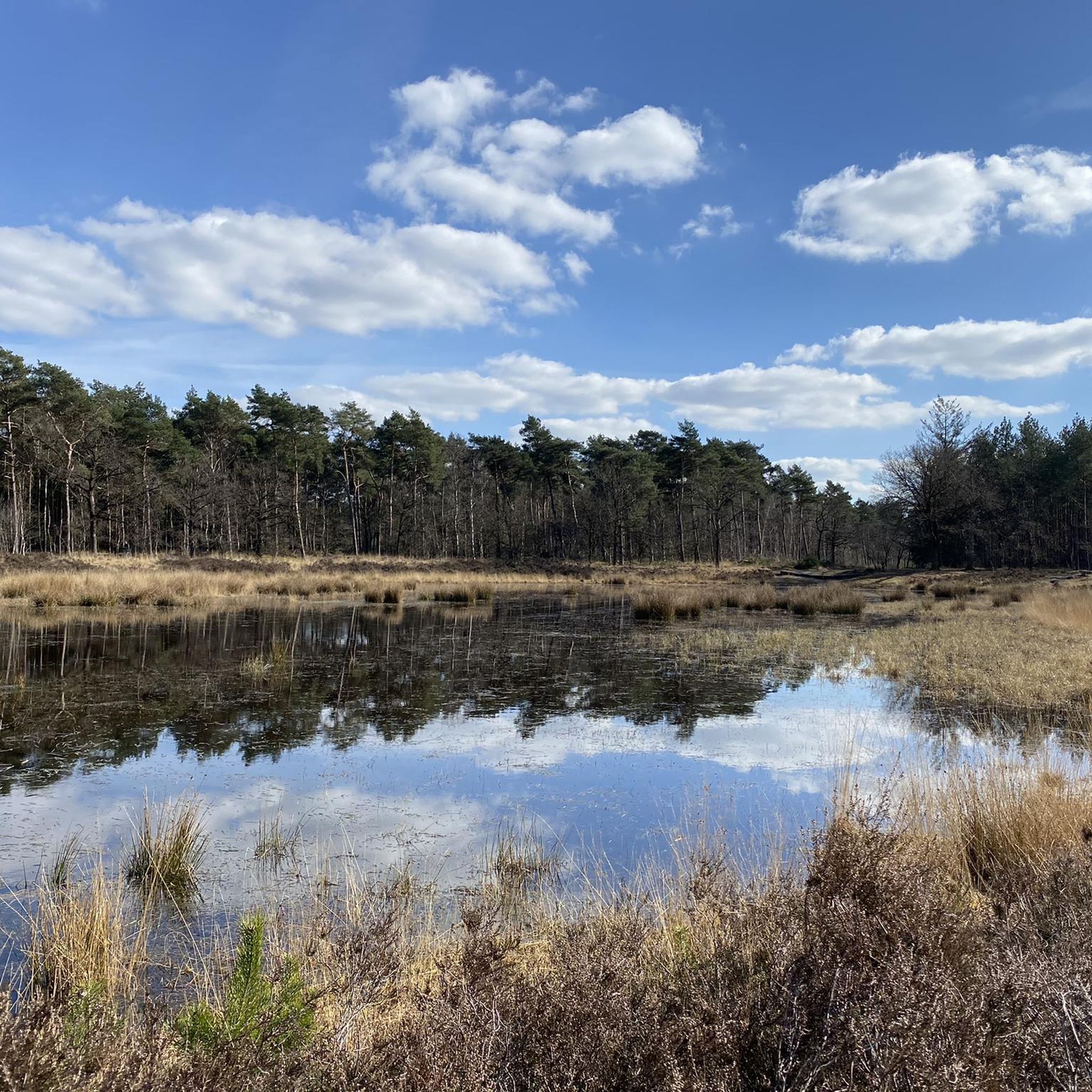
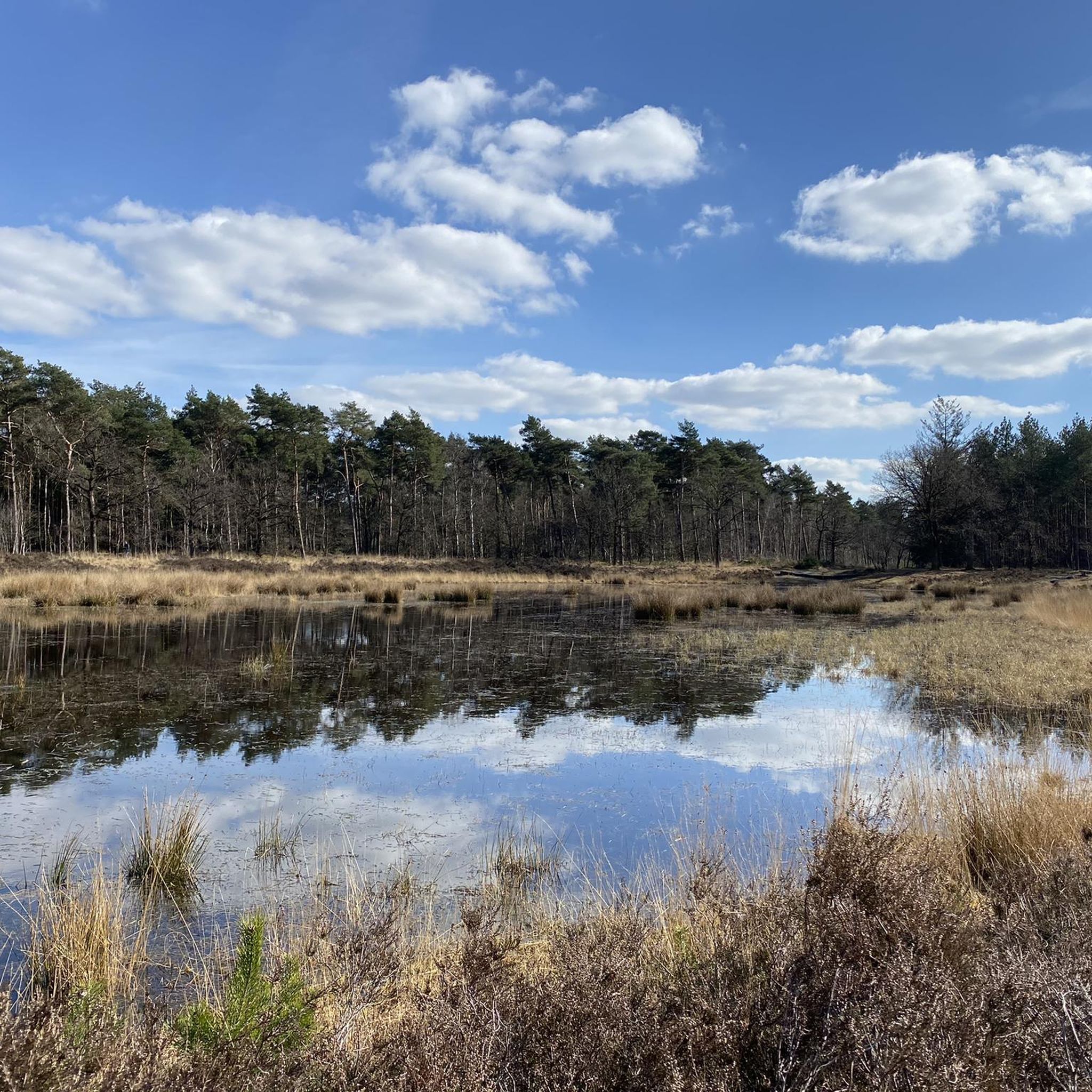
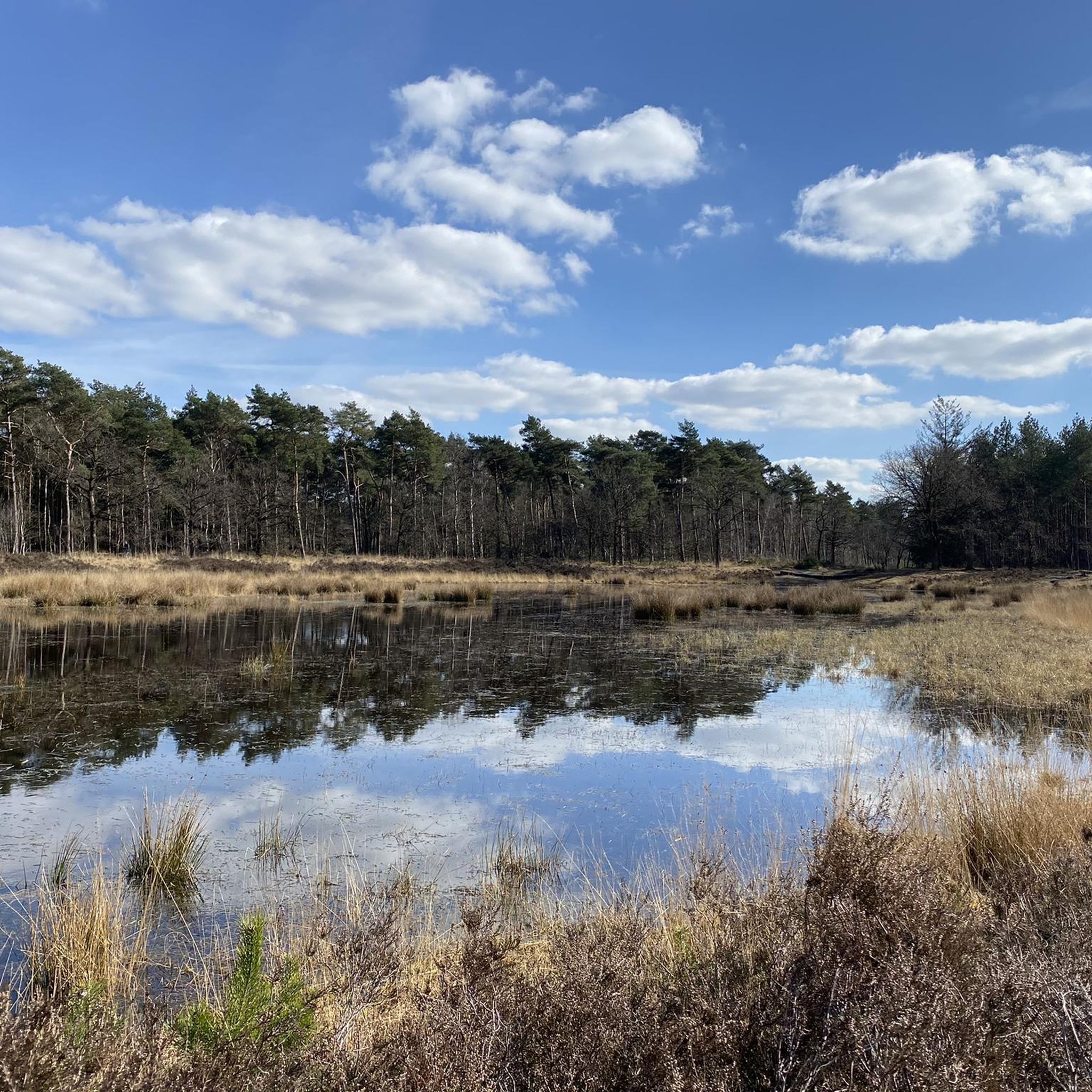
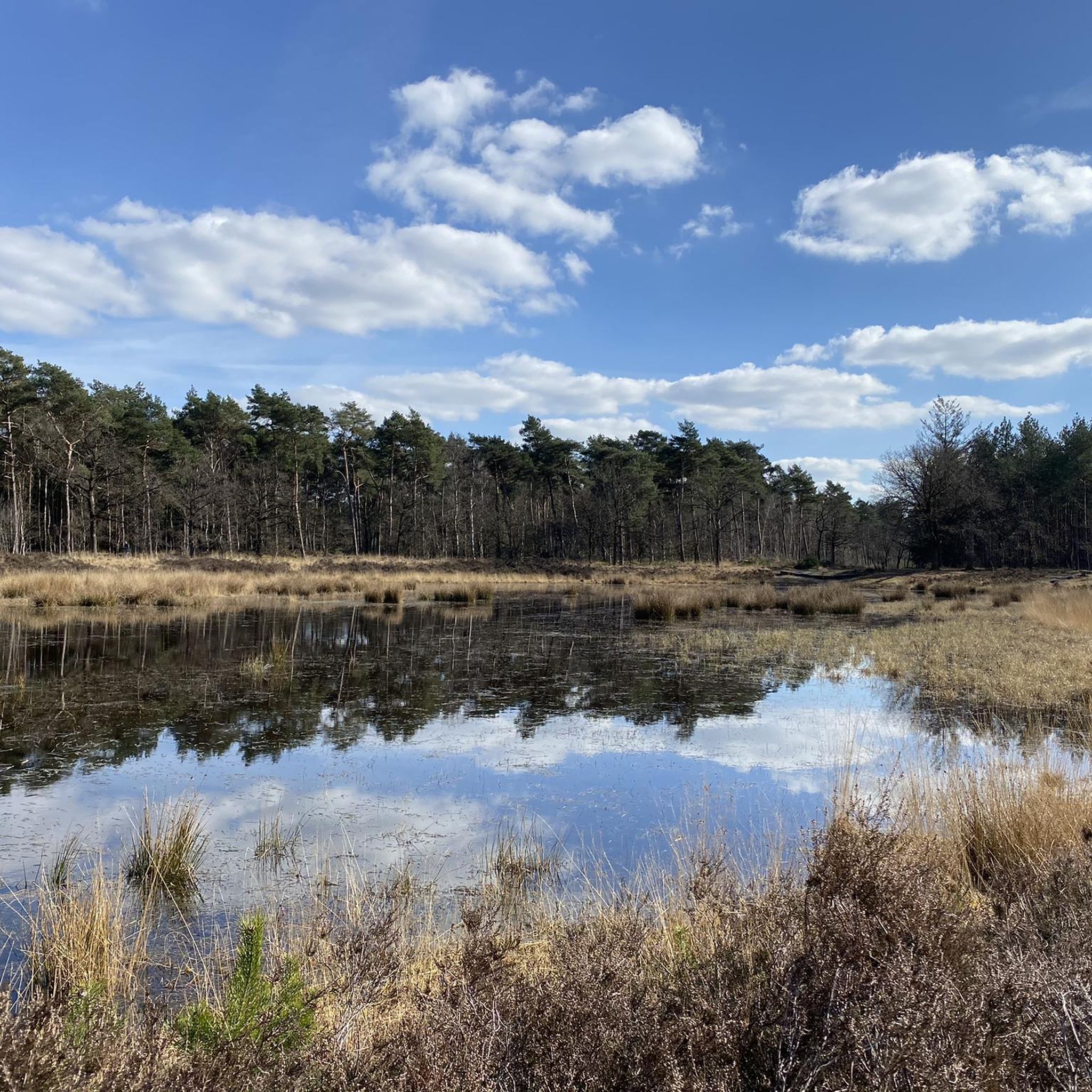
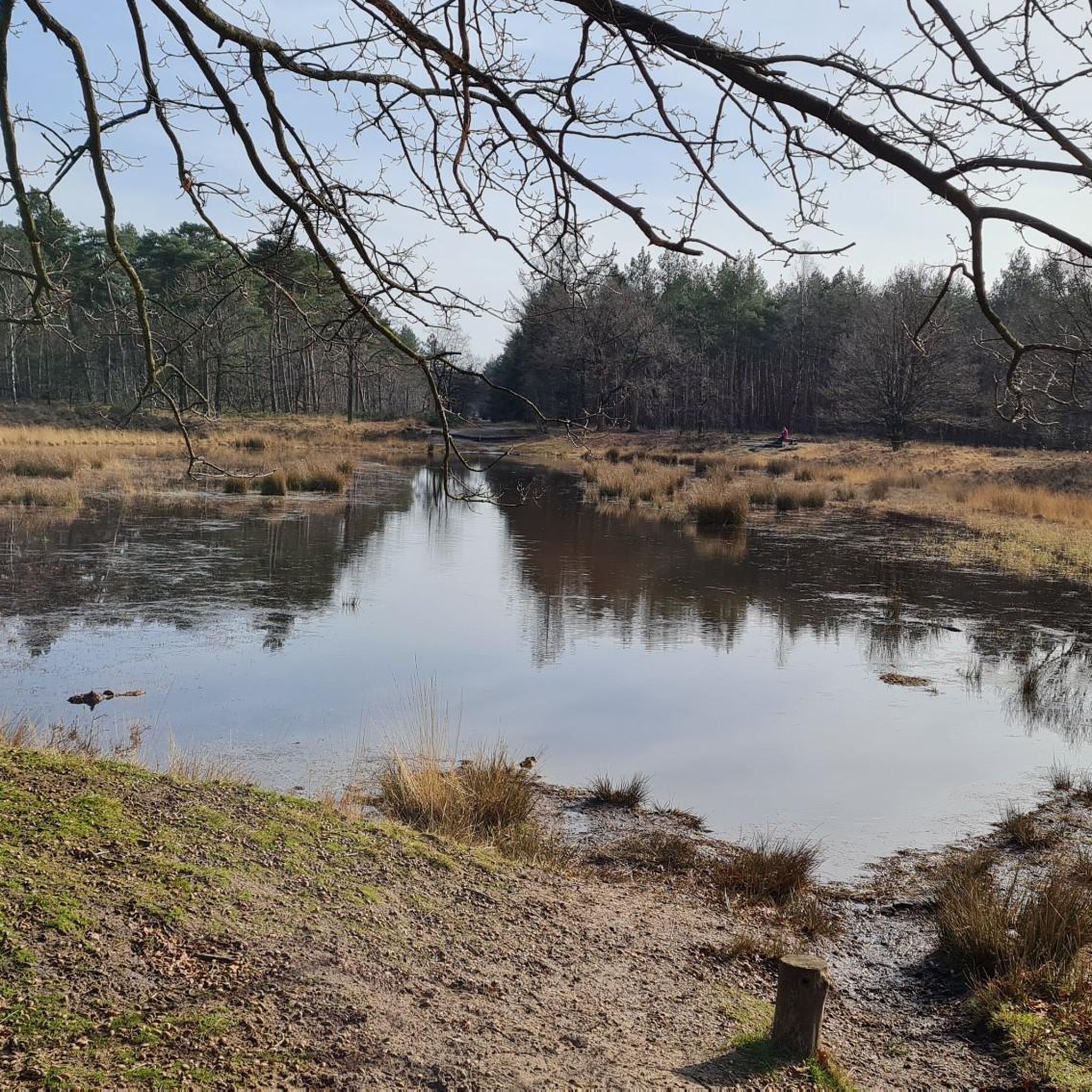
Poor sandy soil here has started to drift due to overgrazing with sheep and sod cutting for the deep litter. The nuisance caused by the drifting sand and …
Translated by Google •
Tip by

Stippelberg Forest and Streams
Highlight • Forest
Translated by Google •
Tip by

Henri Dunant Park
Highlight • Natural
Translated by Google •
Tip by

Sign up for free to discover even more natural monuments around Helmond.
Already have an account?
Start today with a free account
Your next adventure awaits.

Tips from the Community

The Roof of Brabant, located on the Gulberg near Nuenen/Mierlo, is an artificial hill that emerged from a former landfill and is now one of the region's most striking landmarks. With a summit of approximately 60 meters, the hill offers a panoramic view rarely found anywhere else in Brabant. From the summit, you can look out over the Luchense Heide, the surrounding forest, the Eindhoven Canal, and, on a clear day, even as far as Eindhoven and Helmond. The slopes of the Gulberg are covered with rugged grass and shrubs, making the area a habitat for birds and small mammals. The summit is regularly visited by hikers, runners, and mountain bikers, but it remains a place where you literally stand above the landscape. The contrast between the natural environment and its industrial origins makes it a unique viewpoint that is always worth pausing for a moment.
1
0

Extra beautiful when the heather is in bloom.
2
0

In the landscape on the Stippelberg you can see a division. Millions of years ago, fault lines were created. This was caused by shifting layers of earth. Here on the Stippelberg we have the Milheezer fault line, a branch of the Peelrand fault. You can see this in the sudden difference in height and difference in vegetation in the area.
2
0
A place that you really have to see is d’n Blikken Emmer. This place is located on top of the highest stippel. But what exactly can you admire? At this spot you can see a bucket hanging on top of a pole. Now you might think, why a bucket? In the past, when forest workers were allowed to take a break, this bucket was hit. It was also a fire alarm, because you had a good view of the estate from this spot. On the other side of the Stippelberg, the eastern part, you won’t find any stippels. Here you will find beautiful oak and beech avenues that belong to the country house. Around this beautiful English-style villa you can admire the rhododendrons, currant trees and other flowering shrubs that make the estate even more beautiful. Want to delve even deeper into the area? Then you will suddenly find yourself at the edge of the forest. Here you will see a landscape as the Peel once looked. With heather and solitary Scots pines.
2
0
The Stippelberg is a large nature reserve. Yet it is well hidden in the east of Brabant, near the village of De Rips. Walk in the eastern part of the Stippelberg over the beautiful lanes that belong to the country house. And admire the rhododendrons that brighten up the estate. A striking feature of the Stippelberg are the many hills in the middle of the forest. All those 'dots' are drifting dunes created by sand drifts. The Stippelberg owes its name to these hills. Due to afforestation for wood production, you can now find an extensive pine forest here. Take a walk in this forest over the dots in the landscape.
2
0

The Stippelberg is a large nature reserve. Yet it is well hidden in the east of Brabant, near the village of De Rips. Walk in the eastern part of the Stippelberg over the beautiful lanes that belong to the country house. And admire the rhododendrons that brighten up the estate. A striking feature of the Stippelberg are the many hills in the middle of the forest. All these 'dots' are drifting dunes created by sand drifts. The Stippelberg owes its name to these hills. Due to afforestation for wood production, you can now find an extensive pine forest here. Take a walk in this forest over the dots in the landscape. A place that you really must have seen is d'n Blikken Emmer. This place is on top of the highest dot. But what exactly can you admire? At this spot you can see a bucket hanging on top of a pole. Now you might think, why a bucket? In the past, when forest workers were allowed to take a break, this bucket was hit. It was also a fire alarm. Source and more information: Natuurmonumenten
5
0

Eindhoven skyline in the gray mist.
1
0

Great spot to play with the MTB and the gravel bike. The MTB route is in some places easy to do with a gravel bike. In other parts it is better to take the MTB. Many beautiful wide gravel paths on, around and over this waste mountain. The switchbacks on the side of the golf course are great if you want to make some altitude meters. All around a beautiful view of the surroundings and in the distance the skyline of Eindhoven.
1
0
Frequently Asked Questions
What are some unique natural features to explore around Helmond?
The region around Helmond offers diverse natural features. You can explore the unique 'stippels' (fossilized drifting dunes) at Stippelberg Nature Reserve, which create a hilly landscape within the forest. Another interesting spot is Buntven, Deurne, an extinct depression in a sand forest where you can find typical plants like cotton grass and sundew.
Where can I experience vast heathlands and fens near Helmond?
For extensive heathlands and fens, visit Strabrechtse Heide. This large nature reserve features numerous fens, including Het Beuven, the largest fen in the Netherlands. In late summer (August and September), the heather blooms, transforming the landscape into a vibrant purple. You can find more information about this area on Visit Brabant.
Are there good places for birdwatching near Helmond?
Absolutely. National Park de Groote Peel is an internationally recognized wetland area renowned for its rich birdlife, with approximately 200 bird species identified annually. It's particularly known for rare sightings of cranes during migration in October and November. Strabrechtse Heide also hosts many bird species, including cormorants, bitterns, and spoonbills, especially around its fens. For more details on De Groote Peel, visit Visit Brabant.
What natural monuments are suitable for families with children?
Several natural monuments around Helmond are family-friendly. Stippelberg Nature Reserve and Stippelberg Forest and Streams offer marked trails through unique hilly forests. Buntven, Deurne features a nature playground, making it an engaging spot for children to explore in a natural environment.
Where can I find good hiking trails near these natural monuments?
The natural monuments around Helmond are surrounded by excellent hiking opportunities. You can find various routes, including moderate loops like the 'Kamerven – Wasven Pond loop from Stiphout' or the 'Roof of Brabant – View from De Gulbergen loop from Mierlo'. Explore more options in the Hiking around Helmond guide.
Are there opportunities for cycling or mountain biking in the natural areas?
Yes, the region offers great cycling and mountain biking. For road cycling, consider routes like the 'Cycle Path Through the Forest – Roof of Brabant loop from Helmond 't Hout'. Mountain bikers can enjoy single tracks at Buntven, Deurne, which can be combined with other tracks in the region. Find more routes in the Cycling around Helmond and MTB Trails around Helmond guides.
What kind of wildlife can I spot in the natural monuments near Helmond?
The natural monuments are home to diverse wildlife. In National Park de Groote Peel, you might see roe deer, weasels, stoats, voles, polecats, wild boar, and various reptiles. Strabrechtse Heide is known for the moor frog, natterjack toad, Highland cattle, and sheep. Stippelberg Nature Reserve is an important breeding ground for birds of prey and a summer visitor site for nightjars, and badgers have established themselves there. Landgoed Tongelaar also has a significant badger population and rich birdlife.
When is the best time to visit the natural monuments to see blooming heather?
The best time to witness the heather in full bloom is in late summer, specifically during August and September. During these months, areas like Strabrechtse Heide transform into a vibrant purple landscape, offering stunning vistas for walkers and cyclists.
Can I visit a historic site alongside a natural monument?
Yes, Landgoed Tongelaar offers a unique blend of natural beauty and historical significance. This nature reserve features a late-medieval castle amidst its forests, meadows, and fields. You can explore walking and cycling routes that wind through the diverse landscapes and past the historic castle, which often hosts events and has an information center about the surrounding nature.
Are there any viewpoints offering panoramic views of the natural landscape?
Yes, Roof of Brabant is a notable viewpoint near Helmond, offering nice views and even used for elevation training. Additionally, observation towers in National Park de Groote Peel provide excellent vantage points for birdwatching and appreciating the wetland ecosystem.
What makes the Stippelberg area unique?
The Stippelberg area, including Stippelberg Nature Reserve, is unique due to its 'stippels' – small hills that are fossilized drifting dunes formed by ancient sand drifts. The area also lies on the Peelrand fault line, which is evident in the elevation changes and varied vegetation, creating a distinctive hilly forest landscape.
What are some lesser-known natural monuments or 'hidden gems' around Helmond?
While popular, the extensive network of wooden walkways and log bridges in National Park de Groote Peel offers a unique way to traverse the marshy terrain, providing a distinct experience. Landgoed Tongelaar, with its focus on badger conservation and a historic castle, also offers a blend of nature and history that might be considered a hidden gem for those seeking a quieter, more integrated experience.
Most popular routes around Helmond
Most popular attractions around Helmond

Get inspired with the komoot mobile app


Explore more
Extend your search for the best caves by checking out these guides of the top ones around Helmond:
