Top 20 Natural Monuments around Eindhoven
Best natural monuments around Eindhoven offer diverse natural areas and serene escapes. The region's landscape features heathlands, forests, and river valleys, providing unique ecological features. These areas serve as significant natural landmarks, ideal for outdoor exploration. The varied terrain includes historical shifting sands and ancient burial mounds, contributing to its distinct character.
Best natural monuments around Eindhoven
- The most popular natural monuments is Valkenhorst Heath, a varied forest area with a large heathland. This estate features a beautiful heath…
Last updated: August 16, 2026
Bronze Age Burial Mounds at Vessem
Highlight • Historical Site
Translated by Google •
Tip by

Roof of Brabant
Highlight • Climb
Translated by Google •
Tip by

Sign up now to discover places like this
Get recommendations on the best single tracks, peaks, & plenty of other exciting outdoor places.
Sign up for free
Valkenhorst Heath
Highlight • Natural
Translated by Google •
Tip by

De Zwarte Berg Burial Mound
Highlight • Historical Site
Translated by Google •
Tip by
Meeuwven
Highlight • Lake
Translated by Google •
Tip by

Sign up for free to discover even more natural monuments around Eindhoven.
Sign up for free
Already have an account?
Start today with a free account
Your next adventure awaits.
Login or Signup
Popular around Eindhoven
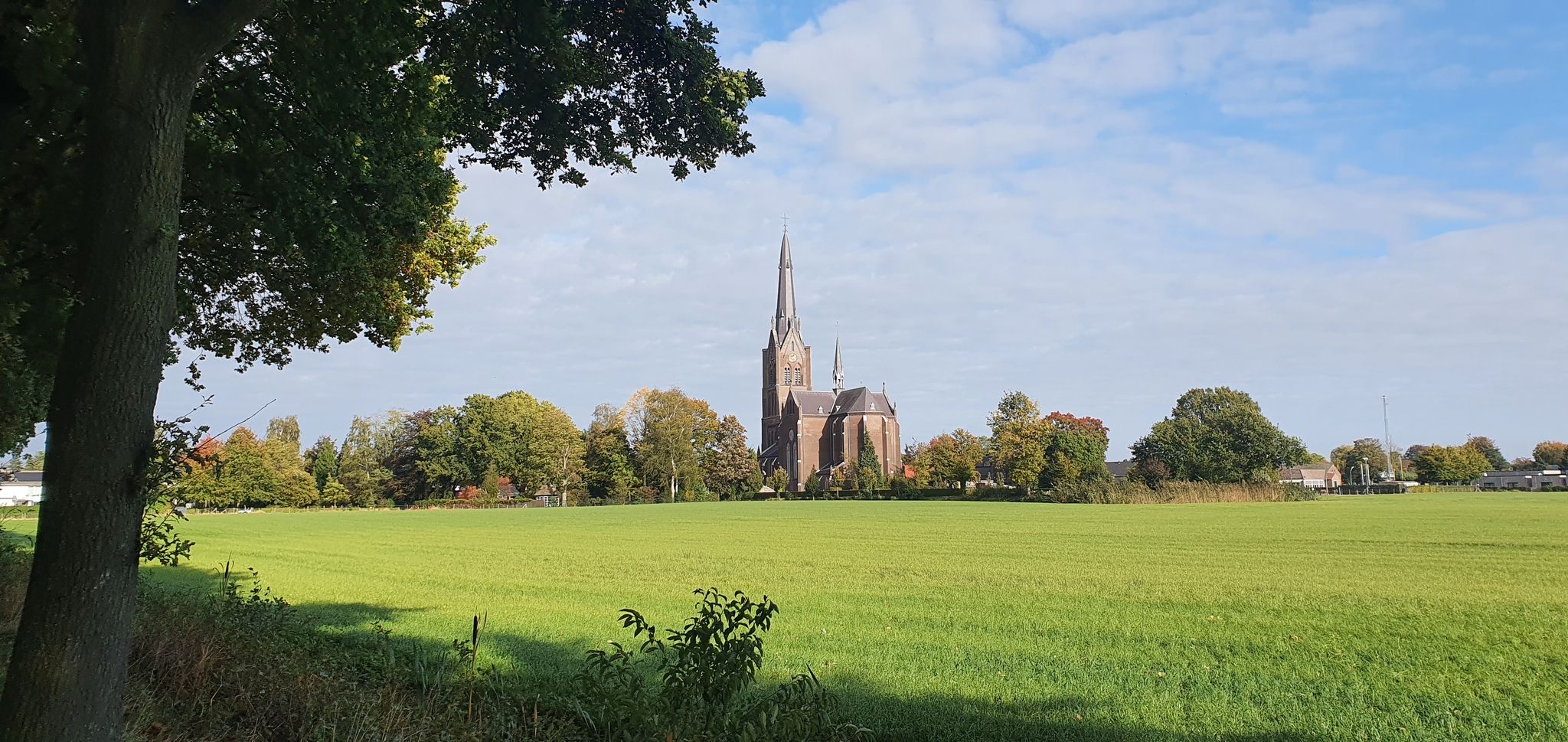
A pilgrimage through the Brabant landscape - Camino Brabant
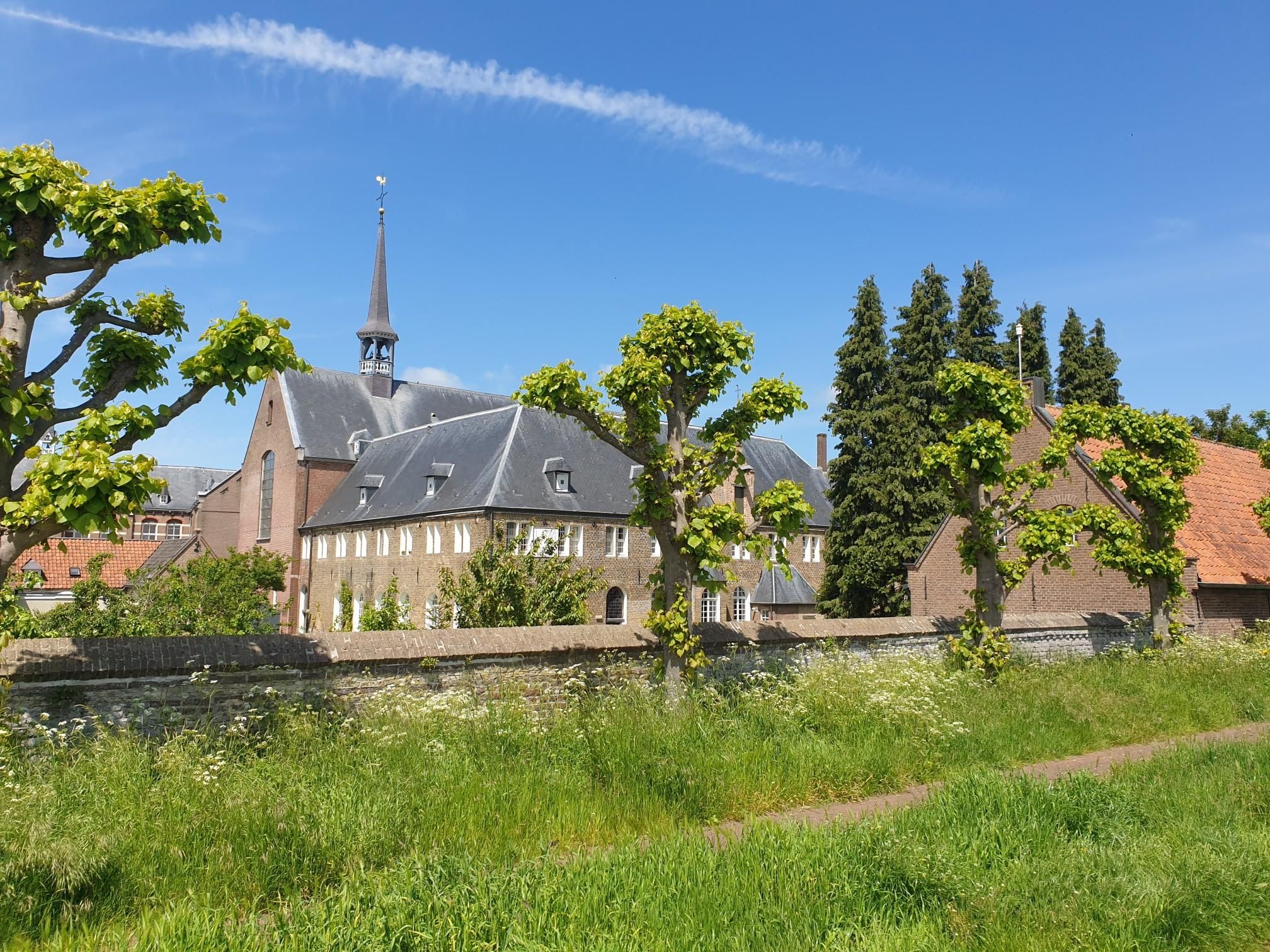
A hike full of tranquility and reflection - Our Monastery Path
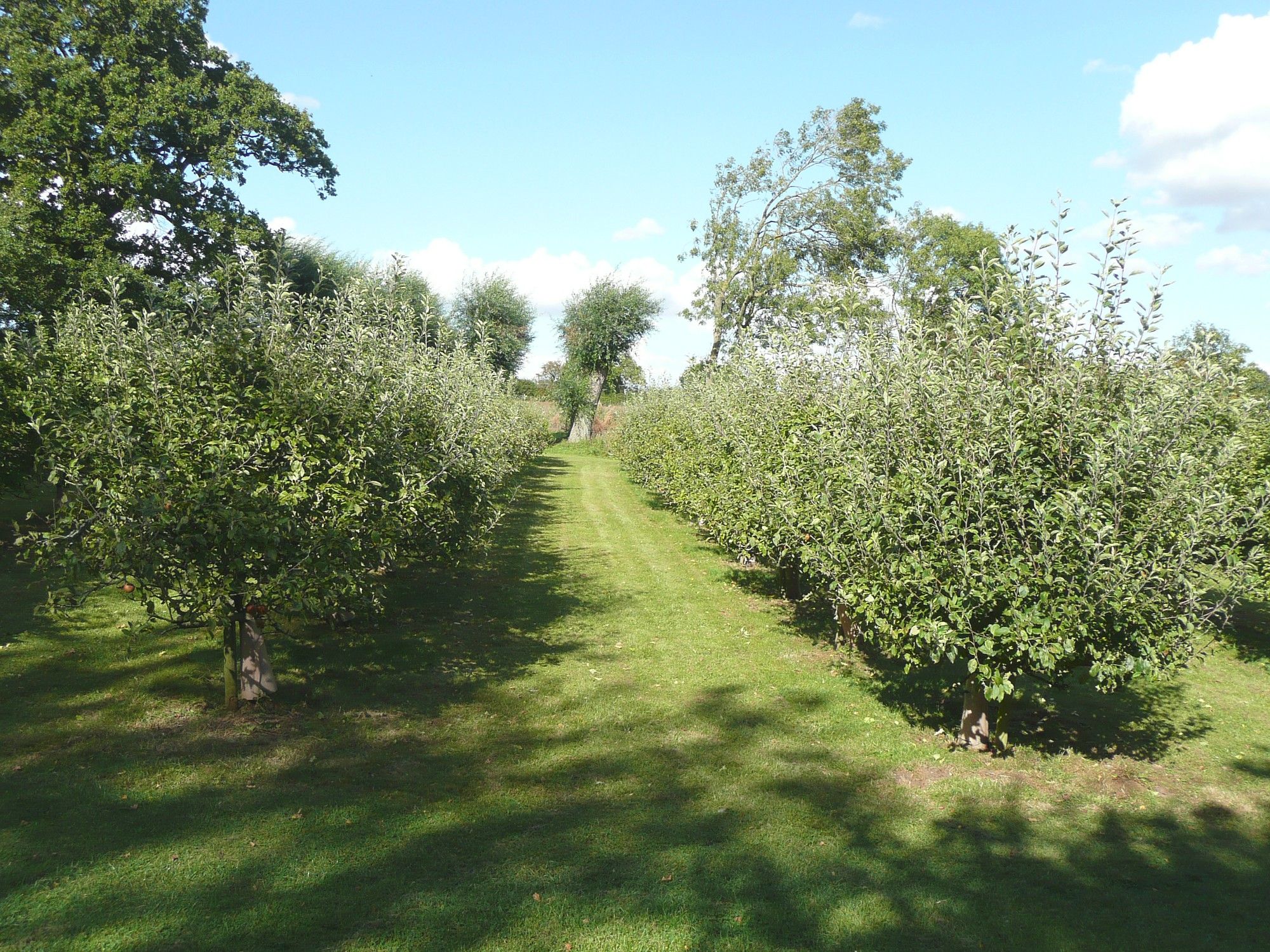
Lunch in nature – walk to the nicest pick-your-own gardens in North Brabant
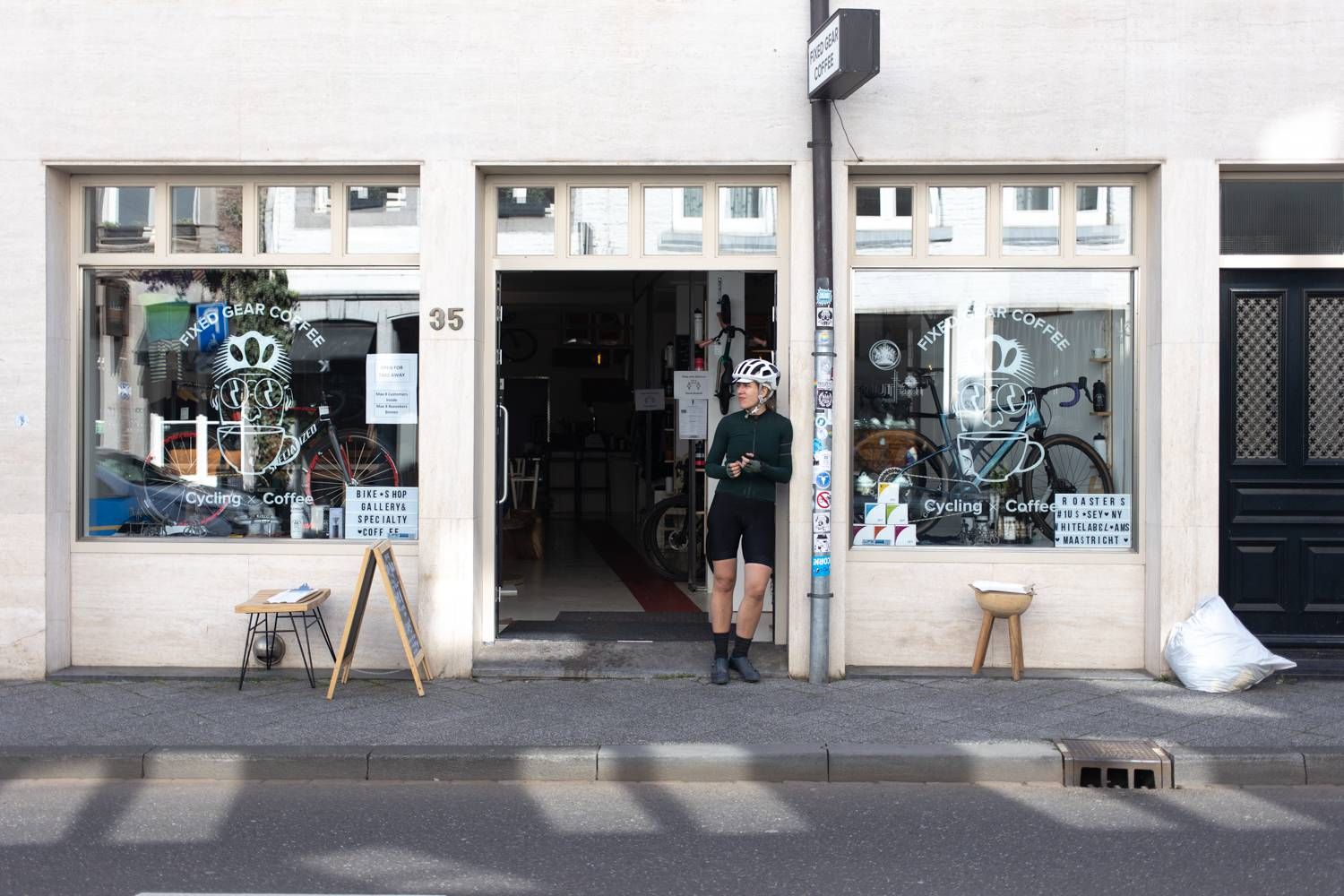
Coffee and racing – top bike rides from great cycling cafes
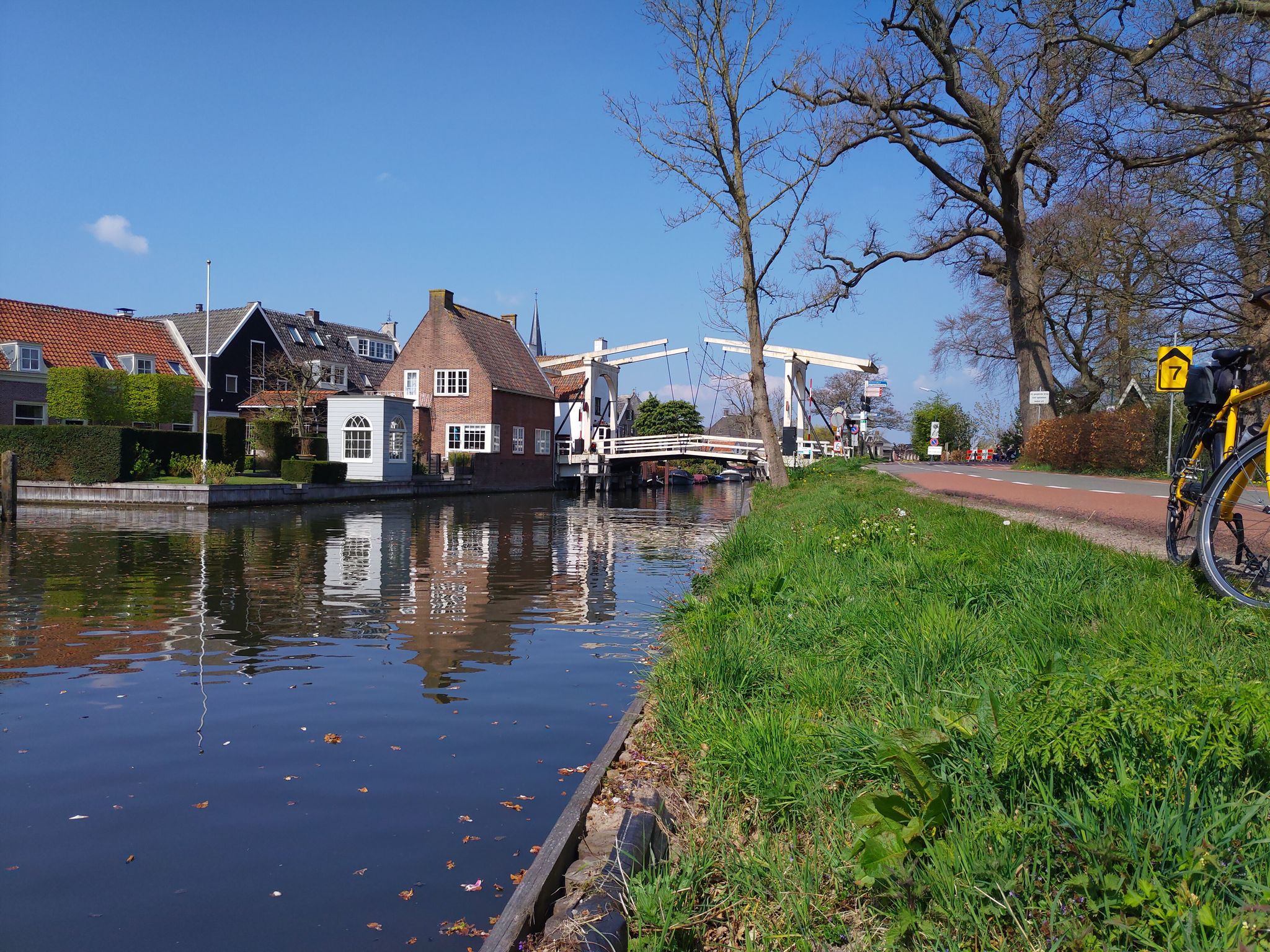
Fantastic cycling along Dutch waterways — LF7 Overland
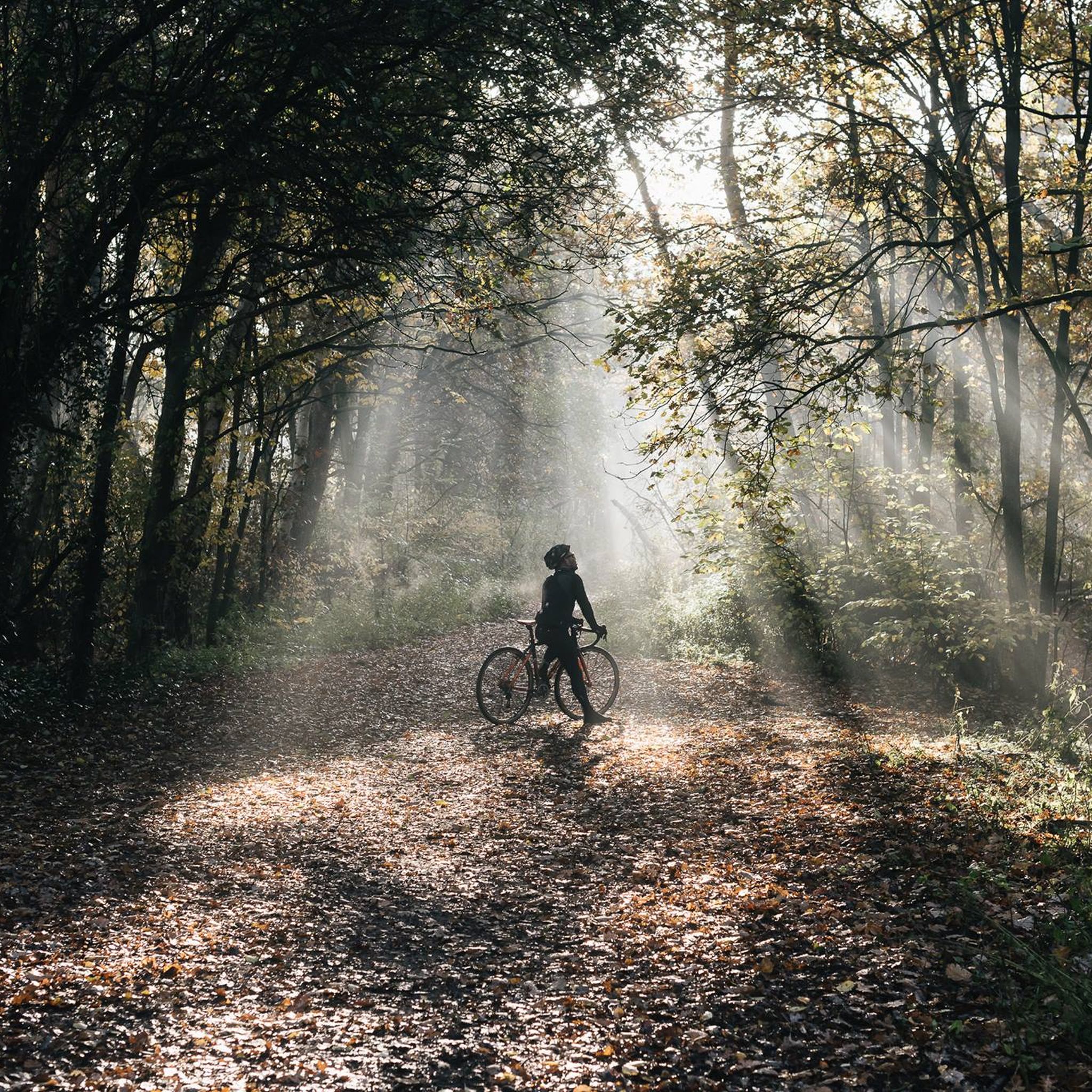
Road Cycling Routes around Eindhoven
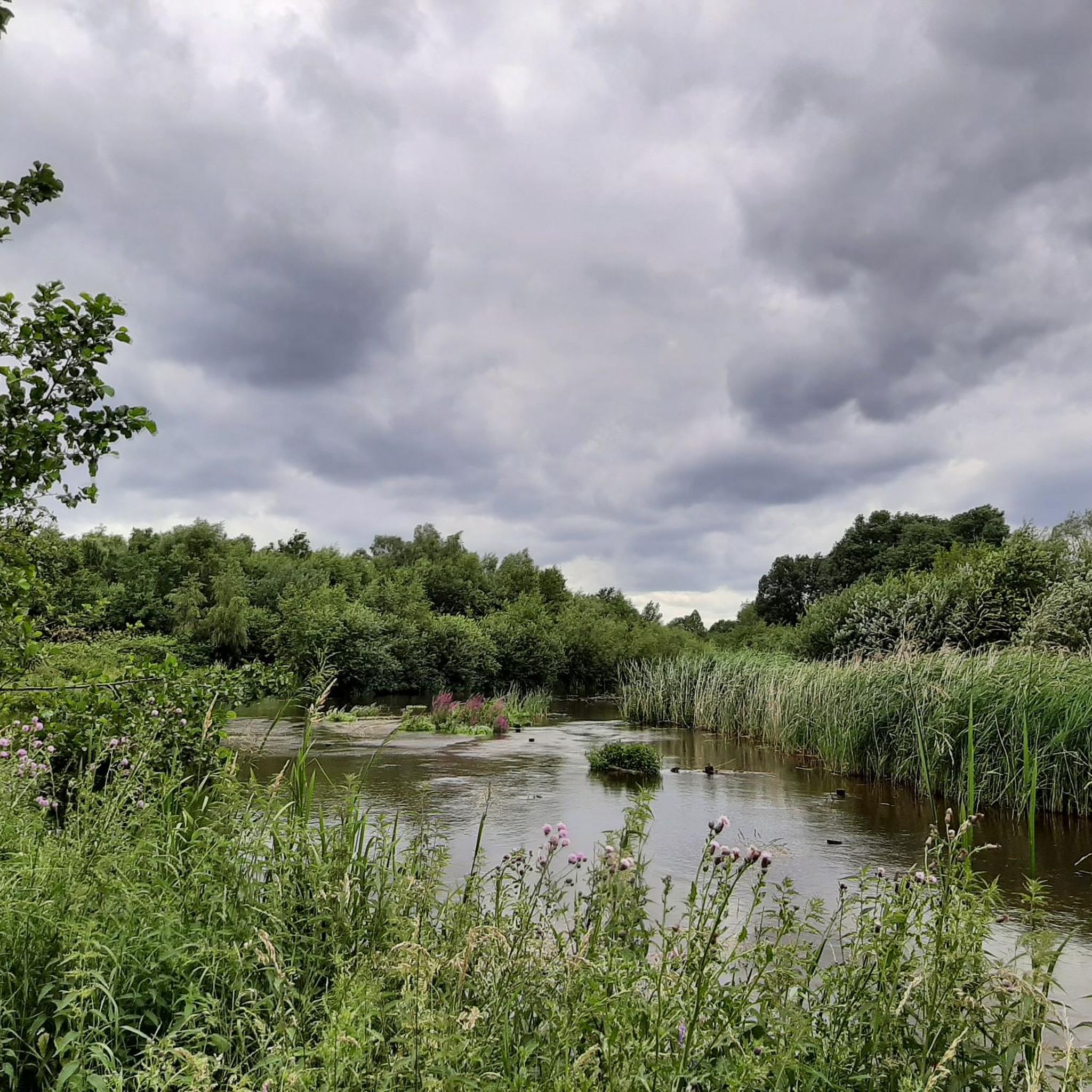
Hiking around Eindhoven
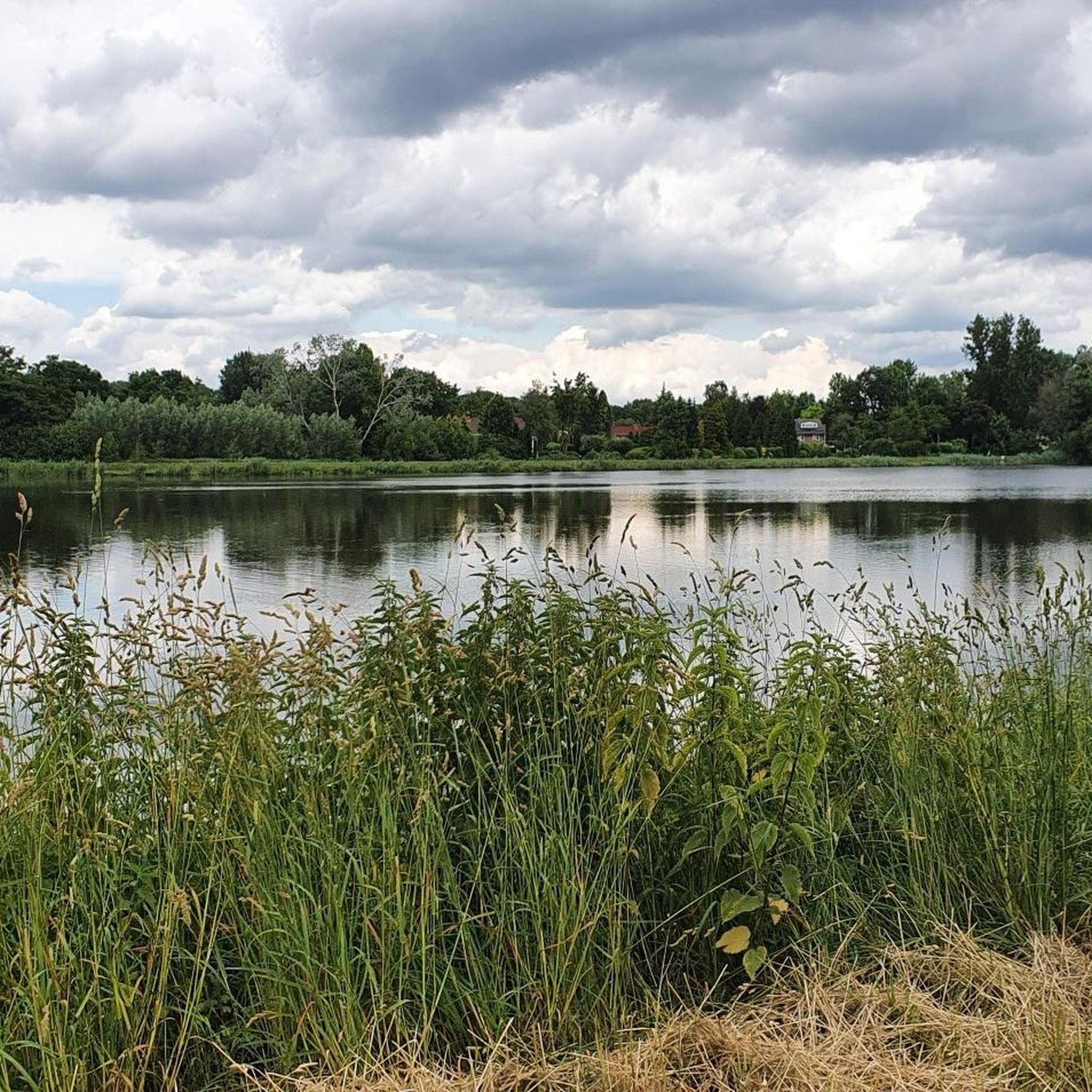
Running Trails around Eindhoven
Cycling around Eindhoven
MTB Trails around Eindhoven
Other adventures around Eindhoven


Tips from the Community

The burial mounds near Vessem are among the oldest visible traces of habitation in this region and date back to the Bronze Age (approx. 2000–800 BC). These low, round mounds were erected as burial sites and are often still subtly recognizable in the landscape. In the Bronze Age, it was customary to cremate the deceased. The ashes were then buried in an urn or directly in the ground, after which a mound of sand and turf was placed over it. Sometimes multiple burials were made in one burial mound, causing it to grow over time. The burial mounds are often located on higher sandy soils, as near Vessem, because these spots were dry and clearly visible in the landscape. They probably served not only a funerary purpose but also as markers of territory or important routes. Many burial mounds have been flattened over the centuries by agriculture and forestry, but a number have been preserved and today form a valuable archaeological monument. During a walk, they are sometimes only visible as slight elevations in the forest — silent witnesses to thousands of years of human history. A special element in the landscape, where nature and prehistory literally come together.
1
0
The Zwarte Berg (Black Mountain) is a prehistoric burial mound on a sandy ridge in the Brabant Kempen region, dating back to the (late) Bronze Age. It's a solitary monument in the landscape: a low, circular mound that once served as a burial ground for one or more members of a local community. Over the centuries, the mound has been partially eroded, but its shape is still clearly visible. The combination of heathland, woodland hummocks, and this archaeological relief gives the site a tranquil, timeless atmosphere—a beautiful historical accent during the walk.
0
0
The Roof of Brabant, located on the Gulberg near Nuenen/Mierlo, is an artificial hill that emerged from a former landfill and is now one of the region's most striking landmarks. With a summit of approximately 60 meters, the hill offers a panoramic view rarely found anywhere else in Brabant. From the summit, you can look out over the Luchense Heide, the surrounding forest, the Eindhoven Canal, and, on a clear day, even as far as Eindhoven and Helmond. The slopes of the Gulberg are covered with rugged grass and shrubs, making the area a habitat for birds and small mammals. The summit is regularly visited by hikers, runners, and mountain bikers, but it remains a place where you literally stand above the landscape. The contrast between the natural environment and its industrial origins makes it a unique viewpoint that is always worth pausing for a moment.
1
0


Quite a beautiful pond, especially on weekdays, because it is much quieter there and you can enjoy this beautiful part more.
0
0

The Meeuwven is located just outside Aalst, on the Hutdijk. It is a nutrient-poor lake that depends on rainwater. After a dry summer, it is almost empty. The name has nothing to do with seabirds; rather, it is a corruption of "Nieuwven" (New Marsh) due to the marsh. Before the Napoleonic era, this was the name of the lake. The name may have changed due to a cartographer's misplacement.
9
0


Eindhoven skyline in the gray mist.
1
0
Frequently Asked Questions
What kind of natural landscapes can I expect to see around Eindhoven?
The Eindhoven region offers a diverse range of natural landscapes, including expansive heathlands, dense pine forests, and picturesque river valleys. You'll find unique ecological features such as historical shifting sands, fens, and large meanders along rivers like the Dommel. Areas like Stratumse Heide and Strabrechtse Heide showcase vast heathlands, while Genneper Parken and Philips de Jongh Wandelpark provide serene green spaces within and near the city.
Are there any historical natural monuments in the region?
Yes, the region features significant historical natural monuments. For instance, you can visit De Zwarte Berg Burial Mound, which is one of the largest Bronze Age burial mounds in the Netherlands, dating back 3,500 years. Its impressive 44-meter diameter makes it a notable historical landmark within the natural landscape.
What are some family-friendly natural monuments around Eindhoven?
Several natural monuments are great for families. Meeuwven, a nutrient-poor lake, is known for its quiet atmosphere and features climbing trees for children. Valkenhorst Heath offers varied forest areas and heathland, perfect for family walks. Genneper Parken also provides extensive green spaces with paths suitable for all ages, and the Valley of the Living Beerze is ideal for gentle exploration.
When is the best time to visit the natural monuments around Eindhoven?
The best time to visit depends on what you want to experience. For stunning purple heather blooms, visit the heathlands like Stratumse Heide or Strabrechtse Heide from mid-August to mid-September. Spring (late winter to spring) is ideal for seeing blooming bulb flowers in Philips de Jongh Wandelpark. Winter offers opportunities for ice skating at Meeuwven if conditions allow. Generally, spring and autumn provide pleasant temperatures for walking and cycling.
Where can I experience vast heathlands near Eindhoven?
For expansive heathlands, consider visiting Valkenhorst Heath, which features a beautiful heath landscape and a railway cycle path. Stratumse Heide, approximately 110 hectares, is another excellent choice, known for its bumpy terrain, pine forests, and grazing Scottish Highlanders. Further afield, Strabrechtse Heide is the largest contiguous heathland area in North Brabant, offering vast open spaces and fens.
What outdoor activities can I do near these natural monuments?
The natural monuments around Eindhoven are perfect for various outdoor activities. You can enjoy extensive walking and cycling paths through areas like Genneper Parken, Philips de Jongh Wandelpark, and along the Dommel Valley. For more specific activities, explore the many running trails, MTB trails, and road cycling routes available throughout the region, often passing through or near these natural areas.
Are there any viewpoints offering panoramic views?
Yes, for panoramic views, head to the Roof of Brabant. This summit and viewpoint, located on the Gulbergen estate in Nuenen, offers extensive vistas and is also a popular spot for training ascents near Eindhoven.
Can I spot wildlife in the natural monuments around Eindhoven?
Many natural areas offer opportunities for wildlife spotting. In Stratumse Heide, you might see various amphibians like frogs and the Scottish Highlanders that graze there. The Dommel Valley is home to diverse wildlife, including birds and grazing cows. Strabrechtse Heide is known for its unique ecosystem, including the Beuven bog, which attracts specific flora and fauna.
What is special about the Dommel Valley?
The Dommel Valley is characterized by its charming natural beauty, with the river flowing through Eindhoven, creating a system of small lakes surrounded by trees and green plants. Despite often appearing like a brook, its wide valley and large meanders hint at a significant historical past. Efforts are ongoing to enhance its natural quality, making it an excellent place for peaceful walks and observing diverse wildlife.
Are there natural areas suitable for leisurely strolls within Eindhoven?
Absolutely. Philips de Jongh Wandelpark in northern Eindhoven is an ideal location for leisurely strolls and bike rides, known for its vast trees and seasonal floral displays. Genneper Parken, one of the largest parks in the Netherlands, also offers numerous walking paths along rivers and through diverse natural areas, perfect for a relaxed walk or picnic.
Where can I find a quiet lake for a walk?
For a quiet lake experience, visit Meeuwven, located just outside Aalst. This nutrient-poor lake is known for its peaceful atmosphere, making it suitable for quiet walks. It's also a great spot for children, with climbing trees available.
Are there any natural areas with unique historical significance related to their formation?
Stratumse Heide is notable for its bumpy terrain, which is a result of historical shifting sands. This geological feature, combined with its mix of heath and pine forests, gives it a unique character shaped by both natural processes and human intervention over centuries.
Most popular routes around Eindhoven
Most popular attractions around Eindhoven

Get inspired with the komoot mobile app


Explore more
Extend your search for the best caves by checking out these guides of the top ones around Eindhoven:
