Top 6 Natural Monuments around Pombal
Natural monuments around Pombal, Portugal, offer a diverse range of landscapes, from serene forests to rugged karst formations and coastal areas. The region features significant geological features like the Serra de Sicó and historic woodlands. These natural attractions provide opportunities for outdoor activities and exploration.
Best natural monuments around Pombal
- The most popular natural monuments is Buracas do Casmilo, a cave featuring unique rock formations and lapiaz, ideal for geological observation and photography. This site offers landscapes of natural…
Last updated: August 16, 2026
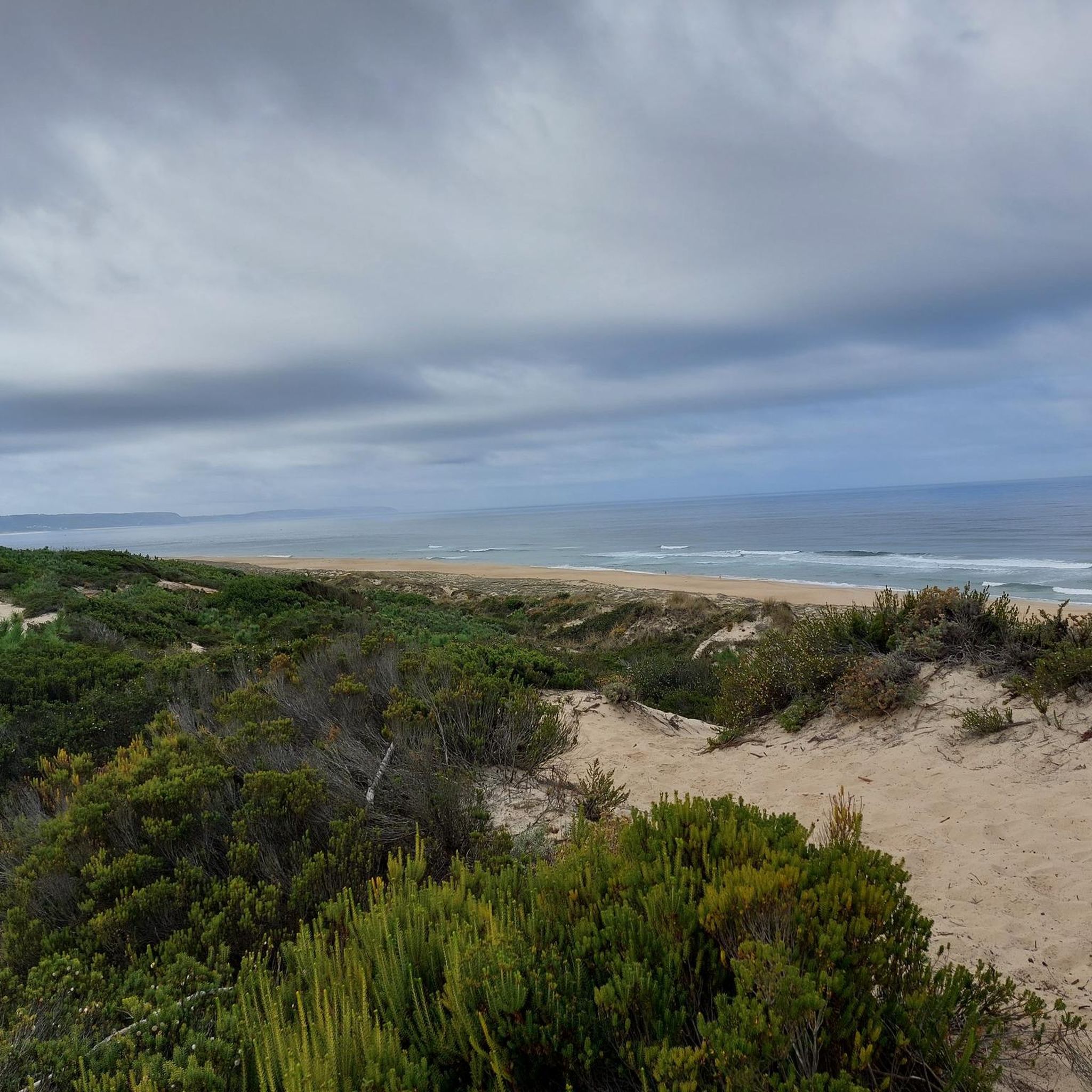
Lagoa da Ervedeira
Highlight • Lake
Translated by Google •
Tip by

Leiria National Forest
Highlight • Forest
Translated by Google •
Tip by

Sign up now to discover places like this
Get recommendations on the best single tracks, peaks, & plenty of other exciting outdoor places.
Sign up for free
Lapiás do Casmilo
Highlight • Natural Monument
Translated by Google •
Tip by

Poios Canyon
Highlight • Gorge
Translated by Google •
Tip by
Scenic viewpoint at Monte da Ovelha
Highlight • Viewpoint
Translated by Google •
Tip by

Sign up for free to discover even more natural monuments around Pombal.
Sign up for free
Already have an account?
Start today with a free account
Your next adventure awaits.
Login or Signup
Tips from the Community

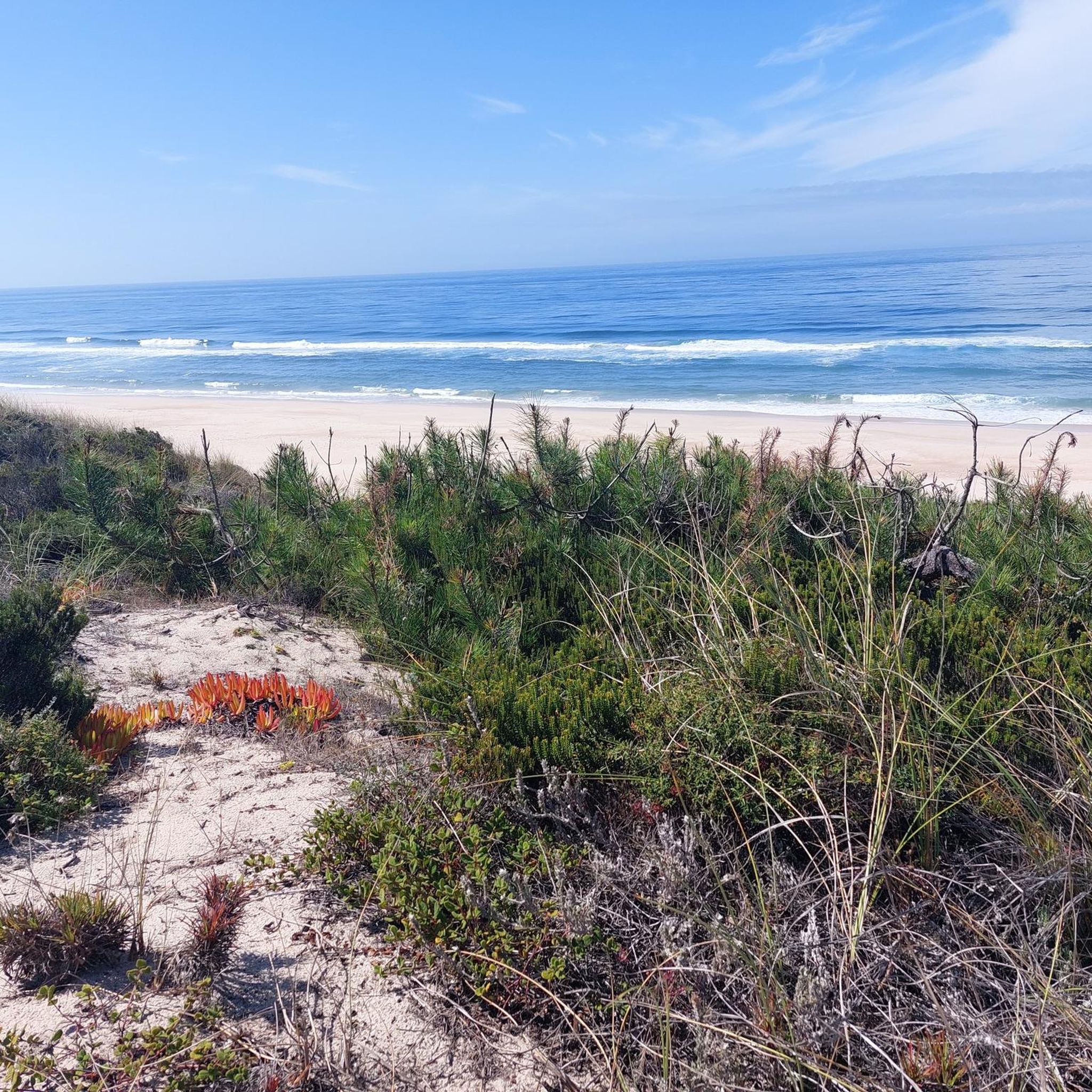
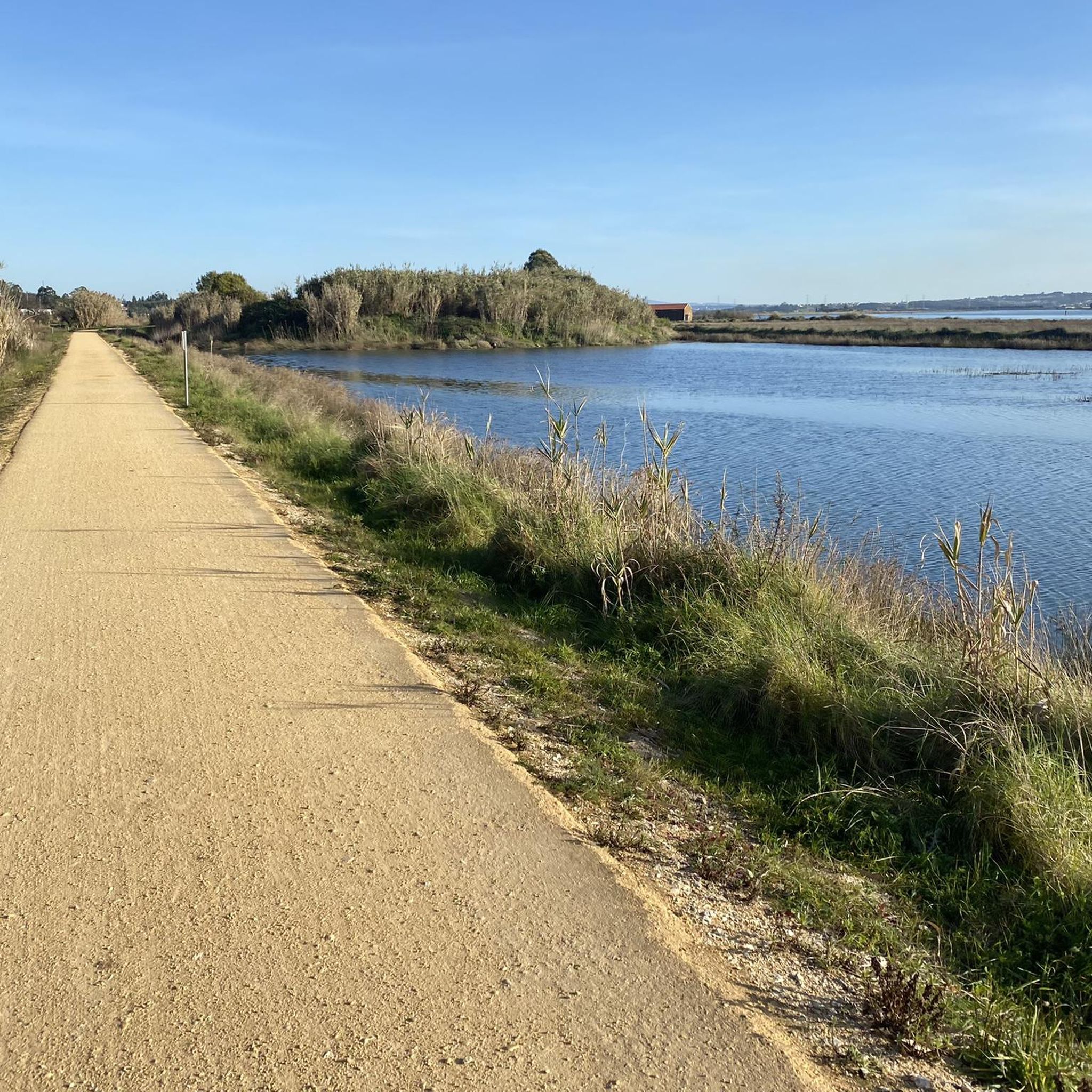
The lagoon is approximately 600 meters long and is fed by freshwater springs. Historically, it was crucial for the subsistence of local populations and for washing wool. It remains a mandatory stop for those traveling along the Atlantic Road by bicycle or car.
1
0
Recreational Area: It has a wooded picnic area, ideal for picnics, and a bar/terrace. Walks: The lagoon is surrounded by wooden walkways that allow you to walk along the entire shore and observe the local fauna and flora without damaging the ecosystem. Activities: It is a popular spot for sport fishing and swimming (in summer). The calm waters are suitable for canoeing and stand-up paddleboarding. Accessibility: There is a free parking lot and easy access for people with reduced mobility.
1
0
Ervedeira Lagoon is a unique natural destination in the parish of Coimbrão, municipality of Leiria. It is the only freshwater lagoon in the Leiria Pine Forest and serves as an important refuge for biodiversity and leisure...
1
0

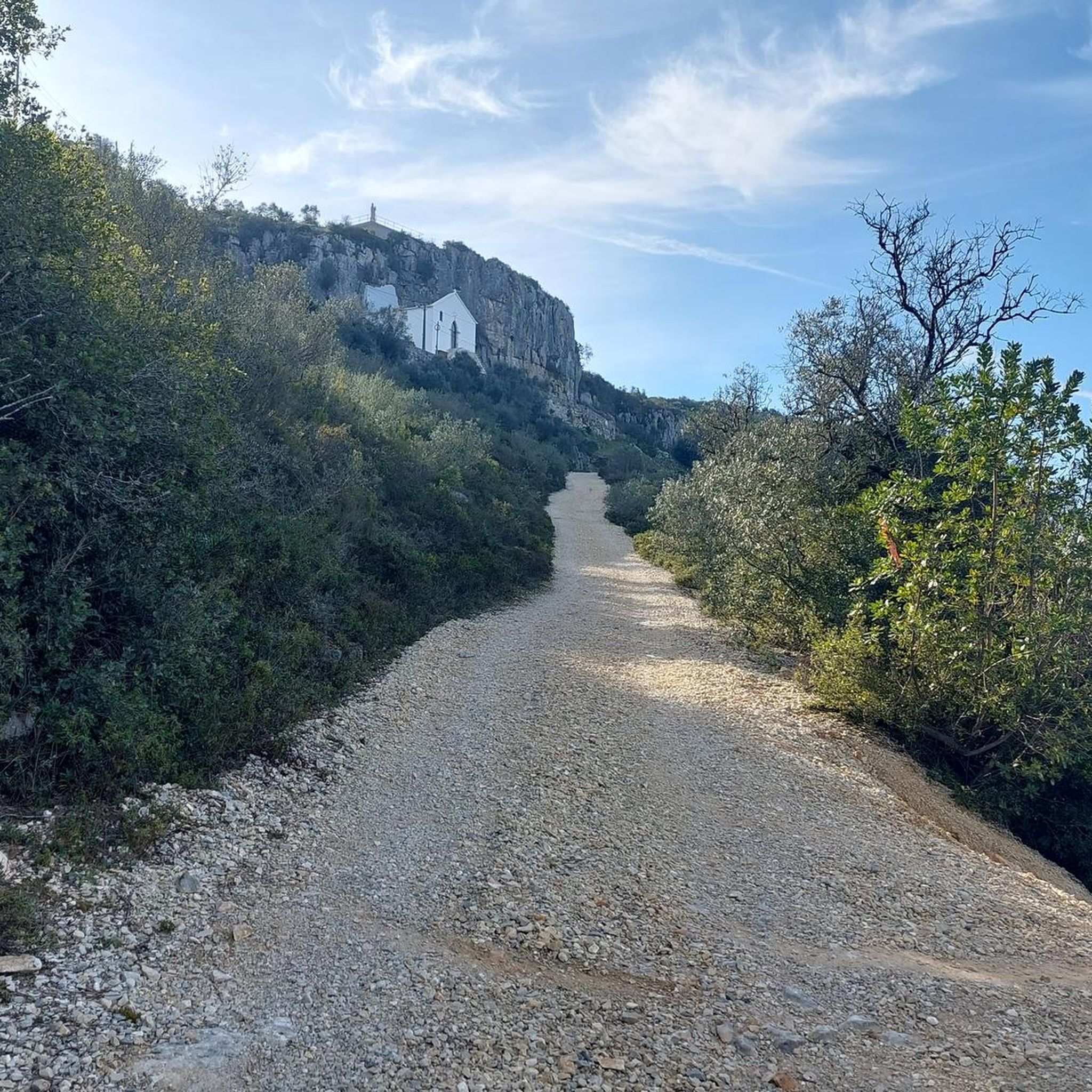
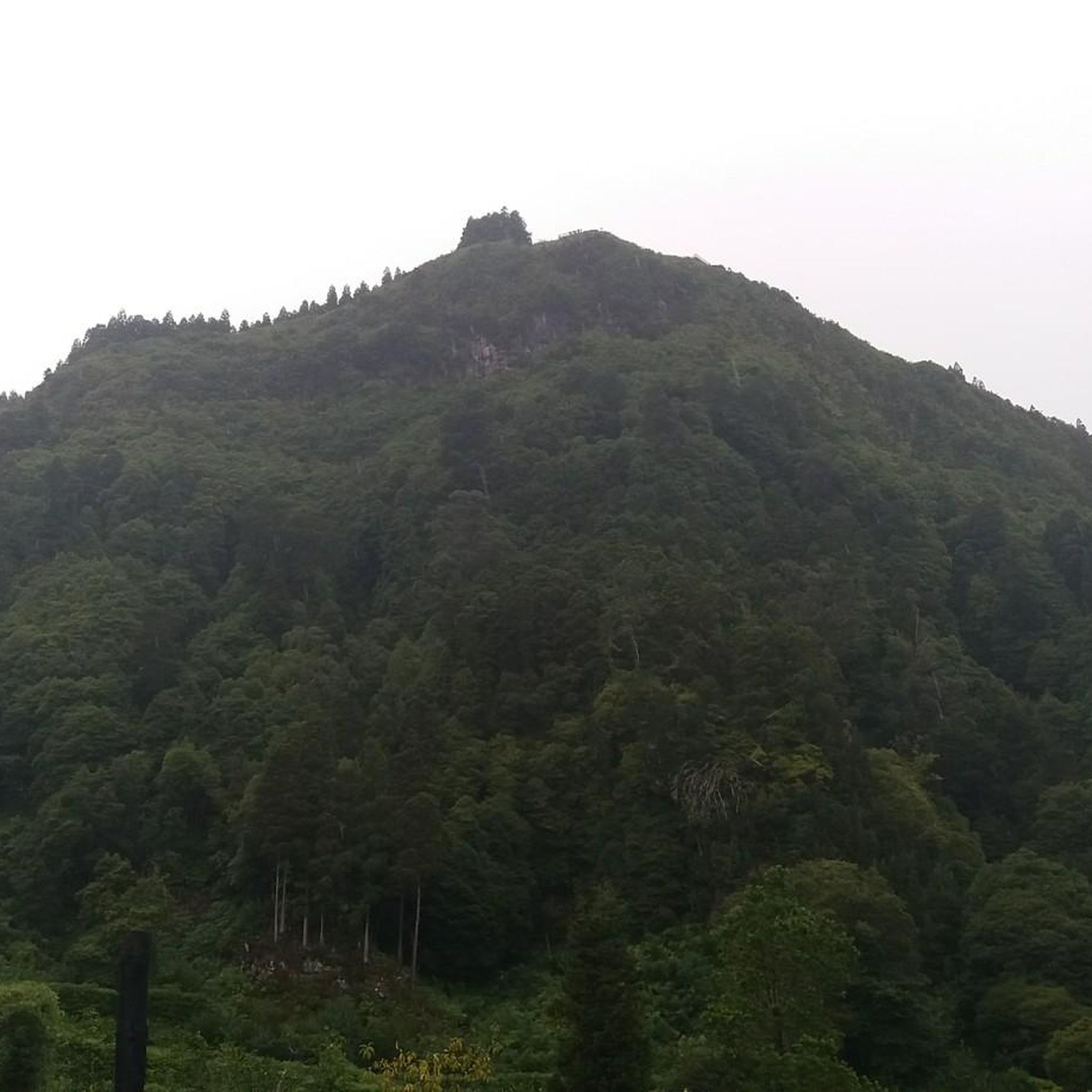
Known as Serra da Portela or Serra do Anjo da Guarda, this is a natural viewpoint overlooking the Pousaflores Valley, where the landscape is filled with life and aromas. Wild orchids, rupicolous plants, "cucas" (a type of gourd), wormwood, and the fresh scent of thyme, which wafts away with every step, flourish among the limestone rocks. Here, atop Monte da Ovelha, human presence has left its mark: traditional windmills, a small chapel dedicated to the Guardian Angel, the Stations of the Cross for Good Friday, and initiatives celebrating bread and cornbread. It's also a place made for lingering: sitting at a table, lighting a grill, or simply gazing out.
1
0
The Poio Valley stands as a well-kept secret of the mountains, preserved for centuries by its rugged, steep, wild, and inaccessible geography. Only shepherds and adventurers used to know these paths. Perhaps that is why a rare fauna found refuge here. It is one of the largest fluviokarstic canyons in Portugal, a valley patiently sculpted by water, which left monumental slopes and a breathtaking landscape. To the south lies Poio Velho; to the north, the more famous Poio Novo, two chapters of the same magnificent landscape.
2
0

✨ Circular route with landscapes of rare natural beauty; 🏞️ Lapiaz, dolines and unique rock formations in Portugal; 🌿 Buracas do Casmilo and Bosque do Vale dos Covões were the highlights of the day; 📸 Ideal for photography, geological observation and contemplation; 🍂 A perfect trail for autumn, with the valley painted in golden tones.
1
0

I went in the summer, when the heat was intense I enjoyed taking a bath and being in the shade.
1
0

Monte da Ovelha offers a miradouro (lookout) with a breathtaking view of the vastness of the surrounding valleys and mountains. It is an ideal place to enjoy a pristine environment and pure air, with a panorama that captures the essence of the Portuguese rural landscape.
1
0
Frequently Asked Questions
What unique geological formations can I explore near Pombal?
The region around Pombal offers several distinct geological features. You can visit Buracas do Casmilo, known for its unique rock formations, lapiaz, and dolines, which are ideal for geological observation. Another significant site is Poios Canyon, one of Portugal's largest fluviokarstic canyons, featuring monumental slopes and a breathtaking landscape. The wider Serra de Sicó area is also a karst massif, honeycombed with caves.
Are there forests for nature walks around Pombal?
Yes, Pombal is home to lush forests perfect for nature walks. The Leiria National Forest, originally planted by kings to protect farmland and provide timber for caravels, offers a serene environment. Its northern extension, Mata Nacional do Urso, spans over 6,000 hectares and features marked trails like the Trilho da Lagoa de São José and Trilho da Baleia Verde, which are excellent for refreshing walks and bird-watching.
Where can I find a natural beach near Pombal?
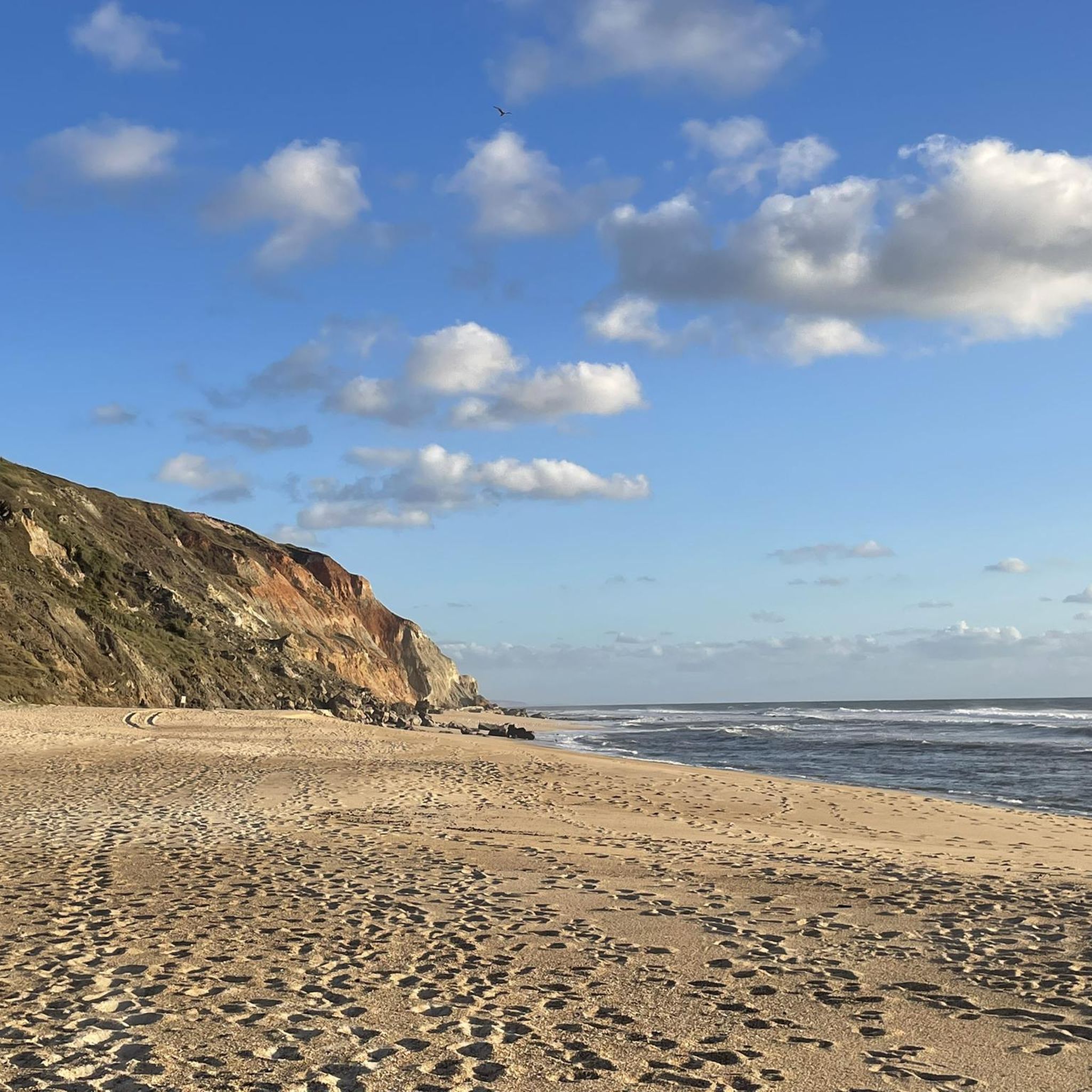
For a wild and natural seaside experience, Praia do Osso da Baleia (Whale Bone Beach) is an ideal destination. This beach has maintained its original characteristics and biodiversity with minimal urban intervention, offering a peaceful environment to enjoy the Portuguese coastline and engage in water sports.
Are there family-friendly natural attractions around Pombal?
Absolutely. Lagoa da Ervedeira is a freshwater lagoon with a sandy beach and facilities, making it great for swimming, relaxation, or long walks. The Leiria National Forest also offers cycle ways and a family-friendly environment for exploring nature.
What outdoor activities can I do near these natural monuments?
The area around Pombal offers diverse outdoor activities. You can explore caves in the Serra de Sicó region, go wall climbing at Poios Canyon, or enjoy water sports at Praia do Osso da Baleia. For more structured activities, there are numerous cycling and gravel biking routes available. You can find detailed routes in the Cycling around Pombal and Gravel biking around Pombal guides.
Are there hiking trails near Pombal's natural monuments?
Yes, there are several hiking trails. For instance, near Poios Canyon, you can find the Nossa Senhora da Estrela – Poios Canyon loop. Near Buracas do Casmilo, there are easy trails like the Lapiás do Casmilo loop. You can explore more options in the Hiking around Pombal guide.
What kind of views can I expect from the natural monuments?
The natural monuments offer a variety of scenic views. From the Scenic viewpoint at Monte da Ovelha, you can enjoy a breathtaking panorama of vast valleys and mountains, capturing the essence of the Portuguese rural landscape. Poios Canyon provides dramatic landscapes with monumental slopes, often referred to as the 'Portuguese Grand Canyon'. Lagoa da Ervedeira offers tranquil lake views with a sandy beach.
What historical significance do some of these natural areas hold?
The Leiria National Forest, including its northern extension Mata Nacional do Urso, has significant historical importance. It was originally planted in the Middle Ages by Kings Afonso III and Denis I to protect farmland from encroaching coastal dunes. During the Age of Discovery, the towering maritime pines from this forest provided essential timber for the caravels that expanded Portugal's influence globally.
Can I observe wildlife in these natural monuments?
Yes, wildlife observation is possible. The Mata Nacional do Urso, part of the larger Pinhal de Leiria, is an excellent spot for bird-watching. The rugged and inaccessible geography of Poios Canyon has also provided refuge for rare fauna.
What do visitors enjoy most about the natural monuments around Pombal?
Visitors particularly appreciate the diverse natural beauty and opportunities for outdoor activities. Highlights like Lagoa da Ervedeira are loved for relaxation and swimming, while Buracas do Casmilo is praised for its unique geological formations and photographic opportunities. The breathtaking views from spots like Monte da Ovelha and the dramatic landscapes of Poios Canyon are also highly valued.
Are there any traditional villages or cultural sites near the natural monuments?
Yes, the Serra de Sicó region, known for its karst landscapes, is home to rustic, ancient villages like Aldeia do Vale. This is the longest-inhabited village in the Pombal area and is notable for its distinctive circular barns built with local limestone, offering a glimpse into traditional Portuguese village life and architecture. Additionally, the Scenic viewpoint at Monte da Ovelha features traditional windmills and a small chapel.
Most popular attractions around Pombal

Get inspired with the komoot mobile app


Explore more
Extend your search for the best caves by checking out these guides of the top ones around Pombal:
