Top 9 Natural Monuments around Vila Franca De Xira
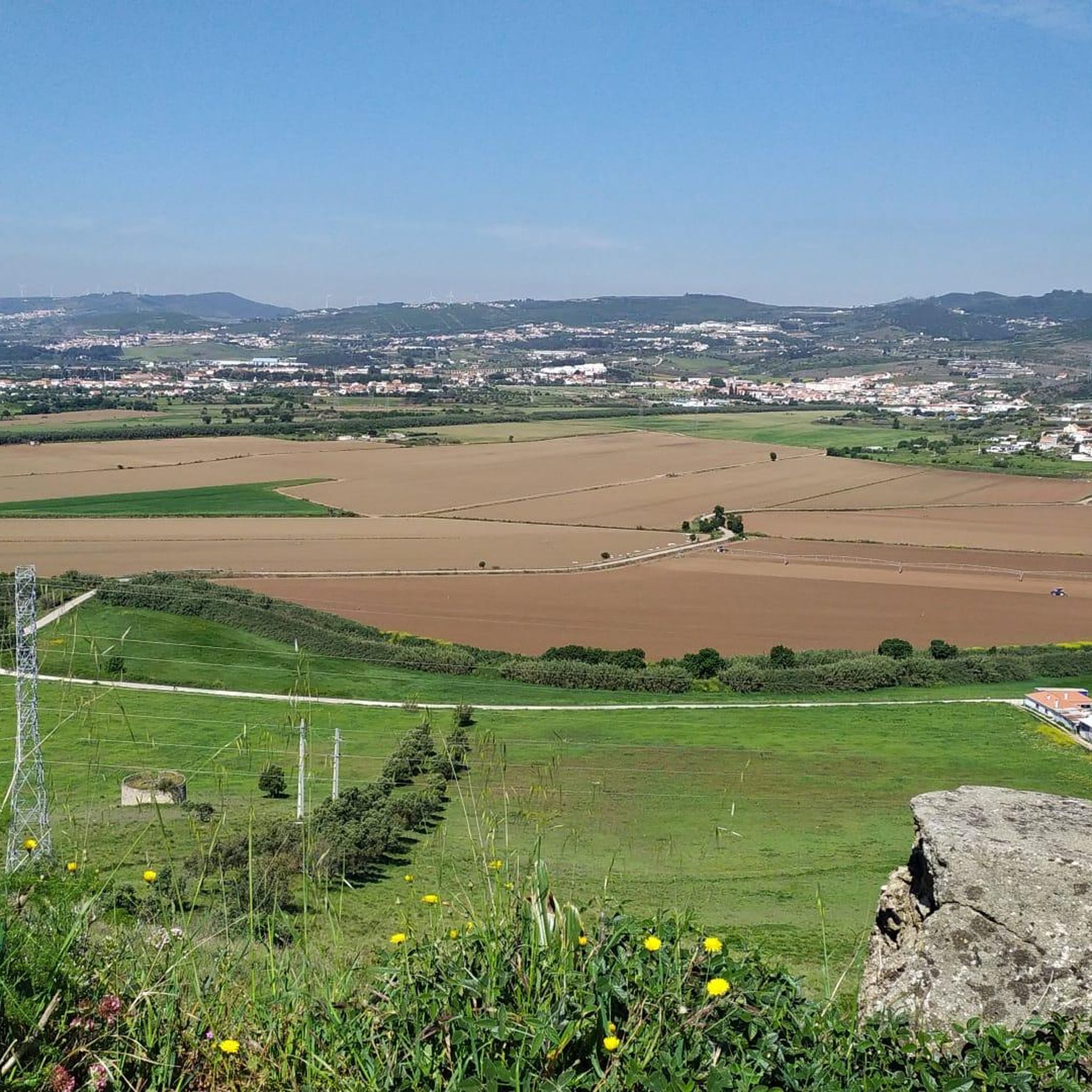
Best natural monuments around Vila Franca De Xira are characterized by their connection to the Tagus River and its estuary. The region features Portugal's largest wetland, the Tagus Estuary Natural Reserve, a significant ecological site in Europe. This area provides diverse ecosystems, including riverfronts, salt pans, and natural areas along the Tagus River. These natural features offer opportunities for observing wildlife and exploring the riverside landscape.
Best natural monuments around Vila Franca De Xira
- The most popular natural monuments is…
Last updated: October 9, 2026
Eduardo VII Park Viewpoint
Highlight • Viewpoint
Translated by Google •
Tip by

Tagus Estuary
Highlight • River
Translated by Google •
Tip by

Sign up now to discover places like this
Get recommendations on the best single tracks, peaks, & plenty of other exciting outdoor places.
Alameda Luminous Fountain
Highlight • Monument
Translated by Google •
Tip by

Salinas do Samouco
Highlight • Natural
Between 1930 and 1970, cod were dried there.
Cod is a fish caught in cold northern waters such as Newfoundland.
Portugal in the 1920s imported all the cod consumed. In the 1920s, Portugal experienced hunger.
Translated by Google •
Tip by

EVOA – Birdwatching and Visitor Center
Highlight • Natural Monument
evoa.pt
Tip by

Sign up for free to discover even more natural monuments around Vila Franca De Xira.
Already have an account?
Start today with a free account
Your next adventure awaits.
Tips from the Community

Good view over Lisbon
0
0

The Tagus Estuary Nature Reserve (RNET) is located in an area of high natural richness and diversity. Covering approximately 14,415 hectares, it is integrated into the largest wetland area in Portugal – the Tagus Estuary, including estuarine waters, sandbanks, salt pans, agricultural land, and cork oak forests. The connectivity of these habitats ensures the presence of a great diversity of living beings, such as mollusks, crustaceans, and small amphibians. It is also a nursery for various species of marine fish and a very important ecosystem for migratory fish. The estuary is also of great importance to aquatic birds, being one of the places with the most wintering birds in Europe.
1
0

Eduardo VII Park stretches like a large green ribbon up the hill, offering plenty of space to breathe with its lawns and paths. From the top, you have a stunning view across Avenida da Liberdade all the way down to the Tagus River. Perfect for a quiet break, a picnic, or a relaxing stroll in nature right in the heart of Lisbon.
4
1

The architectural design was designed by brothers Carlos and Guilherme Rebello de Andrade in the Portuguese Suave style, typical of the Estado Novo. The sculptures were made by Maximiano Alves (caryatids) and Diogo de Macedo (figures of the Tagus River and the Tagides), with lateral reliefs by Jorge Barradas.
5
0
The Alameda Luminous Fountain, also known as the Monumental Fountain, is one of Lisbon's most iconic monuments, located on Alameda Dom Afonso Henriques, right next to the Alameda metro station (green and red lines). It was conceived in 1938 and finally inaugurated on May 30, 1948. Its construction celebrated the regular supply of water to the eastern part of Lisbon.
5
0
Eduardo VII Park is one of Lisbon's most iconic green spaces, located just north of Marquis of Pombal Square and Avenida da Liberdade. It's an ideal place to stroll, relax, and enjoy spectacular views of the city.
10
0

Lisbon's central park was named as a tribute to the English monarch Edward VII, who visited Lisbon in 1903, five centuries after the Anglo-Portuguese Alliance. It ascends one of the city's hills and provides a wonderful view from the top. It's made up of symmetrical box hedging and a variety of plants, most of them found inside a cool and heated greenhouse from the 1930s, which is filled with exotic species from tropical climates. This greenhouse is one of the most important green spaces in Lisbon, considered an authentic living museum, with its small lakes and waterfalls, statuary, and hundreds of species of plants.
6
0
Frequently Asked Questions
What kind of wildlife can I expect to see in the natural monuments around Vila Franca de Xira?
The natural monuments in Vila Franca de Xira, particularly the Tagus Estuary Natural Reserve, are renowned for their rich biodiversity. You can expect to see a wide array of bird species, including ducks, herons, sandpipers, and even flamingos, especially during migration periods. The estuary also serves as a crucial nursery for various marine fish species.
Where is the best place for birdwatching in Vila Franca de Xira?
The best place for birdwatching is the EVOA – Birdwatching and Visitor Center, located within the Tagus Estuary Natural Reserve. EVOA offers dedicated observation spaces, trails around several lakes, and an interpretation center, making it one of Portugal's premier birdwatching spots.
Are there walking or cycling paths along the Tagus River in Vila Franca de Xira?
Yes, Vila Franca de Xira offers renewed riverfronts and various footpaths and natural areas along the Tagus River. The Tagus Walkways provide an extensive network of pedestrian and cycling paths, perfect for exploring the scenic riverside landscape.
What outdoor activities are available near the natural monuments?
Beyond exploring the natural monuments themselves, you can enjoy various outdoor activities. There are numerous running trails, including moderate routes like the Parque da Praia dos Pescadores loop. For cycling enthusiasts, there are cycling routes ranging from easy to difficult, such as the Fátima Way or longer loops like the Ponte Rainha D. Amélia – Valada Village. Road cycling options are also available, like the Nicola Café – Forca Viewpoint loop.
Are the natural monuments around Vila Franca de Xira family-friendly?
Many natural areas are family-friendly. The EVOA – Birdwatching and Visitor Center is designed for visitors of all ages, offering an engaging experience for families to learn about birdlife. Salinas do Samouco also provides an interesting natural setting with historical context that can be enjoyed by families.
What is the best time of year to visit the natural monuments in Vila Franca de Xira?
The Tagus Estuary Natural Reserve is particularly significant during autumn and winter, as it serves as one of Europe's most important wintering sites for aquatic birds. Birdwatching opportunities are exceptional during these cooler months. However, the riverfront paths and natural areas are pleasant to visit year-round, especially in spring and early autumn when the weather is mild.
Are there any natural monuments with historical significance?
Yes, Salinas do Samouco is a natural area with historical importance. It was a site for drying cod between 1930 and 1970, offering a unique glimpse into the region's past industries and its connection to the natural landscape.
Can I take a boat tour to explore the Tagus Estuary?
Yes, taking a tour on a traditional Varino boat "Liberdade" on the Tagus River provides a unique perspective of the riverine environment and its birdlife, allowing you to experience the estuary from the water.
What makes the Tagus Estuary a significant natural monument?
The Tagus Estuary is Portugal's largest wetland, spanning over 14,000 hectares. It is a crucial sanctuary for thousands of migratory birds, serving as a breeding ground, wintering site, and a stopover point between Africa and Europe. Its diverse ecosystem supports a rich variety of fauna and flora, making it one of the top ten wetland zones in Europe.
Are there any viewpoints offering panoramic views of the natural landscape?
While the region is known for its riverine landscapes, the Eduardo VII Park Viewpoint, though located in Lisbon, offers expansive views that can be appreciated after exploring the park. Within Vila Franca de Xira itself, the various footpaths along the Tagus River provide numerous contemplation spots with scenic river views.
What do visitors enjoy most about the natural monuments in Vila Franca de Xira?
Visitors particularly appreciate the connection to the Tagus River and its estuary, the opportunities for birdwatching, and the peaceful riverfront footpaths. The vastness and ecological importance of the Tagus Estuary, along with dedicated visitor centers like EVOA, are frequently highlighted as enjoyable aspects.
Are there any facilities or amenities near the EVOA – Birdwatching and Visitor Center?
The EVOA – Birdwatching and Visitor Center itself includes an interpretation center and exhibition spaces. It is designed to provide a comprehensive visitor experience within the reserve, though specific external amenities like cafes or accommodation would require checking local listings in nearby towns.
Most popular routes around Vila Franca De Xira
Most popular attractions around Vila Franca De Xira

Get inspired with the komoot mobile app


Explore more
Extend your search for the best caves by checking out these guides of the top ones around Vila Franca De Xira:
