Top 8 Natural Monuments around Vila Nova De Foz Coa
Best natural monuments around Vila Nova De Foz Coa are found where the Côa and Douro rivers meet, a region known for its blend of natural beauty and historical significance. The area features rugged river valleys, diverse habitats, and panoramic viewpoints overlooking terraced vineyards. This landscape is also home to UNESCO-listed archaeological sites, offering a unique connection to prehistoric times. Visitors can explore a variety of natural attractions, from riverine environments to elevated vistas.
Best natural monuments around Vila Nova…
Last updated: July 6, 2026
Castro de São Paulo
Highlight • Historical Site
Translated by Google •
Tip by

Ponte de Santa over the Ribeira do Mosteiro
Highlight • Bridge
Translated by Google •
Tip by
Sign up now to discover places like this
Get recommendations on the best single tracks, peaks, & plenty of other exciting outdoor places.
Sign up for free
Steep terrain in the Côa Valley
Highlight (Segment) • Gorge
Translated by Google •
Tip by
Douro River along the Ribera do Arroio
Highlight (Segment) • River
Translated by Google •
Tip by

Upper Douro
Highlight (Segment) • River
Translated by Google •
Tip by
Sign up for free to discover even more natural monuments around Vila Nova De Foz Coa.
Sign up for free
Already have an account?
Start today with a free account
Your next adventure awaits.
Login or Signup
Tips from the Community

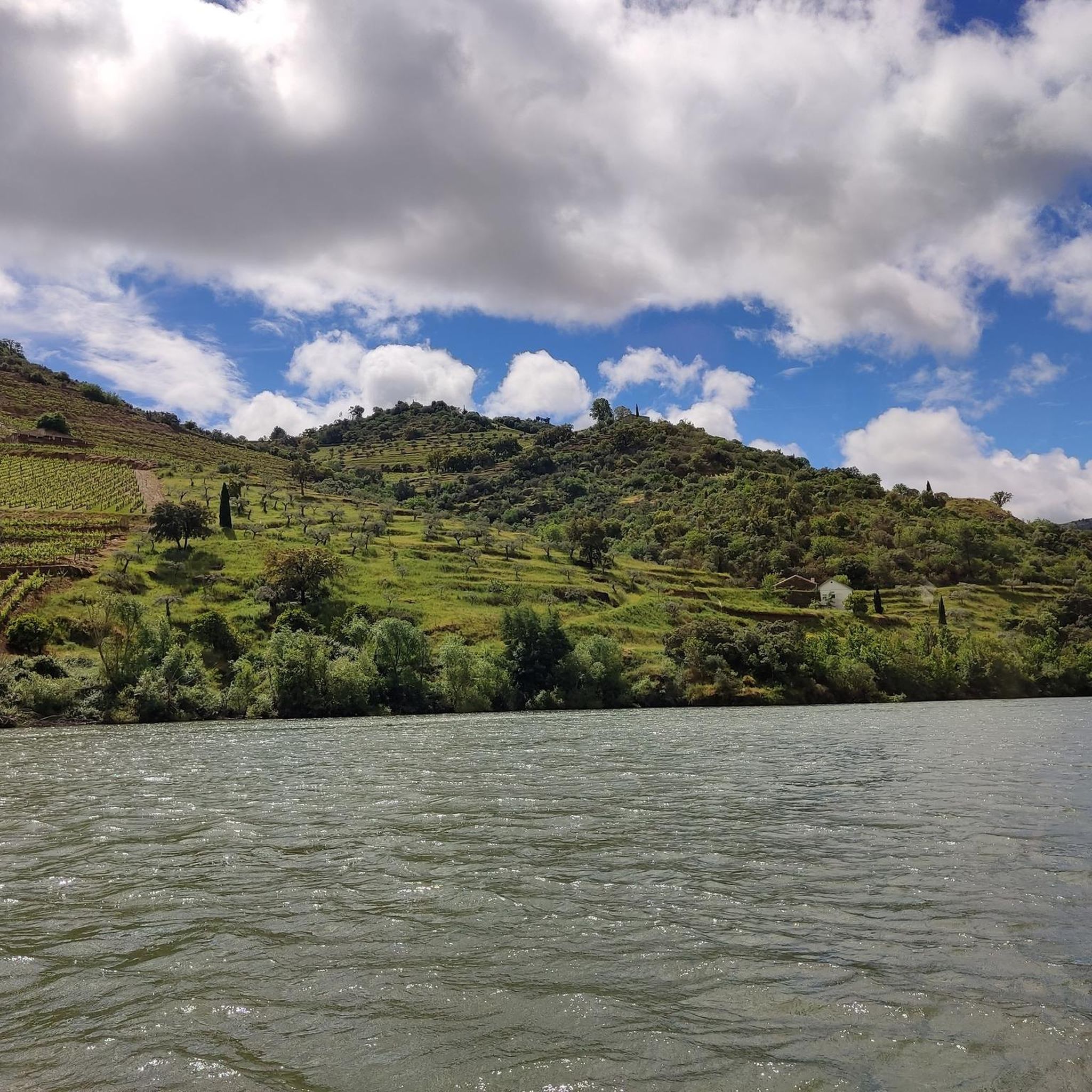
The trail here merges with the Great Côa and Historic Villages Route, leading you down a steep descent to the river. After crossing, the hillside challenges you with its demanding climb, but the reward lies in each new look: ever-changing perspectives of the Côa Valley. Both directions offer incredible views: remember to look back!
2
0
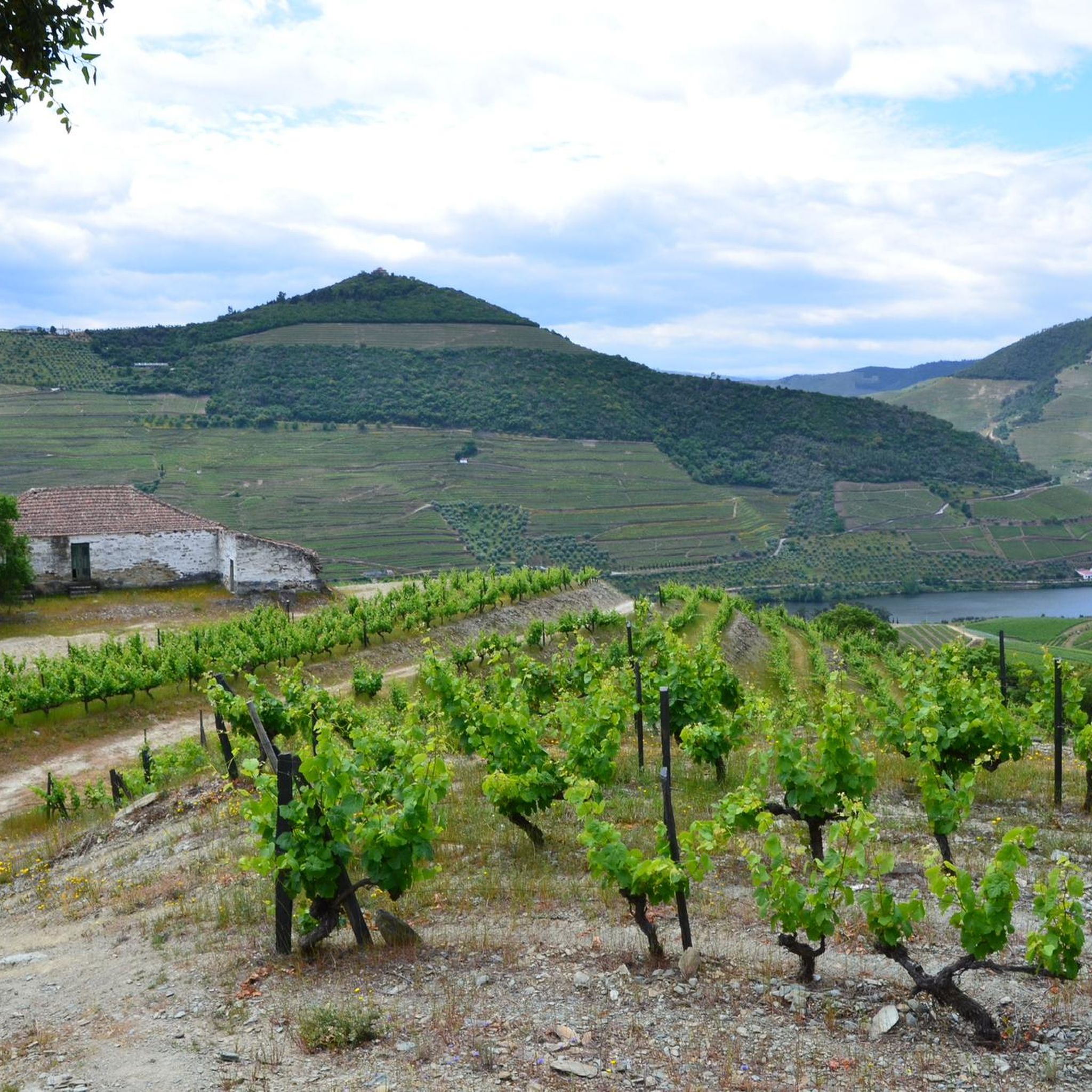
The Ponte de Santa bridge stretches over the Ribeira do Mosteiro. Beneath it, amidst the whispering water and the gentle warmth of the sun, you can rest on one of the large stone slabs that are spread out there, as if they were made to welcome travelers in need of rest. The scenery around you is pure enchantment: the schist slopes are torn apart by impressive quartzite outcrops that burst from the earth, erected in almost sculptural forms, a geological spectacle that is as intriguing as it is beautiful.
2
0
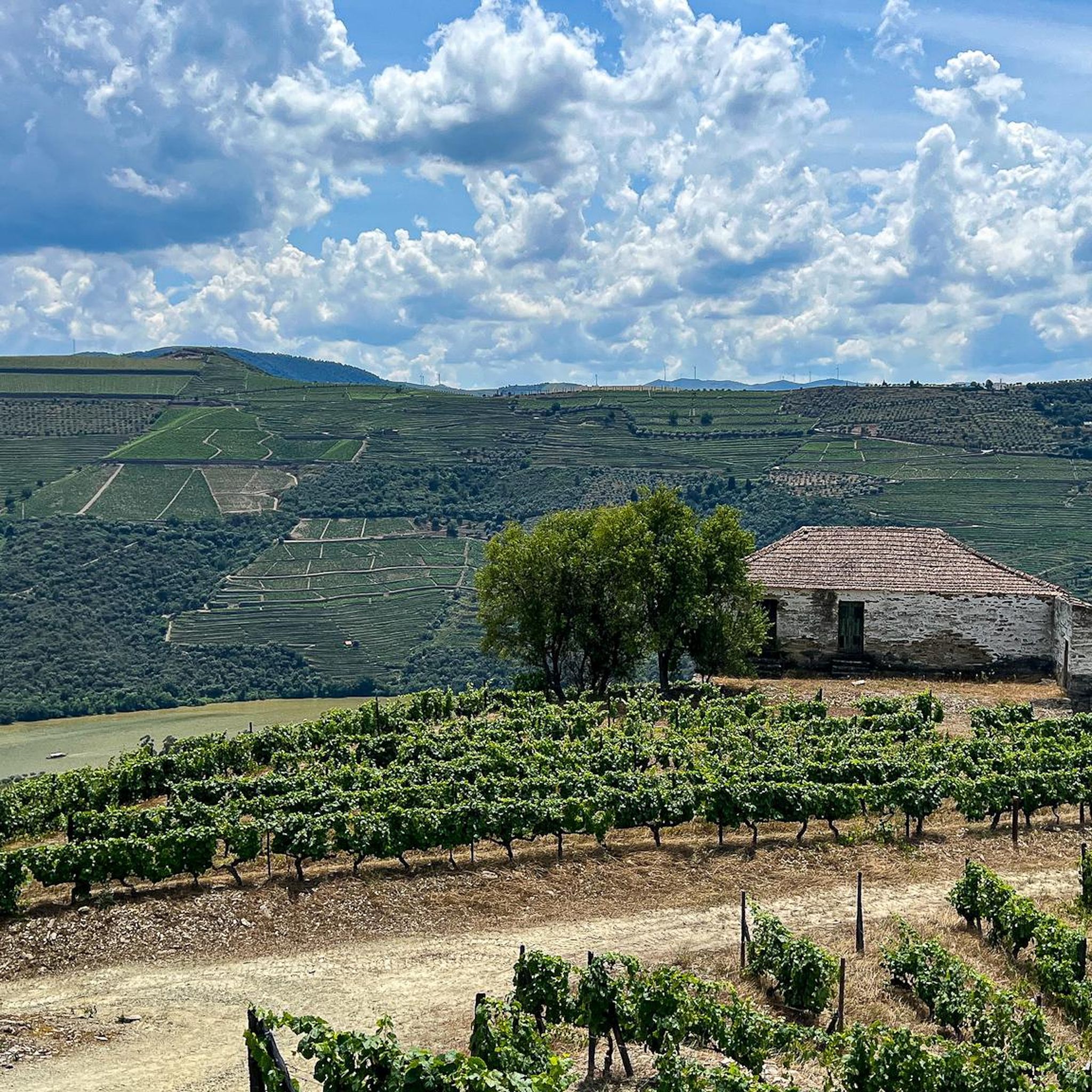
This place holds ancient memories, with remains dating back to the Bronze Age, with fragments of pottery that reveal human presence since ancient times. But the story did not end there: occupation extended into the Iron Age and continued during Roman rule. The ancient defensive walls of Castro de São Paulo, now almost gone, were worn down by time or transformed into terraces by the hands of farmers who, over the centuries, shaped the landscape to suit their needs.
3
0

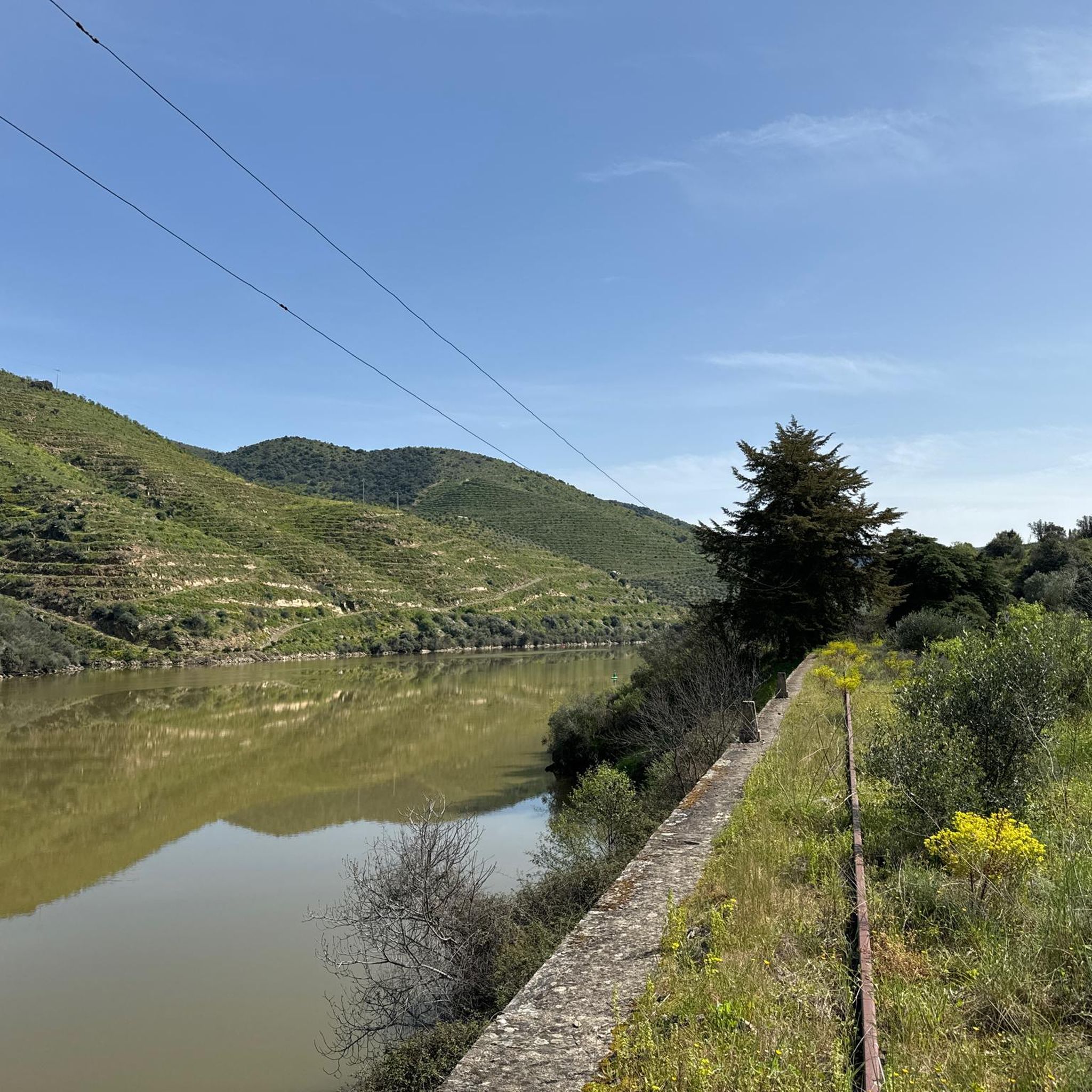
At this fork of the Douro River, which is called the Ribera do Arroio, this road appears that reaches the two towns that are above the river terrace of the same river, Açoreira and Peredo Dos Castelhanos.
0
0
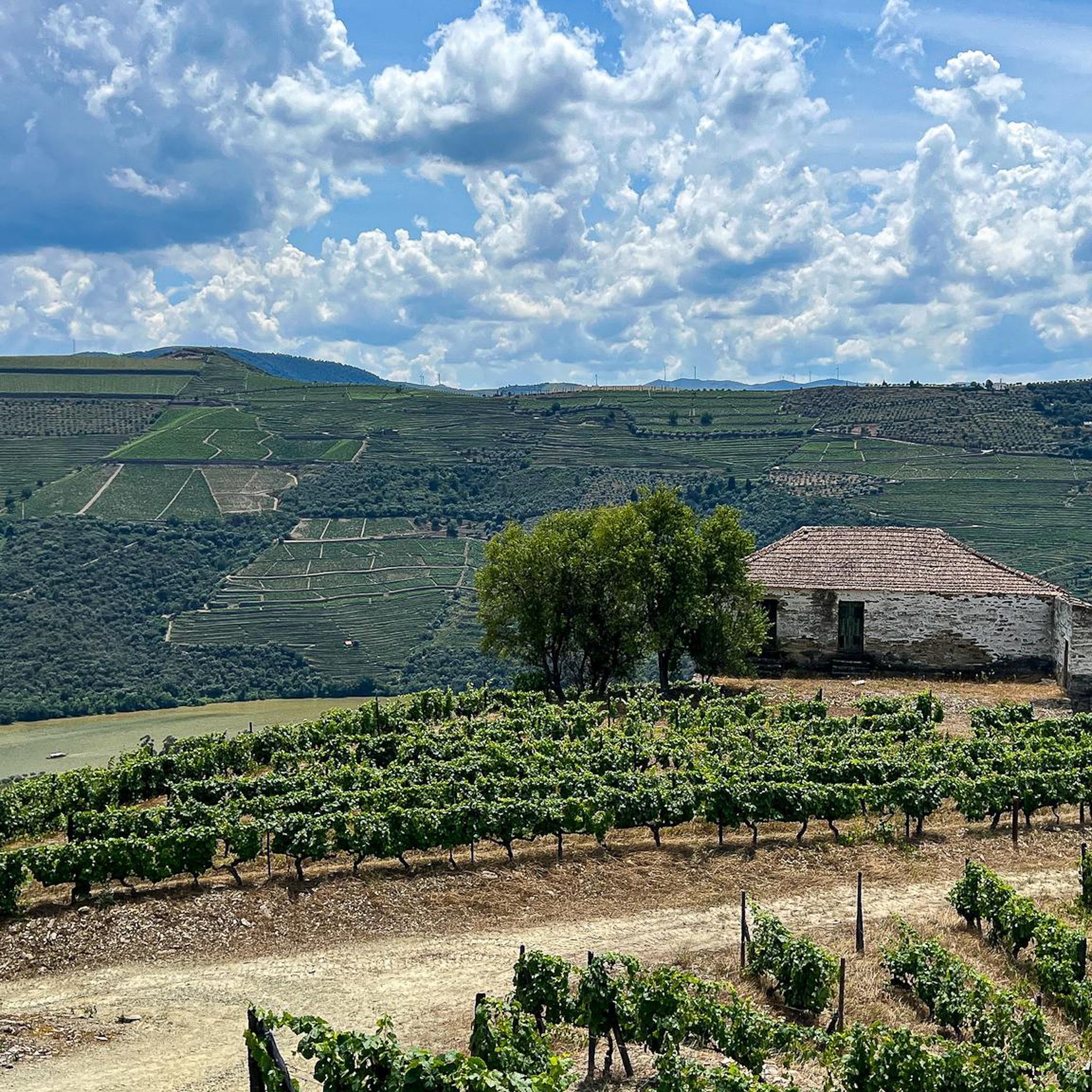
Incredible views of the valley of the Alto Douro and that lets us see its waters on this small paved road that borders, in an elevated way, the waters of the same river.
0
0
Frequently Asked Questions
What natural features can I expect to see around Vila Nova de Foz Côa?
The region is characterized by the dramatic confluence of the Côa and Douro rivers, creating rugged river valleys and diverse habitats. You'll find impressive geological formations like the schist slopes and quartzite outcrops near Ponte de Santa over the Ribeira do Mosteiro, and the challenging terrain of the Steep terrain in the Côa Valley. The area is also famous for its extensive almond groves, which burst into spectacular blossom in late winter.
Are there any historical or archaeological natural monuments in the area?
Yes, the natural landscape is deeply intertwined with history. Castro de São Paulo is a significant historical site and natural monument, holding ancient memories with remains dating back to the Bronze Age, Iron Age, and Roman rule. The Côa Valley itself is a UNESCO World Heritage site, renowned for its Paleolithic rock art, offering a unique blend of culture and nature.
What are the best viewpoints to experience the landscape of Vila Nova de Foz Côa?
The region is dotted with numerous viewpoints offering breathtaking vistas. While specific highlight viewpoints are not detailed in the guide, the area is known for its panoramic views over the valleys, vineyards, and traditional villages of the Upper Douro. The Steep terrain in the Côa Valley offers incredible, ever-changing perspectives of the valley as you traverse its trails.
What outdoor activities can I do near these natural monuments?
Vila Nova de Foz Côa offers various outdoor activities. You can explore the region by cycling, with routes like the 'View of Torre de Moncorvo – Larinho Station loop' or the 'Torre de Moncorvo and Sabor Greenway Loop'. For running, options include the 'Castelo de Penedono loop'. You can find more details on these and other routes in the cycling, road cycling, and running guides for Vila Nova de Foz Côa.
Are there hiking trails near the natural monuments?
Yes, the natural monuments are often integrated into hiking opportunities. The trail around the Steep terrain in the Côa Valley merges with the Great Côa and Historic Villages Route, offering challenging descents and climbs with rewarding views. The Faia Brava Reserve, a significant conservation area, also provides trails for nature enthusiasts and birdwatchers.
What is the best time of year to visit the natural monuments in Vila Nova de Foz Côa?
The best time to visit depends on your interests. For a unique natural spectacle, late February to early March is ideal when the extensive almond groves blossom, painting the countryside in white and pink. Warmer months are suitable for riverside strolls and water sports along the Côa River. Birdwatching is excellent year-round, particularly in the Faia Brava Reserve.
Are there any family-friendly natural monuments or activities?
Yes, Castro de São Paulo is categorized as family-friendly, offering an engaging historical experience within a natural setting. The panoramic viewpoints are also great for families to enjoy the scenery together. Gentle riverside strolls along the Côa River can also be a pleasant family activity.
What kind of wildlife can be observed in the natural areas?
The Faia Brava Reserve, as Portugal's largest private conservation area, is a vital refuge for wildlife and particularly renowned for birdwatching. The diverse habitats throughout the Côa and Douro river valleys support a variety of species, making it an interesting area for nature observation.
Can I find natural monuments along the Douro River?
Absolutely. The Douro River itself is a prominent natural feature of the region. You can find highlights such as the Douro River along the Ribera do Arroio and the Upper Douro, both offering incredible views of the valley and its terraced vineyards. These spots provide opportunities to appreciate the grandeur of the Douro landscape.
What makes the Ponte de Santa over the Ribeira do Mosteiro a notable natural monument?
The Ponte de Santa over the Ribeira do Mosteiro is notable for its stunning geological surroundings. Beneath the bridge, you'll find schist slopes dramatically torn apart by impressive quartzite outcrops, creating a unique and intriguing geological spectacle. It's a peaceful spot where you can rest on large stone slabs by the whispering water.
How long should I plan for a visit to the natural monuments?
The duration of your visit can vary greatly. For a quick appreciation of the landscape, visiting a few panoramic viewpoints might take a couple of hours. Exploring a site like Castro de São Paulo or undertaking a trail in the Steep terrain in the Côa Valley could take half a day or more, depending on your pace and interest in hiking. To fully immerse yourself in the region's natural and historical offerings, consider dedicating several days.
Most popular attractions around Vila Nova De Foz Coa

Get inspired with the komoot mobile app


Explore more
Extend your search for the best caves by checking out these guides of the top ones around Vila Nova De Foz Coa:
