Top 8 Natural Monuments around Montijo
Best natural monuments around Montijo are primarily centered around the Tejo Estuary Nature Reserve, a significant natural heritage site. This expansive wetland is one of Europe's most important estuary areas, serving as a crucial habitat for diverse aquatic birds and a vital migratory stopover. The region also features riverfront parks and unique estuarine beaches, offering various outdoor experiences. These areas provide opportunities for birdwatching, hiking, and enjoying the natural landscape.
Best natural monuments around Montijo
- The most popular natural monuments…
Last updated: June 22, 2026
Eduardo VII Park Viewpoint
Highlight • Viewpoint
Translated by Google •
Tip by

University of Lisbon Botanical Garden
Highlight • Forest
Translated by Google •
Tip by

Sign up now to discover places like this
Get recommendations on the best single tracks, peaks, & plenty of other exciting outdoor places.
Sign up for free
Alameda Luminous Fountain
Highlight • Monument
Translated by Google •
Tip by
Ancient Gnarled Tree in Alfama
Highlight • Natural Monument
Translated by Google •
Tip by

Príncipe Real Garden
Highlight • Forest
Tip by

Sign up for free to discover even more natural monuments around Montijo.
Sign up for free
Already have an account?
Start today with a free account
Your next adventure awaits.
Login or Signup
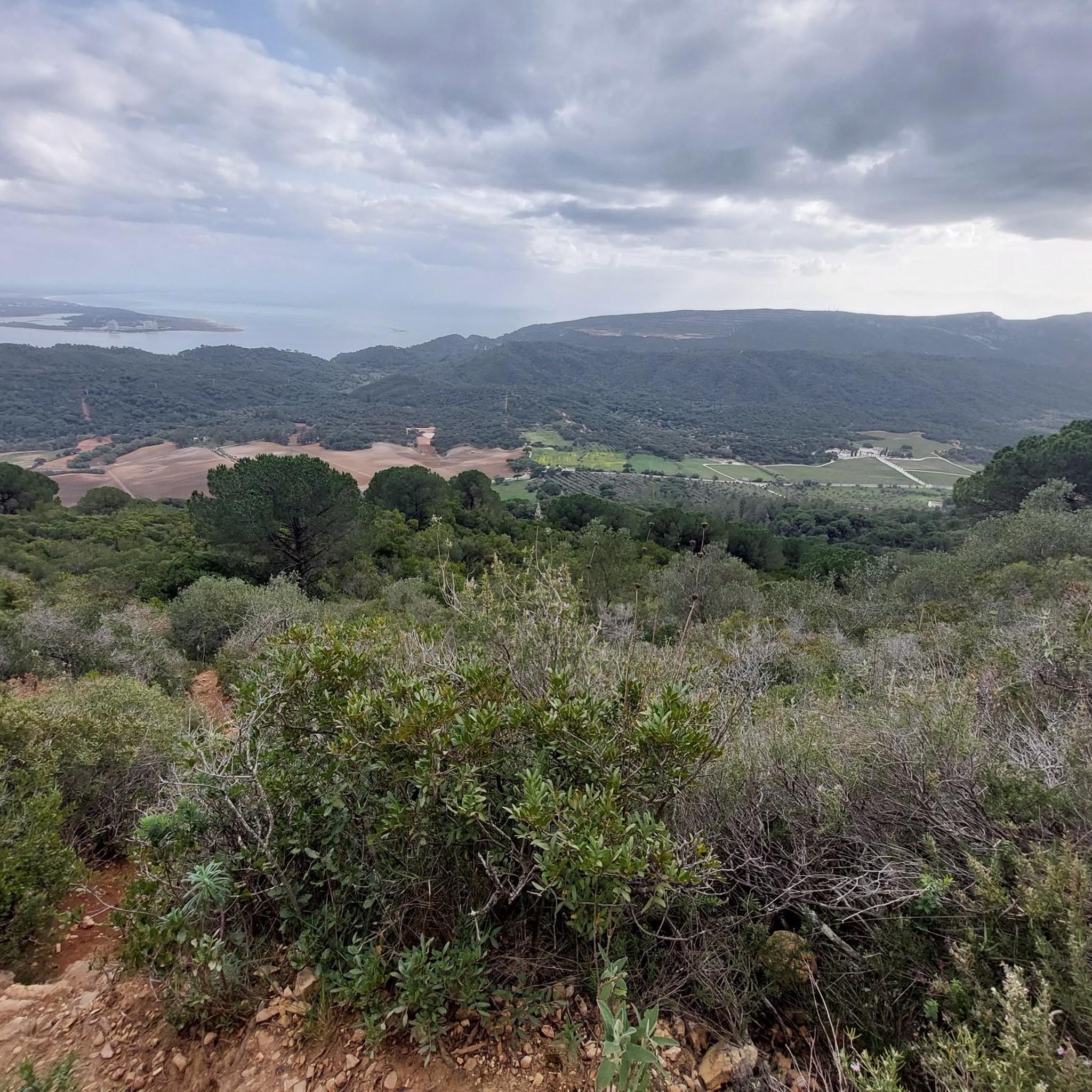
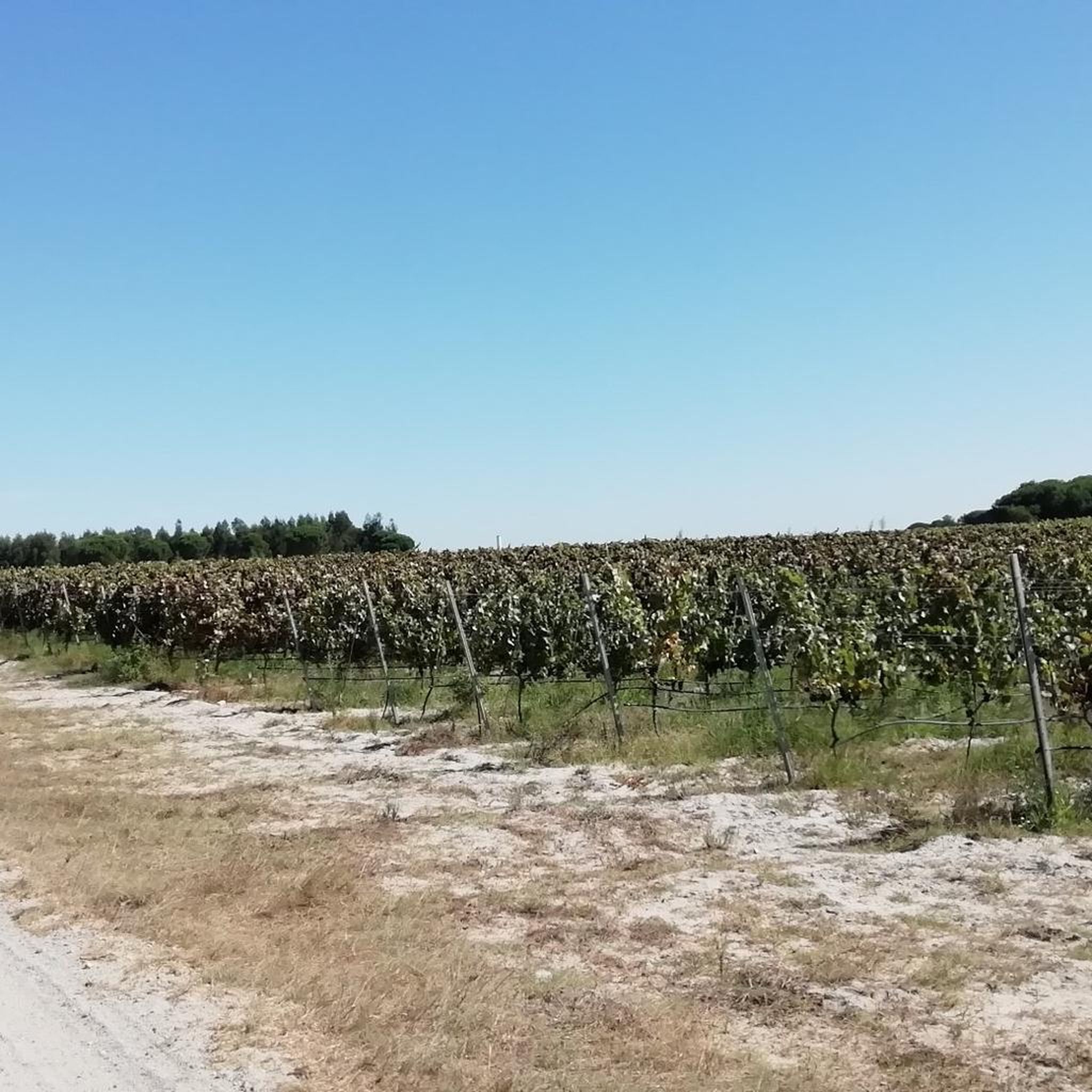
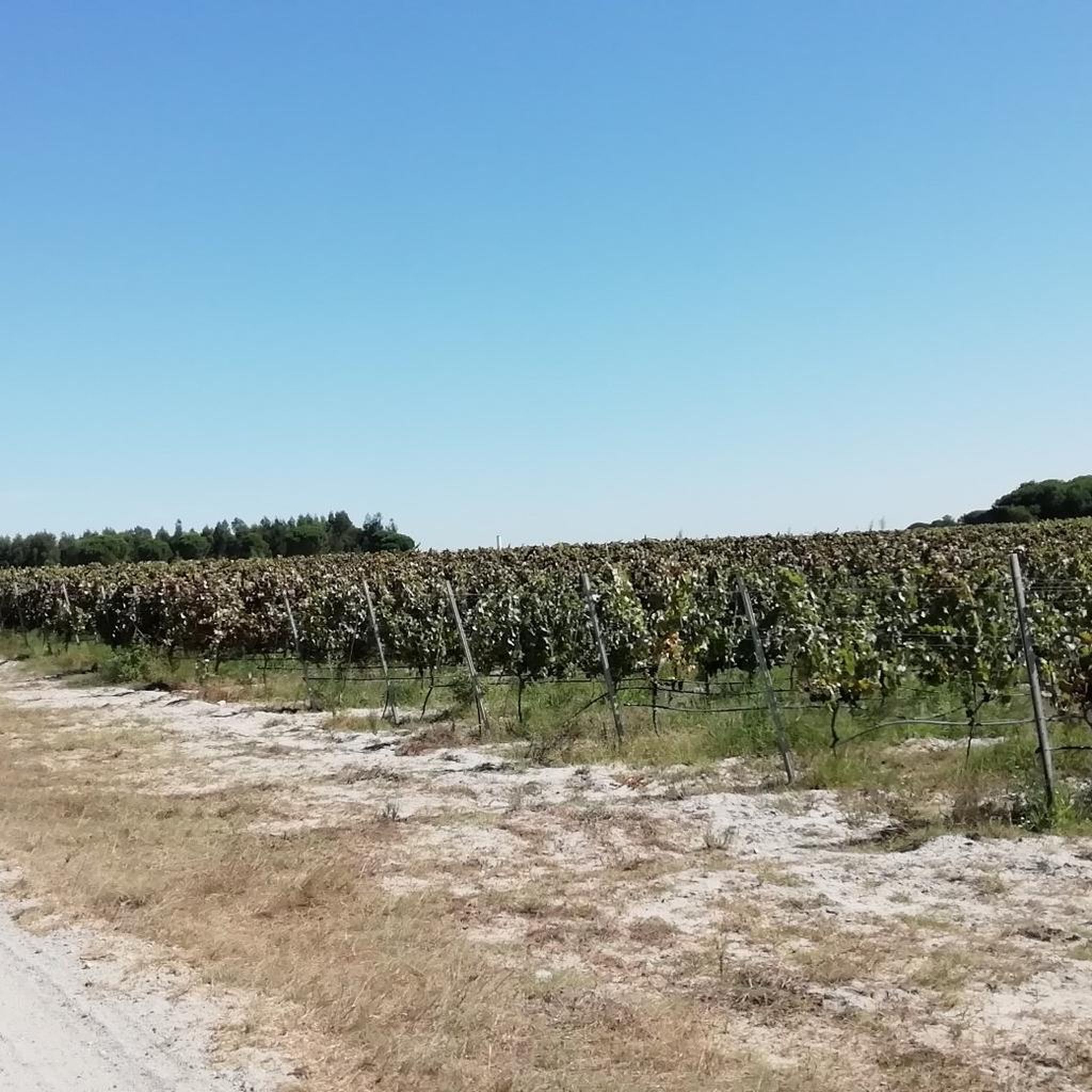
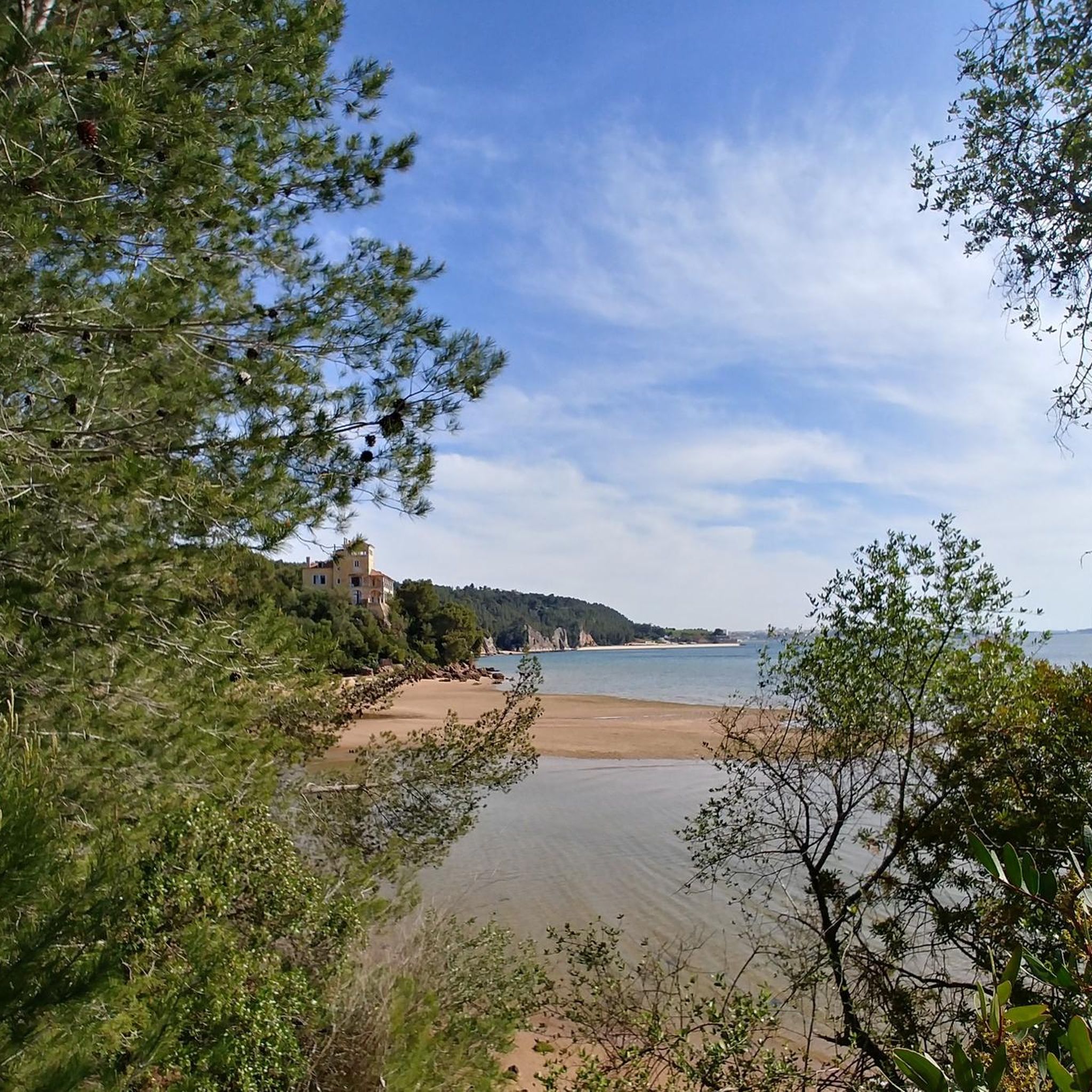
Tips from the Community

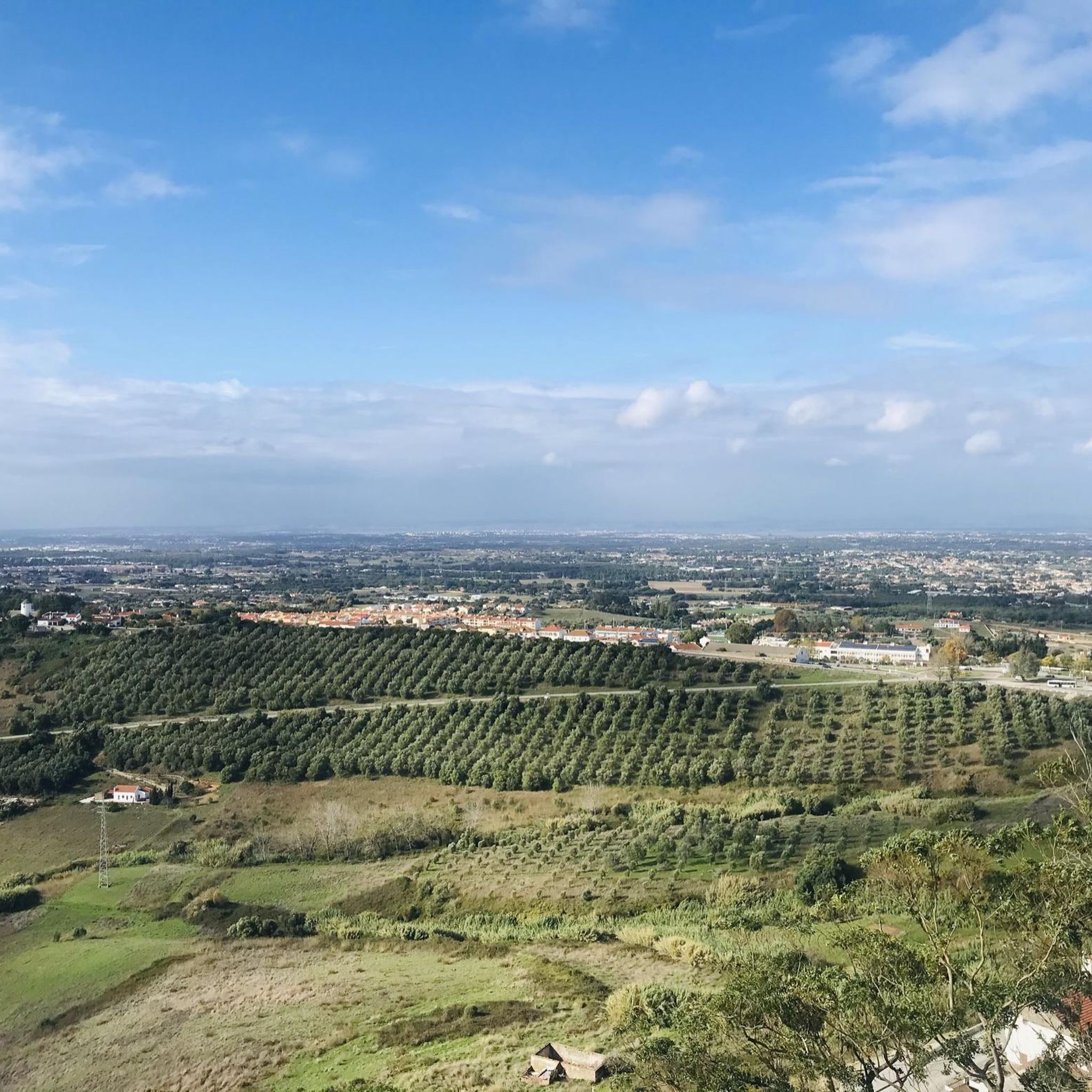
Eduardo VII Park stretches like a large green ribbon up the hill, offering plenty of space to breathe with its lawns and paths. From the top, you have a stunning view across Avenida da Liberdade all the way down to the Tagus River. Perfect for a quiet break, a picnic, or a relaxing stroll in nature right in the heart of Lisbon.
4
1
The ancient, gnarled tree in Alfama seems to have witnessed countless stories from the neighborhood. With its thick trunk, twisted branches, and the shadows it casts on the cobblestones and house walls, it offers a tranquil counterpoint to the hustle and bustle of the narrow streets. A beautiful spot to pause, take a breath, and soak up the unique atmosphere of old Lisbon.
2
0

The Lisbon Botanical Garden, located in the parish of São Mamede, is one of the city's oldest and most important green spaces, with a rich history linked to scientific research and botanical conservation. Founded in 1873 at the initiative of Count Ficalho and Andrade Corvo, professors at the Lisbon Polytechnic School. Officially inaugurated in 1878, it was conceived as a scientific garden to support teaching and research in botany. It is part of the National Museum of Natural History and Science of the University of Lisbon.
3
0
The architectural design was designed by brothers Carlos and Guilherme Rebello de Andrade in the Portuguese Suave style, typical of the Estado Novo. The sculptures were made by Maximiano Alves (caryatids) and Diogo de Macedo (figures of the Tagus River and the Tagides), with lateral reliefs by Jorge Barradas.
5
0
The Alameda Luminous Fountain, also known as the Monumental Fountain, is one of Lisbon's most iconic monuments, located on Alameda Dom Afonso Henriques, right next to the Alameda metro station (green and red lines). It was conceived in 1938 and finally inaugurated on May 30, 1948. Its construction celebrated the regular supply of water to the eastern part of Lisbon.
5
0
Eduardo VII Park is one of Lisbon's most iconic green spaces, located just north of Marquis of Pombal Square and Avenida da Liberdade. It's an ideal place to stroll, relax, and enjoy spectacular views of the city.
9
0

The former Limoeiro Square, currently a street connecting downtown Lisbon to the Portas do Sol viewpoint, is a must-see for tourists and part of the famous tram line 28. Next to the wall of the former Limoeiro Prison, now the Center for Judicial Studies, stands a Phytolacca dioica L., which replaced the lemon tree from which this square took its name. It is approximately 13 meters tall, 17 meters across its base, and 100 years old. This species is native to South America, has a very fast growth rate, and blooms between April and June.
1
1

Lisbon's central park was named as a tribute to the English monarch Edward VII, who visited Lisbon in 1903, five centuries after the Anglo-Portuguese Alliance. It ascends one of the city's hills and provides a wonderful view from the top. It's made up of symmetrical box hedging and a variety of plants, most of them found inside a cool and heated greenhouse from the 1930s, which is filled with exotic species from tropical climates. This greenhouse is one of the most important green spaces in Lisbon, considered an authentic living museum, with its small lakes and waterfalls, statuary, and hundreds of species of plants.
6
0
Frequently Asked Questions
What are the primary natural attractions in the Montijo area?
The main natural attractions in the Montijo area are centered around the Tejo Estuary Nature Reserve, which is one of Europe's most important estuary areas. This expansive wetland is a crucial habitat for diverse aquatic birds. Additionally, Montijo offers its Riverside Park and the serene Praia da Samouco, an estuarine beach.
What makes the Tejo Estuary Nature Reserve a significant natural monument?
The Tejo Estuary Nature Reserve is Portugal's largest wildlife sanctuary, encompassing vast mudflats, salt marshes, and estuarine waters. It serves as a vital wintering, nesting, and migratory stopover site for thousands of aquatic birds, including flamingos, making it a birdwatcher's paradise.
Where are the best places for birdwatching within the Tejo Estuary Nature Reserve?
For birdwatching, the EVOA – Birdwatching and Visitor Center is highly recommended, featuring observatories and camouflaged observation points. Another excellent spot is Ponta da Erva, a river viewpoint offering great opportunities to observe birds, especially during periods between tides.
What is the best time of year to visit the natural monuments around Montijo for wildlife viewing?
The best time to visit for wildlife viewing, particularly birdwatching, is from mid-November to late March. During these months, thousands of flamingos and a wide variety of other species can be observed in the Tejo Estuary Nature Reserve.
Are there any family-friendly natural monuments or parks in Montijo?
Yes, Montijo's Riverside Park offers green spaces perfect for picnics and outdoor activities, making it ideal for families. Within the Tejo Estuary, the EVOA – Birdwatching and Visitor Center is also family-friendly, providing an engaging educational experience for all ages. The University of Lisbon Botanical Garden and Príncipe Real Garden are also popular family-friendly spots accessible from the Montijo area.
What kind of outdoor activities can I do near Montijo's natural monuments?
The Montijo area offers various outdoor activities. You can enjoy hiking, cycling, and even boat trips on traditional vessels within the Tejo Estuary. For specific routes, you can explore options like road cycling routes, gravel biking trails, and general cycling tours around Montijo.
Are there any unique natural features or 'hidden gems' to discover in the Montijo region?
Beyond the main reserve, Praia da Samouco is a serene and peaceful estuarine beach, often considered a hidden gem. It offers a relaxing environment with views of Lisbon and the Vasco da Gama Bridge. Another unique spot is Caminho das Pancas, a trail within the Tejo Estuary known for its sandy paths where visitors might encounter horses and wild bulls.
What are some of the most popular natural monuments or viewpoints favored by visitors to the Montijo region?
Visitors frequently appreciate the panoramic views from the Eduardo VII Park Viewpoint, which offers spectacular cityscapes. The Príncipe Real Garden is also a beloved spot for its cozy atmosphere and ancient tree, while the University of Lisbon Botanical Garden is valued for its rich botanical diversity and conservation efforts.
Is there an ancient tree or unique botanical site worth visiting near Montijo?
Yes, the Ancient Gnarled Tree in Alfama is a remarkable sight. This Phytolacca dioica L., approximately 100 years old, stands with a thick trunk and twisted branches, offering a tranquil counterpoint to the historic neighborhood. The University of Lisbon Botanical Garden is also a significant botanical site, supporting teaching and research in botany.
What historical elements are intertwined with the natural environment in Montijo?
While a built structure, the historical Tide Mill (Moinho de Maré) in Aldeia Galega/Montijo is deeply intertwined with the natural ebb and flow of the Tagus River, showcasing the historical interaction between humans and the natural environment. The Tejo Estuary itself has a history of traditional activities like salt production, reflecting human adaptation to the natural landscape.
Are any of the natural monuments around Montijo accessible for wheelchairs?
The Eduardo VII Park Viewpoint is noted as wheelchair accessible, providing an opportunity for everyone to enjoy the panoramic views it offers.
What do visitors enjoy most about the natural monuments in the Montijo region?
Visitors particularly enjoy the tranquility and natural beauty of the Tejo Estuary, especially the birdwatching opportunities. The green spaces of Montijo's Riverside Park are appreciated for relaxation, and the unique estuarine beach of Praia da Samouco is loved for its peaceful atmosphere. The komoot community has shared over 240 photos and given more than 380 upvotes, highlighting the region's appeal.
Most popular attractions around Montijo

Get inspired with the komoot mobile app


Explore more
Extend your search for the best caves by checking out these guides of the top ones around Montijo:
